
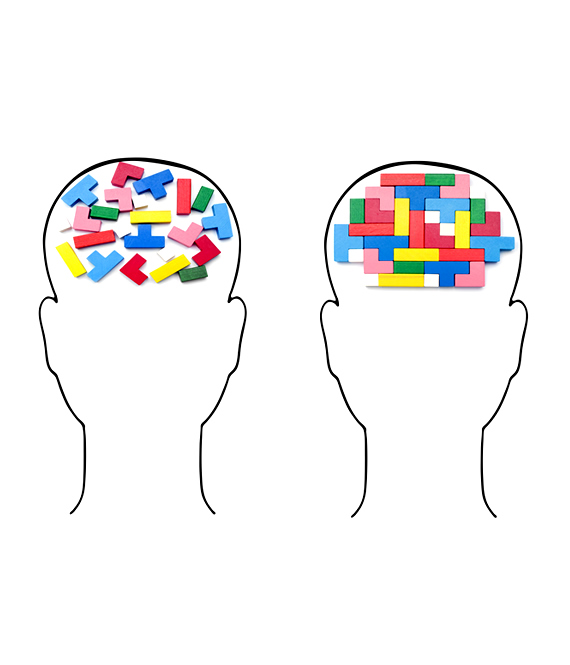
According to the NIMH, nearly one in five adults in the US are affected by a mental health condition. But while around 53 million adults live with broad disorders like depression, anxiety, and substance abuse, over 14.2 million of them see their lives entirely disrupted by a serious mental illness (SMI).
If you or a loved one are dealing with an SMI, seeking treatment should be your top priority. Here are some of the treatment options available to regain your mental, physical, and emotional well-being.
Find a Local Support Group
Partnering with a specialized professional is the first thing to do if you are struggling with mental health. However, there are other strategies beyond therapy that can help you find the support and resources needed to overcome your condition.
For example, joining a local support group or mutual aid organization, such as the 12-step program, can help you find ongoing help throughout your recovery journey. Support groups are also a great way to overcome feelings of isolation, make new connections, and gain insights into how to live with your condition.
Pro tip: self-help strategies (including radical acceptance and deep breathing) can help you address lifestyle factors and establish a routine more conducive to health.
Consider an Intensive Outpatient Program (IOP)
If you and your mental healthcare provider have determined that you don’t require round-the-clock supervision, or you have already undergone detoxification and inpatient therapies, a tailored Intensive Outpatient Program (IOP) might be the best option to overcome mental health illness.
IOPs allow you to work with a specialist and benefit from a wide range of targeted therapies, including Cognitive Behavioral Therapy (CBT), life skills classes, relapse prevention strategies, and group therapy. Unlike inpatient programs, IOPs cause minimal disruptions to your day-to-day life and allow you to continue to work and live at home.
Obtain a Tailored Medication Plan
While prescription drugs don’t cure mental health illnesses, psychiatric medication plans can help you keep symptoms at bay, so that you can regain control over your life and emotions while working towards recovery.
Today, there is a wide range of prescription medicines available, including antidepressants, minor tranquilizers, antipsychotics, and mood stabilizers. Nonetheless, since these drugs can interact with other medications and cause side effects, you should always partner with a trusted doctor before choosing this treatment type.
Consider Inpatient or Residential Programs
Inpatient treatment programs are designed to help people struggling with a life-threatening disorder, or those who have experienced a crisis, such as attempted suicide, overdose, or psychotic episodes.
If you or a loved one have already tried other treatment types with no success, residential programs might reduce the intensity of your condition, thus giving you better chances to make a full recovery.
During an inpatient program, you will benefit from comprehensive care and access to a wide range of therapies, including medically assisted detoxification and CBT. Residential care also means that you will live in facilities designed to support health and recovery, and take part in activities such as art and music classes.
Learn About the Benefits of Complementary & Alternative Medicine
If you experience severe mental illness, a specialized mental healthcare provider should be your first port of call. However, some Complementary & Alternative Medicine (CAM) therapies can be used alongside traditional treatments to increase your chances of recovery.
For example, 2019 studies have shown that regular yoga practice can significantly reduce general psychopathology ratings in people with schizophrenia, improve cognition, and ease the severity of depressive episodes. Other CAM treatments include animal therapies, dietary changes, and electrical stimulation.
Finding The Right Treatment For Your Needs: Start By Speaking to Your Doctor
According to estimates, around 45% of those with a mental health condition don’t seek help because of the stigma surrounding the need for mental health treatments. Nonetheless, the availability of effective, evidence-based treatments is growing, and, today, you can find programs that are designed around your unique needs, goals, and lifestyle.
If you are unsure about the best type of program for your needs, consult a trusted doctor. A healthcare professional can review your symptoms, take you through the different options, and help you choose the best therapy for your needs.

Hi! I am author + writer on personal development, beauty, relationships and self-care, sharing insights through this blog since 2018. After years of practicing personal growth, emotional wellness and feminine lifestyle (plus 19 years in a thriving relationship), I share effective and tested advice to help you foster beauty, self-improvement and order in your life. Some articles are written by a small team of beautiful writers I trust.








Leave a Comment