A good toiletry backstock isn't about having more. It's about knowing exactly what you have, so you never run out of shampoo mid-wash and never come home with your fourth "just in case" tube of toothpaste. The secret is less about the storage itself and more about a few small decisions you make once.
Most of us have a backstock already, it's just scattered. A bottle of body wash under the sink, two toothbrushes in a drawer, toilet paper in the hallway closet and a forgotten bag of cotton pads at the back of the wardrobe. Because nothing lives together, you can't see it, and what you can't see, you buy again.
This guide is all about toiletry backstock organization: how to decide how much to keep, where to put it in a small home, the six categories that make sorting easy, a simple table you can follow, containers that keep everything visible, and the safety habits that matter when you store extras. It's only about spare consumables (shampoo, soap, toothpaste, paper and the like). Towels and sheets have their own home in my linen closet organization guide.
Everything here is renter-friendly and budget-friendly. You can start with a shoebox and a pen.
Why a Toiletry Backstock Needs a System
Spare toiletries are sneaky. They are small, they come home in shopping bags and they get tucked into whatever space is closest. A few months later, you have three half-hidden stashes and no idea what's in any of them.
A simple system fixes three everyday problems:
- Running out. You always have one spare ready, so a last-minute store run disappears.
- Overbuying. When you can see everything at a glance, you stop buying "just in case" duplicates.
- Waste. Products get used before they go stale, separate or expire.
The goal isn't a store-shelf display. It's a calm little corner where every spare has a place and you can tell in ten seconds what you need.
Decide Your Backstock Level First
Before you buy a single bin, decide how much backstock you actually want. This is the step that saves the most money, and it's the one most people skip.
Ask yourself three quick questions:
- How often do I shop? If a drugstore is on your way home, you need very little backstock. If you shop once a month, you need a bit more.
- How much space do I really have? Be honest. A small apartment can't hold a warehouse, and it shouldn't have to.
- What would truly be a problem to run out of? Toilet paper and toothpaste, yes. A third body scrub, probably not.
The One-or-Two Rule
For most homes, the simplest rule is: one spare of each everyday item, two of the things you can't live without. One extra shampoo, one extra conditioner, one deodorant, one toothpaste. Two packs of toilet paper or two boxes of period products, because running out of those is genuinely stressful.
When you open your last spare, that item goes on your shopping list. That's the whole system. A sale is lovely, but a bargain you have no room for isn't really a bargain (a small honest admission: this rule exists because I once found four identical hand creams in one drawer).
Pick a Spot That Works for Your Home
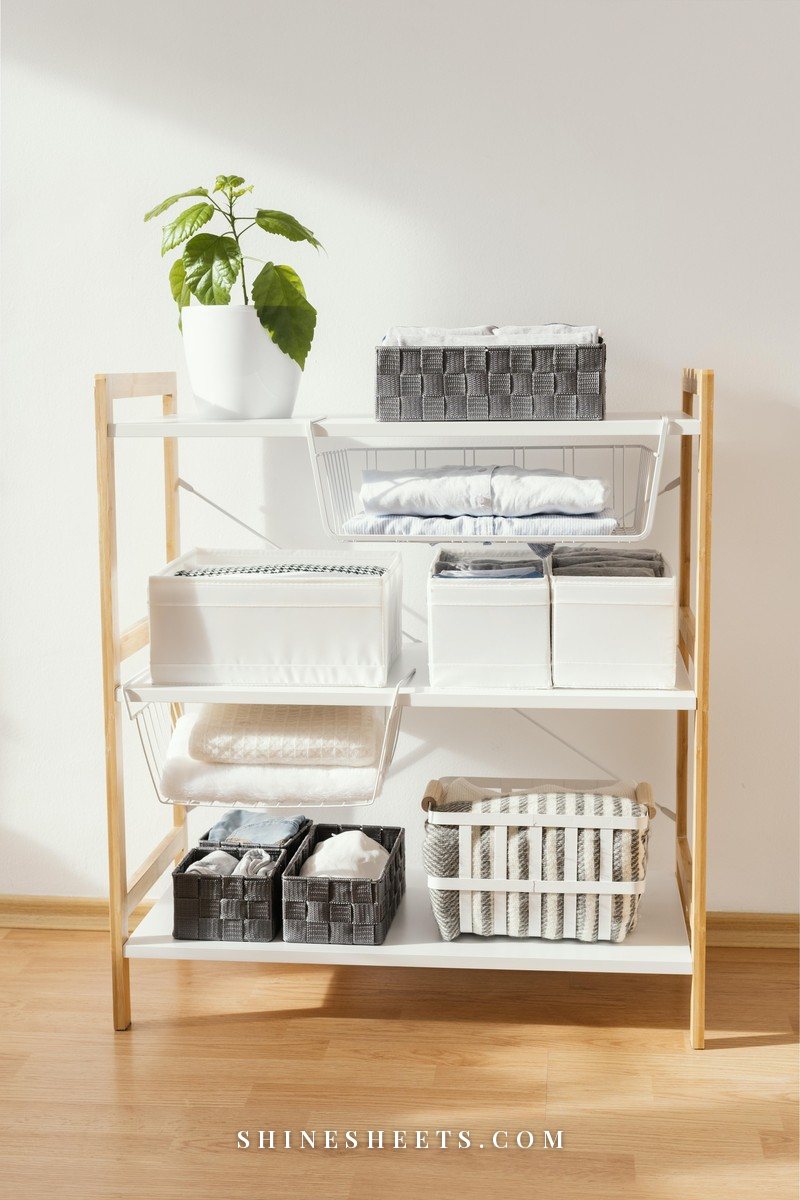
The best backstock spot is close to where you'll use things, dry, cool and easy to reach. It doesn't have to be one place, but each category should have just one home. Here are the four spots that work in almost any home.
A Closet Shelf
A shelf in a hallway or bedroom closet is the classic choice. It stays dry, it's away from steam and you can line up bins so labels face out. Keep heavy items (big bottles, multipacks) on the lowest shelf you can spare, and lighter items like cotton pads or travel sizes higher up.
Under the Sink
Bathroom under-sink space is handy for spares you reach for often, like soap and toothpaste. The catch is pipes and occasional moisture, so use lidded or plastic containers rather than cardboard, and keep a small tray under anything that might leak. My guide to under-sink organization has more ideas for working around pipes.
A Bin Under the Bed
No closet space? A low, lidded underbed bin is a perfect backstock home for bulky but light things like toilet paper, tissues and cotton pads. Choose one with a lid to keep out dust, and slide it under the side of the bed you get up on, so it's easy to reach.
The Top of a Wardrobe
The top of a wardrobe is wonderful for the "rarely" items: extra paper goods, travel-size duplicates, a spare pack of razors. Use matching lidded boxes so it looks calm from below, and only store light things up there. Nothing heavy or glass above head height.
The 6 Backstock Categories To Sort Into
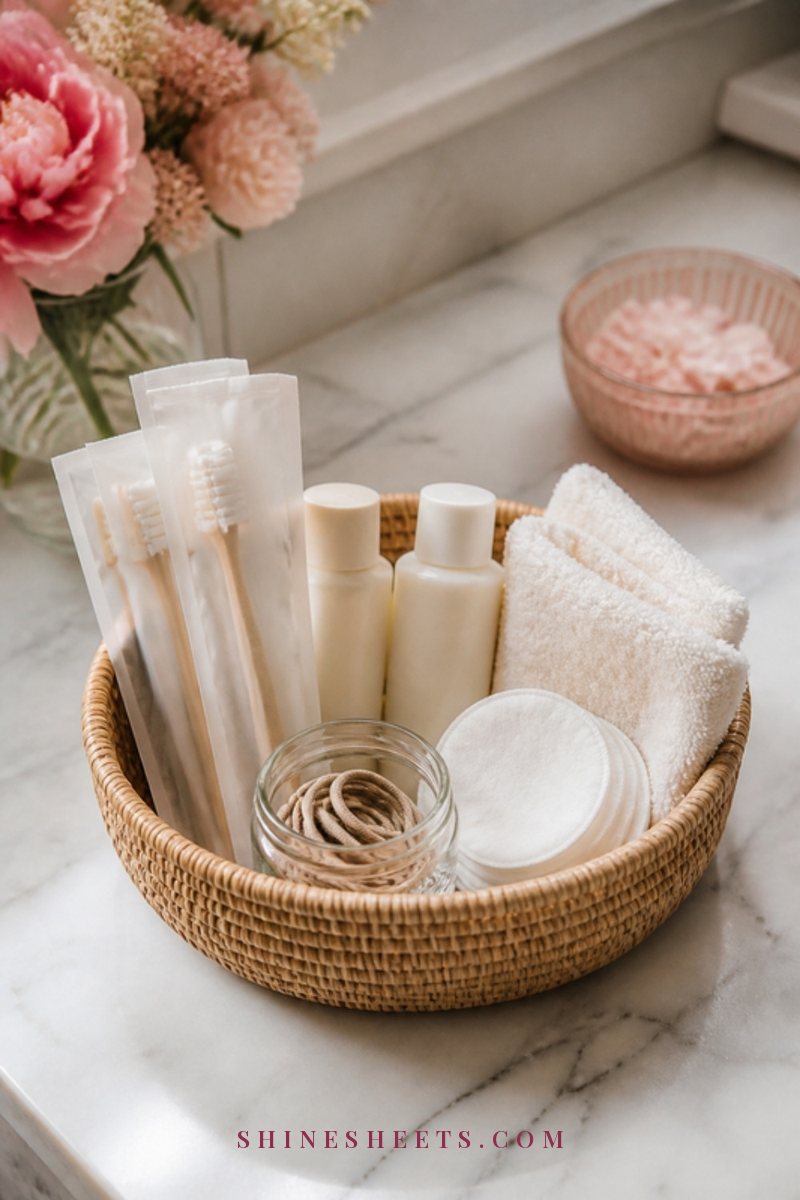
Sorting is easier when you only have a few groups to think about. Gather every spare you own on a bed or table, then sort into these six categories. Anything that doesn't fit is probably a "use it up" item, not backstock.
1. Hair Care
Shampoo, conditioner, a spare hair mask, dry shampoo and hair ties. Keep bottles upright in a bin so caps don't pop open, and group shampoo and conditioner of the same kind together so you can grab a matching pair.
2. Body Wash and Soap
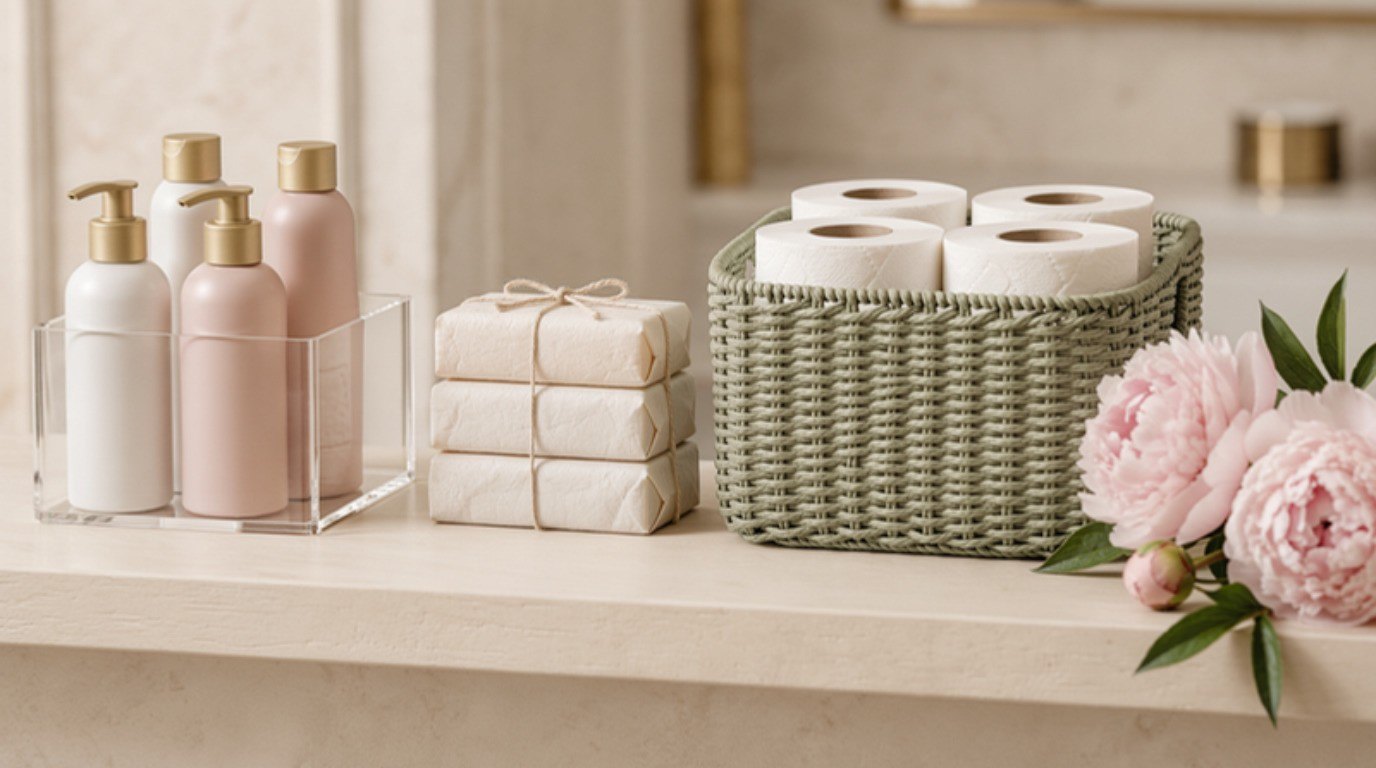
Body wash, bar soap, hand soap refills, body lotion and deodorant. Bar soap actually lasts longer when it's unwrapped and allowed to dry out a little in a cool, dry spot, so a small open basket works nicely for bars. Liquid refills stay upright in a bin.
3. Oral Care
Toothpaste, toothbrushes or brush heads, floss and mouthwash. This category is small, so one shoebox-size container is usually enough. Write the date on the toothbrush pack when you open it, so you remember to switch every three months or so.
4. Paper Goods
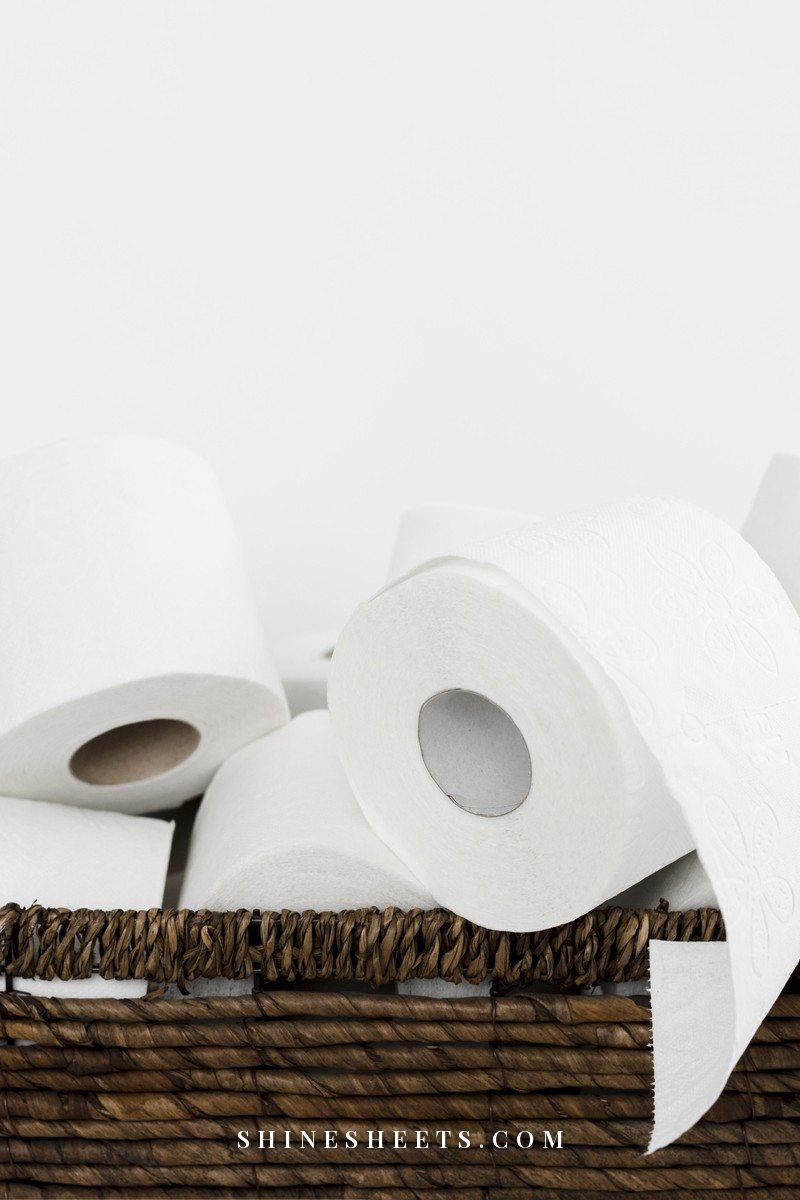
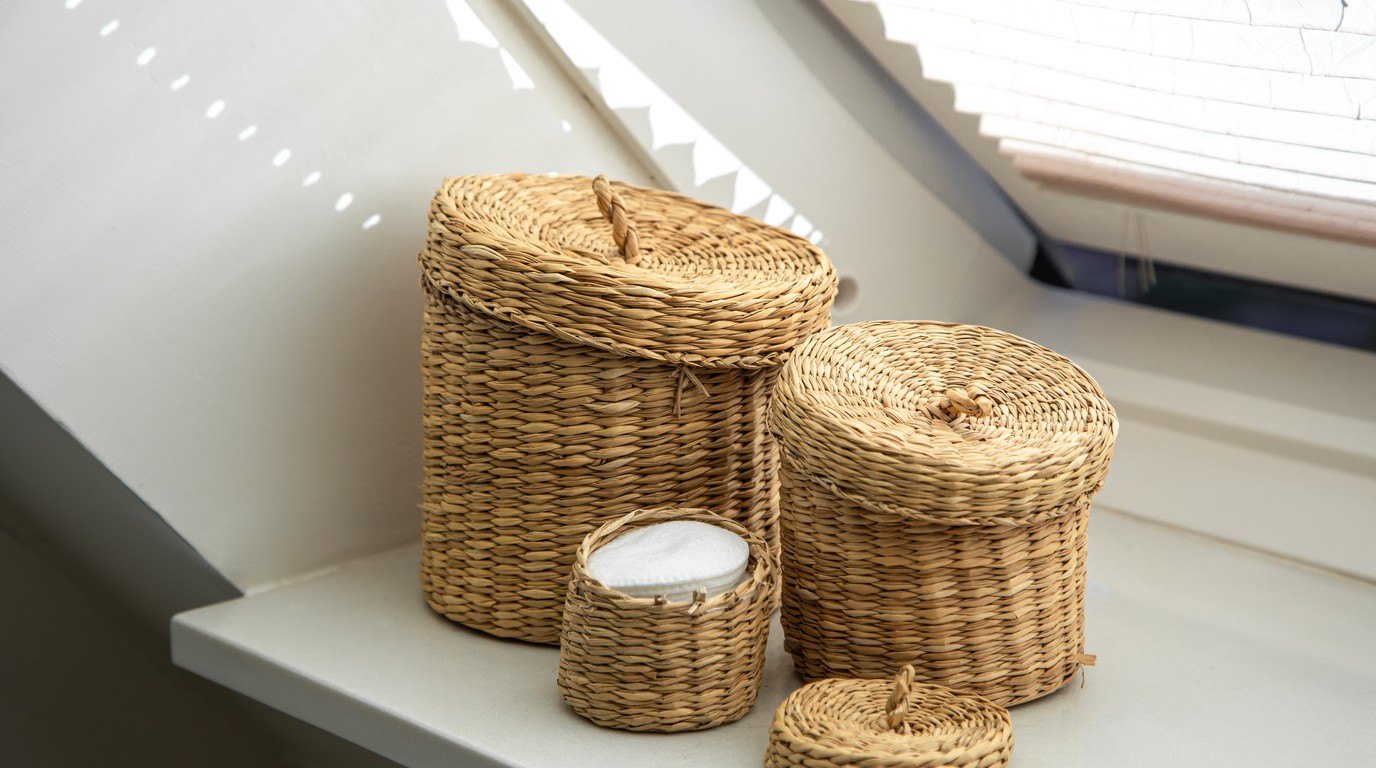
Toilet paper, tissues, cotton pads, cotton swabs and paper towels if you keep them with your toiletries. Paper goods are bulky but light, which makes them ideal for high shelves, underbed bins or a set of sage woven baskets on an open shelf, where they look soft and tidy rather than like a stockroom.
Keep paper away from damp spots, because it soaks up moisture and can get musty.
5. Period and Personal Care
Pads, tampons, liners, period underwear, razors, shaving cream and makeup remover pads. I'd keep this group close to the bathroom and make sure it's easy for anyone in the home to find. Running out here is the most stressful kind of running out, so this is a great "two of each" category.
6. First Aid Basics
Plasters, gauze, antiseptic wipes, a thermometer and any over-the-counter basics you keep spare. Store these separately from everyday toiletries in a clearly marked box, high up and out of children's reach. My medicine cabinet organization guide explains how to keep the daily-use part calm and safe.
Toiletry Backstock Table
Here's the whole plan in one table. Screenshot it, then adjust the numbers to your household:
| Category | How many to keep | Storage spot | Container type |
|---|---|---|---|
| Hair care | 1 spare shampoo, 1 conditioner, 1 dry shampoo | Closet shelf or under the sink | Clear upright bin |
| Body wash and soap | 1 body wash, 2–3 soap bars, 1 hand soap refill, 1 deodorant | Closet shelf | Clear bin for liquids, open basket for bars |
| Oral care | 1 toothpaste per person, 1 brush pack, 1 floss | Under the sink or bathroom drawer | Small lidded box |
| Paper goods | 1–2 multipacks of toilet paper, 2 tissue boxes, 1 pack of cotton pads | Top of wardrobe or under the bed | Woven basket or underbed bin with lid |
| Period and personal care | 2 boxes of your usual products, 1 razor pack | Bathroom cabinet or nearby closet | Lidded box, clearly labelled |
| First aid basics | 1 of each essential | High shelf, away from heat and steam | Lidded box, out of children's reach |
If a category fills more than its container, that's your signal to pause buying until you've used some up.
Containers That Keep It Visible
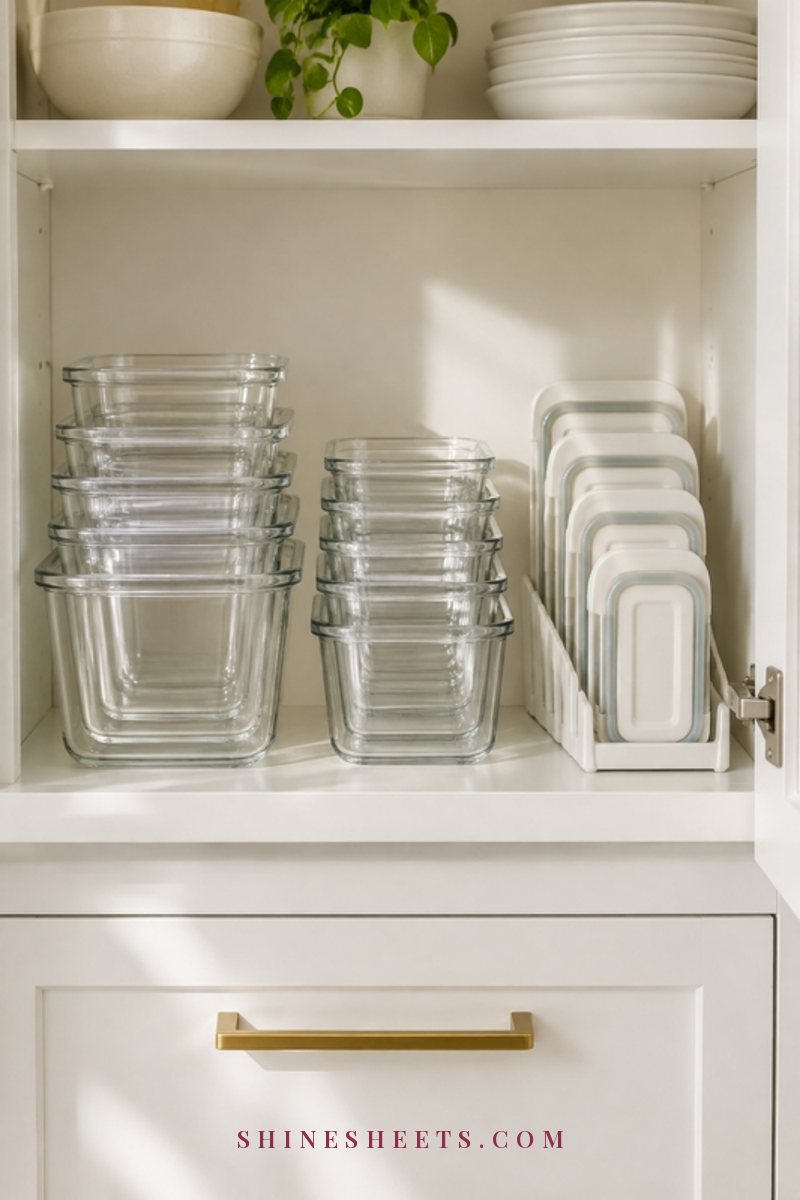
You don't need fancy storage. You need containers you can see into (or that are clearly labelled), that stack well and that fit your actual shelf. Measure the depth and height of your space before you buy anything.
- Clear bins for liquids. Clear stackable bins let you see at a glance how many bottles you have left. Pick ones with a front scoop or handle, so you can pull them out like a drawer.
- Lidded boxes for small things. White lidded storage boxes keep dust off cotton pads, razors and first aid items, and they look calm on an open shelf.
- Baskets for paper. Woven baskets soften the look of bulky rolls and tissue boxes.
- Door space for small spares. An over-the-door organizer with clear pockets on the inside of a closet or bathroom door holds toothpaste, travel sizes and soap bars in plain sight. My over-the-door storage ideas show other ways to use that forgotten space.
Budget version: shoeboxes covered in plain paper, or the sturdy cardboard boxes your online orders arrive in. Just keep cardboard off damp floors and out of the bathroom.
First In, First Out
Shops use this rule on every shelf, and it works beautifully at home too. When you bring a new item home, put it at the back of the bin and move the older one to the front. You always use the oldest product first, so nothing sits forgotten until it separates or expires.
It takes about five extra seconds when you unpack your shopping, and it quietly prevents most toiletry waste.
Labels and a Running List
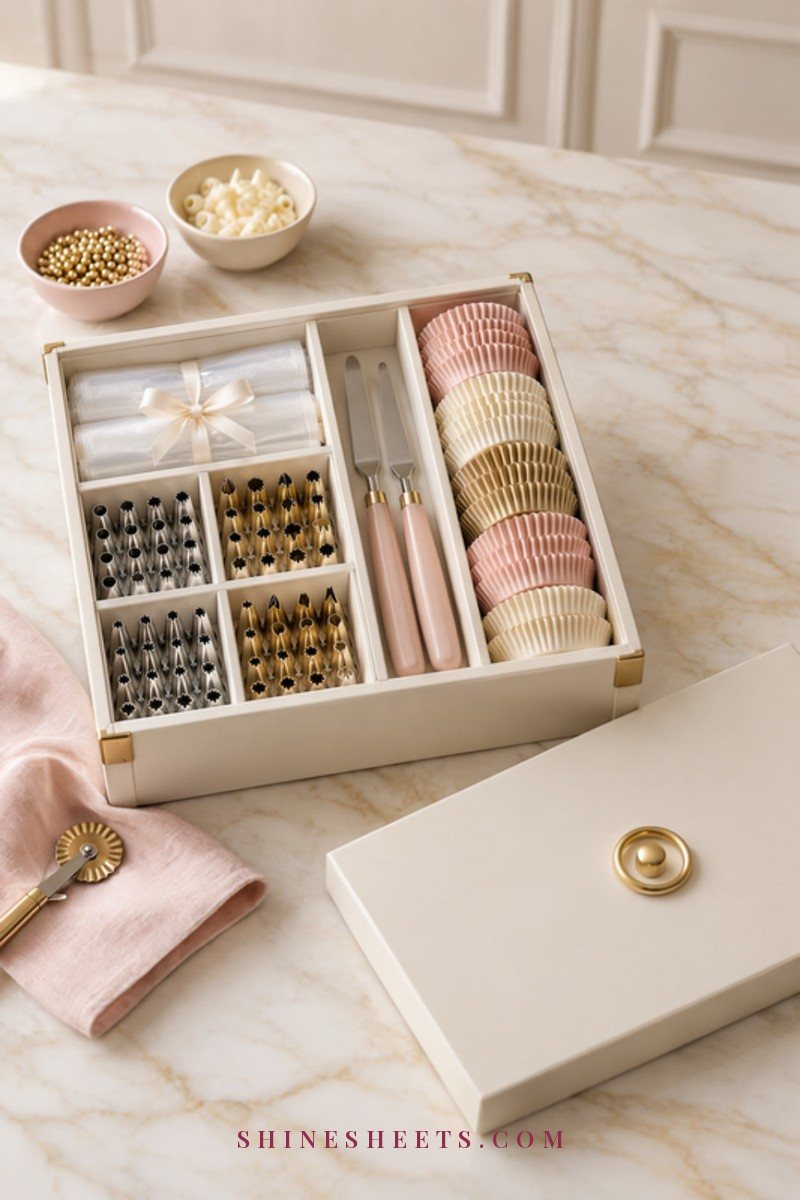
Labels turn a pile of boxes into a system anyone in your home can follow. A simple cream label set on the front of each bin, with the category name in large, clear letters, is plenty. If you want more ideas for wording and placement, my guide to home labeling ideas covers it.
Then keep a running list on your phone (a note called "Backstock" is enough). Every time you open your last spare, add it to the list right away, before you forget. When you're at the store, you only buy what's on the list. That one habit is what actually stops the overbuying.
Check Expiry Dates Twice a Year
Toiletries do age, even unopened. Sunscreen, some skincare, medicines and first aid items have printed dates, and many other products have a small open-jar symbol showing how many months they last once opened.
Twice a year, take 15 minutes to check your backstock:
- Move anything close to its date to the front, or into your daily-use spot.
- Throw away anything that has expired, changed color, separated or smells off.
- Dispose of old medicines the way your local pharmacy recommends, rather than in the household bin.
- Wipe down the bins with a dry or barely damp cloth and let them dry fully before refilling.
Safety Rules for Storing Extras
A backstock is a lot of products in one place, so a few simple safety habits matter:
- Keep it away from heat and damp. Don't store spares next to a radiator, heater, oven or in direct sunlight. Heat and humidity break down products and can make aerosols unsafe.
- Store cleaners separately. Cleaning products belong in their own area, high up and away from heat and children, never in the same bin as toothpaste or soap.
- Never decant into food containers. Don't pour shampoo, soap or any cleaning product into jars, bottles or containers that once held food or drinks. Someone could mistake it for something to eat or drink.
- Medicines out of children's reach. First aid and medicines go on a high shelf or in a closed box that little hands can't open.
- Heavy items low. Big bottles and multipacks go on lower shelves, so nothing heavy falls when you reach up.
- Aerosols with care. Keep dry shampoo and deodorant sprays upright, away from heat sources and never near an open flame. (That includes my beloved glass candles. Candle on one side of the room, aerosols on the other.)
A 45-Minute Backstock Reset
If your spares are scattered all over the house right now, here's a calm way to set everything up in one sitting. Put on music, make a cup of tea and follow these steps in order:
- Gather (10 minutes). Walk through every room with a laundry basket and collect every spare toiletry you find: bathroom cabinets, under sinks, drawers, closets, travel bags and the back of the wardrobe.
- Sort (10 minutes). Spread everything on a bed or table and group it into the six categories. Put expired, separated or half-used "never again" products in a separate pile.
- Edit (5 minutes). Toss what's expired. Move duplicates of opened products into your daily-use spot to finish first. Set aside unopened items you know you won't use to pass on to a friend or a local shelter that accepts toiletries.
- Count (5 minutes). Compare what's left with your backstock level. Write down anything you're missing, and note anything you have far too much of, so you don't buy it for a while.
- Contain (10 minutes). Put each category into its container, oldest items in front, and place each container in its chosen spot.
- Label and list (5 minutes). Add labels and start your running list with whatever you noted as missing.
That's it. Forty-five minutes, and you'll know exactly what you have for months.
Sharing a Backstock With Other People
If you live with a partner, family or roommates, a shared backstock works best when it's obvious to everyone. A few small things make a big difference:
- One shared spot for shared items (toilet paper, hand soap, toothpaste), and a separate small bin per person for personal products like specific shampoo or skincare.
- A shared running list everyone can add to, so the person who opens the last spare is the person who writes it down.
- Clear, simple labels with words, not codes, so nobody has to ask where something goes.
- A gentle agreement about who restocks what. It saves a lot of quiet frustration later.
How To Stop Overbuying for Good
Once your backstock is set up, keeping it that way is mostly about habits, not storage. These five help the most:
- Shop your backstock first. Before you buy anything, check the bin. You might already have it.
- Use the container as the limit. When the bin is full, you're stocked. No exceptions for sales.
- Finish before you try. A new shampoo can wait until the old one is gone.
- Skip the travel-size trap. Mini bottles are cute and pile up fast. Keep a small set for trips and stop there.
- Do a quick monthly glance. Two minutes, once a month, to update your running list.
If you'd like to stretch this into other parts of your home, the same "one home per category" idea works in a linen closet, pantry or medicine cabinet too.
Final Thoughts
A calm toiletry backstock is one of those small home changes that makes every week a little easier. You know what you have, you know where it lives and you only buy what you really need.
Start with one shelf and one category this weekend. Once you see how good it feels to open a cupboard and know exactly what's there, the rest tends to follow on its own.