Cream blush and powder blush can give you the exact same flush of color. What changes is how that color sits on your skin, how long it stays put and how forgiving it is when your skin is dry, oily or a little textured. Pick the right formula for your skin and blush suddenly looks like it grew there. Pick the wrong one and even a beautiful shade can look patchy or vanish by lunch.
The good news is that you don't have to choose a side forever. Most people end up loving one formula for everyday wear and the other for certain days, seasons or events. And when you layer them the right way, you get the best of both.
In this guide to cream blush vs powder blush, you'll find the real difference between the two, a side-by-side comparison table, which formula suits which skin type, step-by-step application for each, how to layer them for all-day wear, how to choose a shade for fair, medium and deep skin, how to fix too much blush and how long each one lasts once it's open.
The Real Difference Between Cream and Powder Blush

Both formulas contain pigment. The difference is what that pigment is suspended in.
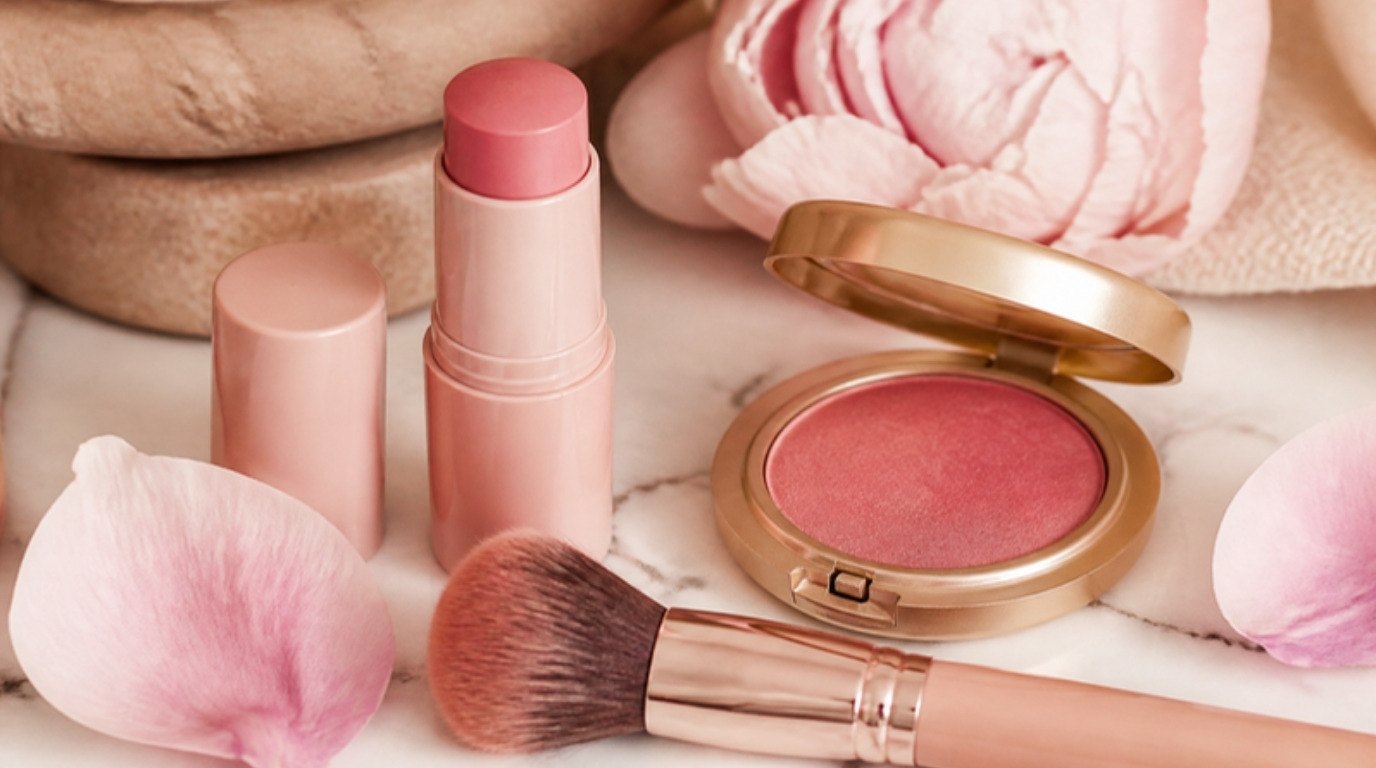
Cream blush uses emollients, oils and waxes, so it melts into your skin and moves with it. It looks like a flush from the inside: soft edges, a fresh, skin-like finish and a little natural sheen. It comes as sticks, pots, balms and liquid-cream hybrids.
Powder blush is pressed pigment with fillers that absorb a little oil. It sits on top of the skin, diffuses light and usually looks softer and more matte (unless it has shimmer or a satin finish). It's the classic compact most of us grew up with.
That one difference explains almost everything else:
- Finish: cream looks dewy and skin-like; powder looks soft-focus, satin or matte.
- Wear: powder generally lasts longer on oily skin; cream lasts longer on dry skin because it doesn't cling to dry patches.
- Texture: cream slips over fine lines and dry spots without catching; powder can settle into texture and dry patches but blurs large pores beautifully on oily skin.
- Where it goes in your routine: cream goes on before powder products; powder goes on after them.
That last point matters more than any brand or price tag, and we'll come back to it in the application steps.
Cream Blush vs Powder Blush at a Glance
Here's the whole comparison in one table. Screenshot it for the next time you're standing in a makeup aisle trying to decide.
| Cream Blush | Powder Blush | |
|---|---|---|
| Finish | Dewy, fresh, skin-like, soft edges | Soft matte, satin or shimmery, soft-focus |
| Best for | Dry, mature and textured skin; no-makeup makeup; cold months | Oily and combination skin; humid weather; long days |
| Typical wear time | 4–6 hours alone; longer when set with a little powder | 6–8 hours on most skin; longest when layered over cream |
| Apply with | Fingertips, a dense synthetic brush or a damp sponge | A fluffy or angled brush |
| When in your routine | After foundation and concealer, before any powder | After setting powder |
| Mistake to avoid | Applying it over powder (it drags and turns patchy) | Loading the brush without tapping off (instant clown cheeks) |
| Easiest to fix | Yes – blend it out with a clean sponge | Yes – buff with a clean brush or a dusting of powder |
| Travel-friendly | Very – sticks double as lip color | Good – but compacts can crack if dropped |
If you're still unsure after the table, the skin type section below will settle it.
Which Blush Suits Your Skin Type
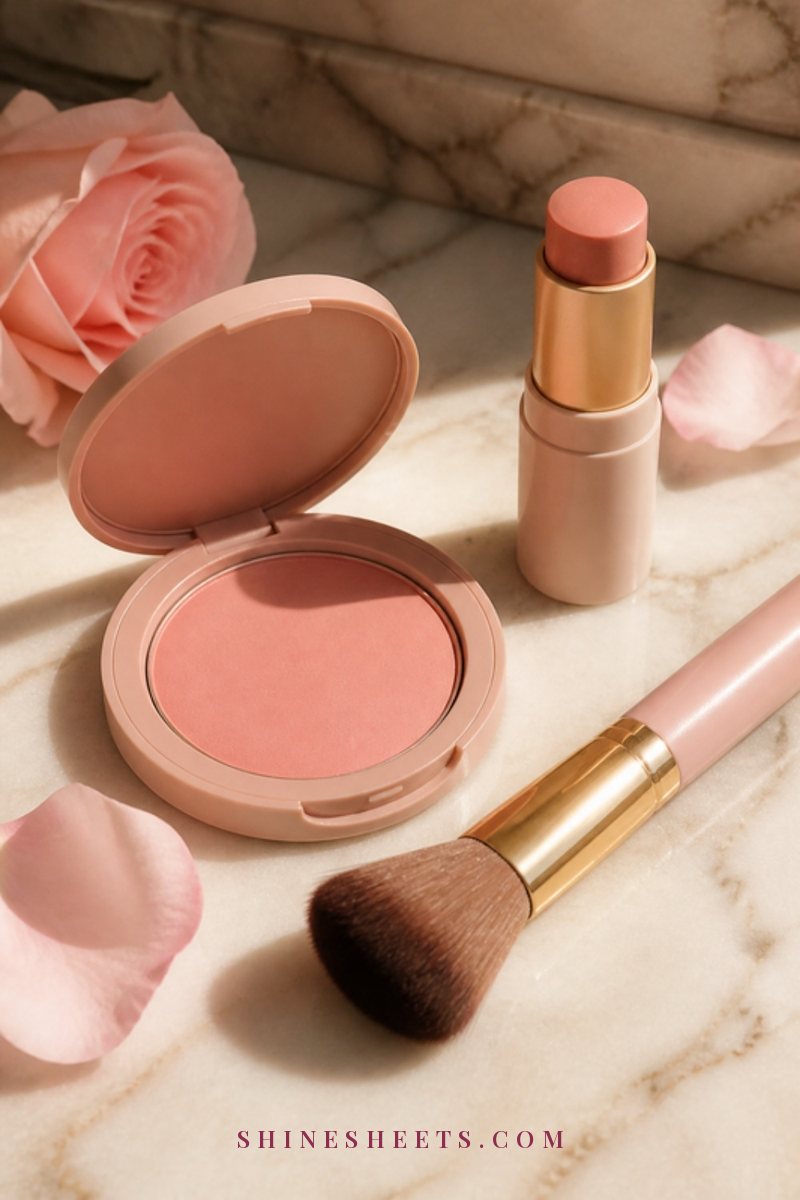
Your skin type decides how each formula behaves more than anything else. Here's how I'd choose.
Dry, Mature or Textured Skin: Lean Toward Cream
Cream blush is your best friend if your skin feels tight by afternoon, if you have visible dry patches, or if powder tends to settle into fine lines. Because cream melts into the skin instead of sitting on top, it looks fresh rather than dusty, and it doesn't emphasize flakiness.
Prep matters here: a good moisturizer and a hydrating base make cream blush blend like a dream. My guide to makeup for dry skin walks through that prep step by step.
Oily Skin and Humid Weather: Lean Toward Powder
If your face turns shiny by midday, cream blush can slide right off along with your foundation. Powder blush has a little oil-absorbing power built in, which helps it hold its shape. On hot, humid summer days, powder is also the safer choice even for people who normally wear cream.
If you love the look of cream on oily skin, you can still wear it. Just set it with a light layer of powder blush in a similar shade (more on that in the layering section).
Combination Skin: Wear Both
Combination skin is where things get fun, because you get to use both. My own skin is combination and sensitive, with a T-zone that gets shiny while my cheeks stay fairly normal. Cheeks are usually less oily than the center of the face, so cream blush often wears well there. On long days, I'd choose a thin layer of cream topped with a whisper of powder.
Sensitive Skin: Keep It Simple
For sensitive skin, the formula matters less than the ingredient list. Look for fragrance-free blushes and shorter ingredient lists, and patch test any new cream blush first: dab a little on your jawline for two or three days before wearing it on your full cheeks. Powder blushes with fewer fillers are often gentler for reactive skin. If a blush leaves you itchy, red or bumpy, stop using it, and see a dermatologist if the irritation doesn't settle.
How To Apply Cream Blush
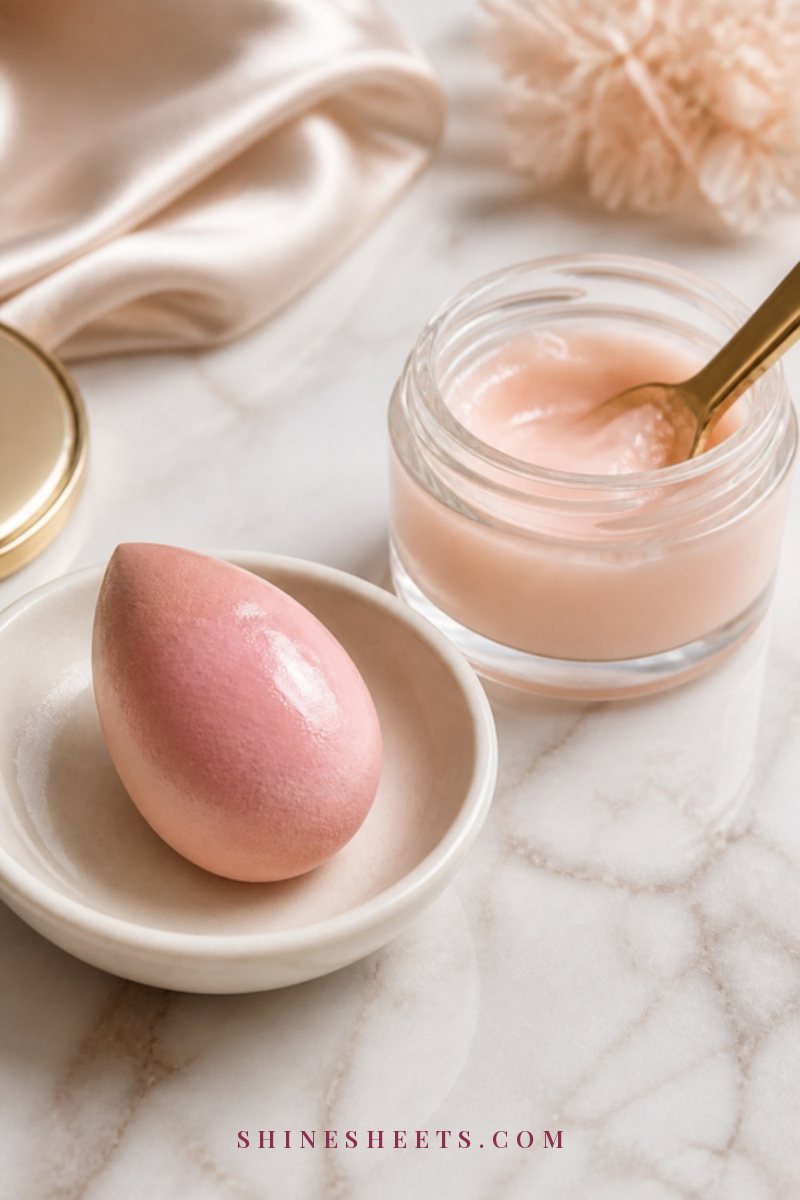
Cream blush is wonderfully easy once you know one rule: tap, don't rub. Rubbing moves the foundation underneath and leaves a bald patch in the middle of your cheek.
- Finish your base first. Apply foundation, tinted moisturizer or concealer, but don't powder your cheeks yet. If you need a refresher on base, my guide on how to apply foundation has the full method.
- Apply a small amount. A pink cream blush stick can go straight onto the cheek: two or three small dots on the apple, or one short swipe. With a pot, warm a tiny amount on your fingertip first.
- Tap it in. Use your ring and middle fingers, a dense synthetic blush brush or a damp sponge, and tap (or stipple) the color outward and slightly up toward your temple.
- Soften the edges. Tap around the edges with a clean finger or the clean side of your sponge until there's no visible line.
- Build in thin layers. Wait 30 seconds, look in daylight and add one more dot if you want more. Two thin layers always look better than one heavy one.
Not sure where on the cheek it should go? My blush placement guide breaks it down by face shape.
Before or After Powder?
Cream blush always goes before powder. Cream on top of powder doesn't glide; it grabs onto the powder particles and turns streaky and patchy. If you've already powdered your whole face, press a damp sponge over the cheek area for a few seconds to rehydrate the surface, then tap the cream on very gently.
Once your cream blush is in place, you can set it with a light dusting of translucent powder or a matching powder blush. That's the secret to cream blush lasting on oily and combination skin.
How To Apply Powder Blush
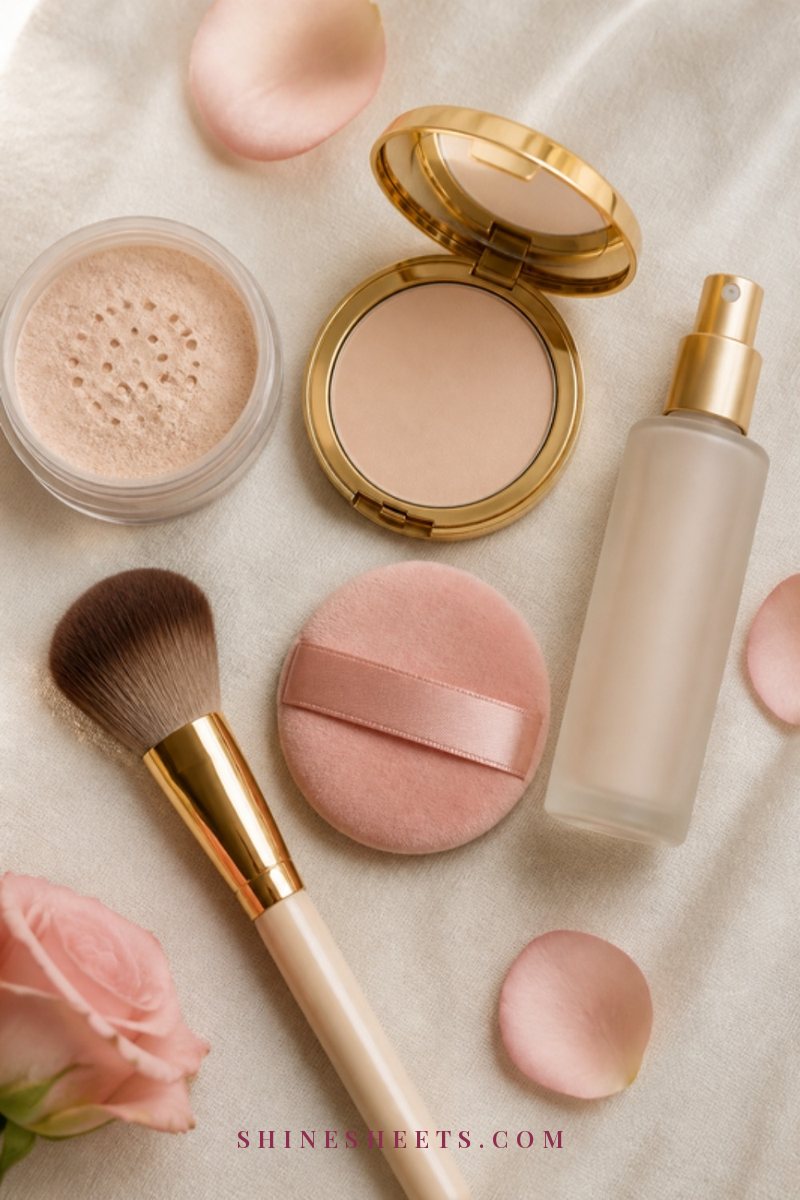
Powder blush is all about the brush and the tap. Most powder blush disasters happen because the brush picked up too much pigment in the first place.
- Set your base first. Powder blush goes on after setting powder, so it glides over a smooth, non-tacky surface instead of grabbing onto wet foundation.
- Pick a fluffy brush. A fluffy angled blush brush gives a soft, diffused result and follows the curve of the cheekbone nicely. Dense brushes pick up more pigment, so save those for sheer formulas.
- Swirl lightly and tap off. Swirl the brush over the powder blush compact two or three times, then tap the handle against your wrist or the edge of the sink to knock off the excess.
- Sweep and blend. Start where you want the most color (usually the top of the apple or just above it) and sweep back toward the temple in small circles or light back-and-forth strokes.
- Build slowly. Add a second layer only after you've stepped back from the mirror. Blush always looks stronger up close than it does at a normal conversation distance.
A little tip if your powder blush looks flat: finish with a quick mist of setting spray. It melts the powder into your skin so it looks less dusty.
Layering Cream and Powder Blush for All-Day Wear
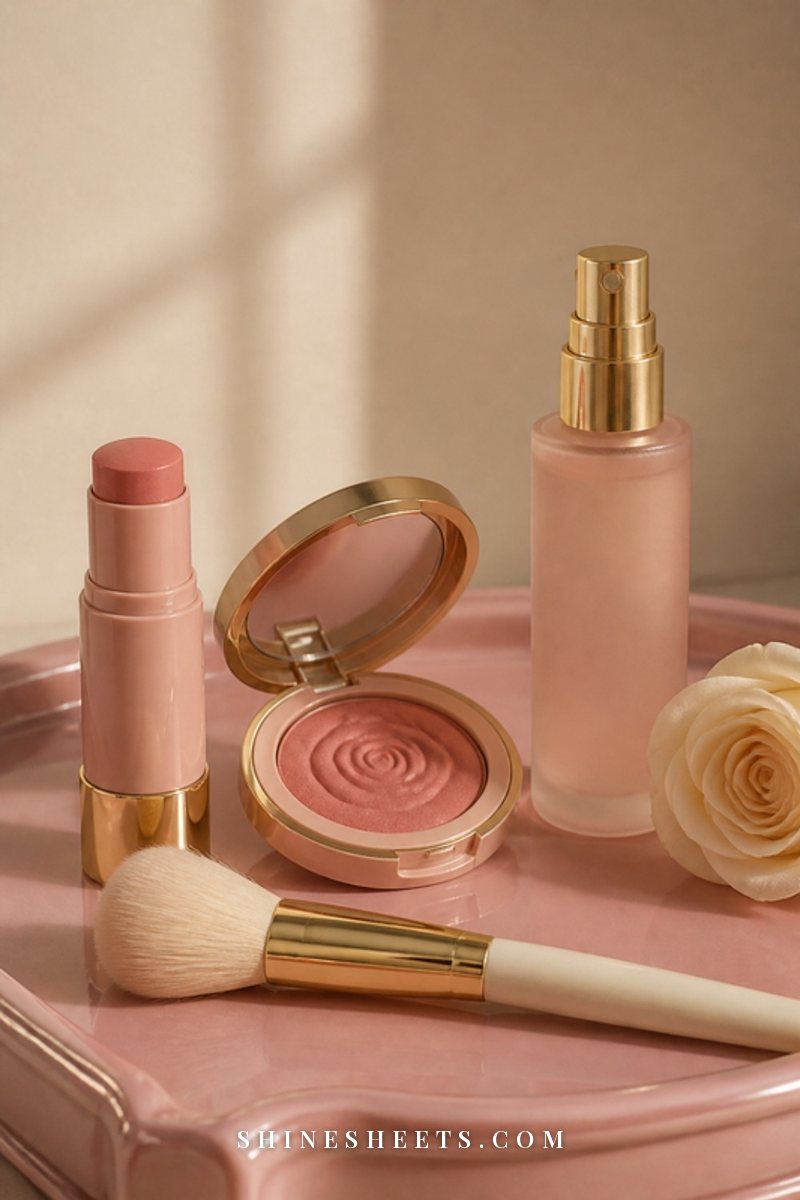
This is the method makeup artists use for weddings, photos and long workdays, and it's simpler than it sounds. The cream gives you a fresh, from-within base color. The powder on top locks it in and adds a second layer of pigment. Together they can last all day, even on combination skin.
Here's the formula:
- Foundation and concealer as usual.
- Cream blush, tapped in with fingers or a sponge.
- A light layer of setting powder over the T-zone and a very thin veil over the cheeks.
- Powder blush in the same shade family, swept lightly over the cream.
- Setting spray, held at arm's length, two or three mists in an X and T shape.
Keep the shades related. A peachy cream under a peachy powder looks seamless; a cool pink cream under a warm terracotta powder can turn muddy. If you want a little dimension, choose a powder that's one step brighter or deeper than the cream, never a completely different color family.
For the last step, a hydrating setting spray works for dry and normal skin, while a long-wear version is the better pick for oily skin. If you want to know exactly which one you need, I compared the two in setting powder vs setting spray.
How To Pick a Blush Shade for Your Skin Tone
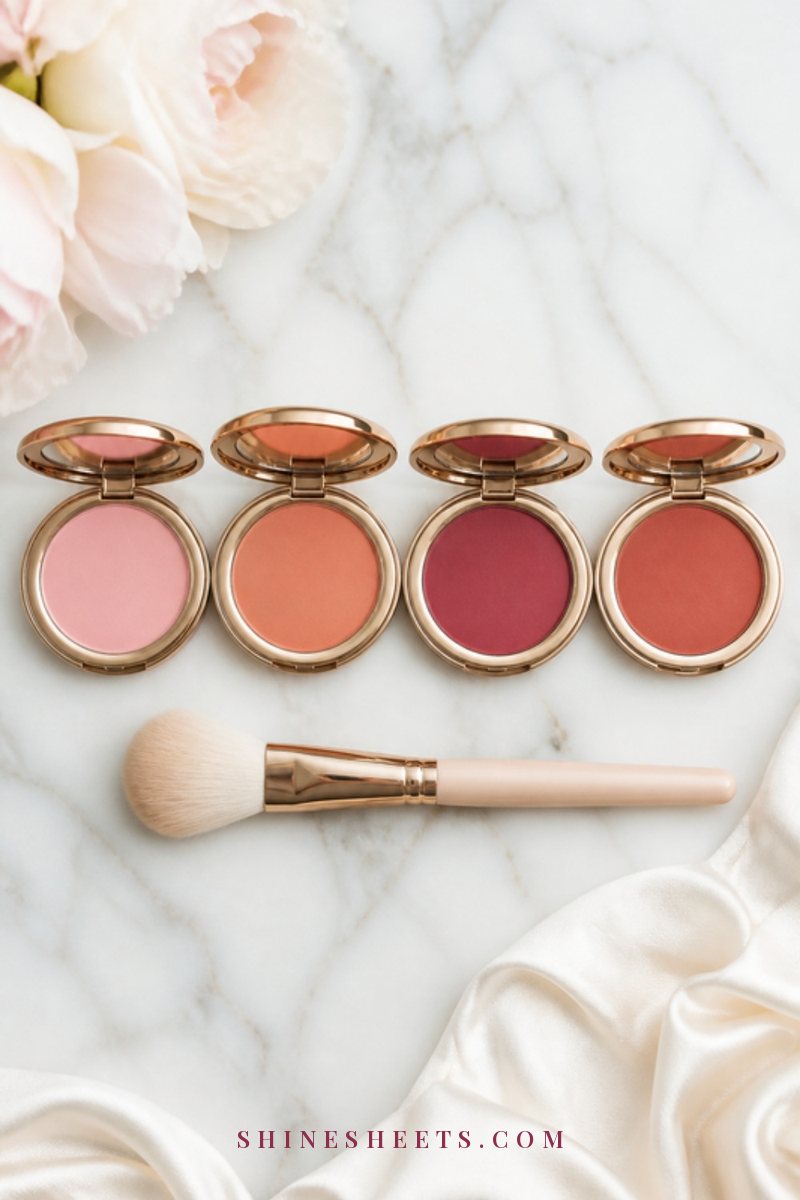
The formula decides the finish; the shade decides whether you look fresh or made-up. A good rule of thumb: look at the color your cheeks turn after a brisk walk in the cold, then go a step brighter. That's your most natural blush.
Undertone helps too. Cool undertones (pink or rosy skin, veins that look bluish) usually love pinks, roses and berries. Warm undertones (golden or peachy skin, veins that look greenish) shine in peach, coral and terracotta. Neutral undertones can wear almost anything, especially soft rose and warm pink.
Fair Skin
Soft baby pink, cool petal pink and light peach look the most natural. Choose sheer formulas or apply with a light hand, because pigment shows up fast on fair skin. Cream blush is very forgiving here, since you can tap it down to a whisper. Avoid very deep berry or brick shades for daytime unless you blend them out to a sheer wash.
Medium Skin
Rosy pink, warm peach, apricot and soft mauve are lovely on medium skin tones. Olive undertones often look best in warm rose or a soft coral, which balances the slight green cast. Shimmery peach powder blushes can look beautiful for evening.
Deep Skin
Rich berry, deep plum, bright fuchsia, warm terracotta and brick red show up beautifully. Very pale pinks can look chalky on deep skin, so look for blushes with strong pigment. Cream formulas are often easier to blend without any ashy cast, and a warm orange-red cream makes an especially fresh, sunny flush.
When in doubt, swatch on your jawline, not the back of your hand. The skin on your hand is a different color from your face.
How To Fix Too Much Blush
Everyone overdoes blush sometimes, especially in dim bathroom light. Don't wipe it off and start over. Try one of these fixes first:
- Too much cream blush: press a clean, damp makeup sponge over the area. It lifts the excess and blends the edges at the same time.
- Too much powder blush: buff in small circles with a clean fluffy brush (no product on it). That alone usually diffuses the color by half.
- Still too bright: dust a little translucent powder or a touch of your setting powder over the top to mute it.
- Harsh edges: take a tiny bit of foundation on a sponge and tap it only around the edge of the blush, not the center.
- Wrong placement: if the blush sits too low and drags the face down, blend the bottom edge away and add a little color higher on the cheekbone.
Prevention is easier: apply blush in natural light whenever you can, and always check your face from arm's length before adding more.
How Long Blush Lasts Once Opened
Blush doesn't last forever, and the two formulas age differently. Look for the little open-jar symbol on the packaging, which shows the months it's good for after opening.
- Cream blush: usually around 12 months after opening. Because it contains oils and you touch it with fingers, it's more prone to bacteria. Toss it if it smells off, separates, changes texture or looks like it's sweating.
- Powder blush: often around 2 years. Powder is drier, so bacteria have a harder time growing. Toss it if a hard, shiny film forms on top that you can't break through, or if the color changes.
A few habits keep both fresher for longer. Wash your hands before using cream blush with fingers, wipe the top of a stick with a clean tissue now and then, and keep the cap closed. Wash your blush brushes once a week and your sponges more often (my guide on how to clean a makeup sponge covers it). And skip storing cream blush in a hot car or a sunny window, where it can melt and separate.
Common Cream and Powder Blush Mistakes
A few small habits make the biggest difference to how natural blush looks. These are the ones I see most often:
- Putting cream over powder. It drags and turns patchy. Cream always comes first.
- Rubbing cream blush in. Rubbing lifts the foundation underneath. Tap instead.
- Skipping the tap-off with powder. The first hit from a full brush is always the strongest.
- Applying blush too low. Blush below the apple of the cheek can make the face look tired. Keep it at or above the apple, blended up toward the temple.
- Only applying in artificial light. Warm bathroom bulbs hide color, so you end up with more than you think.
- Choosing a shade that fights your undertone. If a blush always looks like it's sitting on top of your skin, try the same depth in a warmer or cooler version.
I have a soft spot for the Old Hollywood approach to blush: a little color, placed high, blended into nothing. It looks polished without ever looking like "makeup," and it works with both formulas. If you want to see how blush fits into a full face, my everyday makeup routine puts all the steps in order.
Final Thoughts
The cream blush vs powder blush question doesn't have one right answer, only the right answer for your skin today. Cream for dry, mature or textured skin and fresh, easy days; powder for oily skin, humid weather and long hours; both together when you need it to last from morning coffee to evening plans.
Start with one formula that suits your skin, learn to tap and build slowly, and keep a second formula for the days that ask for something different. A soft flush of color is one of the quickest ways to look rested and like yourself, and you deserve that little bit of brightness every day.