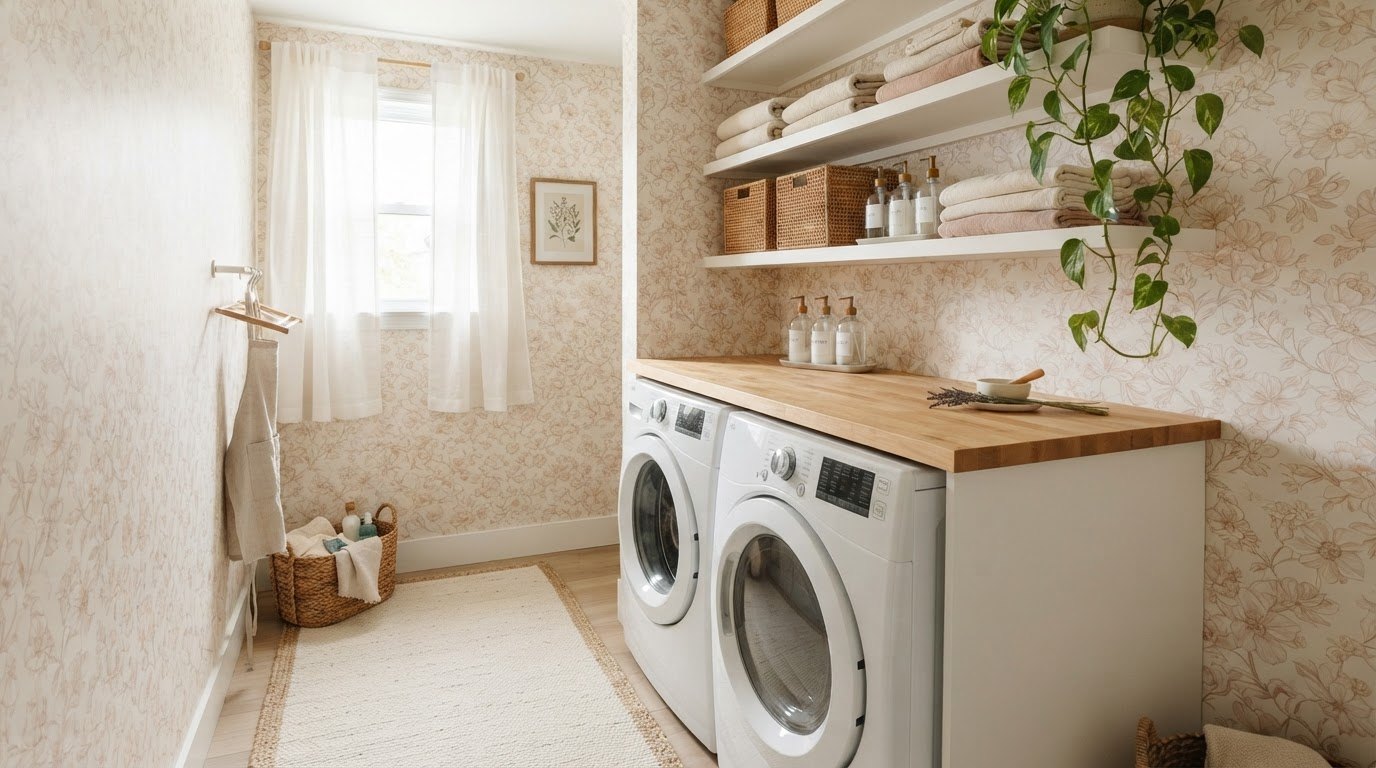
Small rooms rarely run out of space. They run out of floor. The walls above your desk, the narrow strip beside the fridge, the corner behind the door and the empty height over the toilet are all storage waiting to be used, and using them well can make a room feel bigger rather than more crowded.
The trick is to go up without making the walls feel busy. A wall of mismatched baskets and open clutter can feel heavier than a messy floor. A wall with a few calm, repeated shapes in soft colours feels intentional, almost like decor.
This guide is full of vertical storage ideas for walls, corners and tall furniture: why vertical storage works, how to keep it visually calm, 12 practical ideas with exact placement tips, renter-friendly options that skip the drill, and the safety basics for anything tall. If your doors are already working hard, my guide to over-the-door storage ideas covers that space. Here we are looking at everything else that rises above the floor.
Grab a tape measure and a cup of tea. Measuring first is the least glamorous step and the one that saves the most returns.
Why Vertical Storage Works in Small Rooms
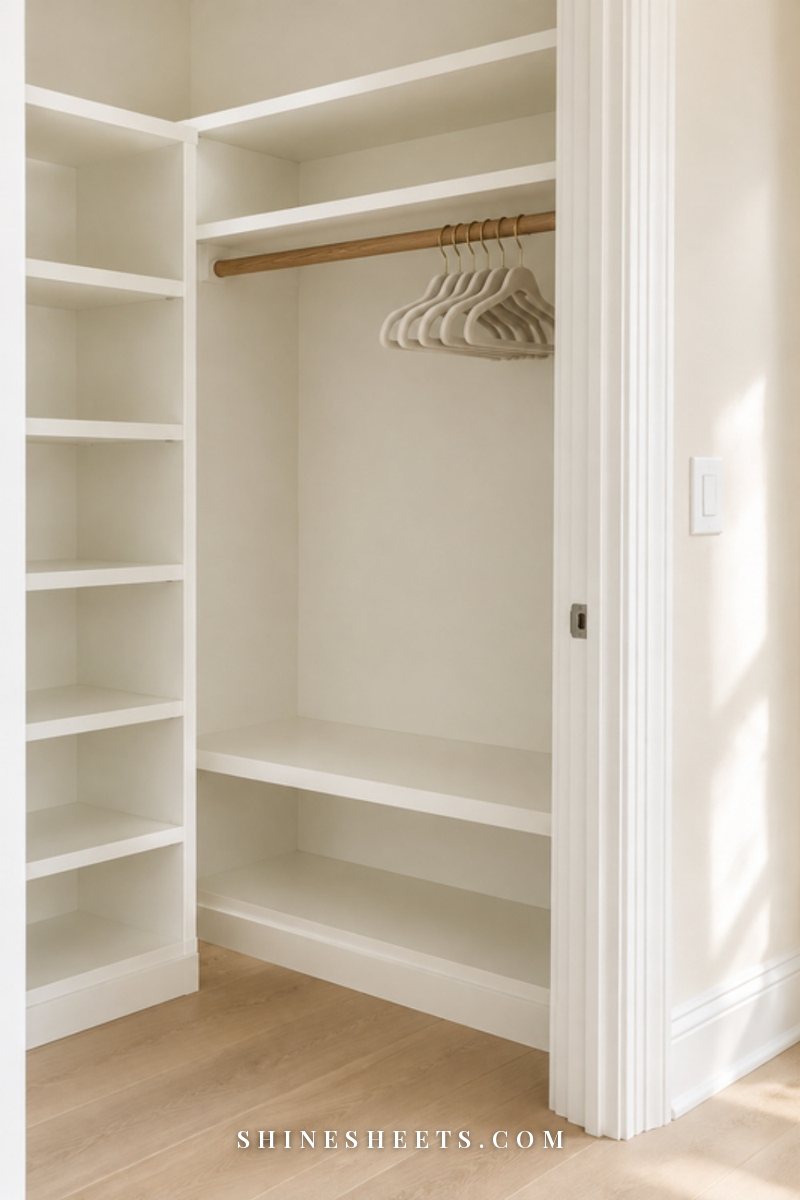
Every piece of furniture that sits on the floor takes away walking space, and walking space is what makes a room feel open. When storage moves up, the floor stays clear and the eye reads the room as larger. It is the same reason designers suggest tall curtains and long mirrors: height draws the eye up.
Vertical storage also tends to be more organised by nature. A shelf has limits. A floor pile does not. When things have a clear spot at a clear height, it gets easier to put them back.
There is one more benefit people don't talk about enough: cleaning. A clear floor is much faster to vacuum, and that alone makes a small home feel calmer week to week. For more space-saving ideas in rooms with almost no built-in storage, my guide to organising a small apartment with no storage pairs well with this one.
How To Keep Vertical Storage Visually Calm
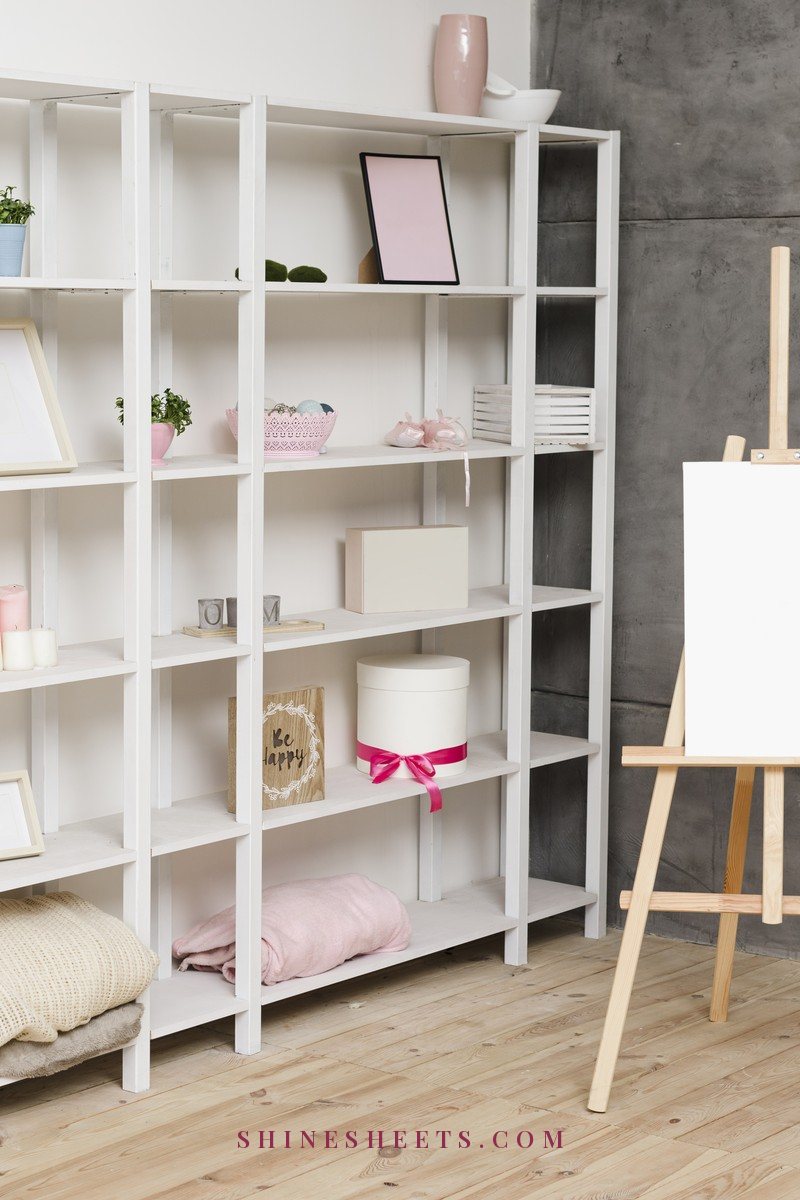
Going up only works if the walls don't start to feel loud. These rules keep tall storage feeling light:
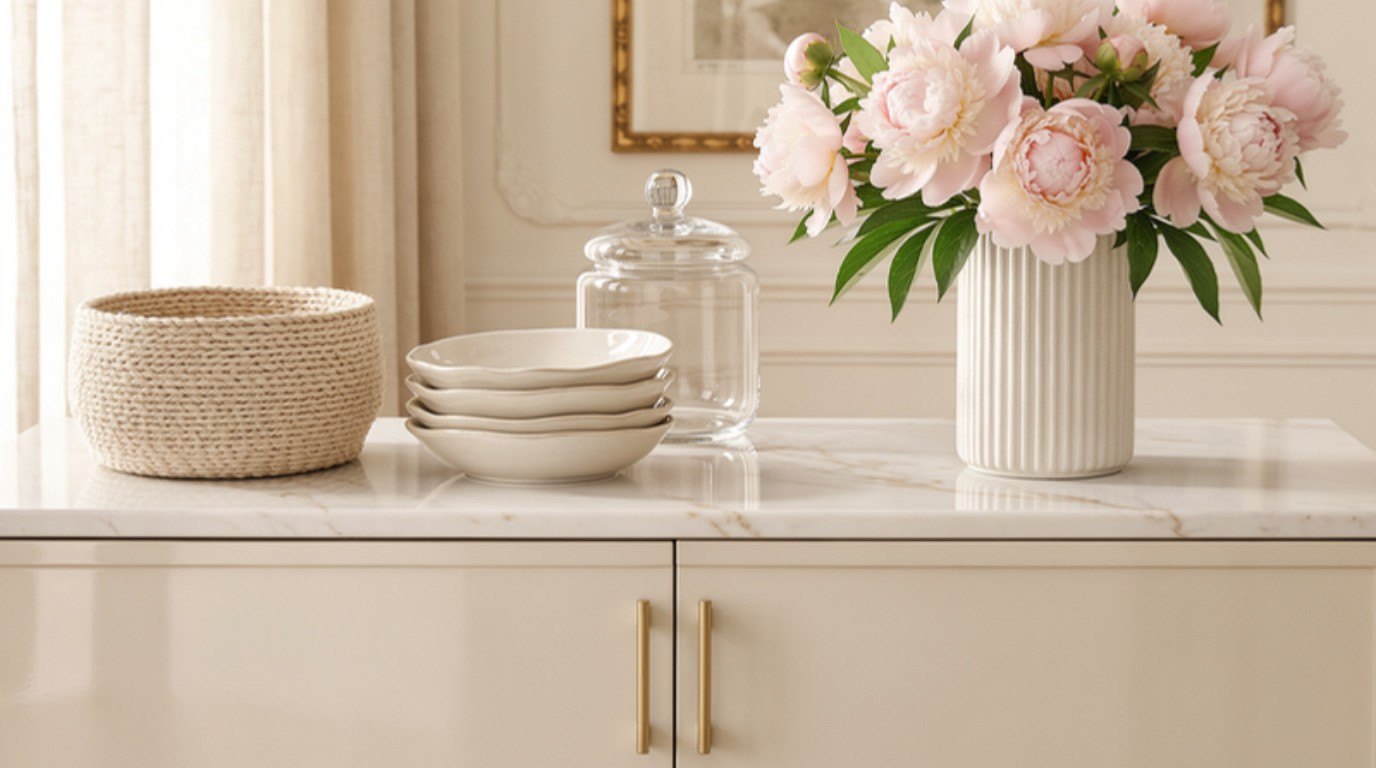
- Repeat colours and materials. Choose one or two finishes, such as white and light wood, or cream and gold, and repeat them. Matching baskets look like one calm block instead of ten small items.
- Closed storage up high, open storage at eye level. Bins and boxes belong on top shelves, where you can't see inside them anyway. Keep the pretty things, books and plants at eye level.
- Heavy items low, light items high. This is safer and it looks more grounded. Big baskets and books at the bottom, light linens and spare items at the top.
- Leave some breathing room. Aim to fill shelves about two-thirds full. A shelf packed edge to edge reads as clutter even when it is tidy.
- Match the wall colour. White shelves on a white wall almost disappear, which is perfect in a tiny room.
If you want to go further with tricks for space and light, my guide on how to make a small room look bigger has plenty that work alongside vertical storage.
12 Vertical Storage Ideas for Small Rooms
Each idea below includes where it works best and how to set it up. You don't need all twelve. Two or three in the right spots can change how a room feels.
1. Tall Narrow Bookcase
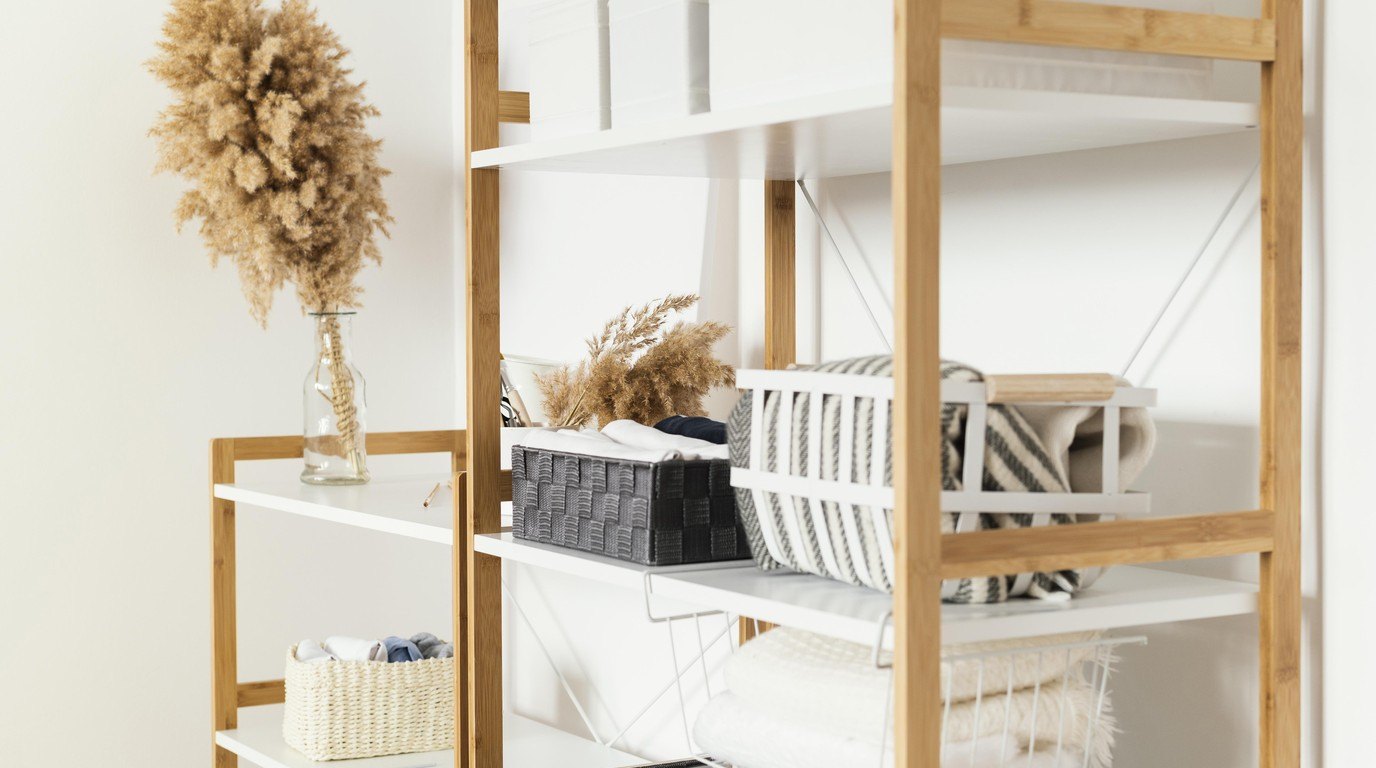
A tall, slim bookcase gives you a lot of storage in a tiny footprint. Look for one around 25–40 cm deep and as tall as your ceiling comfortably allows. It fits beside a door, at the end of a sofa or in the gap next to a wardrobe.
Use the bottom two shelves for heavy books or closed baskets, the middle for everyday items, and the top for things you reach for a few times a year. Always anchor it to the wall (with your landlord's permission), because tall, narrow pieces tip more easily than wide ones.
2. Floating Shelves
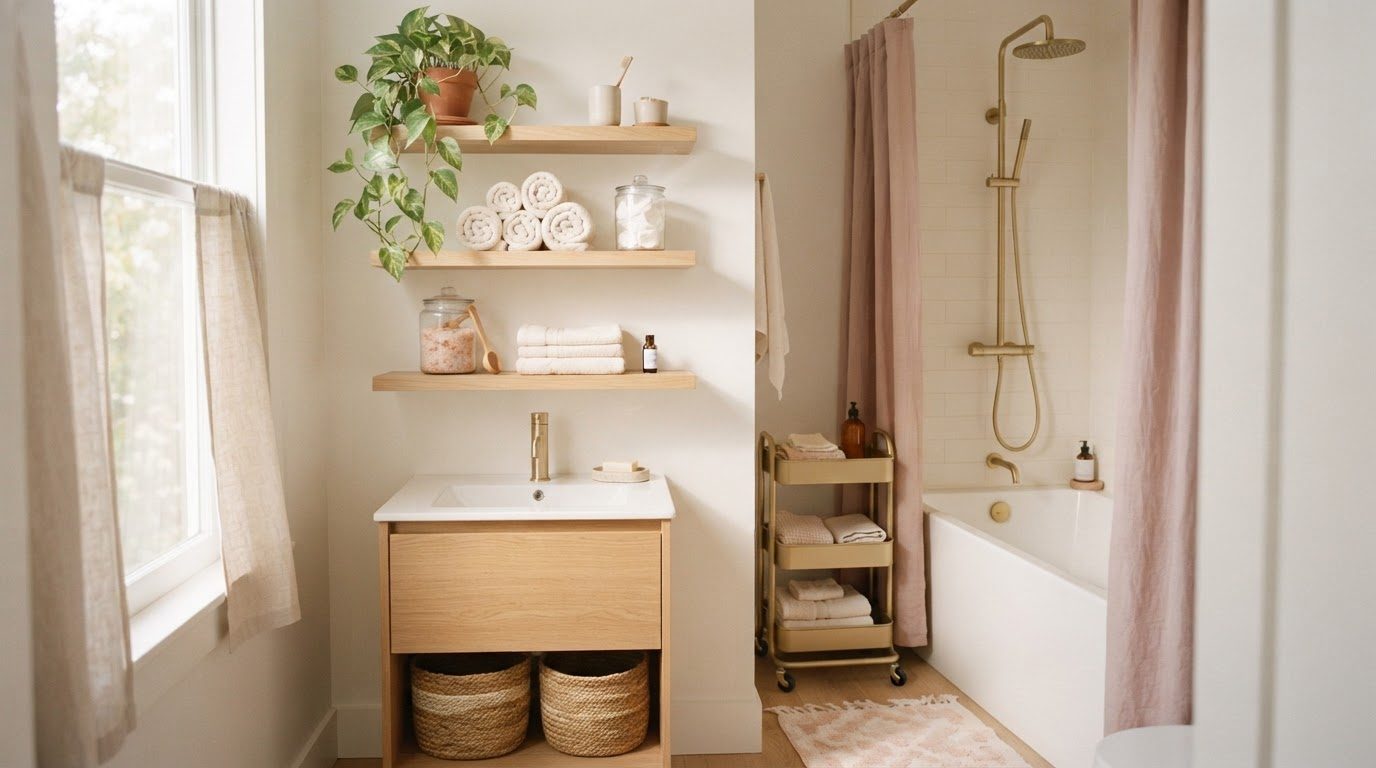
Floating shelves hold a surprising amount while keeping the wall looking clean. They work over a desk, above a bed, beside a bathroom sink or along a kitchen wall. Two or three shelves stacked 30–35 cm apart look intentional and are easy to reach.
I'd choose ivory floating shelves with gold brackets for a soft, slightly glamorous look that suits bedrooms and bathrooms. Check the weight limit on the pack, screw into studs or use the right wall anchors, and keep heavy items close to the wall rather than at the front edge.
3. Ladder Shelf
A ladder shelf leans against the wall and gets narrower toward the top, so it feels light even when it holds a lot. It is perfect for living rooms, bathrooms and bedrooms where you want storage that looks like decor.
A white ladder shelf works almost anywhere and keeps the corner bright. Put folded throws or baskets on the bottom rung, books and plants in the middle, and something light, like a candle in a glass jar (unlit when you are away), at the top. Most ladder shelves come with a small wall bracket; use it.
4. Pegboard
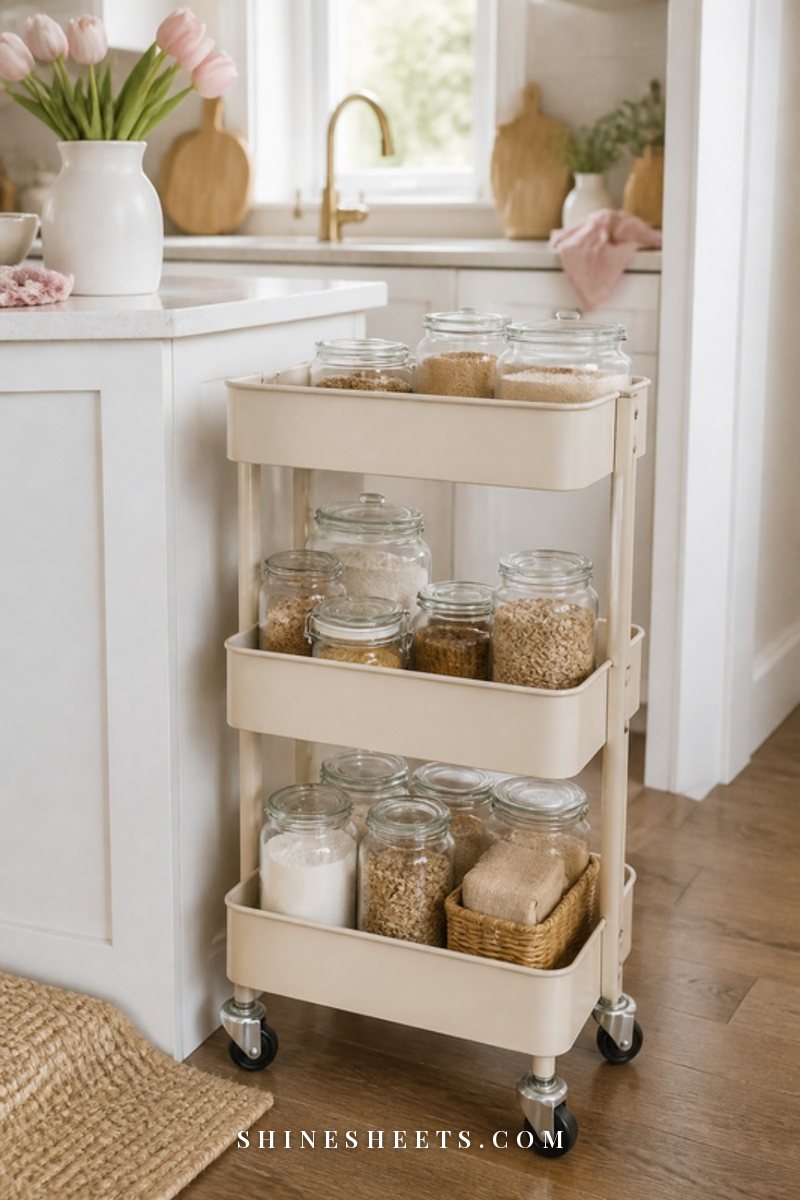
Pegboard is the most flexible wall storage there is. Hooks, small shelves and baskets can move whenever your needs change. It suits a desk area, a craft corner, a laundry nook or the inside of a closet.
A sage pegboard with hooks softens the utilitarian look and adds a gentle colour to a white wall. Keep it to one area, roughly the width of a desk, and resist filling every hole. A few well-spaced items look calm; a crowded board looks busy.
5. Wall-Mounted Rails With Hooks
A simple rail with S-hooks or a row of fixed hooks turns a blank wall into storage for bags, scarves, towels, kitchen tools or even small baskets. They are slim, inexpensive and easy to install in a line at one height.
In an entryway, hang one rail at about 160–170 cm for coats and bags. In a kitchen, a rail under a cabinet holds utensils and mugs. In a bathroom, two short rails can replace a towel bar and hold twice as much.
6. Over-Toilet Shelving
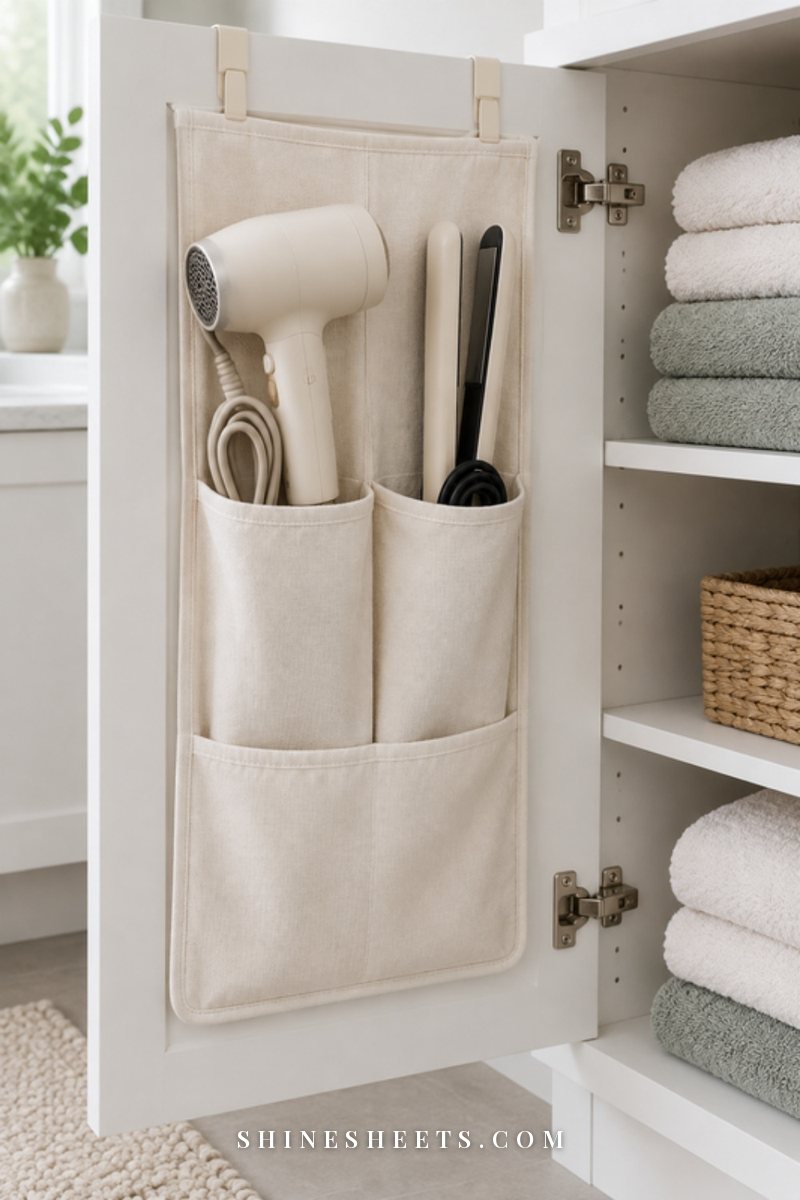
The space above the toilet is one of the most wasted spots in small bathrooms. A freestanding over-toilet unit or two floating shelves can hold spare toilet paper, towels and skincare without taking any floor space.
Keep the lowest shelf at least 60 cm above the tank so lifting the lid stays easy. Use closed baskets for spare supplies and leave one shelf for something pretty, like rolled towels or a small plant.
7. Stacked Crates
Wooden or painted crates stacked on their sides become a modular shelf you can build up and rearrange. They work beside a bed as a tall nightstand, in a hallway as a shoe tower, or in a studio as a room divider.
Keep stacks to three or four crates, screw or bracket them together so they act as one unit, and keep heavier crates at the bottom. Tuck cream woven storage baskets into a few of the openings so the stack looks finished, not makeshift.
8. Magnetic Strips in the Kitchen
A magnetic strip on the wall frees up a whole drawer or a bulky knife block. It holds knives, metal measuring spoons, scissors and even small metal spice tins.
Mount it above the counter but away from where you lean, and out of reach of small children. Place knives with the blade facing down and the spine touching first, which keeps edges sharp. My guide to kitchen organisation ideas has more ways to clear a small counter.
9. Tension-Rod Corner Shelves
Tension-pole shelves press between the floor and ceiling, or between two walls, and need no drilling. They are ideal for bathroom corners, beside a shower, in a laundry nook or next to a bed.
Measure the ceiling height carefully before buying, and check the weight limit per shelf (often only a few kilograms). They are best for light items such as toiletries, towels and plants. Give the pole a firm twist after a week, since they can settle slightly.
10. High Picture Ledges for Books
Picture ledges are shallow shelves with a little lip, and they make lovely book storage. Hung high, about 30 cm below the ceiling, they turn a row of books into a soft border around a room without stealing any space at eye level.
Choose books you don't need every day, line them up spine-out by colour or height, and use a small bookend at each end. In a bedroom, a ledge over the door is an easy place for a small reading collection.
11. Wall-Mounted Fold-Down Desk
A fold-down desk is a work surface when you need it and a slim wall cabinet when you don't. It is one of the best ideas for a studio or a bedroom where a full desk would block the room.
Mount it at about 72–75 cm for the work surface, leave enough knee room below and pair it with a light folding chair you can hang or tuck away. Inside, use small dividers for chargers, a notebook and pens. If you are working with one open room, my guide to studio apartment layout ideas helps you decide where a desk fits best.
12. Tall Cabinet in an Entryway
If your entry is just a strip of wall by the door, a tall, shallow cabinet can hold shoes, bags, umbrellas and everything that usually ends up on the floor. Closed doors keep it calm, and a slim depth of 25–35 cm keeps the walkway clear.
Add a small tray on top for keys, a hook on the side for a bag, and a soft basket inside for gloves and scarves. Like any tall piece, anchor it to the wall so it can't tip when doors are opened.
Vertical Storage at a Glance
Here is every idea in one table, with the best room, whether you need to drill, and a renter alternative if you can't.
| Idea | Best room | Drilling needed | Renter alternative |
|---|---|---|---|
| Tall narrow bookcase | Living room, bedroom | Small screws for an anti-tip strap | Ask permission for one small anchor; keep heavy items low |
| Floating shelves | Bedroom, bathroom, kitchen | Yes | Freestanding shelf unit or adhesive ledges for very light items |
| Ladder shelf | Living room, bathroom | One small bracket | Lean against a corner and keep only light items on top |
| Pegboard | Desk, craft or laundry corner | Usually | Freestanding pegboard or a board leaned on a desk |
| Rails with hooks | Entryway, kitchen, bathroom | Yes | Adhesive hooks in a straight row |
| Over-toilet shelving | Bathroom | No for freestanding units | Freestanding over-toilet unit |
| Stacked crates | Bedroom, hallway, studio | No | Bracket crates to each other, not the wall |
| Magnetic strips | Kitchen | Usually | Adhesive-backed magnetic strip for light tools only |
| Tension-rod corner shelves | Bathroom, laundry nook | No | Already renter-friendly |
| High picture ledges | Bedroom, living room | Yes | Top of a tall bookcase or wardrobe for books |
| Fold-down desk | Studio, bedroom | Yes | Narrow console table against the wall |
| Tall entryway cabinet | Entryway | Small screws for an anti-tip strap | Slim shoe cabinet plus permission for an anchor |
Renter-Friendly Vertical Storage
Renting doesn't mean giving up on wall space. It just means choosing pieces that stand, press or stick instead of screwing in. Before anything else, read your lease or send your landlord a short message. Something like: "I'd like to anchor a bookcase to the wall for safety with two small screws. I'll fill the holes when I move out. Is that okay?" Most landlords appreciate the safety angle.
If drilling is off the table, these are your best options:
- Adhesive hooks. Blush adhesive hooks are lovely for keys, robes, tote bags and towels. Clean the wall with rubbing alcohol first, press firmly for 30 seconds and wait an hour before hanging anything. Stay well under the weight limit.
- Freestanding units. Ladder shelves, over-toilet units, bookcases and garment racks all work without holes. Keep them away from doorways and walkways.
- Tension poles. Shelving poles and tension rods use pressure between floor and ceiling or wall to wall. They suit corners, alcoves and window frames.
- Furniture with height. A tall wardrobe, a bed with a headboard shelf or a high dresser adds storage without touching the walls at all.
When you move out, remove adhesive hooks slowly by pulling the release tab straight down, parallel to the wall. Pulling outward is what peels paint.
Safety Basics for Tall Furniture
Going vertical is wonderful, but tall pieces need a little care. These habits keep storage safe:
- Anchor tall furniture. Bookcases, dressers, tall cabinets and wardrobes can tip if someone pulls on a drawer or climbs a shelf. Use the anti-tip kit that comes with most furniture, attached to a wall stud, with your landlord's permission if you rent.
- Heavy items low. Books, appliances and full baskets go on the bottom shelves. The top should hold only light things.
- Check weight limits. Every shelf, hook and bracket has one. Read it, and stay under it rather than at it.
- Find studs before drilling. Use a stud finder, and check for pipes and wires. If you are unsure what is behind a wall, ask your landlord or a professional.
- Keep walkways clear. Nothing should stick out into a path where you might hit your head or shoulder, especially near doors and beds.
- Nothing heavy over a bed or sofa. Shelves above where you sleep or sit should hold only soft or very light items.
If you have small children or pets who like to climb, anchoring isn't optional. Treat it as part of setting up any tall piece.
Vertical Storage Mistakes To Avoid
A few small missteps can make wall storage feel heavy or awkward. Watch for these:
- Buying before measuring. A shelf that is 5 cm too wide or a tension pole that is too short is the most common return. Measure twice, including skirting boards and window frames.
- Hanging everything at the same height. A single line of shelves all at eye level looks like a stripe across the wall. Vary heights slightly, or stack pieces vertically instead.
- Too many open shelves. Open storage shows everything. Mix in closed baskets or a cabinet so the wall can rest.
- Storing daily things up high. If you need a step stool every morning, it will end up back on the counter. Keep everyday items between hip and shoulder height.
- Forgetting the light. Tall pieces in front of a window or beside a lamp can darken a small room. Keep the area around windows as open as you can.
Where To Start This Week
If you feel overwhelmed, start with one wall. Pick the spot where things pile up most, often the entryway, the bathroom or beside the bed, and choose just one idea from the list above.
- Clear the floor in front of that wall and see what actually lives there.
- Measure the wall: width, height and any obstacles such as outlets, switches or radiators.
- Pick one vertical piece that fits and matches your colours.
- Set it up, then give every item a home, with heavy things low.
- Live with it for a week before adding anything else.
One calm, well-used wall teaches you more about your space than a whole shopping basket of organisers.
Final Thoughts
Vertical storage is less about squeezing more into a room and more about giving the floor back. When things live on the walls in calm, repeated shapes, a small room feels lighter, easier to clean and more like home.
Start with one wall, keep heavy things low, anchor anything tall and let the room breathe between each new piece. Your space has more room in it than it seems.