Most homes don't have a storage problem. They have a visibility problem. The things you can't see get forgotten, bought twice and left to expire at the back of a cupboard, while the things you can see all the time start to look like clutter. The trick is knowing which of your belongings need to be seen and which are happier behind a door.
This guide compares open vs closed storage in a practical, renter-friendly way: why out of sight can mean out of mind, why open shelves can look busy, the honest pros and cons of each, which style suits your habits, seven room-by-room choices, a table you can use at a glance, how to mix both, safety basics and budget fixes that don't need a drill or a landlord's permission.
There's no right answer for everyone. There's only the right answer for each shelf.
Why Out of Sight Can Mean Out of Mind
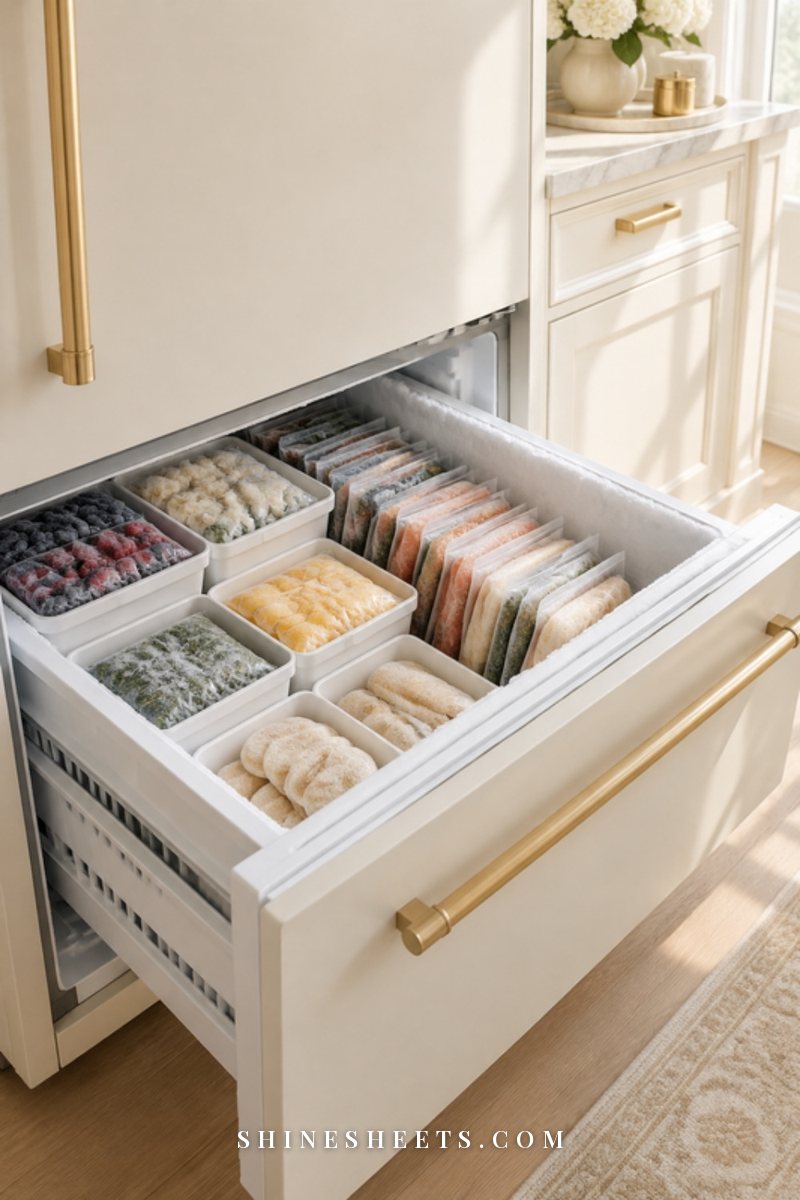
Closed storage is calm to look at, but it asks your memory to do a lot of work. When a cupboard door shuts, many of us simply stop thinking about what's inside. That's when the familiar problems creep in:
- Forgotten items. The lovely face mask you were saving, the spare phone charger, the craft kit you meant to start.
- Duplicates. A third bottle of the same shampoo, because you didn't know the other two were tucked away.
- Expired products. Sunscreen, medicines and cleaning products that quietly pass their best.
- Stuffing. A closed door hides chaos, so it becomes the place things go "for now," and "for now" becomes forever.
If you sometimes stop noticing your own mess, that's a very human thing, and my guide on clutter blindness explains why it happens and how to see your space with fresh eyes again.
Why Open Storage Can Look Busy
Open shelves solve the memory problem but bring a different one. Everything you see is something your eyes have to process. A shelf with twelve different colors, shapes and labels can make a room feel noisy, even when it's technically tidy.
Open storage also gathers dust faster, shows every bit of mismatched packaging and needs a little more regular attention to stay pretty. Small honest admission: I love the look of open shelves in photos far more than I love dusting them.
None of this means open storage is bad. It just means it works best for things you use often and things that look nice together.
Open Storage: Pros and Cons
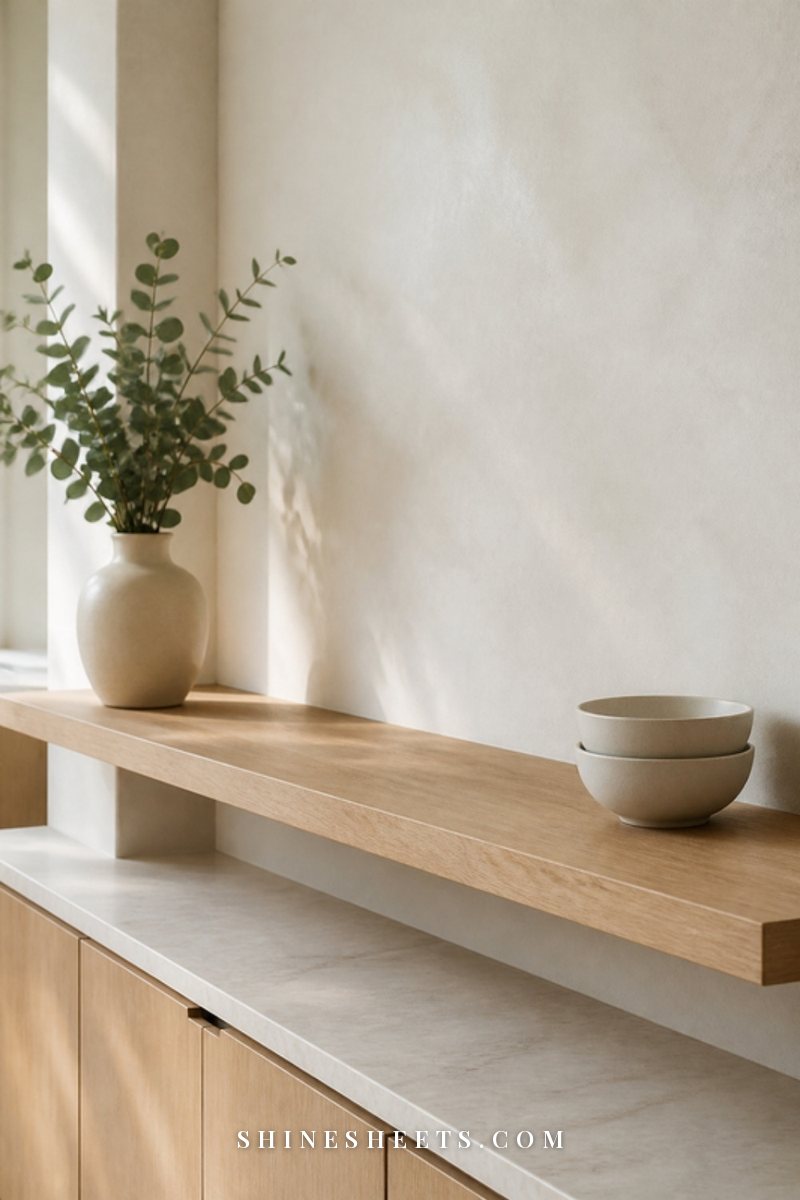
Pros:
- You see what you have, so you use it and re-buy less.
- Everyday items are quick to grab and quick to put back.
- Shelves often cost less than cabinets and are easy to add in small spaces.
- A well-styled shelf adds warmth and personality.
Cons:
- It can look cluttered quickly.
- Dust, grease (in kitchens) and sun fading are real.
- It needs regular editing to stay calm.
- It isn't safe for cleaners, medicines or anything breakable within a child's reach.
Closed Storage: Pros and Cons
Pros:
- Rooms look calmer and simpler instantly.
- Contents stay cleaner and protected from dust and light.
- Messy categories (cables, cleaning supplies, paperwork) disappear from view.
- It's the safer choice for anything you want to keep away from kids or pets.
Cons:
- Things get forgotten and duplicated.
- Deep cupboards become black holes without bins or labels.
- It's easy to stuff, so clutter hides instead of leaving.
- Furniture with doors usually costs more and takes up more floor space.
Which Storage Style Suits You?
Your personality and household matter more than any trend. Here's a quick way to think about it.
If You Are a Visual Person
If you forget things the moment they're out of sight, lean toward open storage or clear containers for the things you use often. You're the person who will actually use the pretty hand cream if it's sitting on a tray, and forget it entirely in a drawer. Keep your visible items grouped and limited, and use closed storage for backstock and true clutter.
If Your Household Is Busy
With lots of people, pets and comings and goings, open shelves can tip into chaos fast. Closed storage with simple, labeled bins inside usually works better because it's forgiving: things can be tossed in quickly and the room still looks calm. Save open shelves for a few curated spots where you enjoy the display.
If Your Space Is Small
Small spaces often need both. Open shelves keep a room feeling airy and light, while closed pieces hide the necessary but unlovely things. Go vertical with shelves, and choose closed pieces that double up, like a bench with storage or a bed with drawers. My guide on how to organize a small apartment with no storage has more renter-friendly ideas.
7 Room-by-Room Choices
Here's how I'd think about open vs closed storage in each part of the home.
1. Kitchen
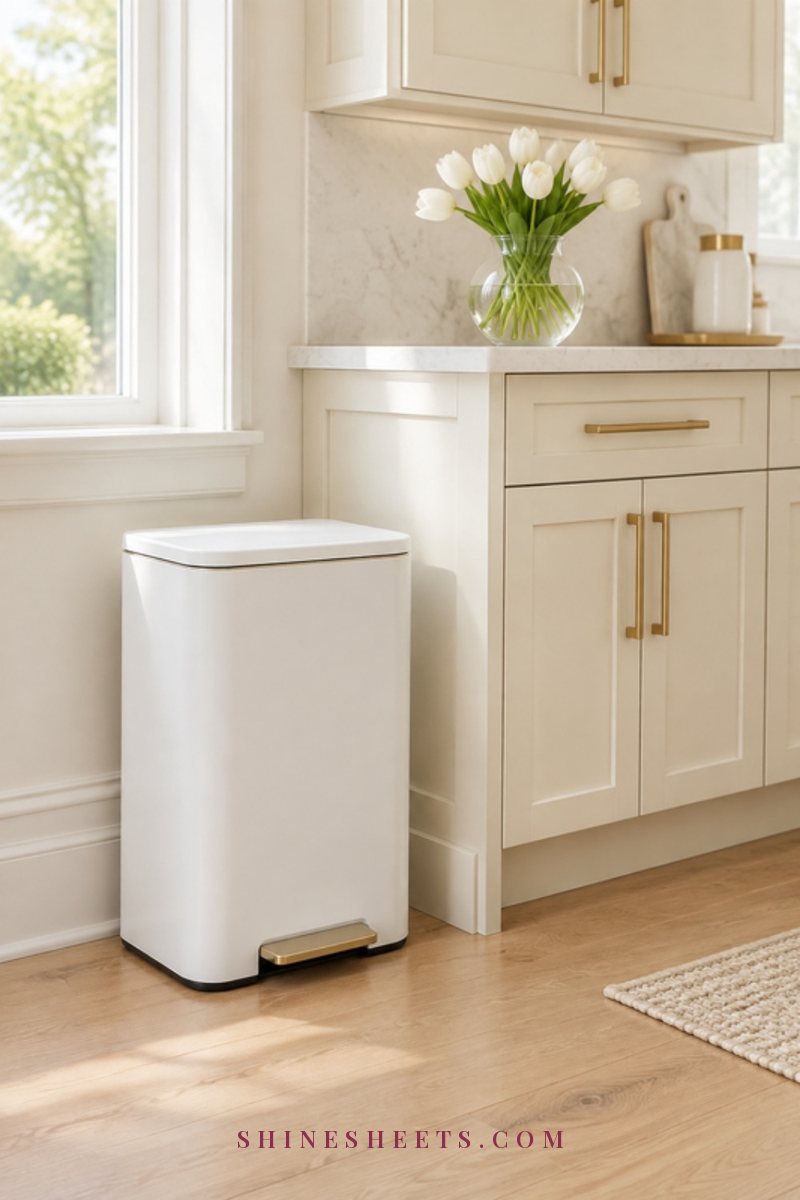
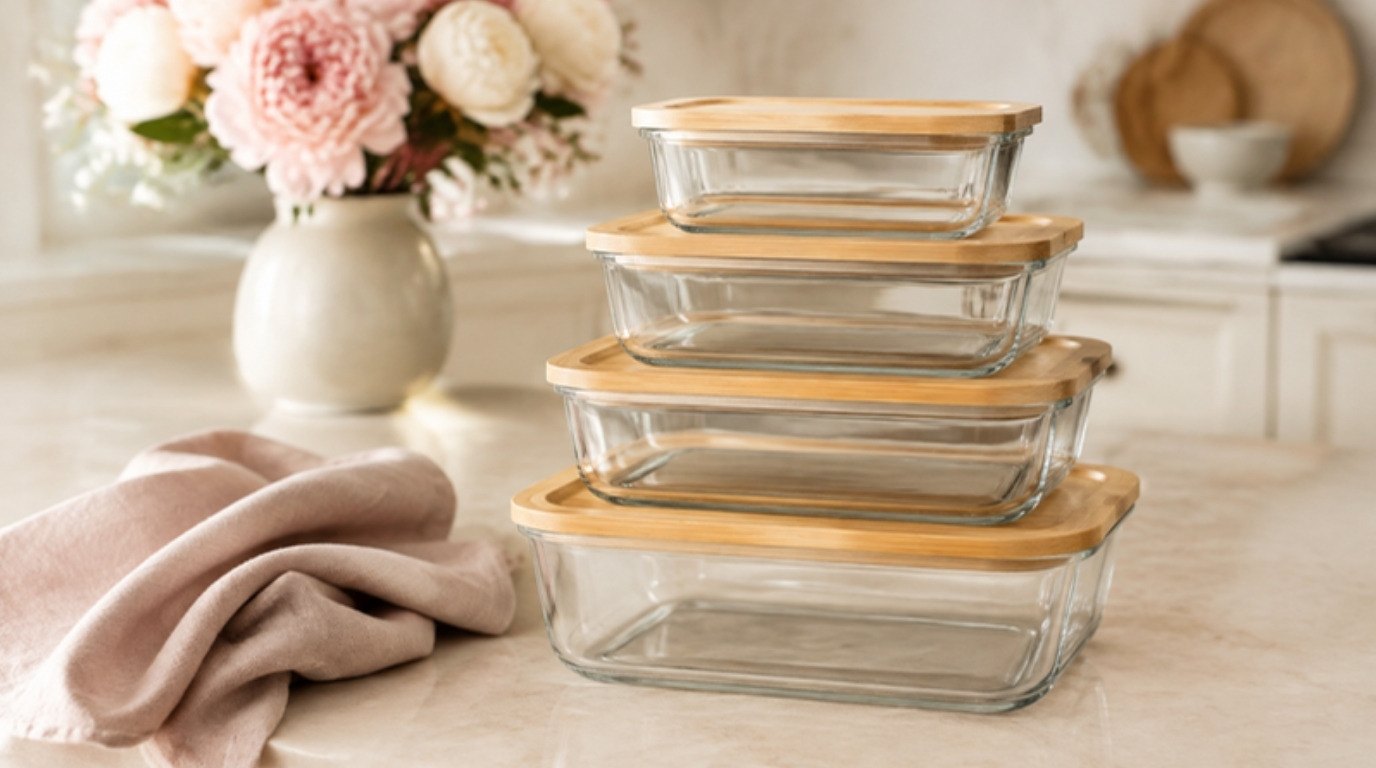
The kitchen loves a mix. Keep the things you use every day on open shelves or the counter: your favorite mugs, everyday plates, a few glass jars of tea and coffee. Everything else, like baking tins, small appliances and backup pantry items, goes behind doors. Open shelves near the stove collect grease, so keep those for items you wash often. Inside cupboards, clear stackable bins with lids stop things from disappearing at the back.
2. Bathroom
Mostly closed, with a little open. Daily skincare, a pretty soap and folded hand towels can sit on a shelf or tray. Medicines, backup toiletries and cleaning products should live behind a door, ideally high up. Steam and splashes make open bathroom shelves dusty and damp quickly, so keep them minimal.
3. Entryway
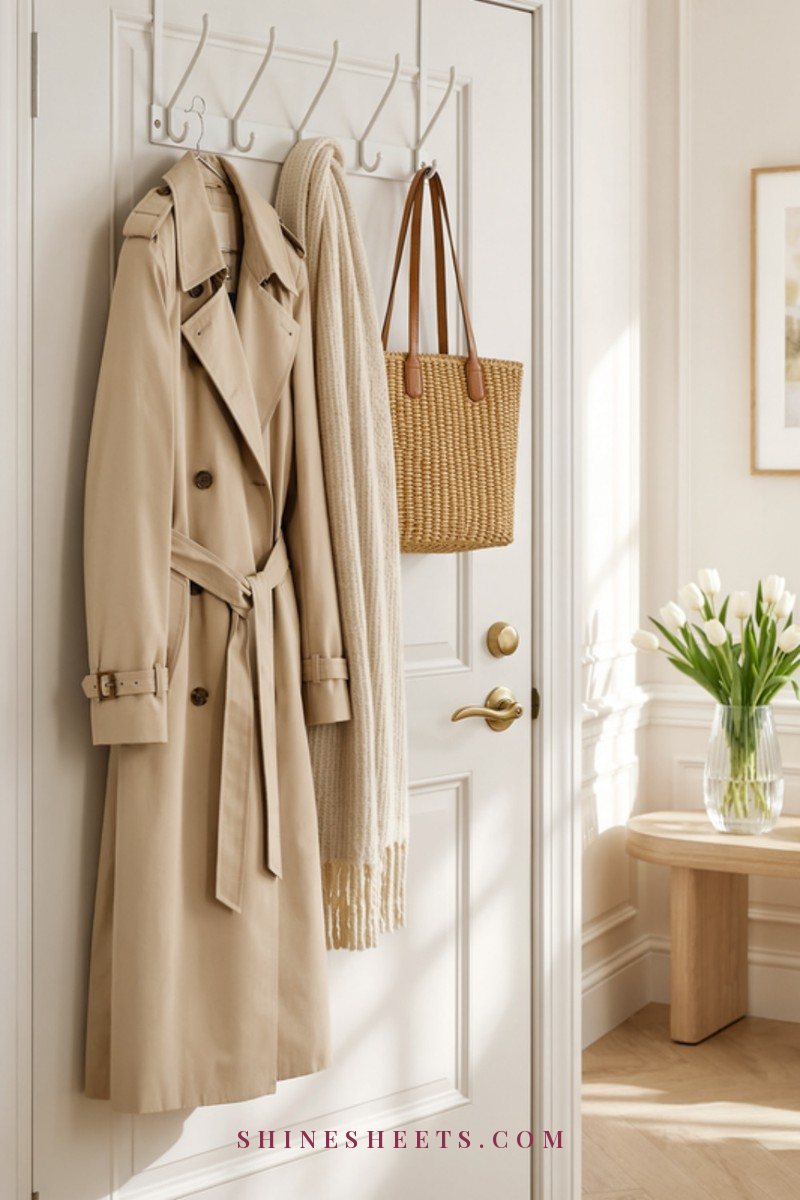
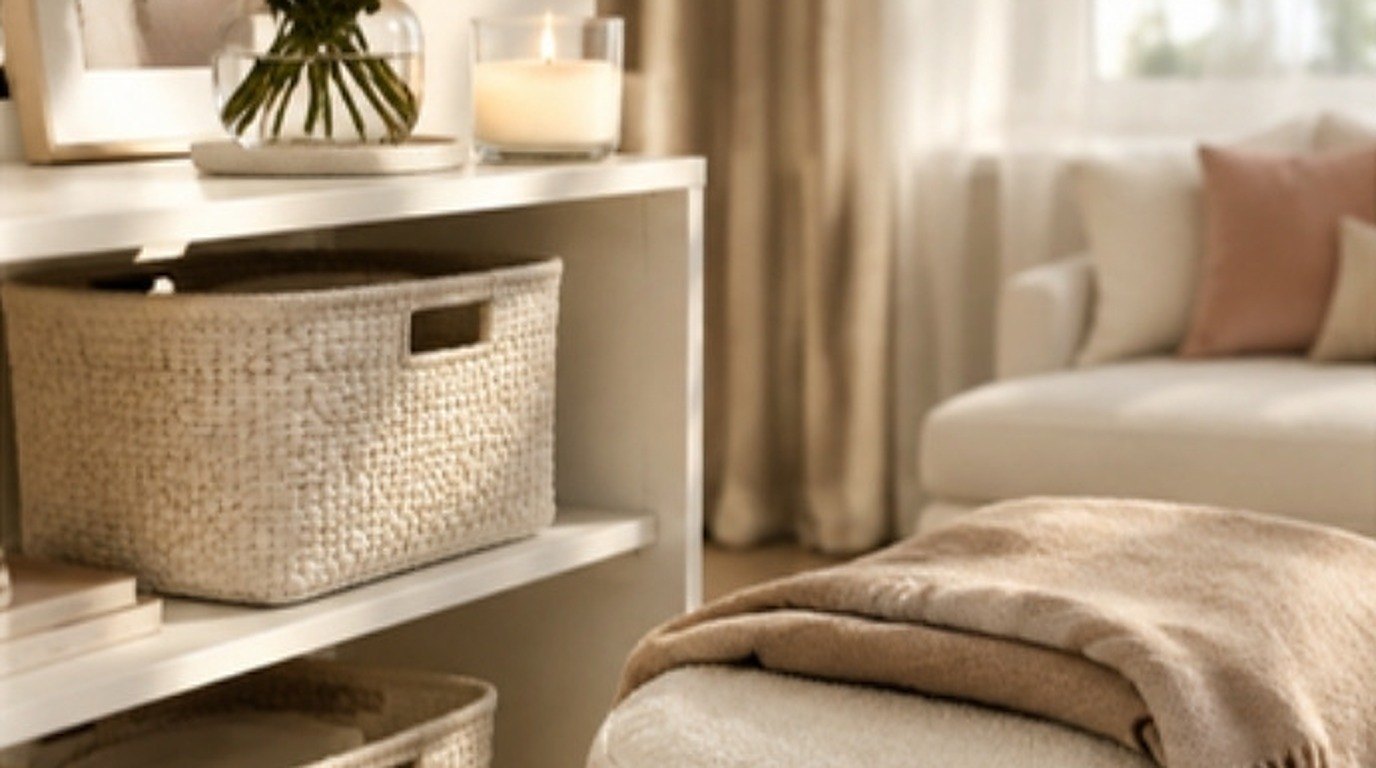
Entryways need speed. Open hooks and a shelf for keys and bags make it easy to drop things on the way in. Underneath, cream woven storage baskets hide shoes, scarves and dog leads while keeping them easy to grab. If you want to tame the drop zone further, my guide on fixing clutter hotspots covers the entryway in detail.
4. Living Room
This is where open storage gets to be pretty. Books, a few candles, a plant or two and things you love to look at belong on open shelves; a pair of white floating wall shelves is an easy, light-looking way to add display space if your lease allows small screw holes. Remote controls, cables, board games and paperwork are much happier in a closed cabinet or lidded boxes. A good test: if it doesn't make the room feel nicer, close it away.
5. Bedroom
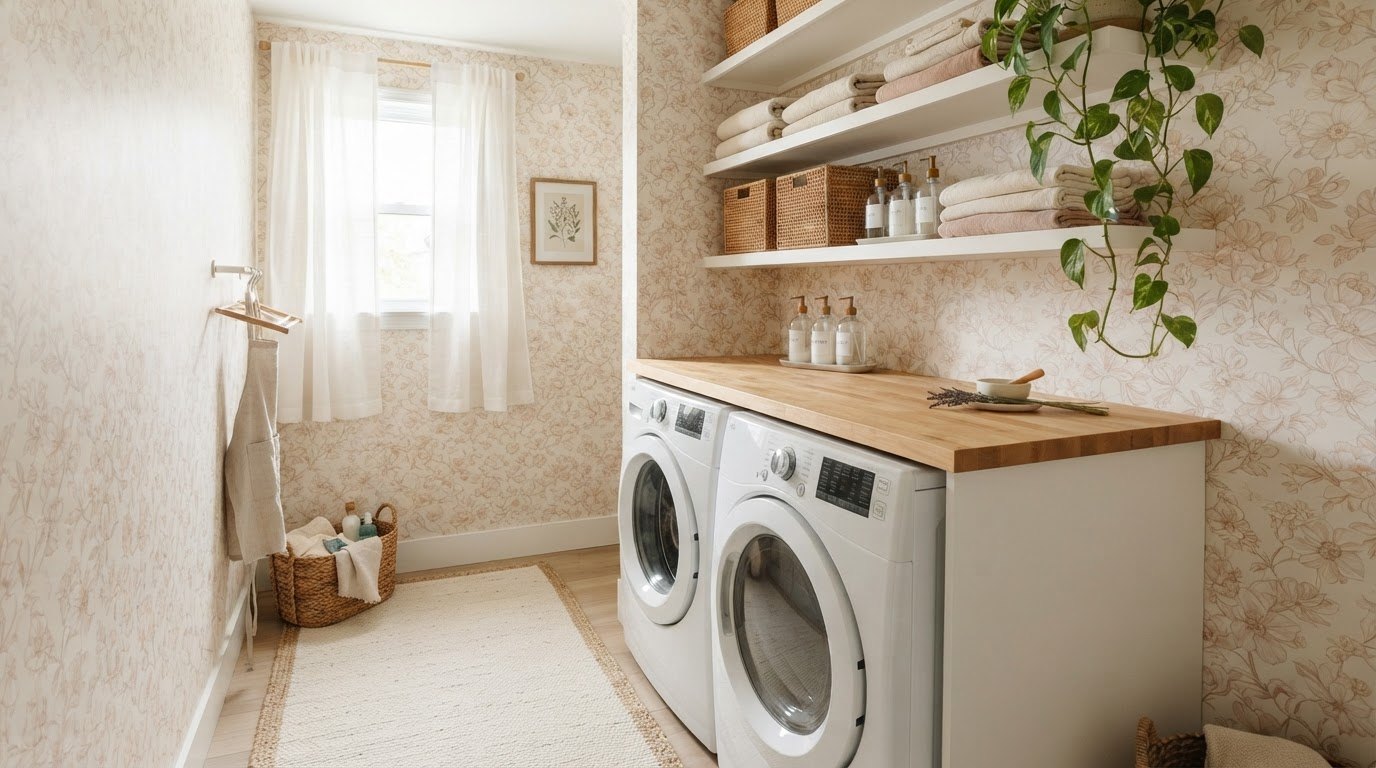
Bedrooms should feel restful, so lean closed. Clothes in a wardrobe or drawers, extra bedding in white lidded storage boxes under the bed, and only a few calm things on display: a glass candle, a book, a small vase. If your wardrobe is open, keep it to coordinated hangers and a limited color palette so it reads as calm rather than crowded.
6. Home Office
Open for what you use daily, closed for everything else. A notebook, a pen cup and a lamp can live on the desk or an open shelf. Paperwork, spare supplies and cables belong in closed drawers or lidded boxes. Paper is one of the fastest ways for open storage to look messy, so file it away.
7. Kids' Space
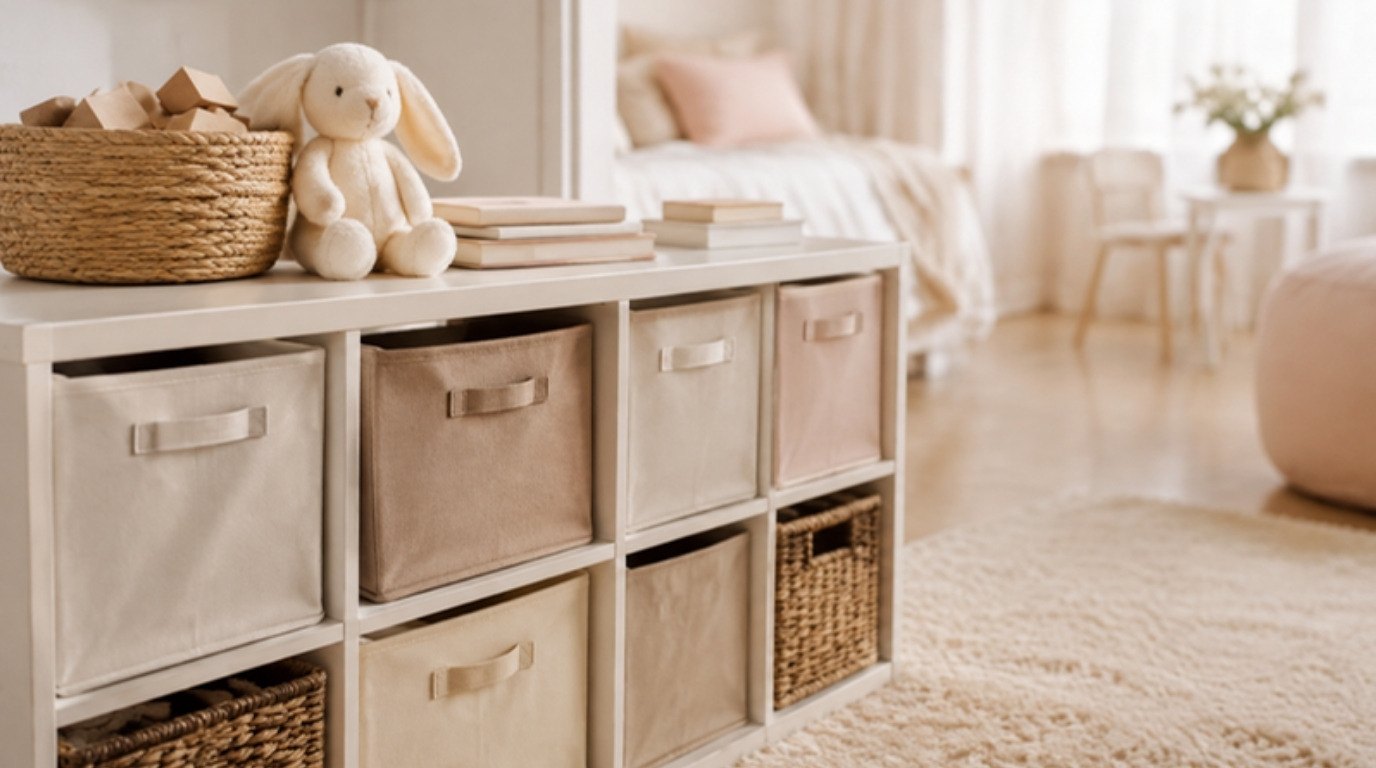
Children usually do best with open, low storage they can reach and see, because they'll actually put toys back if the "home" is obvious. Simple open bins work well, like sage cotton storage baskets on low shelves, one category per bin. Keep anything breakable, small or unsafe up high or behind closed doors, and rotate toys so the open shelves don't overflow.
Open vs Closed Storage by Room
A quick summary to help you decide, room by room. Screenshot it before your next reset.
| Room | Best choice | Why | Budget fix |
|---|---|---|---|
| Kitchen | Mix: open for daily items, closed for the rest | You grab daily items fast; backups stay clean and dust-free | Clear bins inside cupboards so nothing hides |
| Bathroom | Mostly closed | Steam, dust and safety; medicines and cleaners need doors | A small tray for daily skincare on the counter |
| Entryway | Open hooks plus baskets | Speed matters more than looks here | Woven baskets under a bench or console |
| Living room | Open for pretty, closed for practical | Display what you love, hide cables and games | Lidded boxes on open shelves |
| Bedroom | Mostly closed | Visual calm helps a room feel restful | Under-bed lidded boxes |
| Home office | Closed with a few open essentials | Paper looks messy fast | Matching magazine files or boxes |
| Kids' space | Open and low | Kids put back what they can see and reach | Fabric bins, one category each |
How To Keep Open Shelves Looking Calm
If you love open storage but hate how quickly it gets busy, a few small habits keep it looking intentional:
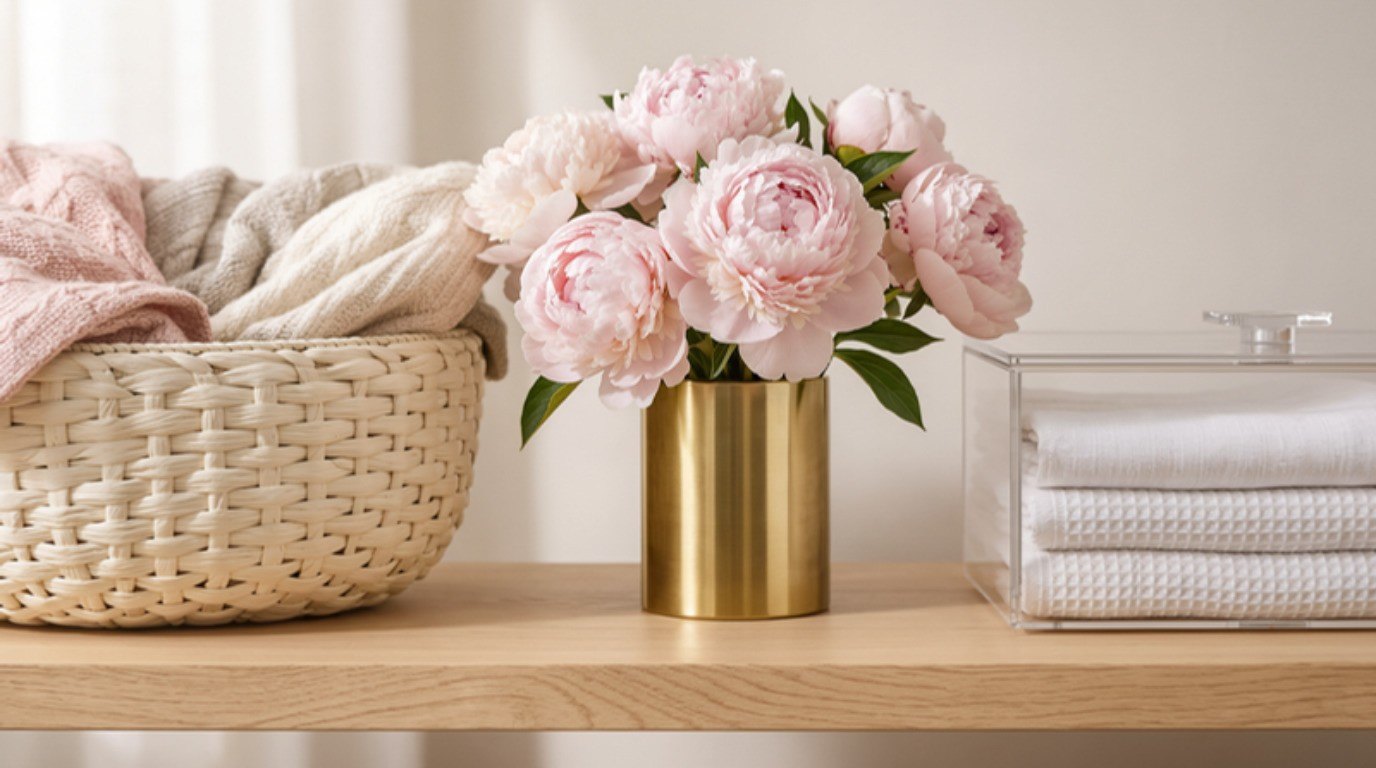
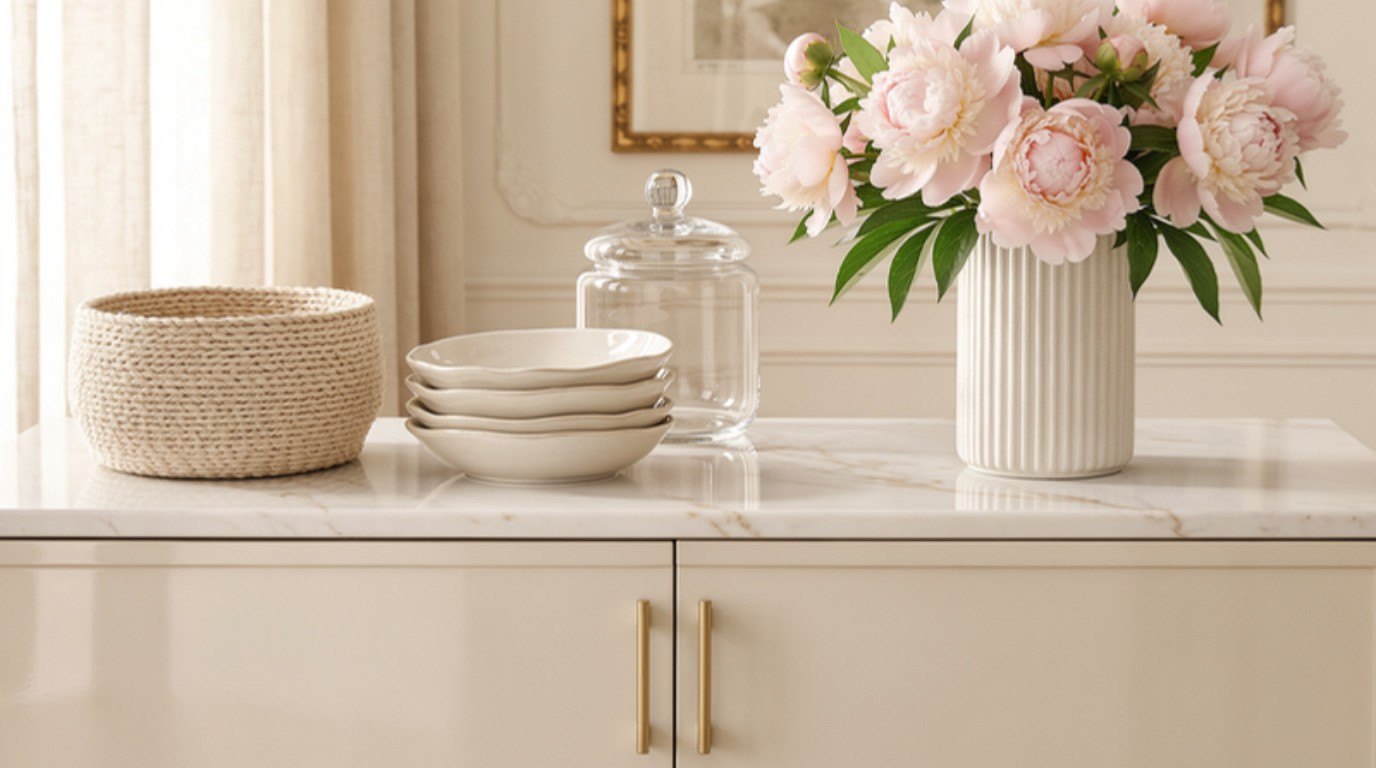
- Stick to a short color palette. Two or three colors (say cream, white and a touch of gold) make even practical items look curated.
- Decant only where it truly helps. Tea bags in a glass jar or cotton pads in a lidded canister look calmer than bright packaging. Never decant cleaning products into food or drink containers, though.
- Group in odd numbers. Clusters of three or five feel balanced; long rows of single items feel like a shop shelf.
- Dust on a rhythm. A quick wipe with a soft cloth once a week takes two minutes and keeps open shelves looking fresh rather than forgotten.
- Edit when you add. When something new goes on the shelf, something else moves to closed storage or leaves the home.
These habits are small, but together they're the difference between a shelf that looks styled and one that looks like overflow.
How To Mix Open and Closed Storage
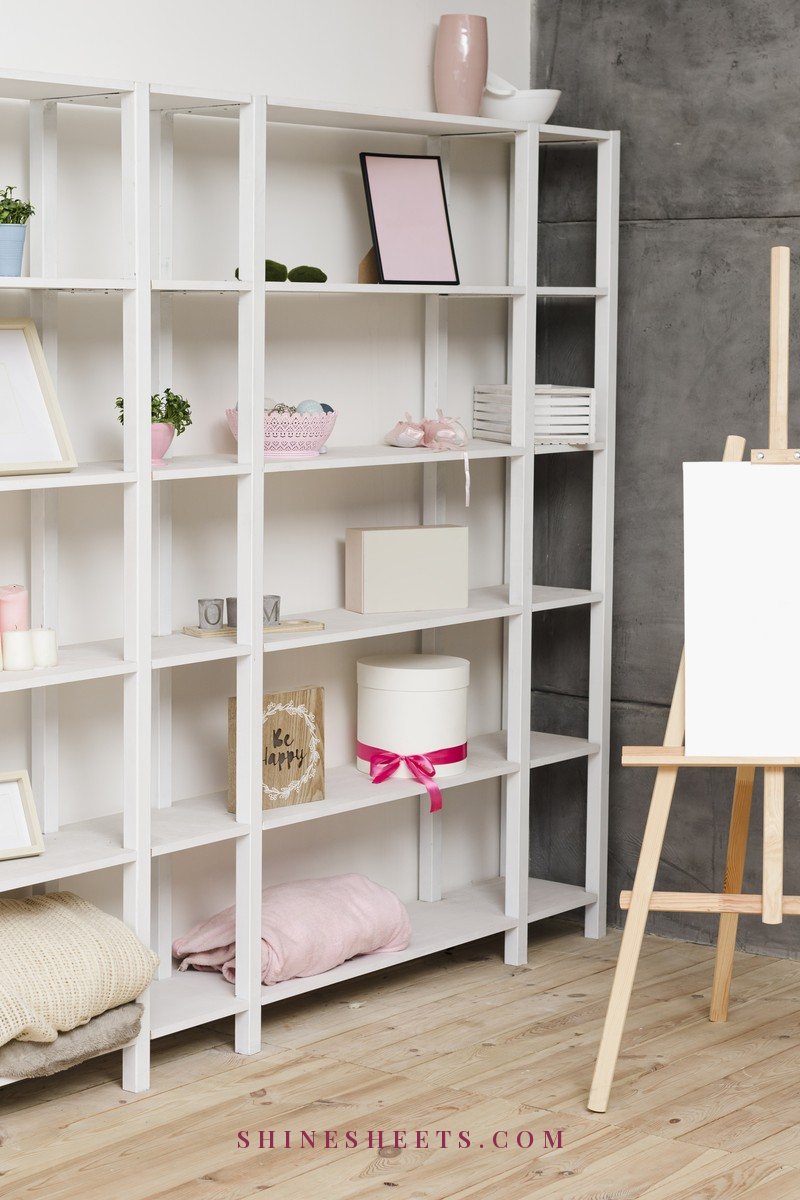
Most homes look and work best with a blend. These three ideas make mixing easy.
Closed Below, Open Above
This is the simplest rule there is. Lower shelves and cupboards hold the heavy, bulky and less pretty things behind doors or in baskets. Upper shelves display the lighter, lovelier items. It keeps the visual weight low, makes a room feel calmer and is safer, because heavy things stay near the floor.
Clear or Labeled Bins
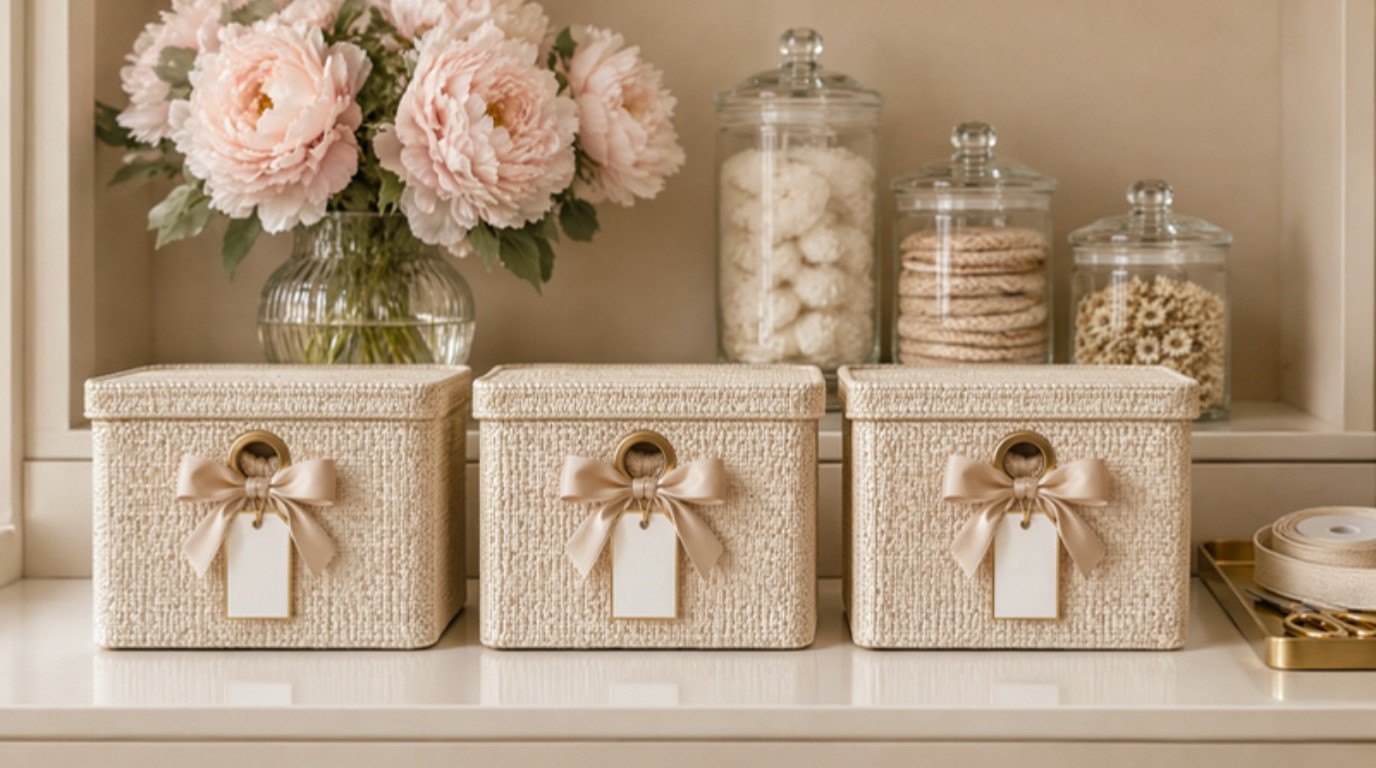
Bins are the bridge between the two styles. Clear containers let you see what's inside while keeping things contained; opaque bins with labels give you the calm look of closed storage without the forgetting. Small gold metal label holders on baskets look lovely and make it obvious where things go. For more ideas, my home labeling ideas guide shows how to label without it looking fussy, and my bins vs baskets guide helps you choose the right container for each room.
The 80/20 Rule for Display Shelves
On any open shelf, aim to fill about 80% of the space and leave about 20% empty. That breathing room is what makes a shelf look styled instead of stuffed. Group items in small clusters, repeat a color or material, and resist filling every gap. If a shelf feels busy, take one thing off before you add anything new.
Signs Your Storage Style Isn't Working
Before you buy anything or move a single shelf, notice what your home is already telling you. These are the most common signs that something should switch from open to closed, or the other way round:
- You keep buying things you already own. That item probably needs to be more visible, or at least stored in a clear bin.
- A shelf never stays tidy for more than a day. It may be holding too many categories, or things that would be calmer behind a door.
- You avoid opening a certain cupboard. It has become a stuffing spot. Empty it, sort it and give everything inside a container.
- Things live on the counter or floor instead of their "home." The home is probably too hard to reach or too hidden. Bring it closer and make it open.
- You dust the same shelf constantly. Items you rarely use don't need to sit in the open collecting dust.
Pick the one sign that annoys you most and start there. That's usually where a small switch makes the biggest difference.
Test Before You Commit
Storage decisions can feel big, especially when they involve furniture. A gentle way to avoid regret is to test first.
- Try it for two weeks. Move your everyday mugs onto an open shelf, or tuck your skincare into a closed cabinet, and live with it.
- Notice your behavior, not just the look. Are you using things more? Putting them back more easily? Forgetting them?
- Use what you have. Test with boxes and baskets you already own before buying matching ones.
- Decide, then buy. Once a setup works, invest in the containers or shelf that make it permanent and pretty.
Small experiments like this also keep organizing from feeling overwhelming. You're not redoing the whole home; you're just trying one shelf.
Storage Safety Basics
A few non-negotiables, whichever style you choose:
- Heavy items low. Books, appliances and full bins go on bottom shelves. Top-heavy shelves tip more easily.
- Anchor tall units. Bookcases, dressers and tall shelves should be secured to the wall, especially in homes with children. Many renters can use small anti-tip straps (ask your landlord if you're unsure). Tip-overs happen faster than you'd think, especially when a child climbs or pulls on an open drawer.
- Cleaners behind closed doors. Keep cleaning products and medicines in closed cupboards, up high and away from heat and children. Store them in their original containers and never decant them into food or drink bottles.
- Don't overload shelves. Check the weight limit of floating and adhesive shelves, and keep fragile things away from edges.
Budget Ideas for Open and Closed Storage
You don't need new furniture to get the balance right. These renter-friendly fixes cost very little:
- Baskets on open shelves. Instant closed storage on any bookcase or cube unit. Matching baskets look calm even when what's inside is not.
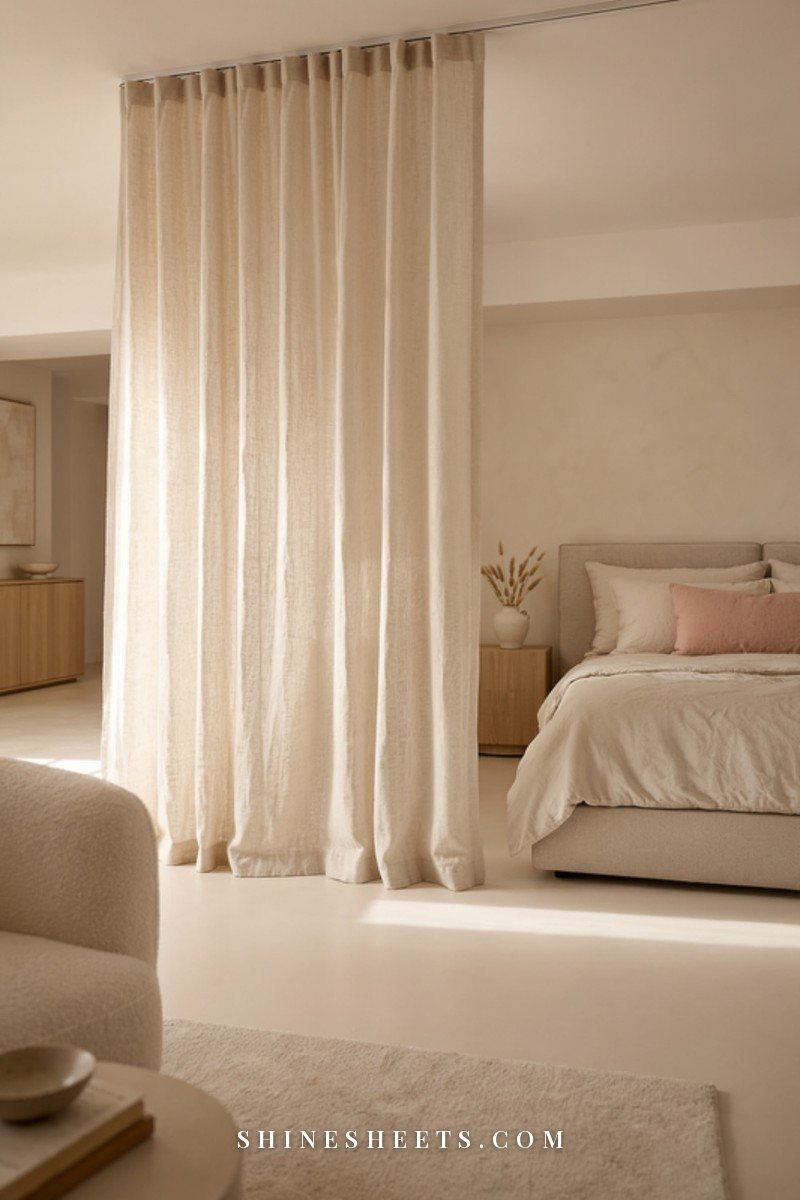
- A curtain panel to close a shelf. A tension rod and a simple linen curtain turn an open unit into a closed one in minutes, no drilling required.
- Lidded boxes in one color. A row of matching boxes looks like a built-in cabinet from across the room.
- Clear containers inside cupboards. Keeps closed storage visible to you without making the room busy.
- Shop your home first. Shoe boxes, spare baskets and sturdy delivery boxes can be lined up and labeled before you buy anything new.
Start with one shelf or one cupboard this weekend. Decide what needs to be seen and what can rest behind a door, and let that small win guide the next spot.
Final Thoughts
Open vs closed storage isn't a battle you need to win. It's a quiet question you ask each thing in your home: do I need to see you, or do I just need to find you? Let the everyday and the lovely stay in view, give the rest a door or a basket, and your home will feel easier to live in and calmer to look at.