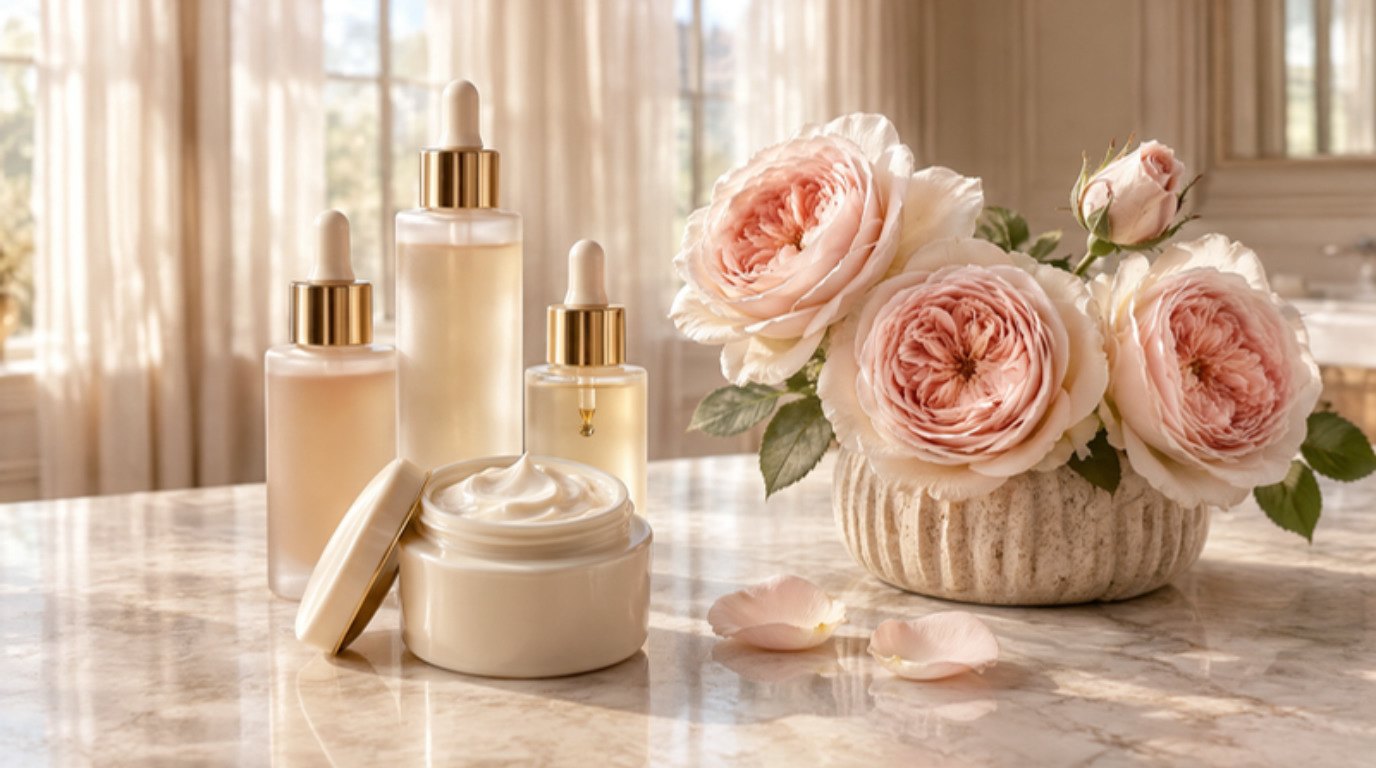
Smile lines aren't a flaw you need to fight. They're the soft folds that run from the sides of your nose down toward the corners of your mouth, and they show up on almost every adult face, because almost every adult face laughs, talks and lives. What you can do is soften how deep and shadowy they look, gently and without chasing a promise that skincare will make them disappear.
That difference matters. When you stop expecting a cream to erase a fold that's partly made of your own facial structure, you start choosing things that genuinely help: daily sun protection, a slow and steady active, plenty of hydration and a few small habit changes that add up over months.
This guide covers smile lines from every gentle angle: what they are, why everyone gets them, a table of approaches with realistic timelines, eight ways to soften their look at home, a simple patch test method, makeup tricks that stop foundation from settling in the fold and a short routine you can follow morning and night. No fillers how-to, no needles, no miracle claims. Just the steady stuff that works with your skin instead of against it.
What Smile Lines Actually Are
The proper name is nasolabial folds. They're the creases that form where your cheek meets the area around your mouth. Everyone has the basic fold from childhood, because it's where the skin and muscles naturally bend when you smile. What changes over the years is how visible it becomes.
It helps to know that a smile line is usually a mix of two things:
- A surface line in the skin itself, which can look deeper when skin is dry, thinner or less springy.
- A fold made by volume and structure, where the cheek sits above the mouth area. Skincare can't move that structure, and it doesn't need to.
This is why the honest goal is "softer," not "gone." Hydrated, well-protected skin reflects light more evenly, so the shadow in the fold looks lighter. And I'll say it plainly because it's true: these lines are a normal sign of a face that smiles. That's not the worst story for your skin to tell.
Why Everyone Gets Smile Lines
There isn't one single cause. A few everyday factors work together, and some of them are simply out of your hands:
- Natural expression. Smiling, laughing and talking fold the skin in the same place thousands of times. Please don't stop smiling to "save" your skin.
- Volume and collagen changes with age. Over time skin makes less collagen and elastin, and the fat pads in the cheeks shift slightly, so the fold casts more shadow.
- Sun exposure. UV light breaks down collagen faster, which is why daily sunscreen shows up at the top of every dermatologist's list.
- Genetics. Bone structure, skin thickness and how your face naturally carries volume are largely inherited. Some people simply have deeper folds at any age.
- Sleep position. Pressing one cheek into the pillow every night can make the line on that side look a little more pronounced in the morning.
- Smoking. Smoke speeds up collagen loss, and the repeated pursing motion adds extra creasing around the mouth.
Notice that most of this list is about protecting what you have, not repairing. That's the mindset I'd bring to everything below. If you'd like the bigger picture of which habits truly matter for skin over time, my guide to anti-aging habits that actually work sorts the helpful ones from the hype.
Smile Lines Table: What Each Approach Does and When You May Notice It
Here's the whole plan at a glance. The timelines are typical ranges, not promises. Skin varies a lot, and "noticing" usually means a gentle softening in good light, not a different face. Screenshot it if it helps.
| Approach | What it does | How soon you may notice | Best for |
|---|---|---|---|
| Daily broad-spectrum sunscreen | Helps protect collagen from UV breakdown | Long-term; it's prevention more than a quick change | Everyone, every day |
| Gentle retinoid, started slowly | Supports cell turnover and collagen over time | Often around 3 to 6 months of steady use | Non-sensitive or gradually adjusted skin |
| Bakuchiol | A plant-based, gentler retinol alternative | Often around 2 to 3 months | Sensitive skin or anyone who finds retinoids too much |
| Hyaluronic acid on damp skin | Draws water into the surface so fine lines look plumper | Often the same day, as a temporary effect | Dry or dehydrated skin, all skin types |
| Peptide and ceramide moisturizer | Supports the skin barrier and a bouncier feel | Often a few weeks for comfort, longer for texture | Dry, mature or easily irritated skin |
| Back sleeping or a silk pillowcase | Reduces nightly pressure and creasing on the cheeks | Morning creases can look softer within days | Side and stomach sleepers |
| Gentle facial massage | Relaxes tension and feels soothing; may make skin look fresher briefly | Temporary, right after | Anyone who enjoys a calm ritual |
| Not smoking | Removes one of the biggest collagen stressors | Long-term | Everyone who smokes or is around smoke |
| Lighter makeup base | Stops product settling in the fold | Immediately | Anyone who wears foundation or powder |
8 Gentle Ways To Soften the Look of Smile Lines
You don't need all eight at once. Start with sunscreen and hydration, add one active after a few weeks and let the habits follow in their own time.
1. Wear Broad-Spectrum Sunscreen Every Single Day
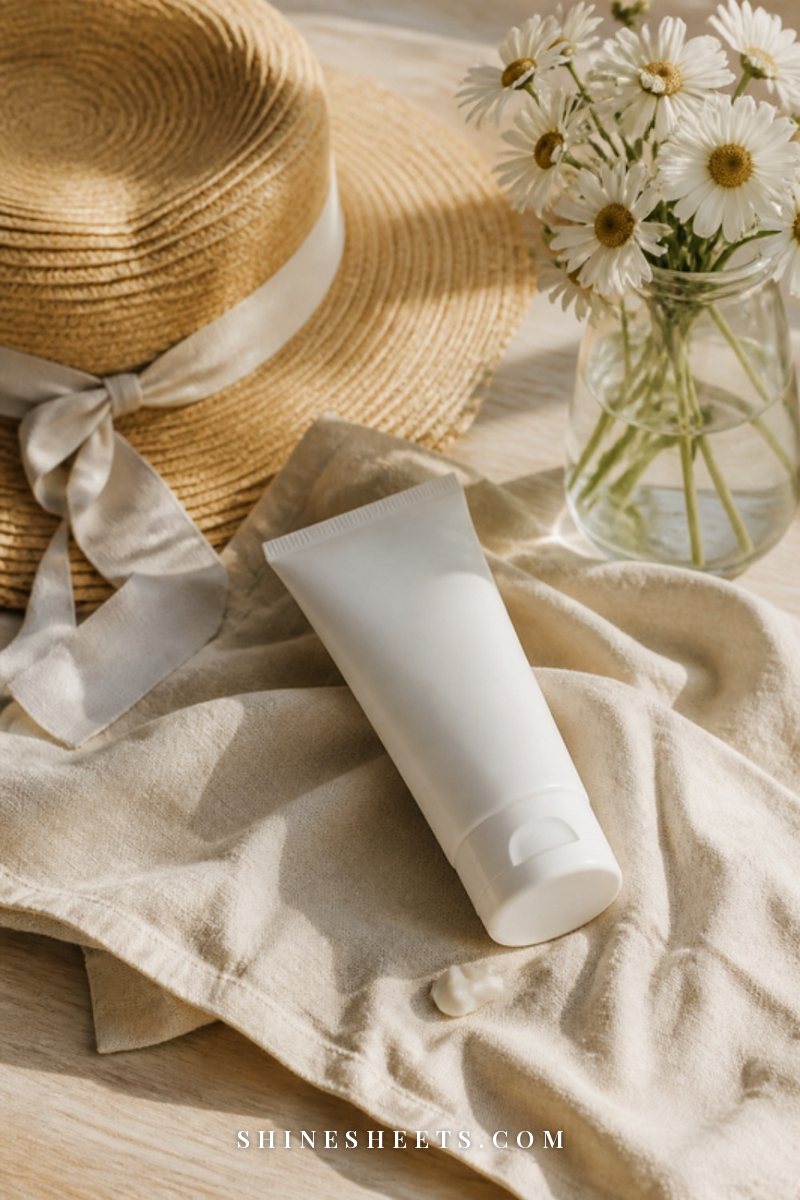
If I could only keep one step, this would be it. UV light reaches your skin on cloudy days and through windows, and over the years it quietly breaks down the collagen that keeps the area around your mouth springy.
Look for SPF 30 or higher, labeled broad-spectrum, in a texture you'll actually wear daily. A lightweight fluid like a broad-spectrum daily face sunscreen sits well under makeup and doesn't feel heavy around the nose. Use roughly two finger lengths for the face and neck, don't skip the area right beside your nostrils (it's easy to miss) and reapply every two hours when you're outside. Makeup with SPF is a nice extra, but it isn't a replacement for a dedicated sunscreen.
2. Start a Gentle Retinoid Slowly
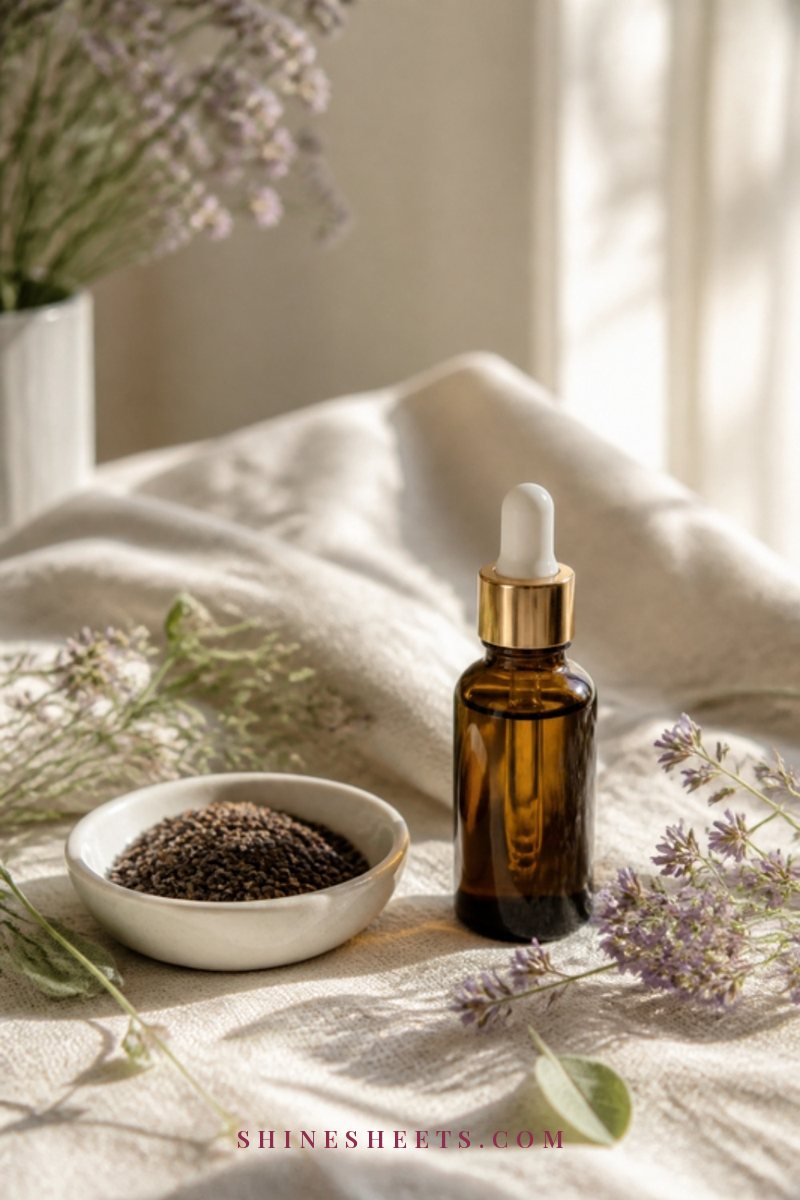
Retinoids are one of the best-studied ingredients for fine lines and skin texture, and also one of the easiest to overdo. The trick is boring patience.
Choose a low-strength over-the-counter option, like a gentle retinol serum for beginners, and follow a slow start:
- Weeks 1 to 2: twice a week, at night, a pea-sized amount for the whole face.
- Weeks 3 to 4: every third night if your skin feels calm.
- After that: every other night, and only move to nightly if there's no redness, stinging or peeling.
Apply it to dry skin, keep it away from the corners of your nose and lips where skin can crack, keep it well away from your eye area, and always follow with moisturizer. Wear sunscreen the next morning without exception. Retinoids aren't for use during pregnancy or breastfeeding, and if you're curious about prescription-strength options, that's a conversation to have with a dermatologist. My full retinol for beginners start plan walks you through the first months step by step.
3. Try Bakuchiol If Retinoids Feel Too Much
My combination skin has a sensitive streak, so I understand why some people take one look at a retinol routine and back away. Bakuchiol is a plant-derived ingredient that's often described as a gentler retinol alternative. Early research looks promising for fine lines, and it tends to be kinder to reactive skin.
You can use it morning or night, usually twice daily, after cleansing and before moisturizer. Give it a good two to three months before you decide how you feel about it. If you want to compare the two properly, my guide to bakuchiol as a gentle retinol alternative covers who it suits and how to layer it.
4. Layer Hydration: Hyaluronic Acid on Damp Skin
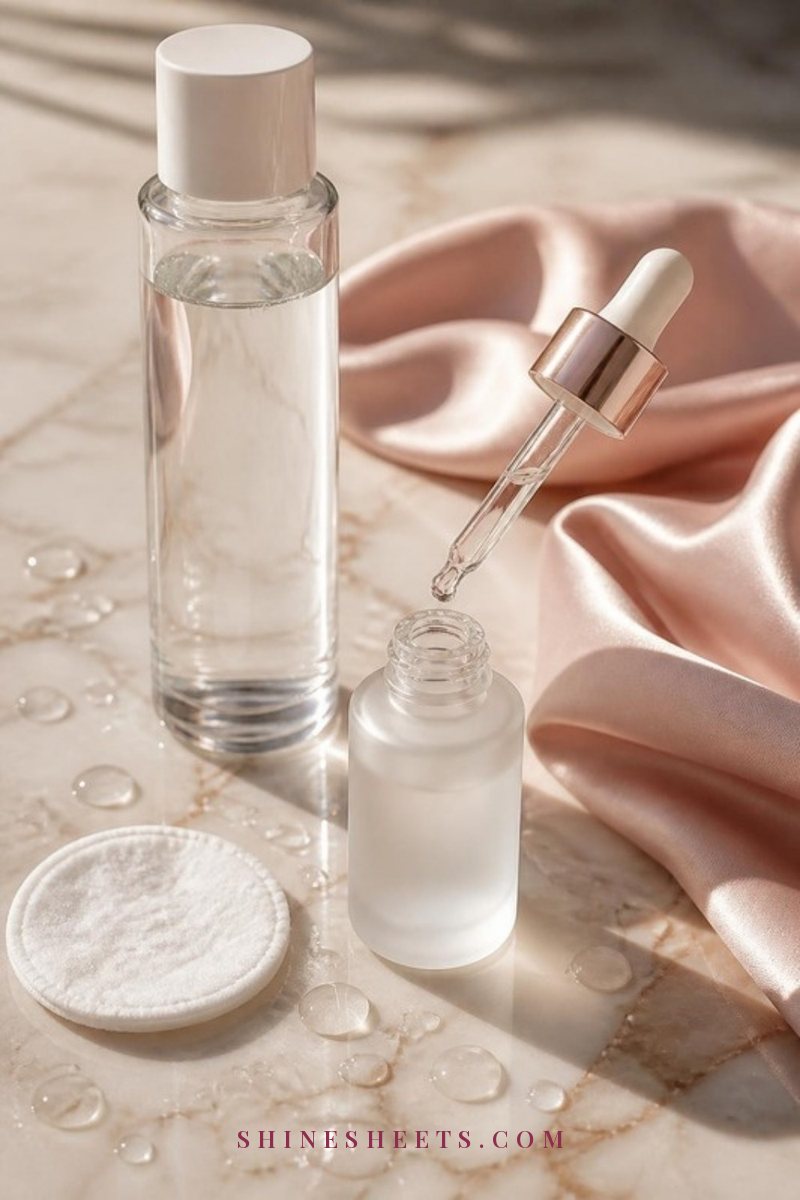
Dehydrated skin makes every line look deeper, which is why hydration is the fastest visible win on this list (even if the effect is temporary).
Hyaluronic acid works by drawing water into the top layers of skin. The key is applying it to damp skin, then sealing it with moisturizer within a minute or so. A few drops of a simple hyaluronic acid hydrating serum pressed in after cleansing, while your face is still slightly wet, makes the area around the mouth look smoother and plumper by the time you've finished your routine. In very dry air, a mist or a damp hand first helps it work better. For the details, my hyaluronic acid damp skin rule post explains exactly how to layer it.
5. Add Peptides and Ceramides in a Plumping Moisturizer
Think of your moisturizer as the cushion that holds everything in place. Ceramides support the skin barrier, so skin stays hydrated for longer, and peptides are small chains of amino acids that many formulas include to support a firmer, bouncier feel.
A Korean-style peptide cream moisturizer is a nice pick here, because many K-beauty creams combine peptides, ceramides and a light, comfortable texture. Massage a small amount upward along the smile line area, morning and night. If you're wondering how peptides compare with other actives, my guide to peptides in skincare explains what they can and can't do.
6. Rethink Your Sleep Position

If you always wake up with a crease on the same cheek, your pillow may be part of the story. Sleeping on your back takes the pressure off your face entirely, but changing sleep positions is hard, so don't force it if it ruins your rest.
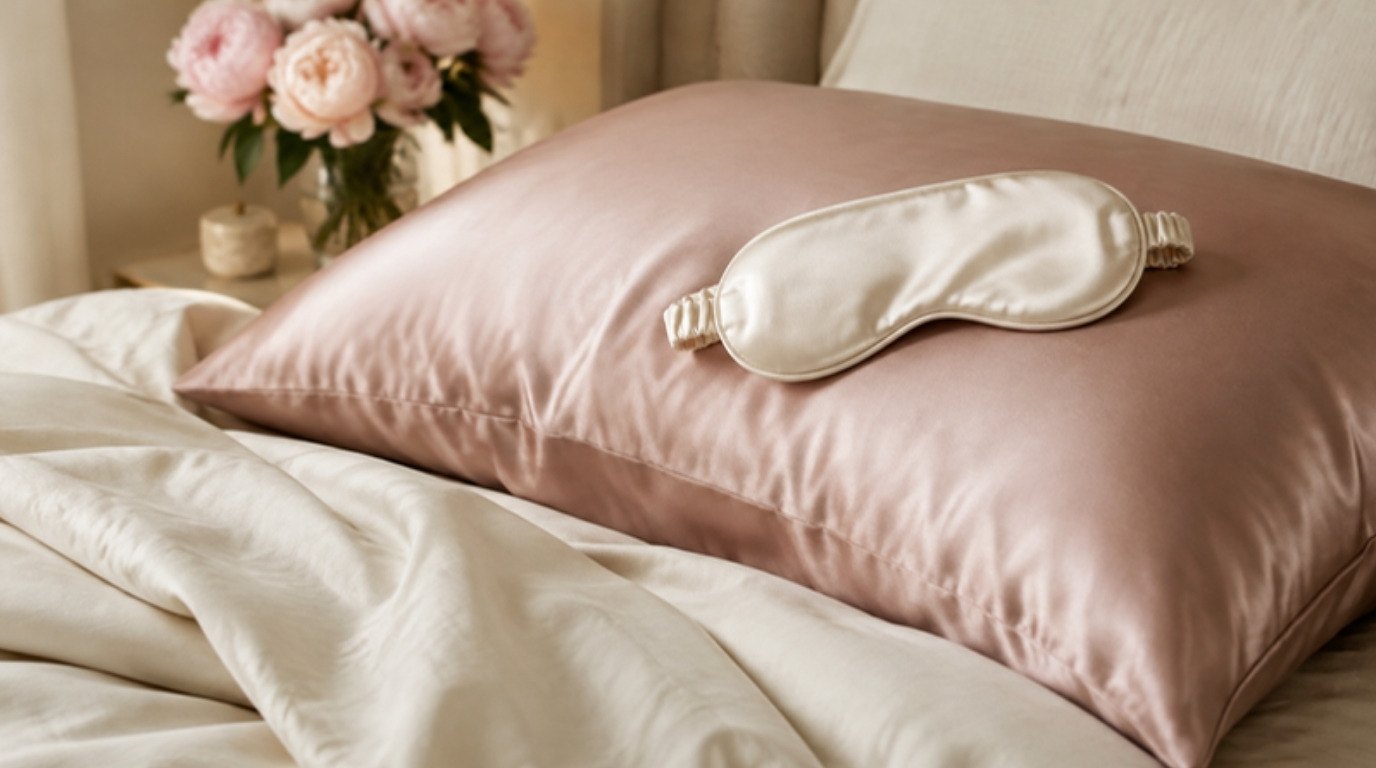
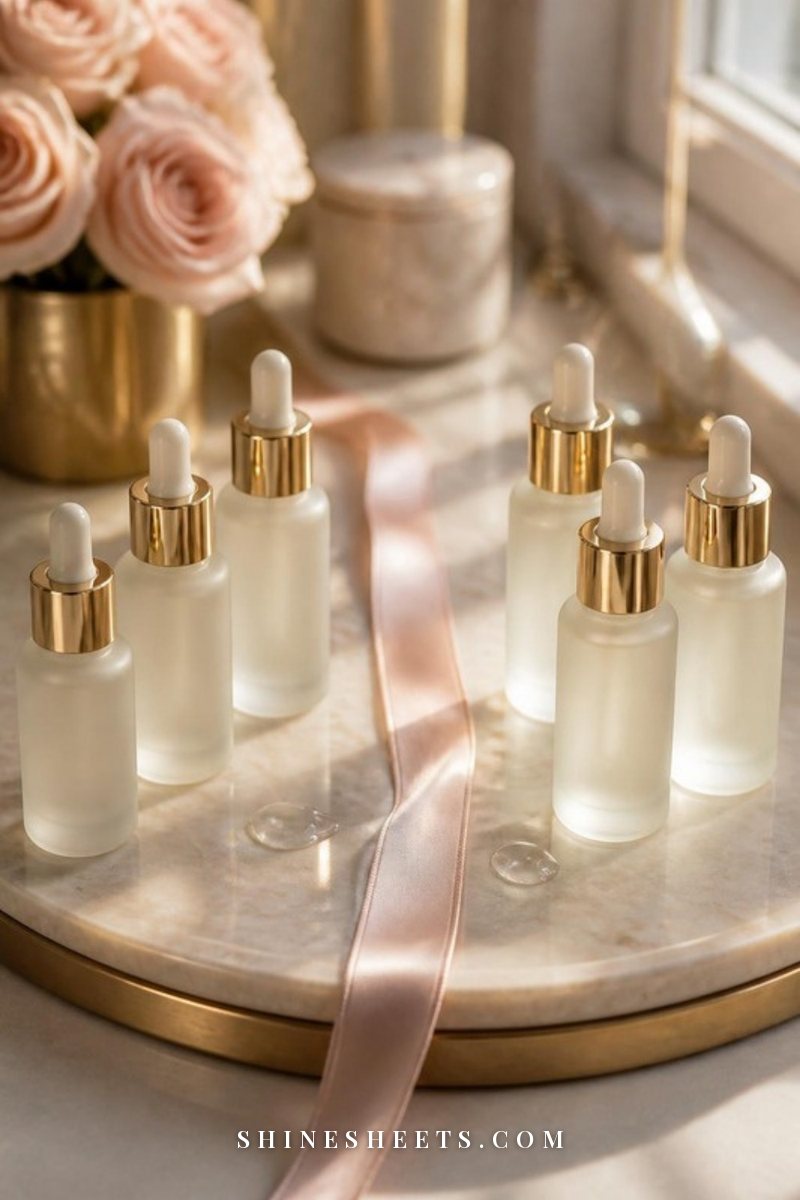
A gentler option is a smoother surface. A blush silk pillowcase creates less friction and tugging than cotton, so morning creases tend to fade faster. Look for 100% mulberry silk with a weight around 19 to 22 momme, and wash it on a delicate cycle in a mesh bag. My post on silk pillowcase benefits goes into whether it's worth it for your skin and hair.
7. Use Gentle Facial Massage for Relaxation
Facial massage won't rebuild collagen or reshape a fold, and I'd be wary of anyone who says otherwise. What it can do is relax tension in your face and jaw, make your skin look a little fresher for a while and turn your evening routine into something calming.
Warm a few drops of facial oil or your usual moisturizer between your palms. With your fingertips, use light, upward strokes from the corners of your mouth toward your cheekbones, then from the sides of your nose out toward your ears. Five to ten slow passes is plenty, about two minutes total. Keep the pressure feather-light, never drag the skin and skip any area with breakouts, irritation or broken skin. If you use a tool, clean it before every use.
8. Protect Your Skin From Smoke
This one is less of a skincare step and more of a kindness to your whole body. Smoking breaks down collagen faster and adds repeated pursing around the mouth, so it's one of the biggest outside factors in deeper lines. If you smoke and want to stop, a doctor can help you find support that suits you, and that support usually works better than willpower alone. Avoiding secondhand smoke where you can helps too.
How To Patch Test New Actives

The skin around your nose and mouth is often more reactive than you'd expect, especially if you have combination or sensitive skin like mine. Before a new retinoid, bakuchiol or rich cream goes on your whole face, give it a quick test:
- Apply a small amount to a coin-sized area just under your jawline or behind your ear.
- Do this once a day, at the same time you'd normally use it, for 3 to 5 days.
- Watch for redness, itching, burning, tiny bumps or flaking.
- If your skin stays calm, try it on your face, starting with a small amount.
- If anything flares, rinse it off with cool water, stop using it and let your skin settle before trying something else.
Introduce only one new product at a time, with a gap of about two weeks between them. That way, if something doesn't agree with you, you'll know exactly which one it was.
Makeup Tricks That Make Smile Lines Look Softer
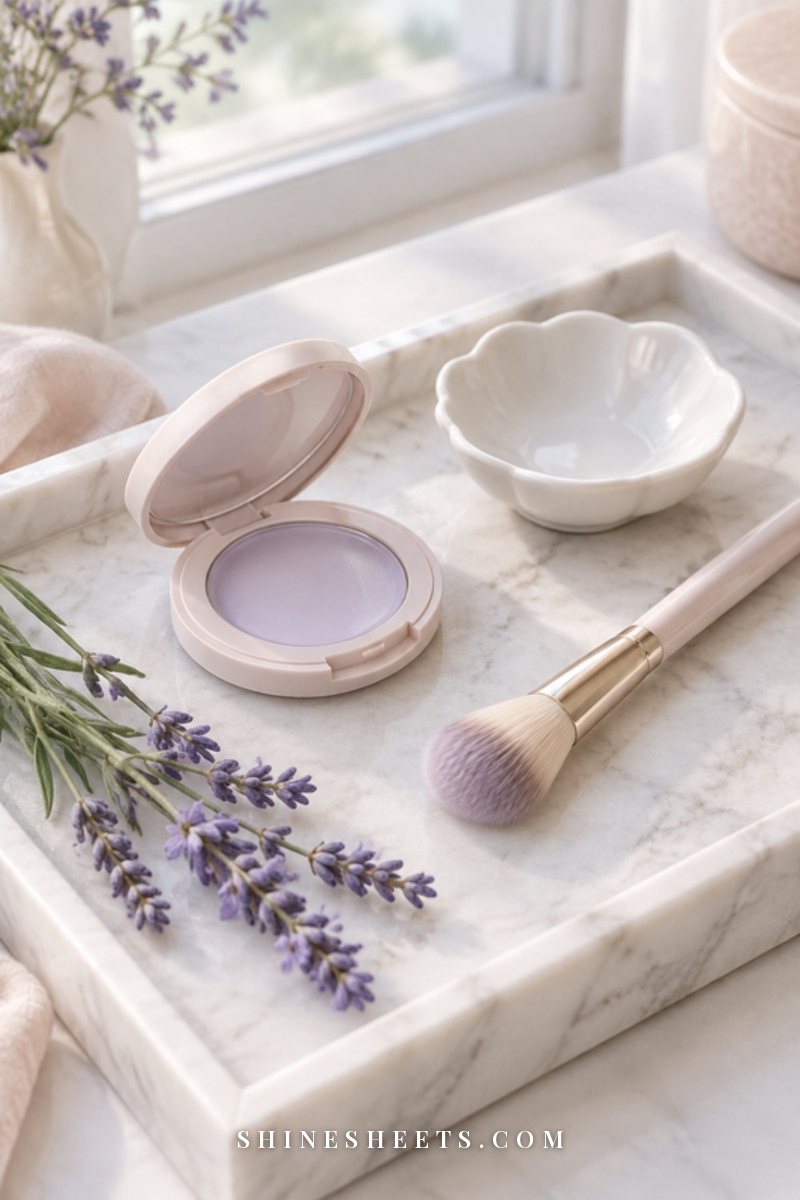
Here's a small honest admission: a lot of what makes smile lines look obvious by mid-afternoon isn't the line at all. It's foundation and powder that have slipped into the fold and gathered there. A few changes make a surprising difference:
- Hydrate first. Let your moisturizer sink in for two to three minutes before makeup. Dry skin grabs product and pulls it into lines.
- Choose a lighter base. A skin tint, a serum foundation or a sheer layer of your usual foundation moves with your face instead of cracking in the crease. Apply it with a damp sponge and press rather than wipe.
- Go easy in the fold. Use less product directly on the smile line than on the rest of your face. Whatever is left on the sponge is enough there.
- Skip heavy powder in the crease. If you have a shiny T-zone (mine is), powder only the forehead, nose and chin, and leave the smile line area dewy. A fine setting spray is kinder to this area than a thick powder.
- Add a soft brightening touch. A tiny amount of creamy concealer one shade lighter than your skin, tapped just at the top of the fold beside the nose and blended out well, lifts the shadow. Keep it subtle, or it can look like a stripe.
- Fix it at midday. Smile, then tap the fold gently with a clean fingertip or a damp sponge to smooth any creasing. Thirty seconds, done.
A little Old Hollywood secret is worth borrowing here too: the classic glamour look relied on glowing skin and light placed where you want the eye to go, not on heavy coverage. Draw attention up with a soft blush high on the cheekbones, and the smile line area simply becomes less of a focus.
A Simple Morning and Night Routine for Smile Lines
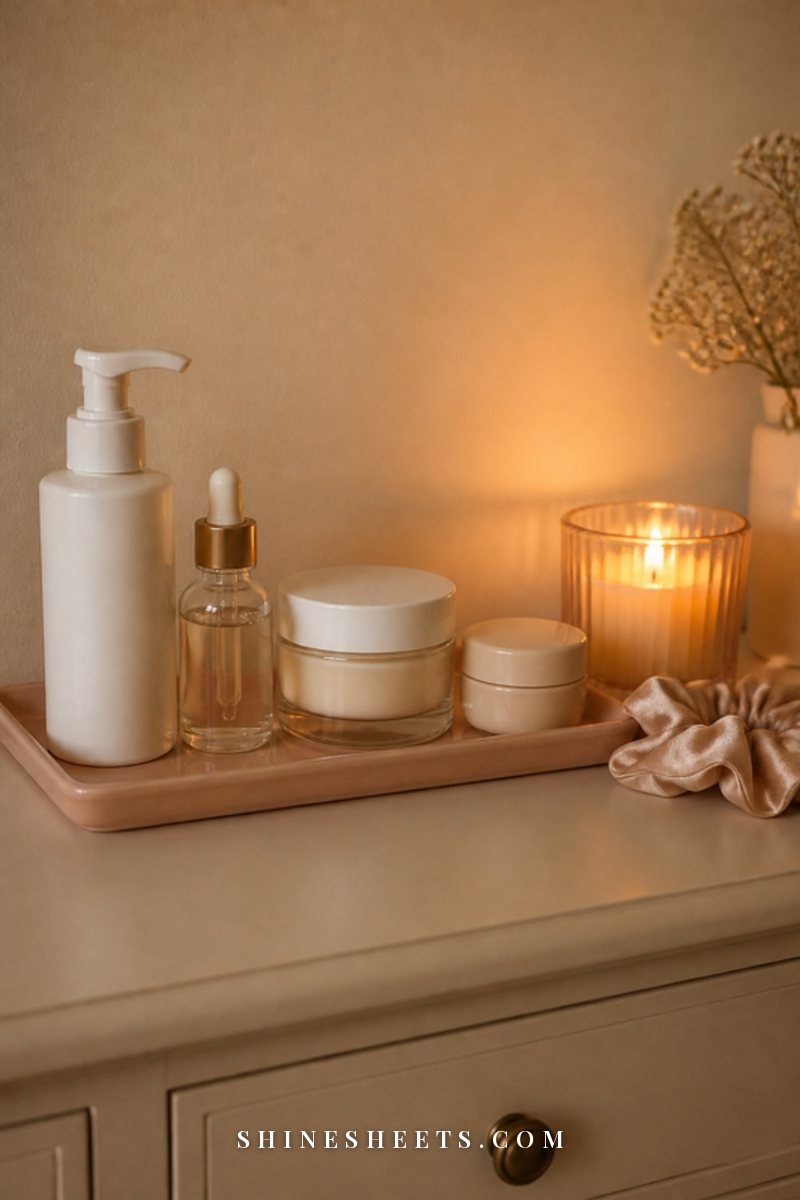
Here's how everything fits together on an ordinary day. The whole thing takes about five minutes in the morning and five at night.
Morning:
- Rinse with lukewarm water or use a gentle cleanser.
- While skin is damp, press in hyaluronic acid.
- Apply bakuchiol, if you use it.
- Smooth on your peptide or ceramide moisturizer, using light upward strokes around the mouth.
- Finish with broad-spectrum sunscreen, including the area beside the nose.
Night:
- Cleanse gently, removing sunscreen and makeup fully.
- On retinoid nights, pat skin dry and apply a pea-sized amount of retinoid. On rest nights, use hyaluronic acid on damp skin instead.
- Follow with moisturizer, plus two minutes of feather-light massage if you enjoy it.
- Rest your face on a smooth pillowcase.
I like doing the night version right after my evening tea, with a glass candle lit on the bathroom shelf. It turns skincare into a small ritual rather than a chore, which is exactly what makes it something you'll keep doing for the months it takes to see a difference.
What To Skip
A gentle approach also means knowing what to leave alone:
- DIY needles, at-home injection kits or "filler pens." These carry real risks of infection and injury. Anything that goes under the skin belongs with a qualified professional.
- Harsh scrubs. Scrubbing the fold irritates the skin and doesn't smooth it.
- Stacking several strong actives at once. Retinoid plus acids plus a new vitamin C in one week is a fast way to a red, flaky face.
- Products that promise to "erase" lines overnight. If it sounds like magic, it's usually temporary plumping at best.
- Constant facial tension exercises. Gentle relaxation is lovely, but forcing extra muscle movement in this area isn't a proven fix.
When To See a Dermatologist
At-home care is about softening, and that's often all anyone needs. But it's worth booking a dermatologist appointment if:
- Your smile lines bother you a lot and you'd like to understand every option, including prescription retinoids or in-office treatments. Ask a dermatologist which, if any, suit your skin.
- One side changes suddenly or looks very different from the other.
- Your skin reacts with lasting redness, burning or peeling to actives, even after slowing down.
- You have persistent irritation, cracking or rashes around the mouth or nose that don't settle within a couple of weeks.
A good dermatologist won't push you toward anything. They'll look at your skin, listen to what you actually want and help you decide, and sometimes the answer is "keep doing what you're doing."
Final Thoughts
Smile lines are proof of every laugh, every long talk with a friend and every time something delighted you. You're allowed to want them softer, and you're also allowed to like them exactly as they are.
If you'd like to soften them, start with sunscreen and hydration this week, add one gentle active next month and let the small habits do their slow, steady work. Your skin will thank you for the patience, and your smile will look just as warm as it always has.