Bakuchiol is what many people reach for when they want the smoothing, brightening promise of retinol without the peeling, stinging and week of looking like a shedding snake. It's a plant-derived ingredient with a gentle reputation, and while it isn't a magic copy of retinol, early research suggests it can do some of the same helpful things with far less drama for many skin types.
The key is knowing what bakuchiol can realistically offer, who it suits best and how to use it so you actually see results. With my combination, sensitive skin, gentle ingredients that I can use consistently have always done more for me than strong ones I have to keep pausing.
This guide covers everything about bakuchiol: what it is, what the research suggests (in plain words), a clear bakuchiol vs retinol comparison table, who it suits, how to use it morning or night, what to pair it with, what to expect over the weeks and why sunscreen still matters.
Let's keep it calm, honest and simple.
What Is Bakuchiol?
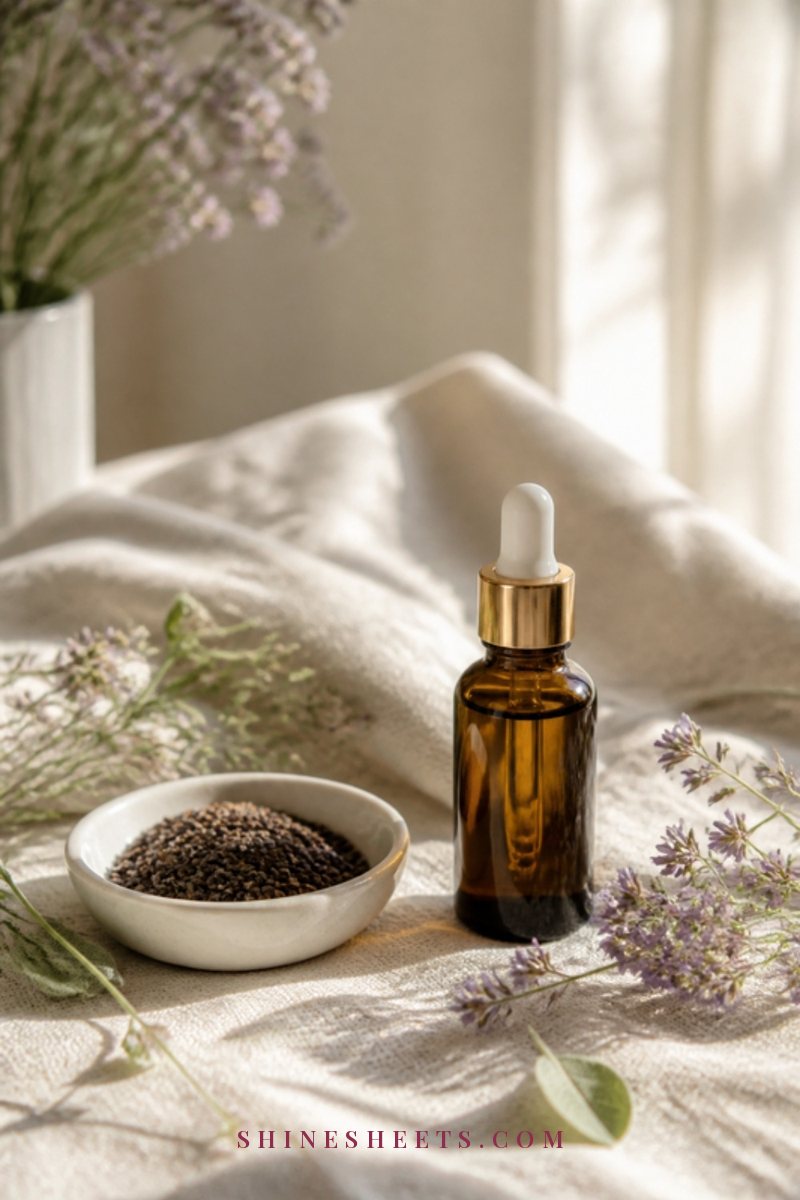
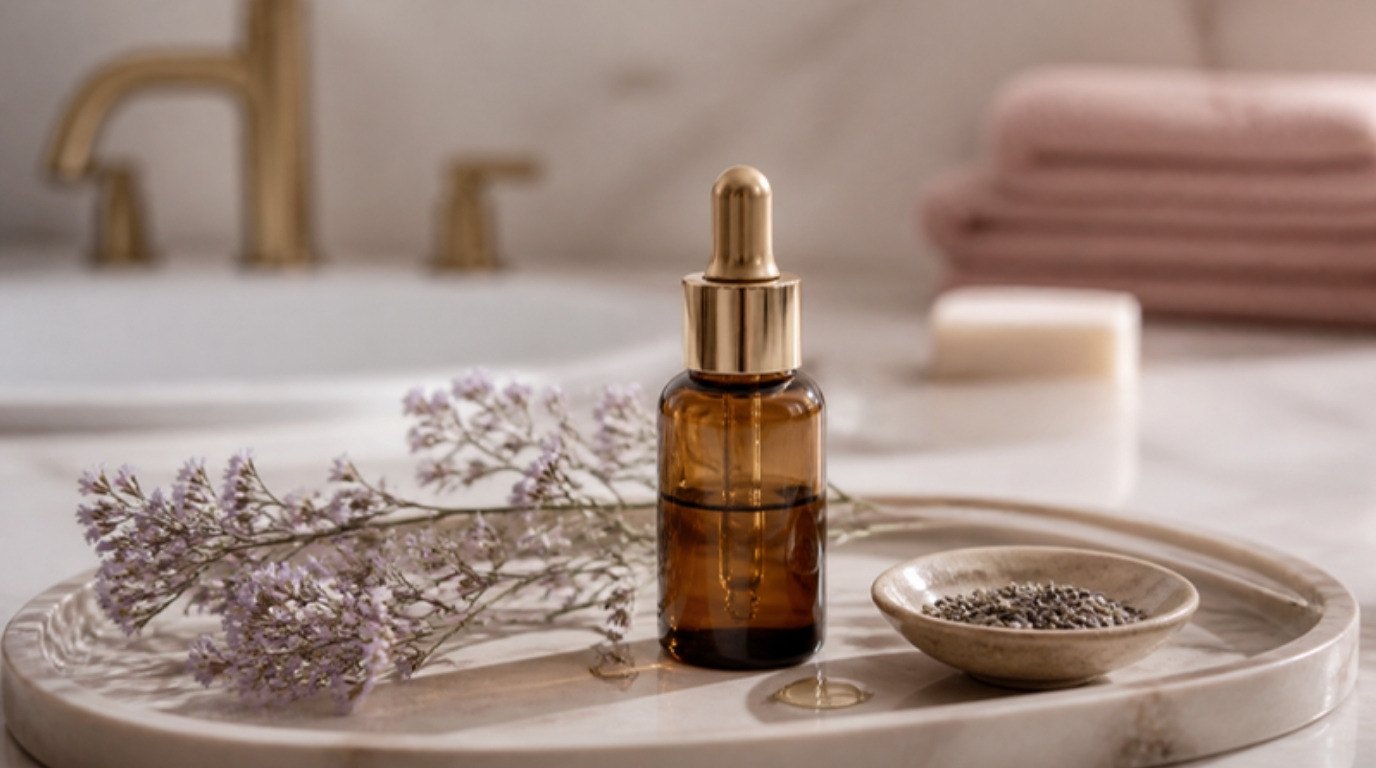
Bakuchiol (pronounced "buh-KOO-chee-all") is an antioxidant compound found in the seeds and leaves of the babchi plant, Psoralea corylifolia, which has a long history in traditional Indian and Chinese practices. In skincare, it's extracted and purified so it can be added to serums, oils and moisturizers.
Here's the interesting part: bakuchiol isn't related to vitamin A, and it isn't a retinoid. Its chemical structure is completely different. Yet lab studies suggest it may influence some of the same skin pathways that retinol does, which is why it's often described as a "retinol alternative."
A small but important note: bakuchiol is not the same as using babchi seed oil or the raw plant. Whole babchi extracts can contain other compounds that make skin more sensitive to sunlight. Well-formulated skincare uses purified bakuchiol, which is a big part of why it's considered gentle.
Why Bakuchiol Became So Popular
Retinol is one of the most researched skincare ingredients in the world, but it has a reputation for a reason. The first few weeks can bring dryness, flaking, stinging and redness, and many people give up before they ever see results. Others simply can't use it: their skin is too reactive, they're pregnant or breastfeeding, or they've been told to pause retinoids for a while.
Bakuchiol arrived as a gentle middle ground. It offered a plant-derived option with early research suggesting some similar benefits and a much softer experience. It also appealed to people who prefer botanical ingredients and to anyone who wanted an "anti-aging" step that felt calm rather than intimidating.
Its popularity grew quickly, which means you'll now find it in everything from luxury serums to drugstore moisturizers. That's wonderful for choice, but it also means it's worth knowing what to look for, because not every product uses a meaningful amount.
What Research Suggests
Bakuchiol is newer to skincare than retinol, so there's less research behind it. Still, what exists is encouraging, and it's worth understanding without the hype.
- Fine lines and texture: In a small, well-known 12-week study, people using a bakuchiol cream twice daily saw improvements in fine lines and wrinkles similar to people using a retinol cream once daily.
- Uneven tone: The same study found both groups saw improvements in hyperpigmentation, with bakuchiol performing at least as well in some measures.
- Tolerability: The bakuchiol group reported noticeably less dryness, scaling and stinging than the retinol group.
- Antioxidant and calming effects: Lab research suggests bakuchiol has antioxidant and soothing properties, which may help skin cope with everyday stress.
- Breakouts: Some early studies suggest it may help with mild blemishes, often in combination with other ingredients.
What this means in real life: bakuchiol looks like a promising, gentle option for softer-looking lines, smoother texture and a more even tone. It's not proven to be as powerful as prescription retinoids, and the studies so far are small. Think of it as a kind, steady helper rather than a miracle.
Bakuchiol vs Retinol
Both ingredients can be wonderful. The best one is the one your skin tolerates and you'll actually use consistently. Here's how they compare side by side.
| Bakuchiol | Retinol | |
|---|---|---|
| Source | Plant-derived (babchi seeds and leaves) | Vitamin A derivative, usually lab-made |
| Type | Antioxidant compound, not a retinoid | Retinoid that converts to retinoic acid in skin |
| Research | Promising but limited, smaller studies | Decades of strong research |
| Main benefits | Softer-looking fine lines, smoother texture, more even tone | Fine lines, texture, tone, acne, faster cell turnover |
| Irritation risk | Low for most people | Moderate; dryness, peeling and stinging are common at first |
| Purging | Rare | Possible in the first weeks |
| Sun sensitivity | Not considered photosensitizing | Can make skin more sun-sensitive |
| When to use | Morning, night or both | Night only |
| Typical strength | About 0.5% to 2% | About 0.1% to 1% over the counter |
| Pregnancy | Ask your doctor; often considered a gentler option | Usually avoided; ask your doctor |
| Speed of results | Gradual, around 8–12 weeks | Gradual, around 8–12 weeks or more |
| Best for | Sensitive skin, beginners, retinoid breaks | Those who tolerate it and want proven, stronger results |
If you're curious about trying retinol instead, or eventually alongside bakuchiol, my gentle retinol plan for beginners walks you through starting slowly.
Who Bakuchiol Suits
Bakuchiol is a lovely option for many people, but it really shines in a few situations.
Sensitive Skin
If retinol makes your face sting, flake or flush, bakuchiol may give you some of the same benefits with much less irritation. It's often a good fit for dry, reactive or easily red skin. Pair it with a calm, simple routine, like the one in my sensitive skin routine, and keep everything else gentle.
Beginners to Anti-Aging Skincare
If you're new to "active" ingredients and feel nervous, bakuchiol is a soft starting point. It lets you build a consistent evening habit without the steep learning curve of retinol.
People Avoiding Retinoids
Some people choose to avoid retinoids for a while: during pregnancy or breastfeeding, while taking certain medications, after a bad reaction or simply during a skin "rest" period. Bakuchiol is often suggested as a gentler alternative, but research on its safety in pregnancy is limited. Please check with your doctor or dermatologist before using any active ingredient while pregnant, trying to conceive or breastfeeding.
Who Might Prefer Retinol
If your skin tolerates retinol well, or you're dealing with stubborn acne or deeper sun damage, retinol or a prescription retinoid may be the stronger choice. Bakuchiol is wonderful, but it doesn't have the same depth of evidence. Many people happily use both: retinol a few nights a week and bakuchiol on the others.
Bakuchiol for Different Skin Types
Because it's gentle and flexible, bakuchiol can fit into almost any routine. A few tweaks help it work best for your skin type:
- Dry skin: Choose a bakuchiol moisturizer or oil-based serum, and layer a rich ceramide cream on top at night. Dry skin often loves bakuchiol paired with squalane.
- Oily or acne-prone skin: Look for a lightweight, water-based serum or gel and a non-comedogenic moisturizer. Bakuchiol may help calm the look of mild blemishes, but it's not a replacement for proven acne treatments.
- Combination skin: A light serum all over, with a richer moisturizer only on drier cheeks, keeps the T-zone comfortable without extra shine. This is how I'd approach it for my own combination skin.
- Mature skin: Bakuchiol pairs beautifully with peptides, hyaluronic acid and ceramides for a gentle, supportive routine. Some people use it in the morning and a retinoid at night.
- Sensitive or rosacea-prone skin: Choose fragrance-free formulas with a short ingredient list, patch test carefully and start every other night. If you have rosacea, check with your dermatologist first.
How To Use Bakuchiol
One of the best things about bakuchiol is how forgiving it is. Still, a few simple choices make a big difference.
Choose Your Format
Bakuchiol comes in a few forms:
- Serums and oils: A lightweight bakuchiol serum is the most direct way to use it, and you can layer your favorite moisturizer on top.
- Moisturizers: A bakuchiol moisturizer combines the active with hydration in one step, which is lovely for simple routines and dry skin.
- Eye creams: Some eye creams include bakuchiol for the delicate under-eye area.
Look for products that list the concentration (often 0.5% to 2%), come in opaque or tinted packaging and are fragrance-free if your skin is sensitive.
Morning or Night?
Unlike retinol, bakuchiol isn't known to break down in sunlight or make skin more sun-sensitive, so you can use it morning, night or both. Twice daily is how it was used in the most-cited study. If you're just starting, I'd begin with evenings for the first week or two, then add mornings if your skin is happy.
How Much and How Often
Use a pea-sized amount of moisturizer, or two to four drops of serum, for your whole face. Most people can use bakuchiol daily from the start, but if your skin is very reactive, start every other night for a week. Always patch test new skincare first, since "gentle" doesn't mean "impossible to react to."
Where It Goes in Your Routine
Apply skincare from thinnest to thickest:
- Cleanse
- Toner or essence (optional)
- Bakuchiol serum
- Moisturizer
- Sunscreen (morning)
If your bakuchiol is in an oil, apply it after water-based serums and before or mixed with your moisturizer.
A Simple Bakuchiol Routine
Here's an easy morning and evening routine you can follow, whatever your skin type.
Morning:
- Rinse with water or wash with a gentle hydrating cleanser
- Bakuchiol serum (optional in the morning)
- Light moisturizer
- A mineral sunscreen or any broad-spectrum SPF 30+ you love wearing
Evening:
- Gentle cleanser (double cleanse if wearing makeup or heavy sunscreen)
- Bakuchiol serum
- A barrier-supporting ceramide moisturizer
That's it. Bakuchiol works best in a calm, consistent routine, not a crowded one.
What To Pair Bakuchiol With
Bakuchiol plays well with others, which is part of its charm. Lovely partners include:
- Hyaluronic acid: adds lightweight hydration underneath.
- Niacinamide: supports the barrier, softens redness and helps with uneven tone.
- Ceramides: strengthen the barrier and lock in moisture.
- Peptides: a gentle anti-aging pairing that suits sensitive skin. My guide to peptides in skincare explains how they work.
- Vitamin C: many people use vitamin C in the morning and bakuchiol at night, or both in the morning if skin tolerates it.
- Squalane and plant oils: good for dry skin and often found alongside bakuchiol.
Be a little careful with:
- Retinol on the same night: some formulas combine them, which can be fine, but if you're sensitive, alternate nights instead.
- Strong exfoliating acids: AHA and BHA products used on the same night may be too much for sensitive skin. Use them on separate evenings.
- Too many new products at once: introduce bakuchiol on its own so you know how your skin feels about it.
How To Switch From Retinol to Bakuchiol (or Use Both)
Whether you're taking a break from retinol or curious about combining the two, a little planning keeps your skin calm.
Switching from retinol to bakuchiol:
- You can usually swap directly; there's no need to wean off retinol slowly.
- Use bakuchiol in the evening where your retinol used to go, and add a morning application if you like.
- Expect the pace of change to feel softer. That's normal, and many people find the trade-off worth it for calmer skin.
Using both:
- Alternate nights: retinol one night, bakuchiol the next. This is the gentlest approach.
- Split the day: bakuchiol in the morning under sunscreen, retinol at night.
- Combined formulas: some products contain both. They can work well, but introduce them slowly if your skin is sensitive.
Whichever you choose, keep the rest of your routine simple, and give your skin a few nights off if it ever feels tight, hot or stingy.
What To Look For on the Label
A few quick checks help you pick a bakuchiol product worth your money:
- A stated concentration. Around 0.5% to 2% is typical. If the brand doesn't share it and bakuchiol sits at the very end of the ingredient list, the amount may be small.
- Fragrance-free or low-fragrance. Especially important for sensitive skin.
- Supportive ingredients. Ceramides, squalane, hyaluronic acid, niacinamide or peptides make a lovely team.
- Protective packaging. Opaque bottles, tubes or pumps help keep the formula stable.
- A realistic promise. Be wary of claims like "better than retinol" or "instant results." Good skincare is gradual.
What To Expect Week by Week
Bakuchiol is a slow, steady ingredient. Here's a realistic timeline, though every skin is different:
- Weeks 1–2: Your skin may feel softer and a little more comfortable. Very little visible change, and that's completely normal.
- Weeks 3–6: Texture often looks smoother, and makeup may sit a little better. Some people notice a brighter, more even look.
- Weeks 8–12: This is when fine lines and uneven tone may begin to look softer, if bakuchiol is going to help your skin.
- Beyond 12 weeks: Benefits tend to continue with consistent use. Stopping usually means gradually losing what you've gained.
Patience is the real secret here. Take a photo in the same light on day one and again at week 12. It's the kindest way to see progress you might otherwise miss.
Sunscreen Is Still Non-Negotiable
Even though bakuchiol isn't known to make skin more sensitive to the sun, sunscreen remains the single most effective way to protect your skin from early lines, dark spots and sun damage. Without it, bakuchiol is working against the tide.
- Use a broad-spectrum SPF 30 or higher every morning, even on cloudy days and in winter.
- Apply about two finger lengths for your face and neck.
- Reapply every two hours when outdoors, or after sweating or swimming.
- Mineral sunscreens with zinc oxide or titanium dioxide are often comfortable for sensitive skin.
Sunscreen is part of the bigger picture of caring for your skin over time. If you'd like the full list, my guide to anti-aging habits that actually work covers the everyday basics that matter most.
Quick Answers About Bakuchiol
Is bakuchiol okay around the eyes?
Many people can, especially with an eye cream made for the area. Apply a tiny amount along the orbital bone, not on the eyelids, and stop if you notice stinging or watering.
Does bakuchiol work with vitamin C?
Usually, yes. If your skin is sensitive, use vitamin C in the morning and bakuchiol in the evening to keep things gentle.
Does bakuchiol cause purging?
It's rare. If you get small breakouts after starting, it may be the formula itself (heavy oils, for example) rather than purging. Give it a couple of weeks, and switch products if it doesn't settle.
Is bakuchiol suitable for teenagers or young skin?
Young skin rarely needs anti-aging actives. A gentle cleanser, moisturizer and sunscreen are usually all that's needed, and a dermatologist can help with acne.
Common Bakuchiol Mistakes
- Expecting retinol-level results overnight. Bakuchiol is gentle and gradual; give it a full three months.
- Skipping the patch test. It's plant-derived, but plant-derived ingredients can still cause reactions.
- Using a heavily fragranced formula on sensitive skin. Fragrance can cause more irritation than the bakuchiol itself.
- Mixing it with too many strong actives. Keep the rest of the routine calm.
- Using it inconsistently. A few times a month won't do much. Daily or twice-daily use is where the results come from.
- Forgetting sunscreen. No serum can make up for daily sun exposure.
When To Talk to a Dermatologist
Bakuchiol is a lovely, gentle option for everyday concerns, but some things are worth discussing with a professional. Book an appointment if:
- You have persistent acne, especially painful or cystic breakouts
- You notice deep pigmentation, melasma or spots that change shape or color
- Your skin reacts to many products, even gentle ones
- You're pregnant, breastfeeding or trying to conceive and unsure about actives
- You'd like to explore prescription options for faster or stronger results
A dermatologist can help you decide whether bakuchiol, retinol, a prescription retinoid or a combination is right for your skin.
Final Thoughts
Bakuchiol is proof that gentle doesn't mean ineffective. It may not replace retinol for everyone, but for sensitive skin, beginners and anyone who wants a softer approach, it can be a calm, steady way to care for fine lines, texture and tone.
Choose a fragrance-free formula, patch test it, pair it with a simple routine and daily sunscreen, and give it a few patient months. Your skin deserves care that feels as good as it works.