Fine lines around the eyes are rarely a sign that you did something wrong. The skin there is some of the thinnest on your whole body, it moves every time you smile, squint or blink (thousands of times a day), and it has very few oil glands to keep it soft. Put those three things together and it makes sense that this is the first place where tiny lines show up.
The good news is that this delicate skin also responds beautifully to gentle, consistent care. You don't need an expensive ten-step routine or a drawer full of eye creams. You need hydration, one or two well-chosen actives introduced slowly, real sun protection and a few small habits that stop you from creasing and rubbing the area all day.
This guide covers everything I wish someone had explained to me about fine lines around eyes: why they appear, how to tell dehydration lines from set lines, a gentle routine step by step, an eye-area routine table by age and skin type, makeup that doesn't sink into creases, the everyday habits that quietly help, and honest expectations about what skincare can and can't do.
One promise before we start: the goal here is softer, smoother, happier skin, not a frozen face. Your smile lines are proof that you laugh, and that is a lovely thing to wear.
Why Fine Lines Show Up Around Your Eyes First
Before you choose products, it helps to understand what you're actually working with. There are four main reasons this area lines up earlier than your cheeks or forehead:
- Thin skin. The skin on your eyelids and under your eyes is far thinner than on the rest of your face, so any loss of bounce or moisture shows faster.
- Constant movement. Smiling, laughing, squinting at a screen and even blinking fold the skin in the same places over and over. Over years, those folds slowly turn into lines that stay even when your face is relaxed.
- Dryness. With very few oil glands, the eye area dries out easily, especially in heated rooms, cold wind or after harsh cleansers. Dry skin wrinkles more visibly, like paper versus silk.
- Sun exposure. UV light is one of the biggest reasons skin loses collagen and elasticity over time. The eye area is often skipped when people apply sunscreen, which is exactly why it shows sun damage first.
Genetics, sleep, smoking and stress play a part too. If you want the bigger picture, my guide to the factors that are quietly aging your skin walks through the everyday habits that add up. For now, just remember: some lines are about moisture (very fixable), and some are about structure (softenable, with patience).
Dehydration Lines vs Set Lines: Know Which You Have
This is the part most people skip, and it changes everything. Not every line is a wrinkle. A lot of what we see in the mirror after a bad night or a long flight is simply thirsty skin.
Dehydration Lines
These are fine, crepey, criss-cross lines that look worse at the end of the day, in winter or after a salty dinner and too little water. They often appear under the eyes and across the lower lid. The quick test: gently press a hydrating serum and cream into the area and look again after 20 minutes. If the lines are noticeably softer, they're mostly dehydration lines.
Set Lines
These follow your expression lines, like the little fans at the outer corners (crow's feet). The test: relax your face completely and look straight ahead. If the line is still visible without smiling and doesn't fade with hydration, it's a set line. These respond to longer-term ingredients like retinoids and peptides, plus diligent sun protection, and they soften gradually over months rather than days.
Most of us have a mix of both. That's actually encouraging, because the dehydration part improves quickly and gives you a visible win while the slower ingredients do their work.
The Gentle Eye-Area Routine, Step by Step
Here is the routine I'd recommend to anyone starting from scratch. It works morning and evening with one small difference (the retinoid stays at night, the sunscreen stays in the morning). Use your ring finger for everything around the eyes, because it naturally presses the most lightly.
1. Cleanse Without Tugging
Rubbing off mascara with a cotton pad is one of the most common reasons the eye area looks tired and crinkly. Instead, soak a pad with a gentle micellar water or cleansing balm, hold it over closed eyes for 10 seconds, then wipe down and outward in one soft motion. Repeat with a fresh pad rather than scrubbing harder.
Choose a cleanser that leaves your skin comfortable, not squeaky. If your face feels tight after washing, that tightness shows up first around the eyes. Pat dry with a clean towel instead of rubbing.
2. Hydrate While Skin Is Still Damp
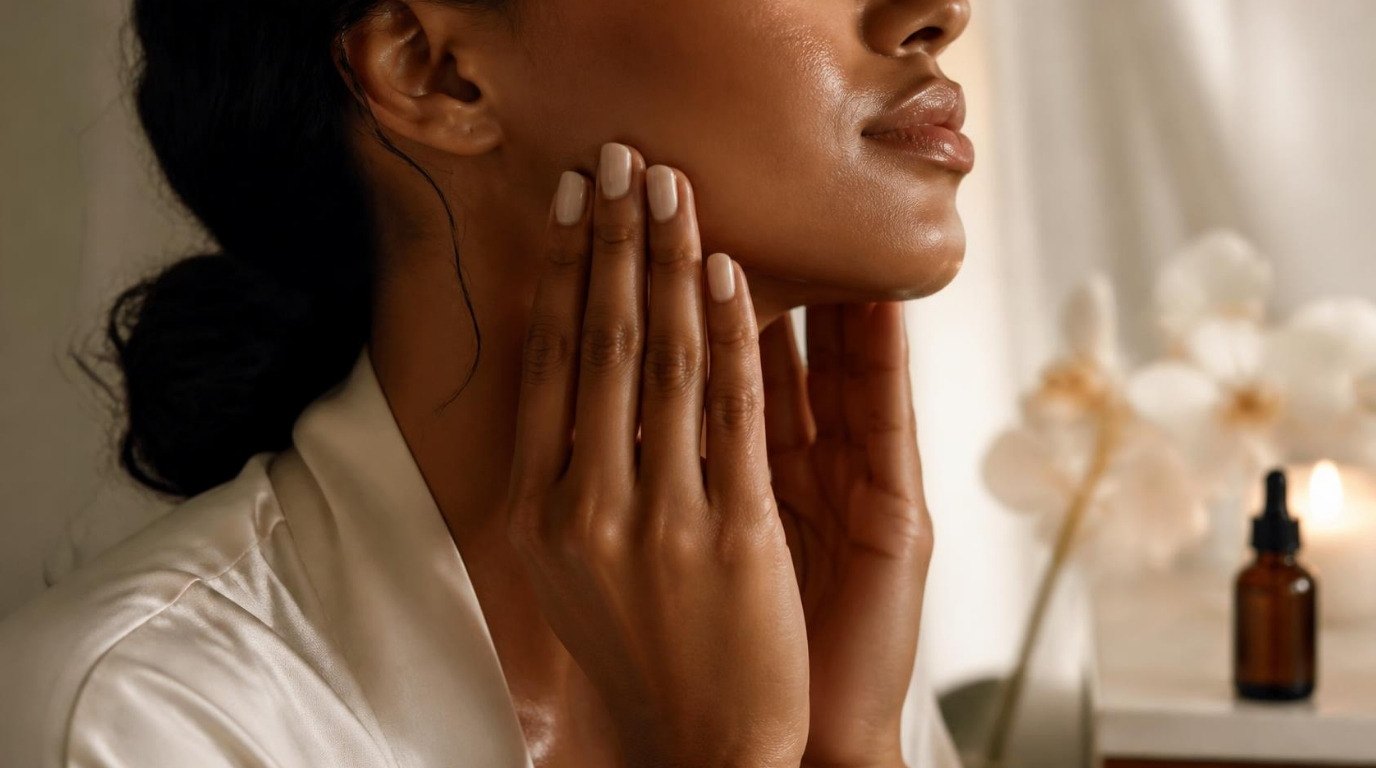
Damp skin holds onto water-binding ingredients so much better than dry skin. Right after cleansing, press one or two drops of a hydrating hyaluronic acid serum over your whole face and lightly tap the leftovers around the orbital bone (the bony edge around your eye, not right on the lid). This plumps dehydration lines within minutes.
The trick is to seal it in straight away. Hyaluronic acid on its own in a dry room can actually leave skin feeling tighter. My guide on how to use hyaluronic acid with the damp skin rule explains why the order matters so much.
3. Seal It With a Peptide Eye Cream
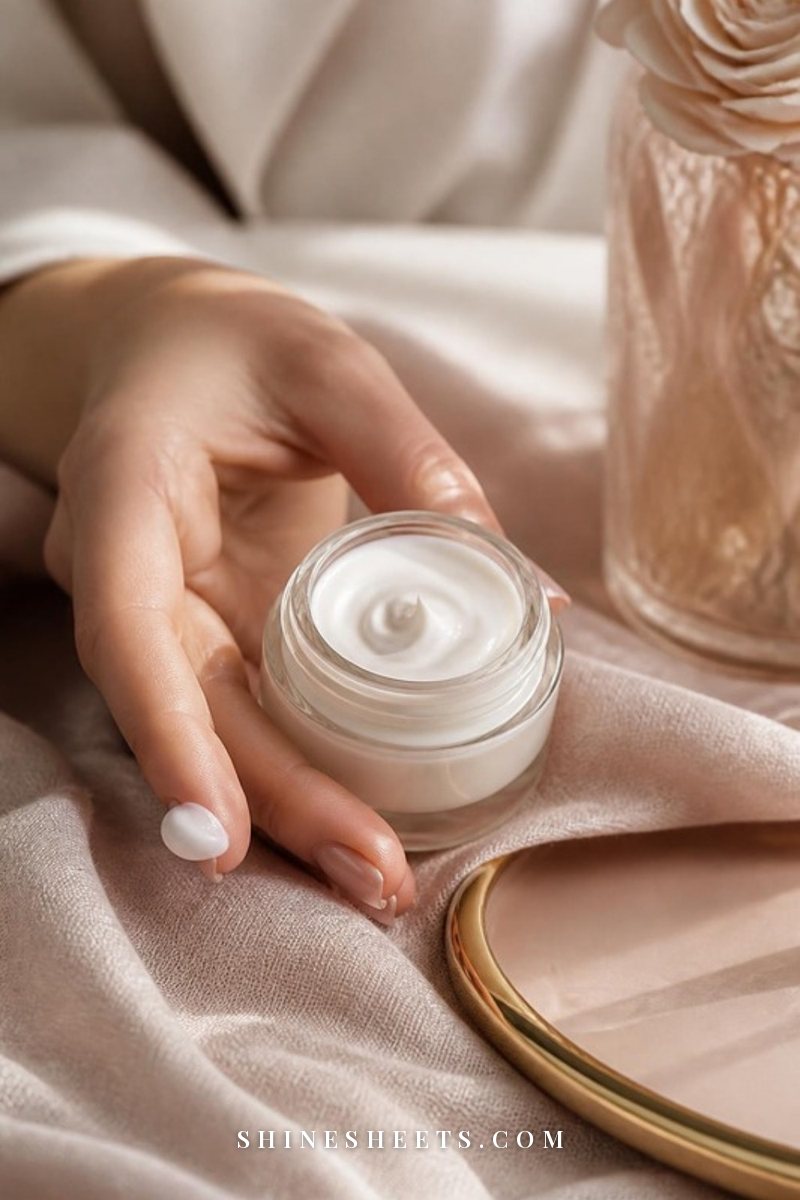
An eye cream doesn't have to be magic, but a good one is a nice middle ground: richer than a gel, gentler than a face cream with fragrance or strong actives. Look for a fragrance-free peptide eye cream with supporting ingredients like ceramides, glycerin or squalane. Peptides are signaling ingredients that support the skin's own firmness over time, and they're usually very well tolerated, which makes them perfect for sensitive eye skin.
How much to use: a grain-of-rice amount for both eyes. Dot it along the orbital bone in three or four tiny points and tap gently until it melts in. The cream will travel a little on its own, so there's no need to apply it right up to the lash line. If you're curious about what peptides can and can't do, my guide to peptides in skincare breaks it down honestly.
Very dry eye area? At night, press one drop of a gentle oil over the cream on the outer corners only. Rosehip is a lovely option, and my article on rosehip oil for face explains how to use it without clogging anything.
4. Introduce a Retinoid Slowly
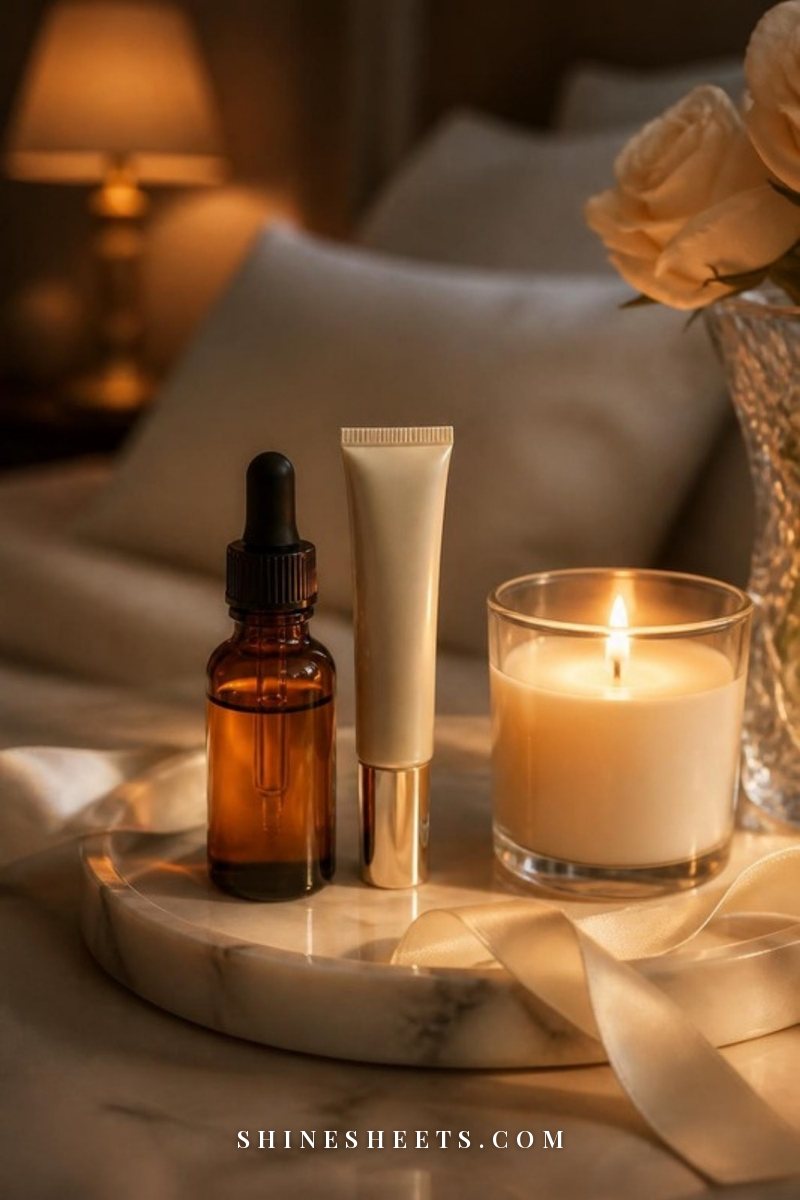
If set lines are your main concern, a retinoid is the most researched ingredient for softening them over time. It speeds up cell turnover and supports collagen. It can also be irritating, and the eye area is the least forgiving place to rush. So go slowly, and I mean really slowly.
Here's a gentle start formula:
- Weeks 1–2: two nights a week, a rice-grain amount of a gentle retinol eye cream along the orbital bone, applied over your regular eye cream (the "sandwich" method buffers it).
- Weeks 3–4: three nights a week if your skin feels calm. Stay at two if you see any flaking or stinging.
- After a month: every other night, and only move to nightly if your skin is genuinely happy.
Keep it away from your lash line and inner corners. If you already use a retinol on your face, you don't need two separate products: simply bring your face retinol to the outer edge of the orbital bone and let your regular eye cream protect the thinnest skin. My retinol for beginners start plan has the full week-by-week schedule if you're new to it.
A kind safety note: skip retinoids if you're pregnant, breastfeeding or trying to conceive, and check with a doctor or dermatologist if you have eczema around the eyes or very reactive skin.
5. Protect With SPF and Sunglasses Every Day
This is the least exciting step and, honestly, the one that matters most. If you only did one thing from this whole article, I'd want it to be this. Sun protection prevents new damage, and it also helps everything else in your routine actually show results.
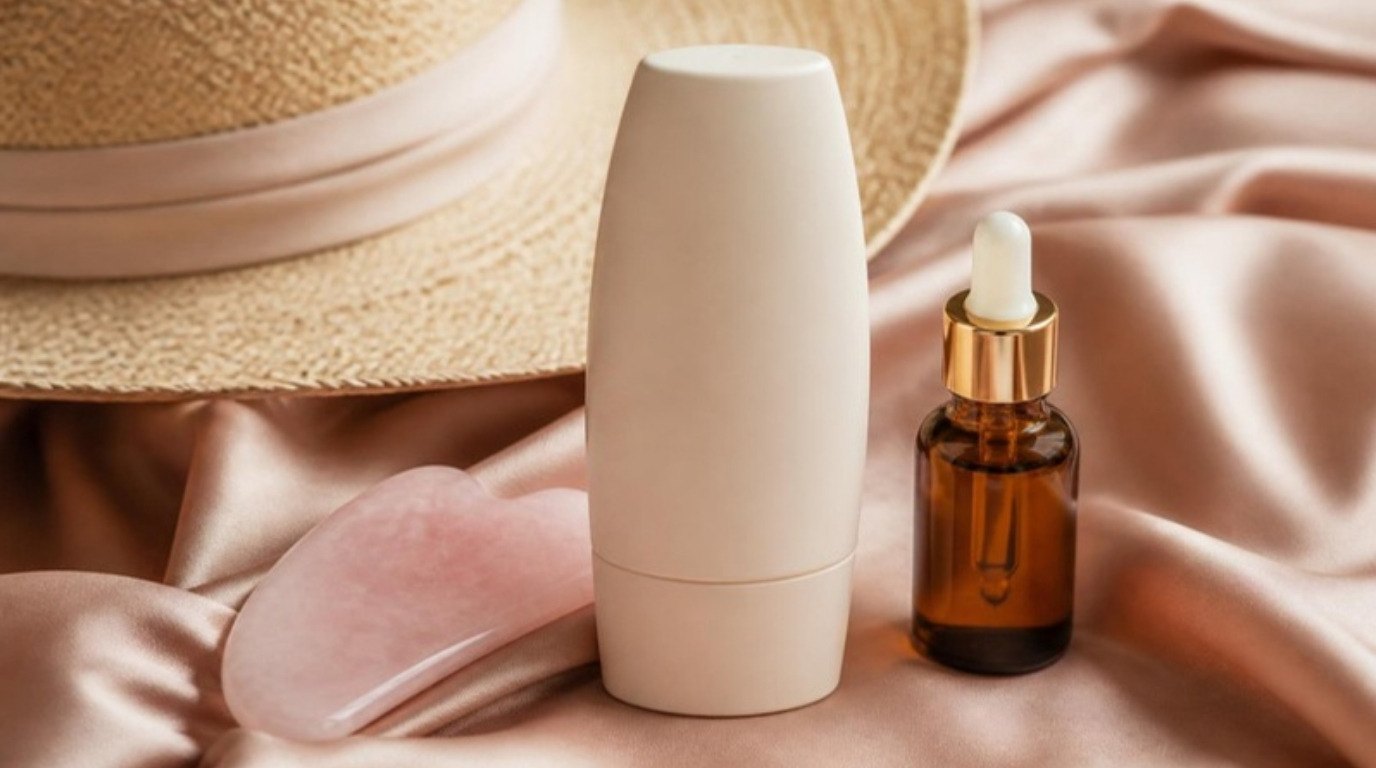
Most people stop their sunscreen a centimeter short of the eye area because it stings. A mineral sunscreen stick solves that: zinc oxide is usually gentler on eyes, and a stick lets you glide it precisely along the orbital bone and the outer corners without it running into your eyes. Reapply over makeup by tapping it on lightly.
Then add sunglasses. Good women's oversized sunglasses with UV400 protection cover the whole eye area and, just as importantly, stop you from squinting into the light. Wear them on bright winter days and in the car too, not only at the beach.
What To Skip Around the Eyes
Sometimes the kindest thing you can do for this area is leave things out. These are the four habits I'd gently drop:
- Scrubs and strong acids. Physical scrubs and high-strength exfoliating acids are too much for skin this thin. Your face exfoliant can stop at the cheekbone, and the eye area will get all the renewal it needs from a slow retinoid.
- Fragranced creams. Fragrance and strong essential oils are a common cause of stinging and redness around the eyes. Fragrance-free is the safest default here, even if you love scented products elsewhere.
- Too many actives at once. A retinoid, a vitamin C and an acid all on the same night is a recipe for flaking. Pick one active for the eye area and let the rest of your routine stay simple and soothing.
- Heavy layers right on the lids. Thick balms and oils on the eyelids can migrate into the eyes and, in some people, cause tiny white bumps called milia. Keep richer textures on the orbital bone and outer corners.
If a product makes your eyes water, sting for more than a few seconds or turn pink, rinse it off with cool water and give your skin a few calm days with just a plain moisturizer before trying anything new.
Eye-Area Routine by Age and Skin Type
There is no single perfect routine, because your skin's needs change with time and with your skin type. Use this table as a starting map (screenshot it for your bathroom shelf). Ages are just loose guidelines, so go by what your skin is doing rather than the number.
| Stage / skin | Main focus | Morning | Evening | Go easy on |
|---|---|---|---|---|
| 20s, any skin | Prevention and hydration | Hydrating serum, light eye cream, mineral SPF | Gentle cleanse, light eye cream | Strong actives you don't need yet |
| 30s, combination or oily | First set lines, keeping it light | Hyaluronic serum, gel-cream eye cream, SPF stick | Peptide eye cream; retinoid 2–3 nights a week | Heavy oils on the lids (can cause milia) |
| 30s, dry or sensitive | Moisture barrier and calm | Hyaluronic serum, richer peptide cream, mineral SPF | Peptide cream, a drop of oil on outer corners; retinoid 1–2 nights | Fragrance, frequent exfoliation |
| 40s and beyond, any skin | Firmness and softening set lines | Hyaluronic serum, rich peptide cream, SPF, sunglasses | Retinoid sandwiched in cream, most nights if tolerated | Tugging, harsh makeup removers |
| Very reactive or eczema-prone | Comfort first | Simple fragrance-free cream, mineral SPF | Fragrance-free cream only; ask a dermatologist before retinoids | New products more than one at a time |
A small rule that keeps every row of this table safe: introduce one new product at a time and give it two weeks before adding the next. If something irritates you, you'll know exactly what it was.
Makeup That Doesn't Settle Into Lines
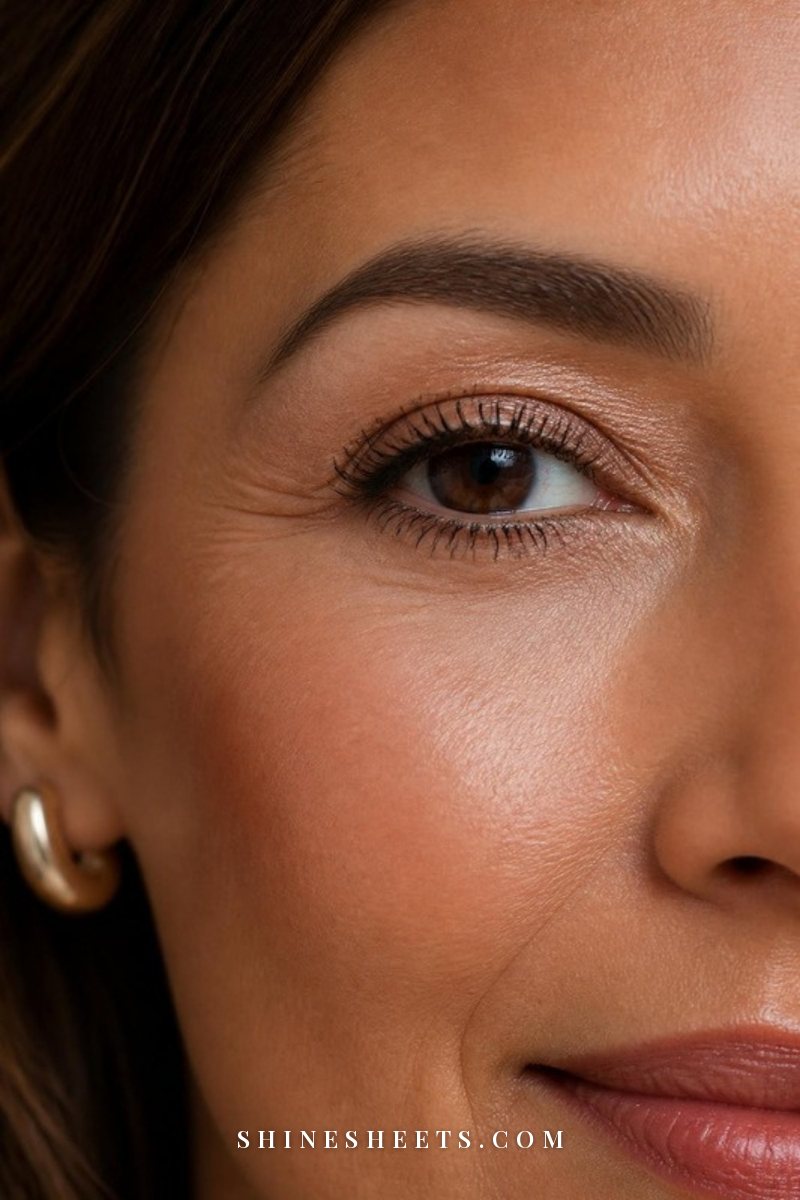
Sometimes the lines you notice most are actually makeup sitting in the creases. A few small changes make a surprisingly big difference:
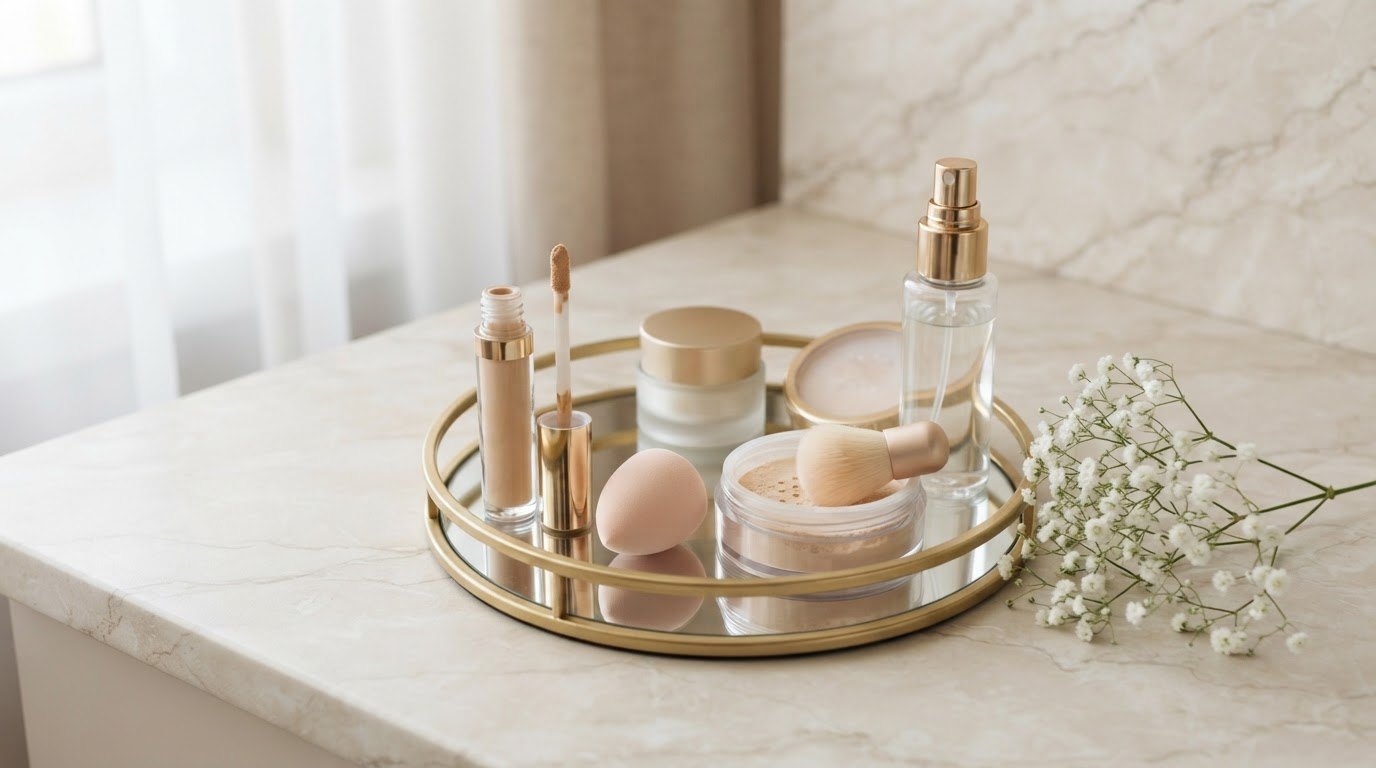
- Prep, then wait. Apply your eye cream and give it 3–5 minutes to absorb. Concealer on top of a slippery layer slides straight into lines.
- Use less concealer than you think. One dot at the inner corner and one at the outer corner, blended with a damp sponge, usually covers what a whole crescent would.
- Choose creamy, not matte. Thick, very matte formulas crack. A light, hydrating concealer moves with your skin.
- Set only where needed. A whisper of fine powder just under the inner corner, and none on the outer corners where you smile.
- Check after 10 minutes. Smile once, then tap any creases smooth with your ring finger.
My full tutorial on applying concealer without creasing goes deeper into tools and textures. For eyeshadow, satin and soft shimmer finishes are more flattering on lined lids than heavy glitter or completely flat matte shades, which can look dry.
6 Everyday Habits That Make a Quiet Difference
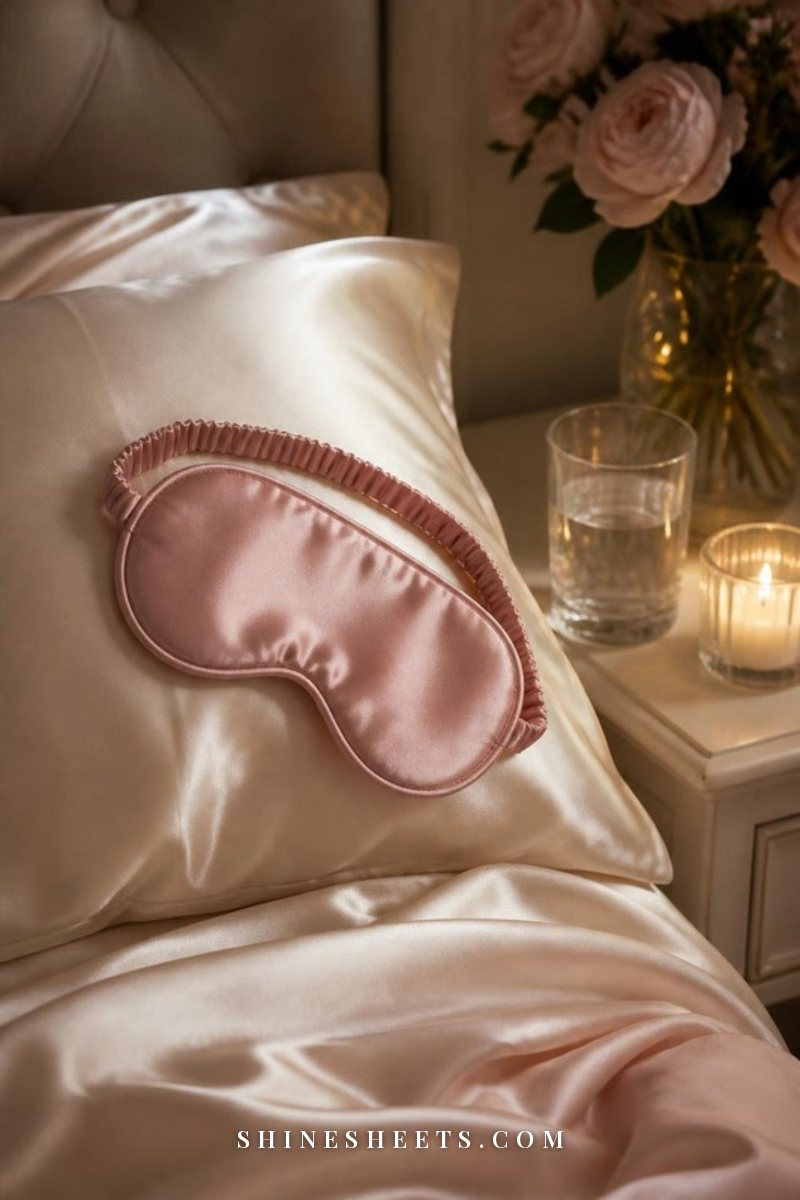
Skincare does the heavy lifting, but these small habits stop you from undoing it all day long. None of them are dramatic, and that's the point.
1. Stop Squinting
If you squint at your phone, the laptop or the TV, it might be time for an eye exam. Reading glasses or an updated prescription can remove hours of daily creasing. Also increase your screen's text size and lower the brightness in the evening.
2. Keep Your Hands Off
Rubbing tired or itchy eyes stretches thin skin and can make it look crepey over time. If your eyes itch often, a cool compress or allergy advice from a pharmacist helps more than rubbing ever will.
3. Sleep on Your Back When You Can
Pressing your face into the pillow every night can deepen lines on the side you sleep on. Back sleeping isn't always realistic, but a smooth pillowcase reduces friction either way. Silk or satin both work, as long as it feels smooth under your cheek.
4. Protect Your Sleep
Short nights show up under the eyes first: puffiness, dullness and more visible lines. A soft mulberry silk sleep mask blocks light without tugging the skin, and it also stops you from scrunching your eyes against early morning light.
5. Drink Water Through the Day
Water won't erase wrinkles, but dehydration lines do look worse when you're running on coffee alone. Keep a glass on your desk and sip steadily rather than drinking a liter at night.
6. Be Gentle With Your Expressions
I'm not going to tell you to stop smiling (please don't). Simply notice habits like frowning while you concentrate or narrowing your eyes when you think. Softening your face a few times a day is good for your skin and, I find, for my nervous system too.
Honest Expectations and When To See a Professional
Here's the part beauty ads leave out: no eye cream erases set lines. What a good routine can do is soften them, smooth texture, plump dehydration lines and slow down new ones. That's still a lot. Realistic timelines look like this:
- Hydration: visible softening within days.
- Peptides: smoother, bouncier skin over 6–8 weeks.
- Retinoids: gradual softening of set lines over 3–6 months of consistent use.
- Sun protection: the long game, the one that keeps everything else working.
If you want more than skincare can offer, a board-certified dermatologist can talk you through professional options such as prescription retinoids, chemical peels, laser treatments or injectables. There's no right or wrong choice here, only what feels good to you. Please also see a doctor if you notice sudden changes around your eyes, persistent redness, rashes, swelling or anything that worries you, because those are not fine lines and deserve proper care.
And on the days when you look in the mirror and only see the lines, try to remember that nobody else is looking at your skin that closely. They're looking at your eyes, your warmth and your smile.
Final Thoughts
Fine lines around the eyes are one of the most human things about a face. They show where you've laughed, squinted into the sun on a good day and stayed up talking with people you love. Caring for them is less about fighting and more about tending: a little hydration, a slow and patient retinoid, real sun protection and a gentler touch.
Start with one step tonight, maybe just taking your makeup off a little more kindly, and build from there. Your skin will soften in its own time, and you deserve to feel lovely in it along the way.