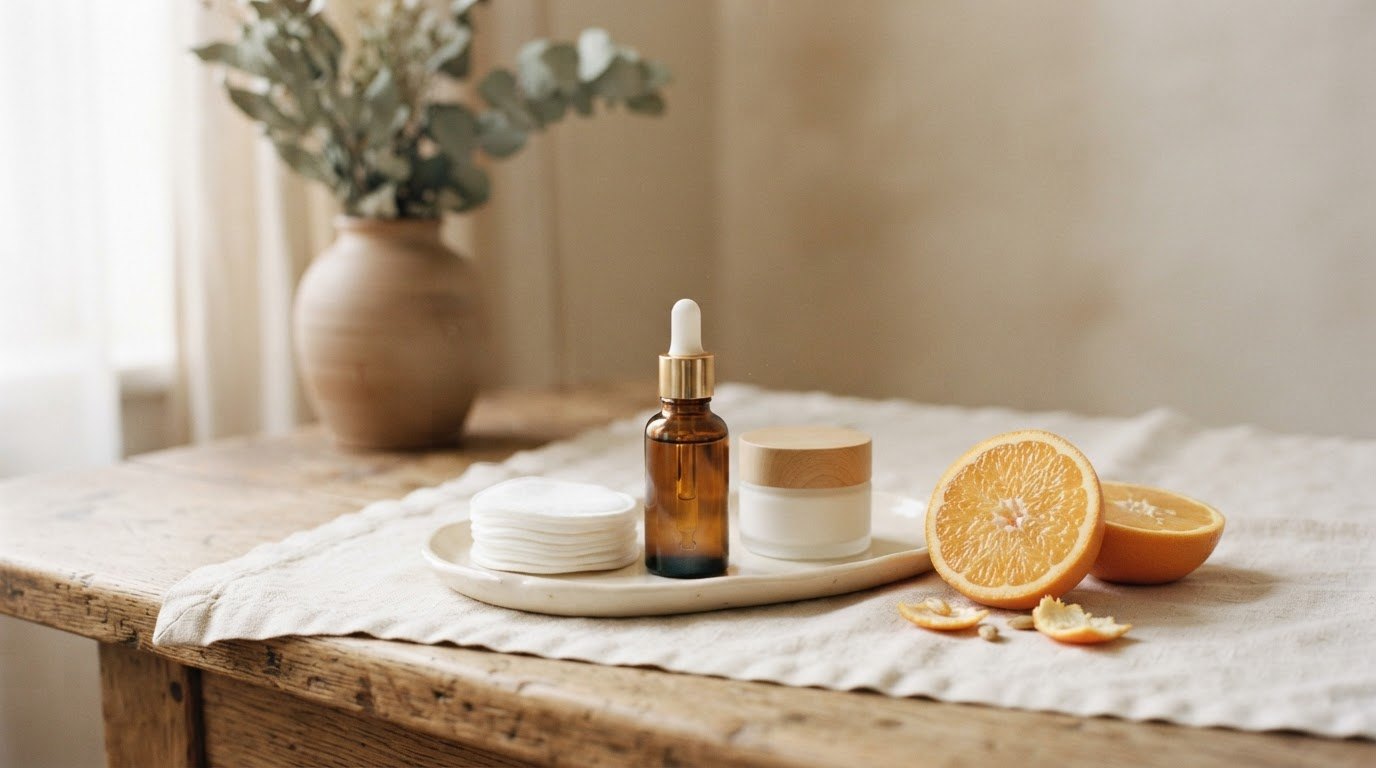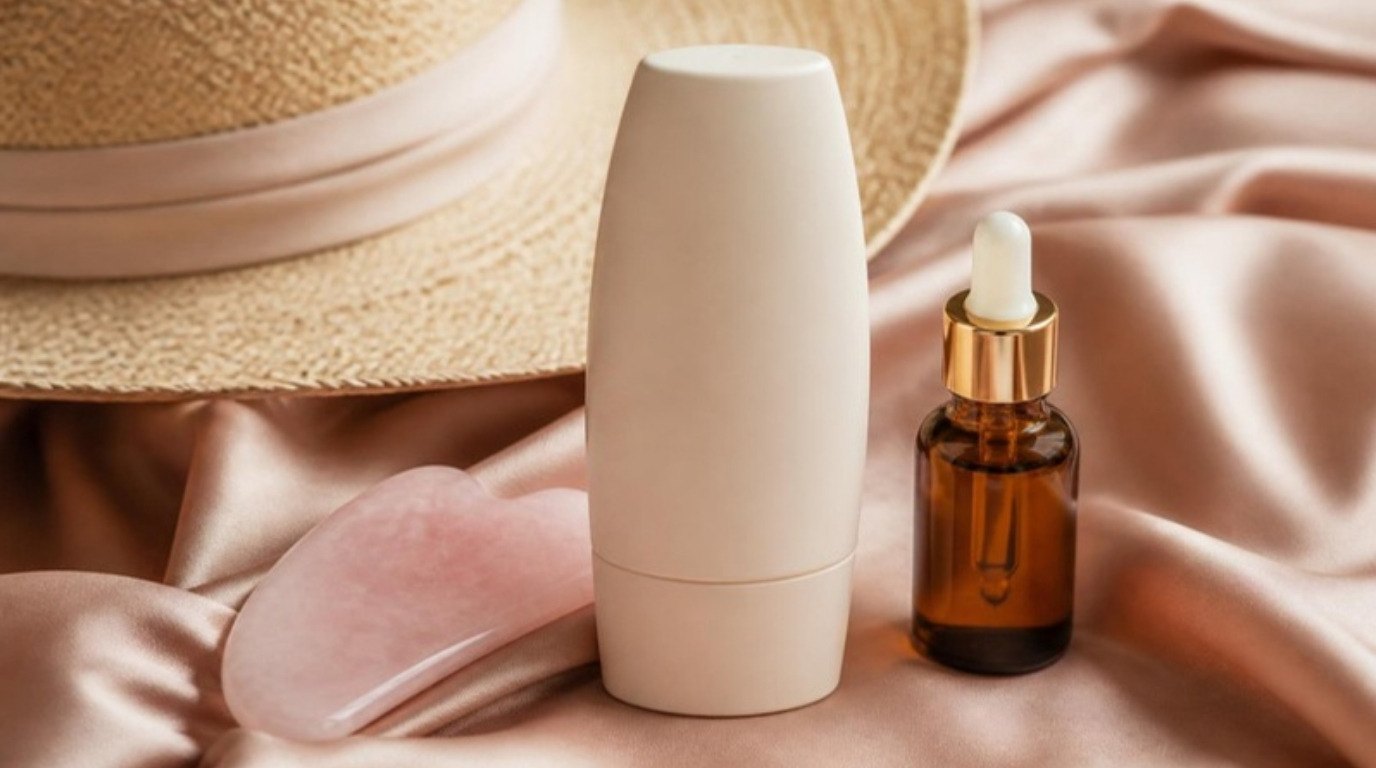
The habits that keep skin looking healthy for decades are surprisingly unglamorous. They're not hiding in a forty-step routine or a jar that costs as much as a weekend away. They're things like sunscreen on a cloudy Tuesday, a retinoid used patiently, enough sleep and a moisturizer you actually like putting on. Boring? A little. Effective? Very.
The other truth worth saying out loud: lines, texture and a bit of softness along the jaw are not problems to panic about. They're what faces do. Good habits won't "erase" anything, and anyone promising that is selling something. What they can do is keep your skin calmer, more even, better hydrated and more resilient, so it looks and feels its best at every age.
This guide covers the anti-aging habits that are genuinely backed by evidence, the overhyped ones that don't deserve your money or stress, and a habit impact chart that shows how much effort each one takes and how soon you're likely to notice a difference. No fear, no miracle claims, just the calm version.
What "Anti-Aging" Really Means (The Calm Version)
I'm not a big fan of the word "anti-aging," to be honest. Getting older is a privilege, and nobody should feel like they're at war with their own face. When this guide says it, it means something gentler: habits that slow down the avoidable kind of skin aging and keep skin healthy and comfortable.
Dermatologists usually separate skin aging into two types:
- Intrinsic aging – the natural, genetic part. Collagen production slows a little every year, skin gets thinner and drier, and expression lines deepen. You can support skin through this, but you can't stop it (and you don't need to).
- Extrinsic aging – the part caused by the outside world. UV exposure is the biggest factor by far, followed by smoking, pollution, poor sleep and chronic stress. This is where your habits make a real difference.
Most of the visible changes people worry about, like uneven pigment, rough texture, broken capillaries and early fine lines, come largely from that second group. If you want the full breakdown of what speeds things up, my guide to the everyday factors that are aging your skin goes through them one by one.
The good news hidden in all of this: the most powerful habits are also the cheapest. Let's look at how they compare.
The Anti-Aging Habit Impact Chart
Here's the whole guide in one table. It's meant to help you decide where to put your energy first. Start with the habits marked "high impact, low effort," and add the rest slowly. Screenshot it if you like having it on hand.
| Habit | Why it helps | Effort | How soon you'll notice |
|---|---|---|---|
| Daily broad-spectrum SPF 30–50 | Blocks the UV damage behind most visible aging and dark spots | Low (1 minute a day) | Mostly prevention; spots fade more easily within 2–3 months |
| SPF on neck, chest and hands | These areas get just as much sun but less care | Low | Prevention; smoother, more even tone over months |
| Retinoid, introduced slowly | Speeds up cell turnover and supports collagen | Medium (patience needed) | Smoother texture in 6–12 weeks; fine lines in 3–6 months |
| Vitamin C in the morning | Antioxidant support against UV and pollution, brightens | Low | Brighter look in 4–8 weeks |
| Moisturizer and barrier care | Plumps fine dryness lines, keeps skin resilient | Low | Within days |
| Gentle cleansing | Protects the barrier instead of stripping it | Low | Less tightness in 1–2 weeks |
| Hat, shade and smart timing | Cuts UV exposure that sunscreen alone can miss | Low | Prevention; fewer new spots over a season |
| 7–9 hours of sleep, back or silk-side sleeping | Skin repairs overnight; less creasing and friction | Medium | Less puffiness and dullness within a week |
| Not smoking | Smoking breaks down collagen and reduces blood flow to skin | High (but worth it) | Better color within weeks; long-term benefits for years |
| Colorful foods and enough water | Antioxidants and nutrients that support repair | Medium | Gradual, over months |
| Staying active | Better circulation, sleep and stress levels | Medium | Post-workout glow right away; steady benefits over months |
| Managing stress | Chronic stress hormones can worsen inflammation and breakouts | Medium | Calmer skin in a few weeks |
| Facial massage | Temporary depuffing and a lovely ritual | Low | Same day (temporary) |
| Consistency over intensity | Small daily habits beat occasional big efforts | Low | The real results, over 6–12 months |
14 Anti-Aging Habits That Actually Work
These are listed roughly in order of impact. If you only ever do the first five, you're already doing better than most expensive routines.
1. Wear Broad-Spectrum SPF Every Single Day
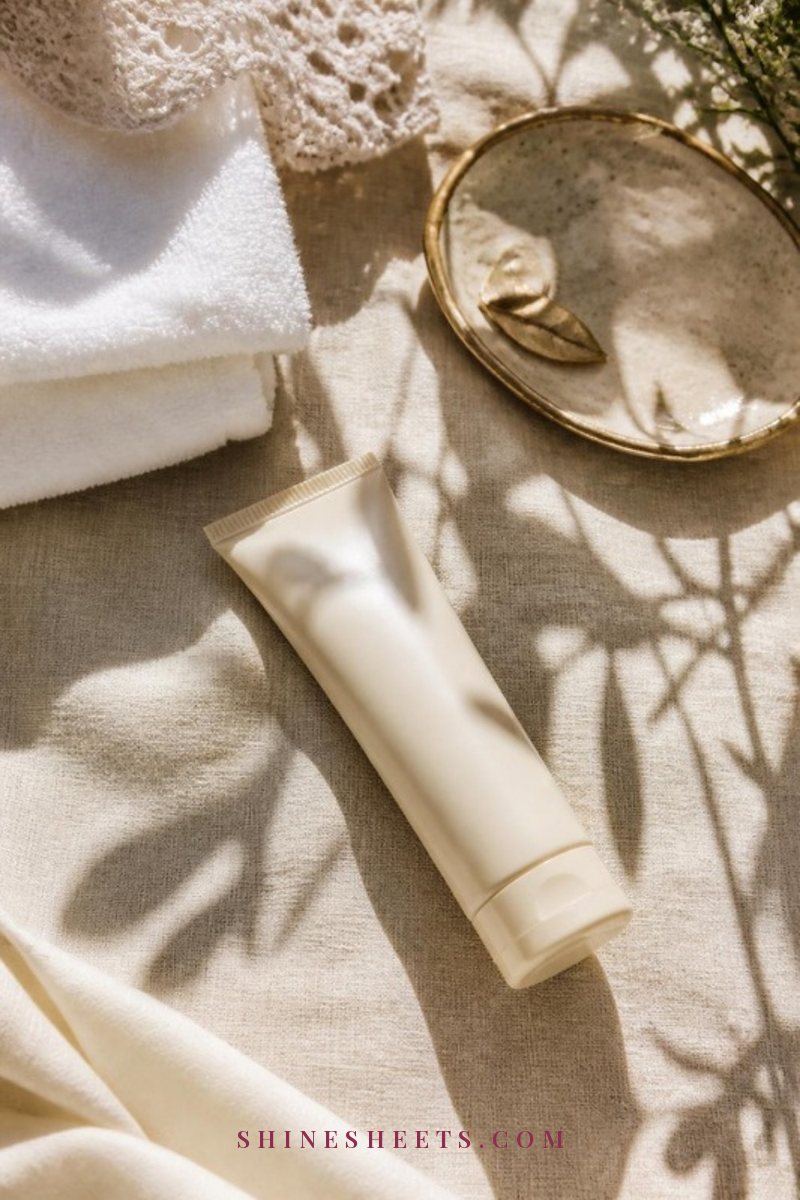
If there were one habit to keep for life, this is it. UV rays break down collagen and elastin and trigger pigment, and UVA rays come through clouds and windows all year long. That's why sunscreen isn't a summer-only product.
How to make it work:
- Choose broad-spectrum SPF 30 or higher. "Broad-spectrum" means it protects against both UVA (aging) and UVB (burning).
- Use enough. For face and neck, about two finger lengths of product. Most people use half that.
- Make it the last step of your morning skincare, before makeup.
- Reapply every two hours when you're outside, and after swimming or sweating.
The best sunscreen is the one you'll happily wear every day, so texture matters. Look for a lightweight broad-spectrum SPF 50 sunscreen that doesn't leave a white cast or pill under makeup. Korean sunscreens are often a lovely pick here because many feel more like a light moisturizer than a sunscreen. With combination skin and a shiny T-zone, I'd always choose a fluid or gel texture over a thick cream.
2. Treat Your Neck, Chest and Hands Like Your Face
The skin on your neck, décolleté and the backs of your hands is thinner than on your face, gets plenty of sun and often gets zero skincare. That's why these areas sometimes show sun spots and crepiness before the face does.
The fix is simple: whatever goes on your face goes a little further down. Smooth your sunscreen, serum and moisturizer down your neck and across your chest every time, using upward strokes. Keep a small sunscreen by the sink or in your bag for the backs of your hands, and reapply after washing them.
For a full routine for this area, my guide to neck and décolleté care covers products, massage and the sleeping habit that causes chest lines.
3. Introduce a Retinoid Slowly
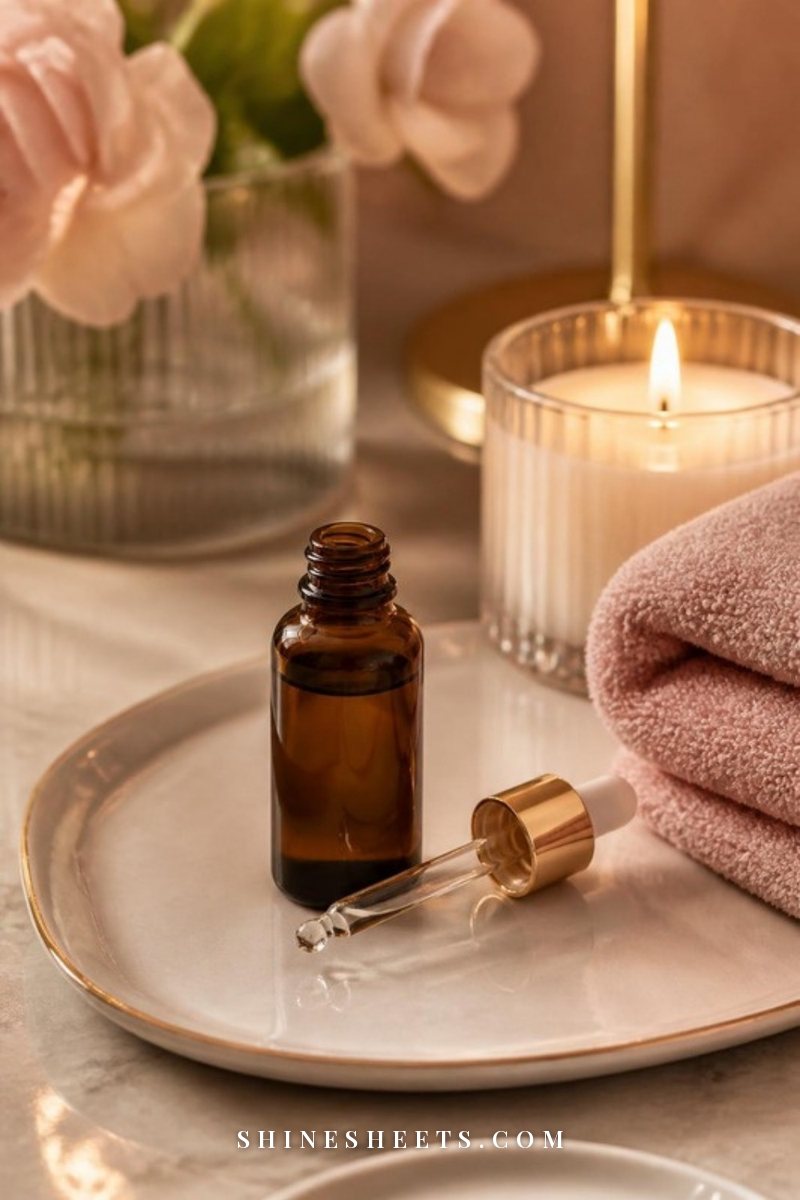
Retinoids (the vitamin A family, including over-the-counter retinol and retinal, and prescription tretinoin) are the most researched topical ingredient for fine lines, texture and uneven tone. They speed up cell turnover and support collagen production over time.
The catch is that they can be irritating at first, and "too much too soon" is the number one reason people give up. Here's the gentle way in:
- Weeks 1–2: a pea-sized amount, two evenings a week, on dry skin.
- Weeks 3–4: three evenings a week, if your skin feels fine.
- Week 5 onward: every other evening, then nightly if you tolerate it well.
- If you get flaky or tight: go back a step, and use the "sandwich" method (moisturizer, retinoid, moisturizer).
A low-strength beginner retinol serum (around 0.2–0.3%) is a sensible starting point. Always use sunscreen the next morning, and skip retinoids if you're pregnant or trying to conceive. For the full step-by-step, including what to expect from the "purge," read my retinol for beginners guide.
4. Use Vitamin C in the Morning
Vitamin C is an antioxidant, which means it helps neutralize some of the free radicals created by UV and pollution. It doesn't replace sunscreen, but the two work beautifully together. It also helps with brightness and the look of uneven tone over time.
Apply a few drops after cleansing and before moisturizer and SPF. Look for a vitamin C serum in an opaque or amber bottle, because vitamin C breaks down with light and air. If it turns dark orange or brown, it's time to replace it. Sensitive skin often does better with gentler forms or lower strengths (around 10%) to start.
I go into the different types and how to pick one in my guide to choosing a vitamin C serum.
5. Moisturize and Protect Your Skin Barrier
Dry skin makes fine lines look deeper and texture look rougher. Well-hydrated skin reflects light better and simply looks fresher. This is one of the few habits where you can see a difference within days.
Your skin barrier is the outer layer that keeps water in and irritants out. When it's healthy, skin tolerates actives better, stays calmer and ages more gracefully. Support it with:
- A moisturizer with ceramides, glycerin, hyaluronic acid or squalane, morning and evening.
- Applying it to slightly damp skin to lock in more water.
- A richer layer at night or in cold weather.
A simple ceramide moisturizing cream from a well-known drugstore line is honestly enough for most people. If you're curious about ingredients that support firmness on top of hydration, my article on peptides in skincare explains what they can and can't do.
6. Cleanse Gently
Squeaky-clean skin is not the goal. That tight feeling after washing means you've stripped away oils your barrier needs. Over months, harsh cleansing can leave skin drier, more reactive and duller.
- Use a mild, low-foam or cream cleanser.
- Lukewarm water, never hot.
- About 30–60 seconds of gentle massage is plenty.
- In the morning, a splash of water or a very gentle cleanse is often enough, especially for dry skin.
- Pat dry with a clean towel instead of rubbing.
7. Manage Sun Exposure Beyond Sunscreen

Sunscreen is your base layer, but it works best with backup. Most of us don't apply quite enough or reapply often enough, so physical protection fills the gaps.
- Wear a hat. A wide brim (at least 3 inches) shades your face, ears and the back of your neck. A beige wide-brim sun hat looks elegant with almost everything, in a very Old Hollywood way I can't resist.
- Find the shade during the strongest sun hours, roughly late morning to mid-afternoon.
- Add sunglasses with UV protection. Less squinting, and the delicate skin around your eyes gets a break.
- Remember the car and the desk by the window. UVA passes through glass, so daily sunscreen still matters indoors near windows.
And please skip tanning beds entirely. There's no safe tan from them.
8. Prioritize Sleep (and Think About Sleep Position)

Skin does a lot of its repair work overnight. Short or broken sleep shows up quickly as dullness, puffiness and darker under-eyes, and over the long term it's linked to poorer skin recovery. Aim for 7–9 hours, and protect the hour before bed. Mine usually involves evening tea, a glass candle and a few minutes of journaling, which helps my anxious brain switch off.
Sleep position matters a little too. Pressing the same side of your face into a pillow every night can, over many years, contribute to "sleep lines" that don't fade by morning. You don't have to force yourself to sleep on your back, but you can reduce friction:
- Try starting the night on your back, propped up with a supportive pillow.
- Switch to a smooth pillowcase so your skin glides instead of creasing. A blush silk pillowcase is a soft, pretty pick, and it's kinder to hair too.
- Change pillowcases at least once a week.
I wrote more about what a silk pillowcase can (and can't) do in my post on silk pillowcase benefits.
9. Don't Smoke (and Avoid Smoke Where You Can)
This one isn't fun to read, but it belongs here. Smoking reduces blood flow to the skin and breaks down collagen and elastin, and the repeated pursing of the lips adds to lines around the mouth. It's one of the clearest causes of premature skin aging that we know of.
If you smoke, quitting is the single best thing you can do for your skin (and everything else). It's hard, and it's okay to need help. Talking to your doctor about support options is a strong, kind step, not a failure. Avoiding secondhand smoke and vaping clouds where you can helps too.
10. Eat Plenty of Colorful Foods
No diet will undo sun damage, and no single food is an anti-aging miracle. But a plate with lots of color gives your body antioxidants, vitamins and healthy fats it uses for repair. Think berries, leafy greens, tomatoes, orange vegetables, nuts, olive oil, oily fish or seeds.
A simple rule I like: try to get three different colors on your plate at most meals. Drink water steadily through the day as well. It won't plump wrinkles on its own, but dehydration makes skin look tired faster. Going easy on very sugary foods and alcohol is also kind to skin, since both can add to inflammation and poor sleep.
11. Stay Active
Movement improves circulation, helps you sleep and lowers stress, all of which show up in your skin. That post-walk flush isn't your imagination. It's blood flow bringing oxygen and nutrients to the surface.
You don't need intense workouts. A brisk 20–30 minute walk most days, a couple of strength sessions a week, or gentle yoga all count. If you exercise outdoors, choose early morning or evening, wear sunscreen and a cap, and cleanse gently afterward so sweat doesn't sit on your skin.
12. Be Kind to Your Stress Levels
Chronic stress keeps cortisol high, which can worsen inflammation, trigger breakouts, flare conditions like rosacea and eczema, and mess with your sleep. Stress also makes us skip the basics, like taking off makeup or wearing sunscreen.
You can't remove stress from life, but you can give your body regular signals that it's safe:
- Five slow breaths (in for 4, out for 6) before bed or when you notice tension.
- A daily walk without your phone.
- Ten minutes of journaling to get the swirl out of your head.
- Saying no to one thing a week you don't have the energy for.
Notice your face during the day, too. If you catch yourself frowning at a screen, softening your forehead and jaw for a second is a tiny habit that adds up.
13. Enjoy Facial Massage as a Feel-Good Extra
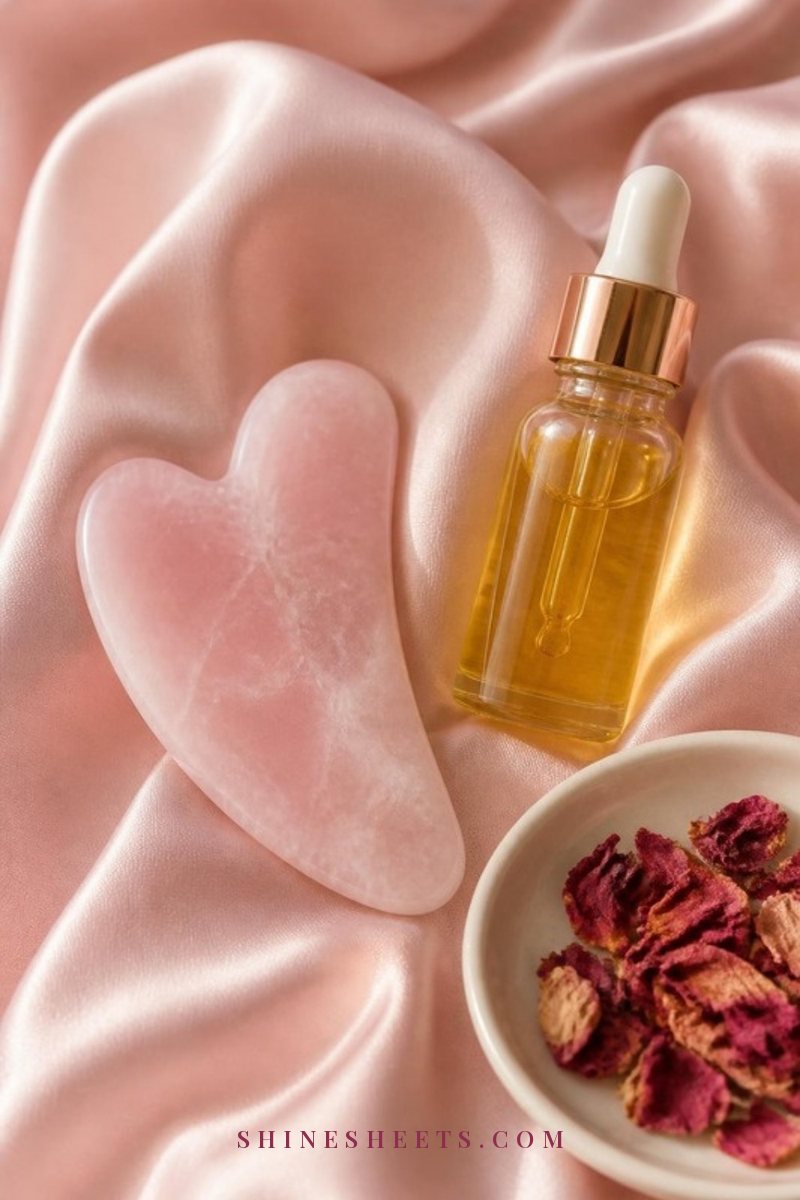
Let's be honest about what facial massage does: it helps temporarily reduce puffiness by moving fluid, it feels lovely and it gives you a calming few minutes. It won't lift sagging skin or replace a retinoid, and that's fine. It's the cherry on top, not the cake.
If you'd like to try it, here's a simple 3-minute routine with a rose quartz gua sha stone:
- Apply a few drops of facial oil or a slippery moisturizer so the stone glides.
- Hold the stone almost flat against your skin, at about a 15-degree angle.
- Sweep from the center of your neck downward, 5 times on each side.
- Sweep along your jaw from chin to ear, 5 times on each side.
- Sweep from the side of your nose out across your cheek toward your ear, 5 times.
- Finish with gentle strokes from the brows up to the hairline.
Use light pressure, never on active breakouts or irritated skin, and clean your stone after each use.
14. Choose Consistency Over Intensity
This is the habit that holds all the others together. Skin responds to what you do most days, not what you do once a month. Sunscreen applied every morning beats a pricey facial twice a year. A gentle retinoid used for a year beats a strong one you quit after two weeks of peeling.
Make it easy on yourself: keep your morning products in the order you use them, put sunscreen right next to your toothbrush, and give every new product at least 8–12 weeks before deciding whether it works. It took me a while to accept that the boring version is the one that actually works.
4 Overhyped Anti-Aging Habits (Explained Gently)
None of these are "bad," and if you enjoy them, you don't need to stop. They just tend to get more credit, money and hope than they deserve.
1. Collagen Drinks as a Magic Fix
Collagen supplements are everywhere, and some small studies suggest modest benefits for hydration and elasticity. But the research is limited, often funded by the brands themselves, and the effects are small compared to daily sunscreen. Collagen is broken down during digestion, so it doesn't travel straight to your face. If you enjoy one, fine, but don't let it replace SPF or a retinoid in your budget.
2. Using Too Many Actives at Once
Retinol, vitamin C, acids, peptides, niacinamide and a peel pad, all in one evening? That's a recipe for a damaged barrier, redness and stinging, which makes skin look older, not younger. Introduce one active at a time, wait at least two weeks before adding another, and keep strong ones on separate nights. Vitamin C in the morning and a retinoid at night is already a complete and effective pairing.
3. Harsh Scrubs
Gritty scrubs with crushed shells or large particles can cause tiny tears and irritation, especially on thinner, more mature skin. If you want smoother texture, a gentle chemical exfoliant once or twice a week (or simply your retinoid) does the job more evenly. Your skin isn't a pan that needs scouring.
4. Expensive Creams With No Real Actives
A beautiful jar and a high price don't make a cream anti-aging. Many luxury moisturizers are, underneath the fragrance, simply good moisturizers. That's not nothing, but a drugstore cream with ceramides does the same job. If you want to spend more, spend it on the products that do the heavy lifting: sunscreen you love, a well-formulated retinoid and a stable vitamin C. Check the ingredient list, not the packaging.
A Simple Anti-Aging Routine to Start With
If all of this feels like a lot, here's the whole thing boiled down to a routine you can start tomorrow. Add steps slowly, one every couple of weeks.
Morning (4 steps):
- Gentle cleanse or a splash of water.
- Vitamin C serum.
- Moisturizer, on face, neck and chest.
- Broad-spectrum SPF 30–50, on face, neck, chest and the backs of your hands.
Evening (4 steps):
- Remove sunscreen and makeup, then cleanse gently.
- Retinoid on your scheduled nights (hydrating serum on the others).
- Moisturizer, a little richer than in the morning.
- Optional: 3 minutes of facial massage, then lights out on time.
Daily life habits: a hat and shade when you're out, colorful food, a walk, a calm moment for your nervous system, and 7–9 hours of sleep.
A quick, kind note: if you notice a new or changing mole, a spot that bleeds or doesn't heal, or sudden skin changes, please see a dermatologist. Good habits are wonderful, but they're not a substitute for a professional check.
Final Thoughts
The best anti-aging habits aren't dramatic. They're quiet and repetitive: sunscreen, patience with a retinoid, a good moisturizer, decent sleep and a little less stress. Done most days, they add up to skin that looks healthy, rested and very much like you.
Your face is going to change, and that's allowed. You're not trying to freeze time, just to take good care of the skin you'll be living in for a very long time. Start with one habit this week, be gentle with yourself, and let the years do their thing alongside you.