Peptides aren't the loudest ingredient on the skincare shelf, and that's exactly why they're worth understanding. They don't tingle, they don't peel, and they won't transform your face overnight. What they do is quieter: they help support the skin you already have, so it looks a little firmer, a little smoother and a lot more comfortable over time.
That quietness is also why peptides get so much hype and so much confusion at the same time. One label calls them "collagen boosters," another calls them "Botox in a bottle," and suddenly a simple serum feels like a science exam. The truth sits somewhere much calmer in the middle.
This guide explains peptides in skincare in plain language: what they are, the main types (signal peptides, copper peptides, neuropeptides and a few supporting players), what results you can realistically expect and how long they take, who they suit best, how to layer them with your other actives and a simple morning and night routine. There's also a peptide types table you can screenshot for your next shopping trip.
If your skin has ever said "absolutely not" to a stronger active, peptides might be the gentle friend it's been waiting for.
What Peptides Actually Are
Peptides are short chains of amino acids, the same building blocks your body uses to make proteins like collagen and elastin. When a chain is long, it's a protein. When it's short (usually somewhere between two and fifty amino acids), it's a peptide.
In skincare, most peptides are made in a lab to copy or mimic pieces of proteins your skin already recognizes. Because they're small, they have a better chance of interacting with the outer layers of your skin than a whole collagen molecule would. (Quick reality check: collagen itself, slathered on as a cream, is far too big to rebuild your own collagen. It mostly works as a moisturizer.)
Why "Messenger" Is the Key Word
The easiest way to think about most peptides is as messengers. When collagen naturally breaks down, tiny fragments of it are left behind, and your skin reads those fragments as a little note that says "we could use some repair work here." Many skincare peptides are designed to send a similar note.
That's why peptides tend to be gentle. They aren't forcing your skin to shed or speeding up cell turnover the way acids or retinoids do. They're asking politely. The flip side is that a polite request takes longer to show results, and the results are softer. I find that honest framing makes peptides much easier to love, because you stop expecting fireworks and start noticing the small, steady changes.
The Main Types of Peptides
You'll rarely see the word "peptide" alone on an ingredient list. You'll see long names with numbers in them, which look intimidating but are easy to sort once you know the four main families.
Signal Peptides
These are the classic "messenger" peptides, and they're the ones behind most firming and anti-aging claims. They're designed to encourage your skin to support its own collagen and other structural proteins.
Look for names like: palmitoyl pentapeptide-4, palmitoyl tripeptide-1, palmitoyl tetrapeptide-7 and palmitoyl tripeptide-5. The "palmitoyl" part is a fatty acid attached to the peptide to help it sink into the skin a little better.
Signal peptides are a lovely fit for fine lines, a general loss of bounce and skin that just looks a bit tired. A well-formulated multi-peptide face serum usually combines several signal peptides with something hydrating, which is a sweet spot for most skin types.
Copper Peptides
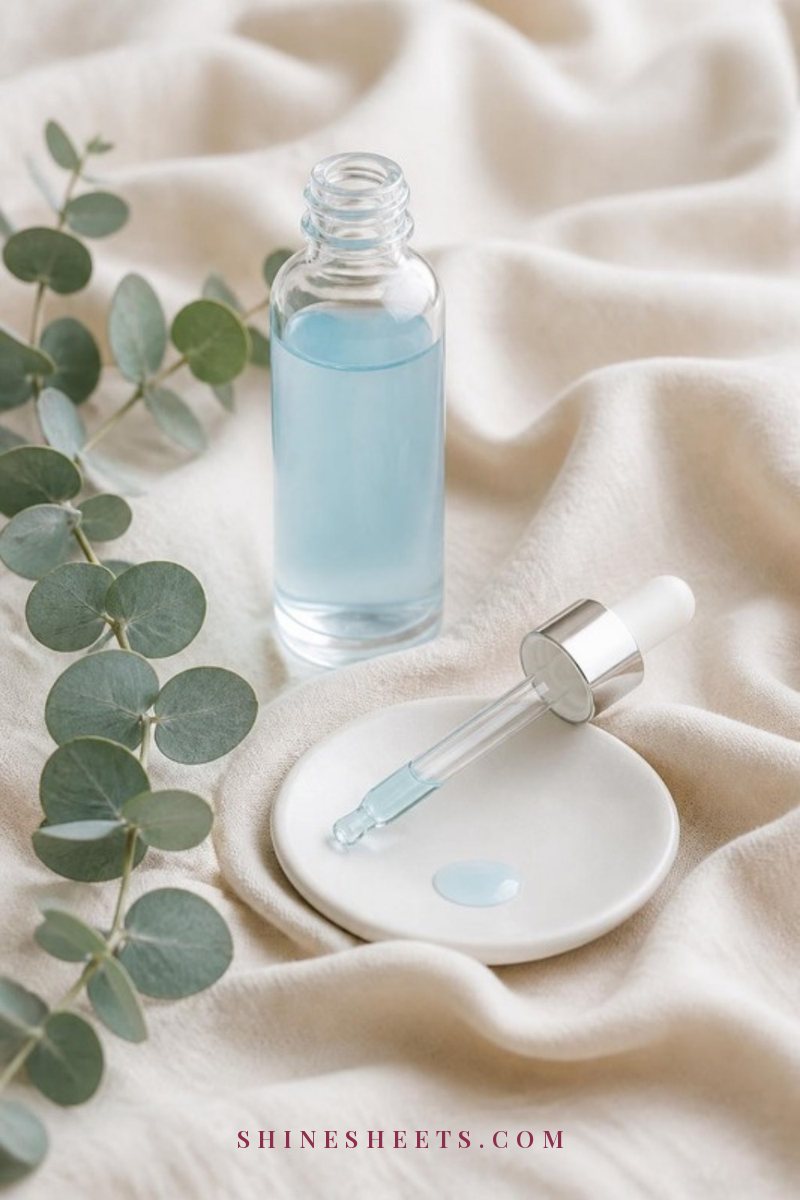
Copper peptides (usually listed as copper tripeptide-1 or GHK-Cu) are technically "carrier" peptides: they carry copper, a trace mineral the skin uses in its own repair processes. They're often praised for supporting a calmer, more resilient-looking complexion and for helping skin look smoother over time.
You can often spot a copper peptide serum by its color, which ranges from pale sky blue to deep blue depending on the concentration. Two things to know before you add one:
- They're a little fussier with partners. Copper peptides don't mix well with strong acids or pure vitamin C in the same step, so they need their own slot in your routine (more on that below).
- More isn't better. Very concentrated copper serums can irritate some skin. Start with a few drops every other evening.
Neuropeptides (the "Topical Botox" Claim)
Neuropeptides, sometimes called neurotransmitter-inhibiting peptides, are the ones you'll see marketed for expression lines between the brows or around the eyes. The best known is acetyl hexapeptide-8, often sold under the name Argireline.
The idea is that they gently soften the signal that tells tiny facial muscles to contract. Here's the realistic version: some people notice expression lines look a little softer with consistent use, but a cream can't do what an injection does, and the effect (if you see one) is subtle and fades when you stop. I think of neuropeptides as a nice bonus in an eye cream, not a reason to buy something on its own.
Carrier and Enzyme-Inhibitor Peptides
Two smaller families round out the list:
- Carrier peptides deliver trace minerals like copper or manganese to the skin. Copper peptides are the famous member of this group.
- Enzyme-inhibitor peptides (often derived from soy or rice) are meant to slow down the enzymes that naturally break down collagen. They usually appear as supporting ingredients rather than the star of the formula.
You don't need to memorize these. If a product lists several peptide types together, that's generally a good sign: different peptides send different messages, and they tend to work well as a team.
Peptide Types at a Glance
Here's the whole picture in one place. Screenshot it, and the next time you're squinting at an ingredient list in a store, you'll know exactly what you're looking at.
| Peptide type | Common names on the label | What it's for | Pairs well with | Avoid layering with (same step) |
|---|---|---|---|---|
| Signal peptides | Palmitoyl pentapeptide-4, palmitoyl tripeptide-1, palmitoyl tetrapeptide-7 | Firmness, fine lines, overall bounce | Hyaluronic acid, niacinamide, ceramides, retinol (different steps) | Strong AHA/BHA exfoliants applied right before |
| Copper peptides | Copper tripeptide-1, GHK-Cu | Calm, resilient-looking skin, smoother texture, barrier support | Hyaluronic acid, ceramides, squalane, gentle moisturizers | Pure vitamin C (L-ascorbic acid), strong acids, high-strength retinoids |
| Neuropeptides | Acetyl hexapeptide-8 (Argireline), pentapeptide-18 | Softening the look of expression lines | Hyaluronic acid, signal peptides, eye creams | Strong acids applied right before |
| Carrier peptides | Copper and manganese tripeptides | Delivering trace minerals that support skin repair | Hydrating serums, barrier creams | Pure vitamin C, strong acids |
| Enzyme-inhibitor peptides | Soy peptides, rice peptides, silk peptides | Helping slow collagen breakdown, gentle support | Antioxidants, niacinamide, moisturizers | Very little; usually easy-going |
A gentle rule of thumb: most peptides are easy-going, and the one that needs its own space is copper.
What Results To Expect, and When
This is where honesty matters most, because the biggest reason people give up on peptides is expecting too much, too soon. Peptides work slowly and gently. Here's a realistic timeline with daily use:
- Weeks 1–2: Skin often feels more comfortable and hydrated, mostly thanks to the moisturizing ingredients peptides are usually paired with. That's real, but it isn't the peptides doing their "deeper" work yet.
- Weeks 4–6: You might notice skin looks a little smoother and bouncier, especially in the morning. Makeup may sit more evenly.
- Weeks 8–12: This is when fine lines may look softer and skin may look firmer. Most studies on peptides look at results around this point, so give a product at least two to three months before you judge it.
What peptides won't do: erase deep wrinkles, lift sagging skin, fade dark spots dramatically or replace sunscreen. If you want stronger, faster changes in texture and lines, retinoids remain the most researched option, and peptides can be a calm companion to them rather than a replacement.
One small tip: take a photo in the same spot, in the same daylight, on the day you start. Slow changes are almost impossible to see in the mirror day to day, but a side-by-side photo at week ten tells the real story.
Who Peptides Suit Best
Peptides are one of those rare actives that suit almost everyone. Still, a few groups tend to love them most.
Sensitive Skin That Can't Handle Retinoids
If retinol leaves you red, flaky or stinging no matter how slowly you go, peptides can give you some of the "support my skin as it changes" benefits without the irritation. My own combination, sensitive skin is the type that needs gentle steps, and that's exactly the skin peptides are kind to.
If you'd still like to try a retinoid at some point, my gentle start plan for retinol beginners explains how to build up slowly, and peptides make a lovely buffer during that process.
Mature Skin
As collagen naturally slows down, skin can start to feel thinner, drier and less springy. Peptides, paired with good hydration and daily sunscreen, help support that bounce. A rich peptide moisturizer is often the easiest way to add them, because it does two jobs at once.
Well-cared-for skin also makes makeup look so much fresher. If you're adjusting your makeup as your skin changes, my guide to makeup for mature skin pairs nicely with this one.
Your 30s and Beyond: Starting Early
You don't need to wait for lines to show up to enjoy peptides. Many people add one in their late twenties or thirties as a gentle "maintenance" step, especially if they aren't ready for retinoids yet. If you're rebuilding your routine for this decade, my guide to skincare in your 30s walks through what's worth adding and what you can skip.
Anyone Repairing Their Skin Barrier
If you've over-exfoliated and your skin feels tight, stingy and irritated, a stressed barrier needs fewer actives, not more. Peptides are among the few active ingredients many dermatologists consider gentle enough during barrier repair, especially in a simple, fragrance-free moisturizer. Pause your acids, keep your routine short and let a peptide cream do the quiet work.
Who Might Not Need Them
If your main concern is acne, clogged pores or dark spots, peptides won't be your star player. Salicylic acid, niacinamide, azelaic acid or vitamin C usually do more for those concerns. Peptides can still be part of your routine, but they'd be the supporting cast.
A kind safety note: peptides are generally well tolerated, but any new product can cause a reaction. Patch test behind your ear or along your jaw for a few days first. If you're pregnant, breastfeeding or being treated for a skin condition, check with your doctor or dermatologist before adding new actives.
How To Layer Peptides With Other Ingredients
The general rule of layering is thinnest to thickest: water-light serums first, creams last, sunscreen on top in the morning. Peptides usually live in serums, moisturizers and eye creams, so they slot in easily. What matters more is who they sit next to.
Pairs Beautifully With
- Hyaluronic acid. A dream pairing. Hydrated skin is more receptive, and the combination makes skin look plump fast while peptides work in the background. A simple hyaluronic acid serum on damp skin, then your peptide serum, is a lovely duo. My guide to using hyaluronic acid with the damp skin rule explains the technique.
- Niacinamide. Easy-going and calming, niacinamide pairs well with most peptides, including in the same product. Read more in my guide to niacinamide for calm, balanced skin.
- Ceramides and squalane. Barrier-loving ingredients that make peptide moisturizers even more comforting.
- Retinol (in different steps or at different times). Peptides can soften the dryness retinol sometimes brings. Use retinol at night and a peptide moisturizer on top, or keep peptides for the morning.
Be Careful With
- Strong AHAs and BHAs in the same step. Low-pH exfoliants can make some peptides less effective. Use your acid on a different night, or at least in a different routine.
- Copper peptides with pure vitamin C. Copper and L-ascorbic acid can interfere with each other. The easy fix: vitamin C in the morning, copper peptides in the evening. My vitamin C serum guide covers when to use it.
- Copper peptides with strong retinoids. Not dangerous, just potentially too much for sensitive skin at once. Alternate nights if you use both.
When in doubt, give each strong active its own time of day and let peptides be the gentle bridge between them.
A Simple Morning and Night Peptide Routine
You don't need a 10-step routine to make peptides work. Here's a calm, realistic version you can start this week.
Morning Routine
- Gentle cleanse or rinse. If your skin isn't oily, lukewarm water is often enough in the morning.
- Vitamin C serum (optional). If you use one, it goes here. Skip copper peptides in the morning if you use vitamin C.
- Peptide serum or hydrating serum. Two or three drops of a signal-peptide serum, pressed in with your palms.
- Peptide eye cream. A rice-grain amount per eye, tapped gently with your ring finger along the orbital bone.
- Moisturizer. A light gel-cream works well for combination skin; a richer cream for dry skin.
- Sunscreen, every single day. Peptides support your skin, but sun exposure undoes that work faster than anything. A lightweight Korean-style SPF 50 sunscreen feels like a moisturizer and sits nicely under makeup.
Night Routine
- Cleanse. Double cleanse if you wore makeup or sunscreen.
- Your treatment step, rotating. Retinol on some nights, an exfoliant on another, and copper peptides on the nights in between (never all three together).
- Hyaluronic acid on damp skin (optional, lovely on dry nights).
- Peptide moisturizer. This is the comforting final layer that seals everything in.
- Eye cream. A peptide eye cream at night is one of the simplest ways to give the delicate under-eye area some extra care.
Here's a sample week that keeps everything gentle:
| Night | Treatment step | Then |
|---|---|---|
| Monday | Retinol | Peptide moisturizer |
| Tuesday | Copper peptide serum | Peptide moisturizer |
| Wednesday | Rest night (hydrating serum only) | Peptide moisturizer |
| Thursday | Retinol | Peptide moisturizer |
| Friday | Gentle exfoliant | Simple moisturizer |
| Saturday | Copper peptide serum | Peptide moisturizer |
| Sunday | Rest night | Peptide moisturizer |
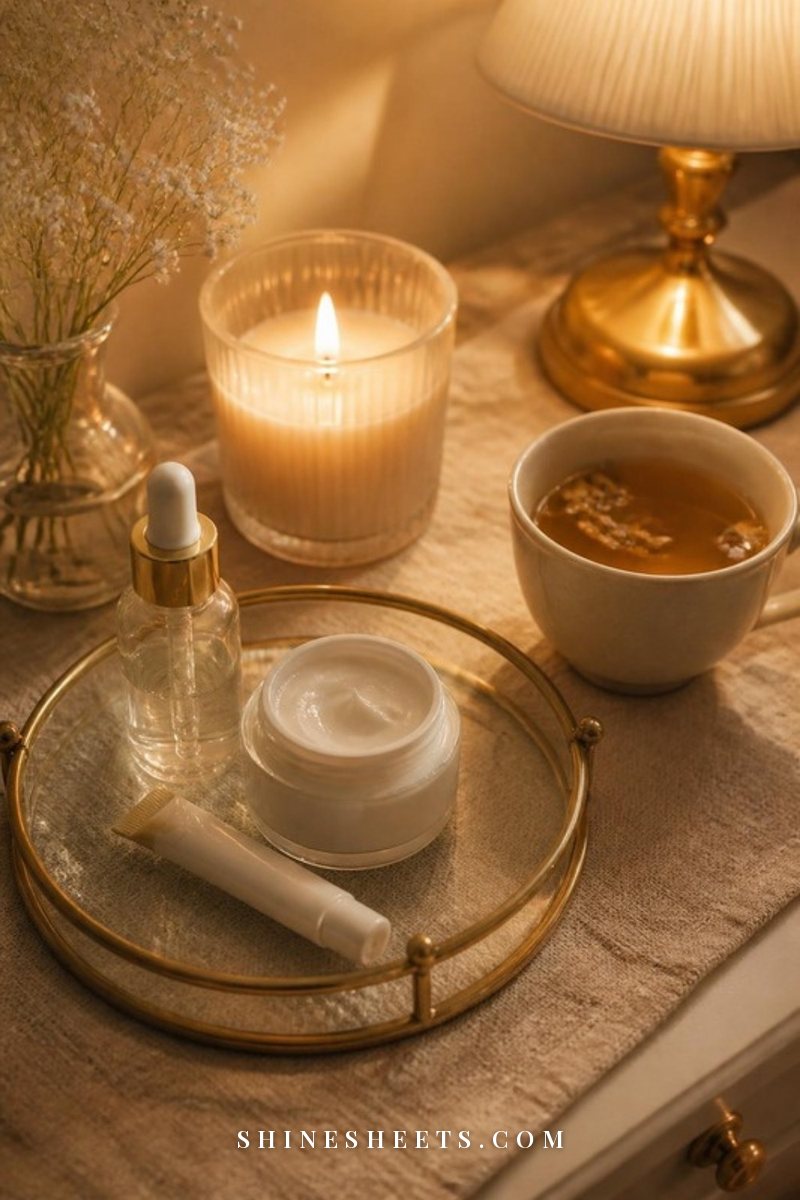
If you don't use retinol or acids at all, it's even easier: a peptide serum and moisturizer every night, sunscreen every morning, done. Evening skincare is also my favorite excuse to slow down: a glass candle on, a cup of tea, and five unhurried minutes that feel like a little reset before bed.
How To Choose a Good Peptide Product
Peptide products range from very affordable to very pricey, and the price tag doesn't always match what's inside. Here's what I'd look for:
- Peptides in the first half of the ingredient list, or at least not buried after the fragrance and preservatives.
- More than one peptide type. A blend usually works better than a single peptide.
- Leave-on formulas. Peptides in a cleanser rinse away before they can do much. Serums, moisturizers and eye creams make more sense.
- Fragrance-free or lightly scented, especially for sensitive skin.
- Opaque or airless packaging, which helps keep the formula stable.
- Supportive extras like hyaluronic acid, ceramides, niacinamide or panthenol.
If you're starting from scratch, I'd choose one peptide serum or one peptide moisturizer, not both at once. Use it for eight to twelve weeks, see how your skin responds, then decide what (if anything) to add.
5 Peptide Mistakes To Avoid
- Giving up after two weeks. Peptides need at least two months. Set a reminder in your phone for week ten and judge then, not before.
- Layering copper peptides with everything. Give them their own evening slot, away from vitamin C and strong acids.
- Expecting a facelift in a jar. Peptides offer subtle, supportive changes. Loving them for what they are makes the whole experience happier.
- Skipping sunscreen. Without daily SPF, any active's benefits are working uphill.
- Adding five new products at once. If something irritates your skin, you won't know which one it was. Introduce one new product every two weeks.
Final Thoughts
Peptides are proof that gentle can still be meaningful. They won't make your skin dramatic overnight, but with patience they can help it look smoother, bouncier and calmer, without the redness and peeling that stronger actives sometimes bring.
Start with one product, give it a full season and let your skin set the pace. Small, steady care adds up, and your skin will thank you for every quiet evening you give it.