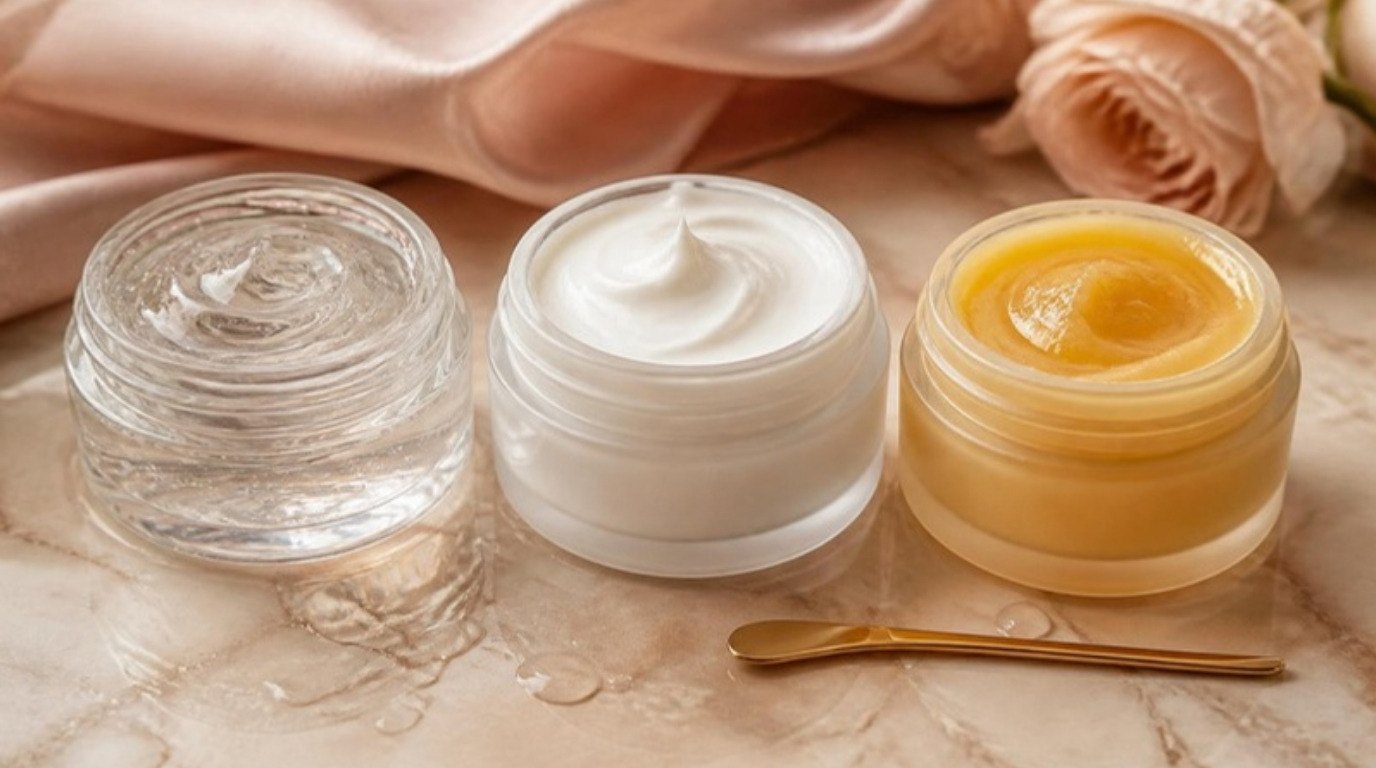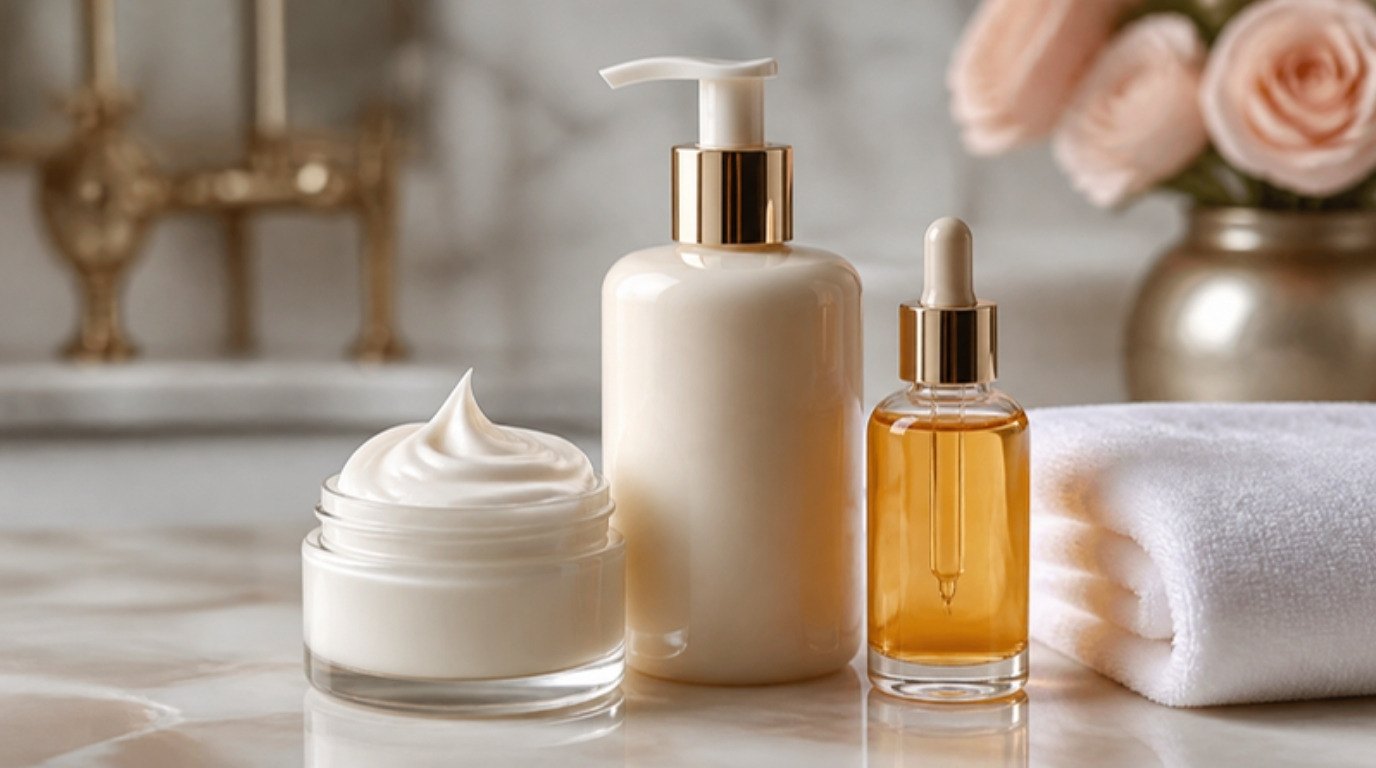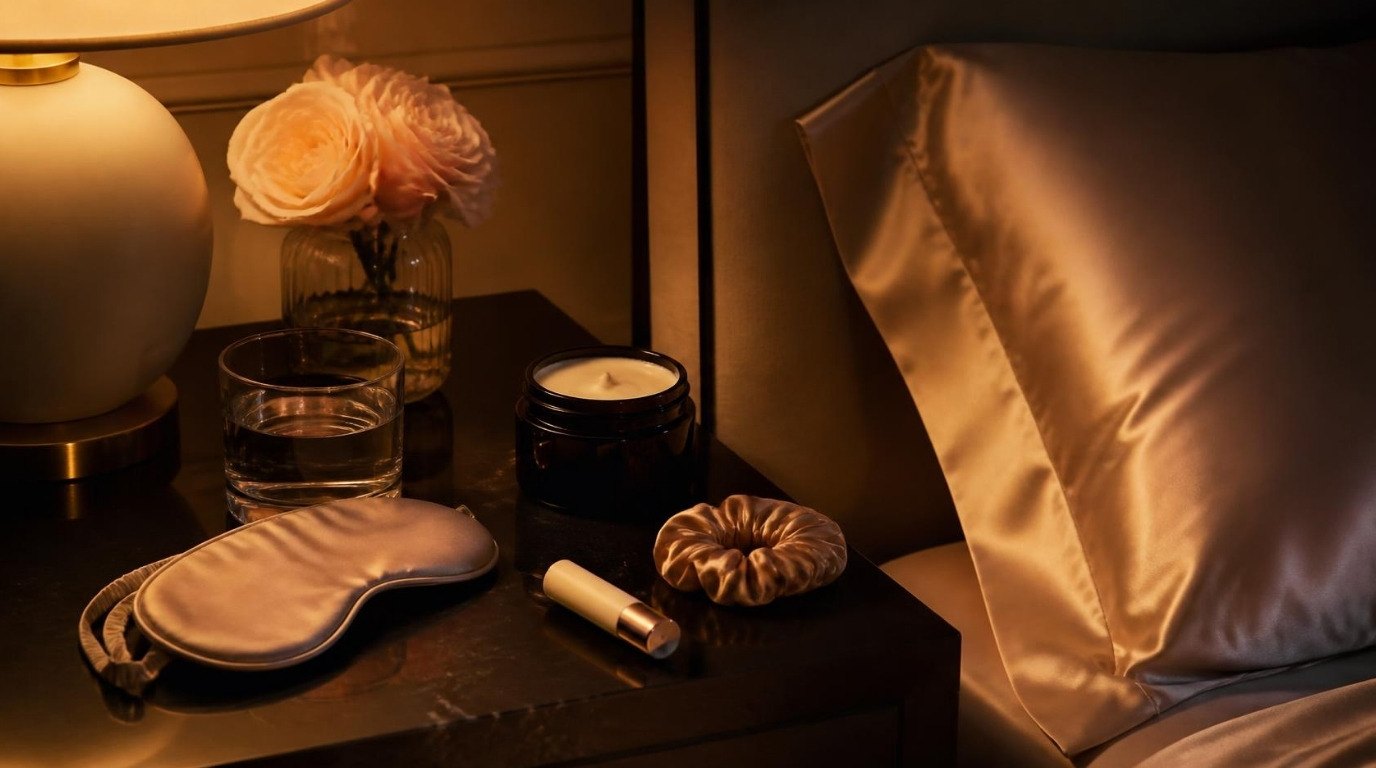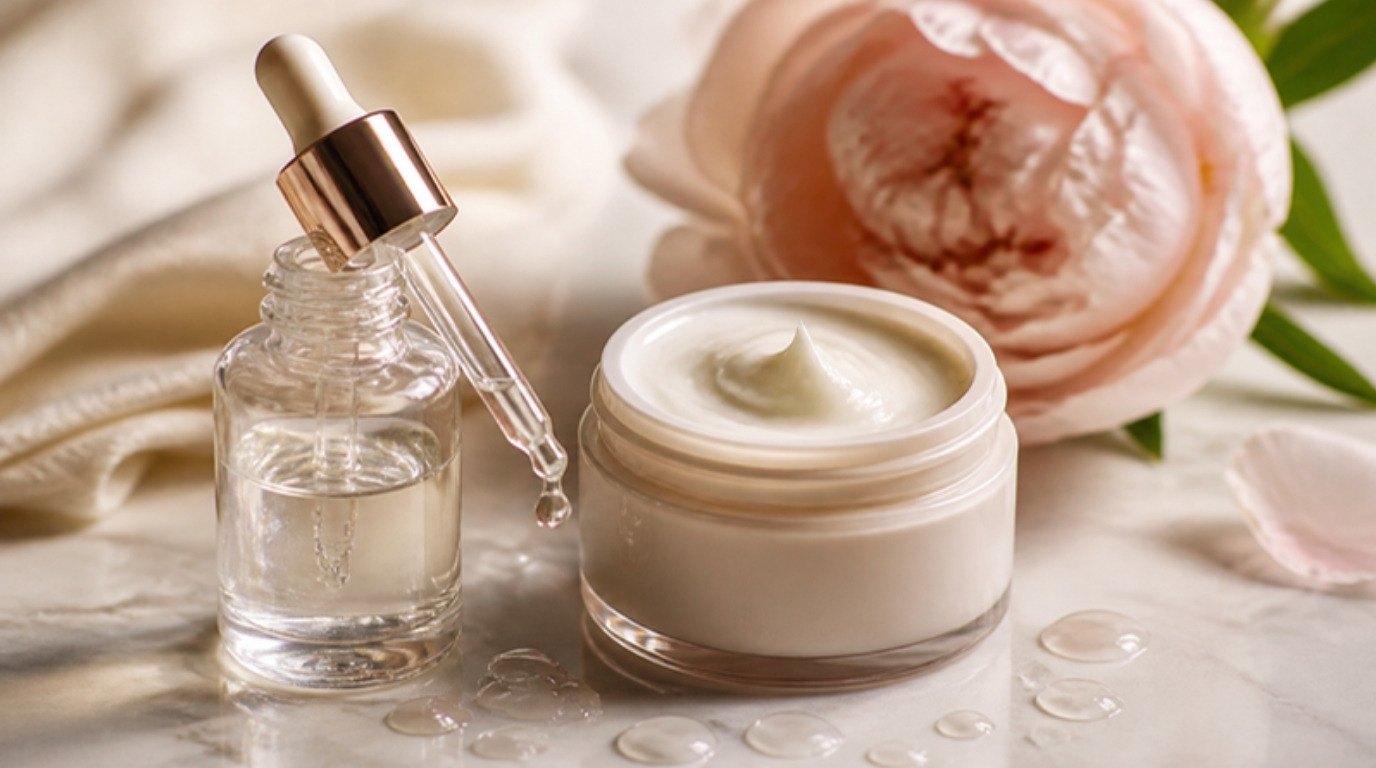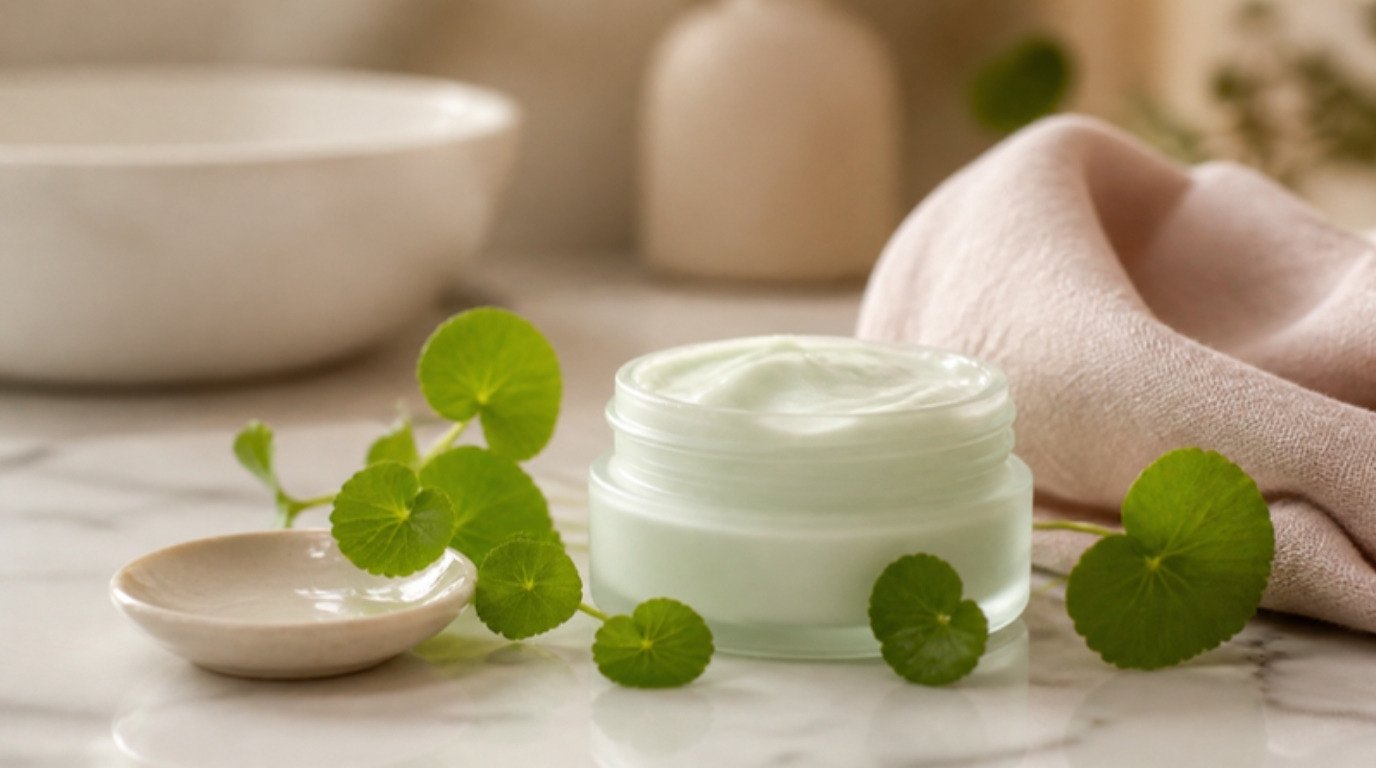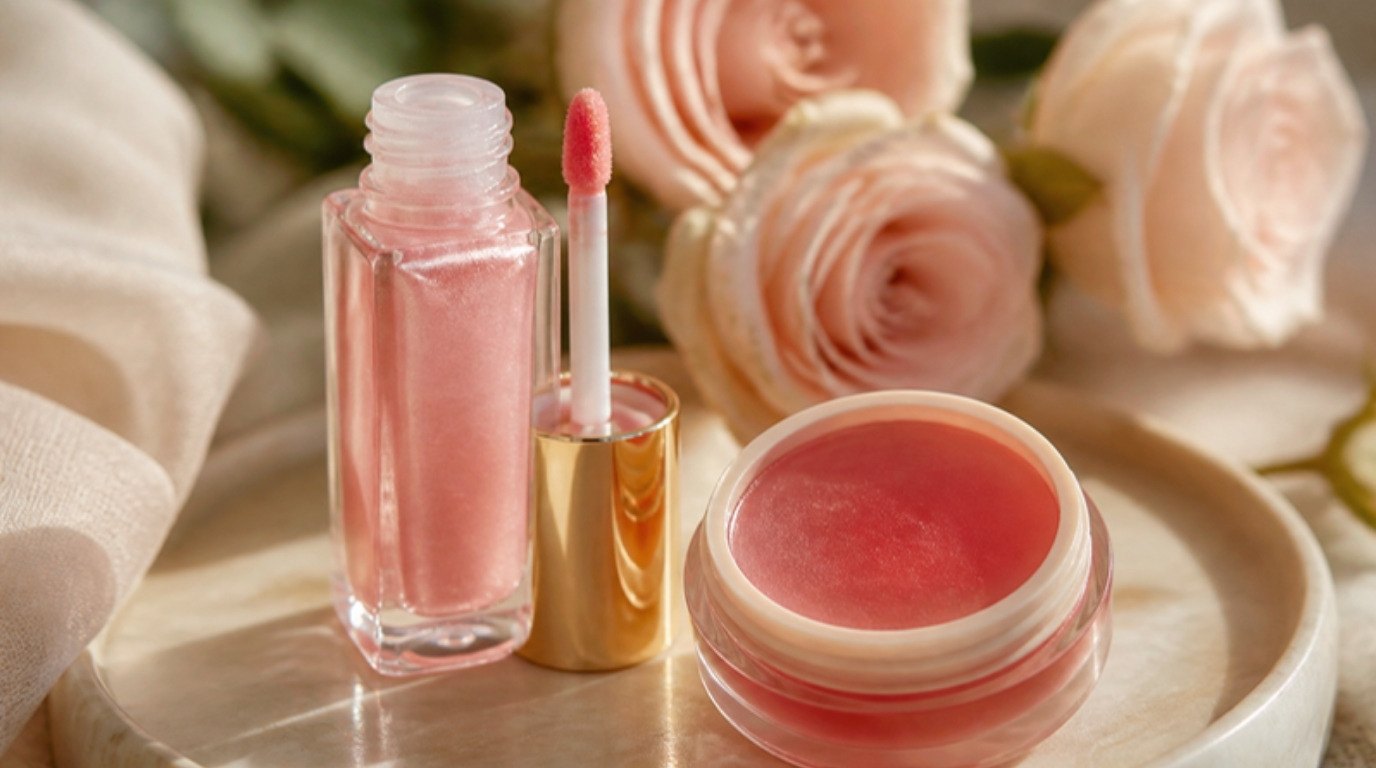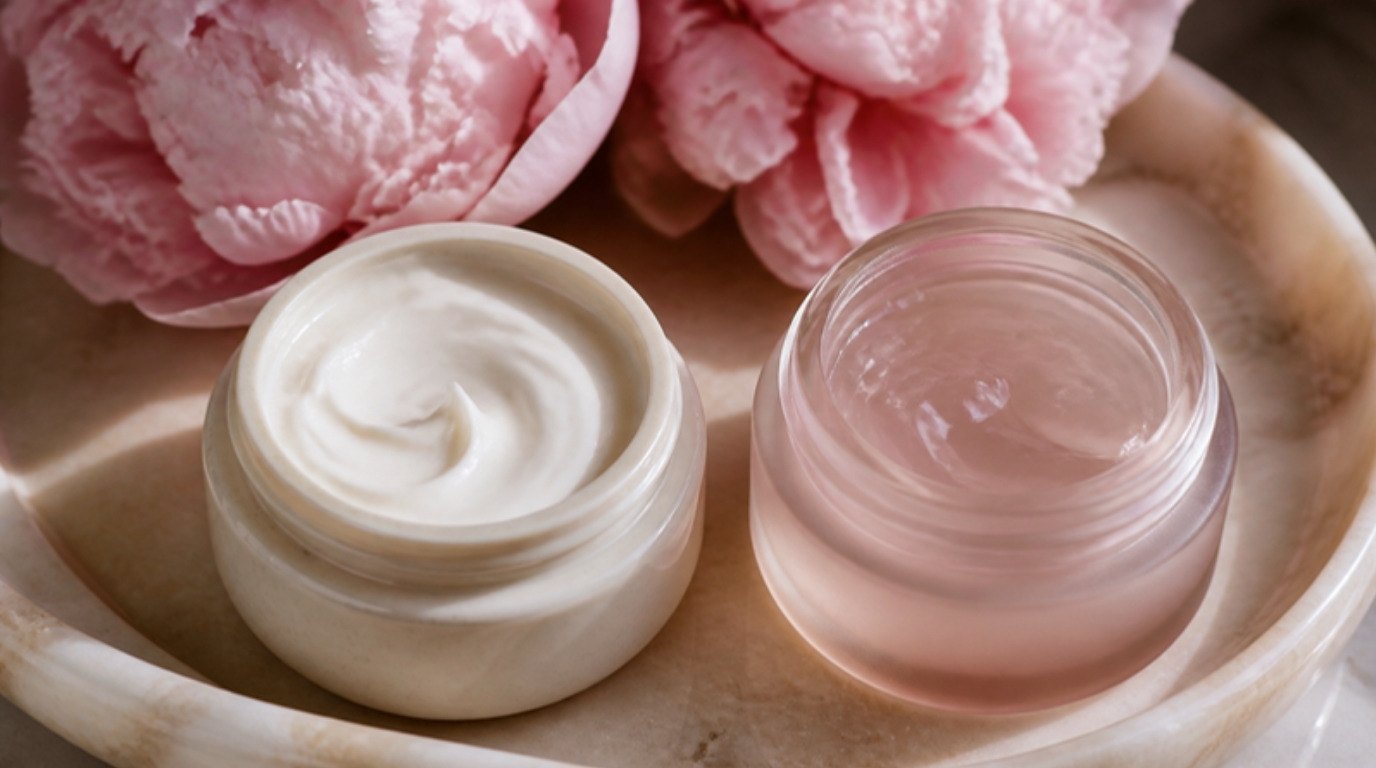
A sleeping mask and a night cream can look almost identical in the jar, but they do two different jobs. A night cream is your evening moisturizer: it nourishes and comforts skin while you sleep. A sleeping mask is the final layer on top: it seals everything underneath so less water escapes overnight. You don't always need both, and knowing which one your skin wants on a given night saves you money and a lot of guesswork.
The short version: most skin types do well with a night cream most nights, and a sleeping mask two or three nights a week, or nightly when skin is dry, tight or winter-weary. Oily and combination skin often only needs one of the two. My own skin is combination and sensitive, with a shiny T-zone, so I've learned the hard way that "more layers" doesn't automatically mean "better skin."
This guide to sleeping mask vs night cream explains what each one is, a side-by-side comparison table, which one suits your skin type, how to layer them, how often to use a mask, what to do on retinol nights, pillowcase and hair tips, the most common mistakes and why your lips deserve a sleeping mask too.
What Is a Night Cream?
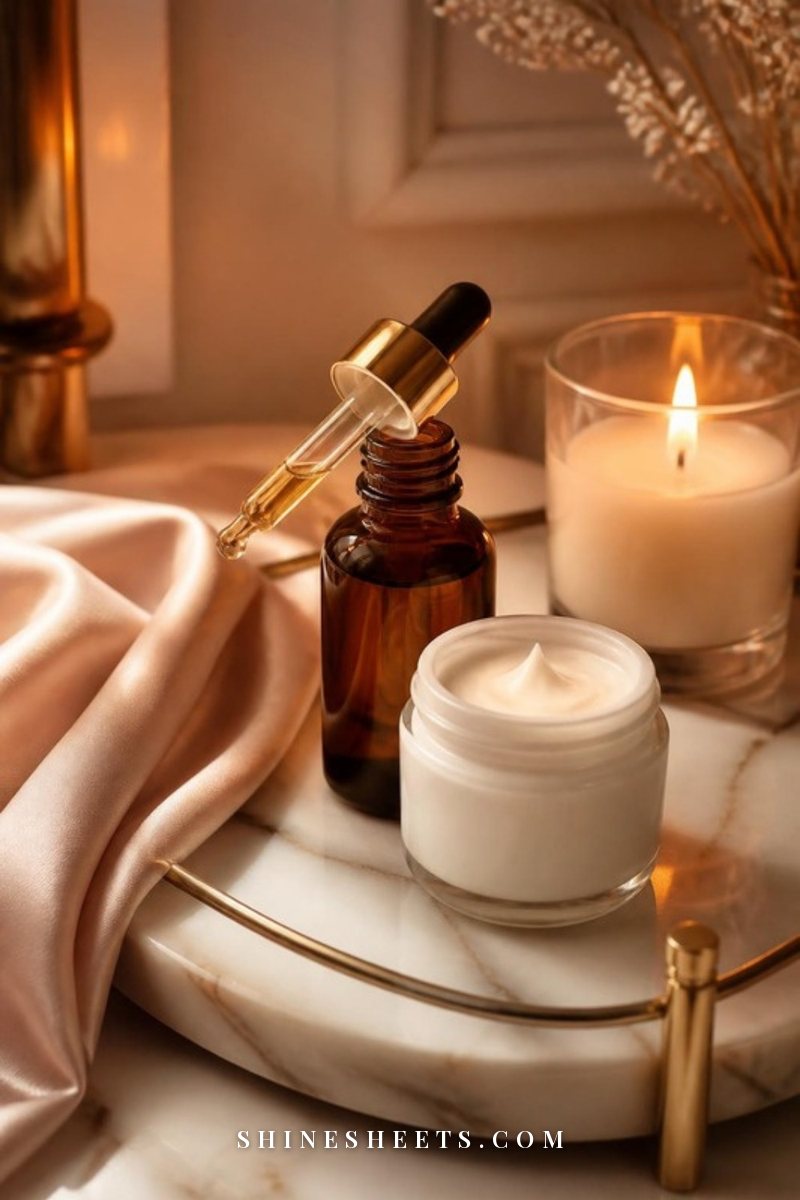
A night cream is a moisturizer designed for your evening routine. It's usually a little richer than a day cream, since it doesn't need to sit nicely under makeup or sunscreen. Its job is to soften, hydrate and support your skin barrier while you sleep, which is when skin naturally loses more water.
Many night creams also contain helpful ingredients, such as:
- Ceramides to support a healthy-feeling barrier.
- Humectants like glycerin and hyaluronic acid to draw in water.
- Soothing ingredients like panthenol, centella or niacinamide.
- Emollients like squalane or shea butter to make skin feel soft.
- Actives in some formulas, like peptides or gentle retinoids.
If you're still working out the basics, my moisturizer guide explains how to choose a texture for your skin. For most people, a rich ceramide night cream is the easiest, safest place to start. Look for a fragrance-free formula with ceramides and glycerin high on the ingredient list, in a jar or tube you'll happily reach for every night.
What Is a Sleeping Mask?
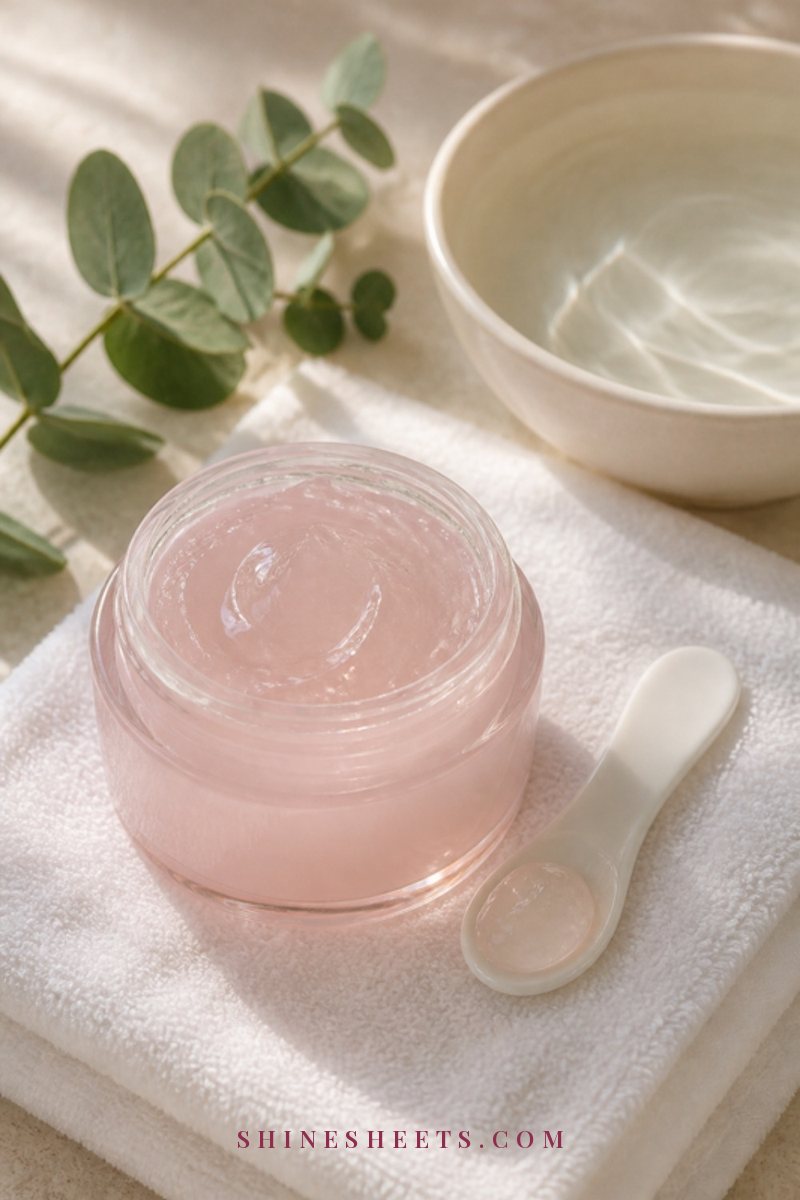
A sleeping mask (also called an overnight mask or sleeping pack, a K-beauty favorite) is a leave-on treatment you apply as the very last step of your routine. Unlike a wash-off mask, you sleep in it and rinse in the morning.
Textures range from light, bouncy gels to thick balms. What they have in common is that they create a gentle seal on top of your skin, helping your serums and moisturizer stay where you put them. Think of it as a soft, breathable lid on your routine.
Some sleeping masks are mainly hydrating, others are soothing, and a few contain mild exfoliating acids (worth checking before you layer them with other actives). A best-selling overnight water sleeping mask in a gel texture is a lovely first pick, since it works for most skin types and doesn't feel heavy.
Sleeping Mask vs Night Cream at a Glance
Here's the whole difference in one place. Screenshot it for the next time you're standing in a skincare aisle wondering which jar does what.
| Night cream | Sleeping mask | |
|---|---|---|
| Texture | Lotion to rich cream | Light gel to thick balm |
| Main purpose | Moisturize and nourish | Seal in hydration as a final layer |
| Place in routine | After serums | The very last step |
| How often | Most nights | 2–3 nights a week, or nightly for dry skin in winter |
| Can replace the other? | Yes, for oily or balanced skin | Sometimes, if it's a moisturizing gel mask |
| Best for | Everyday barrier support for every skin type | Dry, dehydrated, tight or winter skin, or a boost before an event |
| Watch out for | Too rich for oily skin | Too occlusive on breakout-prone areas |
In short: the night cream feeds, the sleeping mask seals. On dry nights, you can use both. On ordinary nights, one is usually enough.
Which One Your Skin Type Needs
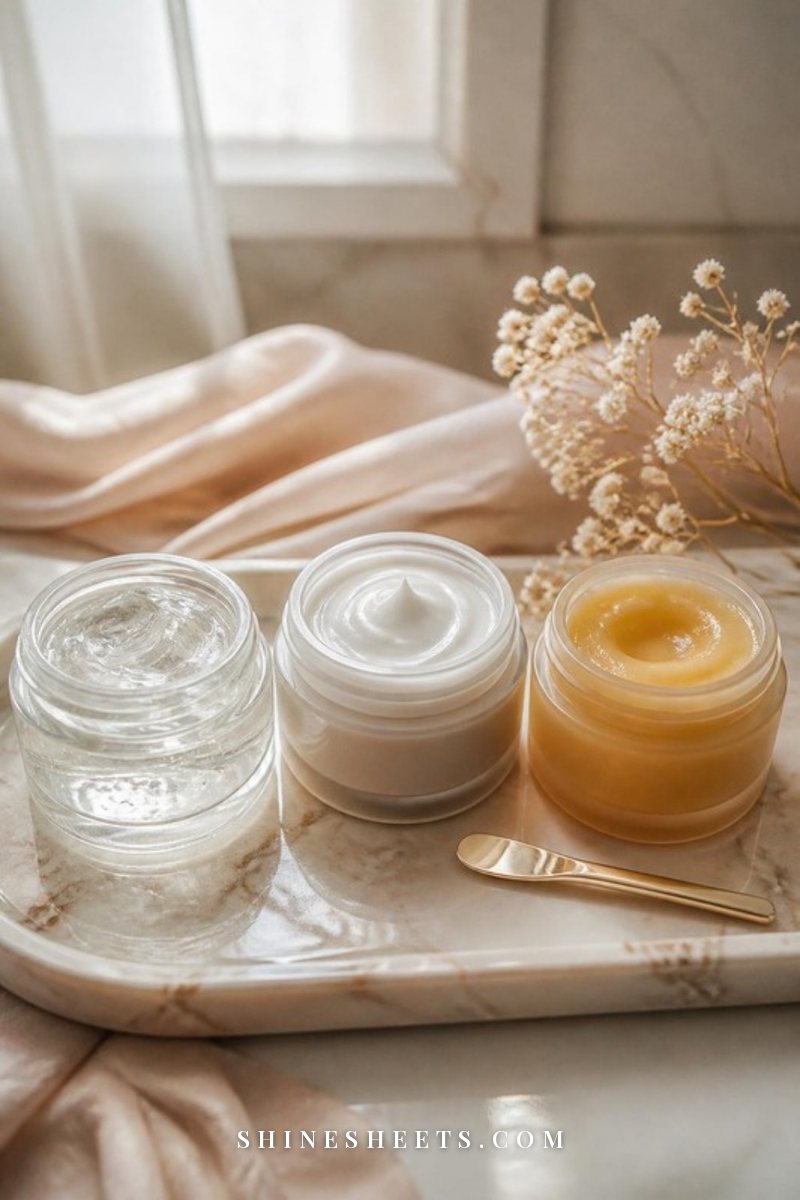
Not sure what your skin type is? A simple skin type test takes one evening and one morning. Then use these as starting points, not strict rules.
Dry Skin
You're the person who benefits most from using both. A rich night cream every night, then a sleeping mask on top two or three times a week, or nightly in winter. If your skin still feels tight by morning, a balm-texture mask is often more comforting than a gel.
Oily Skin
Choose one, not both. A light gel night cream or a gel sleeping mask on its own is usually plenty. Skip thick balms on your face, especially on your forehead and nose, and see how your skin feels after two weeks before adding more.
Combination Skin
Zone it. A light night cream all over, then a thin layer of sleeping mask only on the drier areas, often cheeks and around the mouth. This is exactly what works for my own combination skin: my T-zone stays calmer, and my cheeks stop feeling papery in cold weather.
Sensitive Skin
Fewer ingredients, less fragrance. A soothing, fragrance-free night cream is your base. If you add a mask, choose a simple hydrating one without exfoliating acids or strong essential oils, and introduce it on its own for a week before anything else changes.
Dehydrated Skin
Dehydrated skin lacks water rather than oil, and can happen to any skin type. A hydrating serum, then a lighter night cream, then a gel sleeping mask often works beautifully, because the mask helps hold that water in overnight.
Mature Skin
Skin that's lost some of its natural oil often loves a richer night cream with ceramides and peptides, plus a cushiony sleeping mask a few nights a week. Pay extra attention to the neck and the skin around the mouth, which tend to feel driest first.
How To Choose a Good Night Cream or Sleeping Mask
You don't need the most expensive jar on the shelf. You need a formula that matches your skin and that you'll actually use. Here's what I'd look for in each.
In a Night Cream
- Barrier-friendly ingredients near the top of the list: ceramides, glycerin, squalane, cholesterol or fatty acids.
- The right weight for your skin. Lotion or gel-cream for oily skin, a cream for combination, a rich cream for dry.
- Fragrance-free or very lightly scented if your skin is sensitive or reactive.
- Hygienic packaging. Tubes and pumps keep the formula cleaner, but a jar is fine if you use a little spatula instead of your fingers.
- A short, simple formula if you already use strong actives in your serum step.
In a Sleeping Mask
- Hydrators like hyaluronic acid, glycerin or panthenol for a plump, dewy feel.
- A light occlusive layer such as squalane, dimethicone or a small amount of plant butter to hold everything in.
- A texture that matches the season. A bouncy gel for warmer months or oily skin, a balm for cold, dry nights.
- No exfoliating acids if you want a mask you can pair with retinol or use often. Save acid masks for separate nights.
- Gentle soothing extras like centella or allantoin if your skin gets red easily.
Read the label for the order of use, too. A few products sold as "sleeping masks" are really rich moisturizers meant to be used alone, and a few are exfoliating treatments meant to be used only once or twice a week.
How To Layer Them
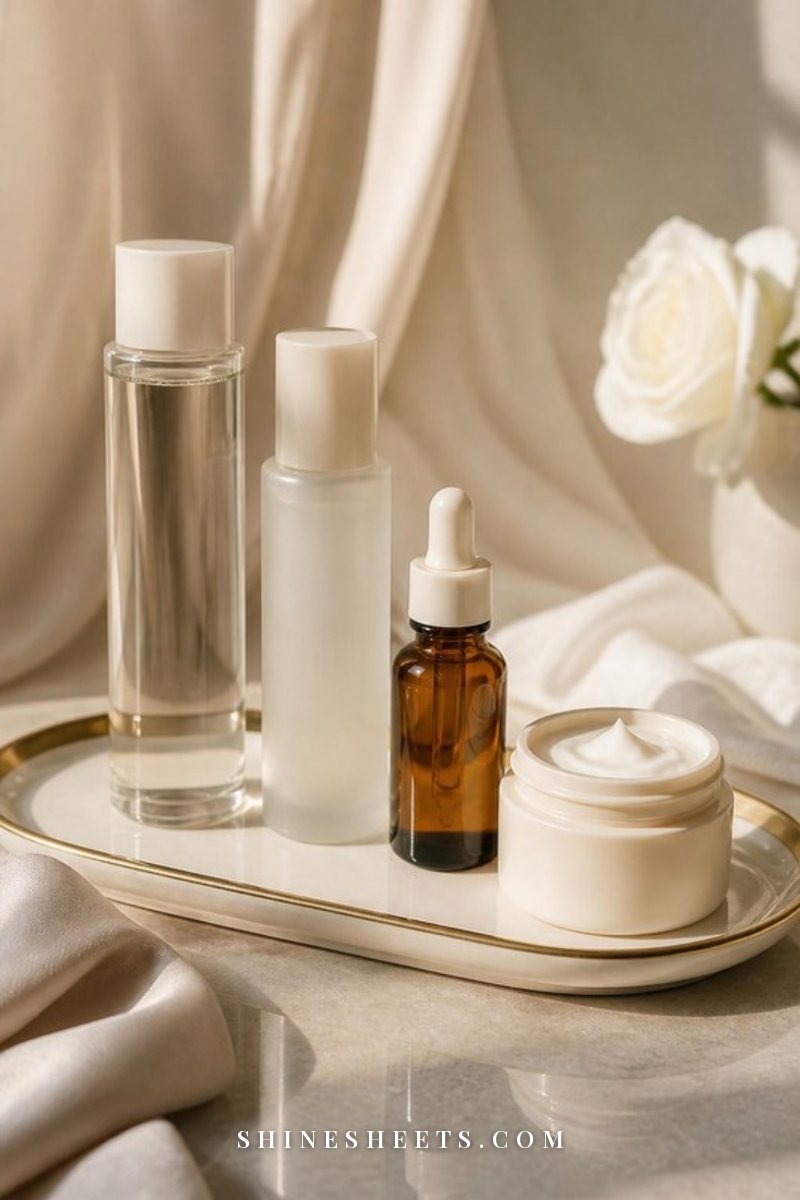
The basic rule is thin to thick, and the sleeping mask always goes last. A simple evening order looks like this:
- Cleanse. Gently, with lukewarm water. Pat dry, leaving skin slightly damp.
- Toner or essence (optional). A few drops pressed in with your palms.
- Serum. Hydrating, soothing or your active of the night. Give it about a minute to settle.
- Eye cream (optional). Tap gently around the orbital bone.
- Night cream. A pea-to-almond-size amount, warmed between your fingertips and pressed in.
- Sleeping mask. On mask nights, a thin, even layer over the night cream, or only on drier areas. Wait 10–15 minutes before your head touches the pillow.
That wait matters more than you'd think. It gives the layers time to settle so more of the product stays on your skin and less ends up on your pillowcase. It's a good moment to brush your teeth, read a few pages or make a cup of evening tea.
If you like the idea of sealing everything in, my guide to slugging explains the even richer version of this step, and who it suits (and who should skip it).
How Often To Use a Sleeping Mask
A good default is two to three nights a week. From there, adjust:
- Nightly in winter if your skin is dry, or during dry, heated indoor months.
- Once a week if your skin is oily or you're simply giving it a boost.
- The night before an event for a plumper, smoother look in the morning.
- After a long flight or a day outdoors in the cold or wind.
- Pause it if you notice new bumps or clogged pores, then reintroduce it less often.
If you'd like to build a full cold-weather plan around this, my winter skincare routine shows where a sleeping mask fits through the coldest months.
A Simple Week That Works for Most Skin
If you like a plan, here's an easy rhythm to start with and adjust as you go:
- Monday: cleanse, hydrating serum, night cream.
- Tuesday: cleanse, active serum (like retinol), night cream.
- Wednesday: cleanse, hydrating serum, night cream, sleeping mask.
- Thursday: cleanse, active serum, night cream.
- Friday: cleanse, hydrating serum, night cream.
- Saturday: cleanse, hydrating serum, night cream, sleeping mask.
- Sunday: cleanse, night cream, sleeping mask, plus an early night if you can manage it.
Notice that the mask nights fall on the gentle, active-free evenings. That keeps your skin comfortable and gives the mask a clear job: comfort and recovery.
Using Them on Retinol Nights
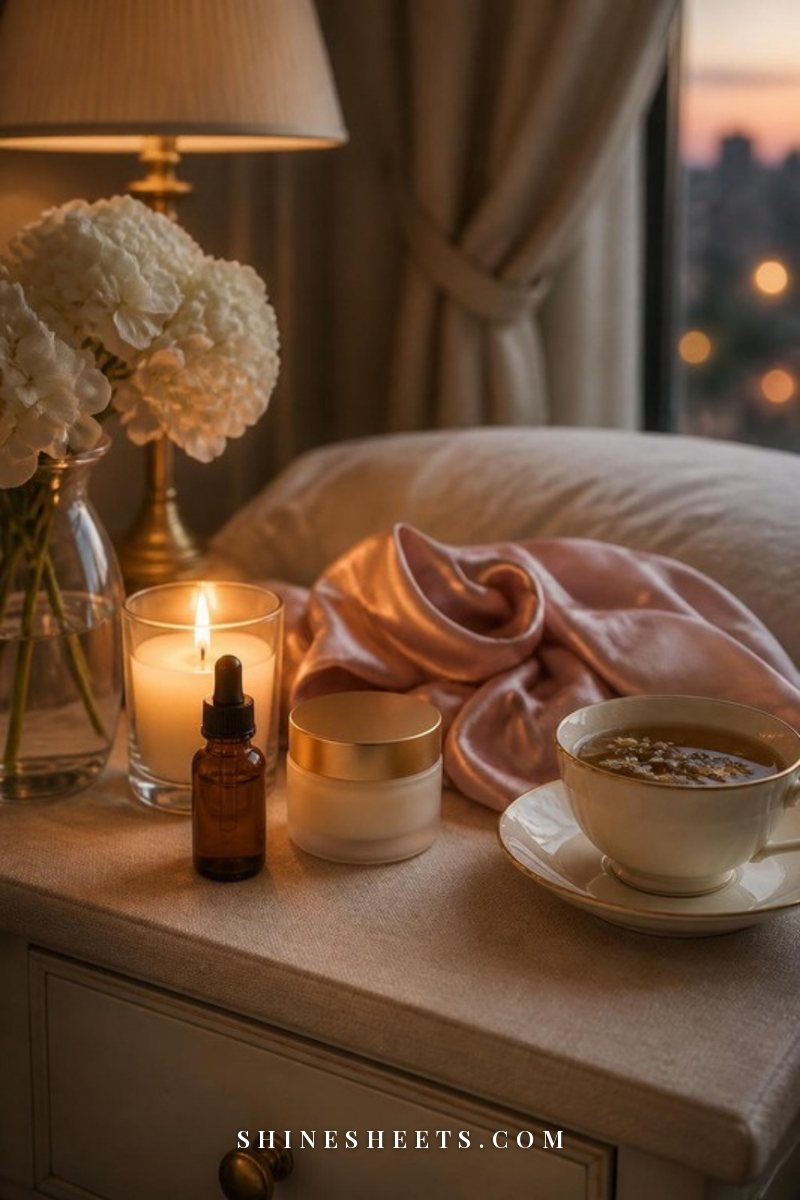
Retinol and sleeping masks can absolutely share a night, as long as the mask is a simple, hydrating one. A few gentle rules:
- Retinol goes on first, on clean, dry skin, then night cream, then a hydrating mask on top if your skin feels dry.
- Avoid masks with exfoliating acids (AHA, BHA, PHA) on the same night as retinol. Doubling up can leave skin red and irritated.
- Try the "sandwich" method if retinol stings: a thin layer of night cream, then retinol, then night cream again.
- Use the mask on recovery nights if you follow a skin-cycling rhythm, when you're giving your skin a break from actives.
If you're new to it, my guide to retinol for beginners walks through how to start slowly so your skin stays comfortable.
Pillowcase and Hair Tips
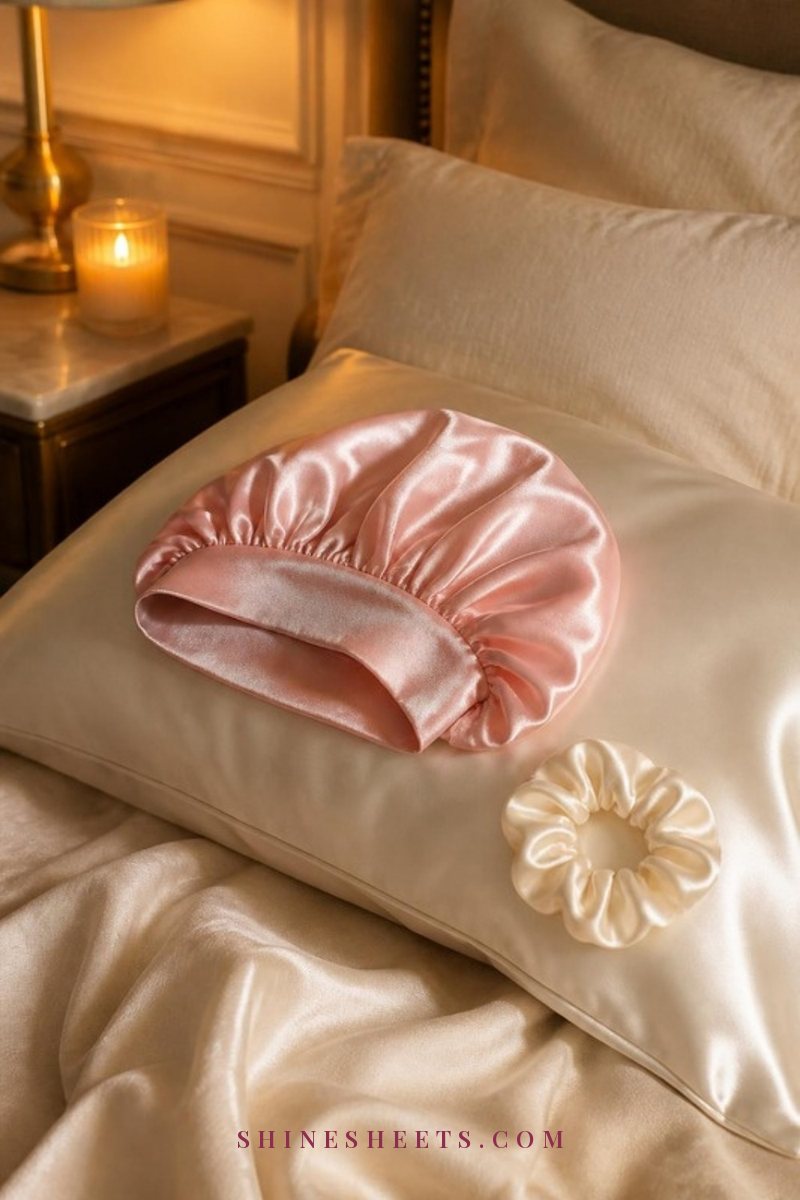
A sleeping mask that ends up on your pillow isn't doing much for your face. A few small habits help it stay put:
- Wait before lying down. Those 10–15 minutes make a real difference.
- Use a smooth pillowcase. A mulberry silk pillowcase absorbs less product than cotton and feels gentle on skin and hair. I'd pick a soft ivory, cream or blush shade.
- Tie your hair back. Hair sweeping across your face moves product around and can carry oils onto your skin. A couple of soft satin scrunchies hold it loosely without creasing.
- Change pillowcases often. Two or three times a week if you use rich masks or are breakout-prone.
- Sleep on your back if you can. Not essential, but it keeps the mask where you put it.
Common Mistakes
These are the little missteps that make people decide sleeping masks or night creams "don't work for them":
- Using a thick balm mask on oily skin. If you're breakout-prone, start with a gel texture and only on dry areas.
- Applying too much. A thin, even layer works better than a thick coat. More product often just ends up on the pillow.
- Layering too many actives. Retinol, acids, vitamin C and an exfoliating mask in one night is a recipe for irritation.
- Putting the mask on before the cream. The mask seals. Anything applied on top of it struggles to sink in.
- Skipping the morning cleanse. Rinse or gently cleanse in the morning so leftover product doesn't build up.
- Expecting a miracle. Sleeping masks make skin look softer and plumper by morning, but they won't erase wrinkles or change your skin overnight.
Don't Forget a Lip Sleeping Mask
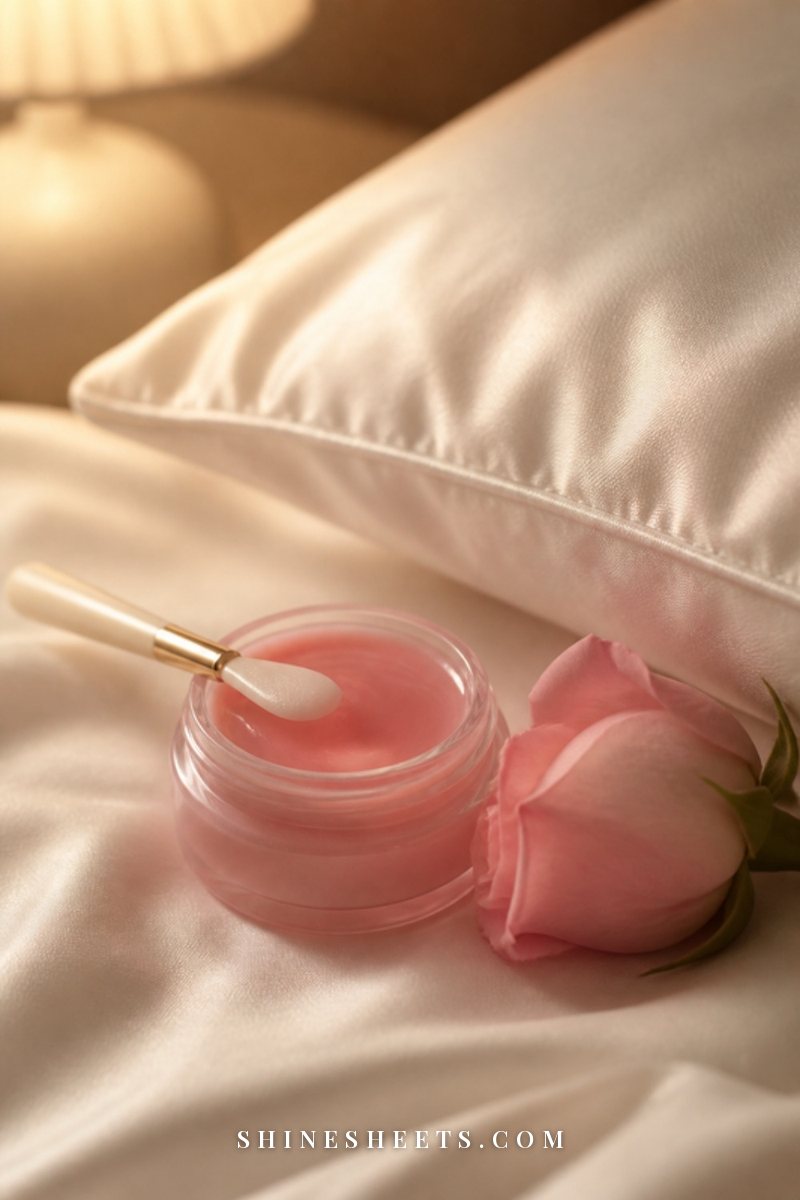
Your lips have very thin skin and almost no oil glands of their own, which is why they're often the first place to feel dry. A lip sleeping mask is a rich, balmy treatment you apply at bedtime and wake up to softer lips.
A best-selling lip sleeping mask is a sweet little upgrade to your routine: apply a generous layer as the last step after your face mask, and gently wipe away any leftover in the morning. If your lips get very chapped in winter, my guide to winter lip care has more tips.
Patch Test and When To See a Dermatologist
Any new night cream or sleeping mask, especially one with fragrance or actives, deserves a patch test. Apply a small amount to your jawline or behind your ear for a few nights before using it on your whole face. If you notice itching, burning, redness or bumps, stop using it.
And if your skin stays very dry, flaky, itchy or irritated despite a gentle routine, or you're dealing with persistent breakouts or redness, please see a dermatologist. They can look at what's really going on and recommend the right treatment, which no jar can replace.
Sleeping Mask vs Night Cream FAQs
Can you use a sleeping mask instead of a night cream?
Sometimes. If your skin is oily or balanced and the mask is a moisturizing gel, it can replace your night cream. Dry skin usually prefers both.
Can you use a sleeping mask every night?
Yes, if it's a gentle hydrating formula and your skin likes it. Many people with dry skin use one nightly in winter. Cut back if you notice clogged pores.
Do sleeping masks clog pores?
Rich, occlusive ones can for some people. If you're breakout-prone, choose a gel texture, apply a thin layer and keep it off areas where you tend to break out.
Should I wash my face in the morning after a sleeping mask?
Yes. A rinse with lukewarm water or a gentle cleanse is enough, then continue with your morning routine and sunscreen.
Is a sleeping mask the same as slugging?
They're cousins. Slugging uses a thin layer of a petrolatum-based ointment as the final step, which is more occlusive than most sleeping masks. A sleeping mask is usually lighter and often contains hydrating or soothing ingredients too.
Can you use a sleeping mask under your eyes?
Many gentle masks are fine around the eye area, but keep a little distance from the lash line so nothing migrates into your eyes overnight. If the area feels puffy in the morning, use less or switch to a dedicated eye cream there.
How long does a jar of sleeping mask last?
With two or three uses a week, a standard jar usually lasts a couple of months. Check the little open-jar symbol on the packaging, and replace it if the smell, color or texture changes.
Final Thoughts
A night cream is your everyday comfort, and a sleeping mask is the extra layer of care on nights your skin asks for it. You don't need both every night, and you certainly don't need a crowded shelf.
Start with one, notice how your skin feels in the morning, and let your routine grow slowly from there. Soft, comfortable skin is built one calm evening at a time.