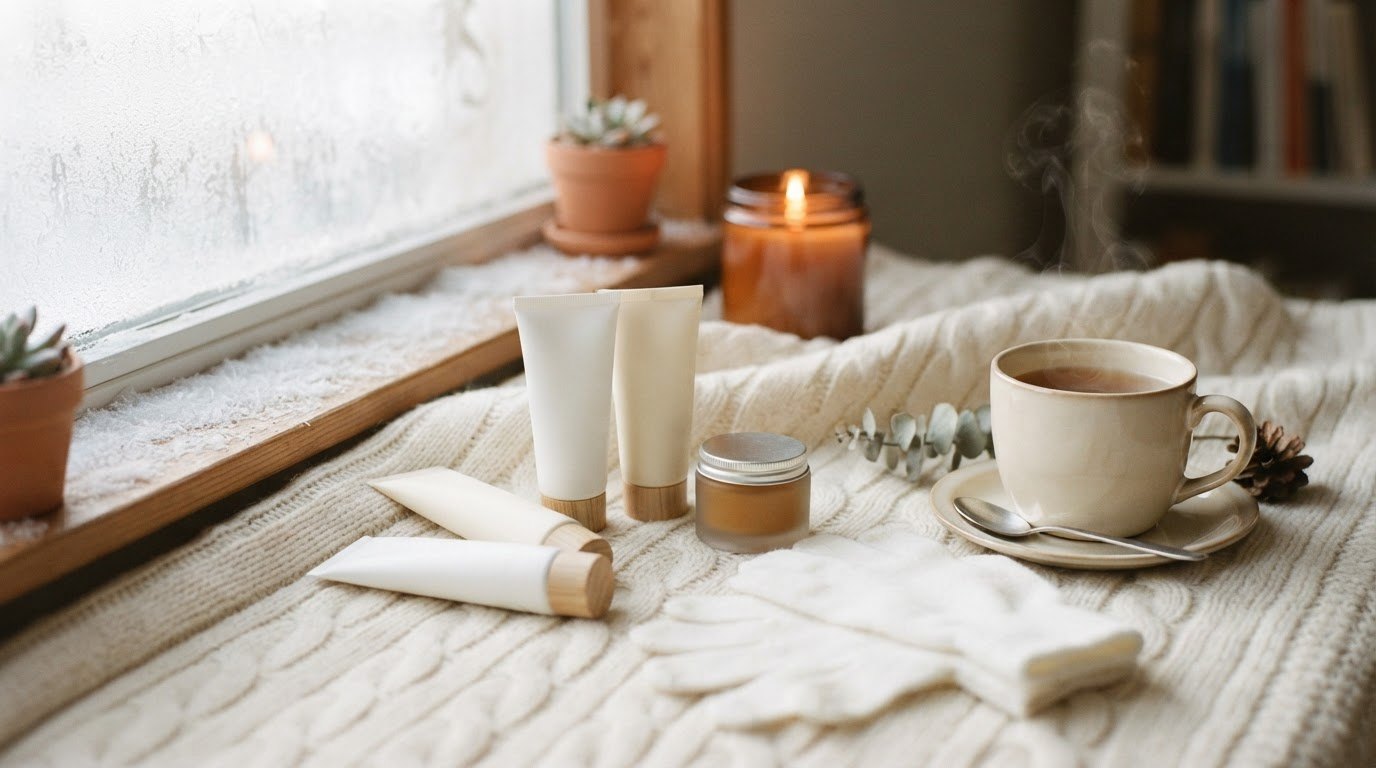
Every winter there's one particular morning when I catch my reflection in a shop window and realize my lips have quietly given up. They're tight, a little flaky at the center, and there's a tiny sore crack in the corner that stings every time I smile at the barista. I'd been reapplying balm all day, which made it even more confusing. How could lips that were constantly coated in something still feel like paper?
It took me a few cold seasons (and a lot of half-used tubes rolling around in coat pockets) to understand that winter lips don't need more product. They need the right product at the right time, a couple of habits gently broken, and a little patience while the skin repairs itself. Lips are thinner than the rest of your face, they have no oil glands of their own, and they sit right in the path of cold wind and dry indoor heat. They're simply outnumbered in winter.
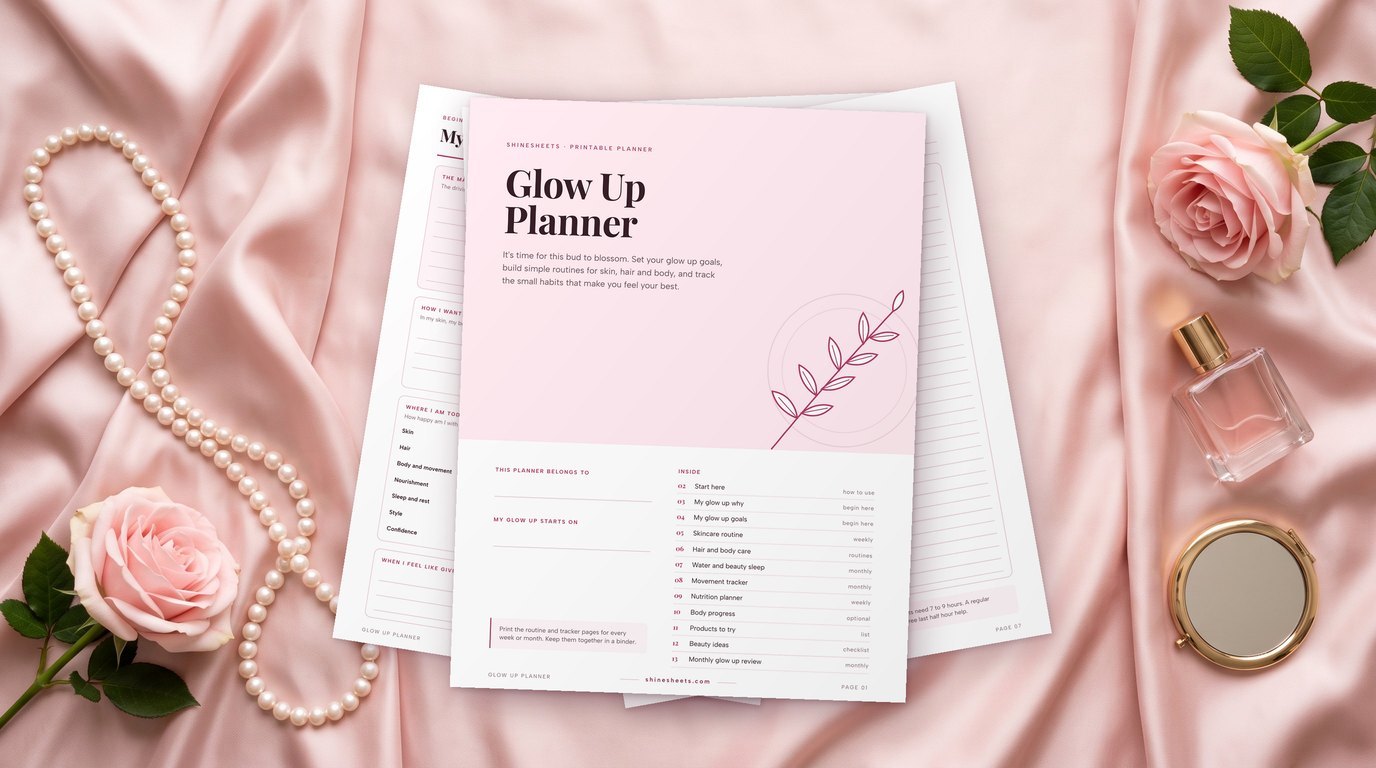
So this is my calm, practical guide to winter lip care. You'll find why lips get so dry when it's cold, a simple day and night lip routine card you can screenshot, ten habits that actually make a difference, a "why are my lips still dry?" troubleshooting table, and a gentle note on when it's time to see a doctor instead of buying another balm.
Grab your warmest mug of tea and let's get your lips feeling soft again.
Why Your Lips Get So Dry in Winter
The skin on your lips is very different from the skin on your cheeks. It's thinner, it has far fewer layers of protective outer cells, and it doesn't make its own oil. That means it loses water quickly and has almost nothing to slow that loss down. In summer, humid air hides this weakness. In winter, everything conspires against it:
- Cold, dry outdoor air. Low humidity pulls moisture out of exposed skin, and lips are about as exposed as it gets.
- Wind. A windy walk strips the thin moisture layer on your lips in minutes, which is why they often feel worst after being outside.
- Indoor heating. Radiators and forced-air heat dry out the air inside, so your lips never get a break, even at home.
- Winter sun. UV doesn't go on holiday in December, and snow reflects it back up toward your face. Sun-stressed lips are drier and slower to heal.
- Less water, more hot drinks. Many of us drink less plain water when it's cold and reach for coffee and tea instead.
- Licking your lips. The most tempting habit of all. Saliva feels soothing for a second, then evaporates and takes even more moisture with it.
None of this means you're doing anything wrong. It just means your lips need a slightly different plan from October to March than they do in July.
Signs Your Lips Need More Than a Quick Swipe of Balm
A little dryness on a windy day is normal. But if any of these sound familiar, it's worth switching to a proper routine rather than just reapplying whatever is in your pocket:
- Your lips feel tight within half an hour of applying balm.
- You have visible flakes that come back every morning.
- Lipstick catches on dry patches and settles into lines.
- The corners of your mouth are red, sore or cracked.
- You notice you're reapplying balm ten or more times a day.
- Your lips sting when you eat something salty or acidic.
That last one surprised me the first time I noticed it. Stinging usually means the lip barrier is damaged, so ingredients that are normally fine suddenly feel harsh. The good news is that a barrier can be rebuilt, usually within a week or two of consistent, gentle care.
What To Look For in a Winter Lip Balm
Not all balms are created equal, and some of the prettiest ones are the least helpful when your lips are already struggling. Here's the simple way I think about it. A good winter lip product does one or more of three jobs:
- It seals moisture in. These are occlusive ingredients like petrolatum, shea butter, beeswax, lanolin or plant waxes. They form a protective layer so water can't escape as fast.
- It softens and smooths. Emollients such as squalane, ceramides, jojoba oil or plant butters fill in the rough spots so lips feel supple.
- It draws in water. Humectants like glycerin and hyaluronic acid attract moisture, but they work best underneath something occlusive. On their own, in very dry air, they can actually leave lips feeling tighter.
And here's what I'd gently avoid while your lips are cracked or sore: menthol, camphor, peppermint and cinnamon "tingle" ingredients, strong fragrance and flavor, and anything that promises a plumping sting. That cooling tingle feels like it's working, but on damaged lips it's usually just irritation. I'd save the minty balms for spring.
For daytime, look for an unscented balm with sunscreen built in. A broad-spectrum SPF 30 lip balm is one of the easiest winter upgrades you can make, especially if you walk outside a lot or live somewhere with snow.
Your Day and Night Winter Lip Routine Card
This is the heart of the guide. Two tiny routines, under two minutes each. Screenshot it and keep it on your phone, or copy it into your planner until it becomes automatic.
| When | Step | What to do | Why it helps |
|---|---|---|---|
| Morning | 1. Hydrate | Rinse your face, then leave a little dampness on your lips or press on a drop of hydrating serum. | Gives the balm something to lock in. |
| Morning | 2. Protect | Apply an unscented SPF lip balm in a thin, even layer. | Shields from wind and winter UV. |
| Morning | 3. Color (optional) | Tinted balm, lip oil or a creamy lipstick on top. | Adds color without drying. |
| Daytime | 4. Reapply | Reapply SPF balm every 2 to 3 hours and before going outside. | Keeps the protective layer intact. |
| Evening | 5. Cleanse gently | Remove lipstick with a balm or oil cleanser, then rinse. No scrubbing. | Clears pigment without stripping. |
| Evening | 6. Soften (2x a week) | Only if flaky: gentle scrub or a damp washcloth, light circles, 20 seconds. | Lifts loose flakes so balm can sink in. |
| Night | 7. Mask | A thick layer of lip sleeping mask or ointment as the very last step before bed. | Repairs overnight while you sleep. |
The night step is the one that changes everything. Your lips do their best repair work while you sleep, and you're not talking, eating or drinking for eight hours, so a thick layer has time to actually stay put.
10 Winter Lip Care Habits That Actually Work
You don't need all ten. Pick the three that feel easiest this week and the rest will follow. Even one of them can make a noticeable difference within a few days.
1. Make the Night Mask Non-Negotiable
If you only do one thing from this guide, do this. Right before bed, after your face routine, apply a generous layer of a rich lip treatment. Not a thin swipe, a proper layer, as if you were frosting a tiny cake.
A Korean-style lip sleeping mask is a lovely pick for this, because it's designed to be thick, melty and long-lasting. Look for one with shea butter, a blend of waxes and a soft, not-too-sweet scent. If your lips are very sensitive, an unscented ointment works just as well.
2. Stop Licking Your Lips (Kindly)
Lip licking is almost always unconscious, and it's one of the biggest reasons lips stay dry no matter how much balm you use. Saliva contains digestive enzymes, and when it evaporates it leaves lips drier than before. That creates a little loop: dry lips, lick, drier lips, lick again.
The kindest way to break it is to replace it. Keep a balm within reach everywhere you spend time: one by the bed, one at your desk, one in each coat pocket. When you notice the urge to lick, swipe instead. Within a week or two, the habit usually loosens its grip.
3. Exfoliate Less Than You Think
Flakes make us want to scrub, and I understand the satisfaction. But harsh scrubbing on lips that are already raw just creates fresh damage, and the flakes come back thicker.
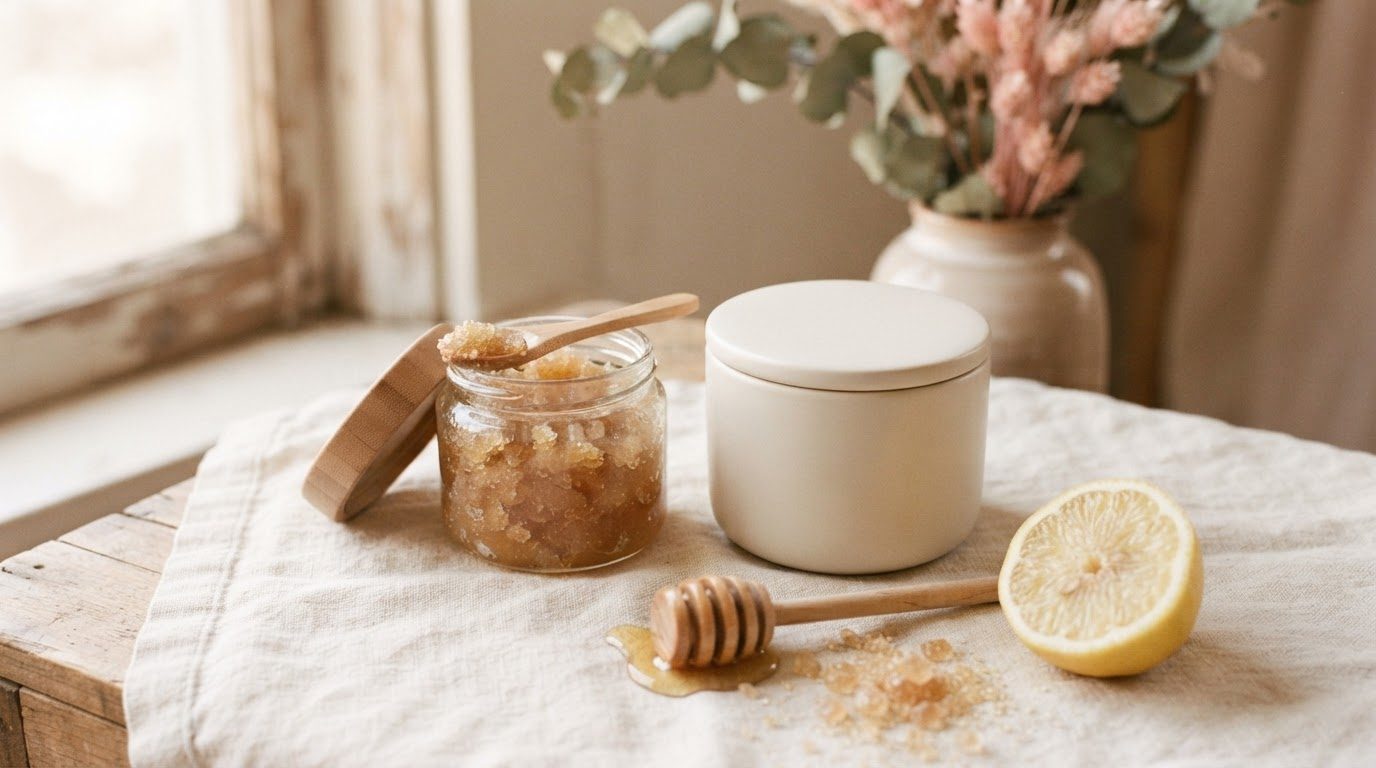
Instead, soften first, then lift. After a warm shower, when the flakes are soft, gently rub your lips with a damp washcloth or a gentle sugar lip scrub in small circles for about twenty seconds. Rinse, then immediately apply balm. Twice a week is plenty, and skip it completely if your lips are cracked or bleeding. If you're curious about the scrub question in more depth, I've compared store-bought and homemade lip scrubs in a separate post.
4. Apply Balm on Slightly Damp Lips
Occlusive balms are wonderful at sealing moisture in, but they can only seal what's already there. So instead of applying balm to bone-dry lips, apply it right after washing your face, brushing your teeth or sipping water, while your lips are still a tiny bit damp.
It sounds like a small thing, and it is. It's also the reason some people swear one balm works and others say the same balm does nothing.
5. Protect Before You Go Outside
Think of lip balm like gloves: you put them on before you step into the cold, not after your hands are already red. Apply your SPF balm about five minutes before heading out, so it has time to settle into a smooth layer.
On very windy days, a soft scarf pulled up over your mouth for the coldest part of your walk does more than any product. It's an old-fashioned trick, and it works beautifully.
6. Add Moisture Back to the Air
If you wake up with tight, dry lips no matter what you put on them at night, the air in your bedroom might be the culprit. Heated indoor air in winter can be surprisingly dry.
A small cool-mist humidifier on your nightstand can make a real difference for lips, skin and even a scratchy throat. Clean it as the manufacturer recommends (usually every few days) and use distilled water if your tap water leaves white dust. Aim for comfortable, not steamy.
7. Drink Water Between the Warm Drinks
Water alone won't fix dry lips, because lips lose most of their moisture to the air, not from the inside. But being under-hydrated certainly doesn't help. A simple rule I like: one glass of water for every cup of coffee or tea.
If plain water feels like a chore in winter, room-temperature water with a slice of lemon or a cup of warm water in the afternoon counts too. I've gathered more easy ideas in my guide on how to drink more water without forcing it.
8. Choose Lipsticks That Love Winter
Long-wear matte lipsticks and liquid lipsticks are made to stay put, which usually means they contain ingredients that set and dry down. On healthy lips in summer they can be fine. On winter lips they often emphasize every flake.
From November to February, I'd lean toward creamy lipsticks, tinted balms and lip oils. A sheer pink tinted lip oil gives you a pretty wash of color with a cushiony feel, and you can wear it over your SPF balm. If you love a matte look, prep with balm ten minutes beforehand, blot, then apply and keep the matte layer thin.
9. Check Your Toothpaste and Your Balm's Ingredients
Sometimes the problem isn't the weather. Some people find that certain toothpaste flavorings (especially strong cinnamon or mint), fragrance in lip products, or even an ingredient they've used for years starts to irritate their lips.
If your lips stay dry and sore despite a good routine, try a two-week "boring" experiment: unscented balm, unscented ointment at night, no flavored lip products, and a milder toothpaste if you can find one. If things calm down, slowly reintroduce one product at a time to find the trigger.
10. Treat Your Lips Like Part of Your Skincare
We give our faces cleansers, serums and moisturizers, then forget the lips entirely. When you apply a hydrating serum, tap a little extra onto your lips. When you put on face cream at night, smooth some over the lip line, where fine dry lines love to appear. Then seal everything with balm.
It's a tiny shift in mindset, and it fits naturally into a full winter skincare routine. Lips are skin, too. They just need a thicker coat.
"Why Are My Lips Still Dry?" Troubleshooting Table
If you've been doing everything right and your lips still feel like sandpaper, this table might help you find the missing piece. Find your situation on the left, then try the fix for at least a week before deciding it doesn't work.
| What's happening | Likely reason | What to try instead |
|---|---|---|
| Lips feel dry again 20 minutes after balm | Licking, or a balm that's mostly humectant | Swap to an occlusive balm (petrolatum, shea, waxes) and replace licking with reapplying. |
| Lipstick looks flaky and patchy | Long-wear matte formula drying the lips | Creamy lipstick, tinted balm or lip oil; prep with balm 10 minutes before. |
| You wake up with tight, dry lips | Dry bedroom air, mouth breathing, thin night layer | Thicker night mask, humidifier, check if a stuffy nose makes you breathe through your mouth. |
| Lips tingle or sting after balm | Menthol, camphor, peppermint or fragrance on a damaged barrier | Unscented ointment for two weeks, then reintroduce flavored balms slowly. |
| Flakes come back thicker after scrubbing | Over-exfoliating | Scrub no more than twice a week, gently, only when lips aren't cracked. |
| Lips burn after being outside | Wind and winter sun | SPF lip balm before going out, reapplied every 2 to 3 hours, plus a scarf. |
| Corners of your mouth are cracked | Saliva pooling, licking, or something that needs a doctor | Thin layer of plain ointment, stop licking; see a doctor if it doesn't heal in 2 weeks. |
| Dryness spreads onto the skin around your lips | Lip licking, harsh cleanser or irritation from a product | Gentle cleanser, rich face cream around the mouth, avoid flavored lip products. |
In my experience, the first row is the answer for most people. A balm can feel lovely and still not be the right formula for winter. If yours is light, glossy and smells like candy, keep it for fun and add a plain, thick, unscented one for real protection.
A Simple Winter Lip Kit for Your Bag
You don't need a drawer full of products. Here's a small, hardworking kit that covers almost everything:
- One SPF lip balm for daytime and outdoors.
- One thick night treatment (sleeping mask or ointment) that lives on your nightstand.
- One color product that's kind to dry lips, like a tinted balm, lip oil or creamy lipstick.
- A soft washcloth or gentle scrub for twice-weekly softening.
- A plain, unscented healing ointment for emergencies like cracked corners.
For that last one, a small tube of unscented healing ointment is a pick I'd keep in every bag. It's not glamorous, but on genuinely sore lips, plain and gentle beats pretty and perfumed every time. And while you're putting a kit together, your hands are probably struggling too, so my winter hand care guide pairs nicely with this one.
Winter Lip Care Mistakes To Avoid
A few habits feel helpful but quietly make things worse. If you're doing any of these, no judgment at all, I've done every single one:
- Peeling flakes with your fingers or teeth. It almost always pulls off healthy skin too and can leave a sore spot that takes days to heal.
- Using a plumping gloss on chapped lips. The tingle comes from irritating ingredients, and damaged lips feel it more.
- Applying balm only when lips already hurt. Prevention is so much easier than repair, especially in cold weather.
- Sharing balms. Lovely in theory, but it's an easy way to pass around cold sores and bacteria.
- Keeping one old tube for years. Balms can change texture and smell over time. If yours smells off or has changed color, it's time for a fresh one.
When To See a Doctor
Most dry, chapped lips heal with gentle care in one to two weeks. But please don't keep buying balm after balm if something feels off. It's worth checking in with a doctor or dermatologist if:
- Cracks or sores don't heal within two to three weeks, even with consistent care.
- The corners of your mouth stay red, cracked or crusty (this can sometimes be a yeast or bacterial infection that needs proper treatment).
- You notice swelling, blisters, oozing or a rash after using a product, which could be an allergy.
- Your lips bleed easily or you see a patch that looks or feels different from the rest of your lip.
- Dry lips come with other symptoms, like extreme tiredness or unusual thirst.
This guide is general beauty information, not medical advice. A quick appointment can save you weeks of frustration and give you a clear answer, and you deserve that.
Final Thoughts
Winter lips aren't a sign you're doing anything wrong. They're just thin, delicate skin doing their best in cold wind and dry radiator air. Give them an SPF balm by day, a thick layer at night, a little more water and a lot less licking, and most lips feel noticeably softer within a week.
So tonight, before you turn off the light, add that last generous layer of balm. It takes ten seconds, and it's one of the sweetest small ways to take care of yourself all season long.