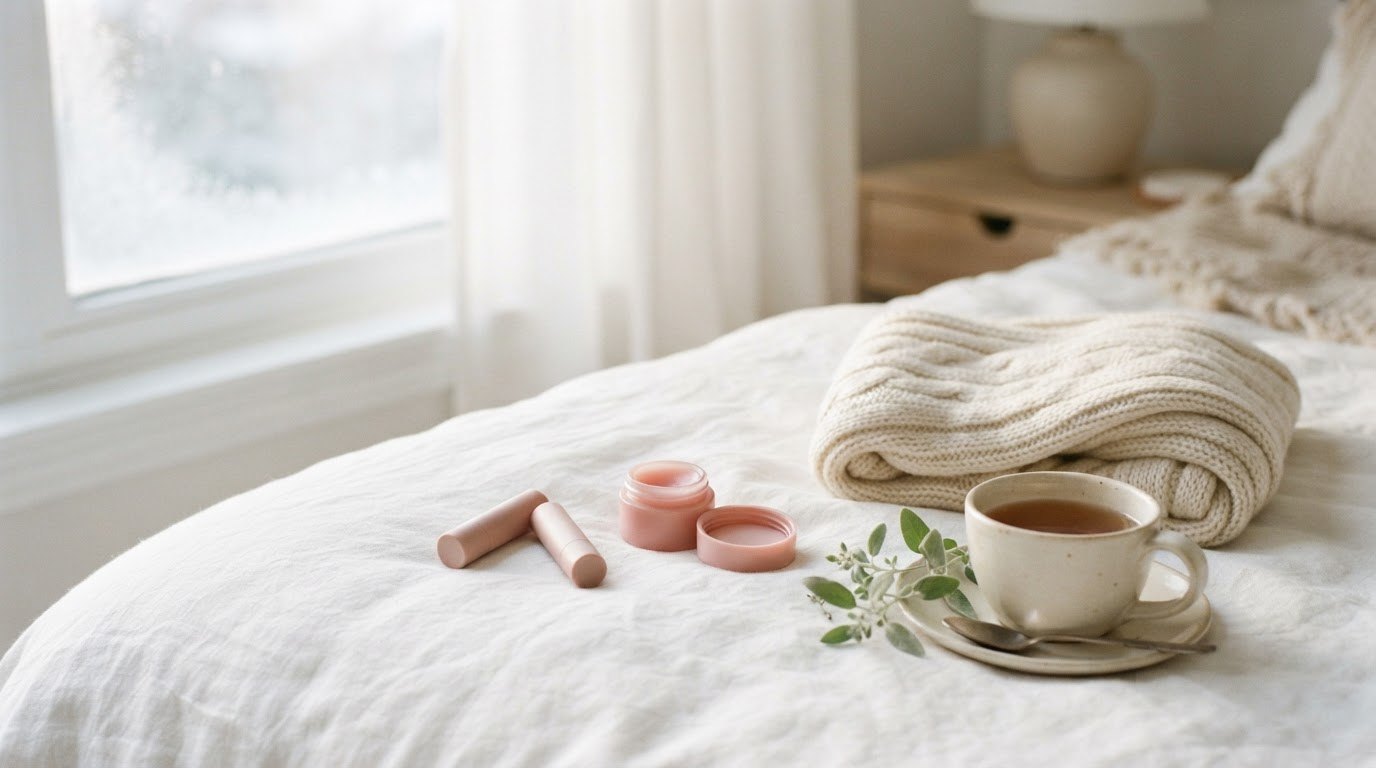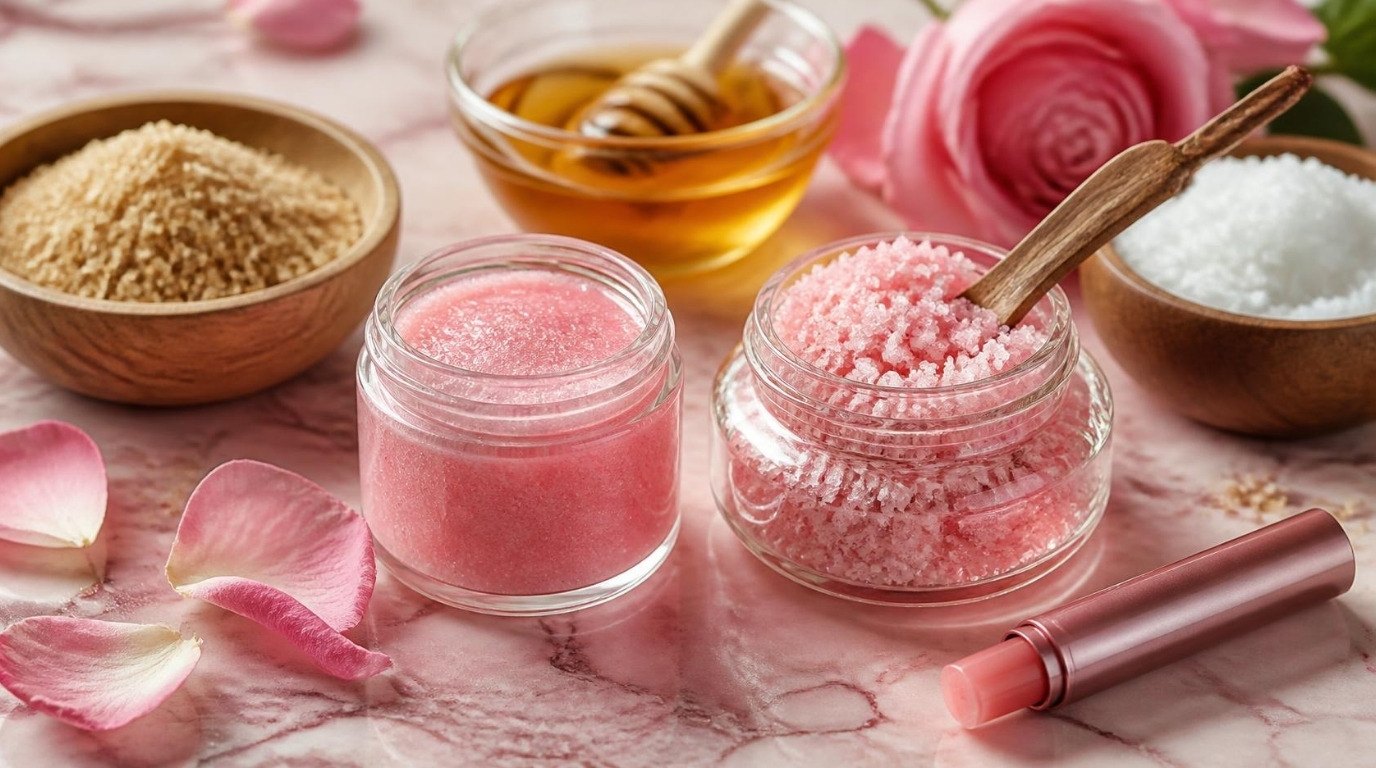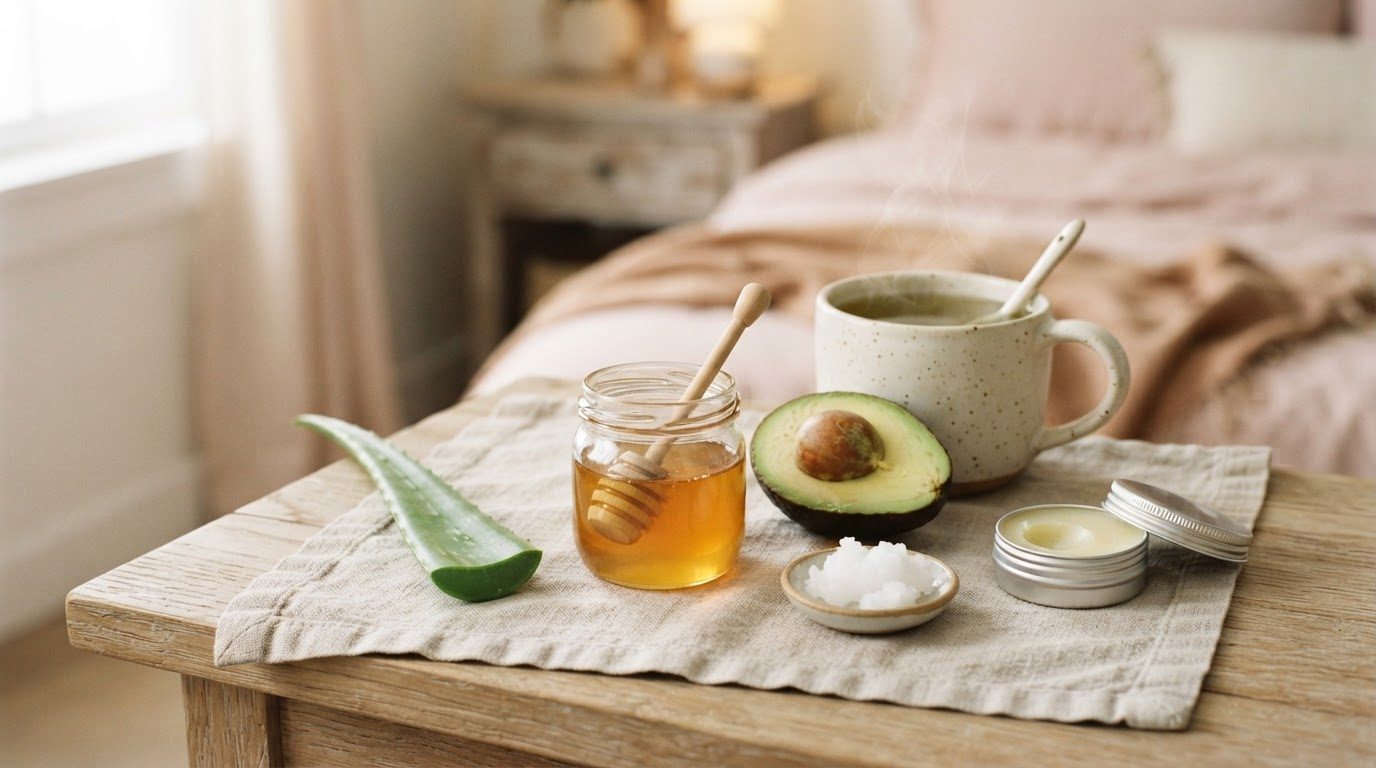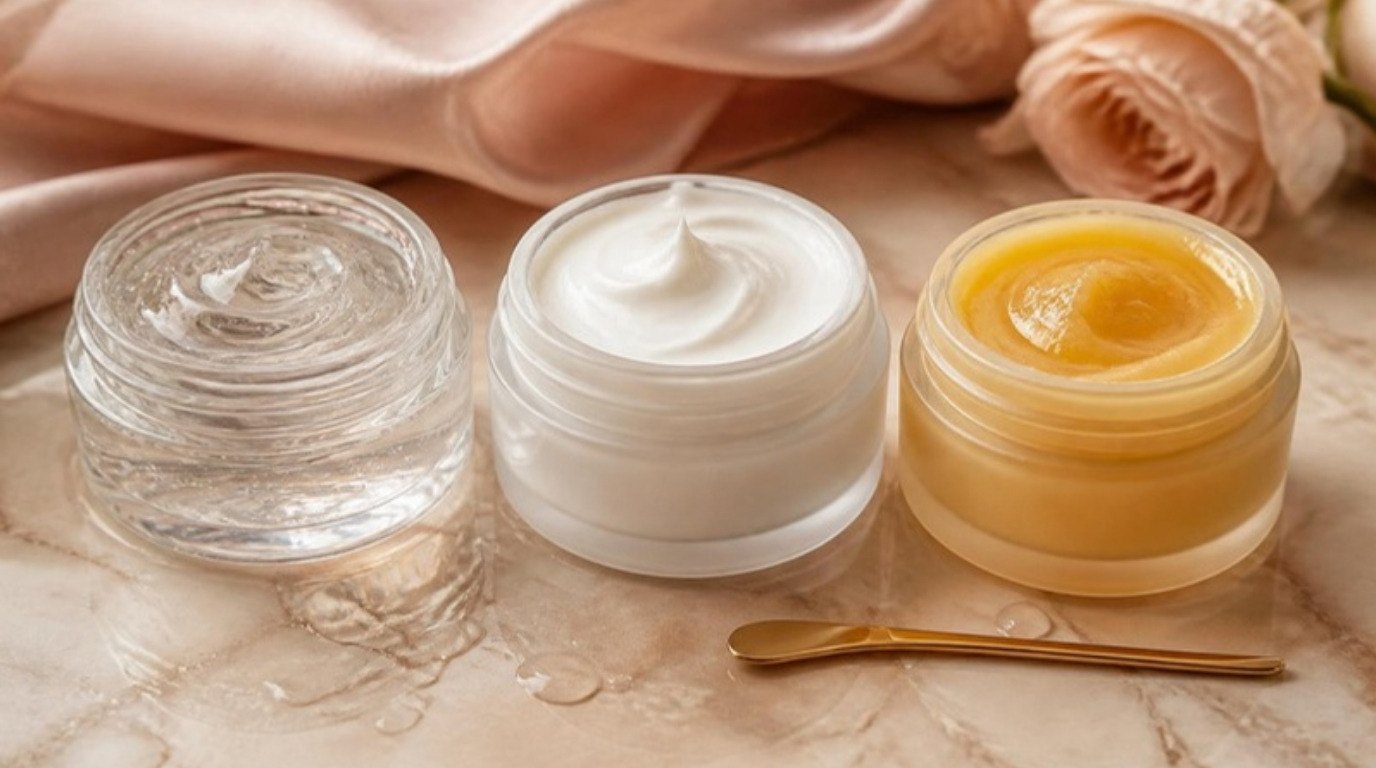
Lip oil and lip balm aren't competing for the same job. A lip balm is a protector: it forms a soft seal that keeps moisture in and cold air out. A lip oil is more of a beauty step: it adds a glossy shine and a little nourishment, but it doesn't shield your lips from wind and dry air in the same way. Once you see them that way, the question isn't which one is better. It's which one your lips need right now.
That's why so many people feel let down by one or the other. They reach for a gorgeous lip oil on a freezing day and wonder why their lips feel tight by lunch, or wear a heavy balm under lipstick and wonder why it slides. Matching the product to the moment makes all the difference.
This guide to lip oil vs lip balm explains what each one does, a side-by-side comparison table, which one to use when, a simple plan for chapped lips, why some balms seem to make lips drier, tinted options, how to layer them day and night, everyday lip care habits and when it's worth seeing a dermatologist.
What Is a Lip Balm?
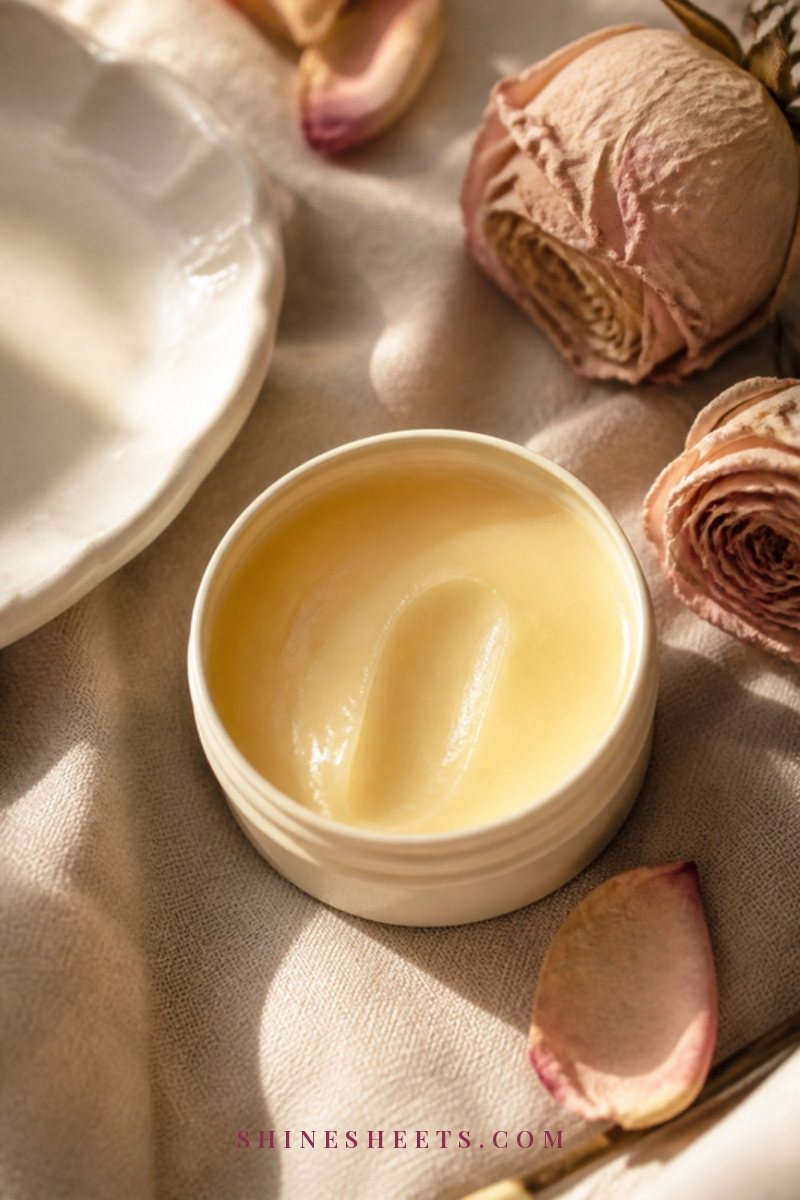
A lip balm is a protective layer for your lips. Most balms are built on occlusive ingredients, which sit on top of the skin and slow down water loss. Common ones include:
- Petrolatum, one of the most effective occlusives there is.
- Waxes like beeswax, candelilla or carnauba, which give stick balms their shape.
- Butters like shea or cocoa butter, which feel rich and soft.
- Lanolin, which is very comforting for dry lips (but not for everyone, since some people are sensitive to it).
- Helpful extras like ceramides, glycerin, squalane or panthenol.
Your lips have very thin skin and almost no oil glands of their own, so they lose moisture quickly, especially in cold, windy or heated rooms. A good balm acts like a little coat. If you deal with dry lips every winter, a simple petrolatum lip ointment is one of the most reliable picks there is: plain, unscented and very comforting.
What Is a Lip Oil?
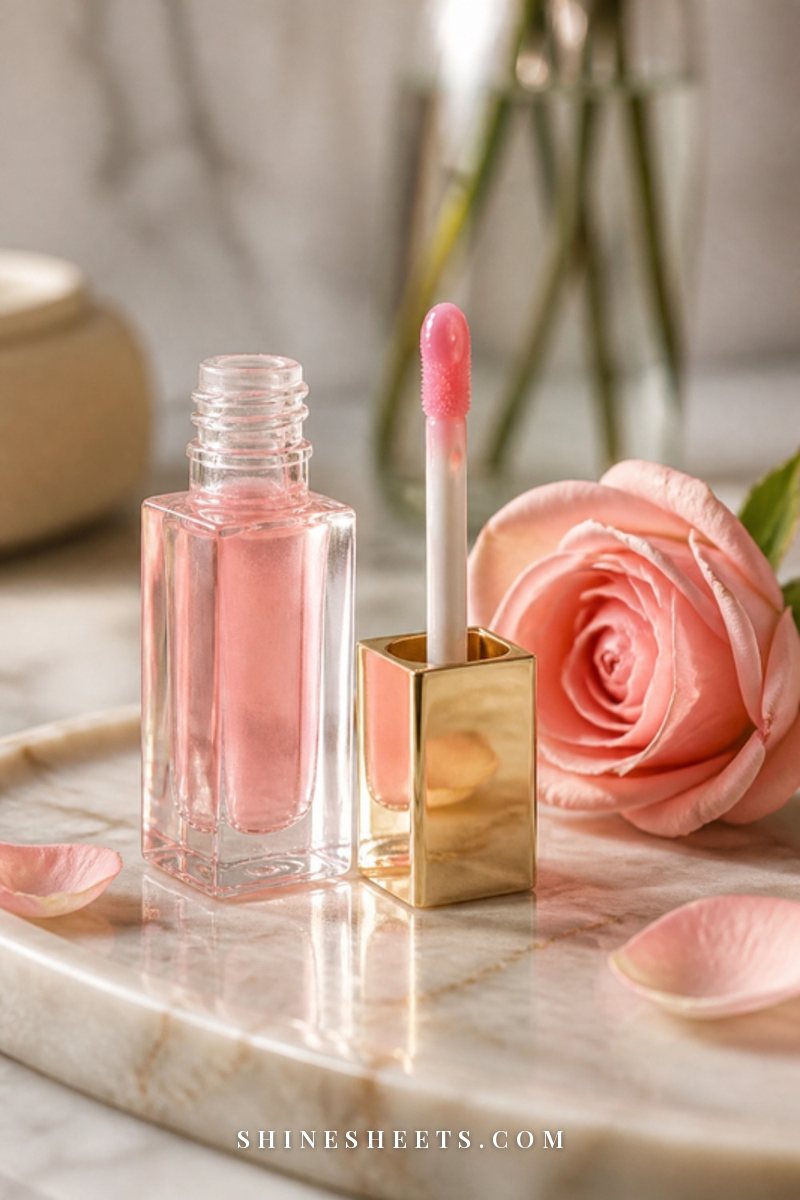
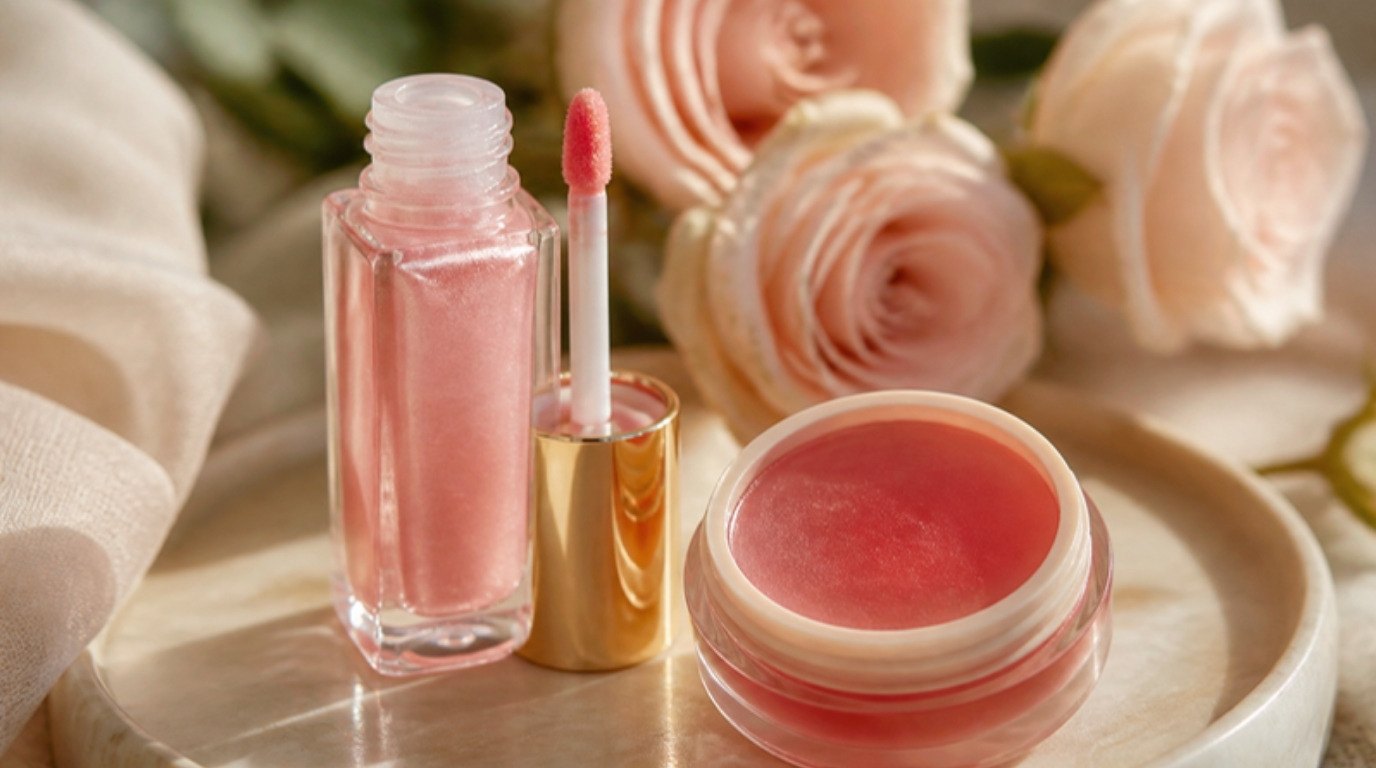
A lip oil is a lightweight, glossy treatment made mostly of plant oils, such as jojoba, squalane, rosehip, sunflower or camellia, often with a tint. It sinks in a little, leaves a shiny, juicy finish and makes lips look soft and healthy.
What a lip oil does beautifully:
- Adds shine without the stickiness of many glosses.
- Gives a light layer of nourishment and softness.
- Makes lips look fuller and fresher.
- Adds a sheer wash of color if it's tinted.
What it doesn't do as well: protect. Most lip oils don't form a strong seal, so they wear off faster and won't hold up to wind, cold or a whole night of dry, heated air. Think of a lip oil as the pretty top note and a balm as the sturdy foundation.
Lip Oil vs Lip Gloss
They look similar, but they feel different. Lip gloss is usually thicker and stickier, made to sit on top of the lips for maximum shine. Lip oil is thinner and more slippery, and it absorbs a little, so it feels more like care and less like makeup. If you've never liked the tacky feel of gloss, a lip oil is often the answer.
Lip Oil vs Lip Balm at a Glance
Here's the difference in one simple table. Screenshot it for the next time you're choosing which to slip into your bag.
| Lip balm | Lip oil | |
|---|---|---|
| Texture | Waxy, buttery or ointment-like | Light, slippery, glossy liquid |
| Protection | High: seals in moisture, shields from cold and wind | Low to medium: some softness, little barrier |
| Shine | Low to medium | High |
| How long it lasts | Longer, especially ointments | Shorter, needs reapplying |
| Best for | Chapped lips, winter, overnight, outdoors | Everyday shine, over lipstick, soft makeup looks |
| Under lipstick? | Yes, a thin layer, blotted | Better on top than underneath |
| Overnight? | Yes, a generous layer | Not on its own |
In short: balm protects, oil beautifies. On a good day, you can have both.
Which One To Use When
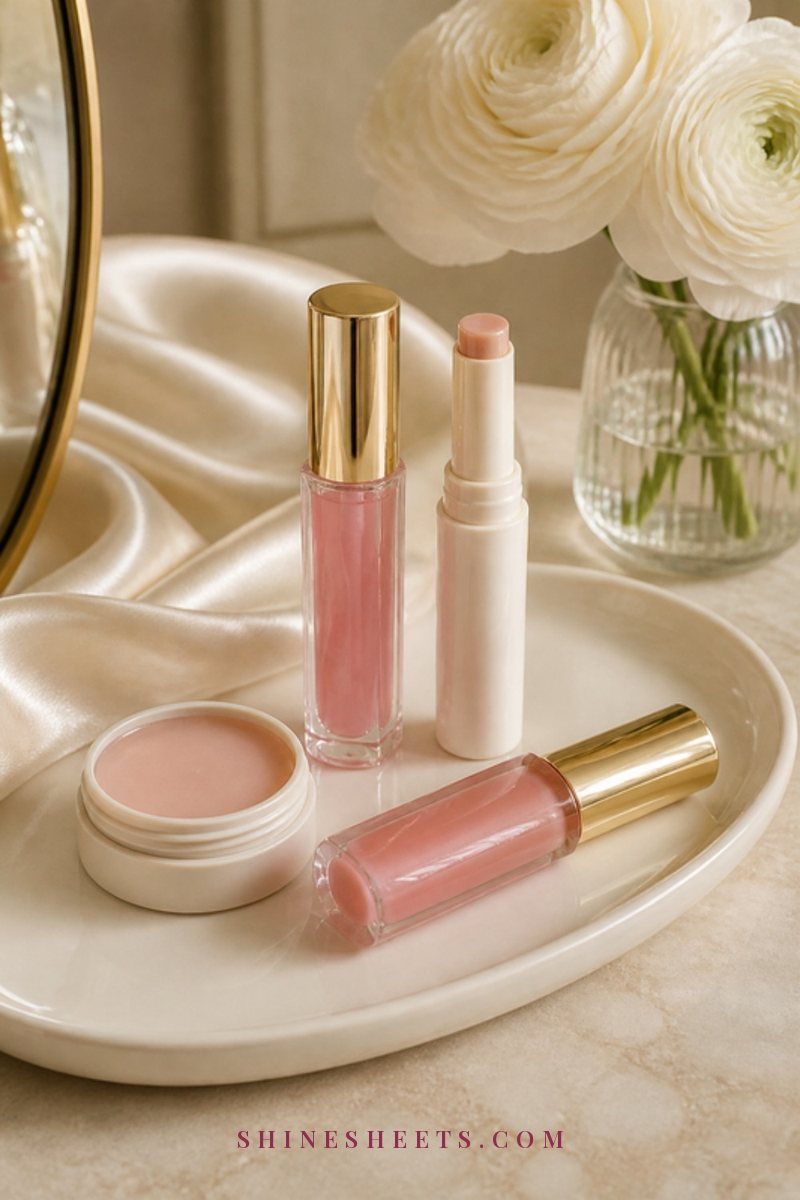
Here's how I'd choose, depending on the day.
Cold, Windy or Dry Days
Balm. When the air is cold or dry, your lips need a seal more than shine. Apply before you head outside and reapply after eating or drinking. My guide to winter lip care has a whole cold-weather plan.
Overnight
Balm or a lip sleeping mask. Nighttime is when your lips can really recover. A generous layer of balm or a best-selling lip sleeping mask right before bed lets you wake up to softer lips.
Everyday Shine
Oil. On mild days when your lips are already comfortable, a lip oil gives that fresh, healthy look in seconds. A tinted lip oil in a soft pink or rose shade is one of the easiest ways to look put together with almost no effort.
Over Lipstick
Oil, dabbed lightly. A touch of lip oil on the center of the lips over lipstick or liner adds dimension. If you love building lip looks, my guide to lip combos shows lovely ways to layer.
Sunny Days
SPF balm. Lips can burn too, and most lip oils have no sun protection. An SPF lip balm during the day, reapplied every couple of hours outdoors, is one of the kindest habits for your lips. Lips that get sun often may also darken over time, which my guide to dark lips explains gently.
A Plan for Chapped Lips
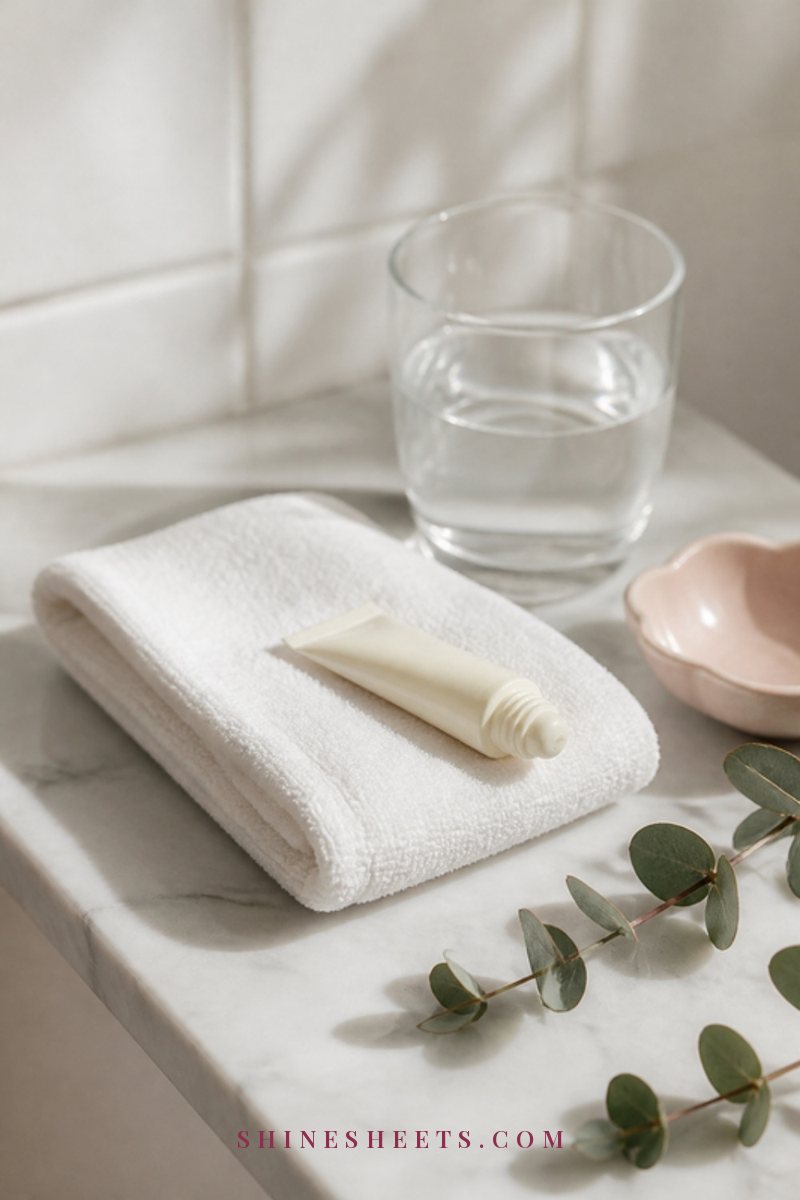
If your lips are already dry, flaky or tight, here's a simple, gentle plan. Follow it for one to two weeks:
- Pause anything that stings. Set aside flavored, tingly or heavily scented lip products for now.
- Exfoliate only if lips aren't cracked. If you have flakes but no cracks or soreness, gently press a soft, damp washcloth over your lips after a warm shower and move it in small circles for a few seconds. Skip this step completely if lips are cracked, bleeding or sore.
- Apply a protective balm right away. While your lips are still slightly damp, smooth on a balm with petrolatum, ceramides or shea butter.
- Use an SPF balm during the day. Reapply after eating and drinking.
- Go generous at night. A thicker layer of ointment or a lip sleeping mask before bed.
- Keep a balm everywhere. Bag, desk, bedside table, coat pocket. The easier it is to reach, the more often you'll use it.
- Bring back the lip oil once your lips feel comfortable again, as a shiny top layer over balm or on its own on mild days.
Most mildly chapped lips feel noticeably better within a few days with this kind of routine.
Why Some Balms Seem To Make Lips Drier
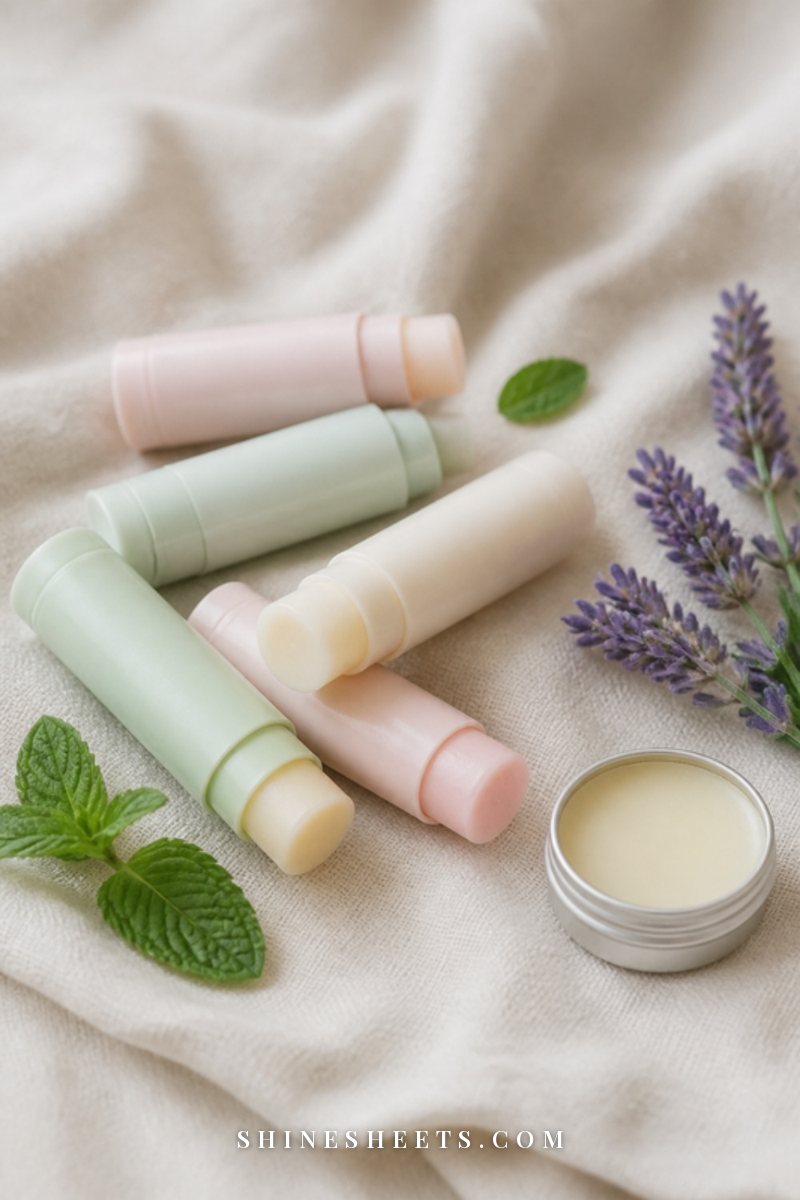
If you've ever felt like you can't stop reapplying your lip balm, you're not imagining it, and it's not a lack of willpower. A few ingredients can feel lovely at first but leave sensitive lips feeling drier or irritated over time:
- Menthol, camphor and peppermint, which give that cool, tingly feeling.
- Strong flavors and fragrances, especially cinnamon and some citrus flavors.
- Some essential oils, which can irritate sensitive skin.
- Salicylic acid or phenol, found in some medicated balms.
Not everyone reacts to these, and plenty of people love a minty balm. But if your lips feel tight, tingly or flaky soon after applying, try switching to a plain, unscented balm for a couple of weeks and see how they feel.
Another reason balms seem to "stop working" is licking. Flavored balms make it tempting to lick your lips, and saliva evaporates quickly, taking moisture with it. An unflavored balm makes that habit easier to drop.
Tinted Options: Color Without Dryness
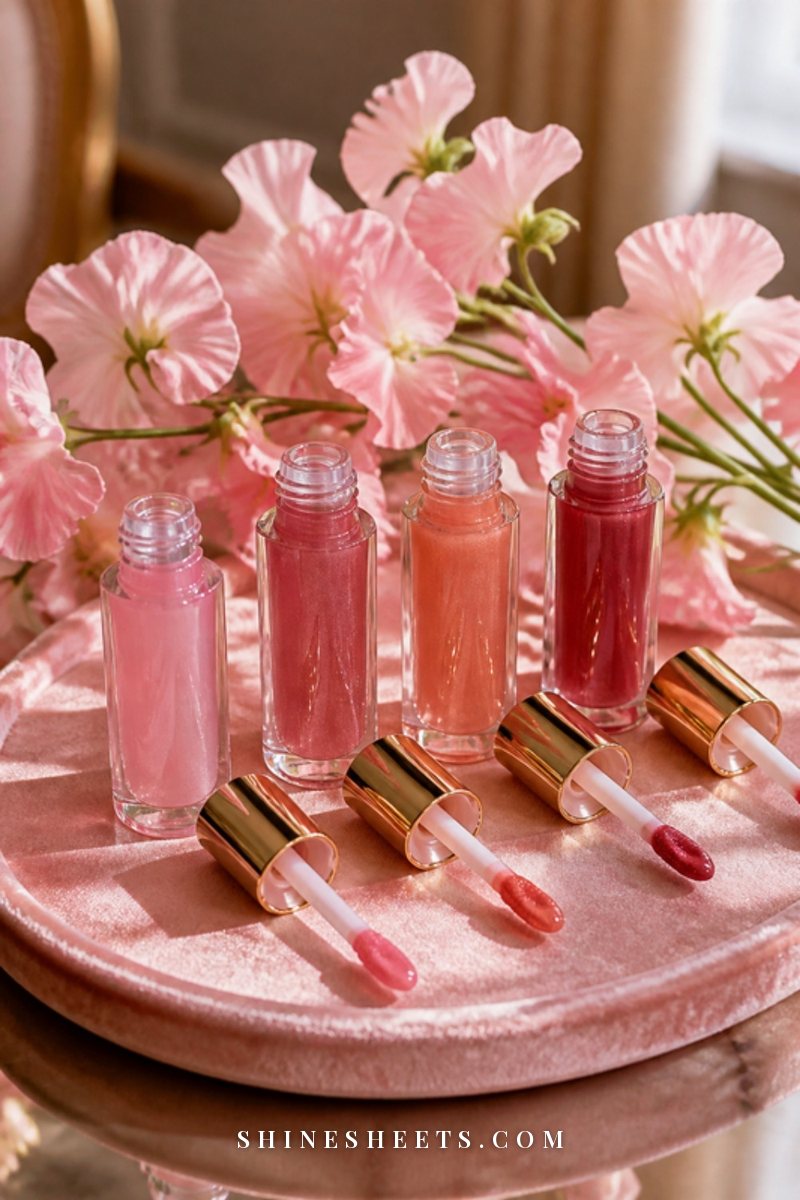
You don't have to choose between comfort and color. There are lovely tinted versions of both:
- Tinted lip balms give a sheer wash of color with real protection. Great for winter days when you want a little something.
- Tinted lip oils give a glossy, juicy color that looks fresh and youthful. Best on comfortable lips.
- Balm then tinted oil: a thin balm first, then a tinted oil on top, gives you protection and shine together.
For an everyday tint, I'd choose a shade one or two steps deeper than your natural lip color, like a soft rose or a warm pink, so it looks like your lips, just better. If you love an Old Hollywood red, a little balm underneath (blotted well) keeps matte formulas from feeling dry.
How To Choose a Good Lip Balm or Lip Oil
The lip care aisle is full of pretty packaging, so it helps to know what to look for underneath.
In a Lip Balm
- A real occlusive near the top of the ingredient list: petrolatum, beeswax, shea butter or lanolin.
- Unscented or lightly scented if your lips are sensitive or often chapped.
- SPF for daytime, ideally SPF 30, especially if you spend time outdoors.
- A format you'll actually use. Sticks are tidy for your bag, tins and pots are richer and great for bedtime, and tubes are the most hygienic for thick ointments.
- Short and simple if you've reacted to lip products before.
In a Lip Oil
- Comfortable oils like jojoba, squalane, sunflower or camellia.
- A non-sticky finish so hair doesn't cling to your lips on windy days.
- A soft applicator, like a cushiony doe-foot wand, that's easy to keep clean.
- Gentle on "plumping" claims. Plumping lip oils often get their effect from tingly ingredients like peppermint, cinnamon or capsicum. They can be fun, but skip them when lips are chapped or sensitive.
- A sheer tint if you want color, since sheer shades wear more forgivingly as they fade.
Whatever you choose, keep an eye on how long you've had it. Lip products are used right on your mouth, so it's worth replacing them once they smell or look different, or about a year after opening.
Lip Care Through the Seasons
- Winter: balm by day, rich ointment or lip mask at night, oil only on top.
- Spring and fall: balm or oil depending on the weather, with SPF balm on brighter days.
- Summer: SPF lip balm first, then a light lip oil for shine. Reapply after swimming.
- Travel: airplanes are very dry, so pack a small balm in your carry-on and apply every hour or two during a flight.
How To Layer Lip Oil and Lip Balm
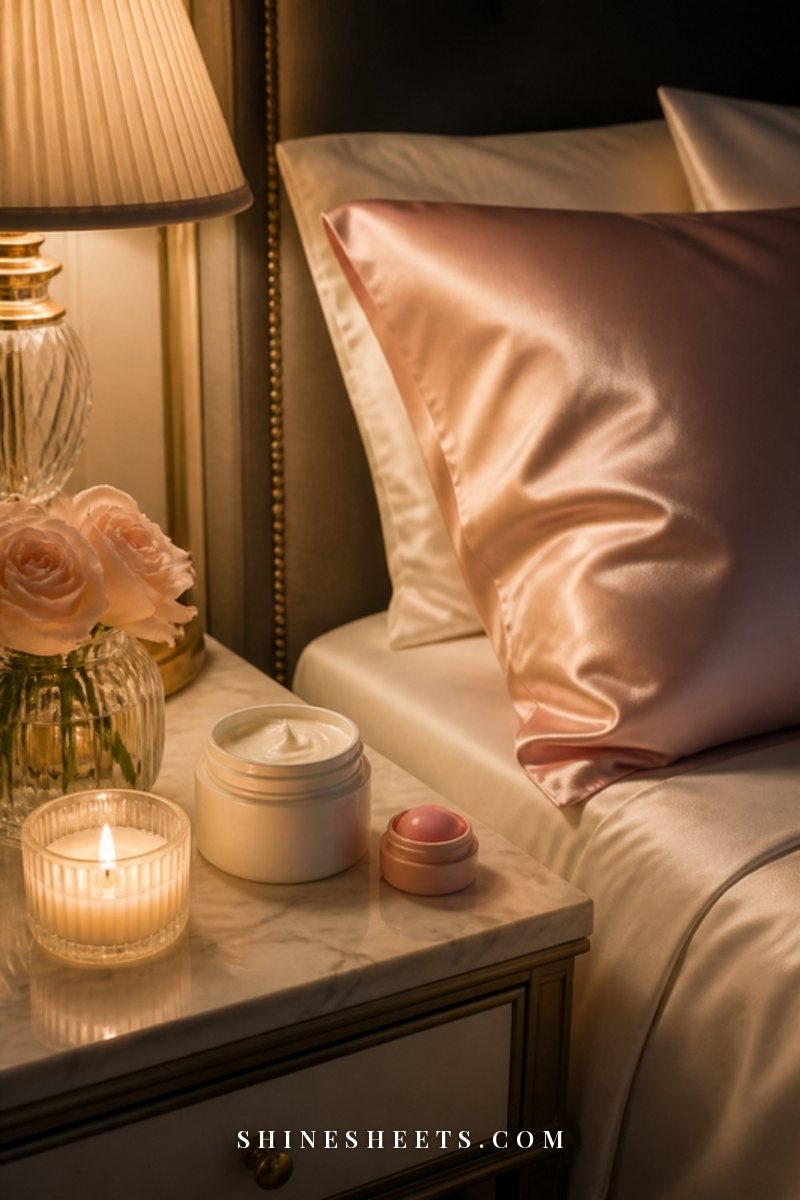
The simplest rule: balm first, oil on top. The balm protects, and the oil adds shine over it.
Daytime
- Apply a thin layer of SPF lip balm.
- Wait a minute or two so it settles.
- Add a lip oil to the center of the lips for shine, or all over for a glossy look.
- Reapply the balm after meals, and the oil whenever you like.
Nighttime
- Gently remove any lipstick or tint with a soft cloth or micellar water.
- Apply a generous layer of balm, ointment or lip sleeping mask.
- Skip the oil, or add just a drop underneath the balm if your lips like the extra softness.
- Wipe away any leftover product in the morning with a damp washcloth.
If you wear lipstick, a thin balm underneath helps, but blot it with a tissue first so your lipstick doesn't slide.
Everyday Lip Care Habits
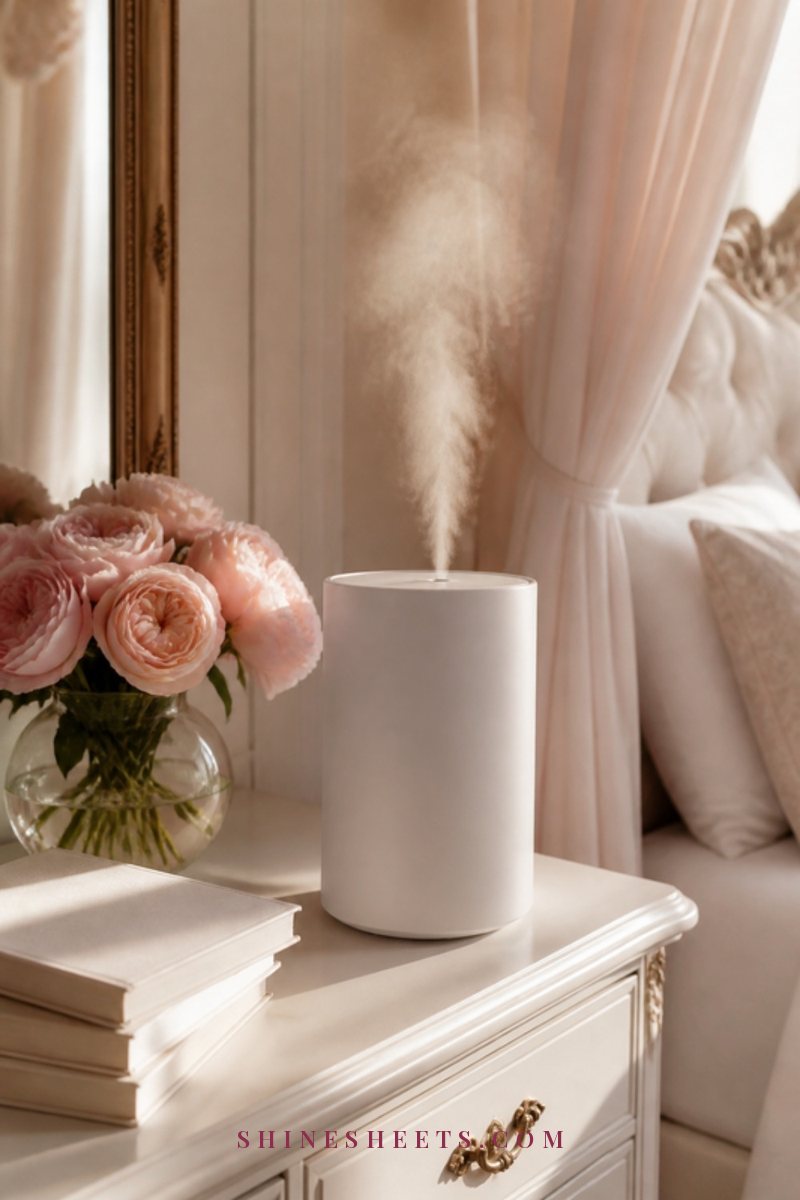
Products help, but a few small habits make a big difference too:
- Drink water through the day. It won't fix chapped lips on its own, but it helps your skin overall.
- Add moisture to the air. Heated rooms in winter are very drying. A small cool mist humidifier in your bedroom can make mornings much more comfortable. My guide to humidifiers for skin explains how to use one well.
- Try not to lick your lips. It feels soothing for a second, then makes them drier.
- Don't pick or peel flakes. It can cause small cuts. Let balm soften them instead.
- Cover up outdoors. A soft scarf over your mouth on very cold or windy days protects your lips (and your nose).
- Check your toothpaste and products. If your lips stay irritated, flavors or ingredients in toothpaste, lipstick or even face products can sometimes be the cause.
- Make it part of your routine. Balm after brushing your teeth, morning and night, is an easy habit to stack.
Lips are just one part of your skin, of course. If your hands, legs and elbows feel dry too, my winter body care guide has you covered from head to toe.
Patch Test and When To See a Dermatologist
Lip products with fragrance, flavor, essential oils or tints deserve a quick patch test. Apply a little to a small area on the edge of your lip or your inner wrist once a day for a few days. If you notice burning, itching, swelling or a rash, stop using it.
Please see a dermatologist or doctor if your lips stay cracked, painful or peeling for more than a couple of weeks despite gentle care, if the corners of your mouth crack and don't heal, if you notice swelling, blisters or a sore that doesn't go away, or if you suspect an allergy to a product. These can have causes that a balm alone can't fix, and a professional can help you find the right care.
Lip Oil vs Lip Balm FAQs
Can lip oil replace lip balm?
On mild days when your lips are comfortable, yes. On cold, windy days or when lips are chapped, a balm offers much more protection.
Is lip oil good for dry lips?
It can make dry lips feel softer, but on its own it doesn't seal in moisture well. Use it over a balm for the best of both.
Can you use lip oil overnight?
You can, but a balm or lip sleeping mask is usually better for overnight repair, because it stays put and protects for longer.
Does lip balm stop working if you use it too much?
A plain, gentle balm doesn't stop working. If you feel like you need to reapply constantly, it may contain ingredients that irritate your lips, or you may be licking them often.
Which is better under lipstick, lip oil or lip balm?
Usually a thin, blotted layer of balm. Lip oil underneath can make lipstick slip and bleed, so it's better saved for a touch of shine on top.
Are lip oils good for sensitive lips?
Many are, especially unscented formulas with simple oils like jojoba or squalane. Avoid plumping or strongly flavored versions, and patch test anything new.
How often should you reapply lip balm?
Whenever your lips start to feel dry, and always after eating, drinking or washing your face. Outdoors, reapply an SPF balm about every two hours.
Final Thoughts
Lip balm and lip oil are both lovely, they just shine in different moments. Let the balm protect your lips on cold days and quiet nights, and let the oil add that soft, glossy finish when your lips are ready for it.
A little care, reapplied often, is all it takes for lips that feel as good as they look.