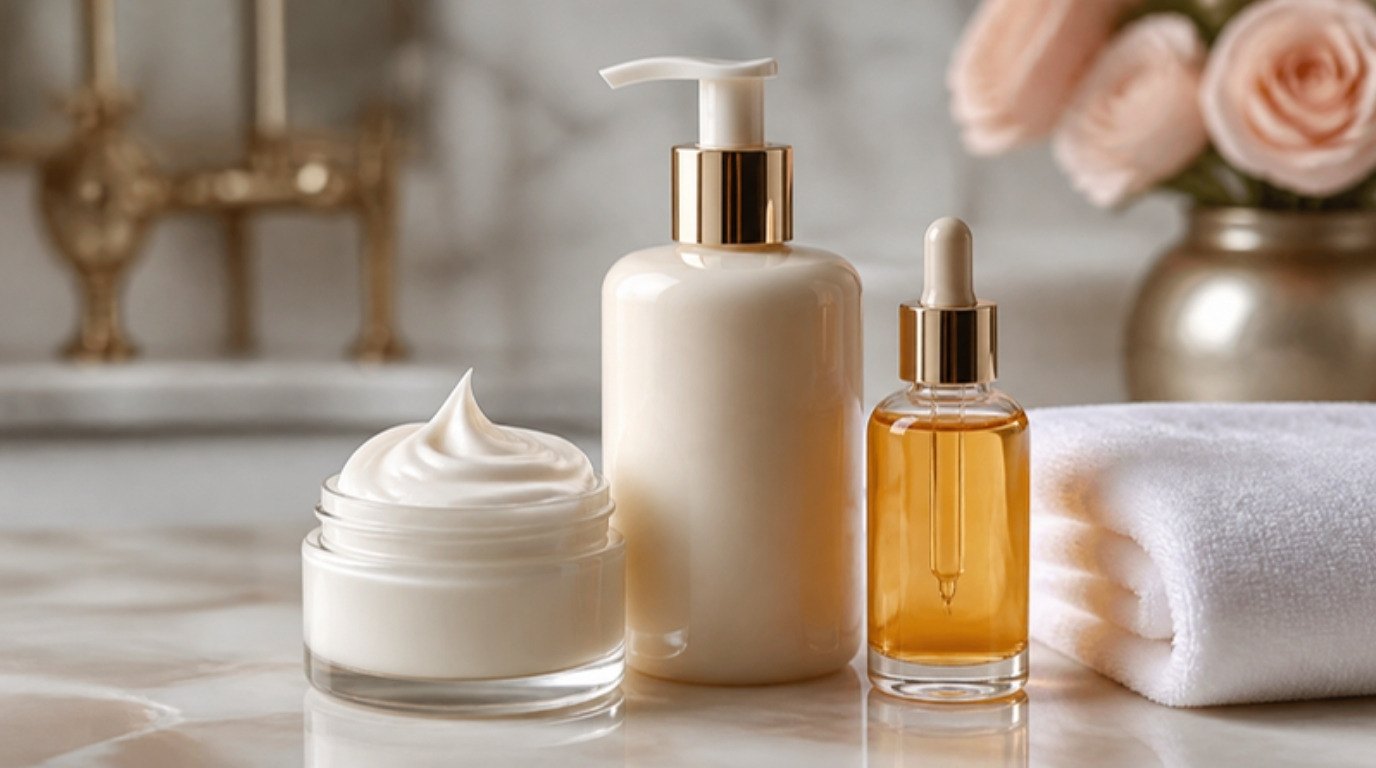
Smooth skin has less to do with how expensive your body lotion is and more to do with three simple choices: the right texture for your skin, a couple of ingredients that actually do the work and putting it on at the right moment. Get those three right, and even a basic drugstore bottle starts to feel like a treat.
The trouble is that the lotion aisle is confusing. Lotions, creams, butters, oils and balms all promise softness, and the labels mention a dozen ingredients you've never heard of. It's easy to grab whatever smells nice and wonder why your shins still feel tight by lunchtime.
This body lotion guide sorts it all out: the difference between textures, which one suits your skin, the ingredients worth looking for (for dry skin, bumps and sensitive skin), how to apply it so it actually sinks in, the spots almost everyone forgets and how to swap things up with the seasons. There's a simple comparison table in the middle if you just want the quick answer.
Lotion, Cream, Butter, Oil or Balm: What's the Difference?
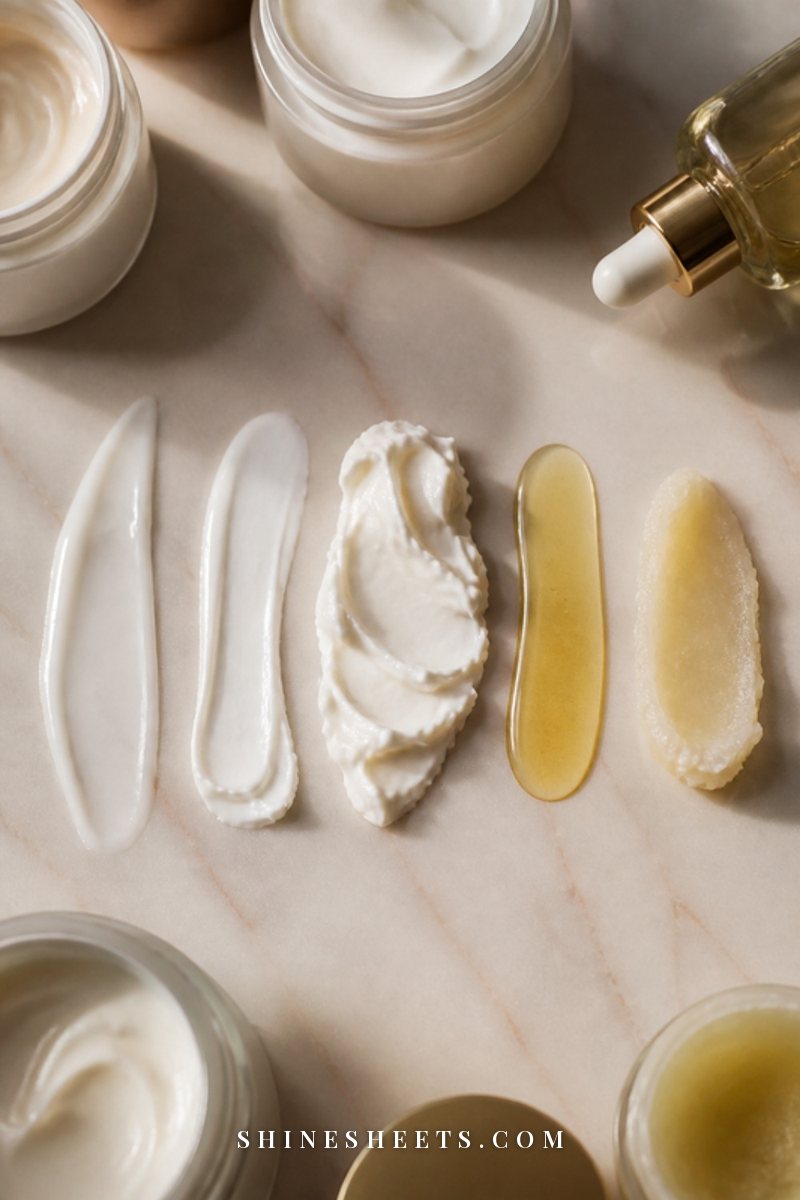
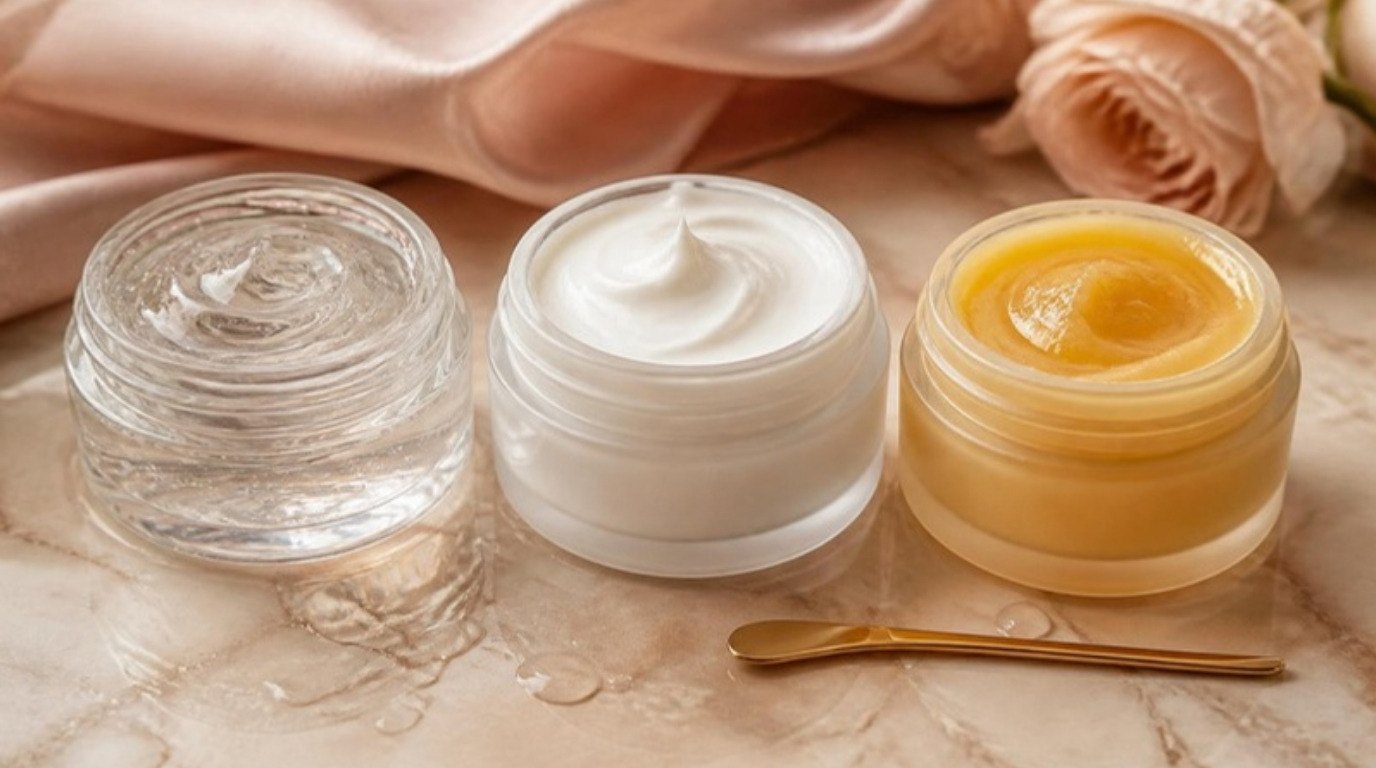
All body moisturizers do roughly the same job: they help your skin hold on to water and soften the outer layer. What changes is how much water and how much oil they contain, which decides how rich they feel, how fast they sink in and how long they last.
Lotion
The lightest everyday option. Lotions are mostly water with a little oil, so they spread easily, absorb quickly and feel fresh. They're lovely for normal skin, warm weather, oily or acne-prone body skin and anyone who hates a sticky feeling. The downside: on very dry skin, they may not last the whole day.
Cream
Thicker than lotion, with more oil and usually more repairing ingredients. Creams often come in a tub or a squeeze tube. They're the sweet spot for dry and very dry skin, especially in colder months, and they're the texture most dermatologist-style "barrier repair" formulas use.
Body Butter
Rich, dense and indulgent, usually built around shea butter, cocoa butter or mango butter. Butters are fantastic for rough patches, very dry legs, elbows and heels, and for nights when you want deep softness. Whipped butters feel lighter and spread more easily than solid ones.
Body Oil
Pure oil or an oil blend, with no water. Oils don't add moisture on their own; they seal in the water already in your skin. That's why they work best on damp skin straight out of the shower. They give a gorgeous soft sheen and are great for layering over a lotion.
Balm
The heaviest option, usually waxy or ointment-like. Balms are best kept for targeted spots: cracked heels, rough knees, chapped knuckles and very dry patches. A little goes a long way.
Which Texture for Which Skin: A Comparison Table
If you only read one part of this guide, make it this one. Screenshot it for your next shopping trip.
| Your skin | Best texture | Look for | When to use |
|---|---|---|---|
| Normal, rarely tight | Lotion | Glycerin, light oils | Once a day, after showering |
| Dry, tight after showering | Cream | Ceramides, glycerin, shea | Daily on damp skin, twice in winter |
| Very dry, flaky shins | Cream or whipped butter | Urea, ceramides, shea | Daily, plus a richer layer at night |
| Rough bumps on arms or thighs | Lotion or cream with exfoliating acids | Lactic acid, urea, salicylic acid | 3–5 times a week, plain cream on other days |
| Sensitive, easily itchy | Fragrance-free cream | Ceramides, oat, short ingredient list | Daily, patch test new products first |
| Oily or acne-prone body | Light lotion or gel-lotion | Non-comedogenic, glycerin, niacinamide | Daily, thin layer |
| Dull, wants a soft sheen | Body oil over lotion | Light, fast-absorbing oils | On damp skin after showering |
| Cracked heels, rough knees | Balm or butter | Urea, petrolatum, shea | At night, targeted spots only |
You don't have to pick just one. Many people do best with a light lotion for daytime and a richer cream or butter for evenings and rough areas.
Ingredients To Look For
You don't need to memorize an ingredient list. A handful of names cover almost every need, and once you recognize them, the labels suddenly make sense.
For Dry Skin
- Ceramides – fats your skin naturally makes to hold its barrier together. Adding them back helps dry skin stay comfortable longer. If you want the full story, my guide to ceramides explains how they work.
- Glycerin – a humble, hard-working humectant that draws water into the skin. Simple and very effective.
- Urea – at lower percentages (around 5–10%) it hydrates and softens; at higher percentages it also helps smooth rough, flaky skin.
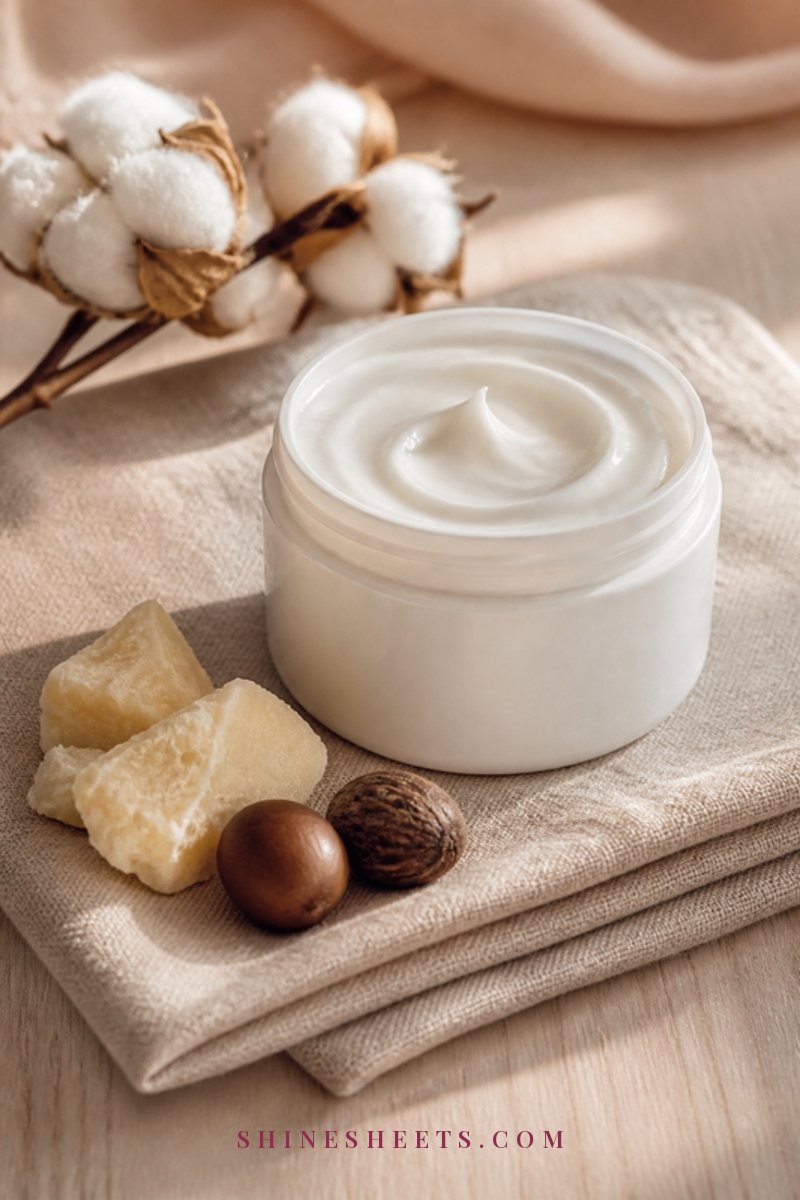
- Shea butter – rich and soothing, great for very dry areas.
- Hyaluronic acid – a lightweight humectant, nice in lighter lotions.
- Petrolatum or dimethicone – seal moisture in, which is exactly what very dry skin needs at night.
A ceramide body cream is a pick for everyday dry skin. Look for ceramides plus glycerin high on the list, a fragrance-free formula and a pump or tub you'll actually reach for. Many well-known drugstore brands make an affordable one.
For Bumps and Rough Patches
Those little rough bumps on the backs of the arms or the thighs (often keratosis pilaris) and dark-dot pores on the legs need two things: gentle exfoliation and lots of moisture. Look for:
- Lactic acid – a gentle exfoliating acid that also hydrates. It loosens the buildup that makes skin feel like sandpaper.
- Urea at 10% or more – softens and smooths rough texture.
- Salicylic acid – helps clear pores, useful for bumps that look like tiny clogged spots.
A lactic acid body lotion is a pick for rough arms and legs. Start with every other evening, then build up. A urea body lotion works well on the days in between, or on very dry shins. My guides on keratosis pilaris and strawberry legs go deeper on both.
A small safety note: exfoliating lotions can sting on freshly shaved or broken skin, so apply them on a different night than shaving. Acids can also make skin more sensitive to the sun, so use sunscreen on any areas that will be exposed.
For Sensitive Skin
If your skin gets itchy, red or blotchy easily, keep it simple:
- Choose fragrance-free (not just "unscented," which can still contain masking fragrance).
- Look for colloidal oatmeal, ceramides, glycerin and panthenol, which are all gentle and soothing.
- Prefer a shorter ingredient list. Fewer ingredients means fewer chances for irritation.
- Patch test new products on a small area of your inner arm for a few days before using them all over.
If a rash, intense itching or cracked skin doesn't improve with gentle care after a couple of weeks, please check in with a doctor or dermatologist. Sometimes dry skin is more than dry skin, and you deserve proper help.
Ingredients To Be Careful With
- Heavy fragrance – lovely to smell, but a common cause of irritation on dry or sensitive skin.
- High alcohol content – some light, quick-drying lotions list alcohol near the top, which can feel drying.
- Too many actives at once – using an acid lotion, a scrub and a retinoid body product on the same night is a quick route to irritation.
How To Apply Body Lotion So It Actually Works
The same lotion can feel completely different depending on when and how you put it on. These small habits make the biggest difference.
Apply on Damp Skin Within Three Minutes
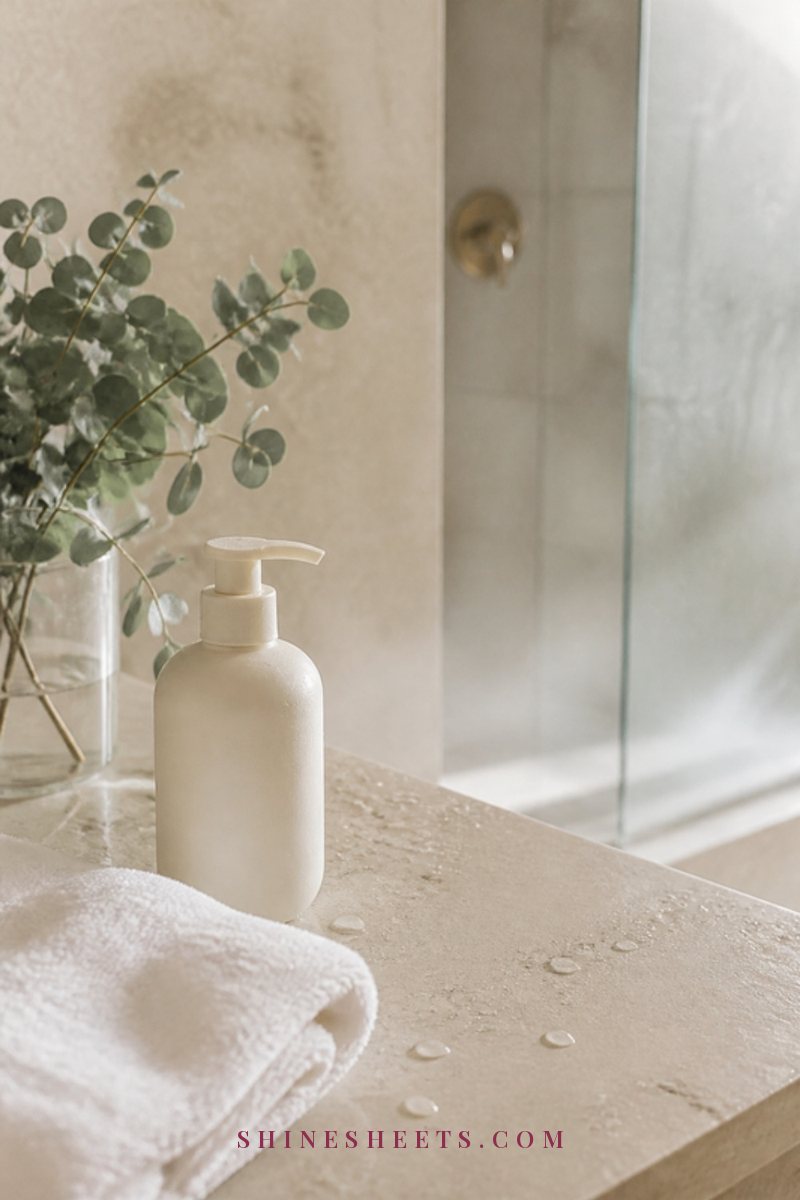
This is the golden rule. After a shower or bath, pat your skin gently with a towel so it's damp, not dripping, and apply your lotion within about three minutes. Moisturizers work by holding water in the skin, so giving them a little water to hold makes them far more effective.
Keep your lotion in the bathroom, right next to the towel, so you don't have to walk to the bedroom first. It's such a small change and it helps more than switching brands. My body care routine guide shows how this fits into a full shower-to-bed routine.
How Much To Use
Most of us use too little. As a rough guide:
- Each leg: about two pumps or a coin-sized amount, plus more if the shins are dry.
- Each arm: about one pump.
- Torso, chest and stomach: about two pumps.
- Feet and heels: a small extra amount of something richer.
If your skin feels comfortable for the rest of the day, you used enough. If it feels tight by midday, use a little more or switch to a richer texture.
Warm It, Then Press and Smooth
Rub the lotion between your palms for a few seconds to warm it, then press it onto the skin and smooth it in with long strokes. For oils, a few drops in the palms pressed over damp skin is plenty. Give it a minute or two to sink in before getting dressed, especially with silky fabrics.
Layer Oil Last
If you love a body oil, use it after your lotion or cream (or mixed with it in your palm) rather than before. A lightweight body oil is a pick for adding a soft sheen to legs and shoulders. Look for one that absorbs quickly and doesn't leave marks on clothing.
The Spots Everyone Forgets
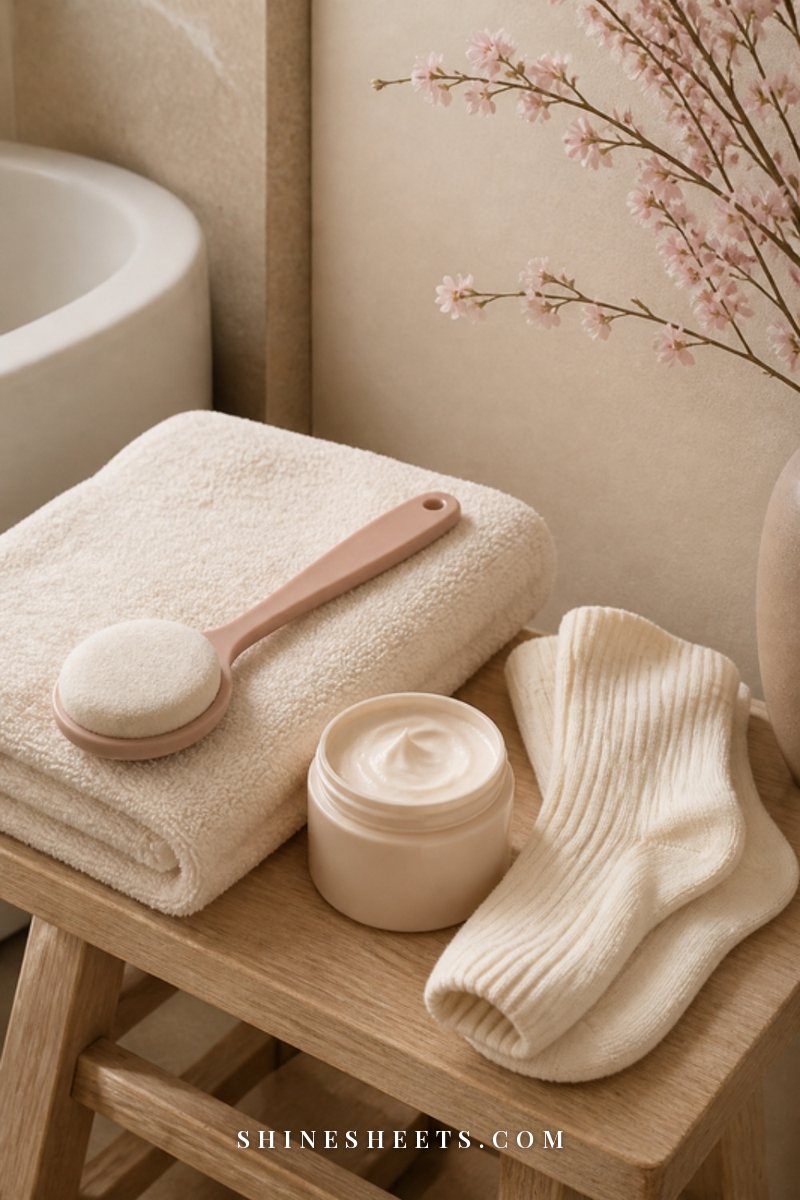
We tend to moisturize the easy, visible parts and skip the rest. These spots often feel the driest, so give them a little extra attention:
- Elbows – the skin here is thick and gets rough quickly. Use a richer cream or butter.
- Knees – same as elbows. A balm at night helps a lot.
- Heels – a rich cream or a urea balm before bed, followed by cotton socks, is a simple overnight treatment.
- Backs of the arms – easy to miss and a common spot for bumps.
- Your back – almost impossible to reach, which is why it often feels tight and itchy in winter.
- Ankles and the tops of the feet – they dry out under socks and boots.
- Hips and the sides of the thighs – friction from clothing can make these spots rough.
- Neck and chest – a gentle, fragrance-free lotion works well here (save strong acids for elsewhere).
For your back, a long-handled lotion applicator is a pick that makes it genuinely easy. Look for a soft, wipeable pad and a handle long enough to reach the middle of your back.
Seasonal Swaps: Lighter in Summer, Richer in Winter
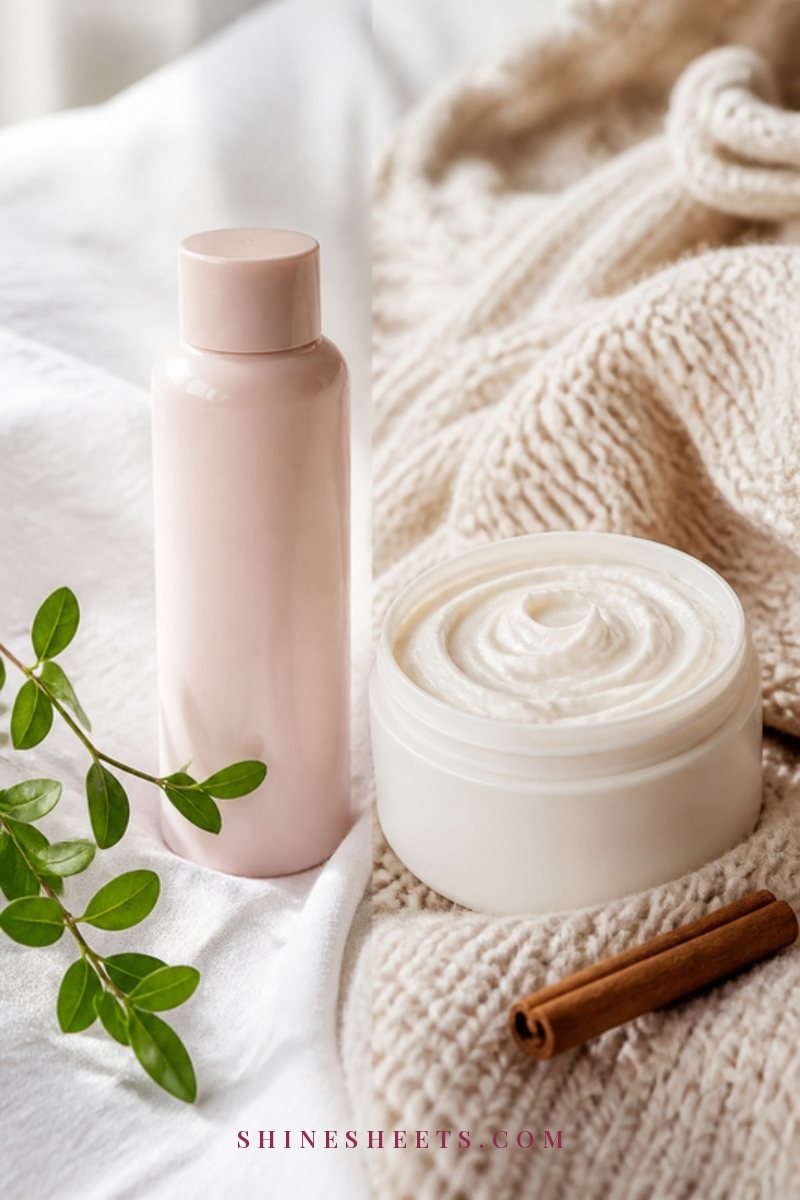
Your skin's needs change with the weather, so your body lotion can too. You don't need a whole new shelf, just a lighter and a richer option.
- Summer: light lotions or gel-lotions, a thin layer after showering, a body oil only in the evening if it feels too warm in the day. Sunscreen on exposed skin every day.
- Autumn: start switching to a cream as soon as your shins feel tight after showering. Begin a gentle exfoliating lotion a few nights a week.
- Winter: cream twice a day if needed, a richer butter or balm at night on rough areas and a humidifier in the bedroom if the air is very dry. Shorter, warm (not hot) showers help a lot.
- Spring: keep exfoliating gently to smooth winter texture, and slowly move back to lighter textures.
A whipped shea body butter is a pick for the colder months. It feels rich without being heavy, and a small scoop covers a lot of skin. Look for shea near the top of the ingredient list and a light or fragrance-free scent if your skin is sensitive.
If you're adding exfoliation to your winter routine, my guide on how to exfoliate your body explains how often to do it without irritating your skin.
Can You Use Body Lotion on Your Face?
It's tempting, especially when you're traveling or the face cream runs out. The short answer: in a pinch, a gentle fragrance-free body lotion won't hurt most faces for a night or two. As a daily habit, it's better to keep them separate.
Here's why. Body lotions are often thicker, can contain more fragrance and are made for thicker skin. Facial skin is thinner, more reactive and more prone to clogged pores, especially around the nose and chin. I have combination skin with a shiny T-zone, and rich body creams on my face are a fast route to congestion.
The reverse is fine, though. A gentle face moisturizer works beautifully on your neck and chest, and many people extend their facial routine down to the décolleté for exactly that reason.
One more thing to watch: exfoliating body lotions with lactic acid, urea or salicylic acid are usually stronger than face products and should stay on the body. Keep them away from your eyes, lips and any freshly shaved or waxed skin.
How To Pick a Scent You Won't Regret
Scent is part of the joy of body lotion, and there's no need to give it up if your skin tolerates it. A few gentle guidelines:
- Keep scented lotions for the body, not irritated areas. Use fragrance-free on freshly shaved legs, underarms and any itchy patches.
- Layer with your perfume, or choose unscented. A strongly scented lotion can clash with your fragrance. Matching scent families (vanilla with vanilla, floral with floral) look and feel more polished.
- Test before you commit. Try a sample on your inner arm and wait a few hours. Some scents change completely as they dry down.
- Let your nighttime lotion be calming. A soft, gentle scent at night can become a lovely signal that the day is over.
Common Body Lotion Mistakes
A few habits quietly undo all your good lotion choices. If you recognize yourself here, no judgment, these are incredibly common:
- Applying it on bone-dry skin hours after showering. Lotion still helps, but far less.
- Very hot, long showers. They strip the skin's natural oils. Warm water and five to ten minutes is kinder.
- Choosing by scent alone. A strongly fragranced lotion can leave dry skin itchier.
- Using too little. A thin, stretched layer won't last the day on dry skin.
- Scrubbing and acid lotions on the same night. Pick one exfoliation method at a time.
- Skipping the backs of the arms, back and heels. These areas need moisture just as much.
- Expecting overnight miracles. Rough, bumpy or very dry skin usually takes two to four weeks of consistent care to feel noticeably smoother.
A Simple Daily and Weekly Rhythm
If you want a routine you can actually keep, here's an easy one:
- Every day: moisturizer on damp skin within three minutes of showering, with a little extra on elbows, knees and heels.
- Three to five evenings a week: an exfoliating lotion (lactic acid or urea) on rough areas instead of your usual one.
- Two or three nights a week: a richer butter or balm on very dry spots, with socks on your feet.
- Once a week: a slightly longer self-care moment with body oil over your lotion and five minutes of just sitting still afterward.
Pair it with a cup of evening tea and a glass candle, and it stops feeling like a task and starts feeling like a small, kind ritual.
Final Thoughts
Choosing a body lotion gets much easier once you know what your skin is asking for. Light lotions for easy days and warm weather, creams for dryness, butters and balms for rough spots, oils for that soft finishing sheen and a few hard-working ingredients to look for on the label.
Most of all, put it on damp skin and use enough. Those two little habits turn almost any good lotion into the one that finally works for you, and your skin will feel softer and calmer for it.