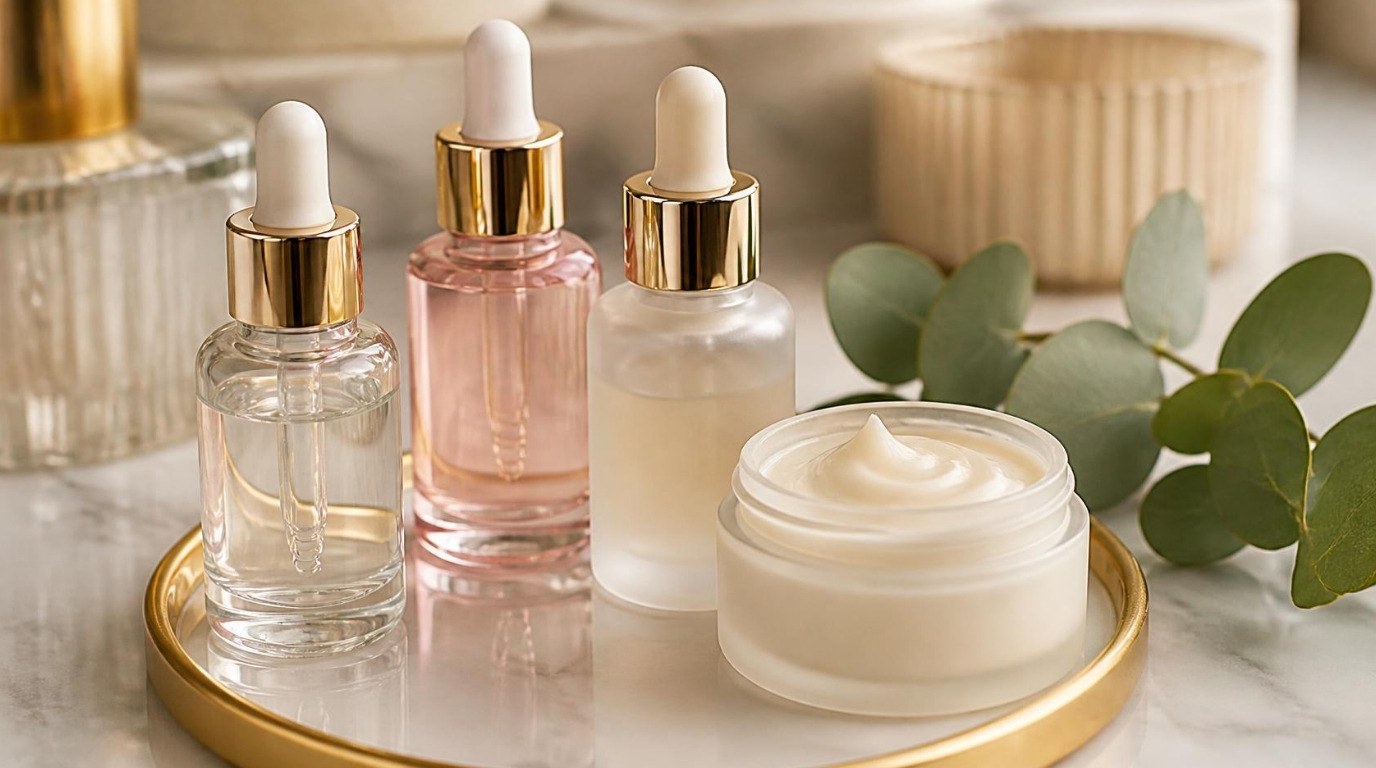
The best moisturizer for your skin isn't the most expensive one or the one with the longest ingredient list. It's the one whose texture matches what your skin is actually asking for, and that answer can change with the season, the time of day and even the room you sleep in. A rich cream that feels like a hug in January can feel like a clogged mess in July.
The good news is that once you understand what a moisturizer is made of, the choice gets much simpler. Every jar on the shelf is some mix of three ingredient types, poured into one of a handful of textures. Learn those, and you can read almost any label in about ten seconds.
This moisturizer guide walks you through how moisturizers work, the six main textures (gel, gel-cream, lotion, cream, balm and sleeping mask), which one suits oily, combination, dry, sensitive, acne-prone and mature skin, how to switch by season, day versus night, how much to use and how to apply it, layering under SPF and makeup, the ingredients worth looking for, and the quiet signs you're using the wrong one. There's also a moisturizer matcher table you can screenshot for your next shopping trip.
Think of it as permission to stop guessing. Your skin is giving you clues every day, and you're about to learn how to read them.
How Moisturizers Actually Work
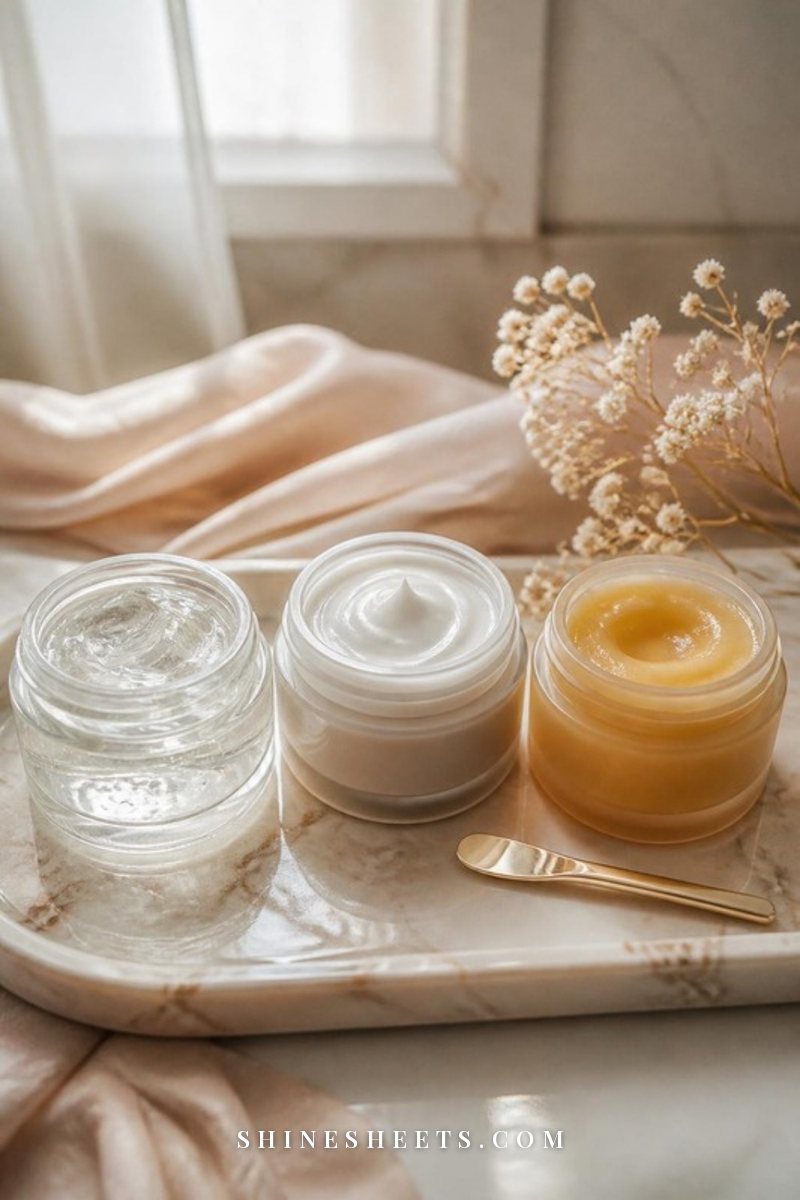
Your skin has a protective outer layer, often called the skin barrier. When it's healthy, it holds water in and keeps irritants out. When it's stressed (by cold air, hot showers, harsh cleansers or too many actives), water escapes faster and skin starts to feel tight, rough or reactive. A moisturizer supports that barrier in three ways, and nearly every formula uses some combination of them.
Humectants: The Water Magnets
Humectants pull water into the upper layers of skin and help hold it there. Think glycerin, hyaluronic acid, panthenol, urea, sorbitol and honey-type ingredients. They're light, non-greasy and usually the backbone of gel textures. One thing to know: humectants work best on slightly damp skin, because they need water to grab onto. My guide to using hyaluronic acid with the damp skin rule explains why that matters so much.
Emollients: The Smoothers
Emollients fill in the tiny gaps between skin cells so your face feels soft and smooth instead of flaky. These include ceramides, squalane, fatty acids, cholesterol and many plant oils and butters. They're what make a cream feel creamy. Ceramides deserve a special mention, because they're a natural part of your barrier. If you want the full story, my article on why your skin needs ceramides goes deep.
Occlusives: The Seal
Occlusives form a thin film on top of the skin that slows water loss. Petrolatum, dimethicone, shea butter, beeswax and lanolin are classic examples. They're the heavy hitters of balms and night creams. On very dry or windburned skin they can feel wonderful. On oily skin in summer, they can feel like too much.
Here's the simple formula I come back to: humectant (pulls water in) + emollient (smooths) + occlusive (locks it down) = a complete moisturizer. Lighter textures lean on humectants; richer textures add more emollients and occlusives. Once you see it this way, texture stops being a mystery.
The 6 Moisturizer Textures, Explained
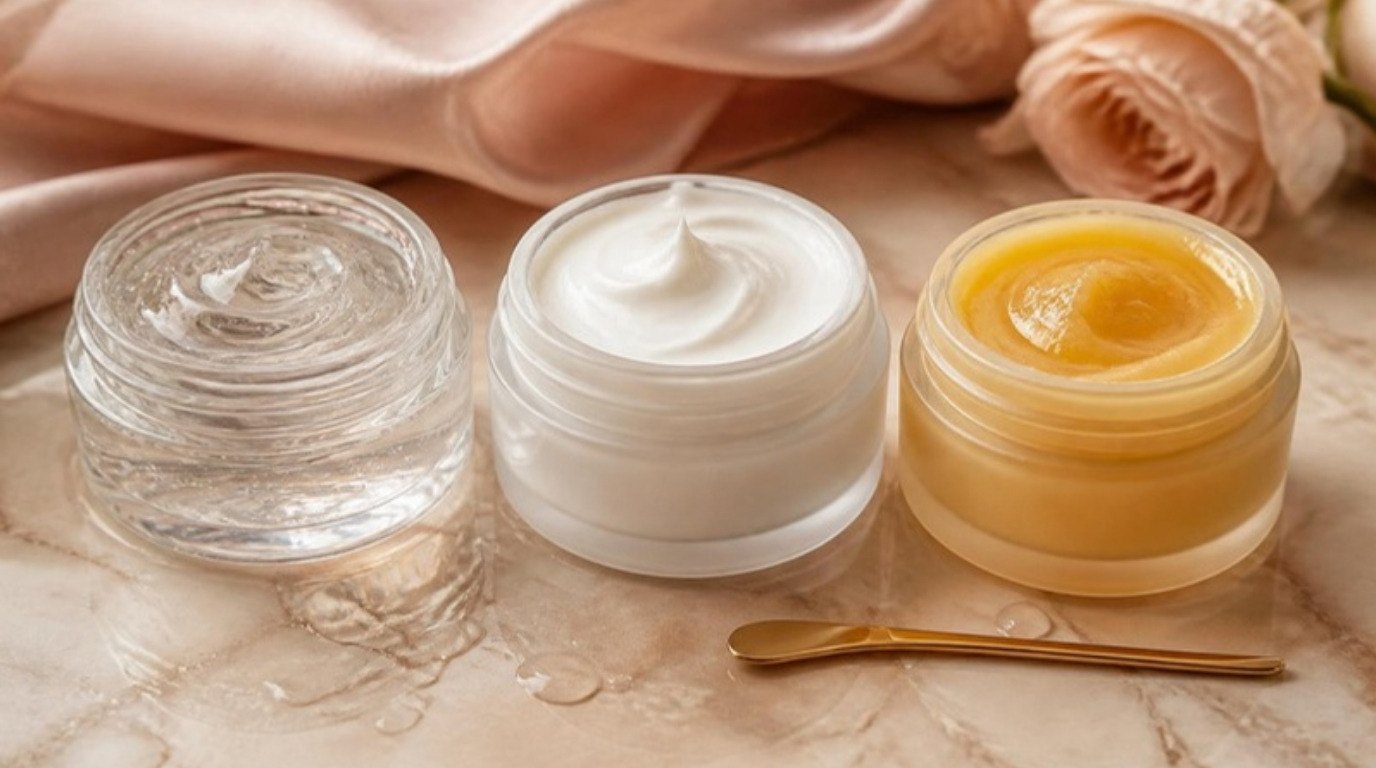
Texture tells you a lot about how a moisturizer will behave on your skin. Here are the six you'll see most often, from lightest to richest.
1. Gel Moisturizer
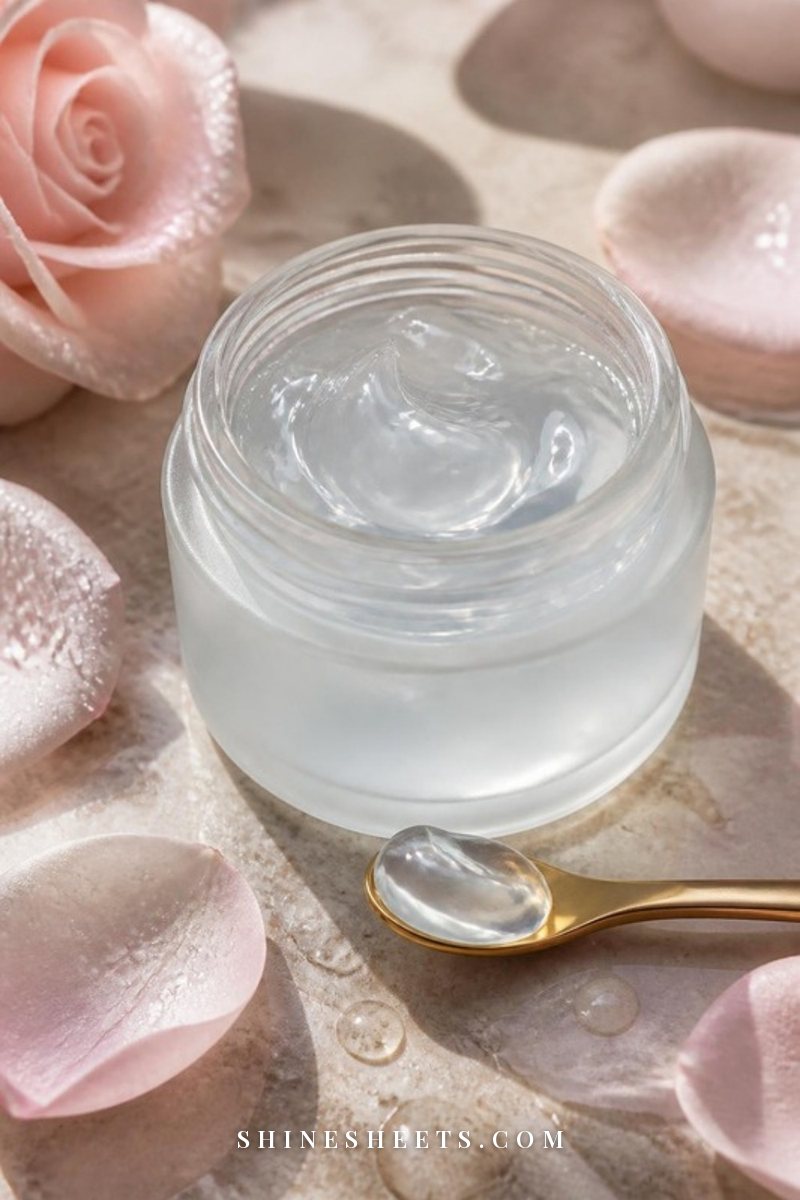
Gels are mostly water and humectants, often with almost no oil. They feel cool, sink in within seconds and leave no shine. They're lovely for oily skin, humid climates, hot summer days and anyone who hates the feeling of product sitting on their face. The trade-off: on their own, gels may not be enough for dry skin or winter air, because there isn't much to seal the water in.
If you have oily or shiny skin, look for an oil-free gel moisturizer with glycerin or hyaluronic acid and a "non-comedogenic" note on the label.
2. Gel-Cream
A gel-cream is the in-between texture: the bounce of a gel with a little more cushion from light emollients. It's the texture I'd point most combination skin toward, because it hydrates the drier cheeks without overloading a shiny T-zone (that's exactly my skin, so I have a soft spot for this category). Korean skincare does gel-creams especially well. A Korean water gel cream is a good pick when you want weightless hydration that still feels comforting.
3. Lotion
Lotions are thin, pourable or pumpable, and slightly richer than gel-creams. They spread easily, which makes them practical for normal skin, warmer months and busy mornings. Many daily moisturizers with sunscreen come in lotion form for exactly that reason: they layer neatly and don't pill under makeup.
4. Cream
Creams are thicker, with a higher share of emollients and some occlusives. They're the classic choice for normal-to-dry skin, cooler weather and nights. A good cream should feel nourishing but still absorb within a few minutes. If your skin feels tight by lunchtime, a cream is usually the first upgrade to try.
For dry, sensitive or easily irritated skin, a fragrance-free ceramide cream is one of the most reliable picks out there. Look for ceramides plus cholesterol or fatty acids together, since they work as a team.
5. Balm
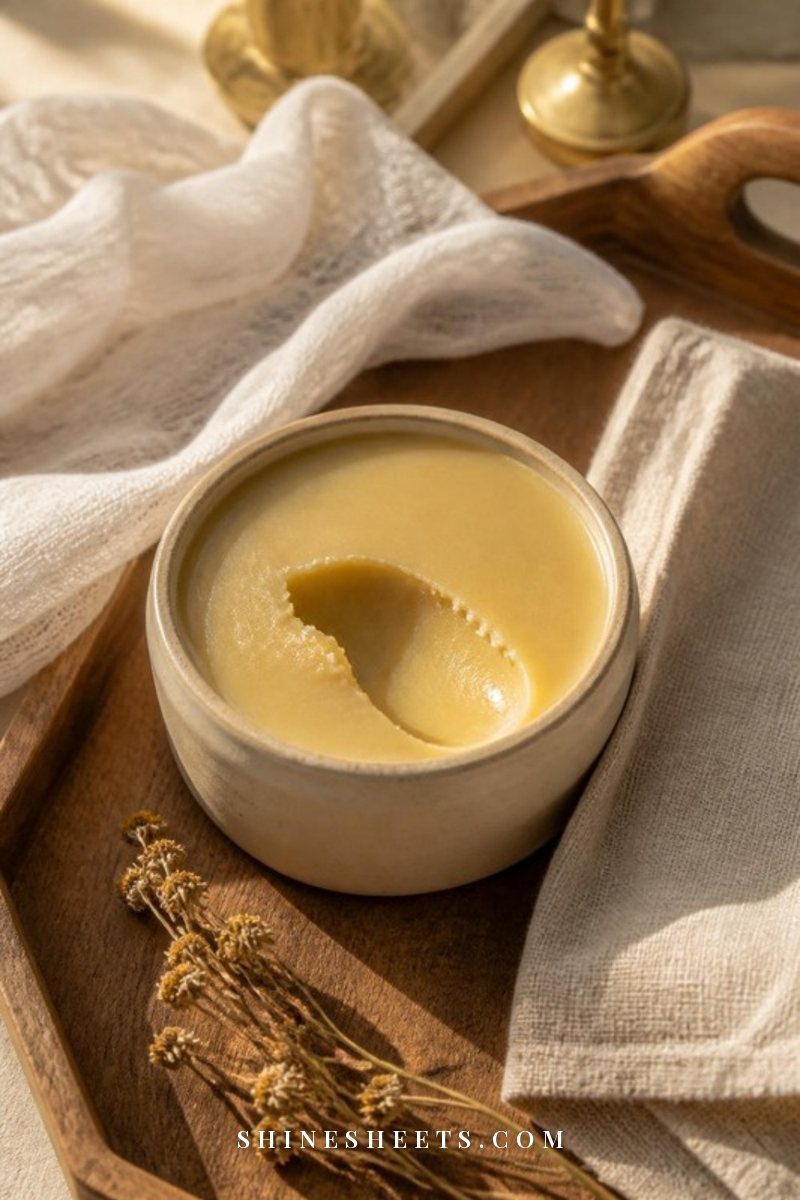
Balms are rich, often waterless, and packed with butters, oils and occlusives. They melt on contact with warm skin and leave a protective cushion behind. Balms are wonderful for very dry patches, windburn, flaky winter skin and the last step of a night routine. Most faces don't need a balm every day, and acne-prone skin usually does better keeping balms to dry spots only (around the nose, the corners of the mouth, cheekbones in the cold).
If your skin is truly parched in winter, a rich night balm pressed in as your final step can make mornings feel completely different.
6. Sleeping Mask
Sleeping masks (also called overnight masks or sleeping packs) are a K-beauty favorite. They're usually a gel or gel-cream texture with a higher concentration of humectants and a light film-forming layer, designed to sit on top of your routine while you sleep. They're not meant to replace your moisturizer every night, but two or three times a week they give dehydrated skin a real boost. An overnight sleeping mask is a sweet little upgrade for the evenings when your skin looks dull or tired.
The Moisturizer Matcher
This is the table I wish I'd had years ago. Find your skin type or situation in the left column, then check the texture and the ingredients worth looking for. Screenshot it and keep it on your phone for the next time you're standing in the skincare aisle feeling overwhelmed.
| Skin type or situation | Best texture | Key ingredients to look for |
|---|---|---|
| Oily skin | Gel or light gel-cream | Glycerin, hyaluronic acid, niacinamide, oil-free formulas |
| Combination skin | Gel-cream (add cream on dry areas) | Hyaluronic acid, niacinamide, light ceramides, squalane |
| Normal skin | Lotion or gel-cream | Glycerin, ceramides, panthenol |
| Dry skin | Cream, balm at night | Ceramides, cholesterol, shea butter, squalane, urea |
| Dehydrated skin (any type) | Gel-cream plus sleeping mask | Hyaluronic acid, glycerin, panthenol, beta-glucan |
| Sensitive or reactive skin | Simple cream | Ceramides, colloidal oatmeal, centella, panthenol, fragrance-free |
| Acne-prone skin | Gel or gel-cream | Niacinamide, glycerin, non-comedogenic oils, light ceramides |
| Mature skin | Cream, richer cream at night | Peptides, ceramides, squalane, hyaluronic acid |
| Hot, humid summer | Gel or lotion | Humectants, lightweight SPF lotion |
| Cold, dry winter or heated rooms | Cream, balm on dry spots | Ceramides, shea butter, petrolatum or dimethicone |
| After retinoids or exfoliating acids | Calming cream | Ceramides, panthenol, centella, no fragrance |
If you're not sure whether your skin is dry or just thirsty, that difference changes everything about which row you pick. My guide to dehydrated vs dry skin helps you tell them apart in a few minutes.
Which Moisturizer for Your Skin Type
The table gives you the quick answer. Here's a little more detail for each skin type, including the mistakes I see most often.
Oily Skin
Oily skin still needs moisture. Skipping it can leave your face feeling tight and, for some people, looking even shinier as the day goes on. Choose a gel or a very light gel-cream, apply a thin layer and give it a full minute to sink in. Niacinamide is a helpful extra, because it supports the barrier and many people find it helps their skin look less shiny over time.
Combination Skin
You don't have to pick one texture for your whole face. A gel-cream all over, plus a tiny extra layer of cream on the cheeks or around the mouth, is often the sweet spot. In summer you might need nothing more than the gel-cream; in winter, the cheeks may want a richer cream every night. For a full morning and evening plan, see my skincare routine for combination skin.
Dry Skin
Dry skin makes less of its own oil, so it benefits from emollients and occlusives, not just water. Creams with ceramides, cholesterol and fatty acids are your best friends, with a balm on the driest patches at night. Apply to damp skin, then seal. My gentle routine for dry skin puts all of this into simple morning and night steps.
Sensitive Skin
For sensitive skin, shorter ingredient lists usually win. Look for fragrance-free creams with calming ingredients like colloidal oatmeal, centella asiatica or panthenol, and introduce only one new product at a time. Patch test any new moisturizer on a small area along your jawline for a few days before applying it to your whole face.
Acne-Prone Skin
Acne-prone skin often gets stripped by drying treatments, which makes a gentle moisturizer even more important. Gel or gel-cream textures labeled non-comedogenic are a sensible starting point. If you use acne treatments that dry you out, a plain ceramide moisturizer can help your skin tolerate them better. Heavy balms and thick butters are best kept off breakout zones.
Mature Skin
As skin changes over time, it tends to hold less water and produce less oil, so a creamier texture usually feels better. Look for peptides, ceramides and squalane, with hyaluronic acid underneath for bounce. A slightly richer cream at night and a lighter one under makeup in the morning is a lovely balance.
Moisturizer by Season and Climate
Your skin type stays mostly the same, but your skin's needs shift with the weather. Many people do best with two moisturizers on rotation: a lighter one for warm months and a richer one for cold months.
- Hot and humid: Gels and light lotions. Humidity already helps your skin hold water, so you mainly need humectants. Heavy creams can feel sticky and may trigger breakouts.
- Hot and dry (desert air, air conditioning): A gel-cream with a hydrating serum underneath. Dry air pulls water out of skin, so a little more emollient helps.
- Cold and dry: Creams by day, cream plus balm on dry spots at night. Indoor heating is one of the biggest moisture thieves, so a small humidifier in the bedroom can help too.
- Spring and autumn: Transition seasons are the time to switch slowly. Use your summer gel-cream in the morning and your winter cream at night for a week or two before fully changing.
- Travel and flights: Cabin air is very dry. A sleeping mask or cream applied before boarding (and reapplied on long flights) keeps skin from feeling tight on arrival.
If your face gets red or itchy every time the seasons change, make the switch even more slowly: swap one product at a time and give each change about a week.
Day vs Night Moisturizer
You don't strictly need two different moisturizers, but it often makes life easier.
In the morning, your moisturizer has to play well with sunscreen and makeup. Lighter textures (gel-cream or lotion) absorb faster and are less likely to pill. A moisturizer with built-in SPF can save a step on simple days, as long as you apply enough of it. A daily moisturizer with SPF is a practical pick for busy mornings, though for long days outdoors a dedicated sunscreen on top is the safer choice.
At night, there's no makeup and no sunscreen, so you can go richer. This is when creams, balms and sleeping masks shine. Skin also tends to lose more water overnight, so a slightly heavier layer often pays off in how your face feels the next morning. If you use retinol or exfoliating acids at night, a calming cream on top helps buffer any dryness.
How To Apply Moisturizer the Right Way
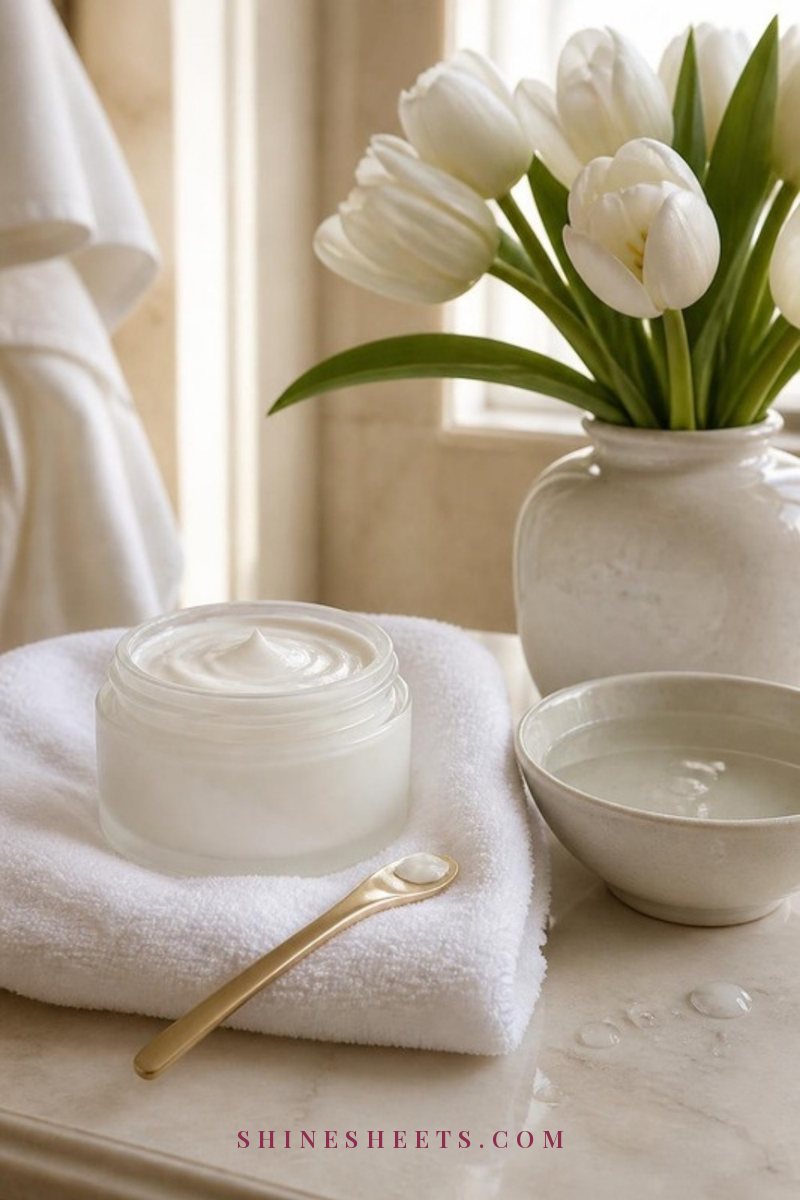
How you apply moisturizer matters almost as much as what's in the jar. These five steps take less than two minutes.
- Start with damp skin. After cleansing, pat your face gently with a towel so it's damp, not dripping. Apply serums or toner, then moisturize within about 60 seconds, while skin is still slightly damp.
- Use the right amount. For the face, a pea-sized to almond-sized amount is usually enough for gels and lotions; creams often need a little less because they're richer. Add a second small amount for your neck.
- Warm it first. Rub the product between your fingertips for a few seconds. Warmed product spreads more evenly, especially balms and thick creams.
- Press, then smooth. Press gently into the cheeks, forehead and chin, then smooth outward with light upward strokes. Skip the eye area unless the product says it's suitable, and go easy around the nostrils.
- Wait before the next step. Give moisturizer one to two minutes before sunscreen in the morning, or before a balm or sleeping mask at night. It helps each layer settle without sliding around.
If you're building a routine from scratch, my skincare routine for beginners shows where moisturizer fits among the four steps that actually matter.
Layering Under SPF and Makeup
Pilling (those little rolls of product that appear when you rub your face) is the most common complaint about moisturizer, and it's almost always about layering, not about a bad product. A few simple rules help:
- Thinnest to thickest. Water-light serums first, then moisturizer, then sunscreen.
- Less is more in the morning. A thin, even layer of moisturizer works better under SPF than a thick one.
- Give it time. Wait one to two minutes between moisturizer and sunscreen, and another minute or two before foundation.
- Pat, don't rub. Press sunscreen and makeup on top rather than rubbing hard, which can lift the layer underneath.
- Watch for clashing bases. Some silicone-heavy and water-heavy formulas don't love each other. If one combination always pills, try swapping just one product rather than giving up on both.
Moisturizer with SPF counts as sun protection only if you apply a generous amount to your whole face. Most people use less than they'd need, so on sunny days, a separate sunscreen is a kind thing to do for your skin.
Ingredients To Look For and Avoid
You don't need to memorize an encyclopedia. These are the ingredients that come up again and again in well-loved formulas, plus a few to be careful with.
Worth Looking For
- Ceramides: support the skin barrier, great for dry and sensitive skin.
- Hyaluronic acid and glycerin: classic humectants that suit almost everyone.
- Niacinamide: barrier support, helpful for oily, combination and acne-prone skin.
- Squalane: a light, skin-friendly emollient that rarely feels greasy.
- Panthenol (pro-vitamin B5): soothing and hydrating.
- Centella asiatica and colloidal oatmeal: calming favorites for reactive skin.
- Peptides: a popular addition in creams for mature skin.
Worth Being Careful With
- Heavy fragrance and essential oils: a common trigger for sensitive skin. Fragrance-free is the safer default.
- High amounts of drying alcohol near the top of the list: can feel refreshing but may leave dry skin tighter.
- Very rich oils and butters on acne-prone areas: some people break out from coconut oil or heavy butters, so test them on a small area first.
- Too many actives in one product: a moisturizer packed with acids and retinoids may not be soothing at all. Let your moisturizer be the calm step.
A quick, kind note: if a moisturizer stings, burns, causes swelling or leaves you with a rash, stop using it and rinse your face with cool water. For persistent redness, itching or breakouts, a dermatologist can help you figure out what's going on.
7 Signs You're Using the Wrong Moisturizer
Your skin usually tells you within a week or two whether a moisturizer is right. Watch for these signs:
- Your face feels tight within an hour. The texture is too light, or there aren't enough emollients. Try a gel-cream or cream.
- You look greasy by mid-morning. The formula is too rich for daytime. Move it to night and use something lighter in the morning.
- Flakes appear under makeup. Often a sign of dehydration. Apply moisturizer to damp skin and consider a hydrating serum underneath.
- Tiny bumps show up where you didn't have them before. The product may be too heavy or not suit your skin. Go back to a non-comedogenic gel or gel-cream.
- It stings every time. Something in the formula doesn't agree with your skin. Choose a fragrance-free, minimal option.
- It pills constantly. Use less, wait longer between layers, or try a different base.
- It just sits on top and never sinks in. Your skin may not need that much. Use half the amount or switch to a lighter texture.
Give any new moisturizer about two weeks before deciding (unless it irritates you, in which case stop right away). Skin needs a little time to show you how it really feels.
Final Thoughts
Choosing a moisturizer isn't about finding one perfect jar for the rest of your life. It's about noticing what your skin needs right now and giving it that, whether it's a cool gel in summer, a comforting cream in winter or a little balm on the cheeks after a windy walk.
Start with your row in the moisturizer matcher, apply it to damp skin, and pay attention to how your face feels a few hours later. That small habit of listening is what turns a basic step into one of the kindest parts of your day.