Glycerin is probably already in half the bottles on your bathroom shelf, and that's exactly why it's so easy to overlook. It isn't new, rare or expensive. It's one of the most reliable hydrating ingredients in skincare, and a lot of the "this moisturizer just feels right" products you love owe that comfort to it.
While newer ingredients come and go, glycerin quietly does its job in cleansers, toners, serums, creams and hand lotions. It took me a while to appreciate how much a humble, well-formulated product can do for combination, sensitive skin like mine, and glycerin is a big part of that story.
This guide covers everything about glycerin for skin: what it is, how it works, its benefits, how it compares to hyaluronic acid and ceramides, the right way to use it, why you shouldn't put pure glycerin straight on your face, who it suits best, how climate changes things, and the kinds of products where it really shines.
What Is Glycerin?
Glycerin (also called glycerol) is a clear, odorless, slightly sweet and syrupy liquid. In skincare it's classed as a humectant, which means it attracts water and holds onto it. It can be derived from plant oils or made synthetically, and your skin even contains a little of it naturally as part of its own moisture system.
Think of a humectant as a sponge. It draws water into the outer layers of the skin, from the deeper layers and, when the air is humid enough, from the environment. That extra water is what makes skin feel softer, smoother and more comfortable.
On an ingredient list you'll usually see it written simply as "glycerin," and it's often near the top, right after water. That placement is a good sign that the product leans on it for hydration.
Why Glycerin Is in So Many Products
Formulators love glycerin for a few practical reasons:
- It works. It's one of the most studied humectants in skincare, with decades of use behind it.
- It's gentle. Most skin types tolerate it well, including sensitive skin.
- It improves texture. It gives creams a smooth, cushiony slip and helps keep products from drying out in the jar.
- It's affordable. Which means it shows up in drugstore staples and luxury creams alike.
- It plays well with others. It fits into almost any formula alongside other actives.
That last point matters. Glycerin is rarely the star on the front of the bottle, but it's often one of the reasons a product with a trendier ingredient still feels comfortable.
Benefits of Glycerin for Skin
Here's what glycerin can do for your skin, without the hype.
Hydration You Can Feel
Glycerin's main job is drawing water into the top layer of skin. Hydrated skin looks plumper and smoother, fine dry lines look softer, and makeup tends to sit better. It's especially noticeable on skin that feels tight after cleansing.
Barrier Support
Your skin barrier works best when it's well hydrated. Glycerin helps keep the outer layer flexible and comfortable, which supports the barrier's ability to hold water in and keep irritants out. It isn't a repair ingredient on its own the way ceramides are, but it makes a lovely partner to them.
Comfort for Sensitive Skin
Because it's so mild, glycerin is a common base in products made for reactive skin. If stronger ingredients tend to sting, a glycerin-rich moisturizer can feel like a soft landing.
A Helpful Partner for Actives
If you use retinol, exfoliating acids or vitamin C, glycerin in your moisturizer or toner can help offset some of the dryness those actives bring. It won't change how they work, but it can make them easier to live with.
Glycerin vs. Hyaluronic Acid vs. Ceramides
These three ingredients come up together constantly, and they aren't competitors. They do different jobs, and the best routines often include all three. Here's the comparison at a glance:
| Glycerin | Hyaluronic acid | Ceramides | |
|---|---|---|---|
| What it is | Small humectant molecule | Humectant, larger molecule (various sizes) | Lipids naturally found in the skin barrier |
| Main job | Draws water into the skin's outer layer | Draws and holds water at the surface | Helps rebuild and seal the barrier |
| Feels like | Cushiony, slightly rich; sticky only at high levels | Light, watery, bouncy | Creamy, comforting |
| Best for | Dry, dehydrated, sensitive, most skin types | Dehydrated, oily and combination skin wanting light hydration | Dry, compromised or over-exfoliated skin |
| Where you find it | Cleansers, toners, creams, hand care | Serums, toners, gel creams | Moisturizers, barrier creams |
| Price | Usually affordable | Affordable to mid-range | Affordable to mid-range |
| Needs a moisturizer on top? | Helps, especially in dry air | Yes, to seal in water | It is often the moisturizer |
In short: glycerin and hyaluronic acid bring water in; ceramides help keep it there. If you want to go deeper on either partner, my guides to hyaluronic acid and ceramides explain how each one fits into a routine.
How To Use Glycerin for Skin
The easiest way to use glycerin is through products that already contain it. Here's a simple routine that makes the most of it:
- Cleanse gently. Use a mild cleanser that doesn't leave your skin squeaky or tight.
- Keep skin slightly damp. Pat your face with a towel so it's damp, not dripping. Humectants work best when there's water for them to hold onto.
- Apply a hydrating toner or essence. Press it in with your palms rather than rubbing.
- Add a serum if you use one. A hyaluronic or other hydrating serum fits here.
- Seal with moisturizer. This is the step that keeps all that hydration from evaporating, especially in dry air.
- Finish with sunscreen in the morning. Every day, whatever the weather.
A glycerin-rich hydrating toner is an easy first step if your skin feels tight after washing. Look for one with glycerin among the first few ingredients and no added fragrance or drying alcohol.
How To Spot Glycerin on an Ingredient List
Ingredient lists are written in order of concentration, from most to least (down to about one percent, after which the order can be loose). A few easy rules help you read them:
- Look for "glycerin" in the first five ingredients if you want a product that really leans on it for hydration.
- It may sit next to other humectants, like butylene glycol, propanediol, sodium hyaluronate, panthenol or betaine. That's a sign of a thoughtfully hydrating formula.
- Check what's around it. A good moisturizer pairs humectants with emollients (squalane, plant oils, fatty alcohols like cetearyl alcohol) and often an occlusive (dimethicone, shea butter, petrolatum).
- Don't worry about "vegetable glycerin" vs. plain glycerin. On the skin they perform the same way.
If glycerin appears near the very end of the list, it's probably there for texture rather than hydration, which is perfectly fine too.
Should You Use Pure Glycerin on Your Face?
In short, no, not undiluted. Pure glycerin is very concentrated and thick. In dry air, a strong humectant with nothing balancing it can pull water from the deeper layers of skin instead of the air, which can leave you feeling tighter, not softer. It also feels sticky and can attract dust.
You'll find plenty of DIY "glycerin and rose water" mixes online, but homemade blends have no preservatives, no tested ratios and no way to know they're clean. I'd skip them and choose a well-formulated product where glycerin is already balanced with water, soothing ingredients and emollients. It's safer, more pleasant and usually works better.
And as with any new product, patch test first: apply a little to your jaw or the side of your neck once a day for a few days and check for redness, itching or bumps.
Who Glycerin Suits Best
Glycerin is one of the most universally friendly ingredients out there, but it's especially helpful for:
- Dry skin that feels rough, flaky or tight.
- Dehydrated skin, which can happen to any skin type (yes, oily too) and shows up as dullness and fine, crinkly lines. If you're not sure which one you have, my guide on dehydrated vs. dry skin helps you tell them apart.
- Sensitive skin that reacts to fragrance and strong actives.
- Combination skin that needs hydration without heaviness. A light gel or lotion with glycerin can balance dry cheeks without making a shiny T-zone shinier.
- Skin using retinoids or acids that needs extra comfort.
Oily and acne-prone skin can use glycerin too. It's generally considered non-comedogenic. The key is choosing a lighter texture, like a gel cream rather than a rich balm.
Glycerin in Humid vs. Dry Climates

Humectants behave a little differently depending on the air around you.
In humid weather, glycerin has plenty of moisture in the air to work with, and your skin usually feels plump and comfortable. You may want lighter layers, like a toner and a gel moisturizer, and nothing heavier.
In dry, cold weather or heated rooms, there's less moisture in the air, so sealing becomes essential. Apply glycerin products to damp skin and always follow with a moisturizer that contains emollients and occlusives (oils, butters, squalane, petrolatum) to keep water from escaping. On very dry winter nights, a thin occlusive layer on top can help; my guide on slugging explains when that works and when it's too much. A humidifier in the bedroom is a lovely support too.
Where Glycerin Shines: Products To Look For
You don't need a "glycerin product." You just need to notice where it appears. Here are the categories where it makes the biggest difference.
Cleansers
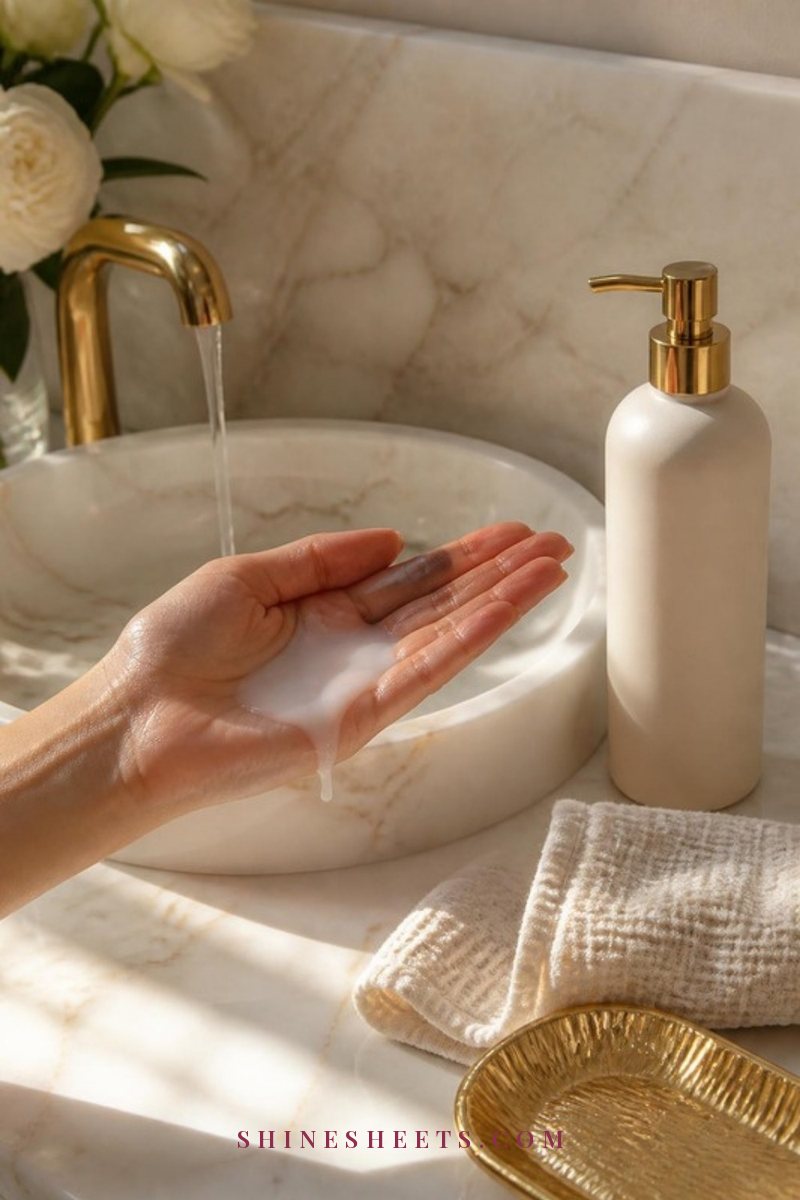
Glycerin in a cleanser helps offset the drying effect of washing, so your skin feels clean but not stripped. A gentle hydrating cream cleanser is a lovely choice for dry, sensitive or combination skin, especially in the evening. Massage it in for about thirty to sixty seconds and rinse with lukewarm water.
Toners and Essences
Modern hydrating toners are more like a first drink of water for your skin than the astringent toners of years past. Many Korean-style toners lean on glycerin, often alongside other humectants. You can press in one layer or build up two or three thin layers on very dry days.
Serums
Hydrating serums often pair glycerin with hyaluronic acid for a double hit of moisture. A hyaluronic acid serum with glycerin in the formula is a good pick if your skin looks dull or feels tight by midday. Two or three drops on damp skin are enough.
Moisturizers
This is where glycerin and ceramides team up beautifully. Look for a ceramide moisturizing cream that also lists glycerin high up: you get water-attracting hydration plus barrier-supporting lipids in one step. For more on choosing the right texture for your skin type, see my moisturizer guide.
Hand and Body Care
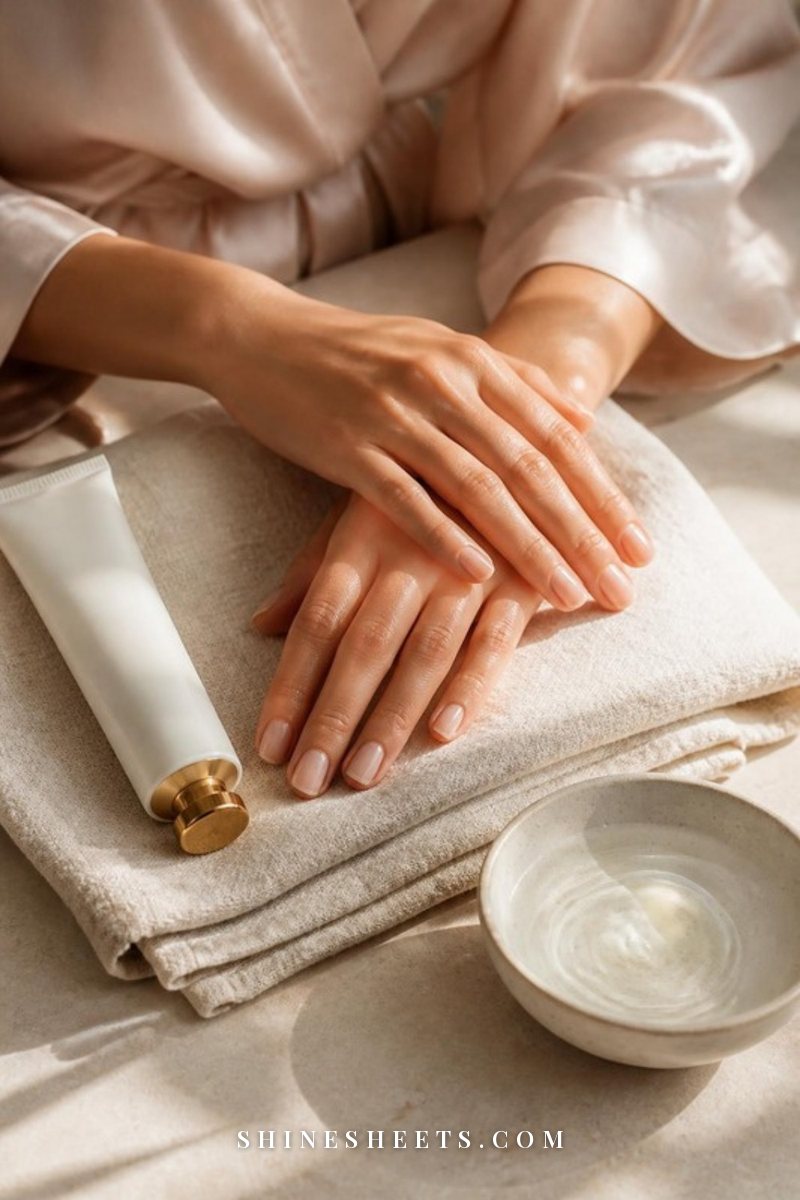
Glycerin is a classic in hand creams for good reason: hands get washed constantly and lose moisture fast. Keep a glycerin-rich hand cream by the sink and on your nightstand, and apply after every wash in winter. The same goes for body lotions: apply within a few minutes of your shower, while skin is still damp.
Lips
Lips have almost no oil glands of their own, which is why they're usually the first thing to feel dry in winter. Many lip balms and overnight lip masks use glycerin alongside butters and waxes. A soft overnight lip sleeping mask applied as the last step of your evening routine is a simple way to wake up with smoother lips. Skip licking your lips during the day (saliva evaporates and leaves them drier) and reapply balm instead.
Simple Glycerin Routines by Skin Type
Here's how glycerin can fit into a calm routine for different skin types. Adjust to what your skin tells you.
Dry Skin
Morning: cream cleanser or just a lukewarm water rinse, two layers of hydrating toner, a rich glycerin and ceramide cream, sunscreen. Evening: cream cleanser, toner, hydrating serum, a richer cream, and a thin occlusive layer on extra-dry nights.
Combination Skin
Morning: gentle gel cleanser, one layer of toner, a light gel cream with glycerin all over (a little extra on the cheeks), sunscreen. Evening: cleanse, toner, a hydrating serum, a lotion on the T-zone and a slightly richer cream on dry areas. This is the approach that keeps my own shiny T-zone and drier cheeks both reasonably happy.
Oily or Acne-Prone Skin
Morning: gel cleanser, a lightweight hydrating toner, an oil-free gel moisturizer, a light sunscreen. Evening: cleanse, any treatment your routine includes, then a thin gel moisturizer. Hydrated oily skin often feels less greasy, because it isn't compensating for dryness.
Sensitive Skin
Keep it short: a gentle cleanser, a fragrance-free glycerin moisturizer and a mineral sunscreen. Introduce one new product at a time, two weeks apart, so you always know what your skin is reacting to.
Common Glycerin Myths
"Glycerin dries out your skin." Not when it's used in a balanced formula and sealed in with a moisturizer. The drying reputation comes from using pure glycerin alone in very dry air.
"It's a cheap filler." It's inexpensive, but that doesn't make it a filler. It's one of the best-studied hydrators in skincare.
"Hyaluronic acid is always better." They're different, not better or worse. Many of the most comfortable formulas use both.
"Glycerin clogs pores." It's generally considered non-comedogenic. If a product breaks you out, it's more likely another ingredient or a texture that's too heavy for your skin.
How Long Until You Notice a Difference?
One of the nicest things about glycerin is that it works quickly. Most people feel softer, more comfortable skin right after applying a glycerin-rich product, and a visible difference in smoothness within a few days of using it consistently.
Barrier comfort takes a little longer. If your skin has been stripped or irritated, give a gentle, hydrating routine two to four weeks before deciding whether it's working. Skin renews itself slowly, and consistency matters more than any single product. Keep the routine steady, keep it simple, and watch for less tightness after cleansing, fewer flaky patches and makeup that sits more smoothly.
Possible Downsides of Glycerin
Glycerin is very well tolerated, but a few things are worth knowing:
- Stickiness. High concentrations can feel tacky. If a product feels sticky, use less or choose a lighter formula.
- Dry-air tightness. Used on its own in a very dry room, a humectant without a moisturizer on top can leave skin feeling tight. Always seal it in.
- Rare sensitivity. Reactions are uncommon but possible, often to something else in the formula. Patch test new products.
- It's not a fix-all. Glycerin hydrates and comforts. It won't treat acne, fade dark spots on its own or replace sunscreen.
If your skin is persistently dry, itchy, cracked or irritated even with a gentle routine, it's worth seeing a dermatologist to rule out something like eczema.
A Note on Fragrance and Extras
Glycerin itself is gentle, but the products it sits in can contain fragrance, essential oils or drying alcohols that sensitive skin may not love. If your skin is reactive, choose fragrance-free versions of the cleansers, toners and creams you rely on most, and save scented products for body and hands, where skin tends to be less sensitive. Texture matters too: a formula that feels heavy or tacky on your face isn't wrong for you, it may simply be better suited to night than to morning under makeup. Small adjustments like these are often what turns a good routine into one your skin feels truly comfortable with.
Final Thoughts
Glycerin is proof that the most helpful skincare ingredients aren't always the most exciting ones. It's gentle, affordable and quietly effective, and once you start looking for it, you'll notice it in so many of the products that make your skin feel comfortable.
Apply it to damp skin, seal it in with a good moisturizer and let it do its steady work. Simple, soft and reliable is a lovely way for a routine to feel.