Slugging isn't magic, and it isn't a moisturizer. It's a lid. A thin layer of an occlusive balm at the very end of your evening routine slows down the water your skin loses overnight, so everything you applied underneath stays where you put it. For dry, tight, winter-battered skin, that simple lid can make mornings feel completely different.
The catch is that slugging is not for everyone, and the way most people try it the first time (thick layer, every night, over strong actives) is exactly the way that causes trouble. Done thoughtfully, though, it's one of the gentlest and least expensive habits in skincare.
This guide covers slugging skincare from the ground up: what it is, why it helps, who should skip or adapt it, a skin type verdict table, a five-step method, spot-slugging, using it with retinoids and acids, pillowcase hygiene, how often to do it, lighter alternatives and when to see a dermatologist.
A small honest note: my skin is combination and sensitive, with a shiny T-zone, so full-face slugging would be a bad idea for me. Spot-slugging dry cheeks in winter is a very different story.
What Is Slugging?
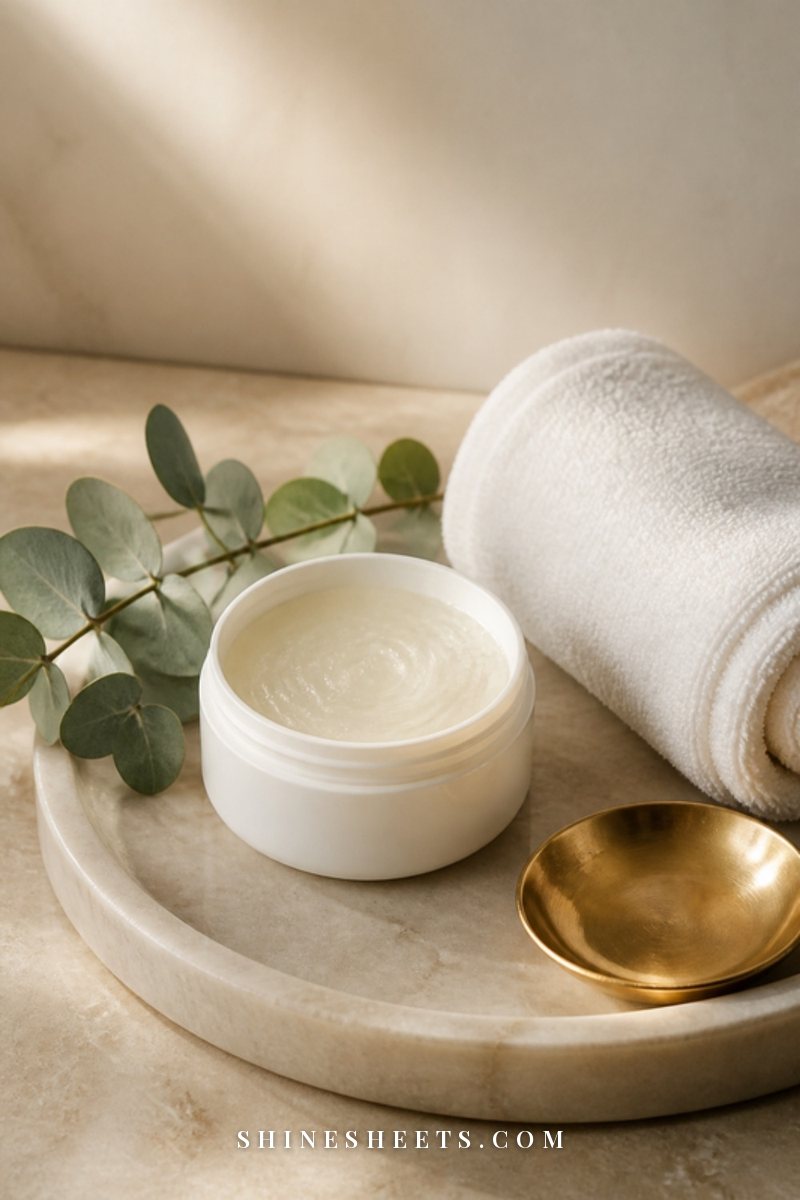
Slugging is the habit of applying a thin layer of an occlusive product, most often petrolatum (petroleum jelly), as the very last step of your night routine. The name comes from the glossy, slightly slick look it gives your skin, a bit like a slug's trail. Not glamorous, but memorable.
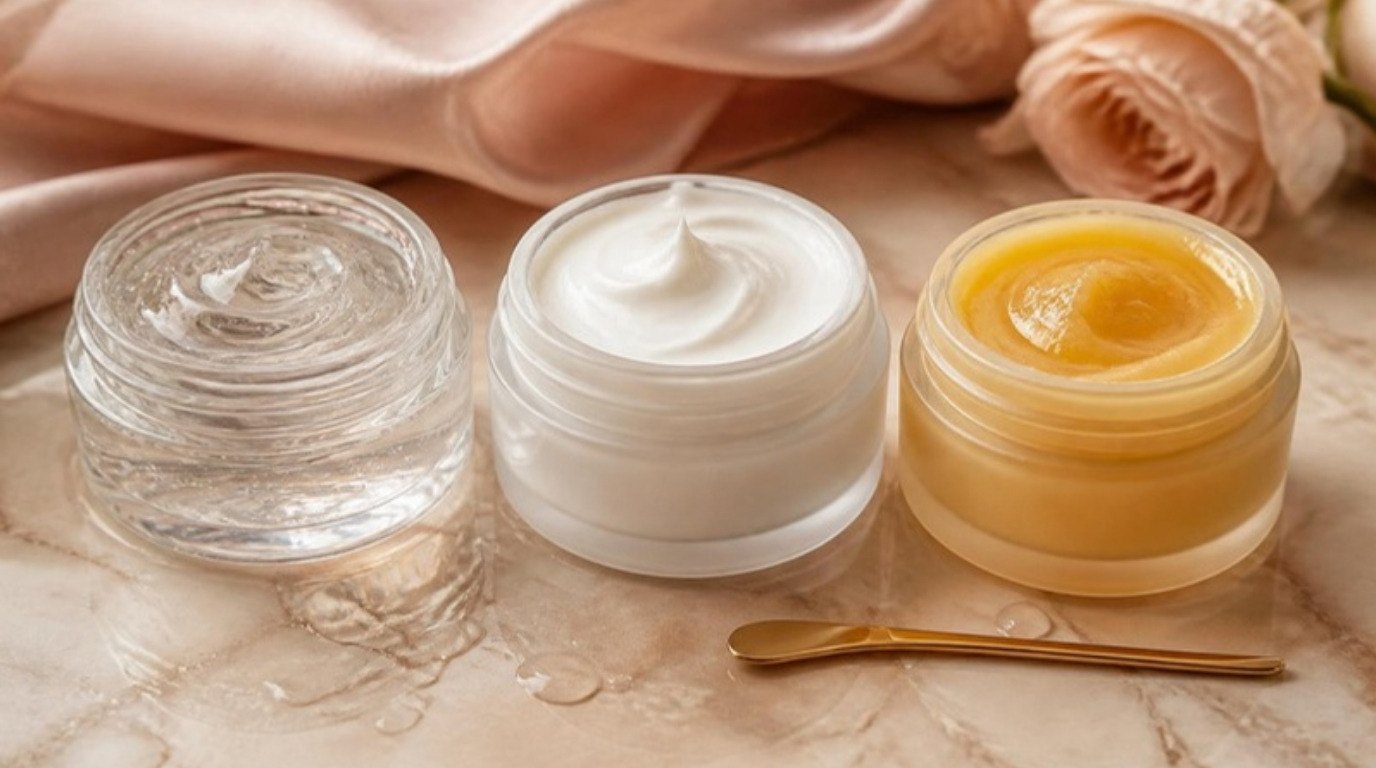
Skincare ingredients fall roughly into three groups. Humectants (like hyaluronic acid and glycerin) draw water in. Emollients (like many oils and fatty alcohols) soften and smooth. Occlusives (like petrolatum, some waxes and dimethicone) create a barrier on top that slows water evaporation. Slugging is simply using a strong occlusive on purpose, over the top of everything else.
Petrolatum is one of the most effective occlusives available, and highly refined, cosmetic-grade petrolatum is widely used in skincare and generally well tolerated. It doesn't add moisture by itself. It holds in what's already there.
Why Slugging Helps Dry and Dehydrated Skin
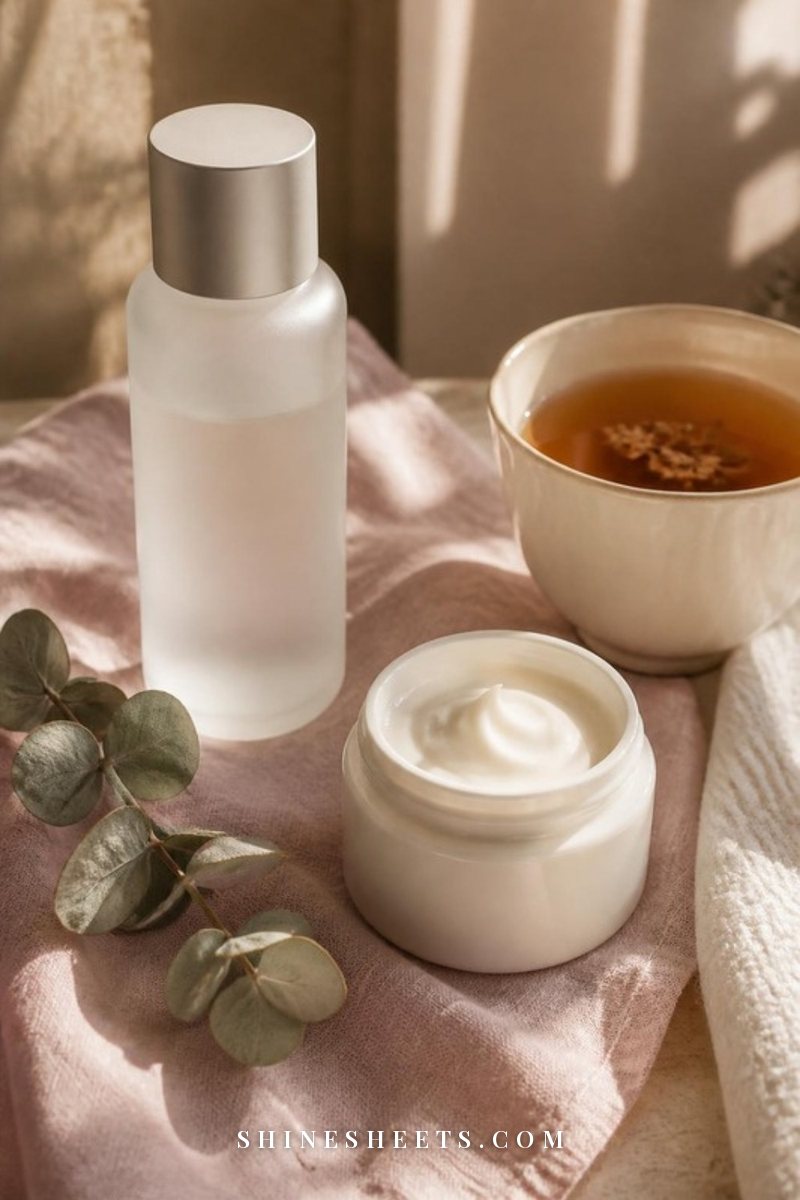
Your skin barrier, the outermost layer, works a bit like a brick wall: skin cells are the bricks and lipids like ceramides are the mortar. When that mortar is low (from cold weather, over-exfoliating, hot showers or harsh cleansers), water escapes more easily, and skin feels tight, rough and reactive.
Slugging helps in a few ways:
- It slows water loss overnight. Sleep is when skin does a lot of its repair work, and an occlusive layer helps keep it hydrated during those hours.
- It helps your moisturizer work longer. Humectants and emollients underneath stay on the skin instead of evaporating or rubbing off.
- It protects from dry air. In winter, heated rooms can be very dry, and a sealing layer gives skin a buffer.
- It gives an irritated barrier a calmer environment. Many people find their skin feels less tight and stingy after a few nights.
It's worth knowing whether your skin is dry (lacking oil) or dehydrated (lacking water), because slugging helps both but your layers underneath should differ. My guide to dehydrated vs. dry skin explains how to tell. And if your barrier feels truly compromised, my guide to restoring your skin barrier pairs perfectly with this.
Who Should Skip or Adapt Slugging
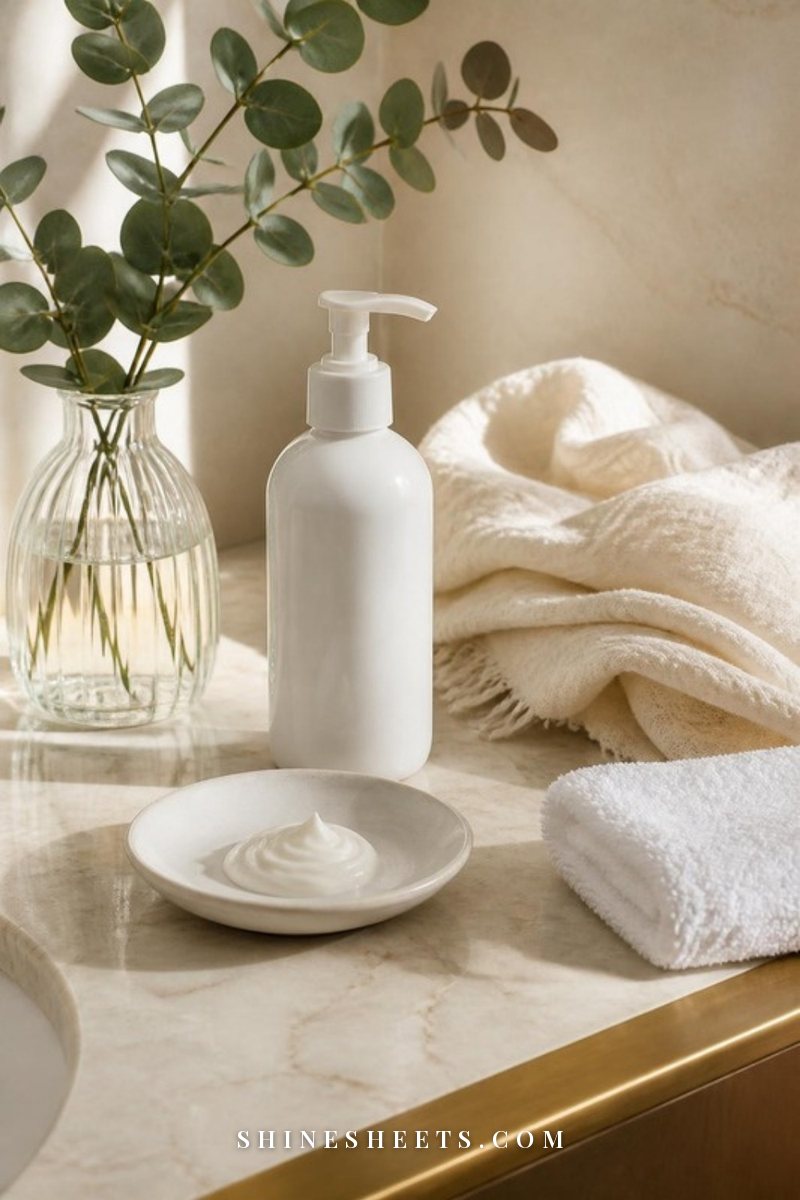
Petrolatum itself is generally considered non-comedogenic, but a heavy occlusive layer can trap other things against the skin: sweat, oil, leftover product and bacteria. That's why some skin types do better skipping slugging or keeping it very targeted.
- Acne-prone skin: The occlusive layer can trap oil and other products underneath, which may lead to breakouts for some people. If you get frequent clogged pores, try spot-slugging only on dry areas, or skip it.
- Very oily skin: You probably don't need it. Your skin already makes plenty of its own protective oil.
- Milia-prone skin: Milia are tiny, hard white bumps, often around the eyes. Heavy occlusives can make them more likely for some people. Keep thick balms away from the eye area if you get them.
- Anyone using strong actives: Slugging over retinoids or exfoliating acids can intensify them and cause irritation (more on this below).
- Skin with an active infection or open wounds: Leave it to your doctor's advice.
Rosacea and eczema-prone skin can sometimes benefit from occlusives, but these conditions vary a lot from person to person, so it's best to ask a dermatologist first.
Skin Type Slugging Verdict
Here's a quick guide to help you decide. Screenshot it and check it before you try slugging for the first time.
| Skin type or situation | Slugging verdict | Best way to try it |
|---|---|---|
| Very dry skin | Great fit | Full face, 2–4 nights a week in cold weather |
| Dehydrated skin | Good fit | Over a hydrating serum and light moisturizer, 2–3 nights a week |
| Damaged or over-exfoliated barrier | Good fit | Pause actives, slug most nights for 1–2 weeks |
| Combination skin | Adapt | Spot-slug cheeks and dry patches only, skip the T-zone |
| Sensitive skin | Adapt | Fragrance-free products, patch test first, start once a week |
| Mature, dry skin | Good fit | Full face or targeted, especially around the mouth and neck |
| Oily skin | Usually skip | Lips or cracked spots only |
| Acne-prone skin | Usually skip | Spot-slug dry patches away from breakouts, if at all |
| Milia-prone skin | Adapt with care | Avoid the eye area, use a lighter balm |
| Eczema, psoriasis or rosacea | Ask a dermatologist | Follow professional advice |
How To Slug: 5 Simple Steps
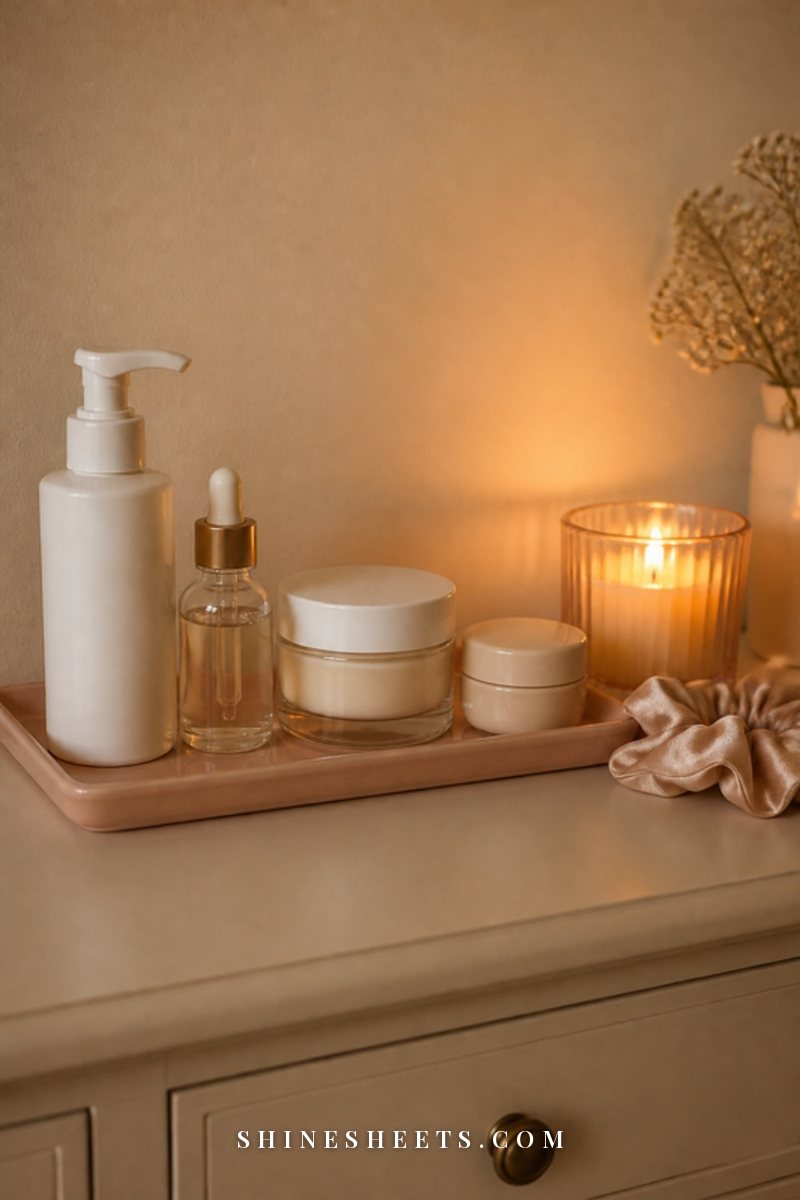
The secret to slugging is the order and the amount. Everything happens at night, and the occlusive always goes last.
1. Cleanse Gently
Start with a clean face, because anything left on the skin will be sealed in. Use lukewarm water and a mild, non-stripping cleanser. A gentle hydrating cleanser is a good pick here: look for a creamy or milky texture, no strong fragrance and ingredients like glycerin or ceramides. If you wore sunscreen or makeup, double cleanse first.
2. Add Hydration to Damp Skin
Pat your face so it's slightly damp, not dripping, and apply a hydrating serum. A hyaluronic acid serum works beautifully under slugging because the occlusive layer helps it hold onto water instead of letting it evaporate. A few drops are plenty.
3. Moisturize
Follow with a moisturizer to give your skin lipids and softness. A ceramide moisturizing cream is ideal, because ceramides help support the skin barrier from underneath. Choose a fragrance-free formula if your skin is sensitive. You can learn more about how they work in my guide to ceramides.
4. Seal With a Thin Layer
Wait a minute or two for your moisturizer to settle, then warm a small amount (about a pea size for the whole face) of a petrolatum healing ointment between your fingertips and gently press it over your skin. Press, don't rub. You want a thin, even veil that looks slightly glossy, not a thick mask. Keep it away from your eyelids and lash line.
5. Protect Your Pillowcase and Hair
Tie your hair back away from your face and lie down on a clean pillowcase (or one with a soft towel on top for the first few nights). In the morning, rinse with lukewarm water or a gentle cleanse, and continue with your usual morning routine and sunscreen.
Spot-Slugging: The Gentler Option
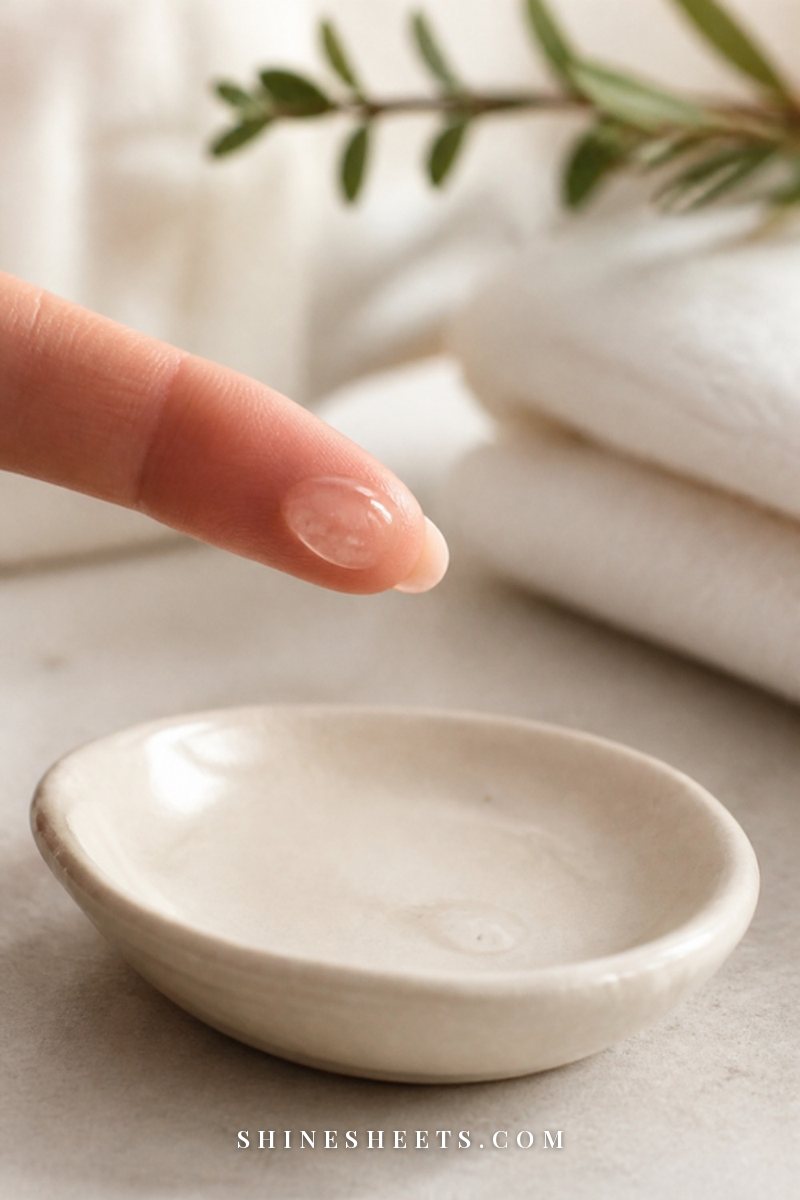
If full-face slugging sounds like too much (or your skin type sits in the "adapt" row of the table), spot-slugging is your friend. Instead of covering your whole face, you apply the occlusive only where you need it:
- Dry patches on the cheeks or around the nose
- The corners of the mouth, which crack easily in winter
- Lips (a classic, and one of the easiest places to start)
- Around the nostrils when you have a cold and they're rubbed raw
- Rough elbows, knuckles, cuticles and heels
For combination skin like mine, this is usually the sweet spot: soft, comfortable cheeks in the morning, and a T-zone that stays as it is. It's also a great way to test how your skin reacts before deciding whether full slugging is right for you.
Slugging With Retinoids and Acids
This is where people most often get into trouble. An occlusive layer can increase how much of an ingredient reaches your skin, which is lovely for a gentle moisturizer but can turn a retinoid or exfoliating acid into an irritating experience.
Here's the gentle approach:
- Don't slug over retinoids or acids when you first start. Keep slugging nights and active nights separate. For example, retinoid on Monday and Thursday, slugging on Tuesday and Friday.
- If you want to combine them later, only do so once your skin is used to the active, and talk to a dermatologist first, especially with prescription retinoids.
- Watch for warning signs: stinging, burning, redness or peeling mean you should stop slugging over that product and give your skin a few calm nights.
- Use slugging as recovery. If you've overdone exfoliation, a few slugging nights with no actives can help your skin settle.
If you like a structured week, skin cycling (active nights followed by recovery nights) is a natural match: slugging fits nicely on recovery nights.
Pillowcase and Hair Hygiene

An occlusive layer will transfer a little to whatever touches your face. That's normal, but it means hygiene matters more on slugging nights.
- Change your pillowcase often, ideally every two or three nights when you're slugging regularly. Oil, product and bacteria build up quickly.
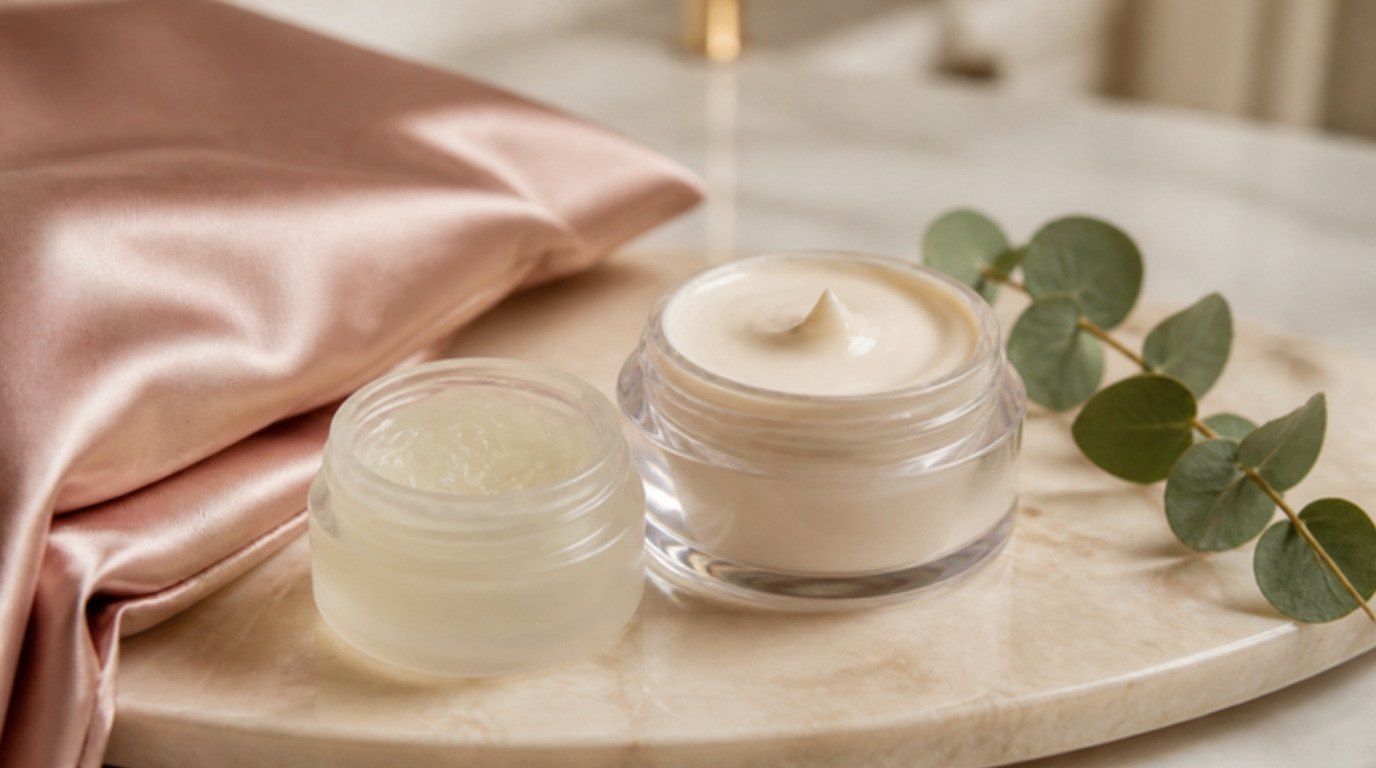
- Choose a smooth fabric. A mulberry silk pillowcase creates less friction and absorbs less product than cotton, so more of the balm stays on your skin. Wash it gently according to the care label.
- Keep hair off your face. Hair touching slugged skin can pick up product (hello, greasy fringe) and transfer hair products back onto your face.
- Use clean hands and a clean tub. Scoop ointment with a clean spatula or clean fingers, and close the lid after use.
How Often Should You Slug?
There's no rule that says you must slug every night. In fact, most people do best with a flexible rhythm:
- Starting out: one or two nights a week for two weeks, to see how your skin responds.
- Dry or winter skin: two to four nights a week, more during a very cold spell.
- Barrier recovery: most nights for a week or two, with actives paused, then taper off.
- Summer or humid weather: spot-slugging or none at all. Your skin needs less help when the air is kinder.
Let your skin lead. If you wake up with clogged pores, small bumps or a greasy, uncomfortable feeling, slug less often or switch to spot-slugging.
Lighter Alternatives to Slugging
If pure petrolatum feels too heavy, there are softer ways to get some of the same benefit:
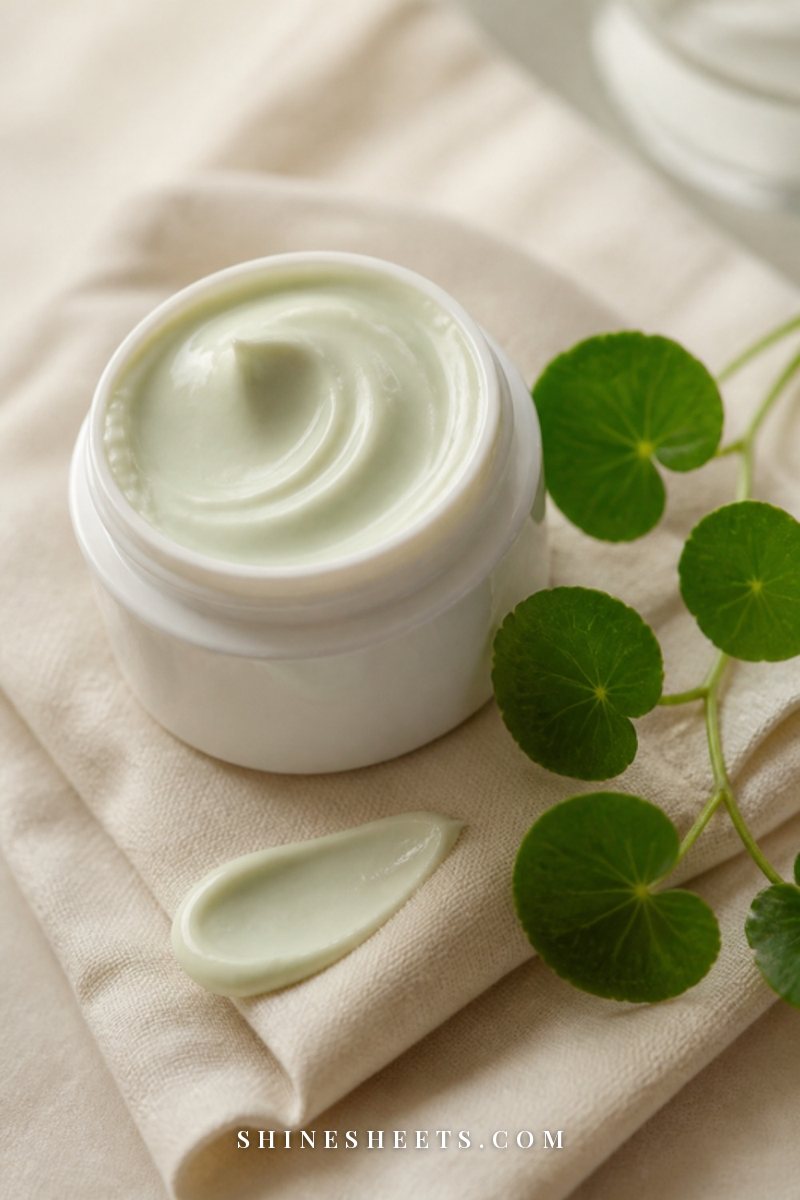
- A barrier balm: Thicker than a moisturizer but lighter than an ointment. Many contain a mix of occlusives, emollients and soothing ingredients. A Korean cica balm with centella asiatica is a lovely pick for sensitive, slightly irritated skin.
- A sleeping mask: Many Korean overnight masks are designed to seal in hydration with a lighter, gel-cream texture.
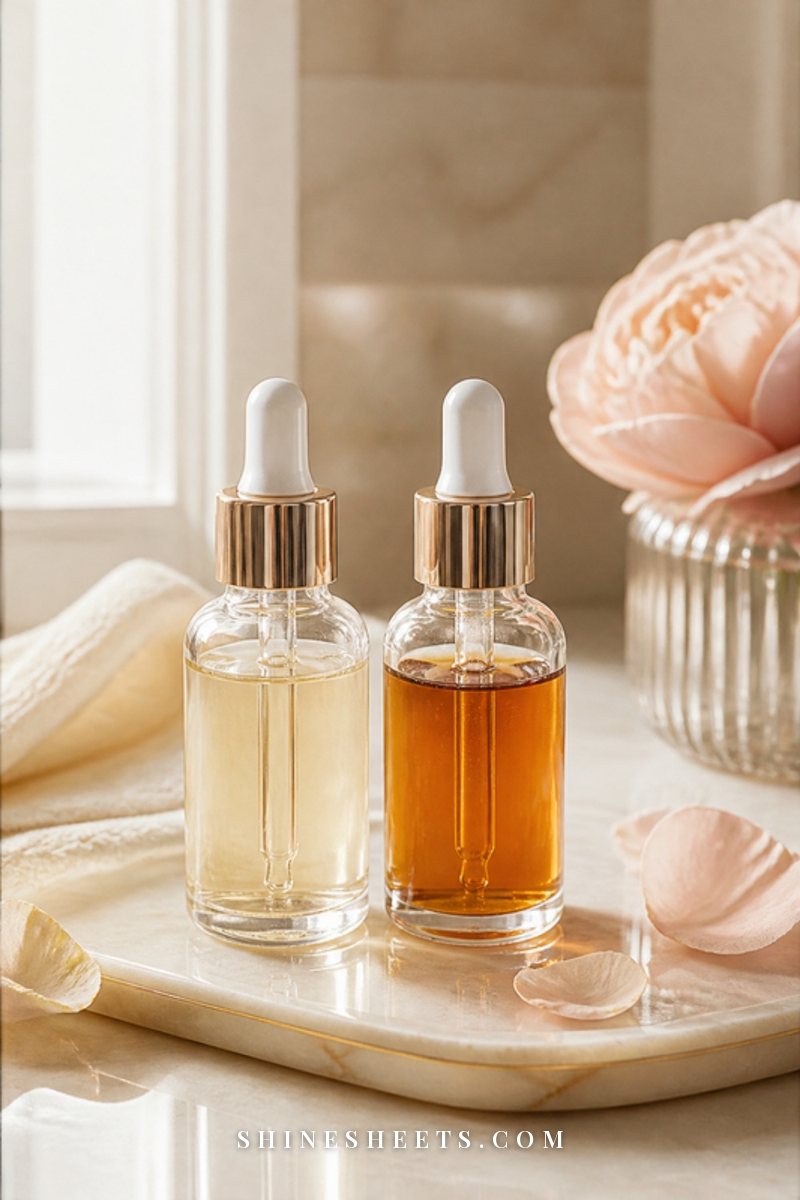
- A few drops of facial oil: Pressed over your moisturizer, an oil adds a light seal. It's less occlusive than petrolatum, but gentler for combination skin.
- A richer night cream: Sometimes simply swapping to a thicker cream in winter is enough.
For a complete routine around any of these, my skincare routine for dry skin and winter skincare routine show how all the steps fit together, morning and night.
6 Common Slugging Mistakes
Most slugging disappointments come from a handful of small mistakes. Avoid these and your chances of soft, happy skin go way up:
- Using too much. A thick layer doesn't seal better. It just ends up on your pillow and can feel suffocating. A pea-sized amount for the whole face is enough.
- Slugging over dirty skin. Leftover sunscreen, makeup or sweat gets trapped underneath. Always cleanse first, and double cleanse on makeup days.
- Applying it to bone-dry skin with nothing underneath. Petrolatum seals in what's there. If there's no hydration below it, there's very little to seal.
- Slugging over new actives. A new retinoid or acid plus an occlusive is a recipe for irritation. Keep them on separate nights.
- Going all-in on night one. Full face, every night, from the start. Ease in with one or two nights a week and see how your skin feels.
- Ignoring what your skin tells you. Small bumps, clogged pores or a greasy, heavy feeling in the morning are signals to slug less or spot-slug only.
What To Expect the Morning After
The first morning after slugging, your skin will probably still look a little shiny. That's normal. A splash of lukewarm water or a very gentle cleanse removes the leftover layer, and many people notice their skin feels softer, plumper and less tight than usual.
Over a week or two of regular slugging nights, dry patches often become less flaky, and makeup tends to sit more smoothly. What you shouldn't expect: overnight miracles, a change in fine lines or the end of a skin condition. Slugging is a comfort and barrier-support habit, and its benefits are quiet and steady rather than dramatic.
If you wake up with new bumps, itchiness or redness, stop for a few nights and let your skin settle. Then try spot-slugging only, or switch to a lighter balm.
Slugging Beyond Your Face
The same idea works beautifully on other dry spots, especially in winter. Body skin tends to have fewer oil glands in places like the hands, elbows and shins, so a little sealing goes a long way:
- Hands and cuticles: After washing, apply hand cream, then a thin layer of ointment over the knuckles and cuticles before bed. Cotton gloves on top make it even more effective.
- Heels: After a shower, apply a rich foot cream, seal with a little ointment, and slip on cotton socks.
- Elbows and knees: A thin layer over body lotion on the roughest spots.
- Lips: The easiest spot-slugging of all. A thin layer before bed, every night in winter.
Patch Test First and Know When To See a Dermatologist
Even simple products can surprise sensitive skin. Before slugging your whole face, apply your occlusive (and any new moisturizer underneath) to a small area, like the side of your jaw or behind your ear, for a few nights in a row. If there's no redness, itching or bumps, you can try a larger area. My guide on how to patch test skincare walks you through it step by step.
And please see a dermatologist if your skin is cracked, bleeding, intensely itchy, weeping or not improving after a couple of weeks of gentle care, or if you suspect eczema, psoriasis, rosacea or an infection. Slugging can make dry skin more comfortable, but it isn't a treatment for skin conditions, and a professional can help you find what actually works for you.
Final Thoughts
Slugging is one of the simplest things you can do for dry, tired winter skin: cleanse gently, hydrate, moisturize, and press a thin layer of ointment on top. It doesn't need to be every night or every inch of your face to make a difference.
Start small, listen to your skin and adapt it to your type, whether that means full-face slugging on cold nights or just a little balm on your cheeks and lips. Soft, comfortable mornings are well worth a slightly shiny pillow.