A silk bonnet doesn't make hair grow faster or fix damage overnight. What it does is simpler and still worth a lot: it gives your hair a smooth, gentle surface to rest against for seven or eight hours, instead of a rough cotton pillowcase that rubs, tugs and soaks up moisture every time you turn over.
For some hair, that small change is barely noticeable. For other hair (curly, long, fragile, freshly styled), it can mean less frizz in the morning, fewer snapped ends and a style that lasts a day or two longer. It took me a while to stop thinking of bonnets as a niche thing and see them for what they are: a very low-effort way to be gentler with your hair.
This guide is all about the silk bonnet: what it actually does, who benefits most, the real difference between silk and satin, how to wear one so it stays on all night, a comparison table of bonnet types, and how to wash it so it lasts. No miracle claims, just the practical stuff.
What a Silk Bonnet Actually Does
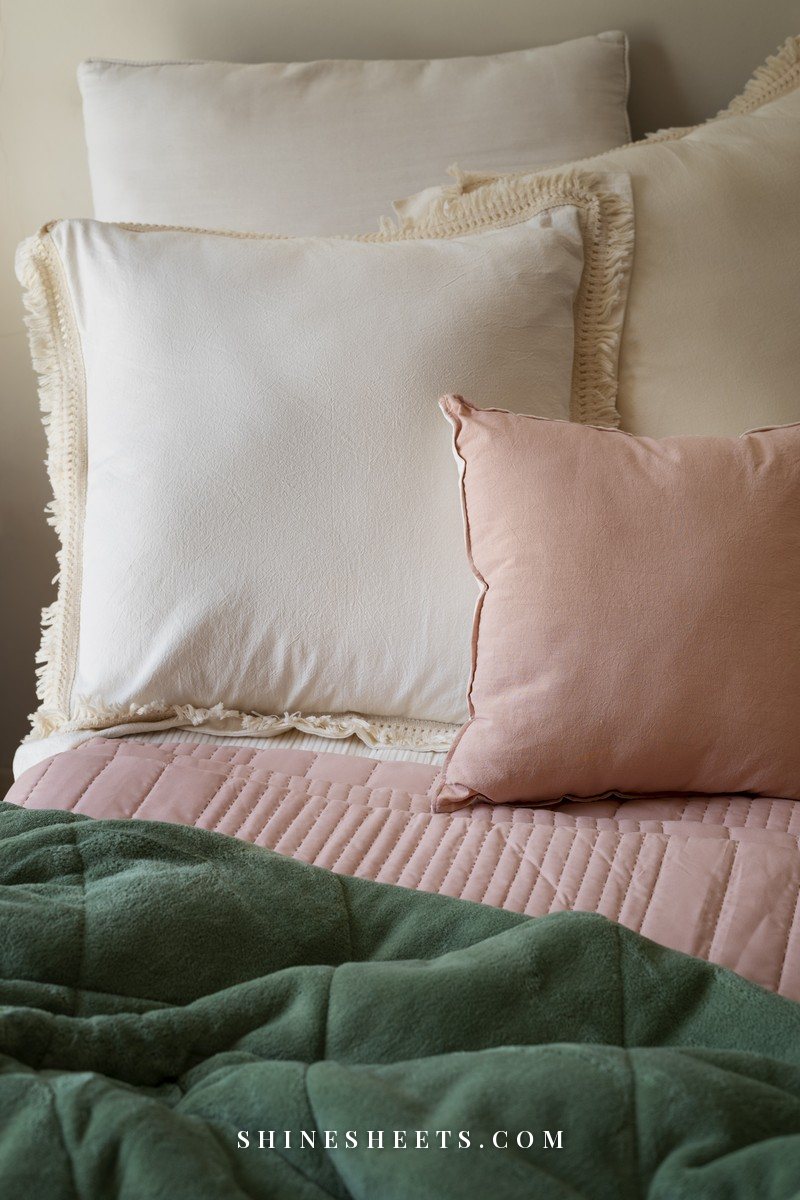
Your hair doesn't rest while you sleep. You move, turn and shift dozens of times a night, and each movement drags your hair across your pillow. With cotton, that surface is slightly rough and absorbent. A smooth bonnet changes three things:
- Less friction. Smooth fabric lets hair glide instead of catch. Less rubbing may mean less roughening of the hair's outer layer, which shows up as frizz and, over time, breakage.
- Less moisture loss to fabric. Cotton absorbs some of the moisture and product from your hair. Silk and satin absorb far less, so leave-ins and oils stay where you put them.
- Your hair stays contained. Hair tucked inside a bonnet can't tangle around itself, get trapped under your shoulder or flatten into strange shapes.
What it can't do: repair split ends, stop shedding caused by your body, or change your hair's natural texture. If you're dealing with breakage, the bonnet is one helpful piece next to gentle washing and styling. My guide to hair breakage causes and fixes covers the bigger picture.
One gentle note: if you notice sudden, patchy or unusually heavy hair loss, that's a reason to see a doctor or dermatologist, not a reason to buy a new bonnet.
6 Hair Types and Situations That Benefit Most From a Silk Bonnet
Anyone can wear a bonnet, but these six groups tend to notice the biggest difference.
1. Curly and Coily Hair

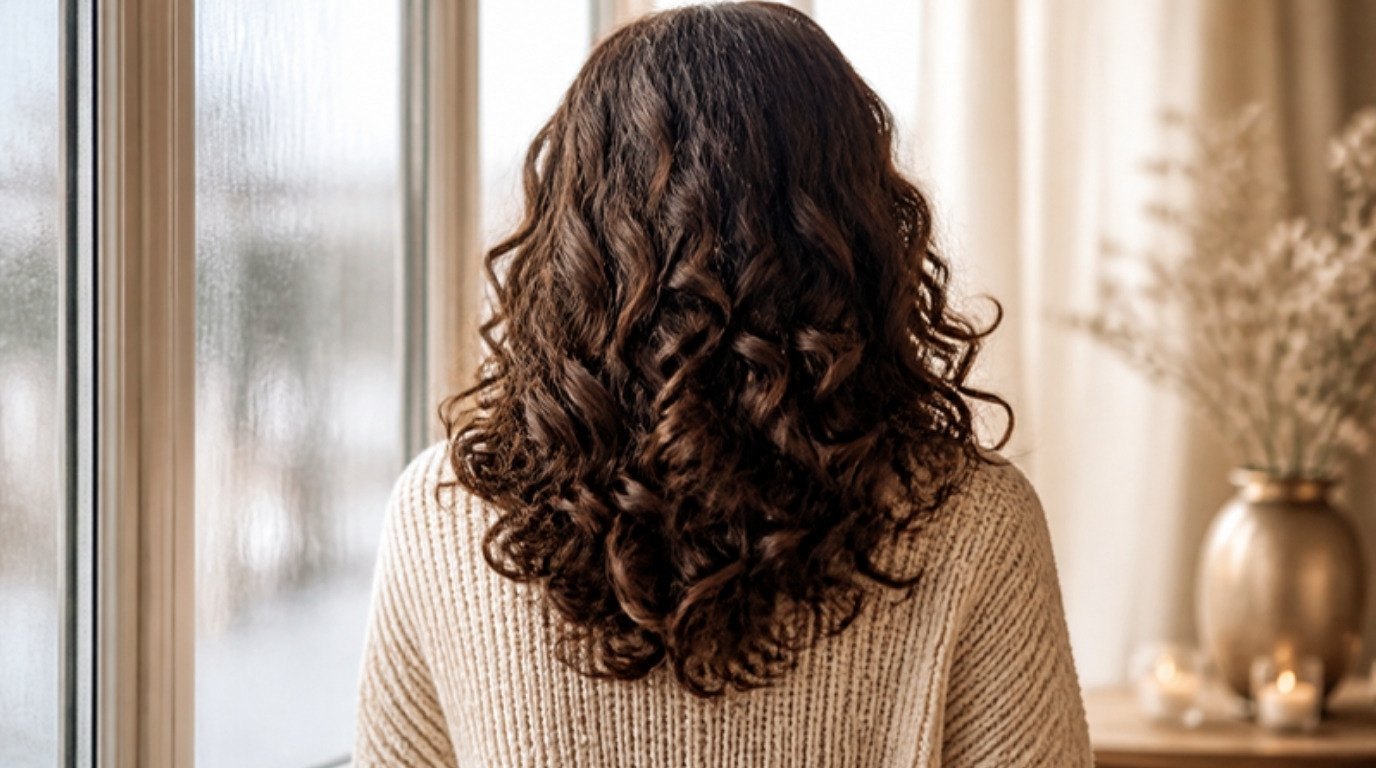
Curls and coils are naturally drier, because the scalp's oils travel down a twisty strand more slowly than a straight one. They also lose their shape easily when crushed against a pillow. A bonnet keeps moisture in and protects curl definition, so many people with curly hair find they can refresh their hair in the morning with a little water instead of starting from scratch.
If you're building a routine from scratch, my curly hair routine for beginners pairs perfectly with a nightly bonnet.
2. Long Hair
The longer your hair, the more of it ends up underneath you, tangled around your neck or caught between pillow and headboard. Long ends are also the oldest, most weathered part of your hair. A bonnet keeps all that length in one soft place, so you wake up with fewer knots and spend less time detangling.
3. Fragile or Bleached Hair
Bleached, highlighted or very fine hair has a weaker outer layer and snaps more easily. Every bit of friction you remove helps. A bonnet won't undo chemical damage, but it gives fragile strands one less stress, eight hours a night, which adds up.
4. Protective Styles
Braids, twists and other protective styles take time and money to install. A bonnet helps keep them neat, reduces frizz at the roots and edges, and helps them last longer between appointments. Look for a roomy bonnet or a longer, tube-shaped style so longer braids fit comfortably inside.
5. Fresh Blow-Outs
If you've just had a blow-out or spent half an hour with a round brush, a bonnet can help that smoothness last until day two or three. Loosely twist your hair up before putting it on so it doesn't get kinks, and choose a bonnet with enough room so the shape isn't crushed.
6. Restless Sleepers
If you toss and turn, your hair rubs against the pillow far more than average, no matter your hair type. A bonnet takes that friction out of the picture. Restless sleepers just need to pay extra attention to fit (more on that below) so the bonnet stays on.
Who Might Not Need One
If you have short, healthy, straight hair that you wash every morning anyway, you may not notice much difference, and that's fine. A bonnet is a helpful tool, not a rule. Some people also simply can't sleep with anything on their head, and a silk pillowcase is a gentler option to try instead.
Silk vs Satin: What To Look For
This is where most of the confusion lives. Silk is a natural fiber. Satin is a type of weave, which can be made from silk, polyester or other fibers. Both create a smooth surface. They just feel and behave a little differently.
Mulberry Silk
Mulberry silk is made from very long, even silk fibers, which gives it that smooth, soft, slightly matte luster. It's breathable, which matters if you run warm at night, and it feels lovely against your skin. A blush mulberry silk bonnet is a pick for anyone who sleeps warm, has very dry or fragile hair, or wants the most breathable option.
Momme Weight
Momme (pronounced "mom-ee") measures how dense silk fabric is. Higher numbers mean thicker, more durable silk.
- 16–19 momme: lighter and cheaper, but wears out faster with regular washing.
- 19–22 momme: the sweet spot for most bonnets: soft, durable and still breathable.
- 25 momme and above: very luxurious and long-lasting, but pricier.
Look for "100% mulberry silk" and the momme number on the listing. If neither is mentioned, assume it isn't real silk.
Polyester Satin as a Budget Option
Polyester satin is smooth, affordable and easy to wash. It reduces friction well, so it's a perfectly good starting point. The trade-offs: it's less breathable (some people get a sweaty scalp), and it can build up static. A cream satin-lined bonnet with an adjustable band is a pick for trying bonnets without a big spend, or for having a second one to rotate while the first is in the wash.
Silk Bonnet Comparison Table
Here's a quick look at the main bonnet types, so you can match one to your hair and sleep.
| Bonnet type | Best for | Pros | Care |
|---|---|---|---|
| Mulberry silk, 19–22 momme | Dry, curly, fragile or bleached hair; warm sleepers | Breathable, very smooth, gentle on skin | Hand wash cool, air dry flat |
| Mulberry silk, 25 momme+ | Anyone wanting a long-lasting bonnet | Thick, durable, luxurious feel | Hand wash cool, air dry flat |
| Polyester satin | Beginners, budget, a spare to rotate | Affordable, smooth, easy to wash | Gentle machine cycle in a mesh bag or hand wash |
| Satin-lined (outer cotton or knit) | People who find all-satin bonnets slip off | Outer layer grips better, smooth inside | Follow the outer fabric's care label |
| Double-layer, reversible | Thick hair, protective styles | More durable, two colors in one | Hand wash, air dry fully before using |
| Long tube or extra-large bonnet | Long braids, locs, very long hair | Room for length, no crushing | Hand wash, air dry hanging or flat |
How To Wear a Silk Bonnet for Sleep So It Stays On

The most common bonnet complaint is waking up and finding it somewhere under the duvet. Most of the time, that's a fit or prep issue, not a bonnet issue.
Choose the Right Size
Your bonnet should hold all your hair comfortably, without stretching tight or ballooning loosely. Short and medium hair usually fits a standard size. Thick, very long hair and protective styles often need a large or extra-large size. If your hair is pressed flat against your head inside the bonnet, it's too small.
Look for an Adjustable Band
An adjustable tie or drawstring band lets you set the fit to your head, which is the best way to keep it on through restless nights. Elastic bands work too, as long as they're wide and soft. Snug is good. Tight is not.
Prepare Your Hair Underneath
You don't need a styling routine, just a simple, loose way to gather your hair:
- Pineapple: for curls, gather hair loosely on top of your head with a soft scrunchie so curls aren't crushed.
- Loose braid: for long or straight hair, one loose braid keeps lengths from tangling.
- Loose twist: for a blow-out, twist hair gently up and secure it lightly.
Use something gentle to tie it, like lavender silk scrunchies, rather than a tight elastic with metal. My guide to hair ties that don't damage hair explains why that matters.
Tuck Every End In
Put the bonnet on from the nape of your neck first, pull it up and over, then tuck in any loose ends and baby hairs around your hairline and neck. Ends that stick out get all the friction you were trying to avoid. Position the band just at your hairline, not on your forehead.
If it still slips off, try a satin-lined bonnet with a textured outer layer, or wear it with a silk pillowcase as a backup so slipped-off nights are still gentle.
A Simple Five-Minute Night Routine With a Bonnet
You don't need a long ritual. This is enough for most hair:
- Make sure hair is dry or nearly dry. Damp is fine, dripping is not.
- Detangle gently with your fingers or a wide-tooth comb, starting at the ends.
- Add a little moisture if your hair likes it: a pea-sized amount of leave-in or two drops of oil on the ends only.
- Gather loosely in a pineapple, a loose braid or a twist, secured with a soft scrunchie.
- Put on the bonnet, nape first, tuck every end in and set the band just at your hairline.
Once it becomes automatic, it takes less time than brushing your teeth, and it pairs nicely with the rest of a wind-down routine.
Silk Bonnet Mistakes To Avoid
- A band that's too tight. If you wake up with a red line or mark on your forehead, or feel pressure or a headache, the band is too tight. Constant tension around the hairline isn't good for your edges either. Loosen it or size up.
- Sleeping with very wet hair. Wet hair is at its most fragile, and trapping it inside a bonnet all night keeps your scalp damp and warm. Let hair dry at least mostly first. My guide on sleeping with wet hair explains how to do it more safely when you really have to.
- Never washing it. Bonnets collect oils, product and sweat. A dirty bonnet can feel greasy and isn't kind to your scalp or forehead skin.
- Heavy product right before bed. A light leave-in is fine. Thick layers of oil or butter mostly end up on the fabric.
- Expecting miracles. A bonnet helps hair keep what it has. It doesn't replace gentle washing, conditioning and trims.
How To Get Used to Sleeping in a Bonnet
If you've never slept with anything on your head, the first few nights can feel strange. That's normal, and it usually passes within a week or two.
- Put it on a little before bed. Wear it for 20–30 minutes while you read or have your evening tea, so it already feels familiar when you lie down.
- Start loose. Many people tighten the band too much on night one because they're worried it will fall off. Begin comfortable, and adjust only if it slips.
- Keep your room cool. A slightly cooler bedroom makes any head covering more comfortable. This is where breathable silk really earns its price.
- Give it two weeks. If it still disturbs your sleep after that, switch to a silk pillowcase. Good sleep matters more than any hair accessory.
What To Do in the Morning
How you take the bonnet off matters a little, too. Slide it off gently from the front to the back instead of pulling it straight up, then release your pineapple, braid or twist. Shake curls out with your fingers, or detangle long hair from the ends upward with a wide-tooth comb rather than a brush.
Many people find they need much less "fixing" in the morning: a light mist of water for curls, a few drops of leave-in on the ends, or simply loosening a blow-out with your fingers. That saved time (and saved heat styling) is one of the quiet benefits of a bonnet that's easy to overlook.
Lay the bonnet flat or hang it on a hook rather than balling it up on the nightstand. It stays smoother and fresher that way.
When To Replace Your Silk Bonnet
A well-cared-for silk bonnet usually lasts a year or more, and higher momme silk often lasts longer. Polyester satin tends to wear out faster with frequent washing. Look for these signs that it's time for a new one:
- The fabric feels rough, fuzzy or pilled instead of smooth.
- There are snags or small holes that catch your hair.
- The elastic or band has stretched and won't stay put, even when adjusted.
- It smells stale even right after washing.
- The inside lining has started to separate from the outer layer.
A rough, snagged bonnet can create friction instead of preventing it, so replacing it is part of the habit, not a sign you did anything wrong.
How To Wash and Care for a Silk Bonnet
Silk is delicate, but caring for it takes about five minutes.
- Wash it every 1–2 weeks (weekly if you use a lot of hair product).
- Hand wash in cool or lukewarm water with a small amount of a gentle silk wash or a pH-neutral delicate detergent. Avoid regular detergent with enzymes, bleach or fabric softener.
- Swish gently for 2–3 minutes. Don't scrub, twist or wring.
- Rinse in cool water until no suds remain.
- Press out water by rolling it in a clean towel.
- Air dry flat or hanging, out of direct sunlight, which can fade and weaken silk. Never tumble dry.
Polyester satin bonnets can usually go in the washing machine on a gentle, cool cycle inside a mesh laundry bag. Always check the care label first. Having two bonnets to rotate means you're never without one on wash day.
Bonnet, Pillowcase or Both?
Both reduce friction, and they work well together. A bonnet protects your hair more completely because it holds everything in place. A pillowcase is gentler on your skin and catches you if the bonnet slips off.
- Choose a bonnet if your main goal is protecting curls, length, a protective style or a blow-out.
- Choose a pillowcase if you can't sleep with anything on your head, or your hair is short.
- Choose both if your hair is fragile or you're a restless sleeper. A sage silk pillowcase under a bonnet is the most complete setup.
Final Thoughts
A silk bonnet is one of those small, quiet habits that does its work while you sleep. It won't transform your hair overnight, but it gives it a softer, gentler night, every night, and for many hair types that slowly shows.
Pick one that fits, tuck in every end, wash it every week or two, and let your pillow stop being your hair's rough neighbor.