Shea butter doesn't add moisture to your skin so much as keep it there. That small difference changes how you use it. Put it on dry skin and it sits on top feeling greasy; press a little into skin that's still damp from the shower and it locks that water in for hours, leaving rough spots soft by morning.
It's one of the oldest, simplest skin softeners there is, and it still shows up in some of the most loved hand creams, heel balms and lip balms for a reason. It's rich without being sticky, comforting on chapped skin and gentle enough for most bodies. Faces are a little more nuanced, and that's where most of the confusion comes from.
This guide covers shea butter for skin from start to finish: what it is, refined vs unrefined, the real benefits, whether you can use it on your face, exactly how to apply it, the body zones where it shines, a comparison table of shea vs cocoa vs mango butter, a simple winter routine, buying tips and a few safety notes.
What Is Shea Butter?
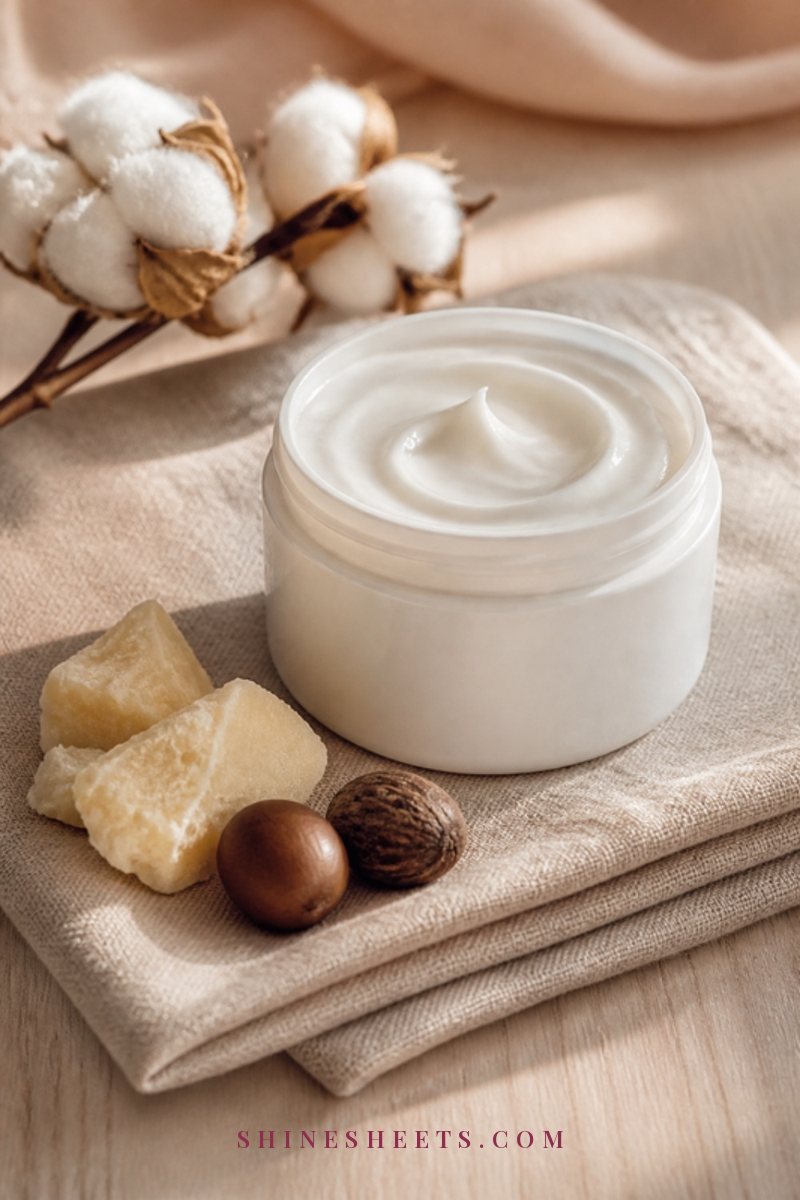
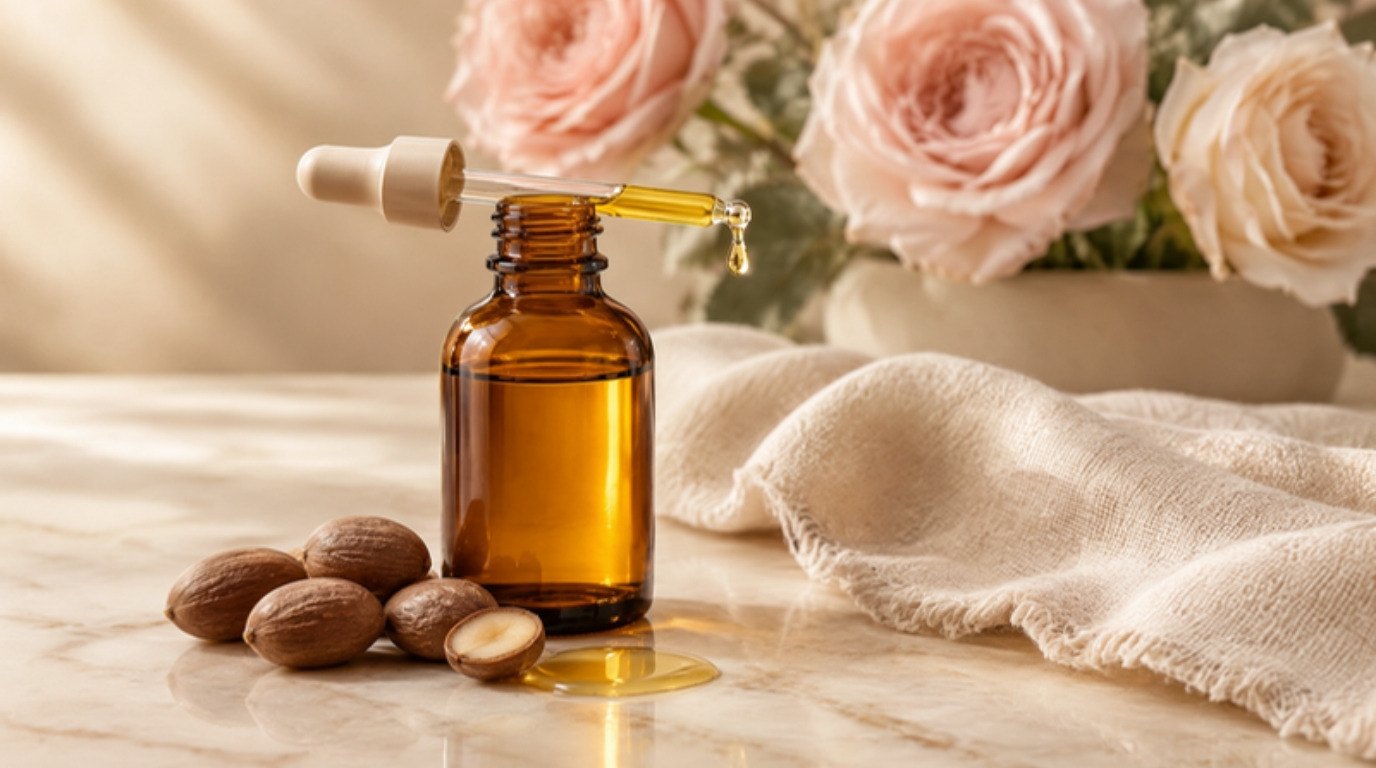
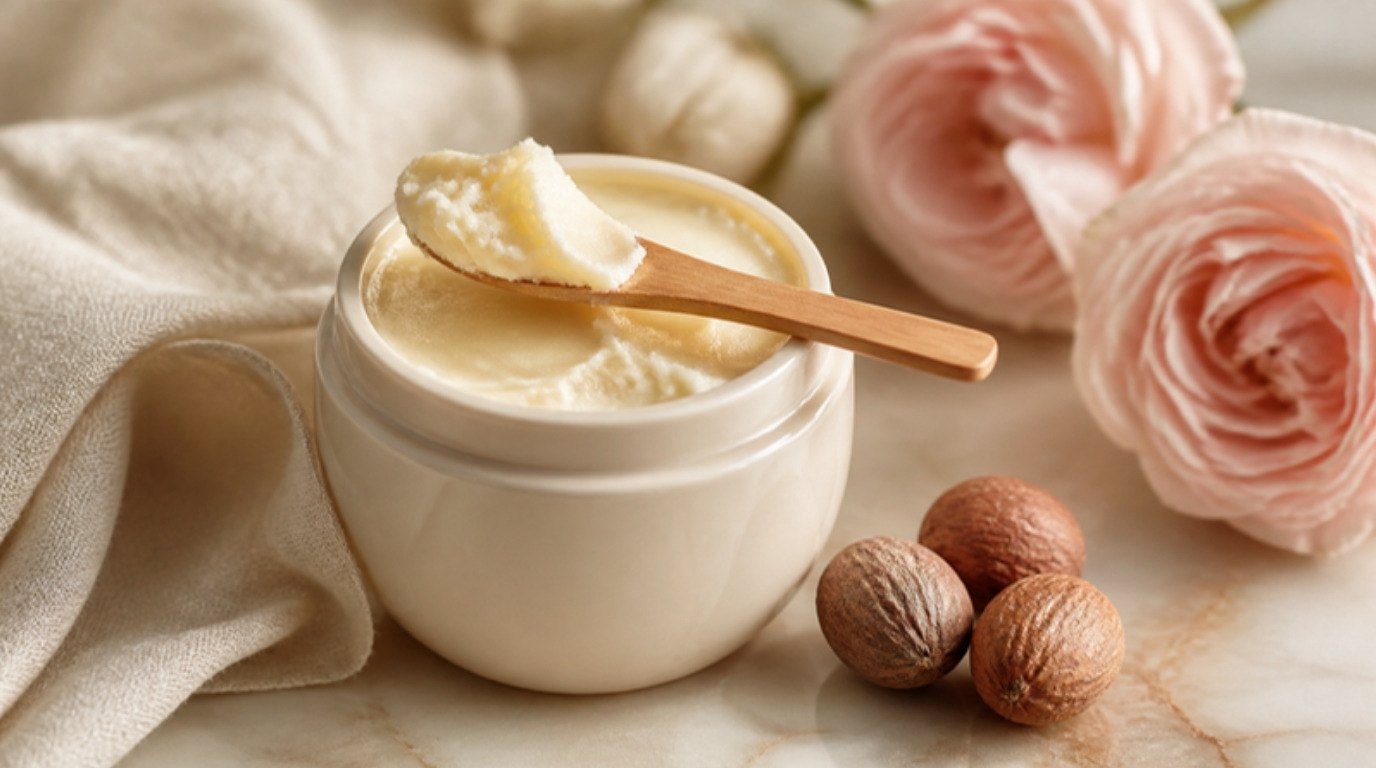
Shea butter is a natural fat pressed from the nuts of the shea tree, which grows across West and Central Africa. The nuts are dried, crushed, roasted and kneaded, and the fat is separated out to make a soft, creamy butter that's solid at room temperature and melts on contact with warm skin.
It's rich in fatty acids, mainly stearic and oleic acid, which give it that thick, cushiony feel and help it soften the skin's surface. It also contains small amounts of naturally occurring compounds like vitamin E and plant sterols. Much of the world's shea is still processed by women's cooperatives, which is one reason buying fair-trade shea matters (more on that below).
Refined vs Unrefined Shea Butter
- Unrefined (raw) shea butter is ivory to pale yellow, has a nutty, slightly smoky scent and keeps more of its natural compounds. It can feel a little grainy and varies from batch to batch.
- Refined shea butter has been filtered and deodorized. It's bright white, nearly odorless and smoother, which is why most creams and lotions use it. It's a good choice if you're sensitive to scents.
Both soften skin well. Unrefined is lovely if you like a natural, minimally processed product and don't mind the scent; refined is easier for sensitive noses and daily body creams. A tub of raw, unrefined shea butter lasts for months because you need so little.
Shea Butter Benefits for Skin
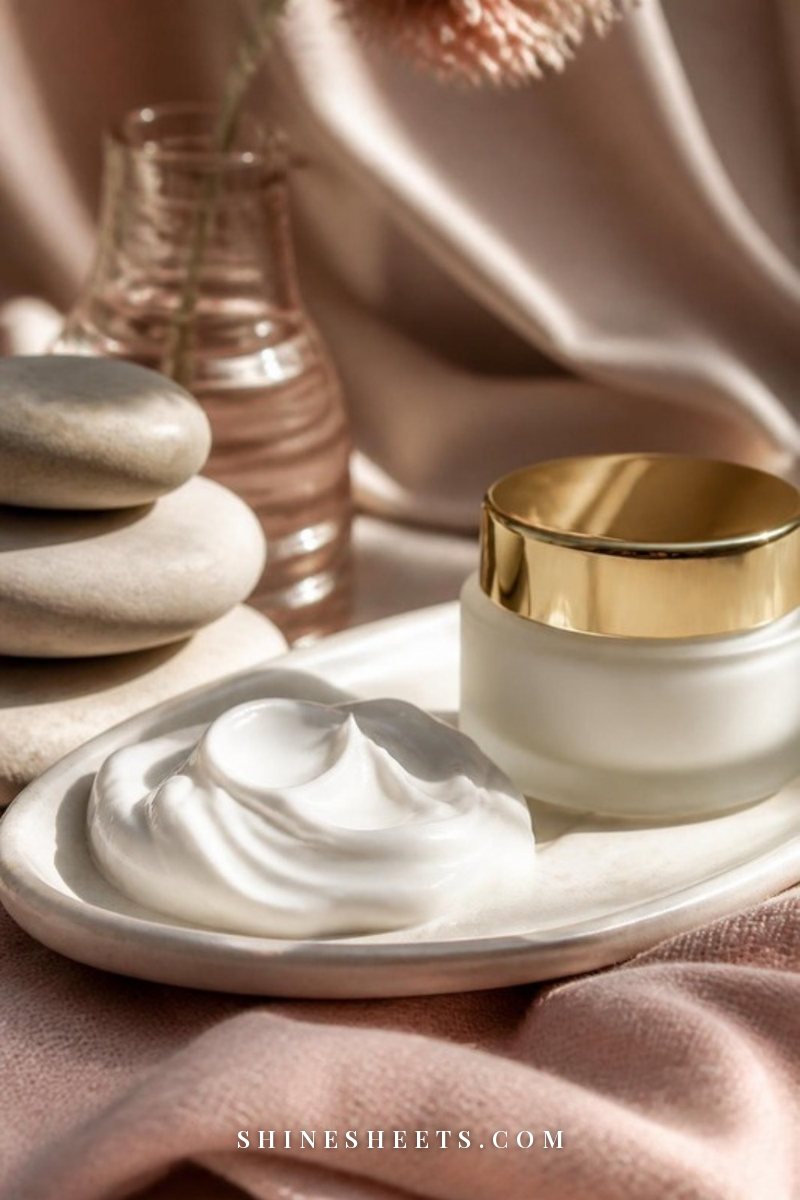
Shea butter isn't a miracle cure, but it does a few things very well. Here's what you can realistically expect.
It Seals In Moisture
Shea butter is an occlusive and emollient. It forms a soft, breathable layer on the skin that slows down water loss, so skin stays hydrated longer after a shower or bath. That's why it's most effective on damp skin: you're trapping water that's already there.
It Softens Rough Skin
The fatty acids fill in tiny gaps between skin cells on the surface, so rough, flaky patches feel smoother almost immediately. Used regularly, it can make areas like elbows, knees and heels feel much softer over a week or two.
It Comforts Dry, Chapped Areas
Hands that sting after constant washing, knuckles that crack in cold weather, the dry skin around your nose after a cold: shea butter is soothing and cushioning on all of these. It feels calm on skin that's tight and uncomfortable.
It's Gentle for Most People
Pure shea butter has a simple ingredient list and no added fragrance, which makes it a comfortable option for many people with sensitive body skin. As with anything new, a patch test is still a good idea.
Can You Use Shea Butter on Your Face?
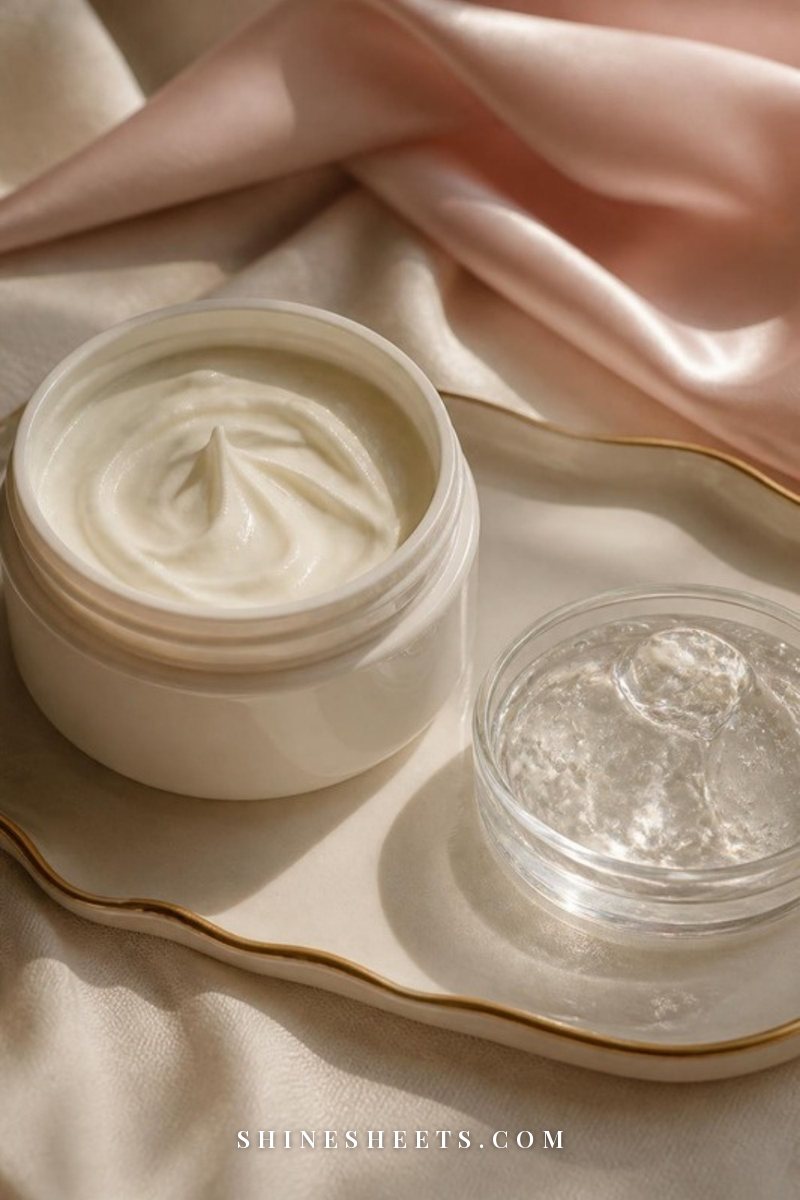
Sometimes, depending on your skin. Shea butter is generally considered less likely to clog pores than heavier fats like cocoa butter or coconut oil, but it's still rich, and a thick layer on the wrong face can lead to congestion.
Who It Can Suit
- Dry skin that feels tight even after moisturizer
- Normal skin in very cold or windy weather
- Dry patches around the nose, mouth or brows
- Mature skin that loves a richer night layer
For these skin types, a small amount pressed over your moisturizer at night, or a cream that contains shea as one of its ingredients, can feel lovely.
If you'd like to try it, keep it simple: after your usual moisturizer at night, warm a rice-grain amount of shea between your fingertips until it turns to oil, then press it gently onto the driest areas, usually the cheeks, the sides of the nose and around the mouth. Skip the eye area and the hairline. Use it two or three nights a week at first, and only increase if your skin stays calm and clear after a couple of weeks. In the morning, cleanse as usual and follow with sunscreen, since shea offers no meaningful sun protection.
Who Should Be Careful
If your skin is acne-prone, oily or combination, go slowly. My own skin is combination and sensitive, with a T-zone that gets shiny by midday, so I'd only use a shea-rich product on drier areas like the cheeks, never through the center of the face. Start with a pinhead amount on one small area for a week or two and watch for new bumps. Face products formulated with shea are usually lighter and safer than pure butter straight from the tub.
If you get persistent breakouts, redness or irritation, it's worth seeing a dermatologist before adding rich butters to your routine.
How To Use Shea Butter on Your Body
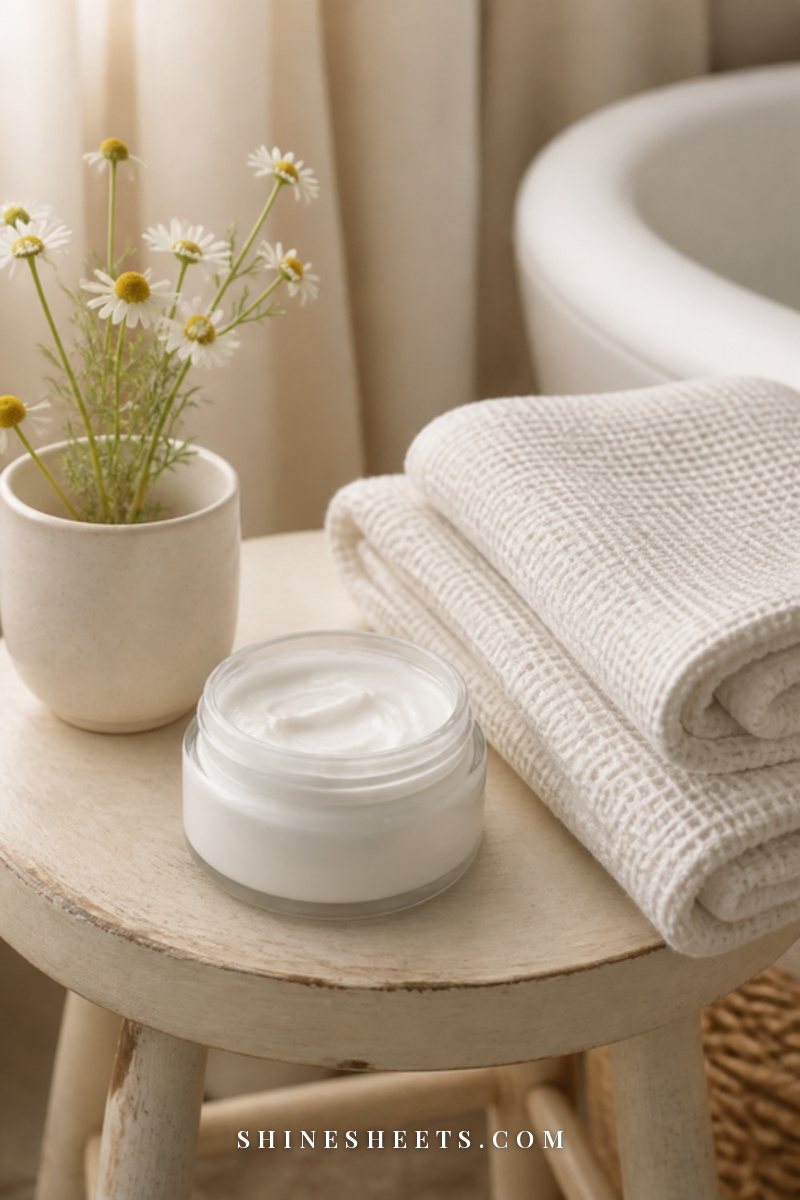
The way you apply shea butter makes all the difference between "greasy" and "beautifully soft." Here's the method:
- Apply to damp skin. Right after a shower or bath, pat yourself gently with a towel so skin is still slightly damp, not dripping. Shea locks in that water.
- Use small amounts. Start with a pea-sized amount for each arm or lower leg. You can always add more; you can't easily take it away.
- Warm it first. Rub it between your palms for 5–10 seconds until it melts into a soft oil. Cold, solid shea drags on the skin; warmed shea glides.
- Press and smooth. Press your palms onto your skin, then smooth in long strokes. Focus on the driest spots.
- Give it a few minutes. Wait 3–5 minutes before getting dressed so it doesn't transfer to your clothes.
If raw shea feels too heavy for everyday use, a rich shea body cream gives you the benefits in a lighter, faster-absorbing texture. My body lotion guide explains when to choose a lotion, cream or butter.
Best Body Zones for Shea Butter
Shea butter is at its best on the areas that get rough, dry and overlooked.
Hands and Cuticles
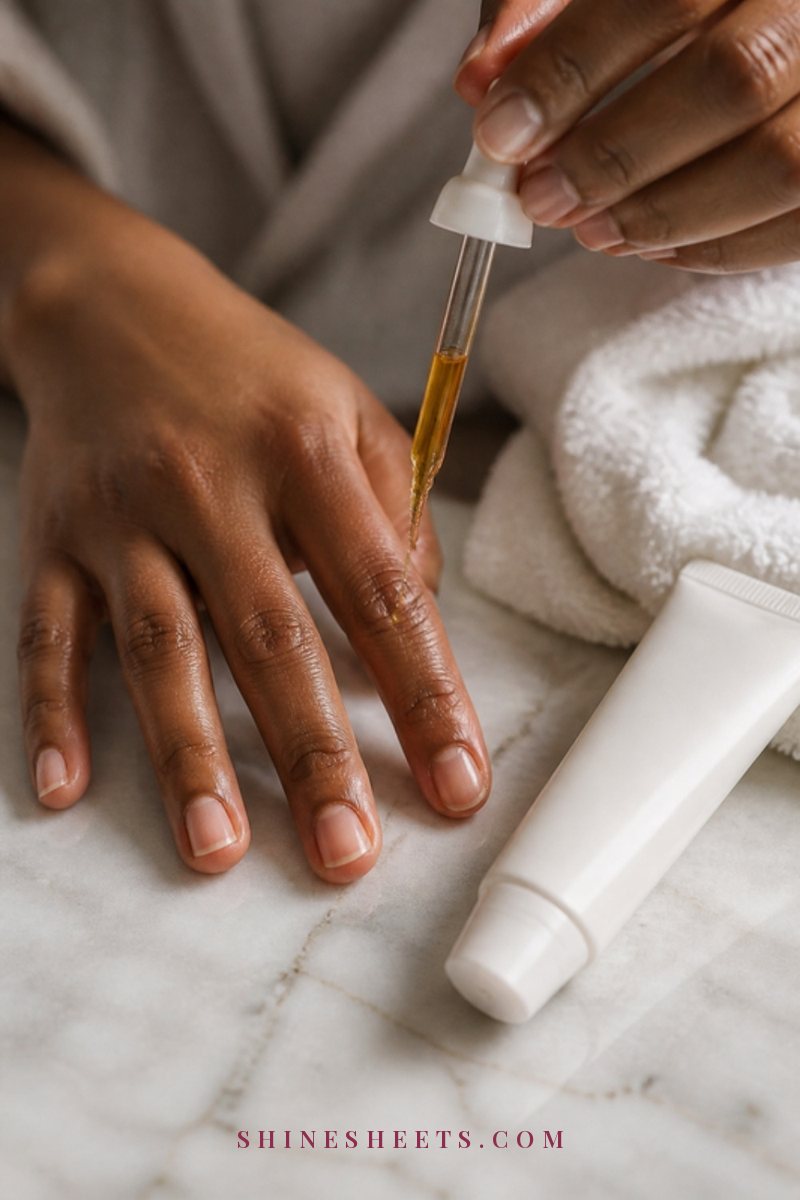
Hands are washed many times a day and lose moisture fast. Massage a small amount into the backs of your hands, knuckles and cuticles after washing at night. A shea butter hand cream in a small tube is easier for daytime, since it absorbs faster and won't leave marks on your phone or papers. For a full routine, see my hand care routine.
For very dry hands, try an overnight treatment: apply a thicker layer before bed and slip on a pair of soft white cotton gloves. You'll wake up to noticeably softer skin.
Elbows and Knees
These spots have thicker skin and fewer oil glands, so they get rough and dull. After your shower, massage shea into elbows and knees in small circles for about 30 seconds each. If they're very rough, a gentle exfoliation once or twice a week before applying helps the butter work better. My guide to dry elbows and knees has the full plan.
Heels and Feet
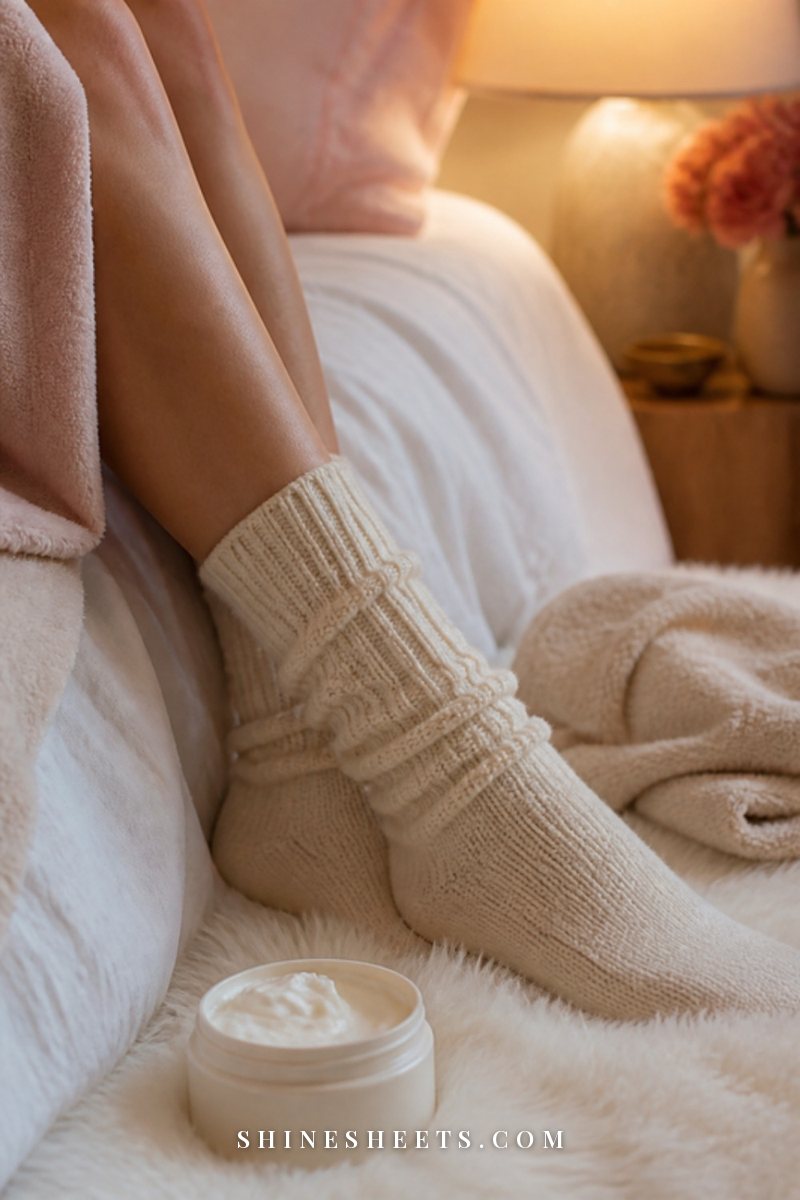
Heels are where shea butter really shines. At night, massage a generous amount into heels and the edges of your feet, then put on cotton socks to keep it in place and off your sheets. For cracked heels, a dedicated heel balm often combines shea with gentle exfoliating ingredients like urea, which work faster on thick skin. My foot care routine shows how to fit this into a simple weekly plan. Deep, painful or bleeding cracks deserve a check with a doctor or podiatrist, especially if you have diabetes.
Lips
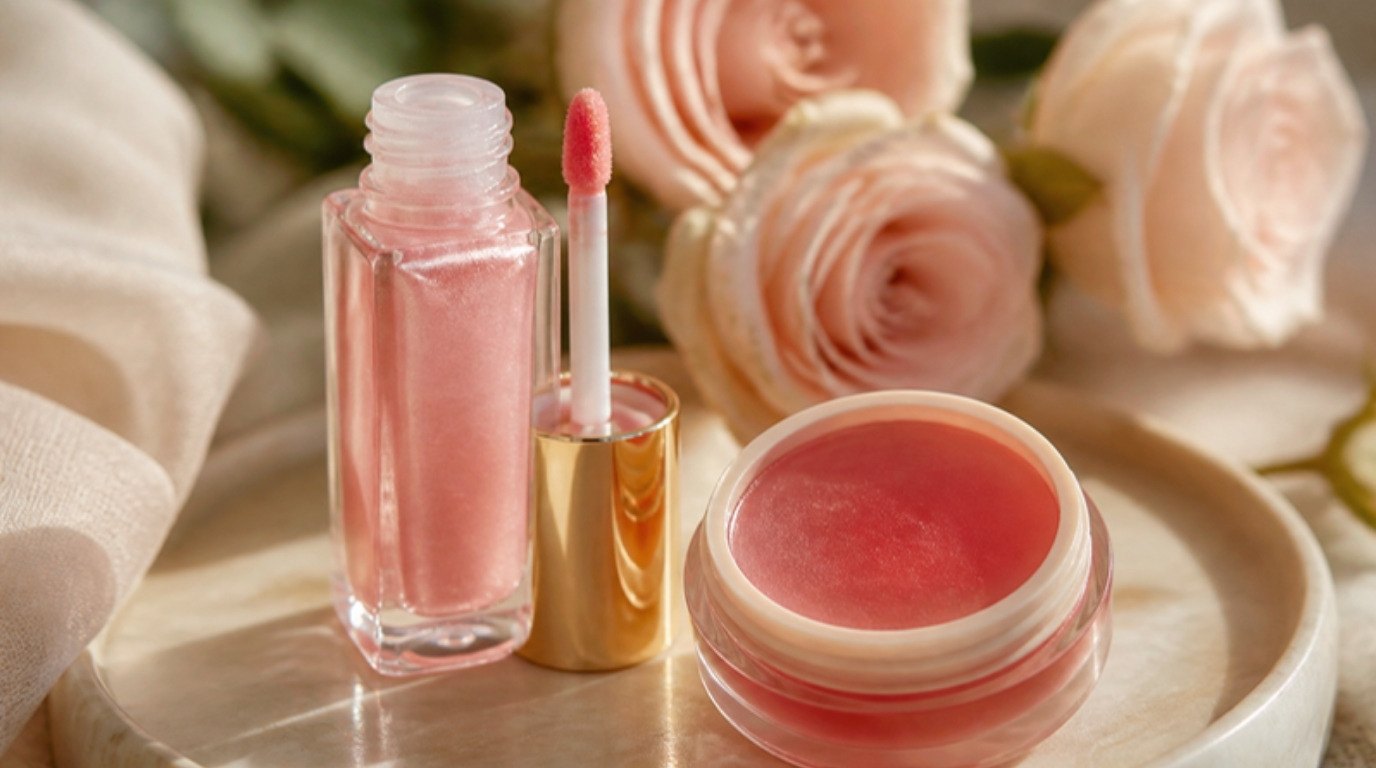
Lips have no oil glands of their own and dry out quickly. A tiny amount of shea butter or a shea butter lip balm at night keeps them soft. During the day, pair it with a lip balm that has SPF if you're outdoors.
Shea vs Cocoa vs Mango Butter
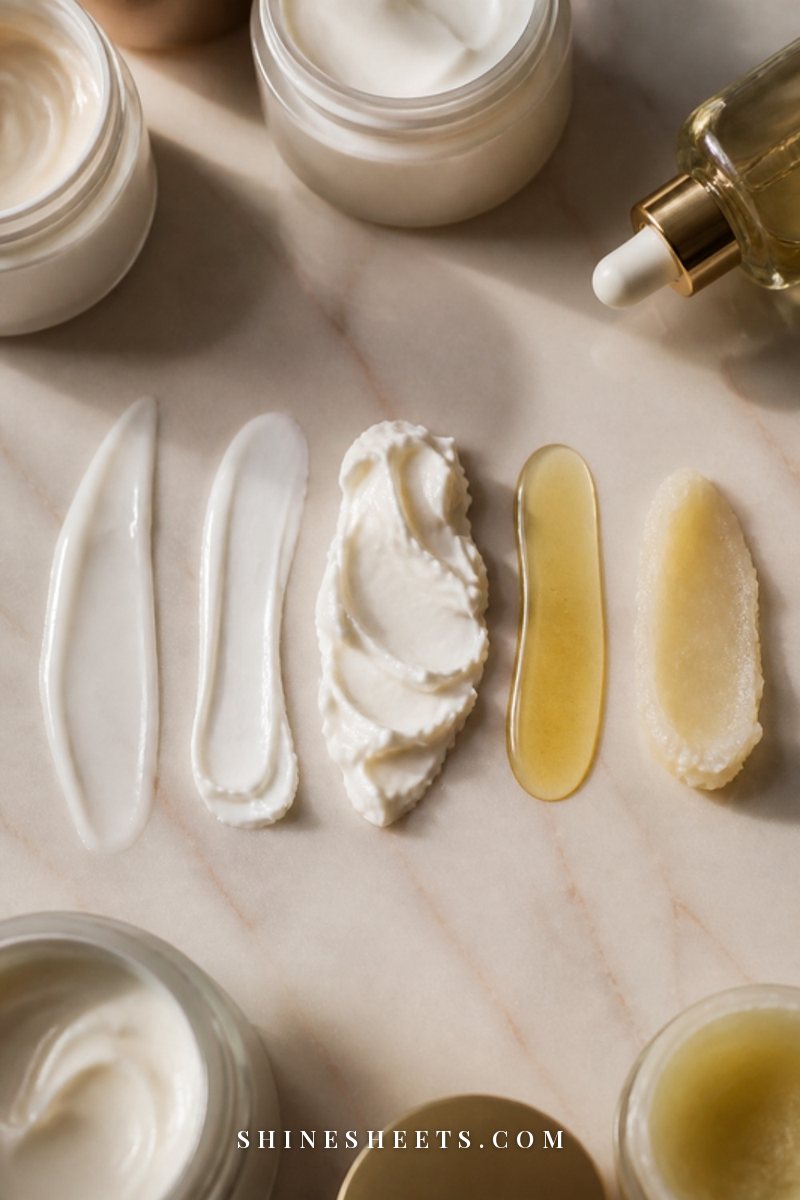
Shea isn't the only body butter you'll see on labels. Here's how the three most common ones compare. Screenshot it for your next shopping trip.
| Shea butter | Cocoa butter | Mango butter | |
|---|---|---|---|
| Texture | Soft, creamy, melts on contact | Hard and brittle at room temperature | Soft to medium, smooth |
| Scent | Nutty and smoky (unrefined) or none (refined) | Chocolatey (unrefined) or none (refined) | Very mild, almost none |
| Feel on skin | Rich, cushiony, a little greasy at first | Very rich, protective, heavier | Lighter, absorbs faster |
| Pore risk on the face | Low to moderate | Higher; usually best kept to the body | Low to moderate |
| Best for | All-over body, hands, heels, lips, dry face patches | Very dry body skin, elbows, knees, heels | Everyday body care, warm weather, people who dislike heavy textures |
Many body butters blend two or three of these, which can give you the best of each: shea for softness, cocoa for richness, mango for a lighter finish.
A Simple Winter Routine With Shea Butter
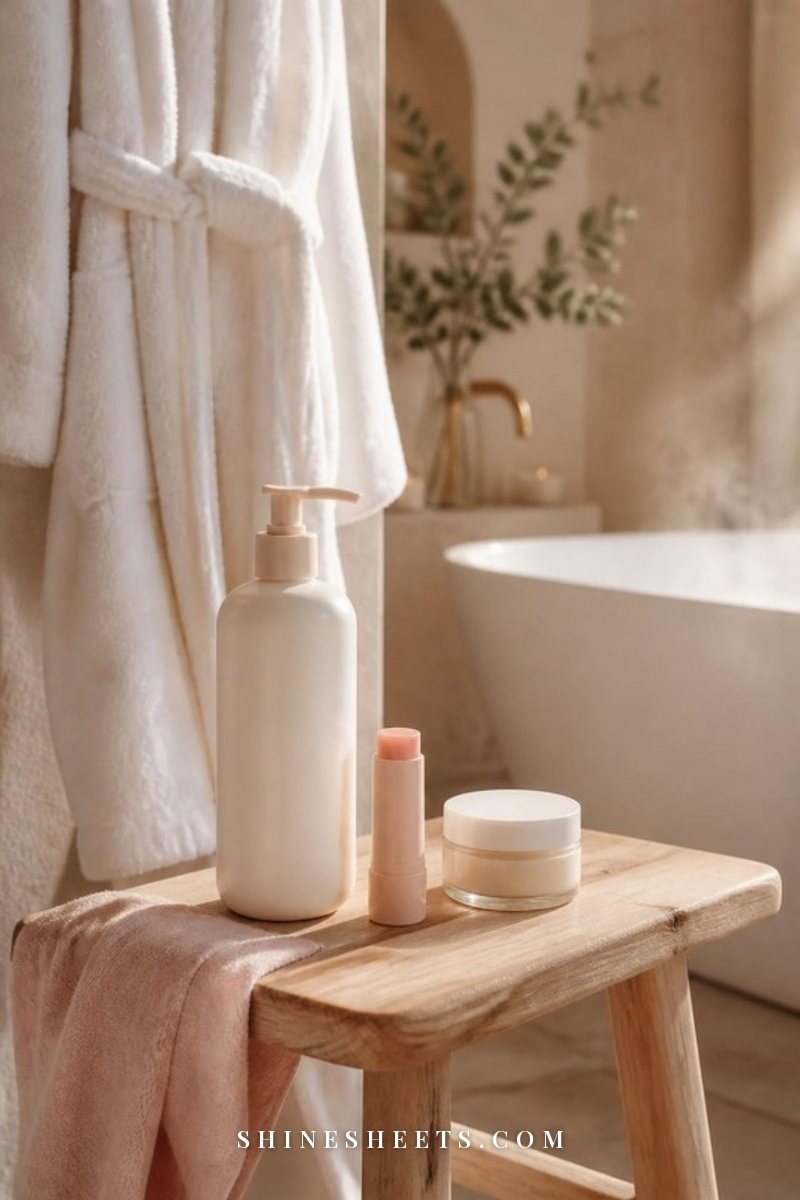
Cold air and indoor heating pull moisture from the skin, and shea butter is one of the easiest ways to fight back. Here's a gentle routine:
- Shorter, warm (not hot) showers. Keep them around 10 minutes. Hot water strips natural oils.
- Gentle cleanser. Use a creamy, fragrance-free body wash on the areas that need it.
- Shea within 3 minutes. Pat dry and apply shea butter or a shea cream to damp skin straight away.
- Nightly hands, heels and lips. A thicker layer before bed, with cotton gloves and socks if they're very dry.
- Humidifier. Running one in the bedroom can make a real difference to how your skin feels in the morning.
For more ideas, my winter body care guide walks through the whole season, from exfoliation to the best fabrics for dry skin.
How Shea Butter Fits With Your Other Products
Shea butter works best as the last, sealing step, so the order matters if you use other body products too:
- Exfoliate first, on exfoliating days. A gentle scrub or a lotion with lactic acid or urea removes the rough top layer so shea can soften what's underneath. Keep exfoliation to once or twice a week.
- Hydrate next. If you use a lightweight lotion or a body serum with glycerin or hyaluronic acid, apply it first on damp skin.
- Seal with shea last. Press a thin layer of shea butter over the top, especially on the driest areas.
- Fragrance at the end. If you like a body mist or perfume, spritz it after the shea has settled. Scent often lasts longer on moisturized skin.
If you use a prescription cream or a strong active on your body, apply that as directed first, and check with your doctor before layering anything rich over it.
Common Shea Butter Mistakes
- Using too much. A thick layer just sits on top, feels greasy and transfers to clothes. A pea-sized amount per area is usually plenty.
- Applying it to bone-dry skin. Shea seals in water. Without water underneath, there's less to seal, so always aim for slightly damp skin.
- Scooping with wet fingers. Water in the jar can shorten its life. Use clean, dry hands or a small spatula.
- Putting pure shea on an acne-prone face. Keep it to the body or try a lighter face cream that contains shea instead.
- Expecting overnight miracles on very rough skin. Most dry patches need one to two weeks of daily use to feel truly different.
- Storing it somewhere hot. A sunny windowsill or a steamy shower shelf melts and re-sets the butter, which can make it grainy and shorten its shelf life.
How To Buy Good Shea Butter
- Check the ingredient list. Pure shea butter should list one ingredient: shea butter (often written as Butyrospermum parkii or Vitellaria paradoxa).
- Look for fair-trade or cooperative sourcing. Many brands state where their shea comes from and how producers are paid.
- Choose fragrance-free if you're sensitive. Added perfume is one of the most common reasons body products irritate.
- Check the color and smell. Unrefined shea should be ivory to pale yellow with a mild nutty scent. A strong sour or rancid smell means it's past its best.
- Store it well. Keep it in a cool, dry place with the lid closed and use clean, dry hands or a spatula. Most shea lasts about 12–24 months.
If your shea turns a little grainy, that's usually just temperature changes causing the fats to crystallize. It's harmless; it melts on contact with your skin just as before.
Safety Notes: Patch Test and Nut Allergies
Shea butter is gentle for most people, but every skin is different. Before using it widely, apply a small amount to your inner arm once a day for 2–3 days and watch for redness, itching or bumps. On your face, follow with a 1–2 week test on a small area.
Shea comes from a tree nut. Reactions to refined shea butter appear to be rare, but if you have a tree nut allergy, ask your doctor before using it. Stop using any product that causes itching, swelling or a rash, and see a doctor or dermatologist if a reaction doesn't settle.
Quick Answers
Can shea butter help stretch marks?
It can keep the skin soft and comfortable, which feels lovely, but no cream has been shown to reliably prevent or erase stretch marks. Enjoy it for comfort rather than expecting them to disappear.
Is shea butter good for eczema-prone skin?
Many people with dry, sensitive skin find simple, fragrance-free emollients comforting. If you have eczema, follow your doctor's or dermatologist's advice on which products to use.
Can shea butter go on my scalp or hair?
A tiny amount warmed between your palms can smooth dry, frizzy ends. Keep it off the scalp if you get buildup, and wash it out within a day if you used more than a little.
Is it okay to use shea butter every day?
Yes, on the body. Daily use after showering is exactly how it works best. On the face, start with a few nights a week.
Final Thoughts
Shea butter is one of those simple, honest ingredients that quietly does its job. A little on damp skin, warmed between your palms, pressed into the places that need it most, and your hands, heels, elbows and lips will feel softer within days.
Go gently on your face, patch test first and choose fair-trade when you can. Your skin will thank you every cold morning this winter.