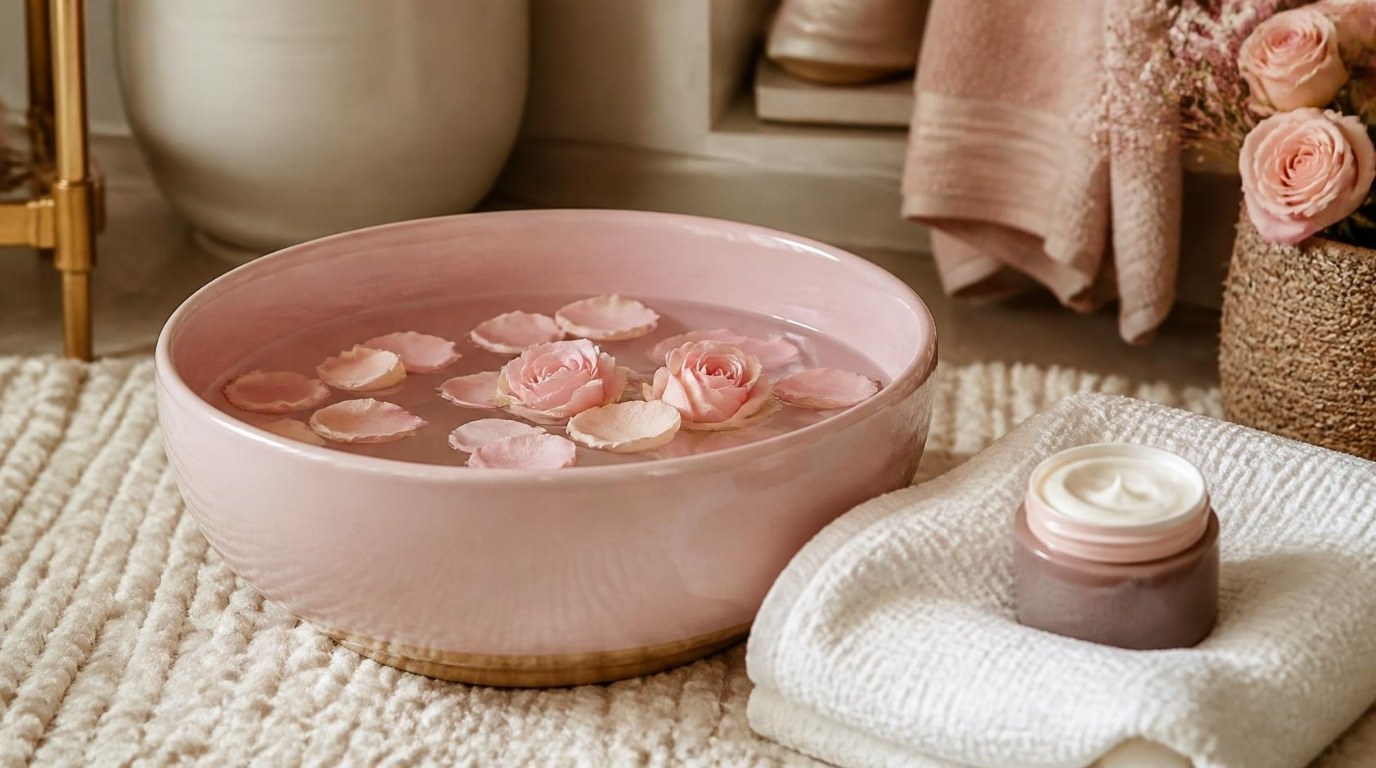
Cracked heels are rarely a sign that you're doing something wrong. Most of the time they're simply a sign that the thickest, hardest-working skin on your body has run out of moisture and flexibility. Thick skin that's dry doesn't bend when you walk, so it splits instead. The fix isn't scrubbing harder. It's softening first, removing a little at a time, and then sealing moisture in while you sleep.
That's what this foot care routine is built around. You'll find why heels crack in the first place, a 7-day soft heels plan (with exact minutes for each step), how to do every step properly, the habits that quietly make heels worse, a weekly maintenance routine, toenail basics, comfort habits for tired feet and clear signs it's time to see a podiatrist instead of trying another cream.
It took me a while to accept that feet respond to patience much more than to force. A week of small, boring steps beats one aggressive scrubbing session every single time. Grab a towel and a pair of clean socks, and let's start with the why.
Why Heels Crack in the First Place
The skin on your heels is naturally thicker than anywhere else, and it has very few oil glands. It depends on moisture from inside and from whatever you put on it. When that moisture drops, the thick top layer turns stiff and yellowish, and every step stretches it a little. Eventually it splits along the edges, where the pressure is highest.
These are the most common reasons it happens:
- Dry skin in general. Heated rooms in winter, air conditioning in summer and not enough moisturizer anywhere below the ankles.
- Open-back shoes. Sandals, slides and mules let the heel pad spread sideways with every step, which pulls the skin around the rim and makes it crack.
- Lots of standing. Long hours on your feet (especially on hard floors) build up thicker calluses as protection, and thick callus cracks more easily.
- Hot showers and long baths. Very hot water strips the natural oils, and skin left to air-dry after a soak loses even more water than before.
- Going barefoot on hard floors. Tile and wood create friction and pressure, so the skin keeps thickening.
- Over-filing. Removing too much callus at once makes the skin rebuild it faster (and often thicker).
Notice that almost every cause is about dryness or pressure. That's why the plan below does two things at once: brings moisture back and reduces the build-up gently, without triggering the skin to defend itself.
The 7-Day Soft Heels Plan
Here's the whole week in one table. Screenshot it and keep it on your phone, because the trick is doing a little every night instead of a lot once. Most nights take under 15 minutes, and two of them take barely five.
| Day | Step | Minutes |
|---|---|---|
| Day 1 | Soften (soak or shower trick), pat dry, light filing on dry skin, urea cream, cotton socks overnight | 15 |
| Day 2 | Urea cream on clean dry heels, cotton socks overnight (no filing) | 5 |
| Day 3 | Soften, pat dry, a few gentle file strokes, cream, socks | 15 |
| Day 4 | Cream morning and night, socks overnight, check for any sore or red spots | 5 |
| Day 5 | Soften, pat dry, light filing on remaining rough edges, cream, socks | 15 |
| Day 6 | Cream twice, plus a quick rub of balm into any small cracks before bed | 5 |
| Day 7 | Soften, very light finishing file, cream, socks, toenail check and trim if needed | 20 |
A few notes before you start. Filing only happens every other day, because the skin needs time to settle between sessions. The cream happens every single day, at least once. And if your heels feel sore, hot or tender at any point, skip the filing completely for that day and just moisturize.
By day seven, most mildly dry heels feel noticeably smoother and the small surface cracks have closed up. Deeper, older cracks can take two or three weeks of the same rhythm, so don't be discouraged if yours need a second round.
How To Do Each Step Properly
The table tells you when. This part tells you how, because small details (water temperature, wet versus dry skin, how much cream) make the biggest difference.
Soften: A 10-Minute Soak or the Shower Trick
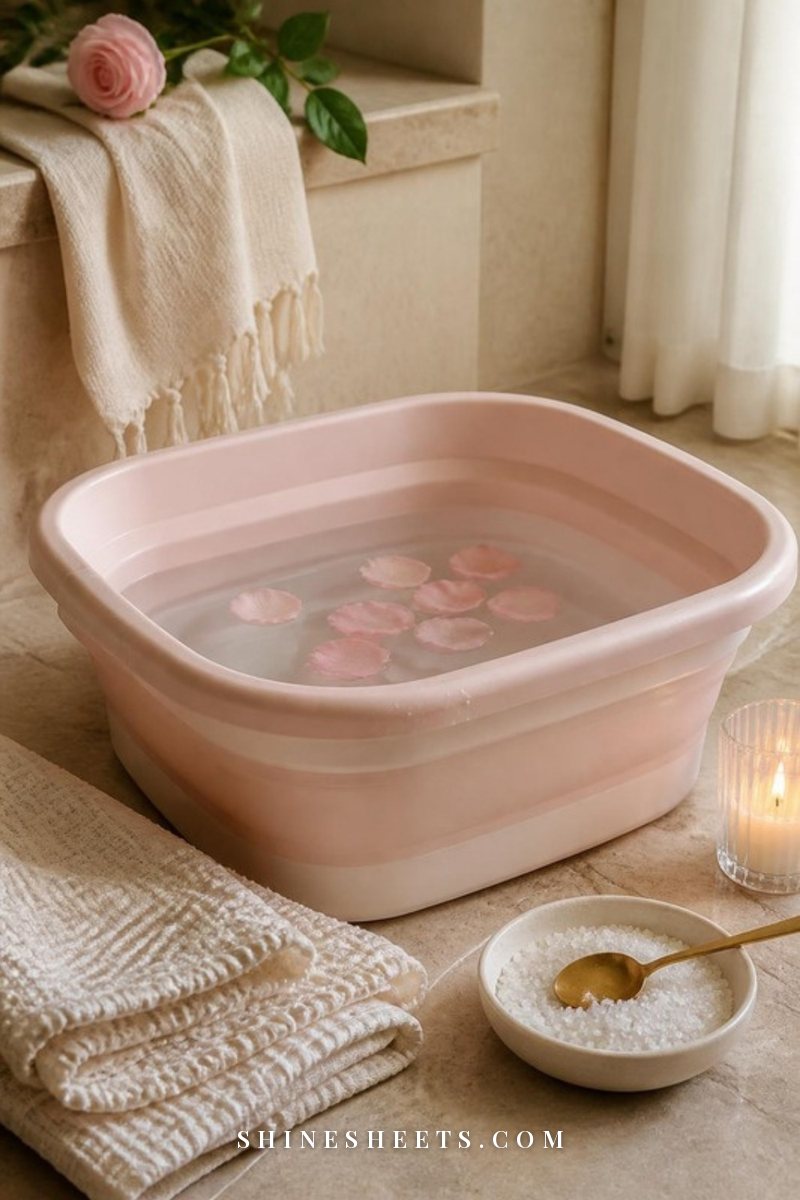
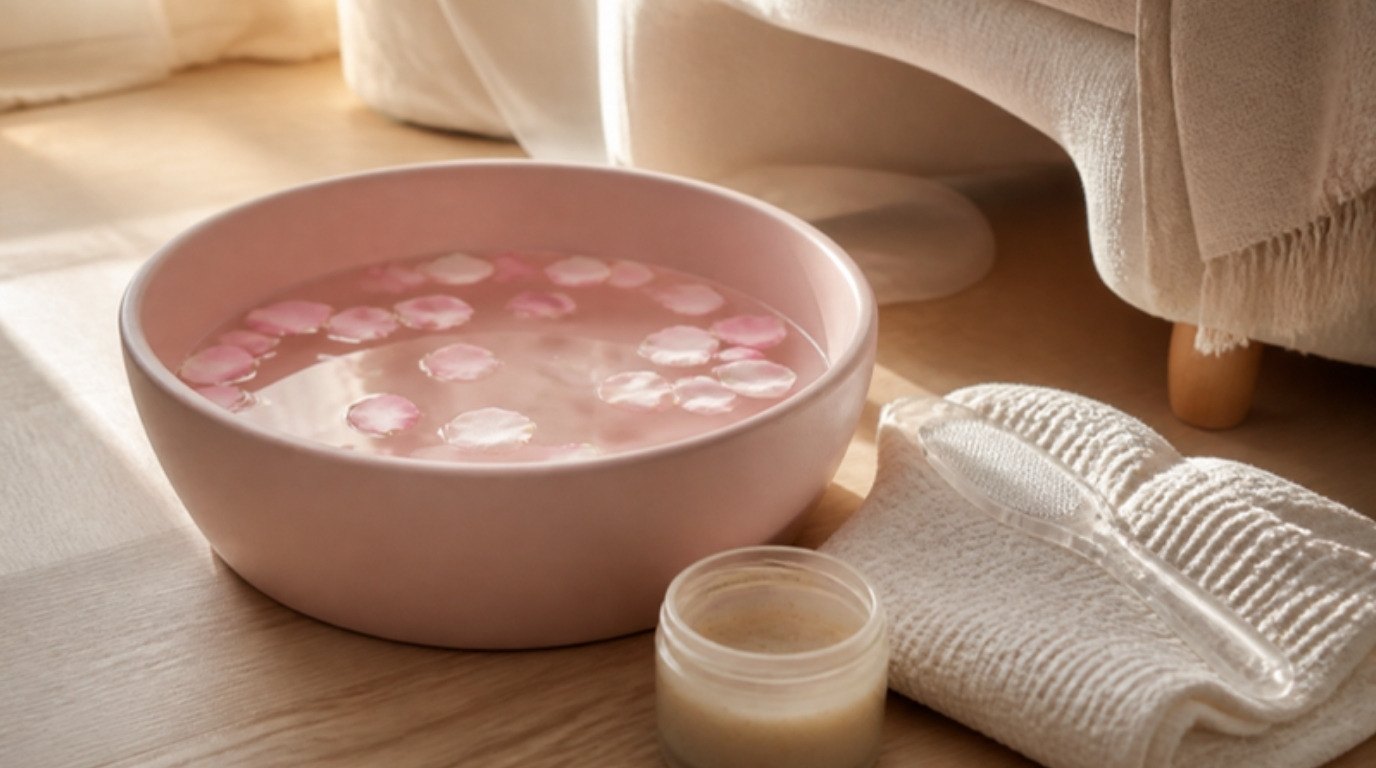
Softening helps cream and filing work better, but it should be short and warm, not long and hot. Fill a basin with comfortably warm water (think baby-bath warm, never steaming) and soak for 8 to 10 minutes. Longer than that and the skin starts losing water instead of gaining it.
A collapsible foot soak tub in a soft pastel shade makes this so much easier than balancing in the bathtub, and it folds flat under the sink when you're done. A spoon of plain bath salts or a few drops of gentle body wash is plenty. You don't need anything fancy in the water.
No time for a soak? Do your filing night right after a shower instead. Let your feet sit out of the direct spray for the last few minutes so the skin softens without getting pruney. If you want to turn soak night into a proper little ritual, my guide to a tranquil foot spa at home has lovely ideas for the mood.
Whichever you choose, pat your feet dry with a towel afterwards, including between your toes. Damp skin between the toes is where problems like fungus like to start.
File Gently, on Dry Skin Only
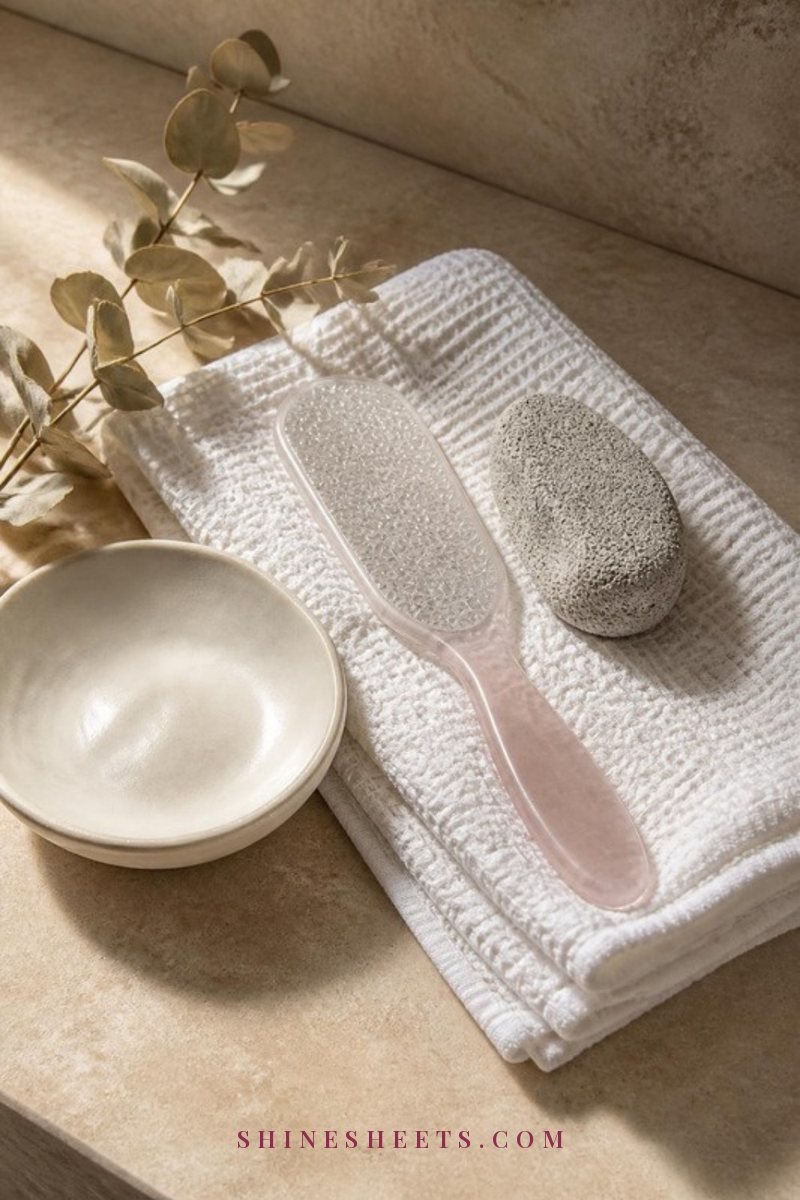
This is the step most people get wrong, so here's the rule: soften first, then dry, then file. Filing soaking-wet skin feels effective because it removes a lot very fast, but wet skin tears easily and it's hard to tell when to stop. Slightly softened, towel-dried skin lets you take off only the dead top layer.
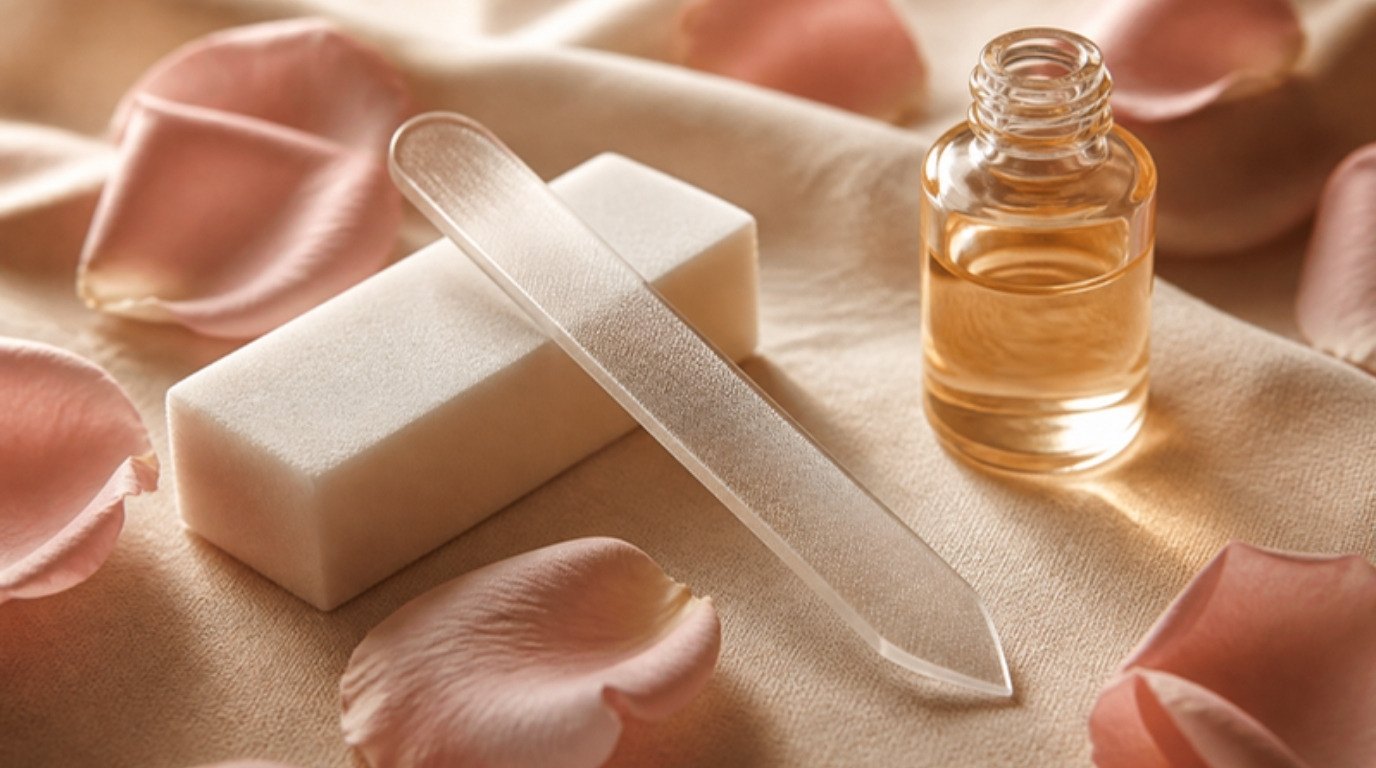
I'd choose a glass foot file, because the etched surface is fine and even, it doesn't harbor bacteria the way old metal graters can, and it rinses clean in seconds. A classic natural pumice stone is a lovely gentler option for in-between days or for the sides of the feet.
How to file without overdoing it:
- Sit down and rest your foot on your opposite knee or the edge of the tub, so you can actually see your heel.
- File in one direction (or small, light circles), using the weight of the file rather than pressure from your hand.
- Do 15 to 20 strokes per area, then run your fingers over it. Stop when it feels smoother, not when it feels "done."
- Stay on the thick yellowish skin. Never file the pink, thinner skin around it.
- Rinse or wipe away the dust and pat dry before moisturizing.
The goal on any single night is to remove a little, not everything. If the skin starts feeling warm or tender, you've done enough for today.
Treat: Urea or Lactic Acid Foot Cream
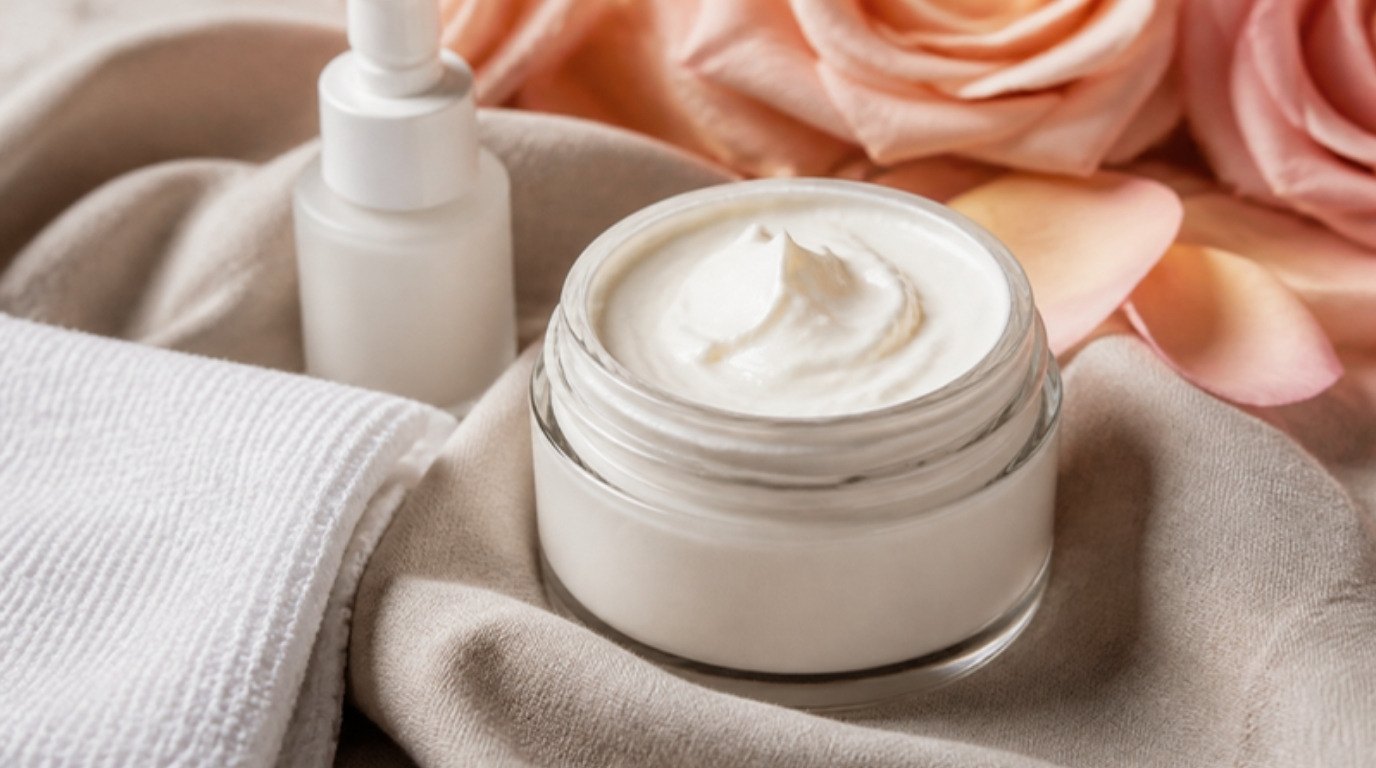
Regular body lotion is lovely on legs, but it's usually too light for heels. What thick, dry heel skin responds to best are creams with urea or lactic acid. Both pull water into the skin and loosen the bonds between dead cells, so the build-up softens and sheds gently while you go about your day.
Look for a urea foot cream for cracked heels with somewhere around 10 to 25 percent urea. Lower percentages are for everyday softness, higher ones for very rough heels (use those on the heels only, not the tops of your feet). Lactic acid creams work in a similar way and often have a slightly lighter feel.
Use a generous amount, about the size of a grape for each heel, and really massage it in for a minute. If you have any small cracks, it may tingle on the first couple of nights. A mild tingle is normal, but real stinging means the crack is too open for an active cream: switch to a plain, thick balm on that spot until it closes.
The same thinking applies to the rest of your body too, and if you'd like the full picture from shoulders to ankles, my body care routine walks through it step by step.
Seal It In With Cotton Socks Overnight
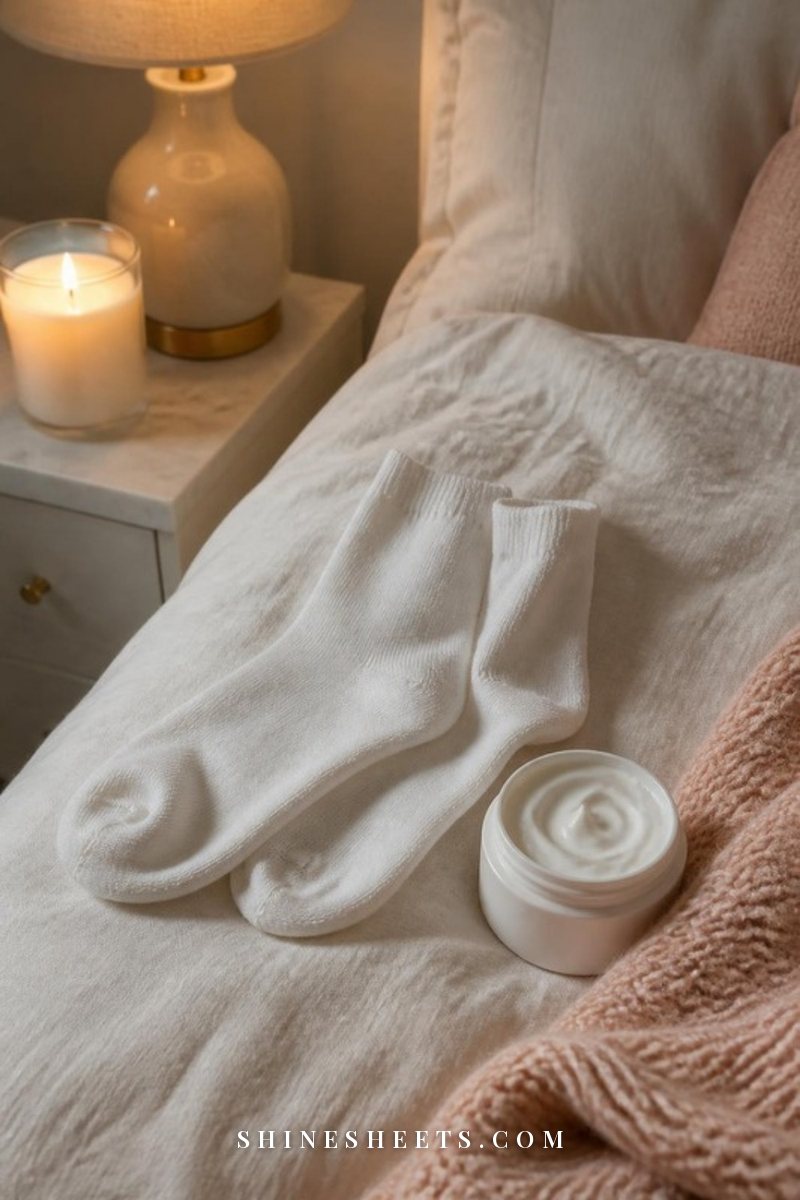
This tiny step is the reason the plan works in a week instead of a month. Socks keep the cream on your skin instead of on your sheets, and they hold in warmth and moisture so the cream can do its job for hours.
Plain, clean cotton socks are perfectly fine. If you'd like something made for the purpose, white moisturizing gel-lined socks are a nice upgrade: soft cotton on the outside and a gel lining inside that keeps the heel area extra soft. Wash them after every few wears, and slip them on right after your cream so nothing gets wiped off.
A quick tip if you hate sleeping in socks: put them on for the first hour of your evening (while you read or watch something) and take them off before bed. You'll still get most of the benefit.
Optional: An Exfoliating Foot Peel
Foot peel masks are the dramatic option: you wear plastic booties soaked in an acid solution for an hour, and about a week later the skin on your soles starts peeling off in sheets. They can work beautifully on stubborn, even build-up, but they're not a quick fix and not for everyone.
If you want to try one, an exfoliating foot peel mask is best done outside the 7-day plan, ideally in a week when you're not planning sandals. Skip the filing for two weeks around it, don't pull the peeling skin (let it fall off on its own), and moisturize as usual. Avoid peels completely if you have any cracks, cuts, eczema on your feet, diabetes or circulation issues.
What NOT To Do
A lot of rough heels are actually caused by enthusiastic care. These are the habits that feel productive but make things worse:
- Razors and blade callus shavers. They cut away far too much at once, and it's very easy to go into living skin. Cuts on the feet heal slowly and can get infected. Leave blades to professionals.
- Aggressive metal graters. Coarse graters shred the skin rather than smoothing it, which leaves rough edges that catch and crack again within days.
- Filing wet skin too hard. Soaked skin comes away in big flakes, which feels satisfying but removes too much. The result is often sore heels and faster callus regrowth.
- Daily filing. Your heels thicken in response to friction. Filing every single day is friction, so they rebuild.
- Long, very hot soaks. Twenty minutes in hot water leaves skin drier than when it went in, especially if you don't moisturize right after.
- Skipping cream on "busy" nights. The cream is the actual treatment. Filing is just the helper.
- Picking or peeling cracked skin. Peeling loose bits often tears into healthy skin and opens the crack wider.
If you recognize yourself in a few of these, don't worry. Most of us have reached for the grater at some point. Your heels will forgive you as soon as you switch to the gentle version.
Weekly Maintenance Routine
Once your heels feel soft, the work gets much lighter. Think of it as keeping, not fixing. Here's a simple rhythm that holds the results:
- Every day: foot cream after your evening shower, about one minute in total. A lighter urea cream (around 10 percent) is enough now.
- Two or three nights a week: socks over the cream, especially in winter or after days of sandals.
- Once a week: a short soften-and-file session, 10 to 15 strokes per heel on dry skin, just to stop build-up before it starts.
- Once a week: a quick check of your soles, heels, between your toes and your nails, so you notice anything unusual early.
- Every two to three weeks: toenail trim (more on that below).
The easiest way to make it stick is to attach it to something you already do. Keep the cream right next to your body lotion, and do your feet at the same moment. If you have an evening shower ritual, your everything shower routine is the perfect place to slot in the weekly filing night.
And because the hands and feet tend to dry out at the same time, you might like to pair this with a simple hand care routine: one cream session for both, right before bed.
Toenail Basics
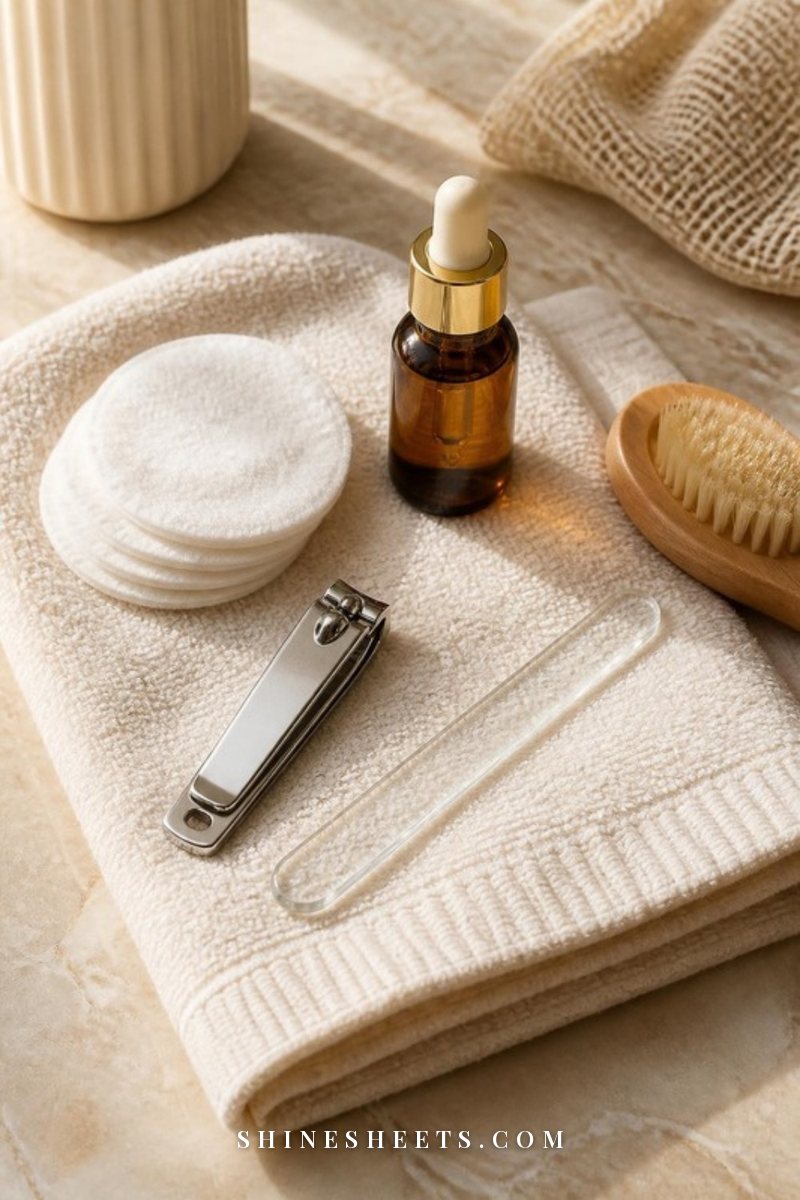
Healthy toenails are mostly about cutting them the right way and keeping them clean. You don't need polish or a full pedicure kit for that. On evenings when I want a little more polish and care, I treat myself to this gentle at-home pedicure from start to finish.
- Trim straight across. Cut the nail in a straight line, roughly level with the tip of the toe. Curving the corners down is the classic way to get ingrown nails.
- Don't cut too short. Leave a tiny bit of white edge. Nails cut too close can dig into the skin as they grow.
- Soften first, if they're thick. Toenails are easier to cut after a shower or soak.
- Smooth the edges. A few light strokes with a nail file in one direction take off any sharp corners without rounding them.
- Clean gently underneath. Use a soft nail brush or the tip of a file wrapped in a cotton pad. Don't dig.
- Leave cuticles alone. Don't cut them. A drop of cuticle oil or your foot cream rubbed in is all they need.
- Give nails a break. If you wear polish a lot, take a polish-free week now and then, and use a remover without too much fragrance.
Keep a separate clipper for toenails, and wipe it with rubbing alcohol after each use. It's a small habit that keeps things hygienic, especially if you share a bathroom.
Foot Comfort Habits

Soft heels are lovely, but comfortable feet are even better. A few small habits help with both, because less pressure means less callus.
Choose Shoes That Support You
- Closed backs on long days. Save slides and mules for short outings. A closed heel cup stops the heel pad from spreading and cracking.
- Cushioning where you stand. If you're on your feet a lot, a soft insole or a cushioned sneaker makes a real difference.
- Room for your toes. Shoes that pinch at the front cause calluses on the sides and tops of the toes.
- Soft slippers at home. Especially on tile and wooden floors in winter.
- Rotate your shoes. Let each pair air out for a day between wears.
Three Simple Foot Stretches
- Ball roll: sitting down, roll the sole of one foot slowly over a small massage ball (or a tennis ball) for one minute, then switch. Lovely after a long day.
- Toe spread: spread your toes as wide as you can, hold for five seconds, relax. Repeat ten times.
- Calf stretch: stand facing a wall, one foot back, heel on the floor, and lean in gently for 30 seconds each side. Tight calves put extra strain on the heel.
These take about four minutes in total and fit nicely into the evening, right before your cream. If you want to make an evening of it, a spa day at home is a gentle way to bundle feet, hands and face into one slow, pampering night.
When To See a Podiatrist
Home care is great for everyday dryness and mild cracks. But some feet need a professional, and there's no reason to wait if any of these apply to you:
- You have diabetes or circulation problems. Please don't file, peel or treat cracks yourself. Small injuries on the feet can become serious, so a podiatrist or your doctor should guide your foot care.
- Deep fissures. Cracks that bleed, hurt when you walk or don't improve after two to three weeks of consistent care.
- Signs of infection. Redness that spreads, warmth, swelling, pus or a crack that suddenly becomes more painful.
- Pain that doesn't go away. Heel pain (especially first thing in the morning), burning, numbness or tingling.
- Nail changes. Thick, discolored, crumbly or painful toenails, or a nail that keeps growing into the skin.
- Itchy, peeling skin between the toes. This can be athlete's foot rather than plain dryness and may need a different treatment.
This guide is general information, not medical advice. If something about your feet worries you, a quick professional check is always the kind choice for yourself, never an overreaction.
Final Thoughts
Soft heels don't come from one big session. They come from a week of small, gentle ones: a short soak, a few light strokes with the file, a generous layer of cream and a pair of socks before bed.
Start tonight with day one, keep the rhythm going for seven days, and then let the weekly routine do the quiet work. Your feet carry you everywhere, and a few minutes of care each evening is a lovely way to thank them.