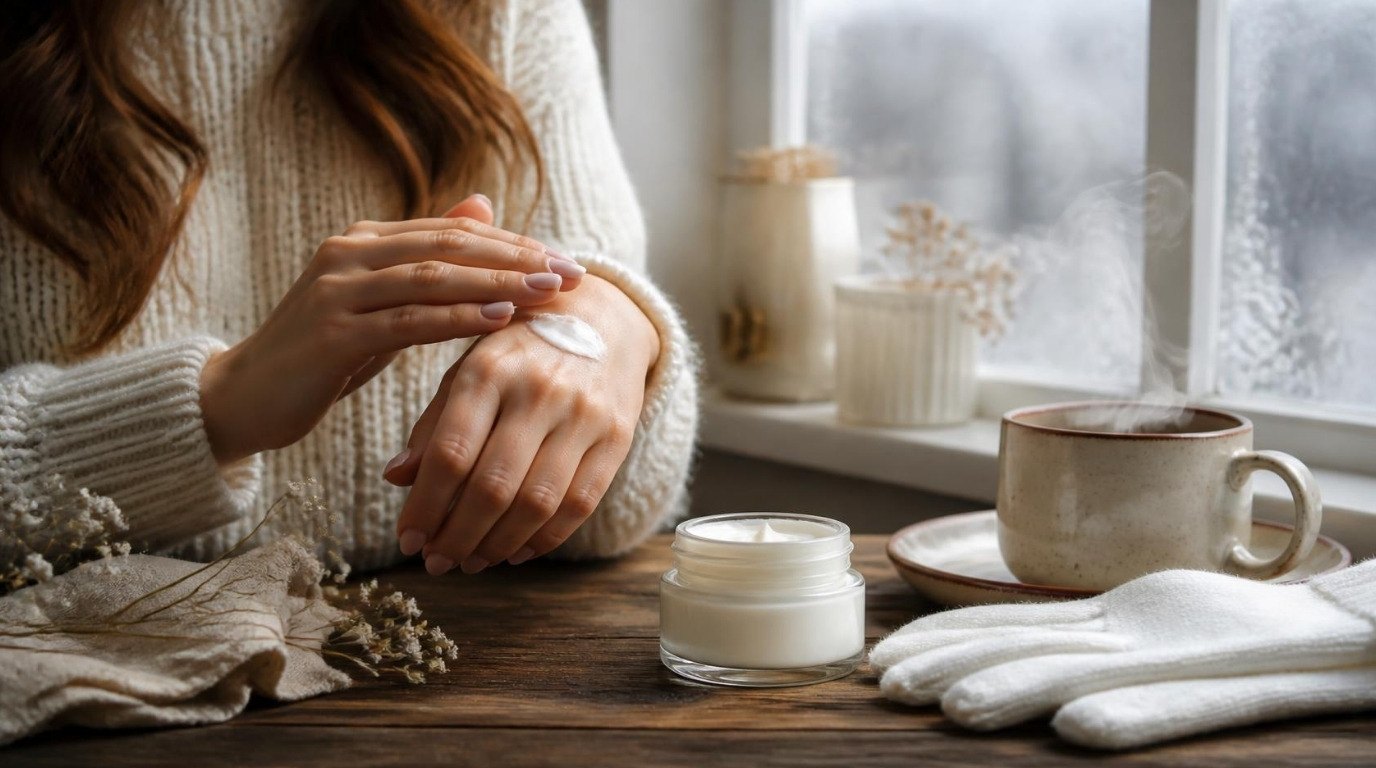
Your hands often tell your age before your face does, and not because of anything you did wrong. The skin on the backs of your hands is thinner than on your face, it gets washed ten or more times a day, it catches sun on every drive and walk, and it almost never gets the serums and sunscreen your face gets. The good news is that hands respond beautifully to a little consistent care.
It took me a while to understand that hand care isn't one rich cream rescued in a panic once the skin cracks. It's a handful of tiny habits spread through the day: the soap you choose, the cream you put on after washing, a bit of SPF in the morning and a drop of oil before bed.
This guide walks you through a simple hand care routine for soft, younger-looking hands: why hands age early, the daily steps, weekly extras, how to gently fade the look of sun spots, how to protect your hands while cleaning, quick fixes for dry, cracked knuckles and the basics of neat, polished nails. You'll also find a hand care routine card you can screenshot and keep on your phone.
Why Hands Show Age Early
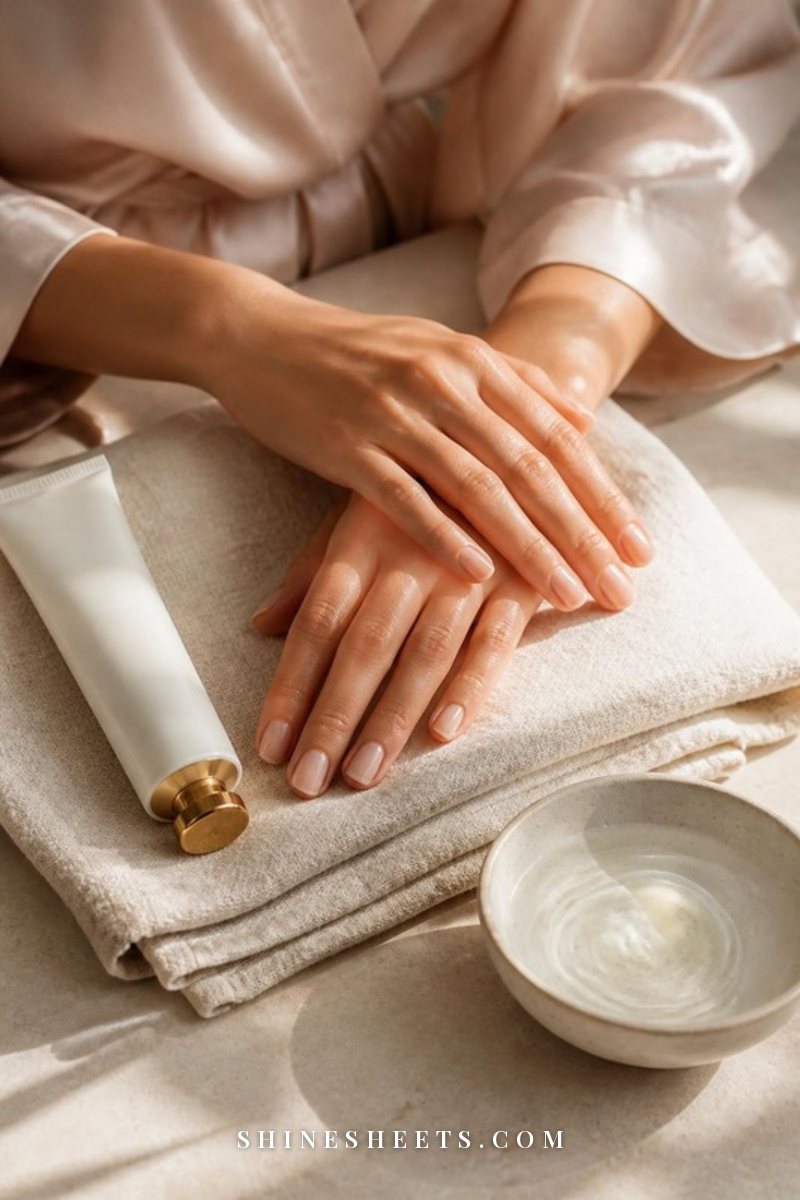
Before we get to the routine, it helps to know what you're working with. These are the four main reasons hands start looking older long before we expect them to:
- Thin skin with little padding. The backs of your hands have less fat and fewer oil glands than your face, so veins and tendons show more easily and dryness appears fast.
- Daily sun exposure. Hands are out in the light all day, through car windows, on walks, while you hold a coffee outside. Over the years that adds up to uneven tone and brown spots.
- Frequent washing. Soap and hot water lift away the natural oils that keep skin soft. Wash often without moisturizing and the skin barrier slowly wears down, which shows up as tightness, rough texture and fine crinkly lines.
- No SPF, ever. Most of us are diligent about sunscreen on our faces and then forget our hands completely. This is the single biggest gap in most routines.
None of this means your hands are doomed. It means they need the same basic kindness you already give your face: gentle cleansing, moisture, sun protection and a little patience.
Your Daily Hand Care Routine: 5 Simple Steps
These five steps take less than two minutes a day in total once they become habits. You don't need to do them perfectly. Even getting steps two and three right most days will make a visible difference within a few weeks.
1. Wash With a Gentle, Creamy Soap
Clean hands matter, so this isn't about washing less. It's about washing smarter. Swap harsh, squeaky-clean soaps for a creamy, fragrance-light formula, and use lukewarm water instead of hot. Hot water feels lovely in winter, but it strips oil much faster.
Wash for about 20 seconds, rinse well and then pat your hands dry instead of rubbing them. Leave them very slightly damp if you're about to apply cream, because moisturizer locks in water best when there's a little to lock in.
If you have sensitive skin like me, the sink soap is worth paying attention to. A soap that leaves your hands feeling tight within a minute is too stripping for daily use.
2. Apply Hand Cream After Every Wash
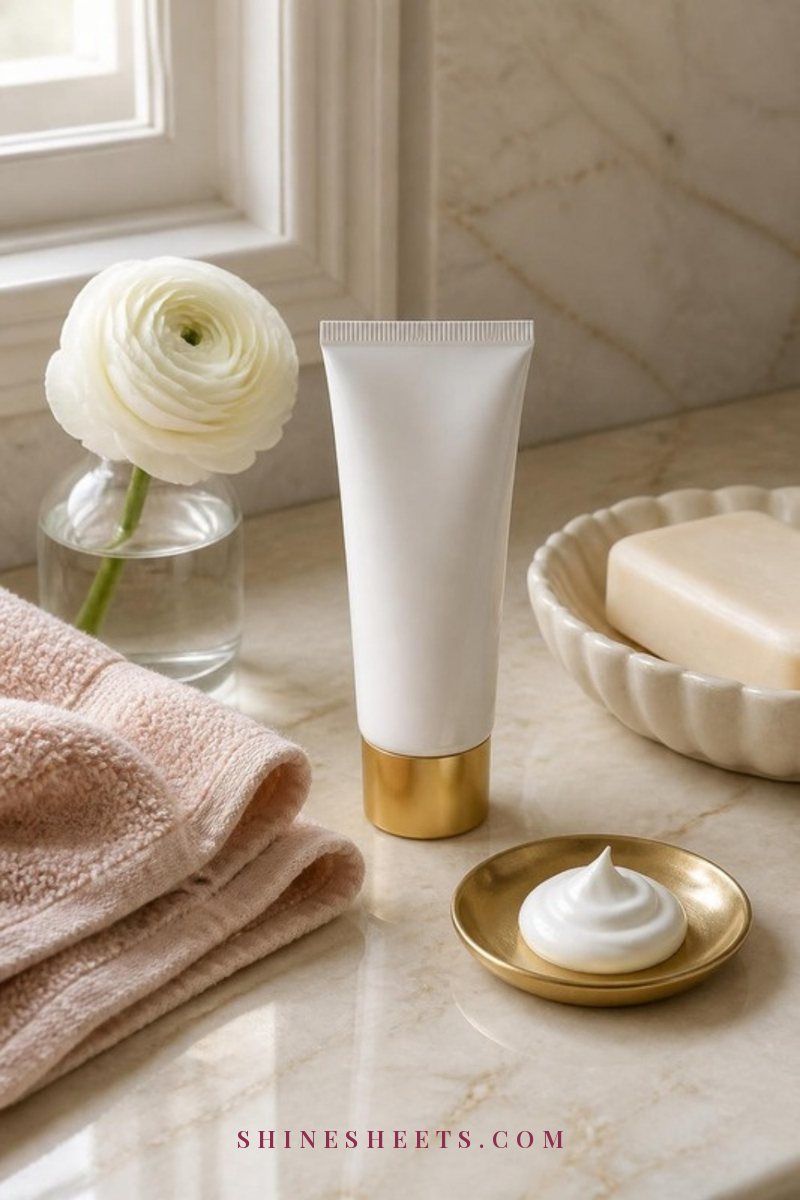
This is the step that changes everything, and it's the one most of us skip. Every time you wash, follow with a small amount of cream within a minute or so. A pea-sized amount is enough for both hands.
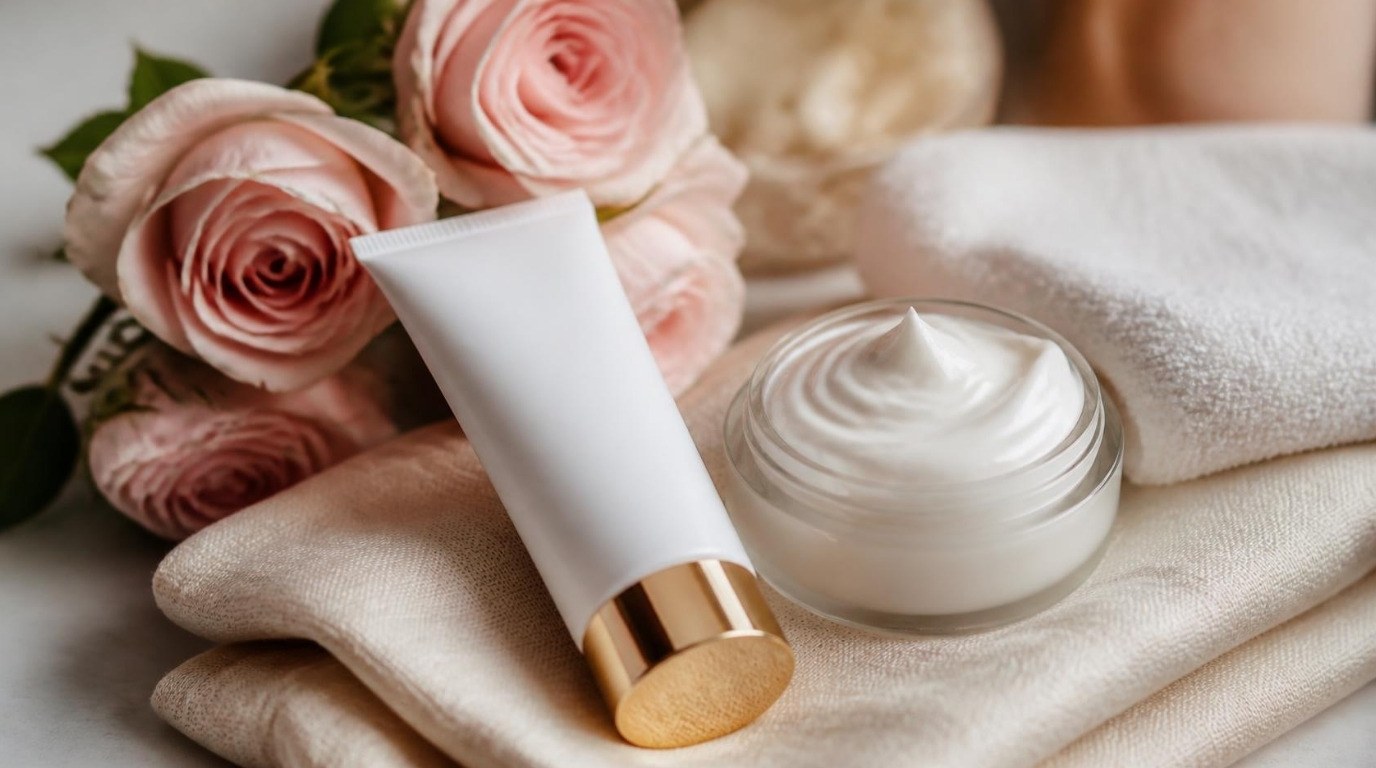
The texture matters. Look for a rich hand cream in a tube with ingredients like shea butter, glycerin, ceramides or urea. Glycerin pulls in water, shea and ceramides seal it in, and a little urea softens rough patches. Tubes are also more hygienic than jars, since you're not dipping fingers into the product all day.
Here's the simple formula I'd follow: wash, pat, cream, then massage it into the knuckles and around the nails. Those are the driest spots and the ones that crack first, so they deserve the extra 10 seconds.
3. Put SPF on the Backs of Your Hands

If you only add one new habit after reading this guide, make it this one. Sun is the main reason for brown spots and crepey texture on the backs of the hands, and daily sunscreen is the most reliable way to slow that down.
The easiest option is an SPF hand cream applied in the morning, after you've finished your face routine. Choose broad-spectrum protection with SPF 30 or higher. If you don't want another product, the facial sunscreen you already use works too: just smooth what's left on your fingers over the backs of your hands.
The catch is that hand SPF wears off quickly, because hands get washed. If you're spending a lot of time outdoors or driving for a long stretch, reapply after washing or every couple of hours. The American Academy of Dermatology's guide to applying sunscreen is a helpful reference for how much to use and when to reapply.
4. Keep a Cream Within Reach Everywhere
Good intentions fall apart when the hand cream lives in a drawer you open once a week. The fix is placement. Keep one tube by the kitchen sink, one by the bathroom sink, one in your bag and one on your nightstand.
A small travel size in your bag or car turns waiting at a red light or sitting in a queue into a 15-second moisturizing moment. The more places your cream lives, the less you have to remember it.
5. Use Cuticle Oil at Night
Dry, ragged cuticles make hands look older and less cared for, even when the skin itself is soft. A drop of oil before bed keeps the skin around your nails supple and makes the nails themselves less likely to split.
A cuticle oil pen is the easiest format, because there's no dropper to spill and you can keep it on your nightstand. Swipe a little onto each cuticle, rub it in with your thumb for a few seconds and follow with hand cream on top. That's it. It fits nicely between evening tea and getting into bed.
Weekly Extras: 3 Treats for Softer Hands
Daily steps do the heavy lifting. These weekly extras are the finishing touch, and they also happen to feel like a small spa moment at home. Pick one or two per week, not all three.
1. A Gentle Hand Scrub
Once a week, a soft exfoliation helps lift dull, dry skin so your hand cream can sink in better. Choose a gentle hand scrub with fine sugar and oils rather than sharp, gritty particles. Hands don't need aggressive scrubbing.
Massage a small amount over damp hands for about 30 to 60 seconds, paying attention to the knuckles and the sides of the fingers, then rinse with lukewarm water and apply cream right away. Skip this step if your skin is cracked, broken or freshly irritated. If you enjoy this ritual, the same gentle approach works for the rest of you in my guide on a simple body care routine for soft, glowing skin.
2. An Overnight Hand Mask With Cotton Gloves

This is my favorite kind of low-effort beauty habit, because you do it while you sleep. Apply a generous layer of rich hand cream (or a thin layer of a healing balm on very dry spots), add cuticle oil around the nails, and slip on a pair of white cotton moisturizing gloves.
The gloves keep the cream on your hands instead of on your sheets and create a warm, slightly occlusive layer that helps the moisture absorb overnight. In the morning your hands feel noticeably softer. Do it once a week as a reset, or every night for a few nights in a row when your hands are very dry.
Wash the gloves every week or two so they stay fresh.
3. A Ten-Minute Soak and Hand Massage
Fill a bowl with lukewarm water, add a teaspoon of a gentle oil you already have, and soak your hands for about five minutes. Pat dry, then spend another five minutes massaging cream into each finger, from the base to the tip, and pressing small circles into your palms.
It softens cuticles before you tidy them, but it's also a lovely way to slow down at the end of the week. Light a candle, put on something calm and let it be a small moment that is only for you.
How To Fade the Look of Sun Spots Gently
Brown spots on the backs of the hands are one of the most common signs that make hands look older. You can soften their look with a gentle, patient approach, but expectations matter: think months, not days, and think "less noticeable", not "erased".
Here's what helps most, in order of importance:
- Daily SPF first. Nothing else works well without it. Fading spots while they keep getting sun is like mopping with the tap running.
- Brightening ingredients. Look for hand creams or serums with niacinamide or vitamin C. Niacinamide helps even out tone and supports the skin barrier, which is why I like it for sensitive skin. If you're new to it, my guide to how niacinamide works and how to use it explains the basics. You can also smooth the last drops of your facial vitamin C serum over the backs of your hands in the morning, under SPF.
- Gentle exfoliation. A weekly scrub or a hand cream with a low percentage of lactic acid or urea helps dull surface cells shed more evenly.
- Patience. Give any brightening product at least 8 to 12 weeks before judging it. Take a photo of your hands in daylight on day one so you can compare honestly.
The same ingredients and logic apply to your face, and my guide on how to fade dark spots gently goes deeper into the routine.
A short, kind safety note: if a spot changes in size, shape or color, has uneven edges, bleeds or simply looks different from the others, please have a dermatologist look at it. Most hand spots are harmless sun spots, but it's always worth checking anything new or changing.
Protect Your Hands While You Clean

Washing dishes, wiping counters and scrubbing the bathroom can undo a week of good hand care in one afternoon. Hot water, dish soap and cleaning products all strip oils and can irritate the skin, especially around the knuckles and nails.
The simplest fix is a pair of pink rubber cleaning gloves kept right by the sink, so putting them on takes two seconds. A few small habits make them even more useful:
- Moisturize before you put the gloves on. The warmth inside acts like a mini hand mask while you work.
- Dry your hands fully before gloving up, and take breaks during long cleaning sessions so sweat doesn't sit on the skin.
- If latex bothers you, choose latex-free or nitrile gloves.
- Rinse and dry the gloves inside out every so often so they stay fresh.
Gentler cleaning products also help. Where you can, choose fragrance-free dish soap and milder sprays, and rinse your hands and apply cream as soon as you finish a cleaning session.
How To Fix Dry, Cracked Knuckles: 5 Quick Fixes
Knuckles crack first because the skin there stretches every time you bend your fingers. When they're dry and rough, try these five fixes:
- Switch to a balm on the knuckles. A thicker ointment or healing balm protects better than a light lotion on cracked spots. Use cream for the rest of the hand and balm only where it's needed.
- Apply on slightly damp skin. Right after washing, while hands are still a touch damp, is when moisture locks in best.
- Do the glove trick for three nights. Balm plus cotton gloves for three nights in a row usually brings very dry knuckles back to comfortable.
- Pause exfoliation. No scrubs or acids on cracked skin until it has healed. They sting and slow everything down.
- Use a humidifier in winter. Dry indoor heating pulls moisture out of skin. A humidifier in the bedroom helps your hands, lips and face at the same time.
For cold-weather specifics, my guide to getting soft hands in winter covers what to change when the heating comes on.
If your knuckles are very red, itchy, weeping, bleeding or not improving after a couple of weeks of good care, please see a doctor or dermatologist. Hand eczema and contact irritation are common and very treatable, but they sometimes need more than a cream.
Keeping Your Hands Looking Polished
Soft skin is half of beautiful hands. The other half is neat, clean nails, and this part is wonderfully low-effort. No nail art required, just a few basics:
- Keep nails clean and evenly shaped. A soft oval or squoval shape at a length that suits your life always looks elegant. File in one direction to prevent splitting.
- Push back, don't cut, your cuticles. After a soak or shower, gently push cuticles back with a soft towel or wooden stick. Cuticles protect the nail bed, so leave them in place and keep them oiled instead.
- Trim hangnails carefully. Snip only the loose piece with clean nail clippers. Never pull them.
- Give nails a break between manicures. A few bare days with cuticle oil help nails recover.
- Choose a sheer, soft shade. A sheer nude or soft pink polish hides small imperfections and looks polished in that quiet Old Hollywood way.
For more on healthy, naturally pretty nails, have a look at my guide on how to take care of your nails.
Your Hand Care Routine Card
This is the whole routine in one place. Screenshot it and keep it on your phone until it becomes second nature.
| When | What To Do | Time |
|---|---|---|
| Daily AM | Wash with gentle soap, apply hand cream, then SPF 30+ on the backs of hands (brightening serum first if you use one) | 1 minute |
| Every wash | Pat dry, pea-sized amount of hand cream, massage into knuckles and around nails | 15 seconds |
| Daily PM | Cuticle oil on each nail, then a generous layer of rich hand cream before bed | 1 minute |
| Weekly | One treat: gentle hand scrub, overnight cream with cotton gloves, or a soak and massage; tidy nails and push back cuticles | 10 to 15 minutes |
| Cleaning days | Cream first, then rubber gloves for dishes and cleaning products | 10 seconds |
| Summer | Lighter cream, reapply SPF after washing and every couple of hours outdoors | Ongoing |
| Winter | Richer cream or balm, gloves outdoors, humidifier at night, glove trick when hands feel tight | Ongoing |
6 Hand Care Mistakes That Make Hands Look Older
A few small habits work against everything else you're doing. Here are the ones I see most often:
- Using very hot water. It feels nice but strips oils fast. Lukewarm is kinder.
- Relying on hand sanitizer instead of moisturizer. Sanitizer is useful, but alcohol dries skin, so follow it with cream when you can.
- Skipping SPF on cloudy days. UV rays reach your hands through clouds and car windows.
- Cutting cuticles. This can lead to irritation and ragged regrowth. Push back and oil instead.
- Scrubbing too often. Once a week is plenty. More than that can leave hands red and sensitive.
- Saving hand cream for "when they feel dry". By then the barrier is already struggling. Consistent, small amounts beat occasional big rescues.
Final Thoughts
Your hands do so much for you every single day. They make the tea, hold the people you love, write in your journal and carry you through every busy afternoon. A little cream after washing, a bit of SPF in the morning and a drop of oil at night is a small way of thanking them.
Start with one habit this week, maybe a tube of cream by the sink, and let the rest follow when it feels easy. Soft, cared-for hands don't come from perfection. They come from small, kind moments repeated, and you deserve every one of them.