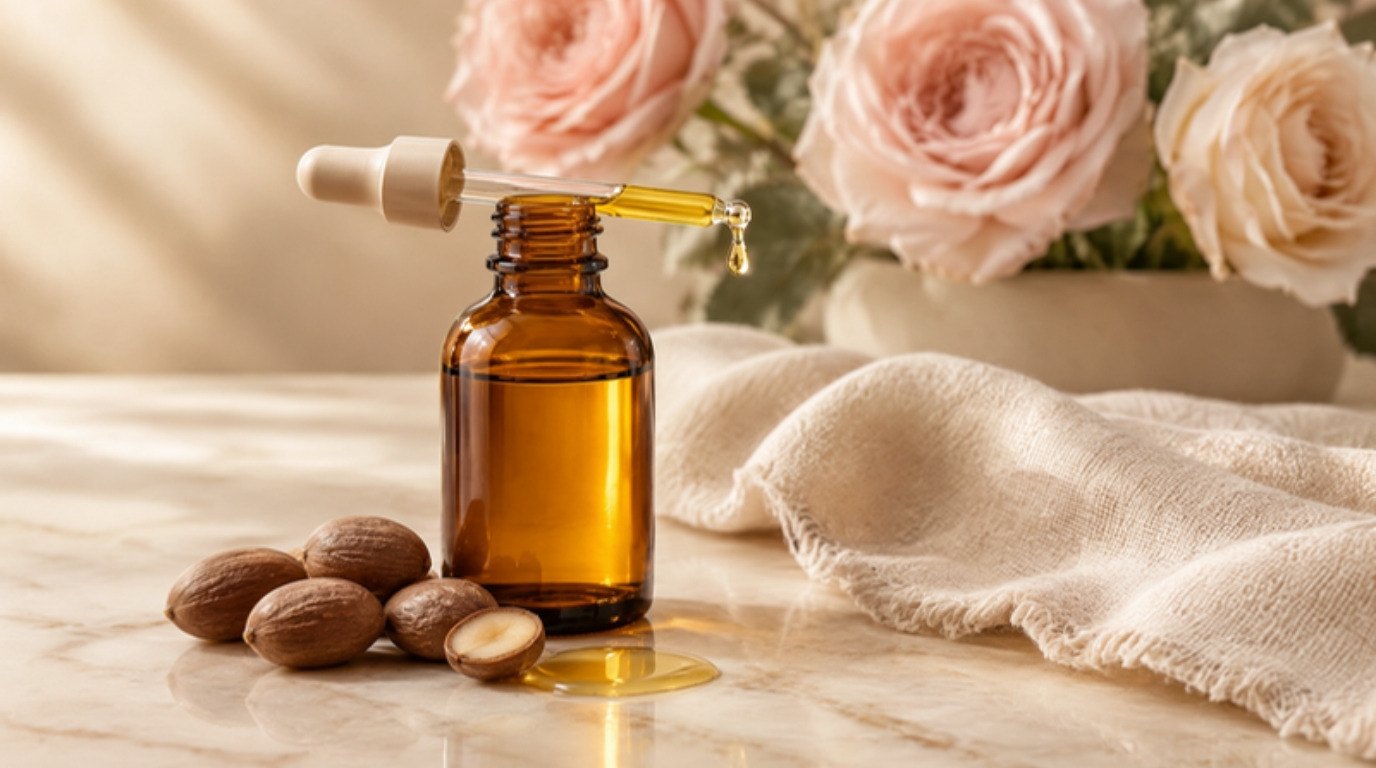
Jojoba oil is one of the few oils that many skin types find comfortable, and the reason is a little surprising: it isn't really an oil at all. It's a liquid wax that happens to be remarkably similar to the oils your skin already makes. That's why it tends to sink in instead of sitting on top, and why it shows up in so many cleansers, balms and hair products.
That doesn't make it magic, and it doesn't suit absolutely everyone. But as a simple, single-ingredient bottle that can move from your face to your cuticles to the ends of your hair, it's very hard to beat.
This guide covers jojoba oil for skin and hair in a calm, practical way: what it actually is, golden vs clear jojoba, how to choose and store a good bottle, six easy ways to use it, a quick table of how much and when, how it fits oily or breakout-prone skin and the safety notes worth knowing first. I have combination, sensitive skin, so I'll keep the amounts small and the advice gentle.
What Is Jojoba Oil?
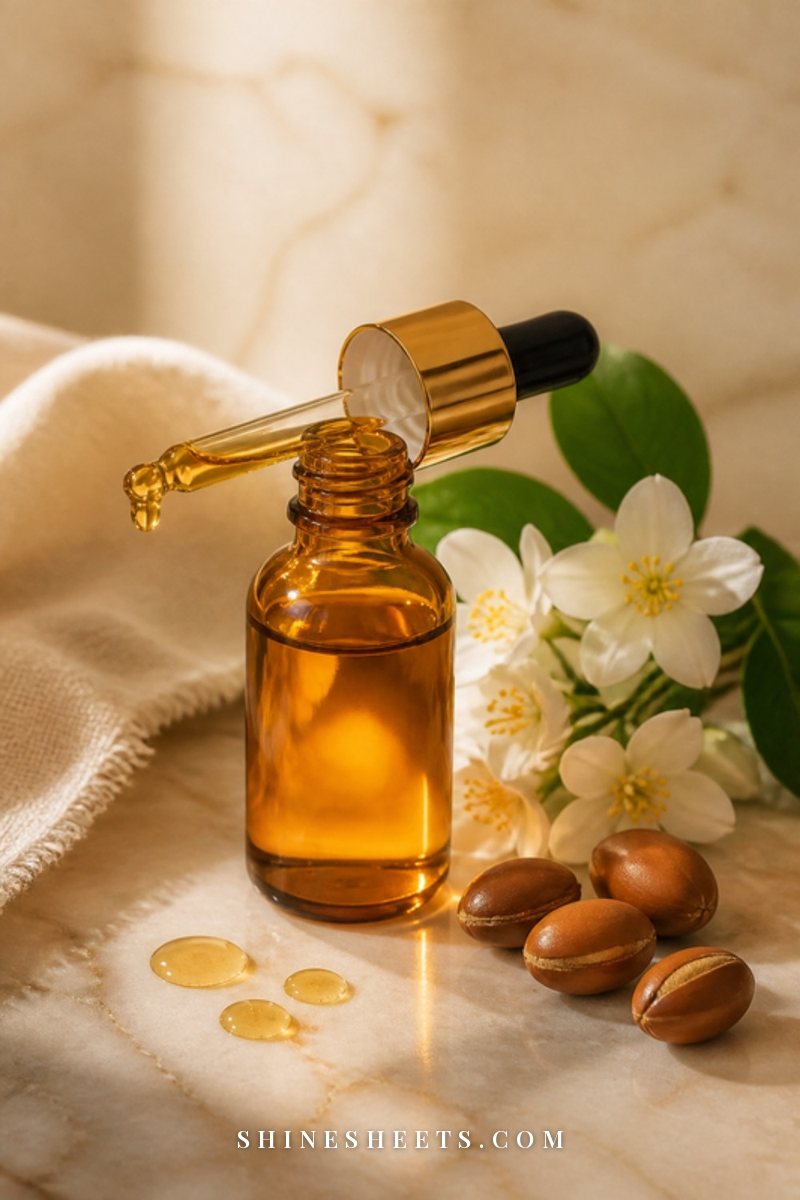
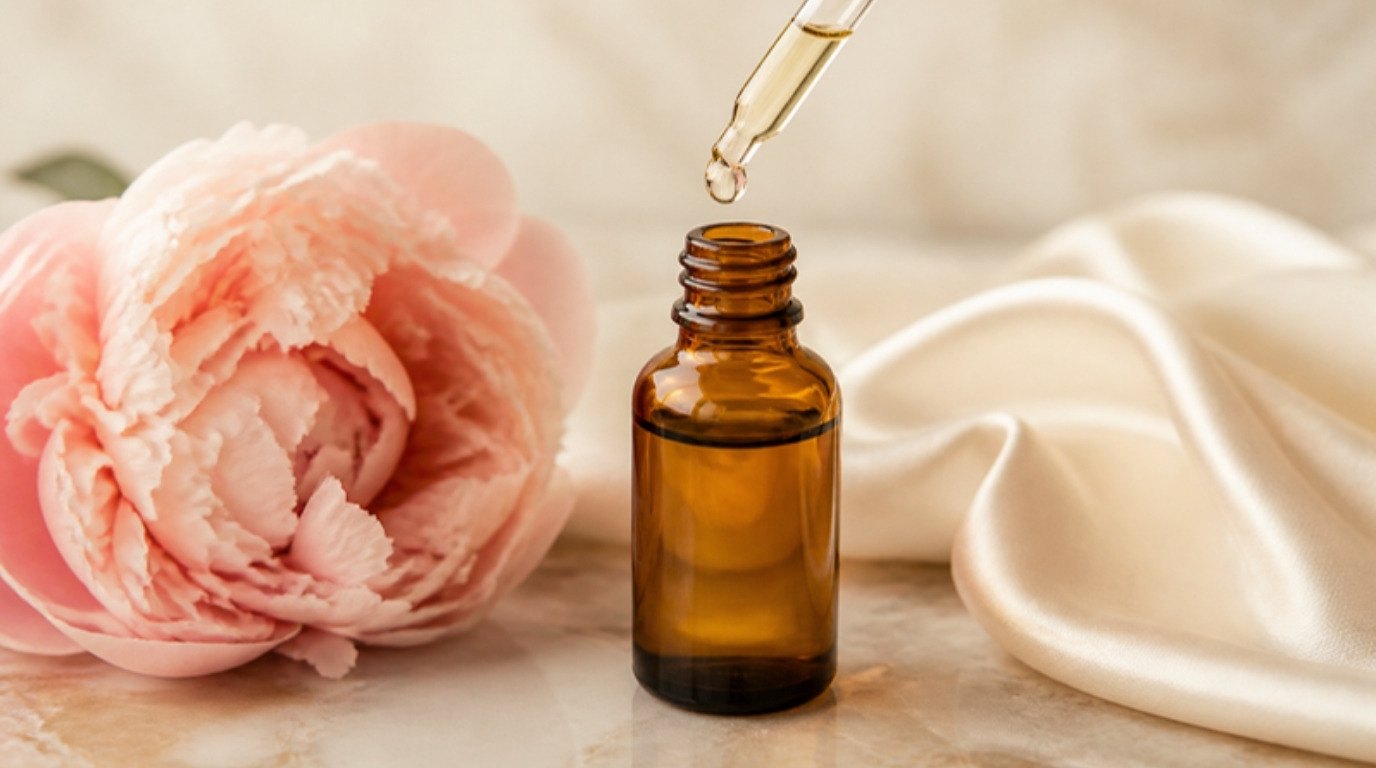
Jojoba (say "ho-HO-ba") comes from the seeds of a desert shrub. When the seeds are pressed, they give a golden liquid that we call an oil, but chemically it's mostly made of wax esters. Your skin's own sebum also contains wax esters, which is why jojoba is often described as "similar to skin's natural oils."
In everyday terms, that means a few things:
- It feels light. Jojoba usually absorbs within a few minutes and leaves a soft, satin finish rather than a greasy one.
- It's very stable. Because it's a wax, it doesn't go rancid as quickly as many plant oils, so a bottle lasts.
- It's simple. A pure jojoba oil has one ingredient and no scent of its own beyond a faint, nutty note, which suits sensitive noses.
- It plays well with others. It layers easily over moisturizer, under a balm or on hair without changing how your other products behave.
If you're comparing it with other face oils, my guide to facial oils by skin type shows where jojoba sits next to squalane, rosehip and marula.
What Jojoba Oil Can Do for Skin and Hair
It helps to be realistic about what an oil does. Jojoba doesn't add water to the skin (that's the job of humectants like glycerin and hyaluronic acid), and it won't change your skin type. What it does well is help hold moisture in and make skin and hair feel softer and smoother.
For skin, that can mean:
- Less tight, rough-feeling skin, especially in cold or dry weather.
- A softer finish over moisturizer for dry patches.
- Help loosening makeup and sunscreen as the first step of a cleanse.
- Softer cuticles and elbows, and smoother legs after a shower.
For hair, it can mean:
- Smoother-feeling ends that look a little shinier.
- Less static and fewer flyaways with a tiny amount.
- A gentle pre-wash step that helps lengths feel less stripped after shampoo.
That's it – no miracles, just reliable comfort. And for a lot of us, that's exactly what a good basic should do.
Golden vs Clear Jojoba Oil: Which To Choose
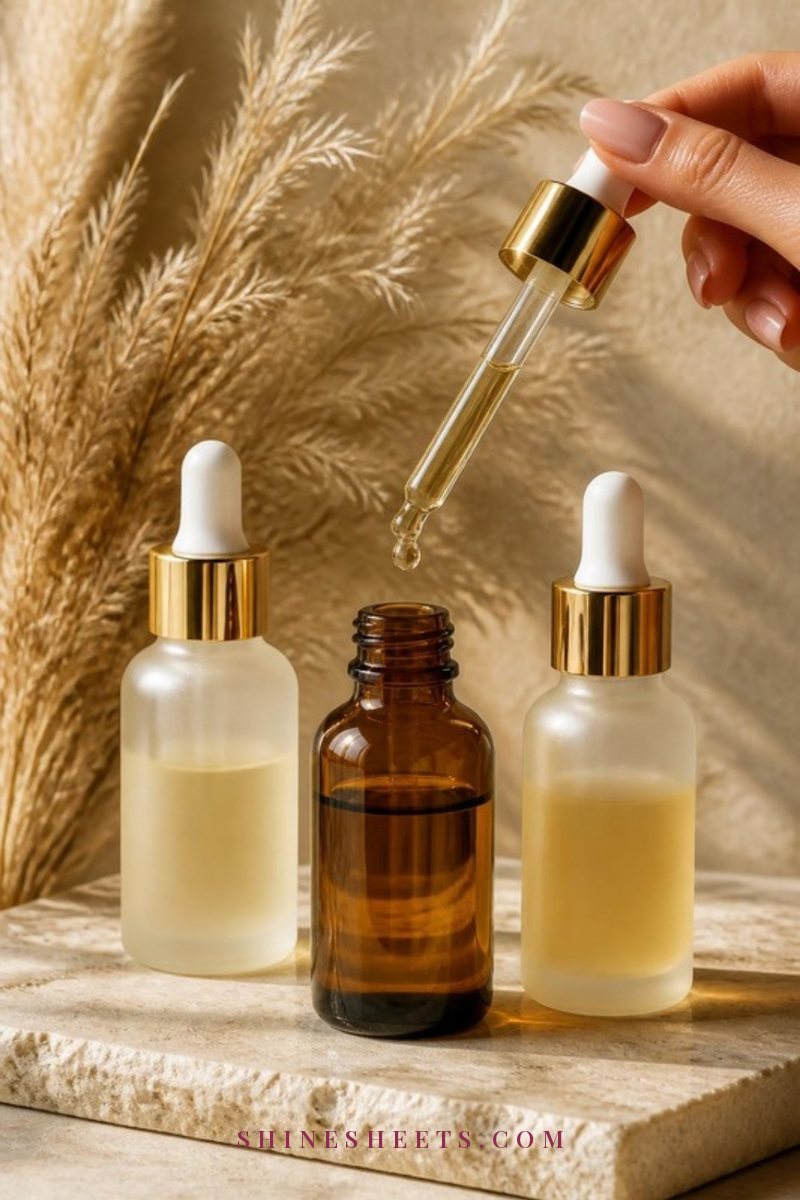
You'll see two kinds of jojoba on the shelf, and they're both jojoba. The difference is how much they've been processed.
- Golden jojoba is unrefined or lightly filtered. It keeps its natural golden color and faint nutty scent. Many people prefer it for face and hair because it's the least processed.
- Clear jojoba has been refined or filtered further to remove color and scent. It's useful if you're sensitive to smells, or if you want an oil that won't tint a light-colored product or a pale pillowcase.
Both feel almost the same on the skin. Golden can look very slightly cloudy or even turn semi-solid in a cold bathroom in winter, because it's a wax. That's completely normal: warm the bottle in your hands for a minute and it turns liquid again, with no change in quality. Clear jojoba tends to stay liquid a little more easily, which some people find more convenient.
For most people, golden is a lovely default. If you have a very sensitive nose, or the natural scent bothers you, clear is a perfectly good choice.
How To Choose a Good Bottle
Look for these four things on the label:
- 100% jojoba seed oil (it may say Simmondsia chinensis seed oil) with nothing added, if you want a pure oil.
- Cold-pressed, which means the oil was pressed without high heat.
- Dark glass, ideally amber, which protects the oil from light.
- A dropper or pump, so you use a few drops at a time and keep the bottle clean.
A pick for most routines: a cold-pressed golden jojoba oil in amber glass with a dropper. Avoid "jojoba" blends where jojoba is near the end of the ingredient list, and skip anything with added fragrance if your skin is sensitive.
How To Store It
Jojoba is forgiving, but a few habits keep it fresh for longer:
- Keep it out of direct sunlight and away from the radiator or a steamy windowsill.
- Close the cap tightly after each use.
- Never put water or wet fingers into the bottle.
- Check it now and then: if it ever smells sharp or crayon-like, replace it.
Stored this way, an opened bottle usually stays nice for a long time, but follow the period-after-opening symbol on the label.
6 Ways To Use Jojoba Oil
Here are six simple, everyday ways to use it, from face to hair. You don't need all six. Pick the one or two that solve something for you right now.
1. A Few Drops Over Moisturizer
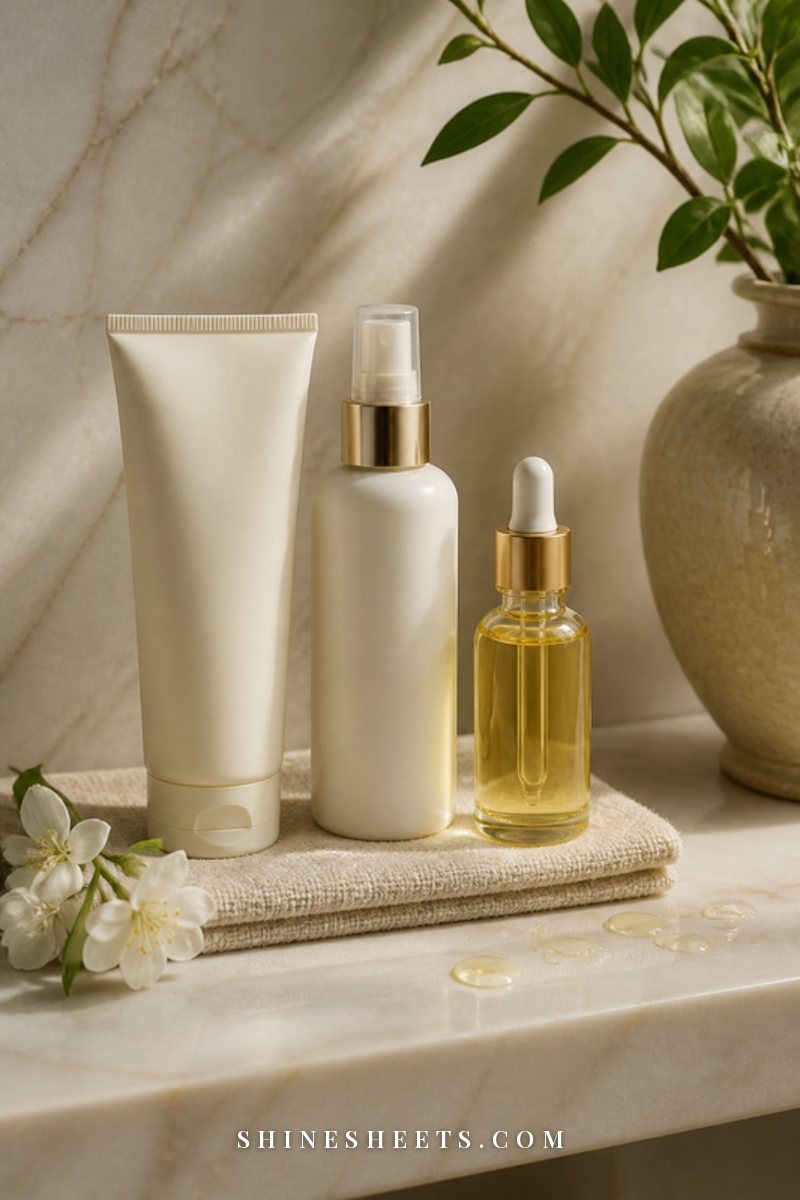
This is the easiest way to start. In the evening, after your usual moisturizer, warm 2–3 drops between your palms and gently press them over your face, focusing on drier areas. Pressing (instead of rubbing) spreads the oil evenly and uses less.
On combination skin like mine, I'd keep it to the cheeks and around the mouth and skip the shiny T-zone. If your skin is dry all over, you can use it on the whole face, and a drop or two mixed into your morning moisturizer works under makeup too (wait a few minutes before foundation).
2. As a Gentle First Cleanse
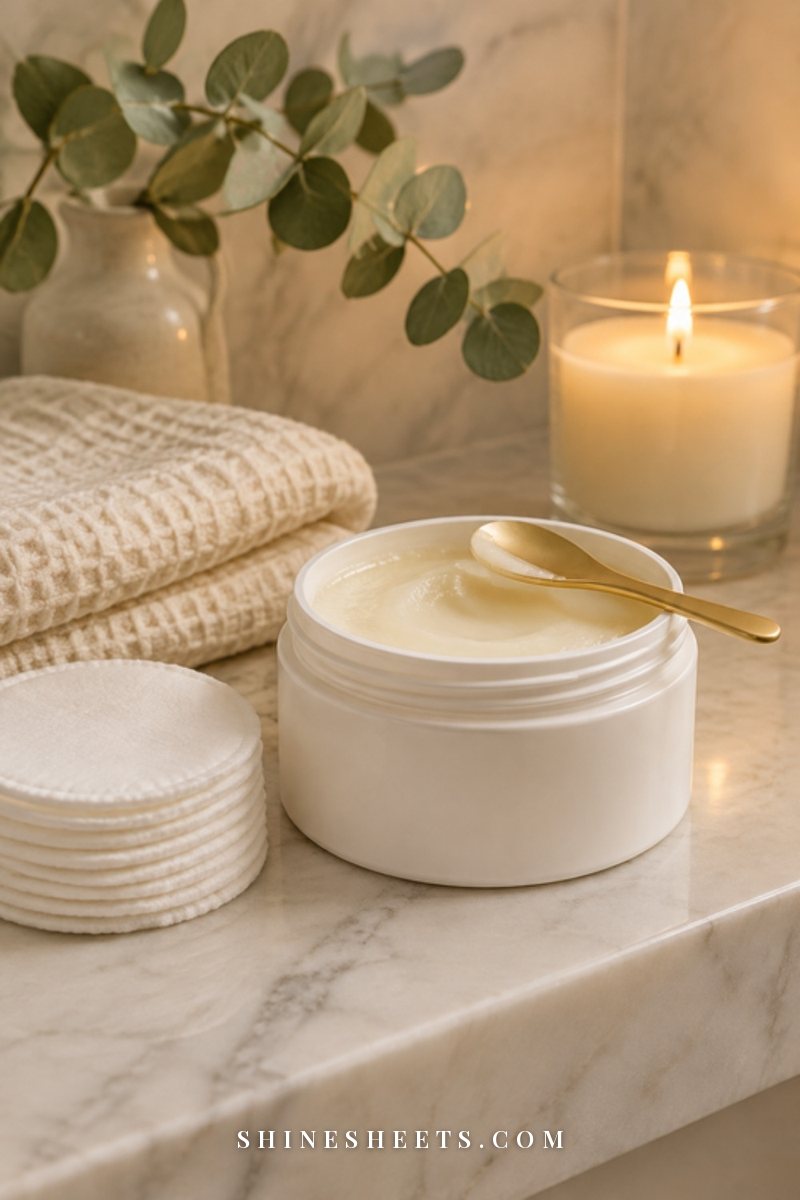
Jojoba is a good first step for melting away makeup and sunscreen. On dry skin, massage about half a teaspoon over your face for 30–60 seconds, then wipe gently with a damp, warm face cloth or soft cream cotton pads. Follow with your usual gentle cleanser.
A plain oil doesn't rinse off as cleanly as a formulated cleanser, which is why the second cleanse matters. If you'd rather have something that rinses with water, a jojoba cleansing balm with jojoba high on the ingredient list gives you the same softness in an easier format. My guide on oil cleanser vs cleansing balm helps you choose between them.
Around the eyes, keep your eyes closed, use very gentle pressure and never rub. If your eyes sting or feel blurry afterward, use a dedicated eye makeup remover for that area instead.
3. Softening Cuticles
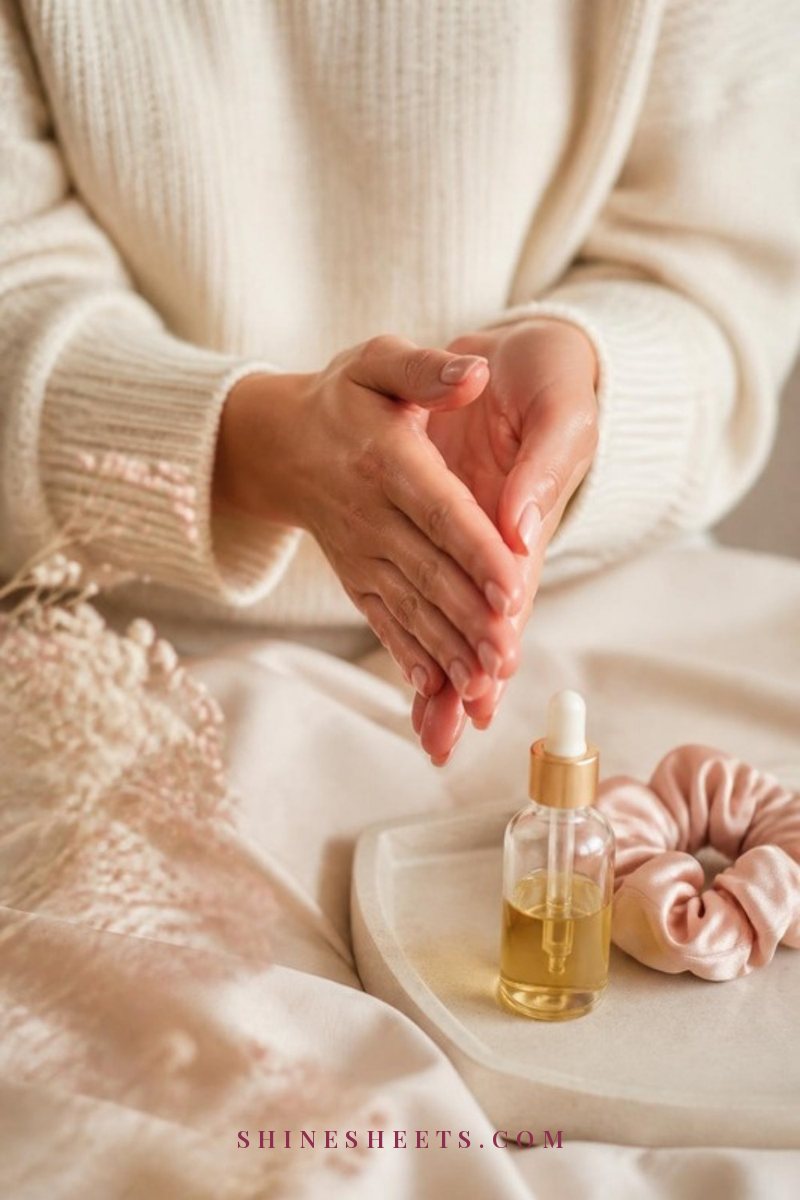
Cuticles love jojoba. In the evening, put one drop on each nail, massage it into the cuticle and the skin around it for about 10 seconds per finger, then leave it to soak in. Doing this every night for two weeks makes a visible difference to dry, ragged-looking cuticles.
It's also lovely after a basic manicure or after removing polish, when the skin around nails feels tight. For a full routine (including how to push back cuticles without cutting), see my guide to cuticle care.
4. On Damp Body Skin After a Shower
Oil spreads further and feels lighter on damp skin. After a warm (not hot) shower, pat yourself mostly dry, leaving the skin slightly damp, then smooth a few drops onto elbows, knees, shins and any rough patches. For the full body, about half a teaspoon is usually plenty.
If you like more moisture, layer it over a body lotion instead. Give it 3–5 minutes before getting dressed so it doesn't transfer to your clothes, and be careful on a wet shower floor, because oil makes it slippery.
5. On Hair Lengths and Ends

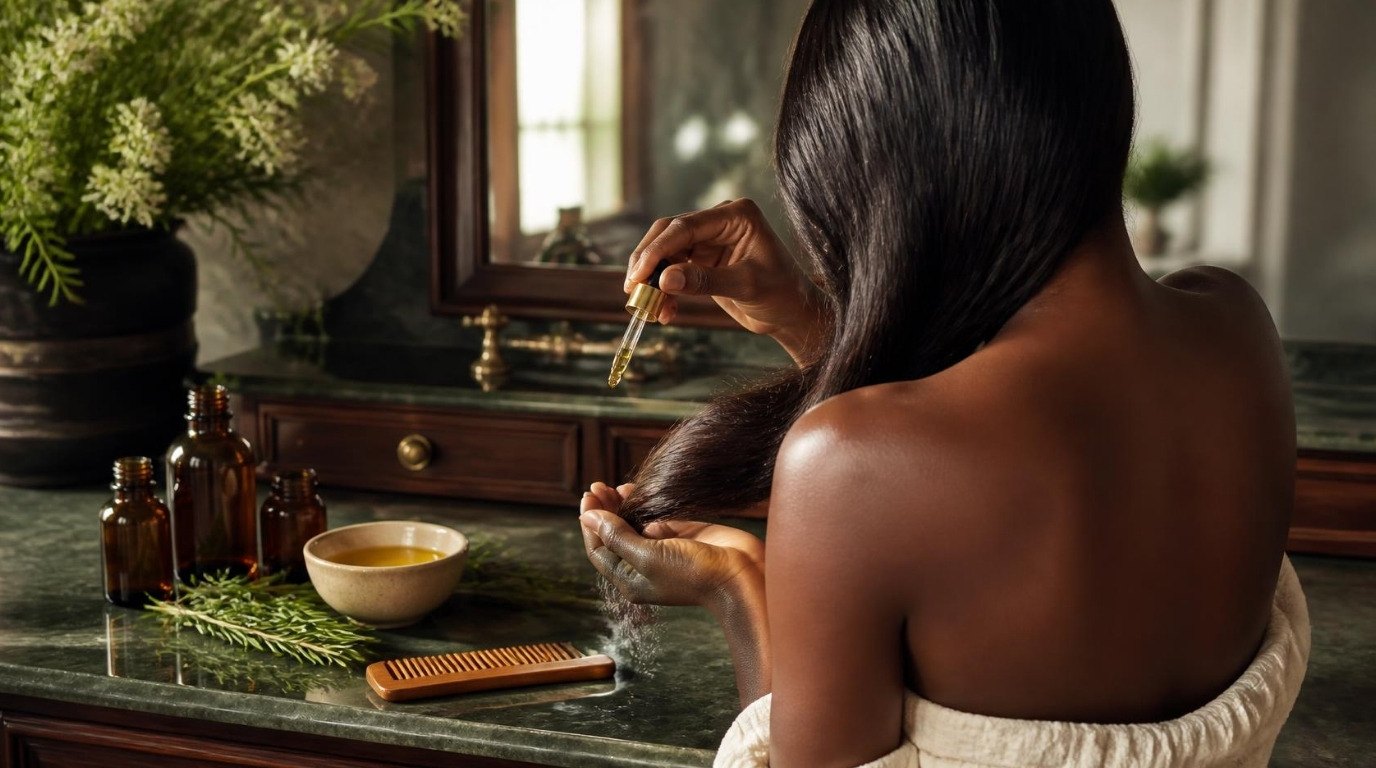
For smoother ends, rub 1–2 drops between your palms until your hands just look shiny, then smooth them over the lower third of your hair, mostly on the ends. Use it on damp hair after washing or on dry hair to calm frizz and flyaways.
The key is a tiny amount. Start with a single drop for fine hair and work up to three or four for thick or curly hair. Keep it away from the roots unless you're doing a pre-wash treatment. Gently detangle with a wide-tooth comb afterward rather than a fine brush, and sleeping on an ivory silk pillowcase helps reduce friction on your ends overnight.
6. As a Pre-Wash Treatment
A pre-wash oil treatment can help lengths feel less dry after shampoo. Here's a simple version:
- On dry hair, work about one teaspoon (more for very long or thick hair) through the mid-lengths and ends.
- If your scalp is comfortable with oil, massage a few drops into it with your fingertips for 2–3 minutes.
- Wrap your hair in a soft microfiber hair towel or an old towel and leave the oil on for 20–60 minutes.
- Shampoo twice: the first wash breaks up the oil, the second leaves hair clean.
- Condition as usual, focusing on the ends.
Once a week is enough for most hair types. If you want to go further, my guide to hair oiling for every hair type covers routines, timing and which oils pair well with jojoba.
Jojoba Oil Use Table: How Much, When and Best For
Here's everything above in one place. Screenshot it and keep it near your bathroom shelf.
| Use | How much | When | Best for |
|---|---|---|---|
| Over moisturizer | 2–3 drops, pressed in | Evening (or a drop in your morning moisturizer) | Dry, normal and combination skin on dry areas |
| First cleanse | About half a teaspoon | Evening, before your regular cleanser | Removing makeup and sunscreen on most skin types |
| Cuticles | 1 drop per nail | Every evening | Dry, ragged cuticles and after polish removal |
| Body | A few drops to half a teaspoon | Right after a shower, on damp skin | Elbows, knees, shins and rough patches |
| Hair ends and frizz | 1–4 drops, depending on thickness | On damp or dry hair | Dry ends, flyaways and static |
| Pre-wash treatment | About 1 teaspoon or more for long hair | 20–60 minutes before shampoo, once a week | Dry lengths and hair that feels stripped after washing |
If something feels greasy, the answer is almost always "use less." Jojoba works best in small amounts.
Is Jojoba Oil Good for Oily or Breakout-Prone Skin?
It can be, and many people with oily or combination skin find it comfortable because it's so light. Some find that a balanced, moisturized skin feels less greasy over the day. But "similar to sebum" doesn't mean it suits every face, and no oil is a treatment for breakouts.
If you have oily or breakout-prone skin and want to try it:
- Start with a single drop, two or three evenings a week, only on drier areas.
- Introduce it on its own (not in the same week as another new product), so you know what your skin is reacting to.
- Give it about four weeks, and stop if you notice more clogged pores or new bumps.
- Keep using the cleanser and treatment products that already work for you.
For more on which oils tend to feel lighter on oily skin, see my guide to the best oils for oily and acne-prone skin. And if breakouts are persistent, painful or leave marks, a dermatologist can help you find a plan that fits your skin.
Patch Test First: A Few Safety Notes
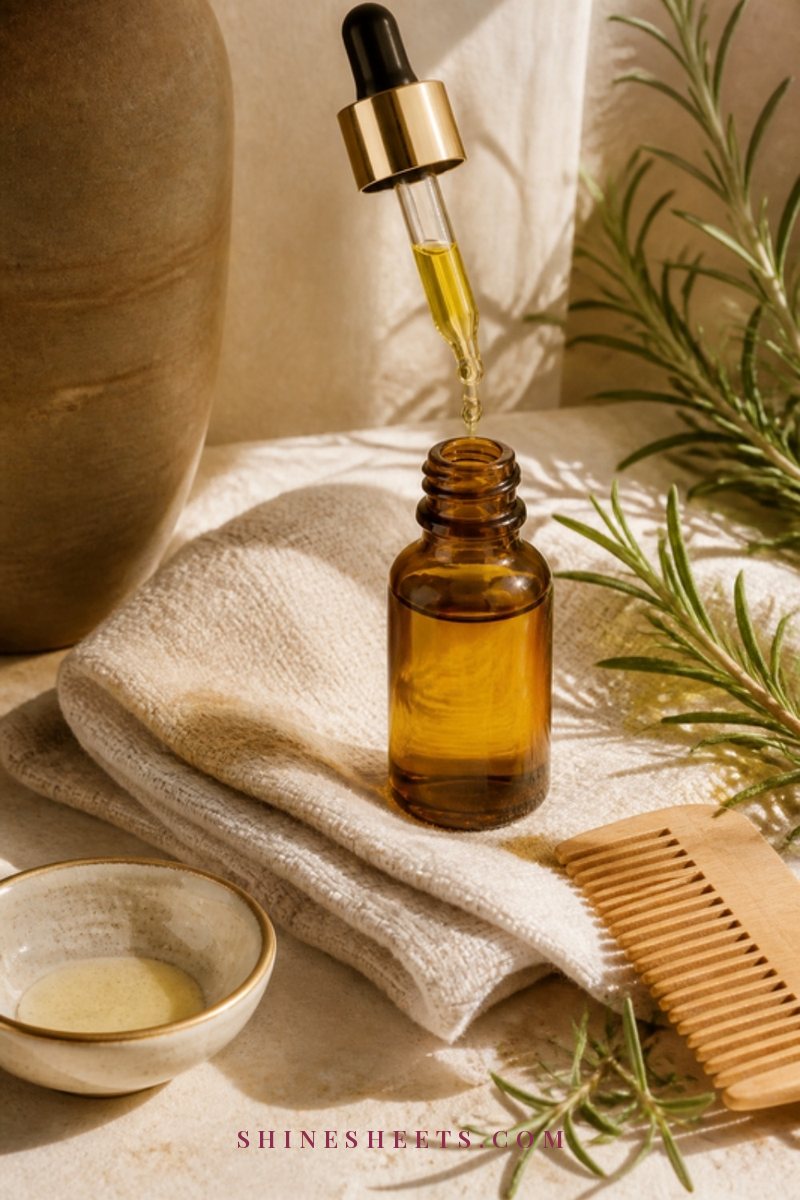
Even gentle, single-ingredient oils can disagree with some skin, so a little caution goes a long way:
- Patch test first. Apply a small amount to the inside of your forearm or behind your ear once a day for a few days. If there's redness, itching or bumps, don't use it on your face.
- Allergies. Jojoba comes from a seed, so if you have a nut or seed allergy, check with your doctor before using it.
- Broken or irritated skin. Don't apply it to cuts, active rashes or very irritated skin.
- Eyes. Keep it out of the eyes, and rinse with lukewarm water if it gets in.
- Persistent concerns. For ongoing breakouts, eczema or scalp issues, see a dermatologist rather than adding more products.
Jojoba is a skincare comfort, not a medicine, so if something feels wrong, stop and let your skin settle. Gentle is always the right direction.
If you've never patch tested before, my step-by-step guide on how to patch test skincare makes it easy.
Where Jojoba Fits in a Simple Routine
The order matters more than the product. Oils go near the end, because they help seal in what's underneath, and they don't let lighter products sink in well when they go first. Here's how jojoba fits into an easy morning and evening:
Evening
- First cleanse with jojoba or a jojoba balm (if you wore makeup or sunscreen).
- Second cleanse with your usual gentle cleanser.
- Toner or essence, if you use one.
- Serum.
- Moisturizer.
- 2–3 drops of jojoba pressed over the top, plus a drop on each cuticle.
Morning
- A splash of water or a gentle cleanse.
- Serum and moisturizer (with one drop of jojoba mixed in if your skin is dry).
- Sunscreen, always as the last skincare step.
A few pairing notes: jojoba is fine alongside most gentle actives, but on nights you use a strong retinoid or exfoliating acid, keep the oil simple and the amount small, and pay attention to how your skin feels the next morning. If you use a prescription treatment, ask your dermatologist where an oil fits best.
This is also where I'd tie it to an evening ritual. After my tea and before journaling, pressing a few drops into my skin is a small, calming signal that the day is winding down. It takes thirty seconds, and it feels like a little kindness.
Common Jojoba Mistakes To Avoid
A few small slip-ups make jojoba feel heavier or less helpful than it really is:
- Using too much. More oil doesn't mean more softness, just more shine on your pillow. Start with the amounts in the table.
- Applying it to bone-dry skin and expecting hydration. Oil holds moisture in; it doesn't add it. Use it over a moisturizer or on damp skin.
- Putting it on your roots every day. On the scalp, keep it for pre-wash treatments unless your scalp genuinely likes it.
- Choosing a scented blend for sensitive skin. A pure jojoba oil is the gentlest option.
- Storing it in the sun. Light and heat shorten its life, even though jojoba is stable.
Final Thoughts
Jojoba oil isn't a miracle in a bottle, and that's exactly what makes it such a good basic. It's light, simple and easy to use in small amounts, and one bottle can quietly look after your face, cuticles, body and ends.
Start with one use from the table, keep the amounts tiny and let your skin and hair tell you what they like. Small, steady care adds up to softness you can feel every day.