Dry elbows and knees are rarely a sign that you're doing something wrong. The skin there is simply built differently: it's thicker, it bends and stretches all day, it has fewer oil glands than your face, and it spends a surprising amount of time leaning on desks, kneeling on floors and rubbing against fabric. Put all of that together and you get the familiar rough, ashy, slightly gray patches that seem to come back no matter how much lotion you use.
The good news is that these spots respond really well to a steady, gentle routine. Not harsh scrubbing, not a dozen products, just the right step at the right time, repeated for a few weeks. It took me a while to stop attacking my elbows with a grainy scrub every time they looked rough, and they got smoother almost as soon as I eased off.
In this guide to dry elbows and knees, you'll find why these areas get so rough, a five-step routine, a weekly plan table you can screenshot, a calm way to help darker patches, the mistakes that keep skin rough and the signs that it's time to see a dermatologist.
Why Elbows and Knees Get So Dry
Elbows and knees are joints, and joint skin has a hard job. Every time you bend your arm or kneel, the skin folds, stretches and gets pressed. To cope, it builds up a thicker outer layer, which is exactly why it can look rough and dull compared to the inside of your arm.
A few other things make it worse:
- Fewer oil glands. There's very little natural oil on these areas, so they dry out faster than skin elsewhere on your body.
- Constant friction. Leaning on a desk, resting elbows on the table, kneeling to clean or play with a pet, and tight jeans all rub the surface.
- Hot showers. Long, hot water strips away what little oil there is, and these are often the last spots to get moisturized afterward.
- Dry air. Heating in the colder months pulls moisture out of skin, and joints show it first.
- Skipping them. Many of us rub lotion over arms and legs quickly and miss the bony bits entirely.
None of these causes is about hygiene or anything you should feel embarrassed about. It's mostly mechanics and weather, which means the fix is mostly habits.
Dry, Rough or Dark: What You're Actually Seeing
It helps to know what you're treating, because rough skin and dark skin need slightly different care:
- Dry and flaky: white or gray, ashy-looking flakes that feel tight. This mostly needs moisture.
- Rough and thick: skin that feels like fine sandpaper and doesn't soften with lotion alone. This needs gentle exfoliation plus moisture.
- Darker than surrounding skin: very common, especially on deeper skin tones, and usually linked to friction and thicker skin. This needs patience, sun protection and less rubbing, not bleaching.
- Little bumps: if you also have tiny rough bumps on the backs of your arms or thighs, my guide to keratosis pilaris explains that pattern in more detail.
Most people have a mix of the first three, and the routine below covers all of them.
The Simple Routine for Smooth Elbows and Knees
Think of this as five small habits rather than a big treatment. Each one takes a minute or two, and together they soften even very rough patches over three to six weeks.
1. Exfoliate Gently Two or Three Times a Week
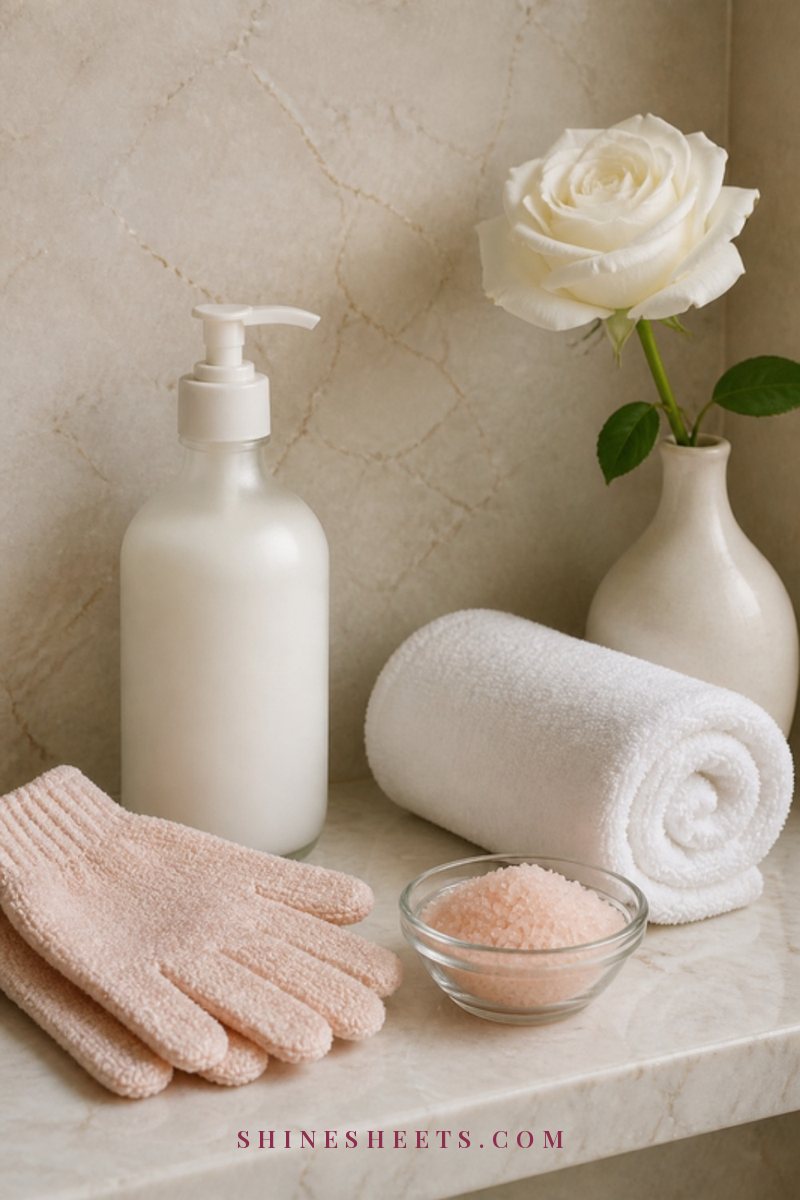
Thick skin needs help shedding its top layer, but the key word is gently. Scrubbing hard every day makes skin defensive, and it can leave it rougher and darker over time.
My favorite approach is chemical exfoliation, because it works while you go about your evening:
- Urea: in concentrations around 10 percent, urea softens rough skin and moisturizes at the same time. A urea body lotion for rough skin is a lovely first step if your elbows feel like sandpaper.
- Lactic acid: a mild alpha hydroxy acid that loosens dead skin and is usually well tolerated. Look for a lactic acid body lotion and use it on alternate nights at first.
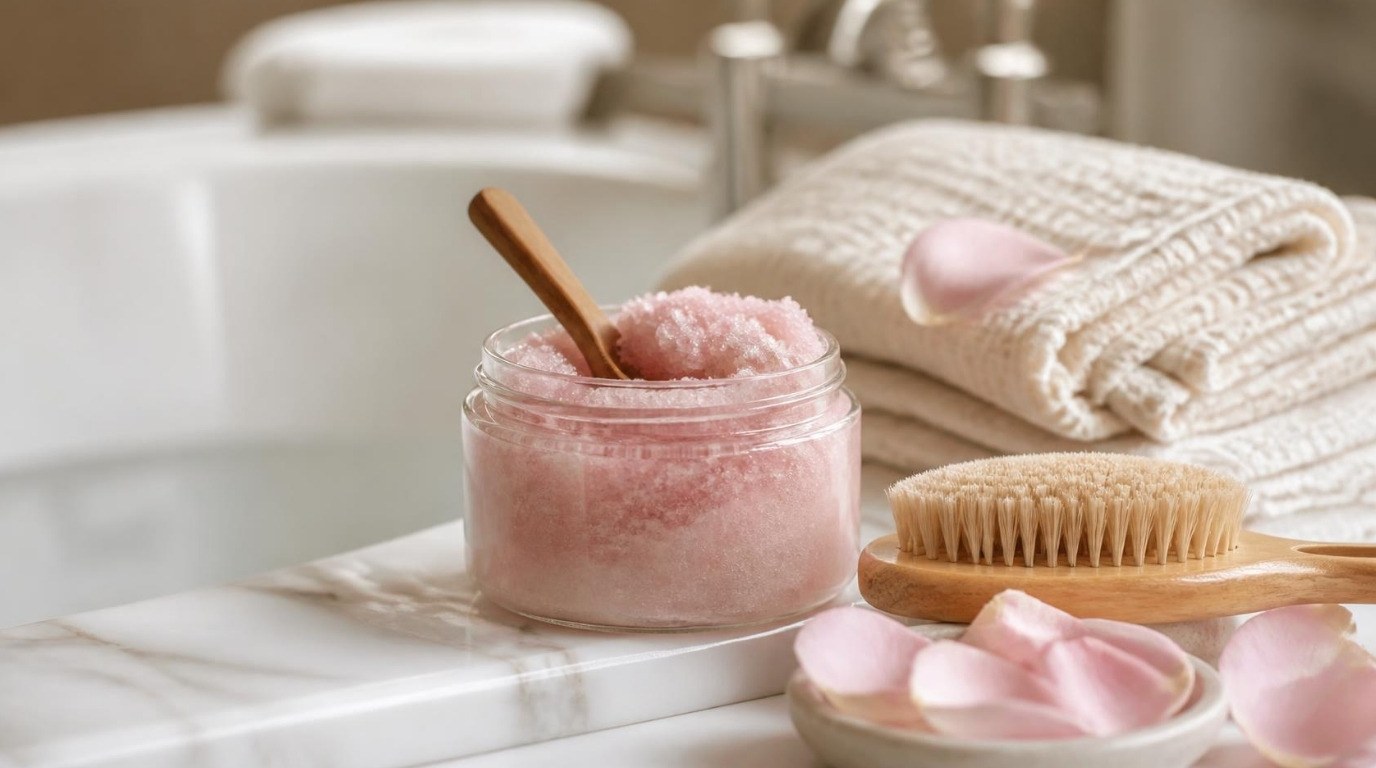
If you prefer physical exfoliation, keep it light. Once or twice a week in the shower, use a gentle body scrub with fine grains or a pair of soft exfoliating gloves and make small circles for about 20 seconds per elbow or knee, with almost no pressure. Your skin should look slightly pink at most, never red or raw.
One honest rule: don't combine a scrub and an acid lotion on the same day. Pick one. If you want the full picture of what to use where, my guide on how to exfoliate your body walks through it step by step.
2. Moisturize Within Three Minutes of Your Shower
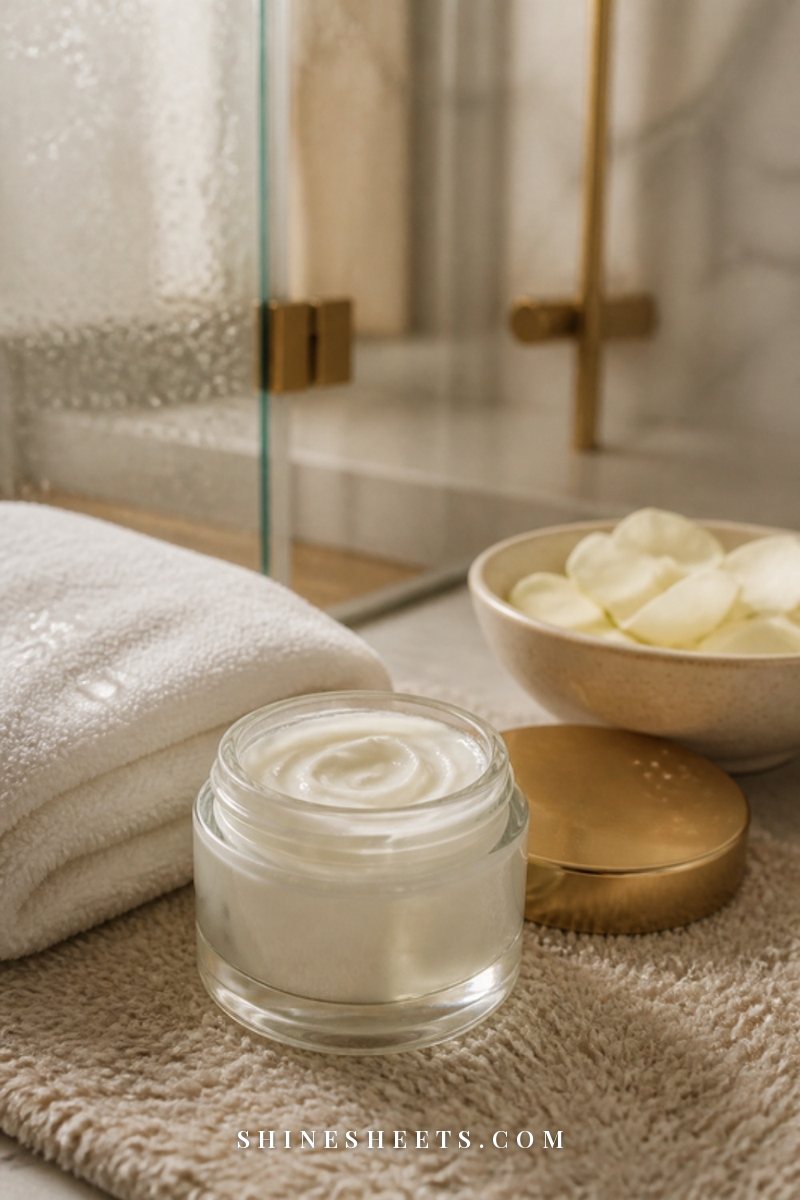
This is the step that changes everything, and it costs nothing extra. Skin absorbs moisture best while it's still a little damp, so pat yourself dry (don't rub) and apply cream to elbows and knees first, before the rest of your body.
A simple formula that works:
- Shower in warm, not hot, water and keep it to about 10 minutes.
- Pat dry, leaving skin slightly damp.
- Apply a pea-sized amount of a rich cream to each elbow and each knee, bending the joint as you massage it in so the creases get covered.
- Then move on to the rest of your body.
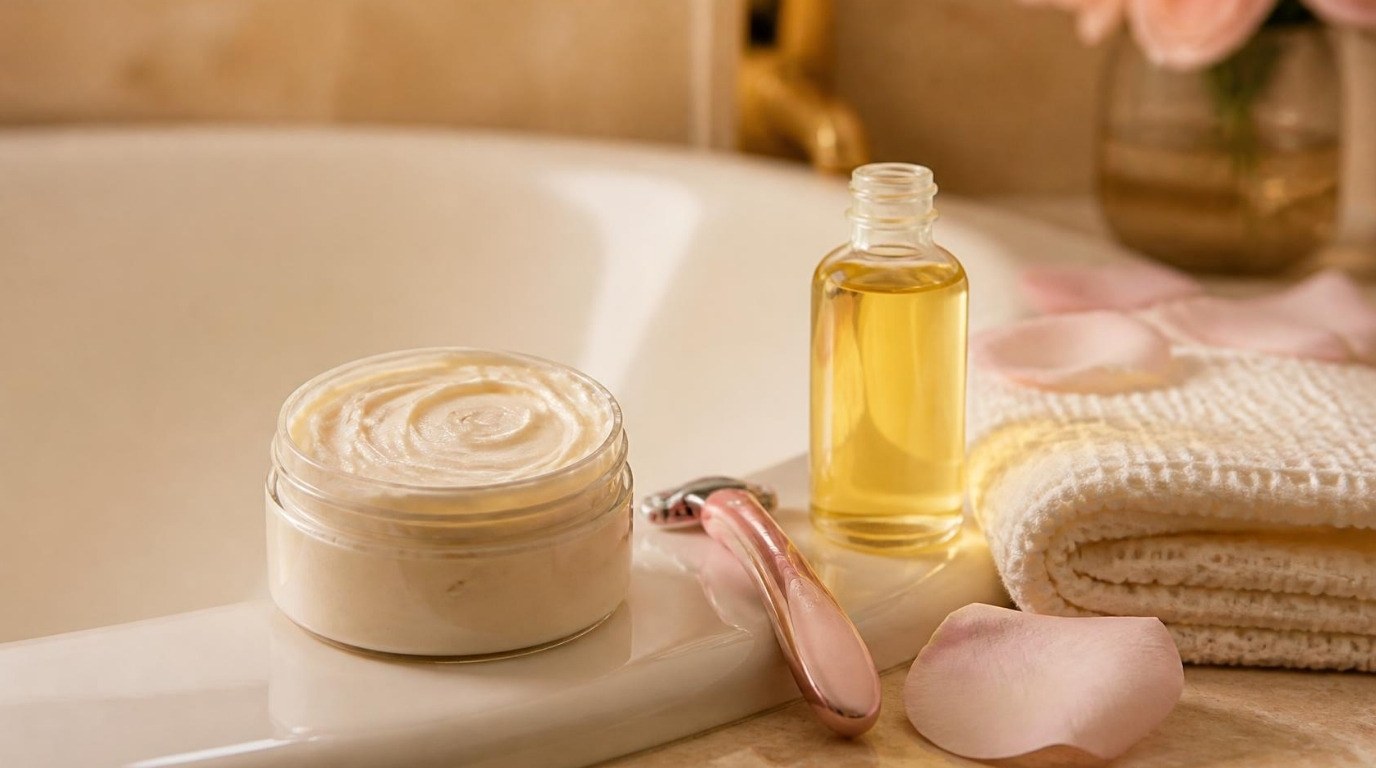
On nights when you're not using an acid, a thick whipped body butter feels wonderful and sinks into rough patches well. If you're not sure whether you need a lotion, cream or butter, my body lotion guide breaks down the textures by skin type.
3. Seal It In at Night
Very dry, cracked elbows and knees benefit from an extra layer that stops moisture from escaping overnight. This is called an occlusive, and it's the secret behind most "overnight fix" tricks.
Two or three nights a week, after your lotion has sunk in for a few minutes, smooth a thin layer of a ceramide healing ointment over the driest spots. Thin really is enough. For knees, soft cotton pajama pants keep it off your sheets; for elbows, an old long-sleeved cotton top works perfectly.
By morning, the skin usually feels noticeably softer. On very cracked skin, this step alone can make a difference in a few nights.
4. Protect Knees and Elbows From the Sun
This one surprises people, but sun matters for knees and elbows, especially if they tend to look darker. UV light encourages pigment, and areas that are already thicker and irritated from friction can darken more easily.
When your legs or arms are out (summer dresses, shorts, rolled sleeves, beach days), add a little body sunscreen to your knees and elbows along with the rest of your skin. Reapply after swimming. If you exfoliate with acids, this step is even more important, because freshly exfoliated skin is more sensitive to sun.
In colder months when they're covered, you can skip it.
5. Cut Down on Friction

This is the step nobody talks about, and for many of us it's the missing piece. If you lean on your elbows for hours at a desk or kneel on hard floors, no lotion can fully keep up.
- At your desk: notice how often you rest your weight on your elbows. Lower your forearms onto the desk instead, or place a soft folded cloth or cushioned wrist rest where your arm lands.
- At the table: it sounds like an old etiquette rule, but keeping elbows off hard tables genuinely helps.
- When kneeling: use a cushion or folded towel for cleaning floors, gardening or playing with pets on the ground.
- In clothes: very tight jeans and rough fabrics rub knees all day. Softer, looser fabrics help on days when your skin feels irritated.
Small changes here make the routine work faster and help darker patches fade over time.
Your Weekly Elbow and Knee Plan
Here's how the five habits fit into a normal week. Screenshot it and keep it on your phone until it becomes automatic. It assumes an evening shower; just move the steps to morning if that's when you bathe.
| Day | Exfoliate | Moisturize | Night extra |
|---|---|---|---|
| Monday | Lactic acid or urea lotion | Apply on damp skin after the shower | None |
| Tuesday | Rest day | Rich cream or body butter | Thin layer of ointment |
| Wednesday | Gentle scrub or gloves, 20 seconds per area | Rich cream right after | None |
| Thursday | Rest day | Rich cream or body butter | Thin layer of ointment |
| Friday | Lactic acid or urea lotion | Apply on damp skin after the shower | None |
| Saturday | Rest day | Rich cream or body butter | Thin layer of ointment |
| Sunday | Rest day | Light lotion, check how skin feels | Optional |
A few notes on the plan:
- If your skin stings or turns red, drop to one exfoliation day a week for a while.
- Once elbows and knees feel smooth (usually after four to six weeks), you can keep one acid night and one scrub day a week as maintenance.
- Sunscreen goes on any morning your knees or elbows will see the sun.
- Friction habits are every day, no rest days needed.
If you'd like to fold this into a wider routine for your whole body, my body care routine shows how these steps fit alongside everything else.
How To Help Darker Elbows and Knees Gently
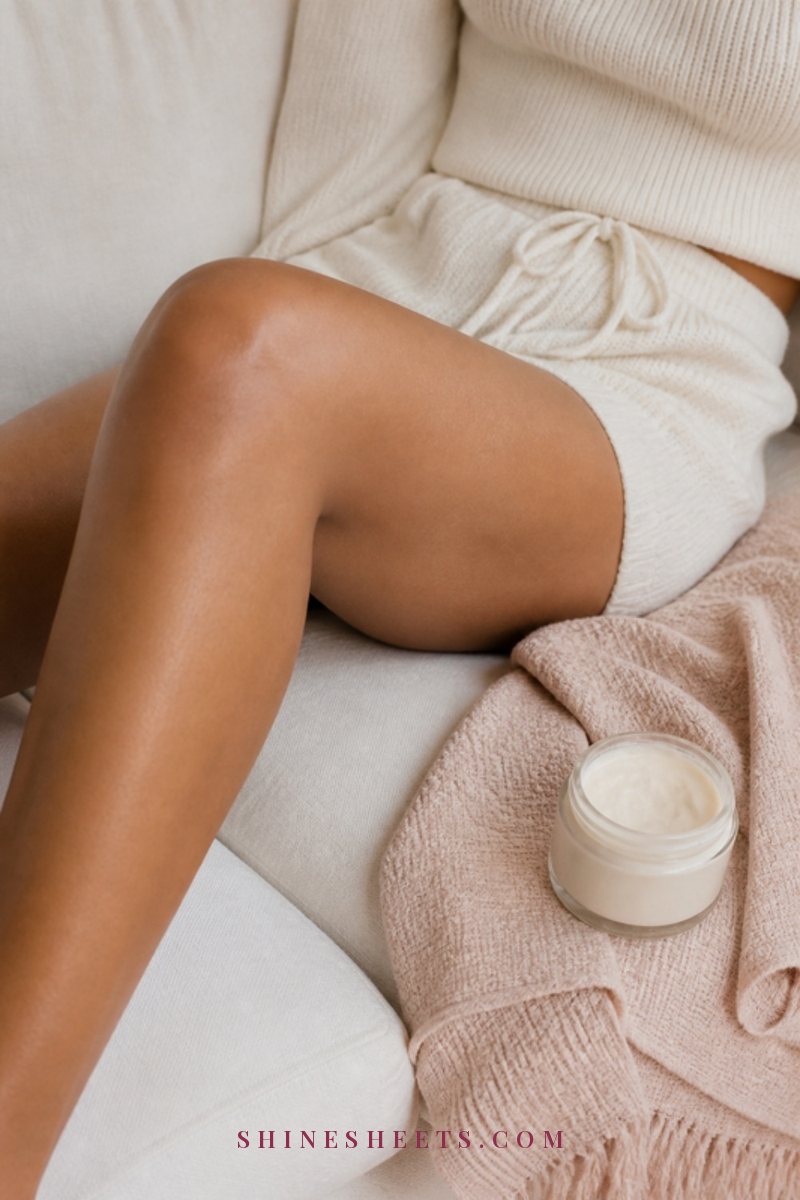
Darker elbows and knees are incredibly common and completely normal. They often appear simply because the skin there is thicker, rubbed more and sometimes a little irritated. You don't need to change them, but if you'd like a more even look, kindness works far better than force.
What helps over time:
- Consistent gentle exfoliation: the lactic acid and urea nights in your plan slowly lift dull, thicker skin, which often looks darker than it is.
- Deep moisture: well-hydrated skin reflects light better and looks more even.
- Less friction: this is the step that actually stops the darkening from continuing.
- Sun protection: keeps pigment from getting deeper when knees and elbows are exposed.
- Brightening ingredients: a body lotion with niacinamide can help even out tone gently over a couple of months.
What to skip: bleaching creams, lemon juice, harsh DIY scrubs and anything that promises fast lightening. These tend to irritate skin, and irritated skin often gets darker, not lighter. Expect gradual change over two to three months, and celebrate softness first, because that usually comes much sooner.
The same gentle approach works for underarms too, which I cover in my guide to dark underarms.
What To Look For in Elbow and Knee Products
You don't need special "elbow cream." Good body products with the right ingredients do the job, and the labels can tell you a lot once you know what to look for.
| Ingredient | What it does | Best for |
|---|---|---|
| Urea (around 10 percent) | Softens thick skin and pulls in moisture | Sandpaper-rough patches |
| Lactic acid | Gently loosens dead skin | Dull, ashy, flaky skin |
| Ceramides | Repair the skin barrier | Cracked or tight skin |
| Glycerin and hyaluronic acid | Draw water into the skin | Everyday hydration |
| Shea butter | Softens and cushions | Very dry, cold-weather skin |
| Petrolatum or dimethicone | Seal moisture in | Overnight occlusive step |
| Niacinamide | Supports a more even tone | Darker elbows and knees |
A few label tips: fragrance-free is kinder on cracked or irritated skin, a thicker texture usually means more moisture, and products sold for "rough and bumpy skin" often contain urea or lactic acid already. If you have very sensitive skin, introduce one new product at a time and give it a week before adding the next, so you know exactly what your skin likes.
Elbows vs. Knees: Small Differences in Care
The routine is the same for both, but they behave a little differently, and small tweaks help:
- Elbows are usually rougher because we lean on them more, and they're easy to forget because we can't see them well. Twist your arm in front of you when applying cream, and do a quick touch check once a day: if it feels scratchy, add a layer.
- Knees are more often darker, because kneeling presses the skin hard and sun reaches them in summer. They also get dry from tight jeans and leggings rubbing all day. Sunscreen and a cushion when kneeling make the biggest difference here.
- Both need cream applied while bent. Straight skin hides the creases where dryness collects, so bend your elbow and knee as you massage product in.
6 Common Mistakes That Keep Elbows and Knees Rough
- Scrubbing hard every day. It feels productive, but it makes skin thicker and more irritated over time.
- Moisturizing only when they look dry. By then the skin is already behind. Daily moisture prevents the rough patches from coming back.
- Waiting until you're fully dry and dressed. The three-minute window after a shower is when lotion works hardest.
- Using scented lotions on irritated skin. Fragrance can sting cracked spots. Save perfumed body products for the rest of your body.
- Stacking acids and scrubs. Using both on the same night is a fast route to stinging and redness.
- Expecting overnight results. Skin renews itself slowly. Give any new routine at least three to four weeks before deciding it doesn't work.
When To See a Dermatologist
Most dry elbows and knees are just dry skin, but sometimes rough patches are part of something that benefits from a professional look. I'm not a doctor and this isn't a diagnosis, just a kind nudge to check in if you notice any of these:
- Thick, raised patches with silvery scales, sometimes with a clear edge.
- Intensely itchy, red or weepy patches, especially if they come and go.
- Cracks that bleed, hurt or don't heal after two weeks of gentle care.
- Patches that spread to your scalp, nails or other areas.
- Any sign of infection, such as warmth, swelling, pus or increasing pain.
- No improvement at all after six weeks of a consistent routine.
Conditions like eczema and psoriasis often show up on elbows and knees first, and they respond much better to the right treatment than to more scrubbing. A dermatologist can tell you quickly what's going on, and there's no need to feel embarrassed about asking. They see elbows and knees every single day.
A Few Extra Habits That Help
- Run a humidifier in your bedroom during the heating season. It helps all your skin, not just your joints.
- Drink water through the day. It won't replace lotion, but very dehydrated skin shows it on elbows first.
- Keep a small tube of cream by your desk or sofa. A quick extra layer midday helps when skin feels tight.
- Use a gentle body wash. Harsh, foamy soaps can undo all your moisturizing. Creamy, fragrance-free washes are kinder.
- Be extra gentle after shaving your legs. Skip acids on knees that night so freshly shaved skin doesn't sting.
None of this needs to be perfect. Even doing the moisturize-after-shower step consistently will make a visible difference within a couple of weeks.
Final Thoughts
Dry elbows and knees are one of those small things that can make us feel self-conscious in a short-sleeved dress or a pair of shorts, but they're also one of the easiest things to soften. Gentle exfoliation a few times a week, cream on damp skin, a thin seal at night, a little sun protection and less leaning on hard surfaces is really all it takes.
Start with one habit tonight, add the rest as they feel natural, and give your skin a few weeks of steady kindness. Smooth, comfortable elbows and knees are well within reach.