
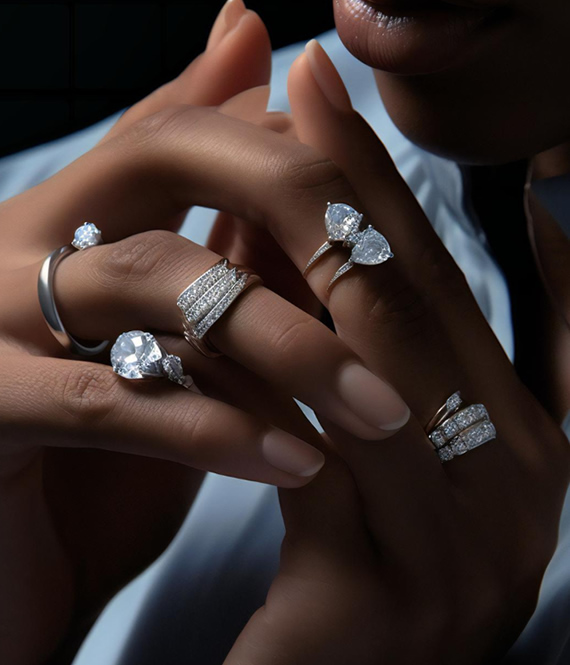
Did you know that lab-grown diamonds are not only eco-friendly but also chemically identical to mined diamonds? With advanced technology, these gems offer a sustainable and affordable alternative without compromising on quality or brilliance. From engagement rings to necklaces, more people are opting for these ethical and dazzling stones. Say goodbye to traditional mining practices and hello to a brighter, greener future with manufactured diamonds.
Understanding Manufactured Diamonds
Manufactured diamonds are created using two primary methods: High Pressure High Temperature (HPHT) and Chemical Vapor Deposition (CVD). HPHT involves replicating the natural diamond formation process by subjecting a diamond seed to high pressure and temperature, stimulating crystal growth. On the other hand, CVD entails introducing a carbon-rich gas into a chamber where it forms a diamond layer on a substrate.
The HPHT method mimics the conditions deep within the Earth where natural diamonds are formed. In contrast, CVD allows for precise control over the quality and growth of manufactured diamonds. Both techniques result in lab-grown gems with identical chemical compositions to natural diamonds but at more affordable prices.
- HPHT: stimulates crystal growth; replicates natural diamond formation.
- CVD: offers precise control over diamond quality; forms a diamond layer on a substrate.
Advancements in technology have significantly improved manufactured diamonds, leading to higher quality and larger-sized stones being produced using innovative techniques. These developments have also enabled the creation of fancy colored diamonds, expanding their presence in the market and appealing to consumers seeking unique options. Manufactured diamonds produced through these advanced processes have gained popularity for their affordability and ethical considerations compared to mined counterparts.
Comparing Natural and Manufactured Diamonds
Manufactured diamonds seem to have hardness, brilliance, and durability identical to natural diamonds. They possess the same optical properties like light reflection and refraction characteristics. These lab-created gems can be cut, polished, and turned into stunning jewelry just like natural ones.
Both types exhibit similar features. For example, a lab-grown diamond is as hard as a naturally occurring one. They share the same sparkle and ability to reflect light beautifully.
- Manufactured diamonds are as hard and brilliant as natural ones.
- Lab-created gems can be cut and set into jewelry just like mined diamonds.
The cost of manufactured diamonds is generally lower than that of natural ones due to variations in production expenses. The absence of mining costs along with reduced labor requirements contributes to their affordability significantly. Opting for lab-grown diamonds allows consumers to enjoy substantial savings compared to purchasing mined stones.
When considering the price differences between manufactured and natural diamonds, customers often find that lab-created options offer better value for money due to lower production costs involved in creating them.
- Manufactured diamonds are priced more affordably than mined ones.
- Consumers can save money by choosing lab-grown diamonds over traditional ones.
The jewelry industry is embracing manufactured diamonds more widely. They are now acknowledged as genuine gemstones with their own grading standards. Many well-known jewelers have expanded their offerings to include a variety of manufactured diamond jewelry alongside natural diamond collections.
Quality and Certification
Manufactured diamonds are evaluated based on specific grading standards to ensure consistency in quality assessment. These standards, akin to those for natural diamonds, consider factors like color, clarity, cut, and carat weight. By adhering to these grading criteria, consumers can confidently make well-informed decisions when purchasing manufactured diamonds.
To guarantee the authenticity and quality of manufactured diamonds, various certification bodies conduct independent assessments using established grading guidelines. Notable organizations such as the Gemological Institute of America (GIA) and International Gemological Institute (IGI) play a crucial role in verifying the quality of these lab-grown gems. Their certifications provide assurance to buyers regarding the credibility and excellence of the manufactured diamonds they are acquiring.
The process of identifying quality in manufactured diamonds involves a meticulous evaluation of essential aspects like color, clarity, cut precision, and carat weight. Expert gemologists rely on advanced gemological equipment to accurately determine these characteristics that define high-quality lab-created diamonds based on stringent parameters set by certification bodies.
Ethical and Environmental Impacts
Carbon Footprint
Manufactured diamonds have a lower carbon footprint than mined diamonds. In labs, energy consumption and greenhouse gas emissions are minimized. Opting for these diamonds promotes environmentally friendly practices.
Choosing manufactured diamonds supports sustainable initiatives by reducing the environmental impact of diamond production. By selecting lab-grown options, consumers contribute to lowering carbon emissions associated with traditional mining processes.
Ethical Sourcing
Manufactured diamonds play a crucial role in addressing ethical concerns surrounding traditional diamond mining practices. By opting for these diamonds, shoppers can ensure they do not support human rights abuses or conflict-related issues associated with “blood” diamonds. The transparent manufacturing process allows for traceability and accountability throughout the supply chain.
Future of Manufactured Diamonds
Manufactured diamonds are benefiting from ongoing technological innovations. These advancements have led to the production of larger and flawless diamonds through improved growth techniques and equipment. For instance, the ability to create fancy-colored diamonds has expanded design possibilities, appealing to a broader market.
Innovations in technology are not only enhancing the quality but also increasing the size of manufactured diamonds. The continuous improvements in growth techniques enable manufacturers to produce larger and more flawless diamonds. Technological advancements allow for creation of fancy colored diamonds, providing consumers with a wider range of options for their jewelry preferences.
Market Predictions
The future looks promising for manufactured diamonds as they are expected to witness steady market growth. This growth is primarily driven by increasing consumer awareness and demand for sustainable options in various industries. As technology progresses further, it is anticipated that both the quality and variety of manufactured diamonds will continue to improve over time.
Frequently Asked Questions
What are manufactured diamonds?
Manufactured diamonds, also known as lab-grown diamonds, are created in a controlled environment that replicates the natural diamond-growing process. They have the same physical, chemical, and optical properties as natural diamonds.
How do natural and manufactured diamonds compare?
Natural and manufactured diamonds share similar physical characteristics but differ in origin. Natural ones form deep within the Earth over millions of years, while manufactured ones are created in laboratories using advanced technology to accelerate the process.
Are there any quality differences between natural and manufactured diamonds?
Both types of diamonds can exhibit high quality based on factors like cut, color, clarity, and carat weight. However, some argue that manufactured diamonds may offer more consistent quality due to controlled production processes compared to variations found in nature.
What ethical considerations should I be aware of when choosing between natural and manufactured diamonds?
One key ethical advantage of choosing a lab-grown diamond is its conflict-free nature. Unlike some mined diamonds associated with unethical practices or environmental concerns, lab-grown options provide a transparent supply chain with minimal impact on communities or ecosystems.
Conclusion
Manufactured diamonds are revolutionizing the jewelry industry, offering a more affordable, ethical, and sustainable alternative to natural diamonds. As you’ve seen, understanding the differences between these two types of diamonds is crucial in making an informed decision as a consumer. From quality and certification to ethical considerations and environmental impacts, manufactured diamonds present a compelling case for why they are the future of the diamond market.
Next time you’re in the market for a sparkling gem, consider the impact of your choice. By opting for manufactured diamonds, you not only get a beautiful stone but also contribute to a more sustainable and ethical industry. Your choice matters!

Hi! I am author + writer on personal development, beauty, relationships and self-care, sharing insights through this blog since 2018. After years of practicing personal growth, emotional wellness and feminine lifestyle (plus 19 years in a thriving relationship), I share effective and tested advice to help you foster beauty, self-improvement and order in your life. Some articles are written by a small team of beautiful writers I trust.












Leave a Comment