Your neck and chest have been quietly sitting through every sunny walk, every afternoon drive and every hour of looking down at your phone, and most of the time they get none of the care your face does. That's why they're often the first places where fine lines, crepey texture and uneven tone show up. The good news is that this skin doesn't need a whole new shelf of products. It mostly needs you to keep going for a few more inches.
The skin on your neck and décolleté (the chest area your neckline frames) is thinner than the skin on your cheeks, has fewer oil glands and moves constantly. It took me a while to stop treating it like an afterthought, and once I did, the routine turned out to be the easiest part of my evening.
This guide covers everything about neck and décolleté care: why this skin changes sooner, a face-to-neck routine extender table you can screenshot, gentle actives that won't irritate, how to apply products the right way, sleep and posture habits, a few neck stretches, and sun-smart clothing and makeup tips. No promises to erase anything, just realistic, kind care that adds up.
Why Your Neck and Chest Show Changes Sooner
Before we get to products, it helps to understand what you're working with. Neck and chest skin isn't fussy, it's just different. Here are the five main reasons it tends to show lines, texture and spots earlier than your face:
- It's thinner. The skin here has less of the cushiony layer underneath, so creases and crepey texture are simply easier to see.
- It has fewer oil glands. Less natural oil means it dries out faster, and dry skin makes every line look more noticeable. Even with a shiny T-zone like mine, the neck can feel tight by evening.
- It gets a lot of sun. The front of the neck and the V of your chest catch sunlight every time you're outside, and most of us never put sunscreen there. Over the years, that adds up to sun spots, redness and a slightly leathery look.
- It folds all day. Looking down at a phone, a laptop or a book creases the front of the neck in the same place again and again. Those repeated folds are often called "tech neck" lines.
- It gets squished at night. Side sleeping presses the chest skin together, and over time vertical lines can appear between the breasts and across the décolleté.
None of this is a flaw. It's just skin doing what skin does. What you can do is protect it, keep it comfortable and hydrated, and give it a few gentle helpers.
The Face-to-Neck Routine Extender
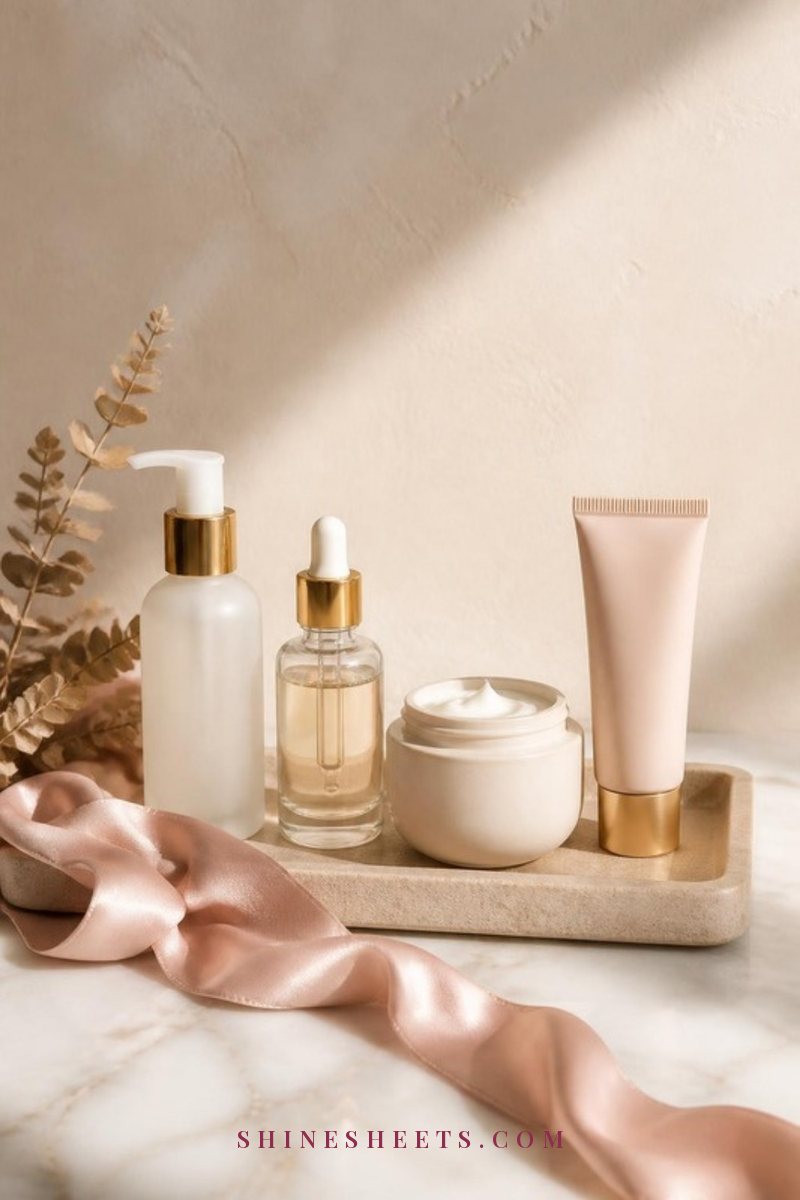
The easiest way to care for your neck and chest is to stop thinking of them as a separate project. Your face routine is already there, so you simply extend each step down to your collarbones, and sometimes a little lower. This table shows exactly how. Screenshot it and keep it on your phone until it becomes automatic:
| Step | What to use | How to extend it |
|---|---|---|
| 1. Cleanse (PM) | Your usual gentle face cleanser | Use one extra pump and wash down to your collarbones and around to the back of the neck. Rinse with lukewarm water. |
| 2. Serum (AM or PM) | Hydrating or niacinamide serum | 2–3 extra drops for the neck, 2 more for the chest. Press in with flat palms. |
| 3. Treatment (PM, 2–3 nights a week) | Peptide cream or a beginner retinol | Pea-sized amount for neck and chest together, applied on dry skin. Start slowly. |
| 4. Moisturizer (AM and PM) | Your face cream or a dedicated neck cream | A nickel-sized amount, swept upward from collarbones to jaw. |
| 5. Sunscreen (every morning) | Broad-spectrum SPF 30–50 | Two finger lengths for the neck and chest, including the sides and back of the neck. Reapply when outdoors. |
| 6. Extra (weekly) | Gentle exfoliant or hydrating mask | Use the face product, but only once a week here and skip it if your neck feels tender. |
The one rule that ties the table together: whatever you put on your face, ask yourself whether it should go a few inches lower. Most of the time the answer is yes, with a slightly gentler hand.
How To Extend Your Routine, Step by Step
Here's what each step looks like in real life, including the small details that make the biggest difference.
1. Cleanse Gently, Including the Back of Your Neck
In the evening, when you wash your face, keep going. Massage your cleanser down your neck, across your chest and around the back of the neck where sweat, hair products and perfume tend to sit. Thirty seconds is plenty.
Use lukewarm water rather than hot, and pat dry with a soft towel instead of rubbing. If you shower at night, your body wash can do the job for the chest, but make sure it's a mild, fragrance-free one, because the décolleté gets irritated more easily than your arms or legs.
2. Add a Hydrating or Niacinamide Serum
A serum is where your neck can get a real boost without much effort. A hydrating serum with hyaluronic acid or glycerin helps the skin feel plumper and smoother, while niacinamide helps with redness, uneven tone and the skin barrier. If you'd like one serum that does both, a gentle niacinamide serum is a lovely everyday pick for neck and chest. Look for a concentration of 5–10 percent, and start with a lower one if your skin is sensitive.
If you want to understand what niacinamide does and how to layer it, my full guide to niacinamide in your skincare routine walks through it step by step.
Apply your serum on slightly damp skin, then press it in with flat palms rather than rubbing. Pressing is gentler and less likely to tug at thin skin.
3. Moisturize With Upward Strokes
Your regular face moisturizer works perfectly well on the neck, so you don't need a separate product to start. Use about a nickel-sized amount for neck and chest together, a little more if your skin feels tight.
If you'd like something richer, a peptide neck cream is worth considering, especially for the evening. Look for peptides, ceramides and shea butter or squalane in the ingredient list, and no strong fragrance. Peptides support the skin's natural bounce, and I've written a whole explainer on how peptides in skincare actually work if you're curious about the science.
When you apply it, sweep upward from the collarbones toward the jaw, using the whole flat of your fingers. On the chest, move outward from the center toward the shoulders. There's no need to press hard. The point is to avoid dragging the skin downward over and over.
4. Wear Sunscreen Every Day, Down to Your Collarbones
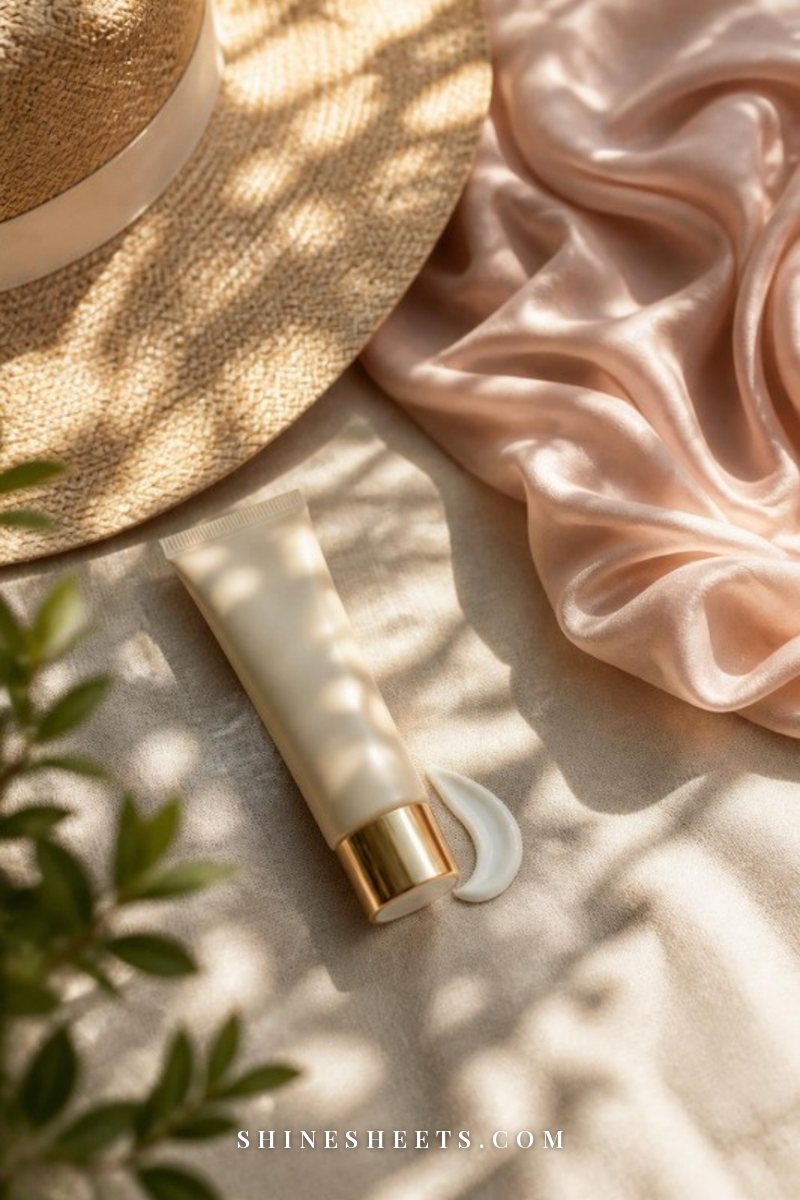
If you only change one thing after reading this, make it this one. Daily sunscreen on your neck and chest is the single most important step for this skin, because so much of what we notice here (spots, redness, crepey texture) comes from years of everyday sun.
A mineral sunscreen with SPF 50 is a good pick for neck and chest, since zinc oxide and titanium dioxide tend to be gentle on sensitive skin. Choose a broad-spectrum formula that doesn't leave a heavy white cast, so it looks fine with open necklines.
The amount matters more than the brand. Use roughly two finger lengths of sunscreen for your neck and chest, on top of what you use on your face. Don't forget the sides of the neck, the back of the neck if your hair is up, and the top of your shoulders in summer. Reapply every two hours when you're outdoors, and after swimming or sweating.
A small trick that helps: keep your sunscreen right next to your toothbrush or your moisturizer, so applying it to the neck happens in the same motion as your face.
Gentle Actives for Neck and Chest Skin
Once your basic routine feels easy, you can add one active ingredient. One is the key word here. Neck skin is thinner and more reactive, so the "more is more" approach that sometimes works on the face can leave your neck red, stinging and flaky.
Niacinamide for Tone and Redness
Niacinamide is the easiest place to start, because it's well tolerated by most skin types and works both morning and evening. Over several weeks, it can help even out redness and make skin feel more resilient. Use it daily, right after cleansing.
Peptides for Bounce and Comfort
Peptides are gentle, non-exfoliating ingredients, which makes them a great fit for the neck. They're usually found in creams and serums and can be used every day, morning or evening. Think of them as a long-term supporting player rather than a quick fix.
Retinol, Slowly and at a Lower Strength
Retinol is one of the best-studied ingredients for smoothing texture and supporting firmness over time, but it's also the one most likely to irritate the neck. If you want to try it, choose a beginner retinol serum with a low concentration (around 0.1–0.3 percent) and start very slowly:
- Weeks 1–2: twice a week, at night, on completely dry skin.
- Weeks 3–4: every third night, if your skin feels calm.
- After that: every other night at most for the neck, even if your face tolerates more.
The "sandwich" method helps a lot here: a thin layer of moisturizer, then a pea-sized amount of retinol for neck and chest together, then another layer of moisturizer. Stop if you notice burning, peeling or redness that lasts. My guide to retinol for beginners covers how to build tolerance, what to avoid mixing it with, and how to handle the adjustment phase.
A kind safety note: retinoids aren't recommended during pregnancy or while trying to conceive, so check with your doctor first if that applies to you. And because retinol makes skin more sensitive to the sun, daily sunscreen on the neck becomes non-negotiable once you start.
What To Skip or Go Easy On
- Strong acid peels and high-percentage exfoliants. Once a week with a gentle face exfoliant is plenty.
- Gritty scrubs. They're too rough for thin skin.
- Spraying perfume directly onto your neck in the sun. Some fragrance ingredients can make skin more prone to dark patches when exposed to sunlight. Spray it on your clothes or wrists instead.
- Layering several actives at once. Pick one, give it two to three months, then decide.
A Two-Minute Upward Neck Massage
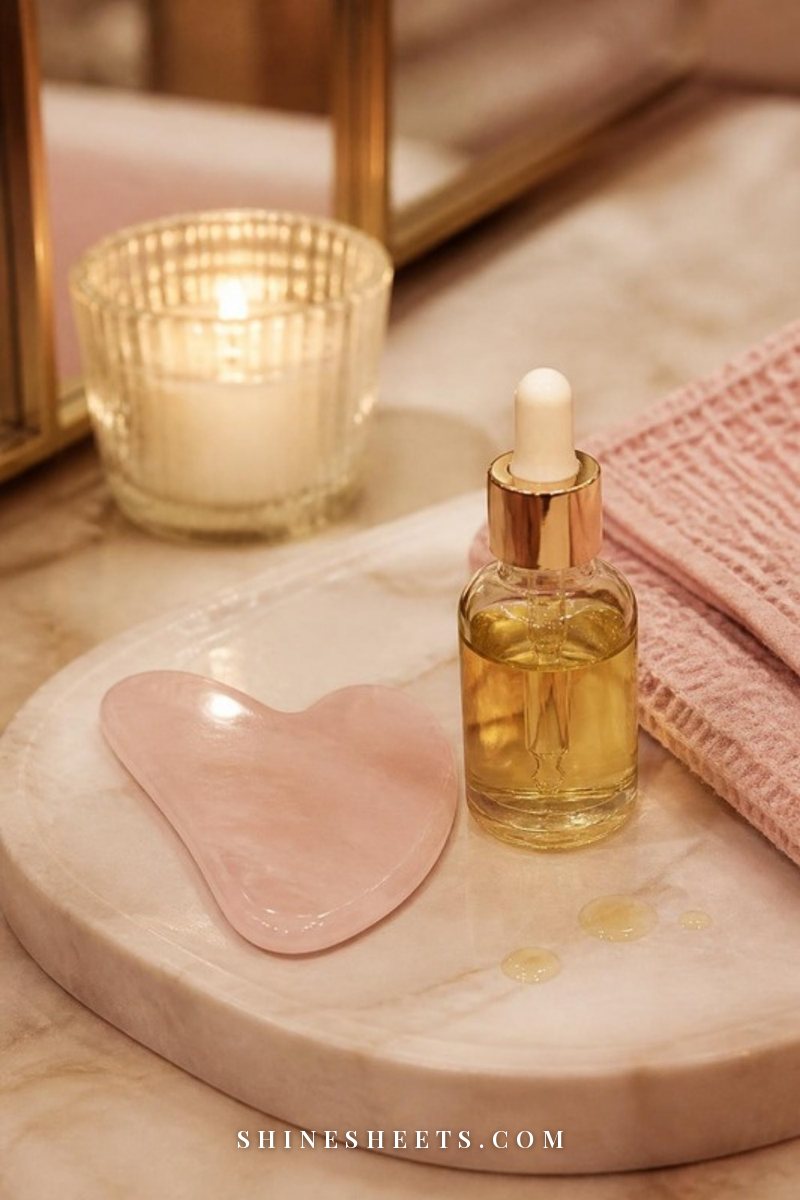
A short massage won't change your skin structure, but it feels wonderful, helps your products spread evenly and can reduce that puffy, tense feeling around the jaw and neck. It's also a lovely way to slow down at the end of the day.
You can use your fingers, or a rose quartz gua sha tool for a smooth, cooling glide. Always use it on skin with oil or a rich cream, never on dry skin, and keep the pressure very light on the front of the neck. Here's a simple routine:
- Warm up (20 seconds): Place both palms flat on your chest and take three slow breaths, letting your shoulders drop.
- Sides of the neck (30 seconds): Glide from just below the ear down the side of the neck to the collarbone, five times on each side. This direction follows the natural drainage path.
- Collarbones (20 seconds): Sweep gently along the collarbones from the center outward toward the shoulders, five times.
- Front of the neck (30 seconds): With your fingers, not the tool, sweep upward from the collarbone to the jaw with feather-light pressure, alternating hands.
- Jawline (20 seconds): Glide from the chin out toward the ear on each side, five times.
If you enjoy this, my lymphatic drainage face massage guide has a fuller routine for the face and jaw that flows nicely into the neck steps. Skip massage over any active breakouts, irritation or swelling you can't explain.
Sleep and Posture Habits That Help
Some of the most helpful neck and décolleté care doesn't come in a bottle at all. It's about how you sleep, how you sit and how often your chin points toward your phone.
Sleep on Your Back or on Silk

Side and stomach sleeping press the chest and neck skin into folds for hours every night. If you can, try starting the night on your back with a supportive pillow under your knees. Most of us roll over eventually, and that's fine. Every hour counts.
If back sleeping isn't for you, a blush silk pillowcase creates less friction and tugging on the skin than cotton. Some side sleepers also like a small pillow hugged against the chest, which keeps the décolleté from creasing as much.
Bring Your Phone Up to Eye Level
That repeated downward fold is easier to change than you'd think. Hold your phone a bit higher, raise your laptop on a stand or a stack of books, and prop your book on a pillow when you read in bed. It's not about perfect posture all day, just fewer hours spent with your chin tucked down. If you'd like more support, these posture exercises are gentle and take only a few minutes.
Three Gentle Neck Stretches
These stretches won't smooth lines, but they ease tension from looking down and remind your body what a long, relaxed neck feels like. Do them slowly, never bounce, and stop if anything hurts.
- Chin tuck: Sit tall, look straight ahead and gently draw your chin straight back (as if making a small double chin). Hold for 5 seconds, release. Repeat 8 times.
- Side neck stretch: Drop your right ear toward your right shoulder, keeping the left shoulder low. Hold for 20 seconds, breathing slowly, then switch sides.
- Chest opener: Clasp your hands behind your lower back, gently draw your shoulder blades together and lift your chest slightly. Hold for 20 seconds while breathing into your ribs. Repeat 3 times.
Doing these once in the morning and once mid-afternoon is a lovely habit, especially on days with a lot of screen time.
Sun-Smart Clothing and Accessories

Sunscreen is the foundation, but clothing is a wonderful backup, especially on long days outside when reapplying is easy to forget.
- A wide-brim hat. A beige wide-brim sun hat shades your face, ears and much of your neck at once. Look for a brim of at least three inches all the way around.
- Collars and higher necklines. On sunny days, a linen shirt with a soft collar or a boat neckline protects the décolleté while still feeling breezy.
- A silk or cotton scarf. Knotted loosely at the neck, it adds a little Old Hollywood glamour and covers the area that gets the most sun in the car.
- Tightly woven fabrics. The tighter the weave, the less light gets through. Very sheer, loose knits offer less protection than you'd expect.
- Shade and timing. When you can, choose the shady side of the street and plan long walks for the morning or later afternoon.
Makeup Tips for the Neck and Chest
A few small makeup habits help the neck look cared for and keep things even:
- Blend foundation and powder slightly past the jaw so there's no line, but keep it sheer on the neck itself. Heavy layers settle into creases.
- If you wear an open neckline, a light sweep of bronzer or a soft shimmer along the collarbones can look lovely, but tap it on gently instead of buffing hard.
- Choose a tinted sunscreen or an SPF powder as an easy midday top-up for the chest.
- Always remove makeup from the neck at night, especially around the jaw where foundation can build up.
Realistic Expectations
I want to be honest with you here: no cream will erase the lines on your neck, and anyone who promises that is selling something. Some creases are partly genetic, some come from simply having a neck that moves, and many soften but never fully disappear. That's normal.
What a consistent routine can do is keep the skin hydrated and more comfortable, help even out tone, protect it from further sun damage and support smoother texture over time. Give any new product at least 8–12 weeks before deciding whether it helps, and take a photo in the same light at the start so you can compare fairly.
If you notice a new or changing spot or mole on your neck or chest, a rash that won't settle or redness that burns, please see a dermatologist. They can also talk you through in-office options if you're curious. And if you'd like a broader view of what shifts in your skin over time, my guide to skincare in your 30s covers the bigger picture beyond the neck.
A Simple Weekly Rhythm
To make this feel effortless, here's what a typical week can look like once everything is in place:
- Every morning: serum, moisturizer and sunscreen from face to collarbones.
- Every evening: cleanse down to the chest, serum, moisturizer.
- Two or three evenings: add retinol or a peptide cream as your treatment step.
- Once a week: a gentle exfoliant or hydrating mask, plus the two-minute massage.
- Daily habits: phone at eye level, the three neck stretches, and back or silk-pillowcase sleeping when you can.
Pair the evening part with a cup of tea and a glass candle, and it stops feeling like a chore. It becomes a few quiet minutes that belong to you.
Final Thoughts
Your neck and décolleté don't need perfection. They need what the rest of you needs: protection, kindness and a little consistency. Extend your routine a few inches lower, wear sunscreen every single day and be gentle with actives.
Lines and texture are part of having lived and laughed and looked down at books you loved. Caring for this skin isn't about hiding that. It's about giving the skin everyone forgets the same tenderness you already give your face, and that small shift is something to feel good about.