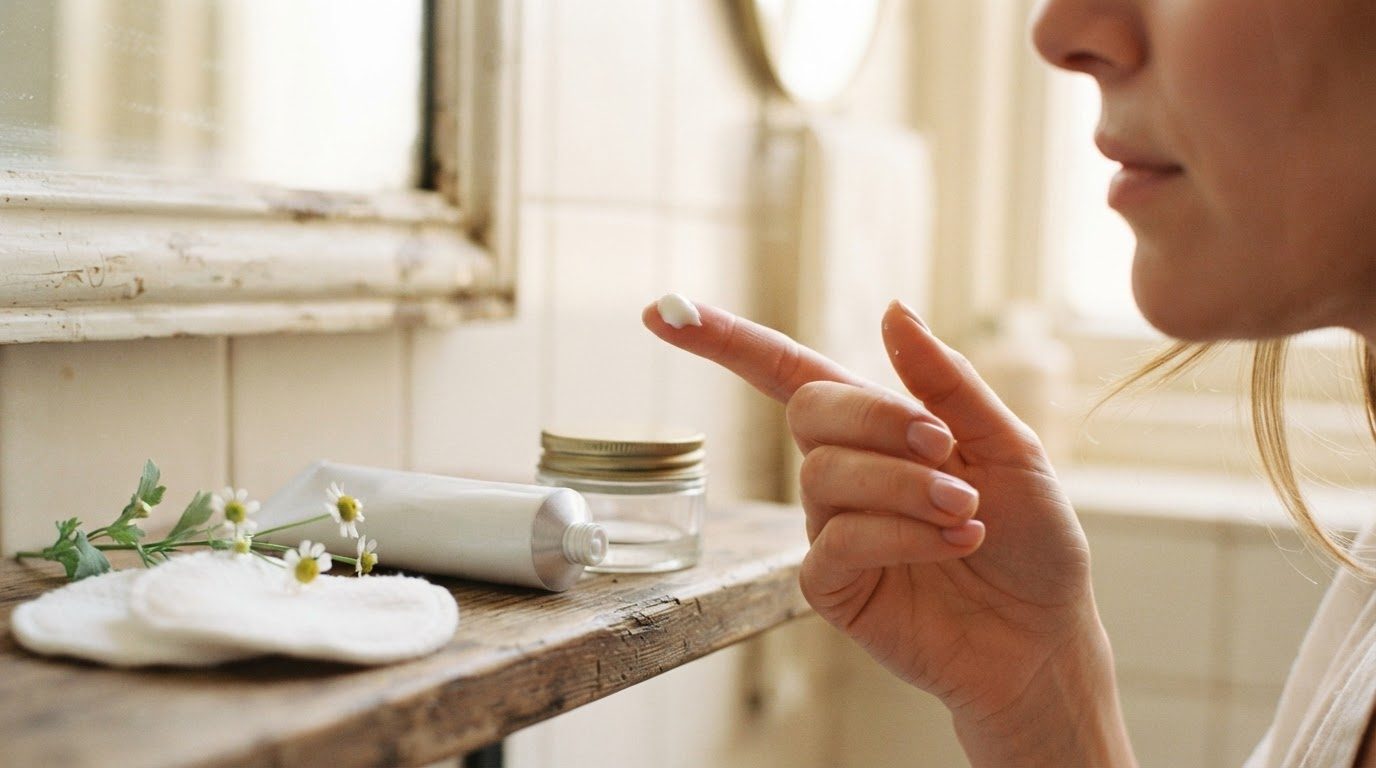
There was a stretch of time when I'd wake up, reach for my phone and then, before I'd even checked the weather, lean in close to the bathroom mirror to count new spots. A red one on my chin. Two little bumps along my jaw. That tight, shiny feeling across my forehead. I'd spend the next ten minutes poking, covering and quietly wondering what I was doing wrong.
If that morning ritual sounds familiar, I want you to know two things right away. First, breakouts are incredibly common and they say nothing about how clean, disciplined or worthy you are. Second, clearer skin rarely comes from one dramatic product. It usually comes from a handful of small, boring, gentle habits repeated for long enough that your skin finally gets a chance to calm down.
I have combination, sensitive skin with a shiny T-zone, so I've made almost every "fix it fast" mistake there is: the scrubs, the drying spot treatments, the five new products in one weekend. What helped in the end was slowing down. This guide is everything I'd tell a younger sister about how to get clear skin: 15 gentle habits, a habit audit table you can screenshot, and a clear "when to see a dermatologist" box, because some skin needs more than a good routine.
One honest promise before we start: no habit here is a guarantee. Skin is affected by hormones, genetics, stress and medication, and some acne simply needs treatment. But these habits give your skin the calmest possible environment to do its best.
Why Breakouts Happen (in Plain English)
Most everyday breakouts start in the pores. Your skin makes oil (sebum), dead skin cells shed all the time, and sometimes the two get stuck together inside a pore. That little plug can become a blackhead or whitehead. If bacteria that normally live on the skin join the party and the area gets inflamed, you see a red, sore spot.
A few things can turn up the volume on that process:
- Hormones, which is why many people notice breakouts around their period or during stressful seasons.
- Friction and pressure, from phones, helmets, face masks, hands and pillowcases.
- Heavy or pore-clogging products, including some hair products that slide onto the forehead.
- Over-scrubbing and over-treating, which can irritate the skin barrier and make everything look angrier.
- Stress and poor sleep, which won't cause acne on their own but can make existing breakouts harder to settle.
Notice what's missing from that list: being dirty. Washing more often or more aggressively usually doesn't help, and it often makes things worse. That's the first mindset shift, and it makes every habit below easier.
How To Get Clear Skin: 15 Gentle Habits
You don't need to start all fifteen tomorrow. Pick three that feel doable, keep them for a month, then add a few more. Consistency beats intensity every single time.
1. Cleanse Twice a Day, Gently
Wash your face in the evening, and in the morning if your skin feels oily or you used a richer product overnight. Use lukewarm water, your fingertips and about 30 seconds of soft massage. That's it.
The cleanser itself matters more than people think. A pick for breakout-prone skin is a gentle low-pH gel cleanser that leaves your face feeling comfortable, not squeaky. If your skin feels tight right after washing, the cleanser is too strong for you, even if it's labeled "for acne."
2. Take Makeup and Sunscreen Off Every Night
Even on the most tired evenings. Sunscreen and long-wear makeup are designed to stay put, so a single splash of water won't lift them. On those days, start with micellar water or a cleansing balm, then follow with your regular cleanser.
My small rule for nights when I'm exhausted: leave the cleanser right next to the toothbrush. If I can brush my teeth, I can wash my face. Two minutes, done.
3. Hands Off (Yes, Really)
Picking and squeezing pushes inflammation deeper, can spread bacteria and is one of the main reasons a small spot turns into a mark that lingers for weeks. I know how tempting it is, especially when a whitehead is staring back at you under bright bathroom light.
Two things help me: dimmer light in the evening (the big overhead light makes everything look worse) and covering a spot that's come to a head with clear hydrocolloid pimple patches before bed. They absorb a little fluid, protect the spot and, most importantly, stop my fingers from wandering.
4. Add One Proven Active, Not Five
Ingredients with real evidence behind them for breakouts include salicylic acid (BHA), benzoyl peroxide, azelaic acid and retinoids such as adapalene, which is available over the counter in some countries. Each one works a little differently, and each one can irritate if you overdo it.
A common gentle starting point is a 2% BHA liquid exfoliant two or three evenings a week, applied mostly where you break out. BHA is oil-soluble, so it works inside the pores. Give it at least six to eight weeks before judging. If you're curious about vitamin A, my gentle retinol start plan walks you through a slow, eight-week introduction.
5. Moisturize, Even If You're Oily
Skipping moisturizer feels logical when your T-zone shines by noon, but a dried-out, irritated barrier tends to look redder and can make treatments sting. Most acne treatments are also drying, so a moisturizer is what makes them comfortable enough to keep using.
Look for a lightweight oil-free gel-cream moisturizer with the words "non-comedogenic" and soothing ingredients like glycerin, ceramides or panthenol. A pea-sized amount is enough for the whole face.
6. Wear Sunscreen Every Morning
Sunscreen won't clear breakouts, but it does two important jobs: it protects skin that's become more sun-sensitive from acne treatments, and it helps stop red or brown marks from darkening and sticking around after a spot heals.
Texture is everything here. Many people with breakout-prone skin love a lightweight Korean sunscreen with SPF 50 in a fluid or gel texture, because it feels almost like a moisturizer. Use about two finger-lengths for the face and neck.
7. Try Niacinamide for Calm and Balance
Niacinamide (vitamin B3) is a gentle supporting player. It can help skin look less oily and less red, and it plays nicely with most other ingredients. It won't replace a proper acne treatment, but it can make the whole routine feel calmer.
Start with a lower strength, around 4–5%, a few drops every other day. My guide to what niacinamide does and how to use it explains percentages and pairings in detail.
8. Change Your Pillowcase Twice a Week
Your pillowcase collects oil, hair product, skincare and sweat, and your face spends hours pressed against it. Swapping it every three or four nights is an easy, low-effort habit. I keep two sets in rotation so there's always a fresh one in the drawer.
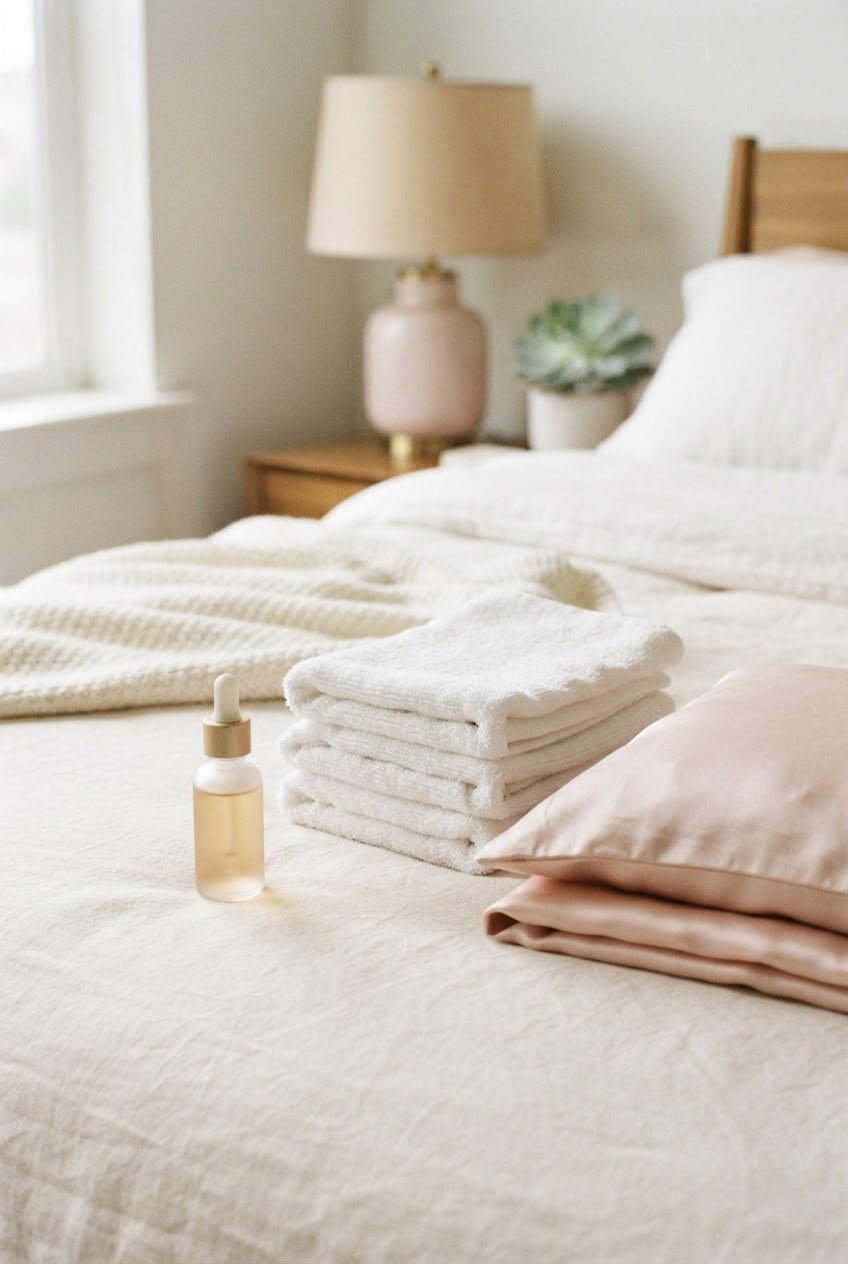
Some people find a smooth fabric more comfortable for sensitive skin. A blush pink mulberry silk pillowcase feels lovely and creates a little less friction, though cotton changed often works perfectly well too. Clean matters more than fancy.
9. Clean Your Phone and Your Makeup Tools
If your breakouts love one side of your jaw or cheek, think about what touches that side often. Wipe your phone screen with an alcohol wipe a few times a week, wash makeup sponges after each use and brushes about once a week, and replace mascara and liquid products on time.
10. Use a Clean Towel (and Pat, Don't Rub)
Bath towels hang around damp for days and pick up all sorts of things. A small, dedicated face towel changed every couple of days is cleaner and gentler. A stack of soft white cotton face towels makes this habit effortless, and patting dry instead of rubbing is kinder to inflamed skin.
11. Check Your Hair Products and Hairline
Heavy conditioners, oils and styling products can slide onto your forehead and along the hairline, especially at night. If your breakouts cluster there, try washing your face after rinsing out conditioner in the shower, keep oils on the ends of your hair only and tie hair back for sleep.
12. Introduce New Products Slowly
Add one new product every two to three weeks, and patch test it first. That way, if your skin suddenly flares, you know exactly what to stop. It feels slow, but it's so much faster than spending months guessing which of six new bottles caused the problem.
13. Protect Your Sleep
Sleep isn't a skincare product, but tired, stressed bodies often show it in the skin. Aim for a consistent bedtime and a short wind-down without bright screens. A cup of caffeine-free evening tea and a few minutes of journaling is my own signal to my body that the day is over. If evenings are your hard part, my calming sleep routine has plenty of gentle ideas.
14. Notice Your Stress Patterns
Many of us see a breakout pop up right before a deadline or after an anxious week. You can't remove stress from life, but you can notice it and give it somewhere to go: a ten-minute walk, a few slow breaths, writing your worries down before bed. I'm prone to anxiety myself, and simply knowing "this is a stress spot, it will pass" stops me from panicking and over-treating it.
15. Be Patient for 8–12 Weeks
This is the habit that holds all the others together. Skin cells renew slowly, and most acne treatments need two to three months to show what they can really do. Some people even notice a few extra breakouts in the first weeks of a new active before things improve.
Take a photo in the same light once a month instead of inspecting your face every morning. Comparing month to month shows real progress that daily mirror checks hide.
Your Clear Skin Habit Audit
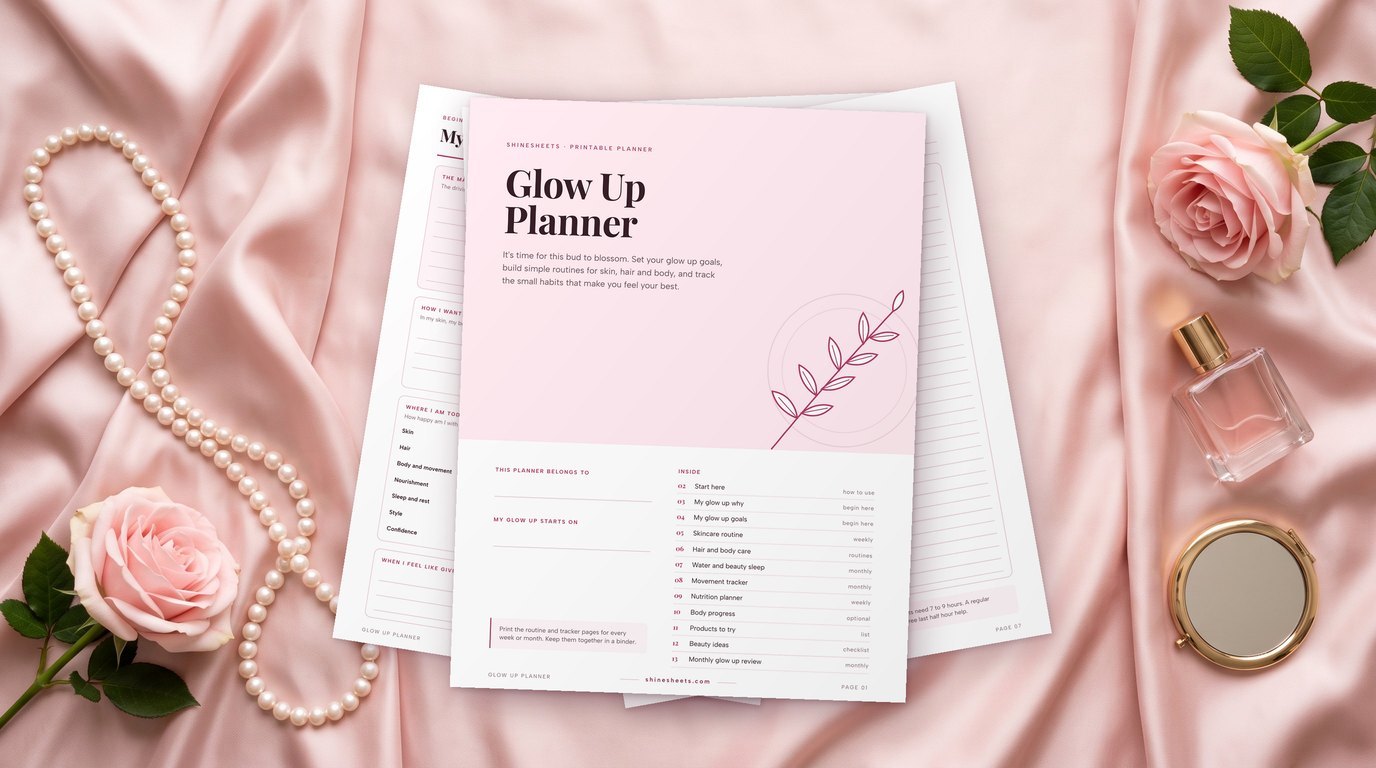
This is the heart of the article, so screenshot it. Go through each row and quietly tick what you already do. Most people discover they're doing more than they thought, and that one or two missing habits are the real gap.
| How often | Habit | What "done" looks like |
|---|---|---|
| Daily (AM) | Gentle cleanse or rinse | 30 seconds, lukewarm water, skin feels comfortable after |
| Daily (AM) | Moisturizer + sunscreen | Pea-sized moisturizer, two finger-lengths of SPF 30 or higher |
| Daily (PM) | Remove makeup and sunscreen | First cleanse on makeup days, then regular cleanser |
| Daily (PM) | Treatment or rest night | Active on scheduled nights only; moisturizer every night |
| Daily | Hands off | No picking; patches on spots that come to a head |
| Daily | Wind-down before bed | 15 minutes without bright screens, consistent bedtime |
| Twice a week | Fresh pillowcase | Swapped every 3–4 nights |
| Every 2–3 days | Fresh face towel | Small, dedicated towel, pat dry |
| Weekly | Clean tools and phone | Brushes washed, sponge washed after each use, phone wiped |
| Weekly | Routine check-in | Note any stinging, flaking or new breakouts in a few words |
| Monthly | Progress photo | Same spot, same light, same time of day |
| Monthly | Product review | Toss expired items; decide if a product earned its place |
| Monthly | Big picture check | Not improving after 2–3 months? Time to book a dermatologist |
How to use it: circle the two rows you skip most often and make them your focus for the next four weeks. Nothing else needs to change.
A Simple Clear Skin Routine To Start With
If you'd like a basic framework to hang those habits on, here's the calm, beginner version:
- Morning: gentle cleanse or rinse, niacinamide (optional), moisturizer, sunscreen.
- Evening, treatment nights (2–3 a week): first cleanse if needed, gentle cleanse, your one active, moisturizer.
- Evening, rest nights: cleanse, moisturizer, nothing else.
That's four steps at most. If your skin is combination like mine, my skincare routine for combination skin shows how to put treatments mostly on the T-zone and keep the cheeks comfortable.
What To Expect Month by Month
Knowing the usual timeline makes it so much easier to stay patient. Everyone's skin is different, but this is a realistic picture for a gentle routine with one proven active:
- Weeks 1–4: Your skin is getting used to the routine. You might notice a little dryness or mild flaking where you apply your active, and some people see a few extra breakouts. Keep moisturizing and stay on two or three treatment nights a week.
- Weeks 5–8: Breakouts often start to feel less frequent or less angry. Texture may look a bit smoother. This is the stage where many people quit because the change is quiet, so take your monthly photo and compare.
- Weeks 9–12: This is usually when you can fairly judge whether a routine is working. If things are clearly calmer, keep going. If nothing has changed, that's useful information too, and a good moment to talk to a dermatologist.
Red or brown marks left behind by old spots fade on their own, more slowly. Daily sunscreen helps them along, and patience does the rest.
6 Clear Skin Mistakes I Made So You Don't Have To
- Scrubbing harder when things got worse. Gritty scrubs and rough cloths irritate inflamed skin. Gentle exfoliating acids on a schedule are a kinder option.
- Using every active at once. BHA, retinol and a strong spot treatment on the same night left my skin red and peeling, and the breakouts didn't care.
- Drying spots out with harsh home remedies. Toothpaste, lemon juice and undiluted essential oils can burn and irritate. Skip them.
- Skipping moisturizer to "dry out" oil. My T-zone stayed shiny and my cheeks started flaking. A light moisturizer fixed both.
- Quitting products after one week. Unless something stings, burns or causes a rash, give it the full two to three months.
- Treating my skin like a project to fix. The more stressed I was about my face, the more I picked and over-treated. Kindness genuinely helped.
When To See a Dermatologist
Here's the box I wish someone had shown me sooner. Home habits are wonderful for mild breakouts, but some skin needs medical treatment, and there's no prize for struggling alone. Please book an appointment with a dermatologist or your doctor if any of these sound like you:
- Deep, painful lumps or cysts under the skin that last for weeks.
- Breakouts leaving scars or dark marks that don't fade.
- No improvement after 2–3 months of a steady, gentle routine with a proven active.
- Sudden acne in adulthood, especially with irregular periods, unusual hair growth or hair thinning.
- Acne on your chest, back or shoulders that's widespread or sore.
- Breakouts after starting a new medication.
- Your skin is affecting your mood, confidence or the way you live your life.
Dermatologists have treatments that simply aren't available on a drugstore shelf, from prescription creams to oral medications, and starting early can help prevent scarring. If marks are already bothering you, my guide on how to minimize acne scars covers the options worth asking about.
A Kind Safety Note
Patch test every new product: apply a little behind your ear or along your jaw once a day for a few days, and only use it on your face if there's no redness, itching or burning. Mild tingling for a few seconds can be normal with acids. Burning, swelling, hives or a rash are not, so rinse the product off and stop using it.
If you're pregnant, trying to conceive or breastfeeding, check with your doctor before using retinoids or other strong actives. This article is general information, not medical advice, and it can't replace a professional who can actually see your skin.
Final Thoughts
Clear skin isn't a reward for being perfect. It's usually the slow result of being consistently gentle: a kind cleanser, one good active, moisturizer, sunscreen, clean pillowcases and a lot of patience.
Pick your two habits from the audit, give them a few calm months and let your skin take its time. You deserve to look in the mirror and see a whole person, not a list of spots, and that starts with treating your face like someone you care about.