Hormonal acne isn't a sign that you're washing your face wrong or not trying hard enough. It's a pattern, and patterns can be worked with. The deep, tender spots that show up along your jaw and chin around the same time every month respond much better to a calm, steady routine than to the panic-scrubbing most of us reach for the moment a new one appears.
That's the good news hiding inside a frustrating situation: once you know what hormonal breakouts tend to do and when, you can stop fighting your skin and start supporting it. My own skin is combination and sensitive (shiny T-zone, easily annoyed cheeks), so I've learned the hard way that "gentle" is not the same as "doing nothing." It just means choosing a few things that work and letting them work.
This guide walks you through a hormonal acne skincare routine that is kind to your skin barrier: what hormonal acne usually looks like, why harsh habits backfire, a simple morning and evening routine, how to add one active at a time, a cycle-week skincare map you can screenshot, small hands-off habits, and when it's time to bring in a dermatologist.
Start with something soft, like a gentle hydrating cleanser, and let's take it one calm step at a time.
What Hormonal Acne Usually Looks Like
Hormonal acne has a few tell-tale habits. You don't need every one of them to recognize it, but if several sound familiar, your breakouts are probably more about hormones than about a new moisturizer:
- Location: the lower third of the face – jawline, chin, around the mouth and sometimes down the neck.
- Timing: flare-ups in the week or so before your period, then a slow calm-down afterward.
- Type: deeper, tender bumps that sit under the skin rather than quick little whiteheads. Some never come to a head at all.
- Repeat spots: the same small area seems to break out again and again, like the spot has a lease.
- Adult onset: it often shows up (or comes back) after your teens, even if your skin was fairly clear before.
Behind all this are hormone shifts that can make oil glands more active and pores more likely to clog and get inflamed. Stress and poor sleep can turn the volume up too, which is why a rough week so often shows up on your chin.
If your breakouts are mostly across your forehead instead, the triggers tend to be a bit different (hair products, bangs, hats), and my guide on how to get rid of forehead acne covers that pattern in more detail.
Why Harsh Scrubbing and Over-Drying Backfire
When a painful spot shows up, the instinct is to attack it: grainy scrubs, strong toners, three acne products layered on at once. I understand the impulse completely. It just tends to make hormonal acne worse, not better.
Here's why. Your skin barrier is the thin outer layer that keeps moisture in and irritants out. When you strip it with harsh cleansers or scrub it raw, it gets inflamed and leaky. Inflamed skin is more reactive, red marks linger longer, and some skin even responds to the dryness by feeling oilier on the surface. Meanwhile, the deep bump under the skin doesn't care how hard you scrubbed – it's too far down for a scrub to reach.
A few signs you've tipped into over-treating:
- Your skin stings when you apply a plain moisturizer.
- It feels tight and shiny at the same time.
- You have flaky patches around your nose and mouth.
- Red or brown marks are taking longer than usual to fade.
If that's you, take a "barrier week": cleanser, moisturizer and sunscreen only, for five to seven days. It feels like doing nothing. It is actually the reset that makes everything after it work better.
Your Gentle Morning Routine
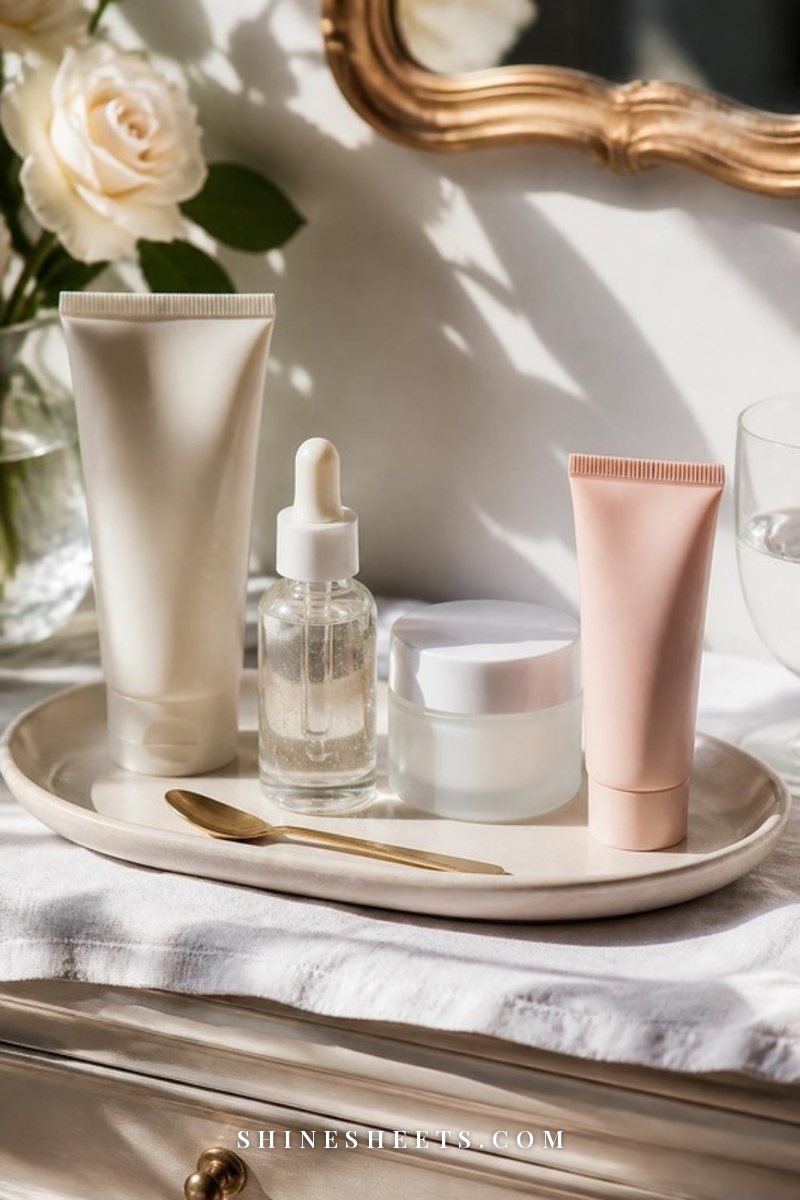
Mornings are about protection: keep skin clean, calm and shielded from the sun so marks don't darken. Four steps, about three minutes.
1. Rinse or Use a Gentle Cleanser
If your skin feels comfortable when you wake up, lukewarm water is often enough in the morning. If you're oily by sunrise (my T-zone, every single day), use a small amount of a mild, non-foaming or low-foam cleanser for about 30 seconds and pat dry with a clean towel – no rubbing.
2. Apply a Calming Serum
Niacinamide is a lovely morning choice for hormonal acne-prone skin because it helps balance oil, supports the barrier and plays nicely with almost everything. A niacinamide serum at around 5% is plenty; higher percentages aren't automatically better and can tingle on sensitive skin. Two or three drops, pressed in. My full niacinamide guide explains how to pair it with other ingredients.
3. Moisturize Lightly
Yes, even oily, breakout-prone skin needs moisturizer. Hydrated skin heals faster and handles actives better. Look for an oil-free gel moisturizer labeled non-comedogenic, with soothing ingredients like glycerin, ceramides or panthenol. A pea-to-nickel-sized amount is enough for the whole face.
4. Finish With Sunscreen, Every Day
This is the step that decides how long your spots leave a trace. Sun exposure darkens post-acne marks, and many acne actives make skin more sun-sensitive. A mineral sunscreen with SPF 50 (zinc oxide is often especially comfortable on irritated skin) is a good pick if chemical filters sting you. Use about two finger-lengths for face and neck, and reapply if you're outdoors for long stretches.
Your Gentle Evening Routine
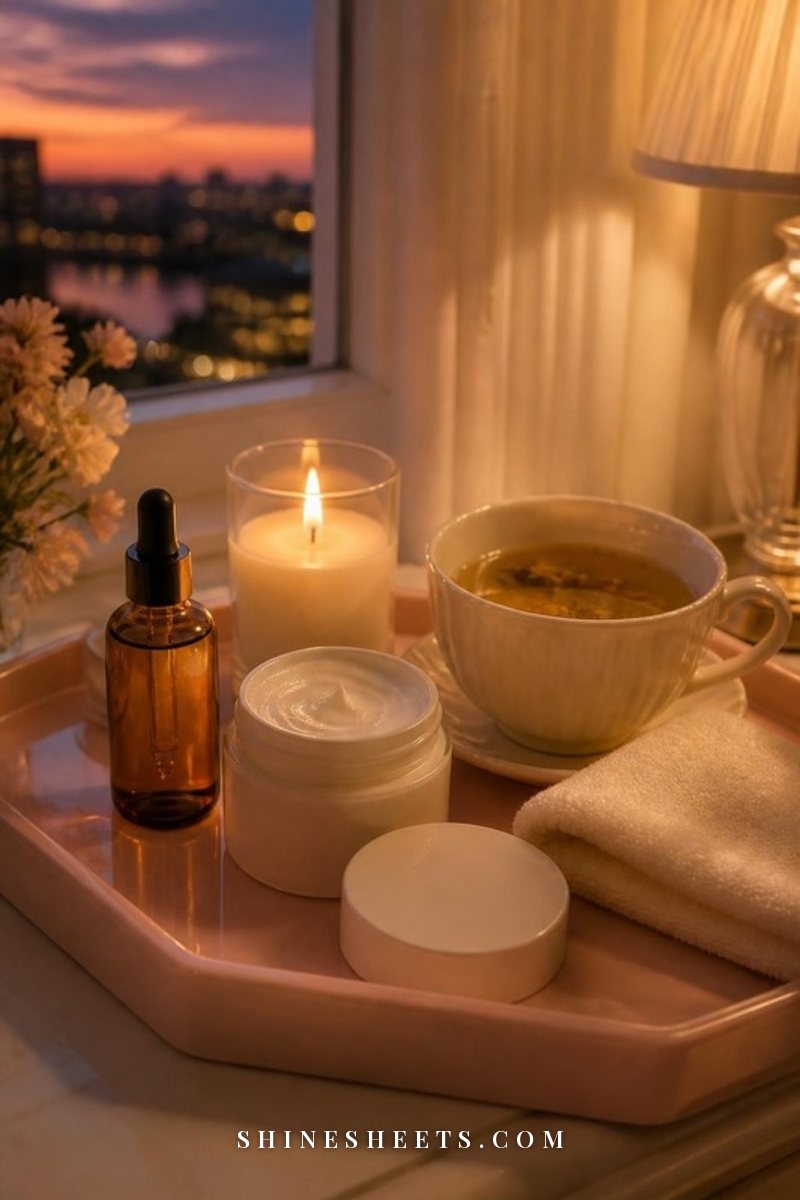
Evenings are when the real treatment happens. Your skin isn't dealing with sun or makeup, so this is where your one key active lives. I like doing it right after my evening tea, before journaling, so it feels like a ritual and not a chore.
1. Cleanse Properly
If you wore sunscreen or makeup, cleanse thoroughly. A balm or oil first, then your gentle cleanser, works well for many people and takes about a minute. Otherwise, one round of your mild cleanser for 30–60 seconds is enough.
2. Use Your One Treatment Active
Pick one of these to start, not both:
- Azelaic acid: calms redness, helps with clogged pores and fades the marks hormonal spots leave behind. It's one of the gentlest acne actives, which makes it a favorite for sensitive skin. Look for an azelaic acid cream around 10%. My article on azelaic acid for skin goes deeper.
- Salicylic acid (BHA): oil-soluble, so it gets into pores and helps keep them clear. Great if you also have blackheads or oily patches. A salicylic acid serum at 0.5–2% is the usual range. If you're unsure between acids, my AHA vs BHA comparison breaks it down.
Apply a thin layer to clean, dry skin. Thin is the key word – a pea-sized amount covers the whole face, and more doesn't work faster.
3. Moisturize and Sleep
Follow with the same gel moisturizer from the morning, or a slightly richer one on dry nights. If your active stings, you can "buffer" it by applying moisturizer first and the active on top. It slows things down a little but keeps your skin happy, and happy skin is consistent skin.
How To Introduce One Active at a Time
The fastest way to wreck a good routine is to start three new products on the same Monday. If your skin reacts, you won't know which one did it, and you'll end up stopping all of them. Here's the slow plan I'd follow:
- Patch test first. Apply a little behind your ear or along your jaw for three evenings. No redness or itching? You're good to go.
- Weeks 1–2: every third evening. Use your chosen active on, say, Monday and Thursday. Moisturize well on the other nights.
- Weeks 3–4: every other evening. Only if your skin feels calm. Slight dryness is normal; burning is not.
- Week 5 onward: nightly if tolerated. Many people stay at every other night forever, and that's perfectly fine.
- Wait before adding anything else. Give one active six to eight weeks before judging it or adding a second. Hormonal acne moves in monthly waves, so you need at least two cycles to see a real trend.
If you eventually want to combine azelaic acid and salicylic acid, alternate them on different nights rather than layering both. And if you're pregnant, trying to conceive or breastfeeding, check with your doctor before starting any acne active – some are fine, some aren't, and that's a conversation worth having.
The Cycle-Week Skincare Map
Here's the part that changed how I think about breakouts. Your skin doesn't behave the same way all month, so your routine doesn't have to either. This map is a general guide (every cycle is different, and if you use hormonal birth control your pattern may be flatter), but it gives you a starting point. Screenshot it and compare it with your own notes for two or three months.
| Cycle week | What skin tends to do | What to focus on |
|---|---|---|
| Week 1 (days 1–7, period) | Can feel drier, more sensitive and a bit dull; last week's spots are healing. | Hydration and barrier care. Keep actives gentle, use a richer moisturizer if needed, protect healing marks with SPF. |
| Week 2 (days 8–14) | Often the calmest, clearest stretch. Skin tolerates more. | Your steady routine at full strength. A good week to introduce a new product or do a gentle exfoliation. |
| Week 3 (days 15–21) | Oil starts to increase; pores can look more noticeable, especially in the T-zone. | Stay consistent with your BHA or azelaic acid. Keep cleansing thorough but gentle, and switch to lighter textures. |
| Week 4 (days 22–28, pre-period) | Peak breakout window: deep, tender bumps on the jaw and chin, plus more inflammation. | Calm and protect. Don't start anything new, keep hands off, use spot care and prioritize sleep and stress relief. |
A simple way to track this: jot down your cycle day and one word about your skin ("calm," "oily," "two chin spots") in your journal or phone notes each evening. After a couple of months you'll see your own personal map, which is far more useful than any general one.
Cycle-Aware Tweaks for the Week Before Your Period
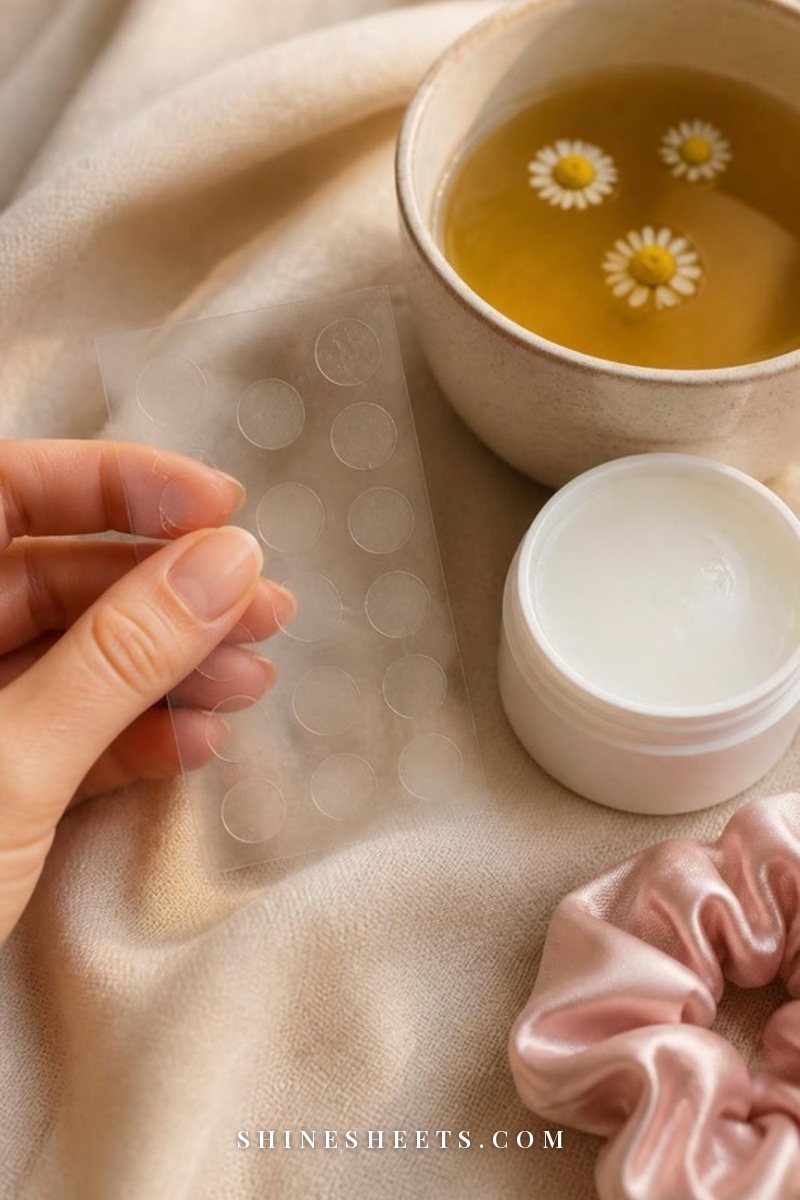
Week four is where a gentle routine earns its keep. The aim isn't to prevent every single spot (that's not realistic) but to keep breakouts smaller, calmer and less likely to leave marks.
- Don't add anything new. Pre-period skin is more reactive, so this is the worst week to test a product.
- Stay consistent with your active. If you use it every other night, keep doing exactly that – no extra layers out of panic.
- Use spot care for the deep ones. Hydrocolloid pimple patches are best for spots that have come to a head, but even on deeper bumps they act as a little shield that stops you touching. Put one on before bed and leave it overnight.
- Try a cool compress. A clean cloth wrapped around something cold, held on a tender bump for a few minutes, can ease the throbbing.
- Go lighter on makeup. If you wear foundation, a thinner layer with targeted concealer lets your skin breathe more and is easier to remove at night.
- Protect your sleep. Stress and short sleep both nudge breakouts up. An earlier bedtime this week is skincare too.
And be gentle with yourself emotionally. That week can come with a lower mood anyway, and staring at your chin in bright bathroom light helps nobody. Do your routine, close the cabinet, move on with your evening.
7 Hands-Off Habits That Protect Your Skin
A lot of what helps hormonal acne happens away from the bathroom shelf. These small habits reduce friction, bacteria and irritation on the exact areas where hormonal spots like to live.
1. Change Your Pillowcase Twice a Week

Your cheek and jaw rest on it for hours, collecting oil, hair product and skincare residue. Keep a small stack of clean pillowcases so swapping takes ten seconds – flip to the other side mid-week if laundry day feels far away.
2. Wipe Your Phone Daily
Phones sit against your jaw and chin, exactly where hormonal acne shows up. Wipe the screen with an alcohol-based wipe once a day, and use earbuds or speaker mode for long calls.
3. Stop Resting Your Chin in Your Hand
This is a sneaky one, especially when you're reading or working. Notice when you do it and gently drop your hand. The pressure and friction can aggravate spots that are already brewing.
4. Don't Pick or Squeeze
Deep hormonal bumps don't have anything to squeeze out, and pressing them pushes inflammation deeper, raising the chance of a dark mark or scar. If you can't stop thinking about one, put a patch on it so your fingers can't reach.
5. Wash Face Towels and Makeup Tools Often
Use a fresh face towel every two or three days (or pat dry with a clean paper towel), and wash makeup sponges and brushes weekly with gentle soap and warm water.
6. Cleanse After Workouts
Sweat itself isn't the enemy, but sweat mixed with sunscreen and oil sitting on skin for hours can clog pores. Rinse your face soon after exercise and change out of damp clothes. If your back and chest break out too, my guide on how to get rid of body acne has more ideas.
7. Keep Hair Products Off Your Jawline
Leave-in conditioners, oils and styling sprays can transfer to the sides of your face. Apply them before skincare, then cleanse your hairline and jaw, and tie hair back loosely at night with a soft scrunchie.
When To See a Dermatologist
A gentle routine can make a real difference, but some hormonal acne needs more than over-the-counter products, and there's nothing to be embarrassed about in asking for help. Please book an appointment with a dermatologist or your doctor if:
- You have painful, deep cysts or nodules that last for weeks.
- Your breakouts are leaving scars, pitted marks or dark spots that won't fade.
- You've followed a consistent routine for about three months with little change.
- Your cycles are irregular, or you notice other changes such as new hair growth on the chin or sudden weight changes – these can point to an underlying hormonal condition that deserves a proper check.
- Acne is affecting how you feel about yourself day to day.
Prescription options exist that simply aren't available on a drugstore shelf, from stronger topical treatments to oral medications that work on the hormonal side of things. A dermatologist can look at your whole picture and suggest what fits your skin and your health. If you already have marks to soften, my guide on how to minimize acne scars is a good next read while you wait for your appointment.
A kind note: this article is general information, not medical advice. Hormonal acne can have many causes, so please talk to a doctor or dermatologist about your own skin, especially before starting new treatments during pregnancy or alongside medication.
Final Thoughts
Hormonal acne can make you feel like your skin is working against you, but it's really just following a rhythm. When you meet that rhythm with a calm cleanser, one well-chosen active, a light moisturizer, daily sunscreen and a few hands-off habits, breakouts usually become smaller, shorter and far less dramatic.
Be patient with the slow parts. Give each change two full cycles, keep notes, and lean on a professional whenever your skin needs more than a shelf of products can offer. Your skin isn't a project to fix; it's yours to look after, gently and steadily, one evening at a time.