Eye cream isn't a scam, and it isn't a miracle either. It's simply a moisturizer built for the thinnest, most reactive skin on your face, usually with a gentler texture, fewer irritants and a few targeted ingredients. Whether you need one depends far less on your age than on what your under-eyes are actually doing.
The skin around your eyes is thinner than the skin on your cheeks, has fewer oil glands and moves thousands of times a day every time you blink, squint or smile. That's why it often looks dry before the rest of your face does, why it stings when a regular product creeps too close, and why lines tend to show there first. A good eye product respects all of that.
In this guide to eye cream, I'll walk you through what eye creams really do, when your face moisturizer is perfectly enough, what to look for by concern (dryness, fine lines, dark circles and puffiness), a concern-to-ingredient-to-texture table you can screenshot, how to apply it without irritating your eyes, and the mistakes that make even a great formula disappoint.
My own skin is combination and sensitive, so I've learned to be picky about anything that goes near my eyes. Gentle and consistent beats strong and exciting every time.
What Eye Cream Actually Does
Strip away the marketing and an eye cream does three realistic things:
- It hydrates and cushions. Humectants like glycerin and hyaluronic acid pull water into the skin, and emollients like squalane or ceramides help keep it there. Hydrated under-eye skin looks smoother, and fine dryness lines soften within minutes.
- It's formulated to be gentler. Most eye products skip or minimize fragrance, essential oils and strong acids, and they're usually tested around the eye area. That matters if your face cream makes your eyes water.
- It delivers targeted ingredients in a lower, eye-friendly dose. Think caffeine for morning puffiness, peptides for firmness, a gentle retinoid for lines, or vitamin C and niacinamide for dullness.
What it can't do is just as useful to know. No cream will erase deep wrinkles, remove genetic dark circles, or shrink fat pads that cause true under-eye bags. It can make the area look fresher, smoother and more rested, which is often exactly the difference you notice in photos and in the mirror in the morning.
When Your Face Moisturizer Is Enough
Here's the permission you might be looking for: plenty of people don't need a separate eye cream. Your regular moisturizer is probably enough if:
- It's fragrance-free (or very lightly scented) and doesn't sting when you pat it around the orbital bone.
- Your under-eyes feel comfortable all day with no tightness or flaking.
- You aren't trying to target anything specific like puffiness or early lines.
- You're happy with a simple routine and don't want an extra step.
In that case, simply tap a tiny amount of your face moisturizer onto the orbital bone area and you're done. Many dermatologists would say the same: the best eye product is the one that doesn't irritate you and that you'll use every day, and sometimes that's the jar you already own.
One more thing to know: the most powerful "eye cream" of all is sunscreen. Daily UV protection around the eyes, plus sunglasses, does more for lines and pigmentation over the years than any eye-specific active. If your SPF stings your eyes, look for a mineral formula or a stick designed for the eye area.
When an Eye Cream Is Worth It
A dedicated eye product earns its spot when one of these is true:
- Your face cream stings or makes your eyes water. This is the most practical reason. Rich creams, fragrance and active ingredients often migrate into the eye as you sleep.
- You use strong actives on your face. If you use retinol, acids or a vitamin C serum, it's smart to keep them off the under-eye area and give that skin its own, gentler product.
- You want to target a specific concern. Puffiness in the morning, crepey texture, early lines or a dull, shadowy look all respond better to a focused formula.
- Your concealer creases or looks flaky. Well-hydrated skin under makeup is the difference between concealer that sits smoothly and concealer that settles into every line.
If none of these sound like you, keep your money and your routine simple. If one or two do, the next section will help you pick the right formula instead of the most expensive one.
What To Look For by Concern
The single most helpful thing you can do is decide what you want an eye product to do before you shop. "Anti-aging" is too vague. Pick your main concern, then look for the ingredients and texture that match it.
Dryness and Crepey Texture
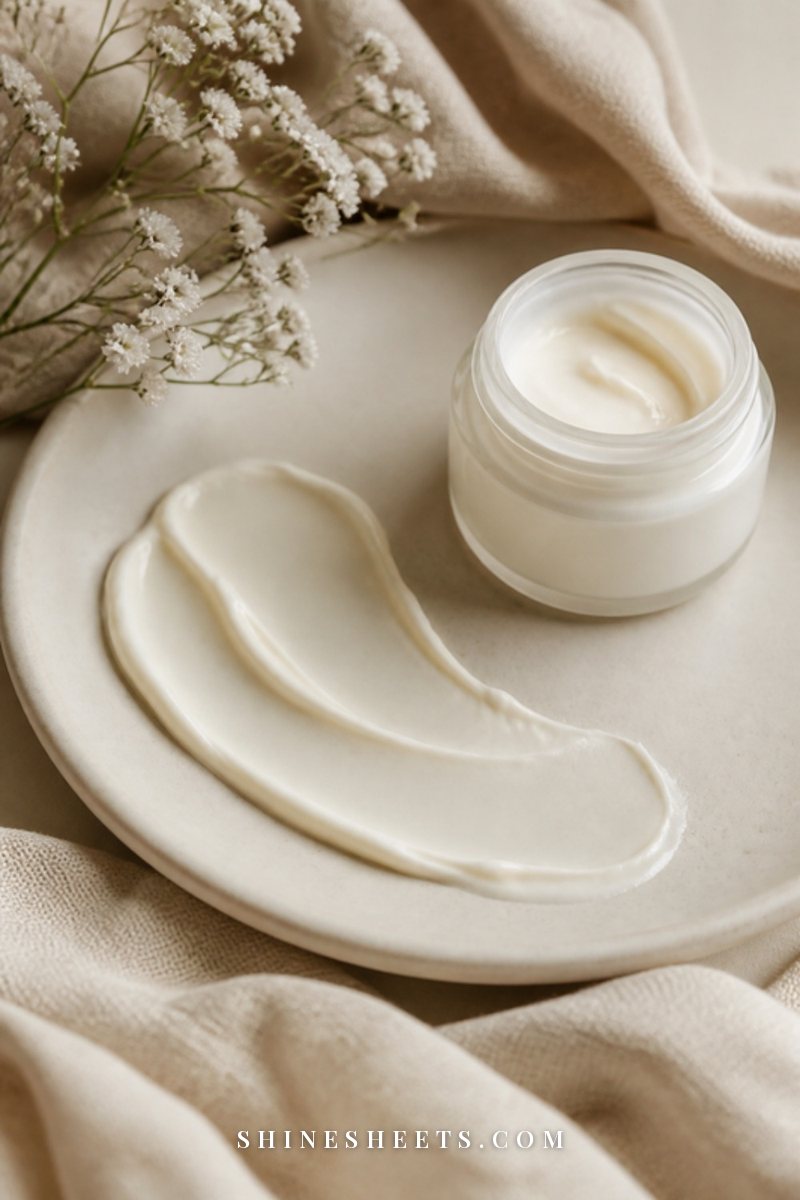
If your under-eyes look papery, feel tight or show tiny crisscross lines that disappear when you pull the skin gently, the issue is mostly dryness. The good news is that this responds quickly.
Look for: ceramides, glycerin, hyaluronic acid, squalane, shea butter and panthenol. A creamy or balmy texture works best here, especially at night.
A fragrance-free ceramide eye cream is my first suggestion for dry, sensitive under-eyes, because it supports the skin barrier without adding anything that tends to sting. Apply it on slightly damp skin for extra slip, and you'll often see the texture soften within a week.
Fine Lines
Fine lines at the outer corners (the ones that show up when you smile) are partly expression, partly dryness and partly sun. Hydration helps them look softer right away, and a few ingredients can help over months.
Look for: peptides, which support the look of firmness and are very gentle, and low-strength retinoids such as encapsulated retinol or retinal made specifically for the eye area. If you're curious how peptides work, I explained the different types in my guide to peptides in skincare.
A peptide firming eye cream is a lovely starting point because you can use it morning and night with almost no risk of irritation. If you want something stronger, I'd choose a gentle retinol eye cream and introduce it slowly: two nights a week for the first two weeks, then every other night if your skin is calm. For more on smoothing that area, my post on fine lines around the eyes goes deeper into habits, makeup and sun protection.
Dark Circles
Dark circles have different causes, and the cause decides what can help. Brownish circles are usually pigmentation. Bluish or purple circles usually come from blood vessels showing through thin skin. Shadows that look worse in overhead light often come from hollows rather than color.
Look for: vitamin C (in a gentle, eye-safe form), niacinamide and licorice root for brownish pigment; caffeine and hydrating ingredients for bluish, tired-looking circles; and for hollows, nothing in a jar will fill them, but a hydrating cream plus a peachy concealer helps a lot.
Be patient here. Pigment-type circles take at least two to three months of daily use plus sunscreen to look lighter. I covered every type, cause and fix in my guide on how to get rid of dark circles, including what to expect realistically.
Puffiness
Morning puffiness is mostly fluid that settles under the eyes overnight. Salt, alcohol, allergies, crying and sleeping flat can all make it worse. This is the concern where an eye product gives the most visible, quickest result, though the effect is temporary.
Look for: caffeine, green tea extract and lightweight, gel or serum textures. Cold also helps, so many people keep their eye product in the fridge.
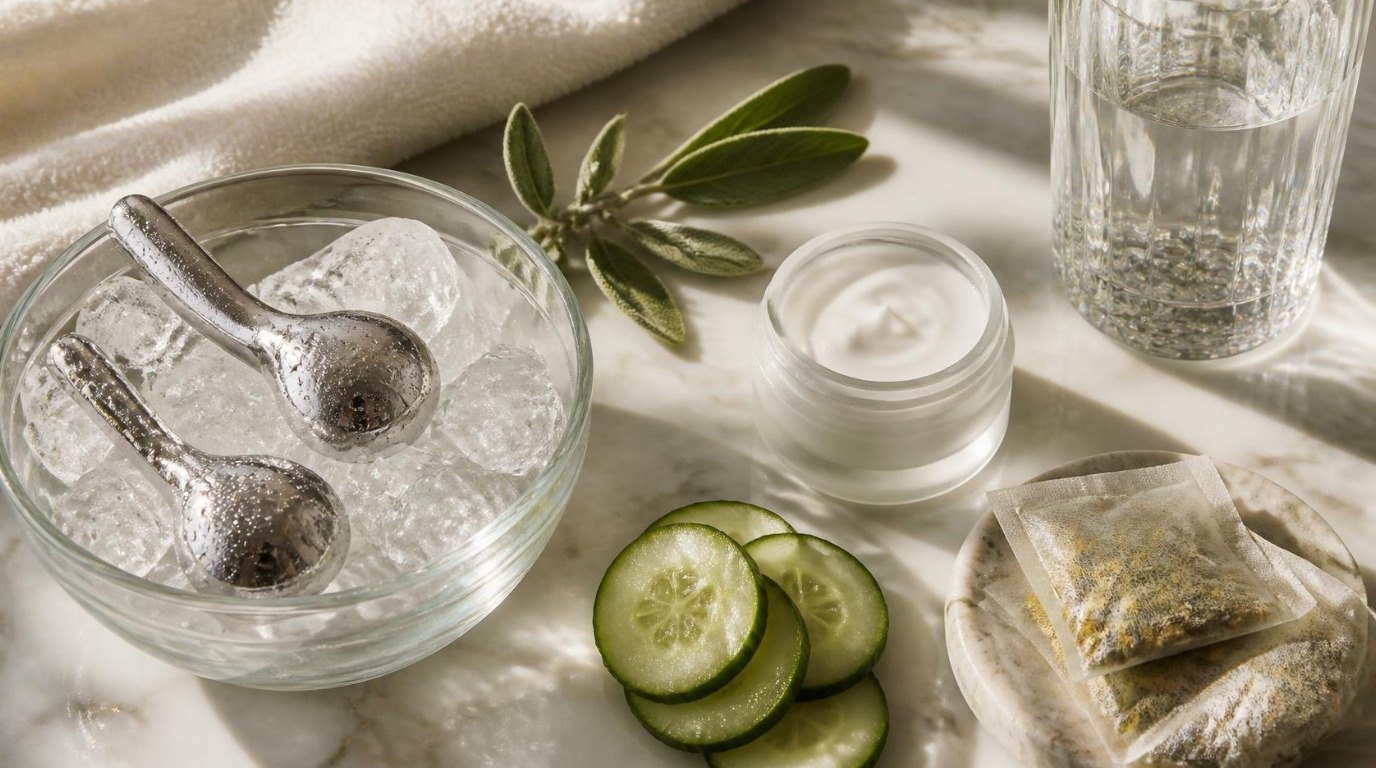
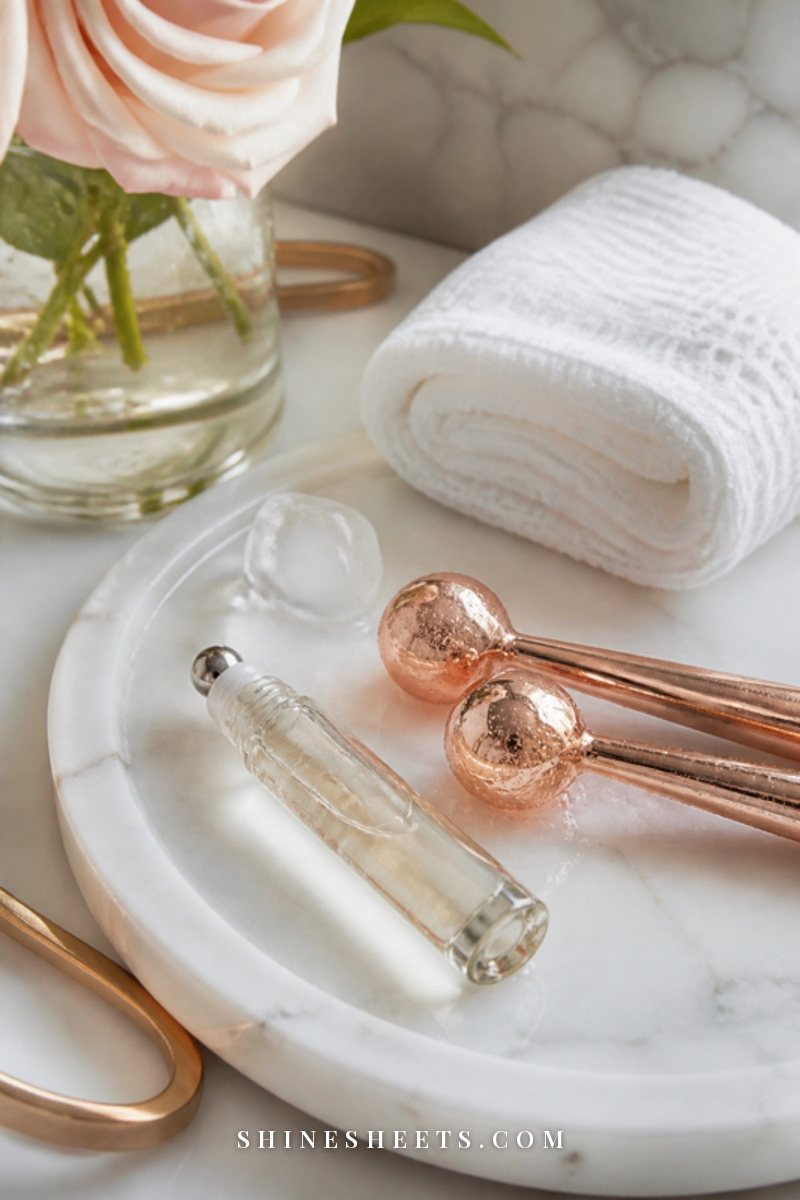
A caffeine eye serum with a roller ball is one of the best-selling options for a reason: the cool metal tip plus caffeine makes the area look less puffy within minutes. Pair it with a pair of cooling ice globes kept in the fridge, rolled gently from the inner corner outward for one or two minutes. If your puffiness doesn't go away by midday, it may be under-eye bags rather than fluid, which I explained in my guide to under-eye bags.
Sensitive, Reactive Eyes
If you wear contact lenses, have allergies or find that most products make your eyes sting, keep it very simple. One fragrance-free, ophthalmologist-tested cream with a short ingredient list is better than three targeted products. Skip retinoids and vitamin C until you know your skin tolerates a basic cream well, and always patch test (more on that below).
Eye Cream Cheat Sheet: Concern, Ingredient, Texture
This is the table I wish I'd had years ago. Find your main concern, then shop for the ingredient and the texture in the same row. Screenshot it for your next drugstore run.
| Your concern | Ingredients to look for | Best texture | When to use | Give it |
|---|---|---|---|---|
| Dryness, tightness, crepey look | Ceramides, glycerin, hyaluronic acid, squalane, shea | Rich cream or balm | Morning and night | 1–2 weeks |
| Fine lines at outer corners | Peptides, low-strength retinol or retinal | Light cream | Peptides AM/PM, retinoids PM only | 8–12 weeks |
| Brownish dark circles | Vitamin C derivatives, niacinamide, licorice root | Serum or light cream | Morning (with SPF) | 8–12 weeks |
| Bluish, tired-looking circles | Caffeine, hyaluronic acid, vitamin K | Gel or serum | Morning | 4–6 weeks |
| Morning puffiness | Caffeine, green tea, cooling gel bases | Gel, roller serum, chilled patches | Morning | Minutes (temporary) |
| Concealer creasing | Hyaluronic acid, glycerin, light silicones | Lightweight gel-cream | Morning, 5 minutes before makeup | Same day |
| Very sensitive eyes | Ceramides, panthenol, short ingredient list, fragrance-free | Simple cream | Morning and night | 2–4 weeks |
If you have two concerns, use a hydrating, targeted product in the morning (caffeine or vitamin C) and a nourishing one at night (peptides or a gentle retinoid). That's all the complexity this area ever needs.
How To Apply Eye Cream
Technique matters more than people think. Most "this eye cream made my eyes water" stories come from using too much or putting it too close to the lashes. Here's the routine I'd follow:
- Apply after serum, before moisturizer. Thin to thick is the general rule. If your eye product is a rich balm, you can use it after your face moisturizer instead.
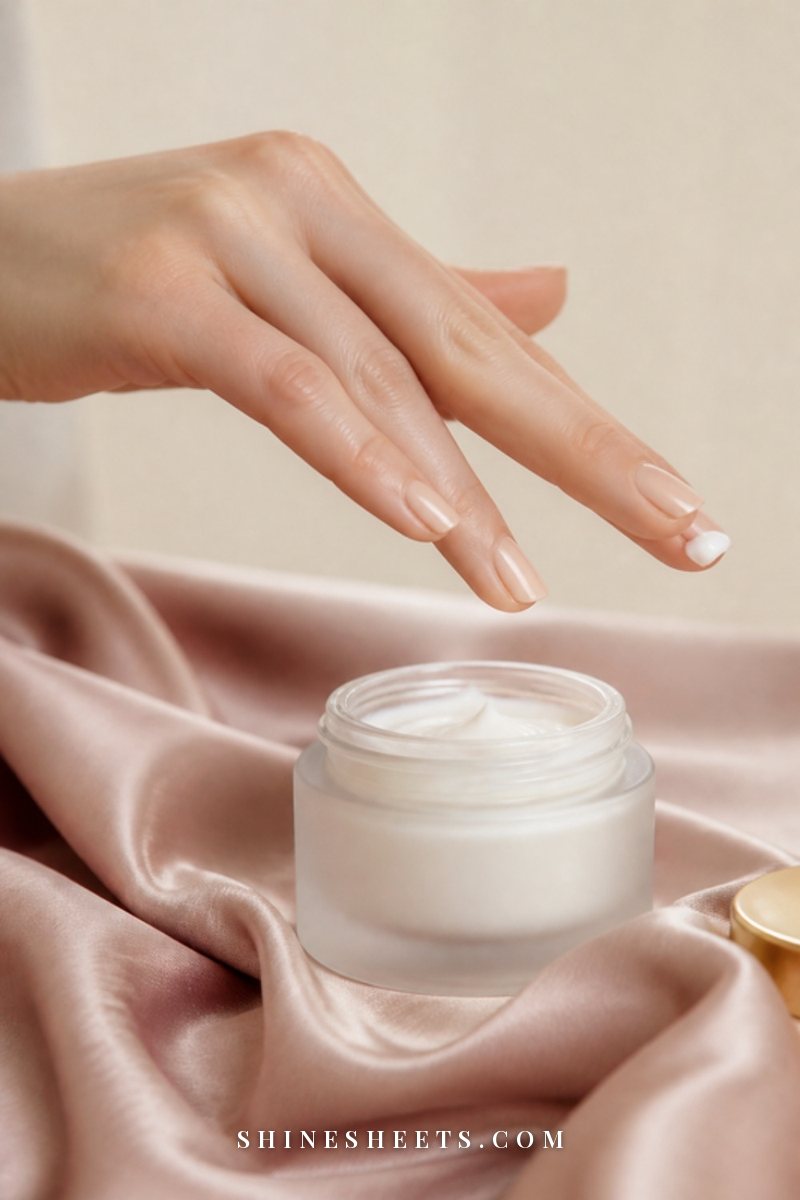
- Use a rice-grain amount for both eyes. That's it. Split it between your two ring fingers.
- Use your ring finger. It's naturally the weakest finger, so it applies the least pressure. A cooling metal applicator works well too.
- Tap along the orbital bone. Feel for the bony ridge that circles your eye. Dot the cream along that bone under the eye, from the inner corner to the outer corner, then up and along the brow bone if you want.
- Stay about a finger's width away from the lash line. The cream will naturally move closer as it warms up, so you don't need to apply it right at the edge.
- Pat, don't rub. Gentle tapping for 10–15 seconds helps it absorb without tugging delicate skin.
- Wait two to five minutes before concealer. This gives the cream time to settle so your makeup doesn't slide or pill.
A small metal eye cream applicator wand is a nice touch if you like a cooling sensation or have long nails that make finger application awkward. Clean it with a little soap and water every few days.
Morning vs Night: How To Split Your Eye Products
You don't need two eye creams. But if you love having a small ritual, splitting them by time of day makes sense, because the needs of the eye area change between morning and night.
Morning: lightweight, depuffing and protective. A caffeine gel or vitamin C serum, a thin layer of moisturizer and then sunscreen tapped gently around the orbital bone. Keep textures light so concealer sits well.
Night: repairing and nourishing. Peptides, a gentle retinoid on the nights you use it, or a rich ceramide cream on its own. Apply it at least 20 minutes before you lie down so less of it travels into your eyes while you sleep.
Once or twice a week, hydrating under-eye gel patches are a lovely extra for mornings when you need to look rested fast. Keep them in the fridge, leave them on for 10–20 minutes while you make your tea, then pat the leftover essence in. They won't change your skin long term, but they make concealer go on noticeably smoother.
7 Common Eye Cream Mistakes
A good formula can still disappoint if one of these is happening. Most of them are easy to fix.
1. Using Too Much
More product doesn't mean more results. Excess cream migrates into the eye, can cause milia (tiny white bumps) and makes concealer slide. A rice grain for both eyes is enough.
2. Applying It Right Up to the Lash Line
This is the number one cause of stinging and watery eyes. Stay on the orbital bone and let the product travel on its own.
3. Rubbing or Dragging the Skin
Tapping is enough. Rubbing makes the area red and irritated, especially with actives.
4. Starting a Retinol Eye Cream Every Night
Even eye-specific retinoids can cause dryness and flaking. Start twice a week, build slowly, and pause if you see redness or peeling.
5. Expecting a Cream To Fix Structural Bags or Hollows
Fat pads, hollows and genetic dark circles are about structure, not hydration. A cream can make the skin look better, but it can't change what's underneath. Knowing this saves a lot of money and disappointment.
6. Skipping Sunscreen Around the Eyes
Many people carefully avoid the eye area with SPF because it stings. That's where a lot of lines and pigment start. Choose a mineral or eye-friendly stick and wear sunglasses outdoors.
7. Giving Up After Two Weeks
Hydration works fast. Lines and pigment don't. Give any targeted ingredient at least eight weeks before you decide it isn't working, and take a photo in the same light on day one so you can compare fairly.
How To Patch Test an Eye Product
The eye area reacts more easily than the rest of your face, so a quick patch test is worth the patience, especially with retinoids, vitamin C or anything fragranced.
- Days 1–3: apply a small amount behind your ear or on the side of your neck, once a day.
- Days 4–6: if there's no redness or itching, apply it to a small spot on your outer cheekbone, near but not on the eye area.
- Day 7 onward: if everything is calm, start using it on one eye area for a couple of days, then both.
Stop if you notice itching, burning, swelling or a rash. A quick, kind safety note: if your eyelids become swollen, very red or itchy, or if your eyes themselves become painful or your vision changes, rinse with cool water and check in with a doctor or pharmacist. Sudden puffiness that comes with itching can also be an allergy rather than a skincare issue, and that's worth getting looked at rather than covering up.
What Results To Expect (and When)
Realistic expectations are what make you stick with a product long enough for it to work. Here's a rough timeline for most people using a well-chosen eye product daily:
- Right away: smoother texture, softer dryness lines, concealer that sits better.
- Within minutes in the morning: less puffiness from caffeine and cold (temporary).
- After 2–4 weeks: under-eyes feel more comfortable and look less crepey.
- After 8–12 weeks: fine lines may look softer with peptides or retinoids, and brownish circles may look a little lighter with vitamin C or niacinamide plus daily SPF.
- Not from a cream: removing deep wrinkles, true under-eye bags or genetic hollows.
The lifestyle side helps more than we'd like to admit: sleep, sunglasses, less rubbing (especially if you have allergies), removing eye makeup gently, and sleeping with your head propped up a little if you wake up puffy. None of it is glamorous, but together with a good cream it adds up to eyes that simply look more rested.
Final Thoughts
You don't need an eye cream to have lovely, healthy-looking eyes. If your moisturizer is gentle and your under-eyes feel comfortable, you're already doing enough. If they're dry, puffy, reactive or starting to show lines, a well-chosen eye product with the right ingredient for your concern is a small, worthwhile step.
Pick one concern, choose one formula, use a rice-grain amount on the orbital bone and give it a couple of months. Your eyes do so much for you every day, and a gentle, patient routine is a lovely way to take care of them in return.