Sugaring and waxing get you to the same place: smooth skin that stays smooth for a few weeks. The real difference is the road there. One leans gentle and patient, the other leans fast and strong, and the right choice depends far more on your skin, your hair and your schedule than on which one is trending.
That's also why "which is better" never has one answer. Someone with sensitive skin and fine hair might fall in love with sugaring, while someone with thick, coarse leg hair and little free time might never look back from waxing. Both are lovely when they match the person.
This guide compares sugaring vs waxing honestly: what each one is, how they stack up on pain, hair length, sensitive skin, ingrown hairs, cleanup, cost and body areas, a side-by-side table, five questions to help you decide and the before and after care that works for both. If you're after the step-by-step technique for waxing itself, my beginner's guide on how to wax at home covers that part in detail.
What Sugaring Is
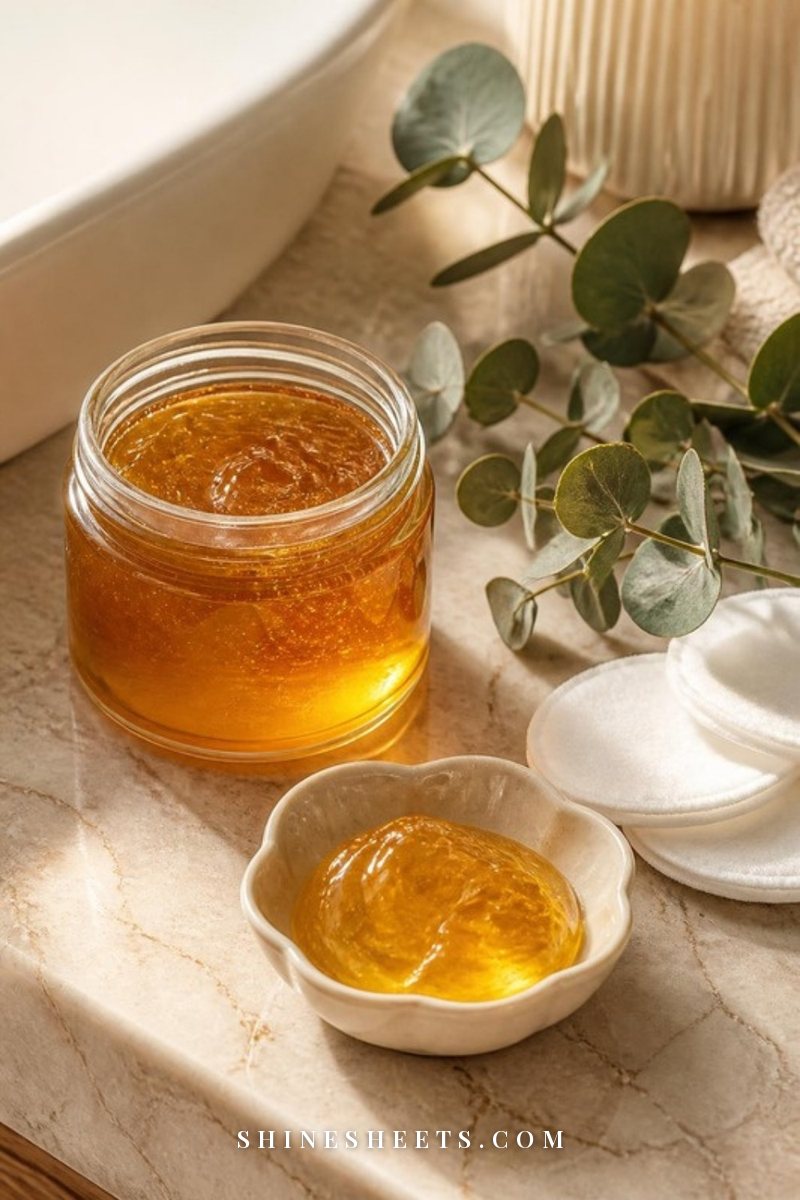
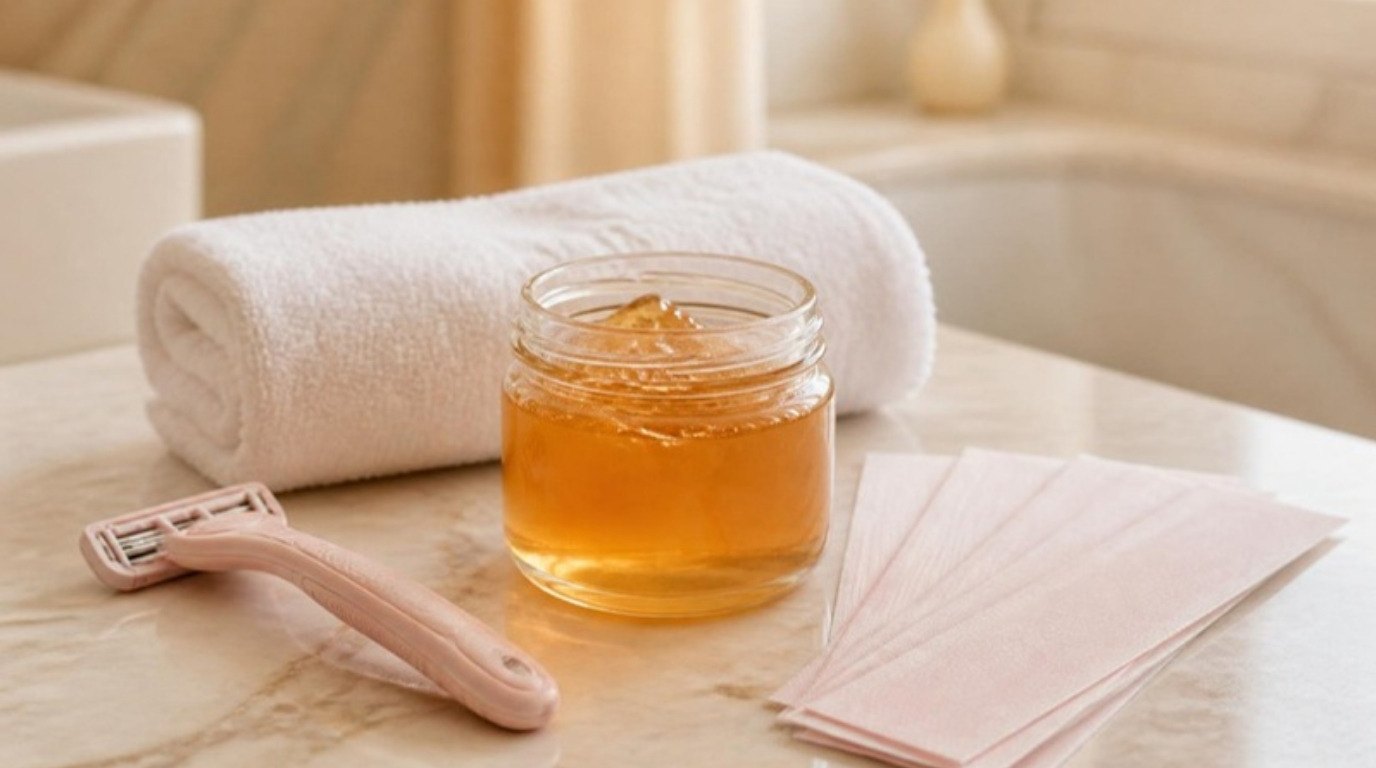
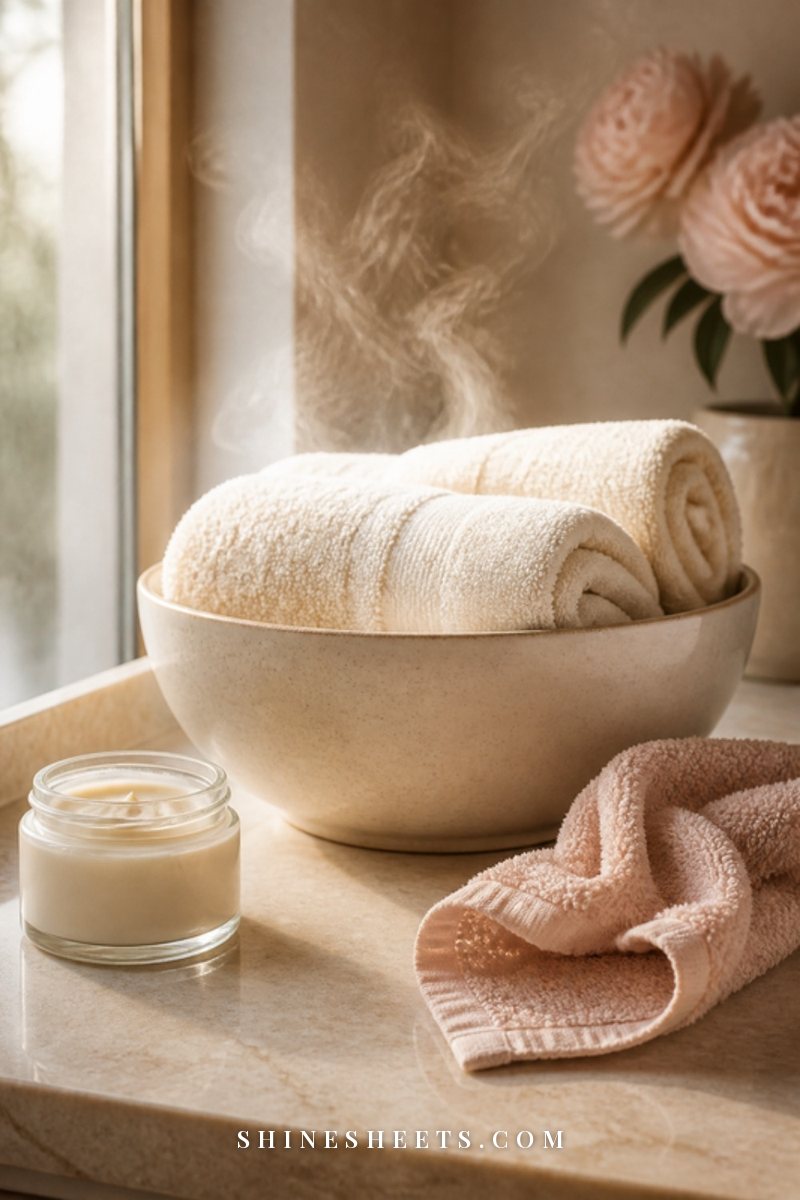
Sugaring uses a thick, amber-colored paste traditionally made from sugar, lemon juice and water. That's it. It's used at body temperature or just slightly warm, never hot.
The technique is what makes it different. The paste is pressed onto the skin against the direction of hair growth, molded with the hand a few times so it wraps around each hair, and then flicked off quickly in the direction the hair grows. Because the hair leaves the follicle the way it naturally grows, it tends to break less. The paste also sticks mostly to the hair and to dead surface skin rather than gripping living skin.
The same ball of paste can be reused across one area of the same person until it gets too stringy, and anything left behind dissolves with plain warm water. It does take practice. The flicking motion feels awkward at first, and most people need a few sessions before it clicks.
What Waxing Is
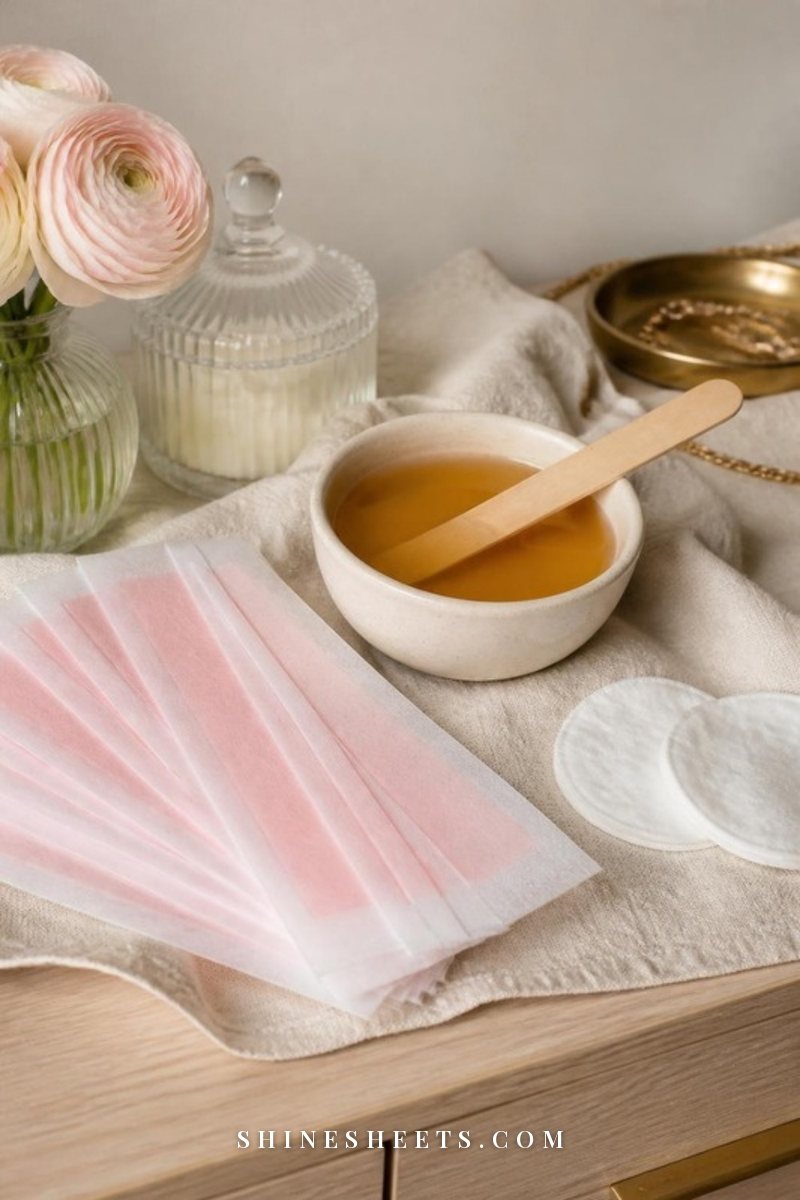
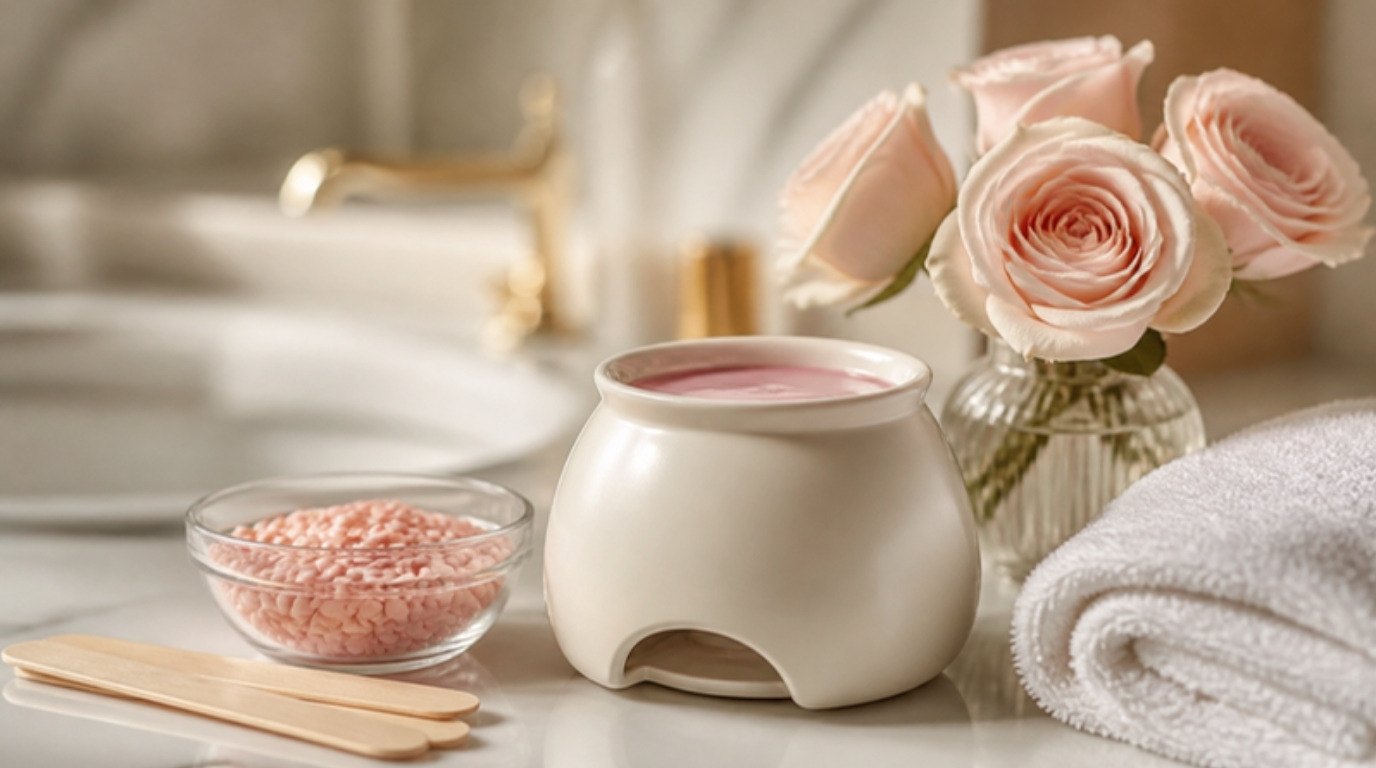
Waxing uses a resin-based wax, warmed until it's spreadable. It comes in two main types:
- Soft wax (strip wax). Spread thinly with the direction of hair growth, covered with a cloth or paper strip and pulled off quickly against the growth. Fast and great for big areas like legs.
- Hard wax (stripless wax). Applied thicker, left to set until firm and then pulled off by its own edge, no strip needed. It shrink-wraps around the hair and grips the skin less, which makes it the kinder option for underarms, bikini line and face.
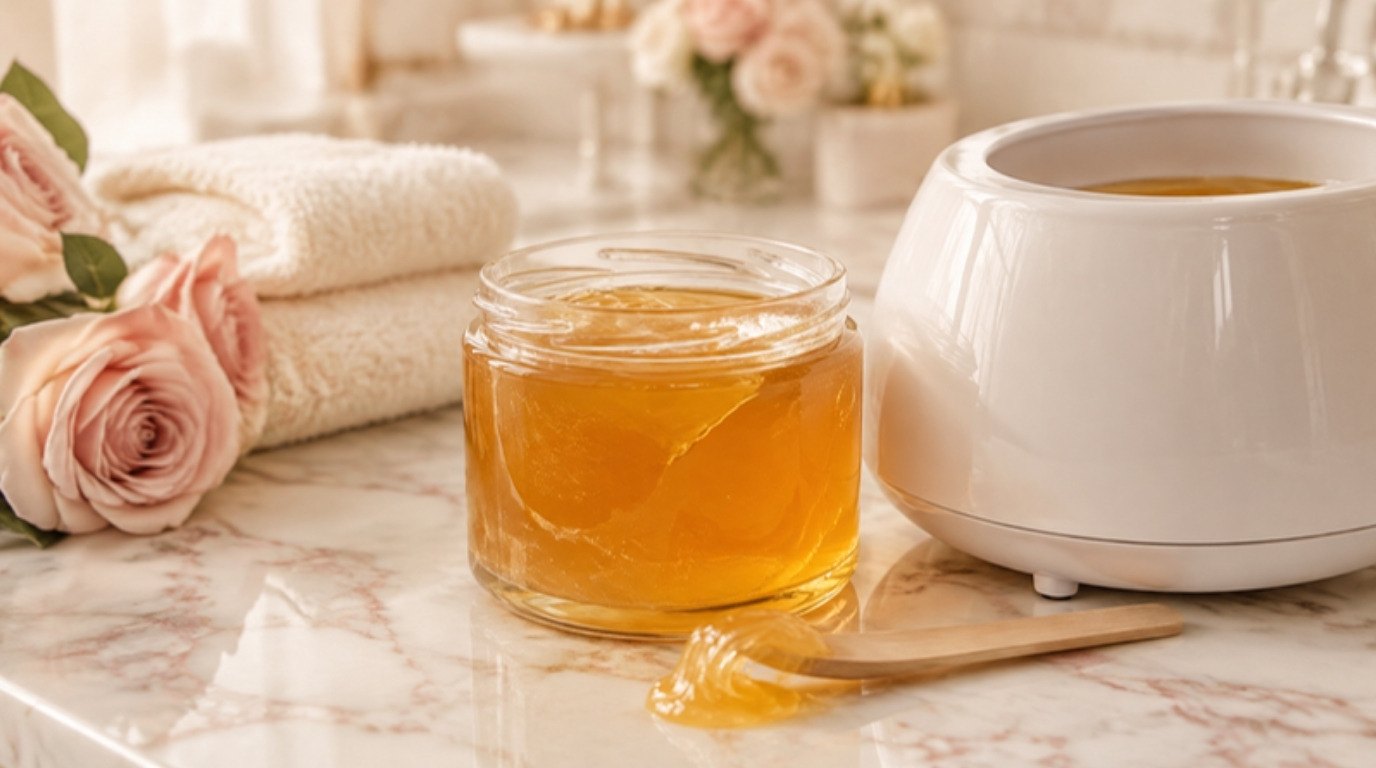
Waxing is quick once you get the hang of it, widely available in salons and easy to find in ready-to-use kits. The trade-off is heat (you need to check temperature every time), stickier cleanup and a pull against the hair growth, which can feel sharper and break more hairs if your technique is rushed.
Sugaring vs Waxing: The Side-by-Side Table
Here's the full comparison in one place. Screenshot it before your next appointment or kit order.
| Factor | Sugaring | Waxing | Winner for… |
|---|---|---|---|
| Ingredients | Sugar, lemon and water | Resins, waxes, sometimes oils and fragrance | Sugaring, if you like a short ingredient list |
| Temperature | Body temperature to lukewarm | Warm to hot (needs a temperature test) | Sugaring, for heat-sensitive skin |
| Direction of pull | With hair growth | Against hair growth | Sugaring, for less hair breakage |
| Hair length needed | About 1/8 inch (roughly a grain of rice on its side) | About 1/4 inch | Sugaring, if you hate the in-between stage |
| Pain | Often described as a little gentler | Quick, sharper sting; hard wax is gentler than strips | Sugaring, slightly (it's personal) |
| Sensitive skin | Grips skin less, no heat | Hard wax is fine for many; soft wax can irritate | Sugaring |
| Ingrown hairs | Fewer broken hairs may mean fewer ingrowns for some | More breakage if technique is rushed | Sugaring, slightly |
| Coarse, thick hair | Works, but takes more passes | Grips coarse hair strongly | Waxing |
| Speed | Slower, small sections | Fast, especially strips on legs | Waxing |
| Learning curve at home | Steep: the flick takes practice | Easier to learn with a kit | Waxing |
| Cleanup | Dissolves in warm water | Needs oil-based remover; sticks to surfaces | Sugaring |
| Cost | Salon visits often a little pricier; paste lasts a while at home | Widely available, often cheaper per salon visit | Waxing, usually |
| How long results last | Roughly 3–5 weeks | Roughly 3–5 weeks | A tie |
If you count the rows, sugaring wins more of them, but notice where waxing wins: speed, coarse hair and ease of learning. For many busy people, those three matter most.
Pain: Which One Hurts Less?
Honest answer: both sting, and the first session is always the worst. Pain is personal, and it depends on the area, your hair, your cycle (many people feel more sensitive in the days before their period) and how relaxed you are.
Many people find sugaring a little gentler because the paste isn't hot and doesn't grip living skin as firmly. Hard wax comes close, since it also grips the hair more than the skin. Soft strip wax on delicate areas tends to be the sharpest feeling of the bunch.
Whatever you choose, a few things soften the experience: avoid caffeine right before (coffee sometimes makes me jittery anyway, and jittery plus wax is not a cute combination), breathe out slowly as each section comes off, press your palm onto the skin right after the pull and keep regular sessions. Hair that's removed every few weeks often grows back finer, which makes later sessions easier.
Hair Length and Coarse Hair
This is one of the most practical differences. Sugaring can usually grab hair as short as about 1/8 inch, while wax generally needs about 1/4 inch to get a good grip. That means fewer days of awkward in-between stubble with sugaring.
On the other hand, waxing grips thick, coarse hair strongly and removes a lot in one quick pull, which is why many people with dense leg hair prefer it. If your hair is very long (more than about half an inch), trim it a little before either method. Long hair tangles in the paste or wax and makes the pull more uncomfortable.
Sensitive Skin and Ingrown Hairs
If your skin goes red just looking at a new product (hello, fellow sensitive-skin people), sugaring is often the friendlier starting point. No heat, a short ingredient list and less grip on living skin all help. Hard wax is a good second choice. Soft strip wax is the one most likely to leave sensitive skin pink and blotchy for a while.
Ingrown hairs happen when a hair breaks or curls back under the skin instead of growing out. Because sugaring pulls hair out in its natural direction, fewer hairs tend to snap, and some people notice fewer ingrowns. Good technique and gentle exfoliation matter far more than the method alone, though. My guide on how to get rid of ingrown hairs has calm prevention tips that work with both.
Whatever your skin type, patch test first: try a small spot, wait 24 hours and only continue if your skin looks calm.
Cleanup, Cost and Salon vs At Home
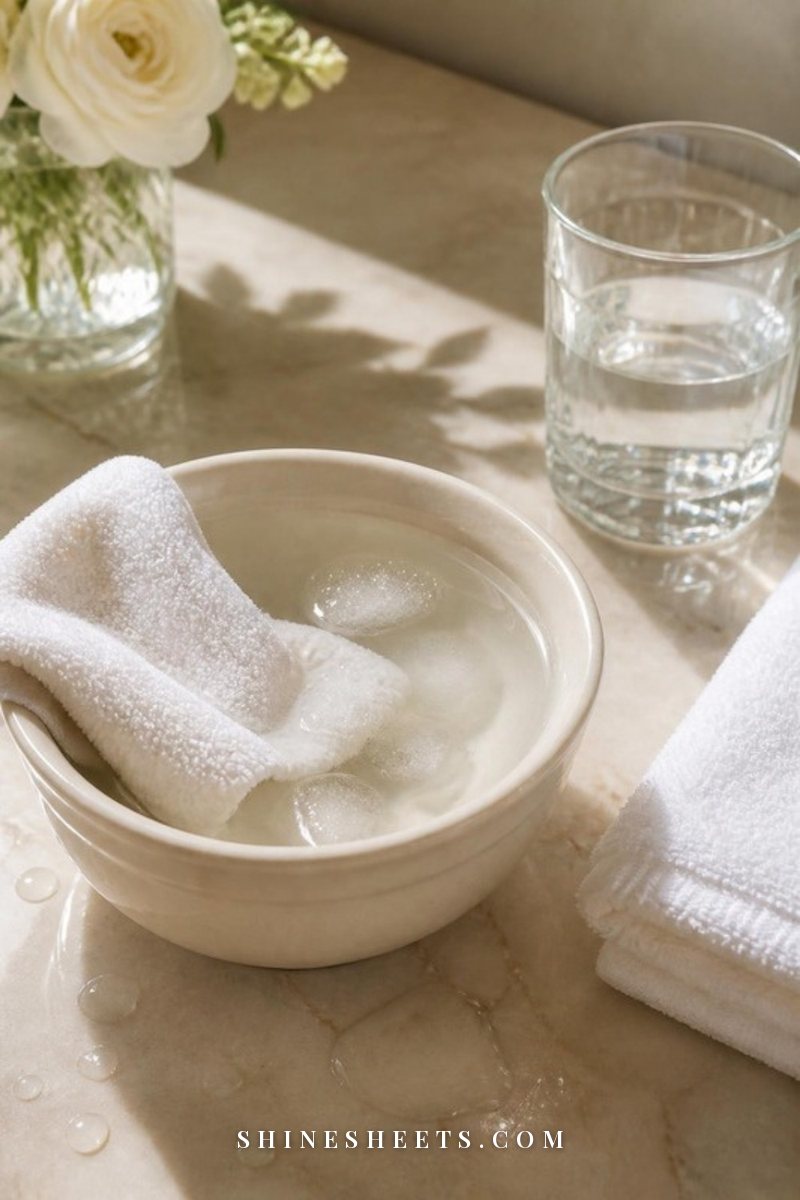
Cleanup. This is sugaring's quiet superpower. Sugar dissolves in warm water, so a drip on the floor, a sticky fingertip or a little residue on your skin wipes away with a damp cloth. Wax needs an oil-based remover and can cling to towels, counters and bathroom tiles. Keep a few dedicated soft cream cotton towels just for hair removal so your good ones stay perfect.
Cost. Salon sugaring is often priced a little higher than waxing, mostly because the technique takes longer to learn and to perform. At home, both are fairly affordable. A tub of ready-to-use sugaring paste lasts several sessions and skips any stovetop guesswork, while a wax warmer kit with hard wax beads costs a bit more upfront but gives you many sessions.
Salon vs at home. If you're new to either method, I'd honestly book one salon session first. Watching a professional shows you the hand movements, the right hair length and how your skin reacts. Bikini line, face and underarms are worth leaving to a pro until you feel confident. Legs are the easiest place to learn at home. For a broader look at all your choices, my guide to body hair removal options compared puts shaving, epilating and more side by side.
Which Body Areas Suit Each Method
Both methods can be used on most body areas, but each has its natural strengths:
- Legs: Waxing with strips is fastest. Sugaring works beautifully too, just more slowly.
- Underarms: Sugaring or hard wax. Hair here grows in several directions, so work in small sections and follow each patch's growth.
- Bikini line: Sugaring or hard wax, ideally done by a professional the first time.
- Upper lip and chin: Sugaring is a gentle favorite; hard wax works too. Skip both if you use prescription retinoids on the face.
- Arms: Either one; fine hair often responds nicely to sugaring.
- Eyebrows: Best left to a professional with either method, close to the eye is not a beginner zone.
Who May Prefer Sugaring
Sugaring might be your match if you have sensitive or reactive skin, prefer short ingredient lists, dislike heat on your skin, struggle with ingrown hairs, can't stand growing hair to 1/4 inch, or simply love an easy cleanup. It's also a calm choice if you don't mind a slower, more mindful session. Put on a playlist, light a glass candle and take it section by section.
One small tip if you go the sugaring route at home: keep your hands cool and dry. Warm, damp hands make the paste soften and stick to your fingers instead of the hair. A quick rinse in cool water and a pat dry between sections keeps the paste workable for much longer.
Who May Prefer Waxing
Waxing might suit you better if you have thick or coarse hair, want to get large areas like legs done quickly, prefer a method that's easy to learn at home, or want the widest choice of salons near you. If your skin is a little sensitive, choose hard wax over strips and check the temperature on your inner wrist every single time.
Waxing also rewards a steady rhythm. Work in small sections, hold the skin taut with your free hand and pull close and parallel to the skin rather than straight up. Pulling upward is what makes the sting sharper and leaves more broken hairs behind, so a low, quick pull is kinder on every level.
5 Questions To Help You Decide

Still torn? Answer these five honestly. You'll usually know by the end.
1. How Sensitive Is Your Skin?
If fragrance, heat or new products often leave you red or itchy, lean toward sugaring, or hard wax as a second choice. If your skin rarely reacts, both are open to you.
2. How Long Can You Let Your Hair Grow?
If two weeks of stubble feels impossible, sugaring's shorter minimum length is a real advantage. If you don't mind waiting until hair reaches about 1/4 inch, waxing is fine.
3. How Thick and Coarse Is Your Hair?
Fine to medium hair does well with either. Very thick, coarse hair is often easier with wax, which grips strongly and clears a lot in one pass.
4. Salon or Home, and How Patient Are You?
Going to a salon? Both are great, so choose by your skin and budget. Doing it at home? Waxing is easier to learn. Sugaring rewards patience: expect a few clumsy sessions before the flick feels natural.
5. How Much Do Time and Cleanup Matter?
If you want speed above all, waxing wins. If sticky counters and oily removers make you want to give up, sugaring's warm-water cleanup will make you very happy.
Mostly sugaring answers? Start there. Mostly waxing? Go with wax, ideally hard wax for small areas. A mix? Try one of each across two cycles and let your skin vote.
Before Care for Both Methods
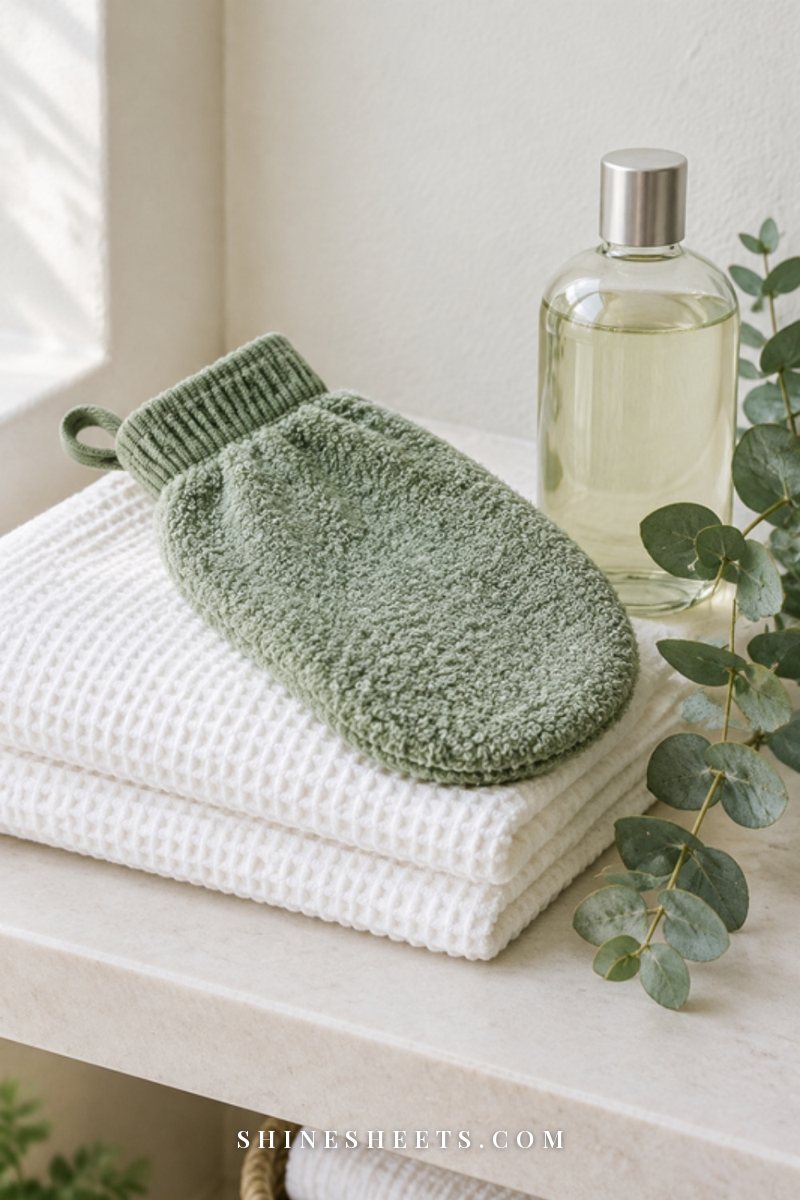
The same prep works for both, and it makes a bigger difference than the method itself:
- Exfoliate gently about 2 days before. A light pass with a gentle exfoliating mitt in the shower lifts dead skin so the hair comes out more easily. Don't scrub hard and don't exfoliate on the day itself. My guide on how to exfoliate your body explains a gentle routine.
- Pause retinoids and acids. Skip retinol, prescription retinoids and AHA or BHA exfoliants on the area for several days before (about a week for retinoids is a common guideline). These thin the top layer of skin, and wax or paste can lift it. If you use prescription acne treatment, ask your doctor or dermatologist first.
- Check your hair length. About 1/8 inch for sugaring, about 1/4 inch for wax. Trim anything much longer.
- Arrive with clean, dry skin. No lotion, oil or deodorant on the area on the day. Some salons dust a little powder on the skin before waxing, while sugaring prefers bare, dry skin.
- Patch test. Try a small area first, especially with a new product or on sensitive skin.
Aftercare for Both Methods
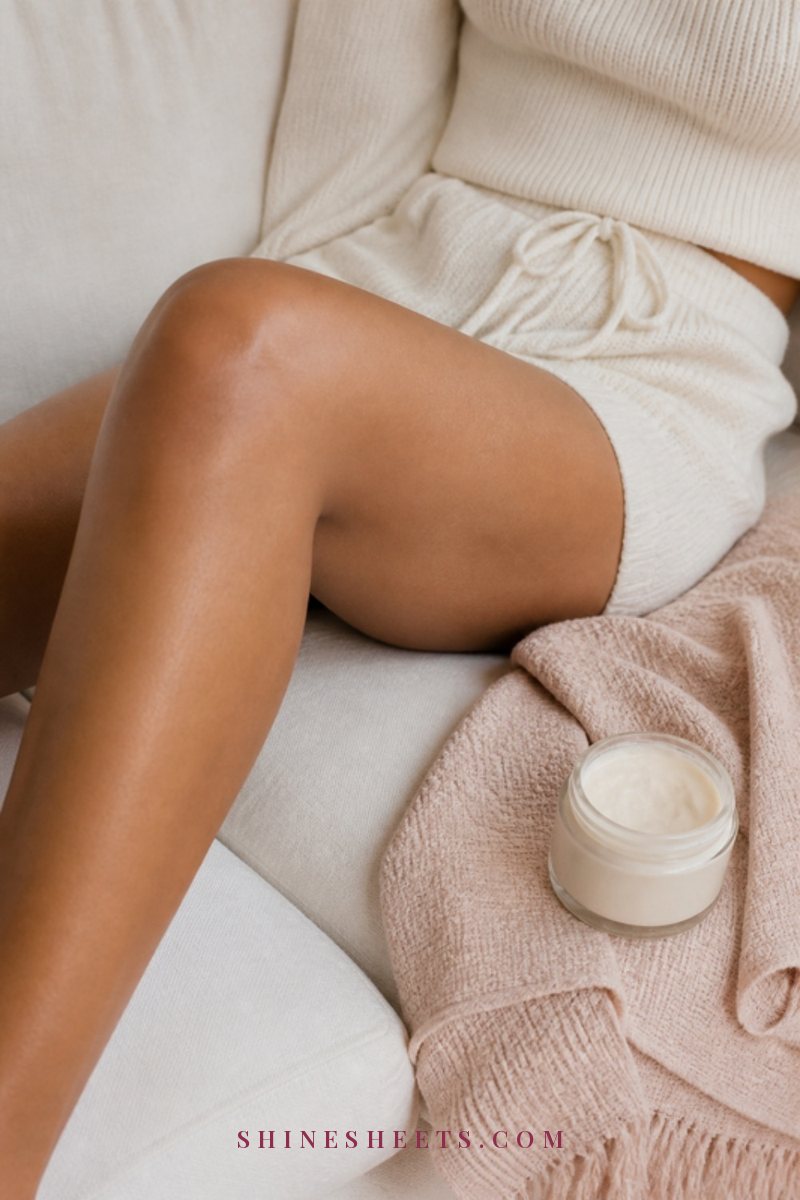
The first 24 hours matter most. Your follicles are open and a little tender, so give them a quiet day:
- No hot baths, saunas or steam rooms for 24 hours. Lukewarm showers are fine.
- No sun or tanning for 24 hours. Freshly treated skin can burn or darken more easily.
- No tight clothes for 24 hours. Friction on fresh skin invites bumps. Something loose, like soft cream cotton lounge shorts, is perfect after a leg or bikini session.
- Skip sweaty workouts and fragranced lotions for the rest of the day.
- Soothe with a calming gel. A thin layer of fragrance-free soothing gel cools any redness. Aloe or panthenol gels are simple, gentle picks.
- Restart exfoliation after about 48 hours, gently, two or three times a week, to help prevent ingrown hairs. Daily moisturizing keeps everything soft, and my smooth legs routine shows how to fit it into your week.
Safety Notes Worth Knowing
A few kind but firm rules for both methods:
- Never sugar or wax broken, sunburned, irritated or freshly scrubbed skin, and skip moles, warts, cold sores and active breakouts.
- Always test wax temperature on your inner wrist before it touches the area.
- If you've used isotretinoin or other strong acne medication in the past several months, have diabetes or circulation concerns, or are pregnant, check with your doctor before waxing or sugaring.
- Expect some redness and small bumps for a few hours. If you notice blistering, lasting swelling or signs of infection, stop and see a doctor.
And if you'd love fewer sessions altogether, my guide to at-home IPL hair removal explains who long-term reduction suits.
Final Thoughts
Sugaring and waxing are both good, kind ways to get smooth skin, and neither one is the "right" answer for everyone. Sugaring tends to win on gentleness and cleanup; waxing tends to win on speed and coarse hair.
Choose the one that fits your skin, your hair and your patience, prep a couple of days ahead and give your skin a quiet day afterward. Smooth skin is always your choice, never an obligation, and either road gets you there beautifully.