Panthenol is one of those quiet ingredients that rarely gets a spotlight, yet it shows up in half the soothing creams, after-sun gels and conditioners on the shelf. That's not an accident. It does a simple job very well: it helps skin and hair hold on to water, and it makes stressed, tight, slightly cranky skin feel comfortable again.
If your skin is easily irritated, if you've overdone an exfoliant, or if your hair feels straw-like by the end of the week, panthenol is worth knowing by name. It's gentle, it plays nicely with almost everything, and it doesn't ask you to change your whole routine. It took me a while to understand that the most helpful ingredients are often the least dramatic ones.
This guide is all about panthenol (also called provitamin B5) for skin and hair. You'll find what it actually is, its main benefits, who it suits, how to spot it on an ingredient list, which product types make the most sense, a "where to use panthenol" table, and how to layer it with ceramides and hyaluronic acid.
Think of it as the friend in your routine who always brings a blanket. Let's get to know it properly.
What Panthenol Actually Is
Panthenol is a form of vitamin B5 (pantothenic acid). On labels you'll usually see it as "panthenol", "D-panthenol" or "dexpanthenol". It's called a provitamin because, once it's absorbed into the skin, it converts into pantothenic acid, which skin cells use in their everyday repair and maintenance work.
In practical terms, panthenol does two main things:
- It's a humectant. Like glycerin or hyaluronic acid, it attracts water and helps hold it in the upper layers of your skin and in the hair shaft.
- It's soothing. It's widely used in products for irritated, sensitized or recovering skin because it helps calm that hot, tight, uncomfortable feeling.
It's also very well tolerated. Panthenol has been used in skincare, baby care and hair care for decades, which is one reason you'll find it in products for everything from chapped lips to post-shave redness. It's not a trendy hero ingredient that promises to change your face in a week. It's a dependable support ingredient that makes the rest of your routine feel kinder.
If you've read my guide to how hyaluronic acid works, panthenol will feel familiar: both pull in moisture, but panthenol adds that extra calming, comforting quality.
5 Panthenol Benefits for Skin
Here's what panthenol can realistically do for your skin. None of this is miraculous, and that's exactly why it's so useful: these are small, steady improvements you can feel within days.
1. Hydration That Doesn't Feel Heavy
Panthenol draws water into the skin and helps keep it there, so skin feels plumper and softer without a greasy layer on top. That makes it a lovely option if you have combination skin like mine (shiny T-zone, drier cheeks), because you get comfort on the dry areas without feeling like you've coated your nose in cream.
Look for it in water-based serums and gels if you want the lightest feel. A lightweight panthenol serum pressed into damp skin morning and night is one of the simplest ways to try it. Use two or three drops, warm them between your fingertips and press, don't rub.
2. Barrier Support
Your skin barrier is the outermost layer that keeps water in and irritants out. When it's compromised, skin feels tight, stings with products that never used to bother it, and looks flaky or red. Panthenol supports the barrier by improving hydration and helping skin feel more resilient while it repairs itself.
It works best as part of a team. On its own, a humectant pulls in water. Paired with barrier lipids (like ceramides) and something occlusive on top, it helps that water actually stay put. If your barrier feels truly upset, my guide on how to restore your skin barrier fast walks you through a full calm-down routine.
3. Calming After Sun, Wind or Irritation
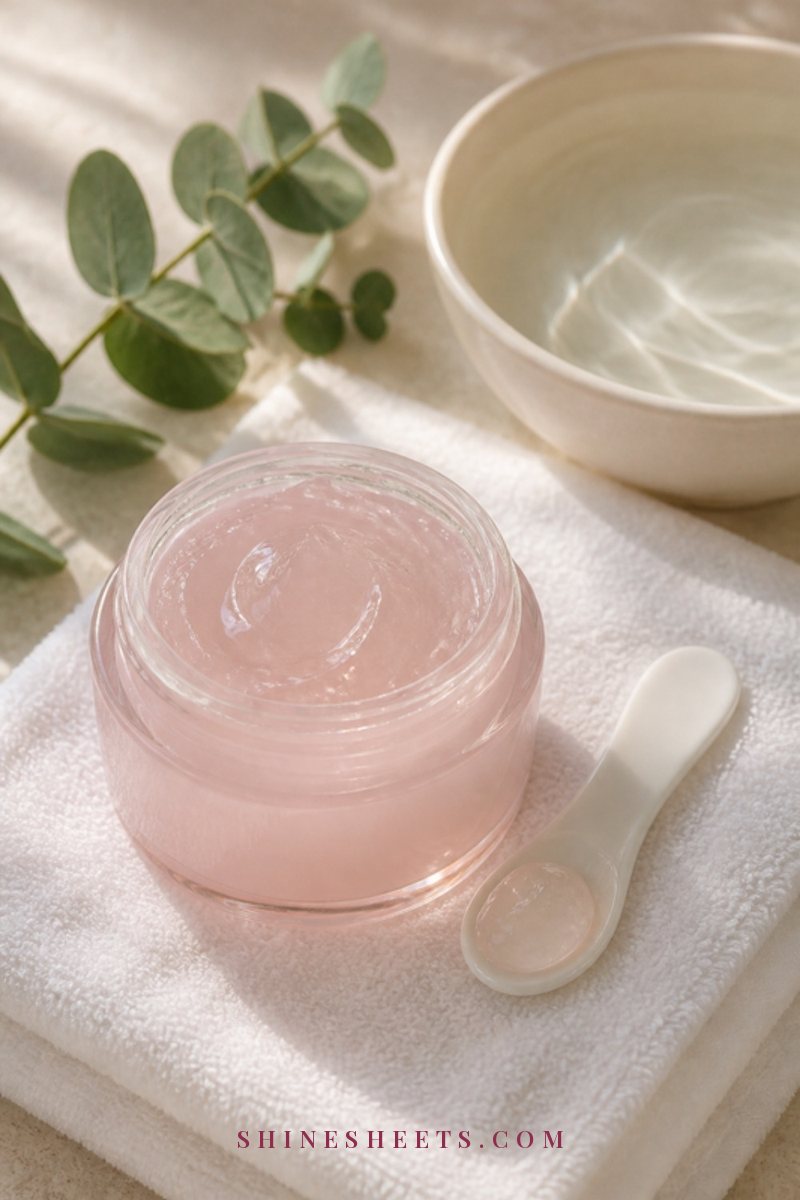
This is panthenol's classic role. After a little too much sun, a long walk in cold wind, a hot shower or an overly enthusiastic exfoliating session, a panthenol gel or cream helps skin feel cooler and less tight. It's why you see it in so many after-sun and "repair" products.
Keep it simple: cleanse with lukewarm water, pat dry, apply a thin layer of a panthenol gel or cream, and skip anything active (acids, retinoids, vitamin C) for a night or two. A gentle note here: panthenol is soothing, but it's not a treatment for a real sunburn with blisters, swelling or pain. That needs proper care and, if it's severe, a doctor.
4. Helping Skin Recover After Actives
If you use retinol, exfoliating acids or other strong actives, panthenol is a wonderful buffer. It doesn't cancel out what those ingredients do. It simply helps your skin cope with them, so you're less likely to end up dry, peeling and frustrated.
A gentle approach: on nights you use an active, follow it with a moisturizer that contains panthenol. On rest nights, make panthenol the star of the routine. Many people find this simple rhythm lets them stay consistent with actives without that sandpaper feeling.
5. Comfort for Lips and Dry Patches
Thick panthenol balms are brilliant for spot care: chapped lips, the dry corners of your nose during a cold, rough knuckles, a flaky patch on your chin. A tiny amount of a rich panthenol repair balm on those spots before bed feels like a warm compress for your skin.
Use a rice-grain amount and pat it on. Balms are occlusive, so they're best kept for small dry areas rather than your whole face, especially if you're breakout-prone.
Panthenol Benefits for Hair
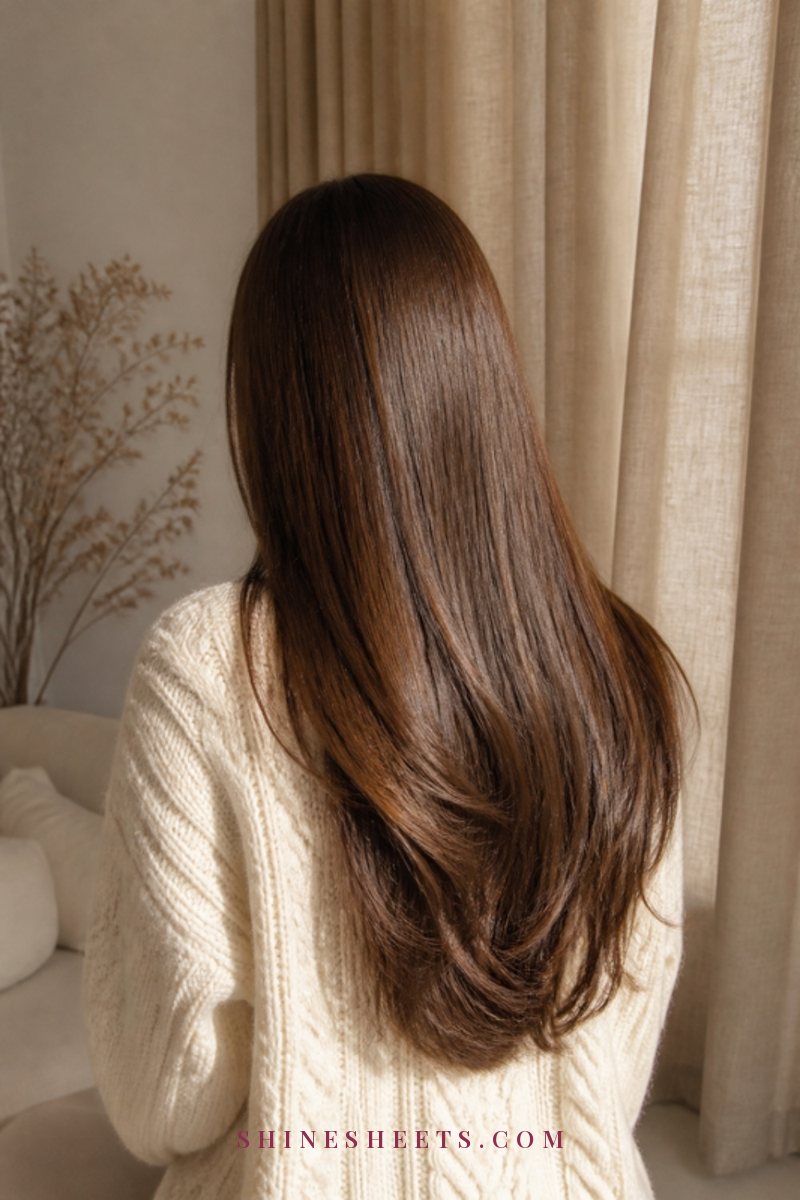
Panthenol has been a hair care staple for a long time, and for good reason. It's a humectant for hair too, so it helps the hair shaft hold a little more moisture. Here's what you can realistically expect:
- Softer, more manageable hair. Hydrated strands bend instead of snapping, and they're easier to detangle.
- More shine. Panthenol forms a light film on the hair that helps it reflect light, so hair looks smoother and healthier.
- Less breakage from dryness. It can help reduce breakage that comes from brittle, thirsty hair. It won't repair split ends (nothing truly can except a trim), but it can make hair more flexible day to day.
- A little extra body. Because it coats each strand lightly, some people find fine hair feels slightly fuller after using a panthenol conditioner.
The easiest way to get these benefits is through a moisturizing panthenol conditioner used on your lengths and ends, left on for two to three minutes, then rinsed with cool-ish water. If your hair snaps easily, my guide on how to stop hair breakage covers brushing, heat and the small habits that make the biggest difference.
One honest caveat: panthenol does not make hair grow faster or thicker from the root. It improves how the hair you already have feels and behaves, which is still very worth having.
Who Panthenol Suits
The short answer is almost everyone. Panthenol is one of the gentlest, most widely tolerated ingredients in skincare. It's especially helpful if you have:
- Sensitive or reactive skin that stings easily, flushes or feels tight after cleansing.
- Dry or dehydrated skin that drinks up moisturizer and still feels thirsty by lunchtime.
- Combination skin that needs hydration without heaviness on the oilier zones.
- Skin using actives like retinol or exfoliating acids, which can leave the barrier a bit tired.
- Weather-stressed skin from cold wind, indoor heating or a summer day spent outdoors.
- Dry, brittle or color-treated hair that tangles and snaps easily.
Oily and acne-prone skin can use panthenol too. Just choose lighter formats like gels and serums rather than rich balms over your whole face. If your skin is on the sensitive side, my sensitive skin routine shows how to build a short, calm routine where panthenol fits right in.
As with anything new, patch test first: apply a little behind your ear or on your inner arm for two or three days. Reactions to panthenol itself are rare, but other ingredients in the formula (fragrance, essential oils) can still bother sensitive skin.
How To Find Panthenol on Labels
Panthenol is easy to spot once you know the names. Scan the ingredient list (INCI) for any of these:
- Panthenol
- D-Panthenol or Dexpanthenol (the biologically active form)
- DL-Panthenol (a mix of the active form and its mirror version, still useful)
- Provitamin B5 (often used on the front of the packaging)
Where it sits on the list tells you something. Ingredients are listed from highest to lowest concentration, so if panthenol appears in the first five or six ingredients, the product is genuinely built around it. Products marketed for repair often contain around 5%, which is a nice, noticeable amount. If it's near the very end of a long list, it's more of a supporting player, and that's fine too, just keep expectations realistic.
A quick tip: "B5" in the product name usually signals a decent amount of panthenol, but always check the list rather than trusting the front label alone.
The Best Product Types for Panthenol
Panthenol works in almost any format, but each one suits a slightly different job. Here's how I'd think about choosing.
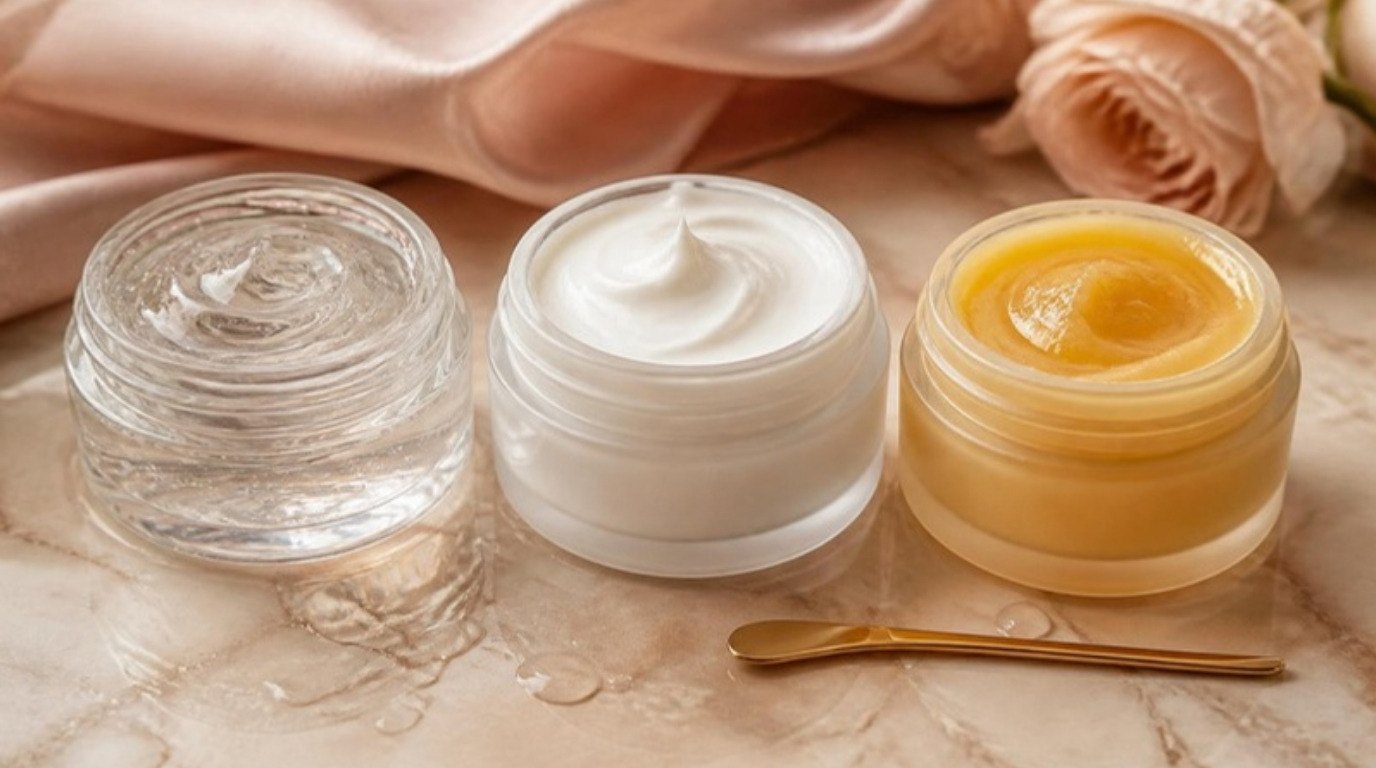
Serums and Hydrating Gels
Water-light and fast-absorbing, these are the most flexible way to add panthenol to a routine. They layer under moisturizer and sunscreen without pilling and suit every skin type, including oily. A B5 hydrating gel is a good pick for warm months, oily zones or anyone who dislikes the feel of cream. Use it on damp skin, morning and evening.
Creams and Moisturizers
A moisturizer that combines panthenol with ceramides and a little shea or squalane is the all-in-one option. It hydrates, supports the barrier and seals everything in. This is the format I'd choose for dry winter skin or for nights after using an active.
Balms and Ointments
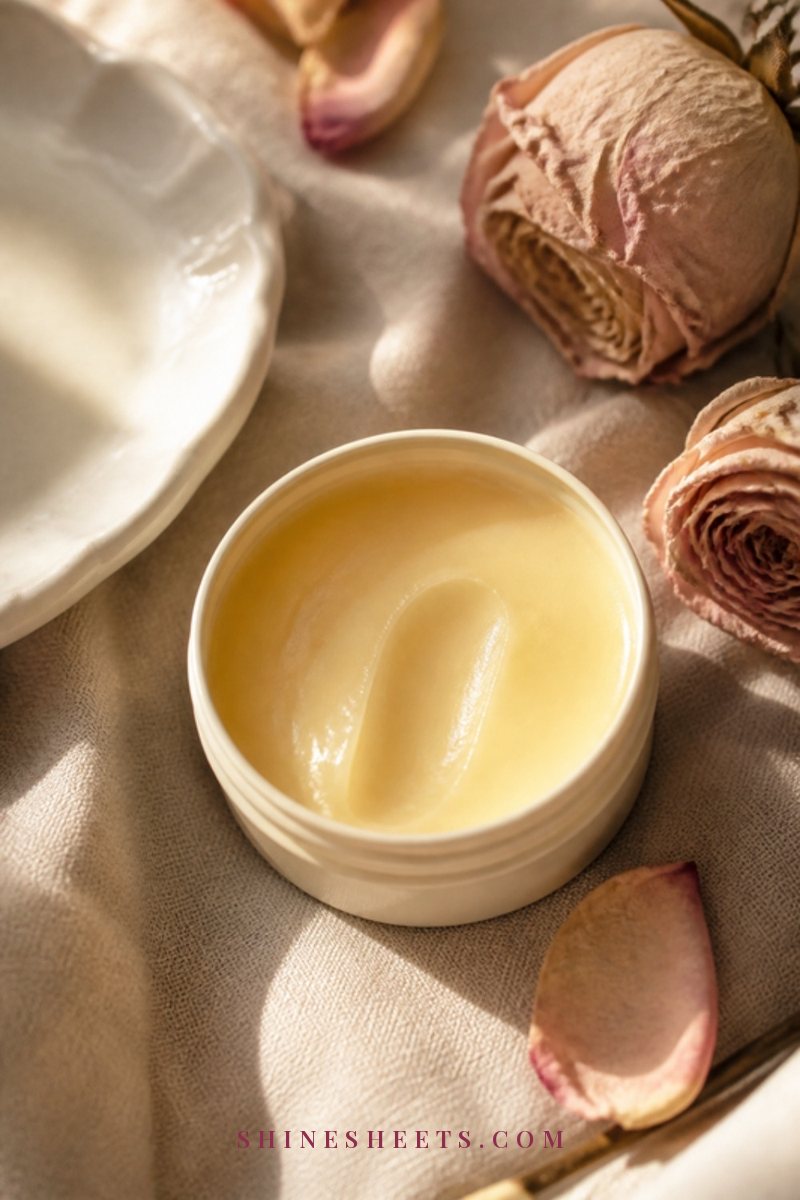
Thick, cushiony and occlusive. These are for spot care rather than all-over use: lips, dry patches, rough hands, the skin around your nose when you have a cold. A little goes a very long way, so a small tube or tin lasts for months. Apply at night, when nothing needs to sit nicely under makeup.
Conditioners and Leave-Ins
In hair care, rinse-off conditioners and light leave-in sprays are the easiest way to use panthenol. Rinse-off formulas suit most hair; leave-ins are lovely for dry, curly or color-treated lengths. Keep both away from the roots if your scalp gets oily quickly.
Where To Use Panthenol: A Quick Table
Here's a quick reference for matching the concern to the right product type and frequency. Screenshot it for the next time your skin or hair feels off.
| Concern | Product type | How often |
|---|---|---|
| Everyday dehydration (tight, dull skin) | Panthenol serum or hydrating gel | Morning and evening, on damp skin |
| Dry or winter skin | Cream with panthenol and ceramides | Every evening, mornings as needed |
| Irritation after exfoliating or retinol | Panthenol cream or gel, no actives | Twice daily for 2–4 days |
| Wind or mild sun stress | Cooling panthenol gel | As needed, 1–3 times a day |
| Chapped lips and dry patches | Panthenol balm or ointment | Before bed, plus once in the day |
| Post-shave redness on legs | Light panthenol gel or lotion | Right after shaving |
| Dry, tangly hair | Panthenol conditioner | Every wash |
| Brittle or color-treated ends | Panthenol leave-in spray | 2–3 times a week on lengths |
How To Layer Panthenol in Your Routine
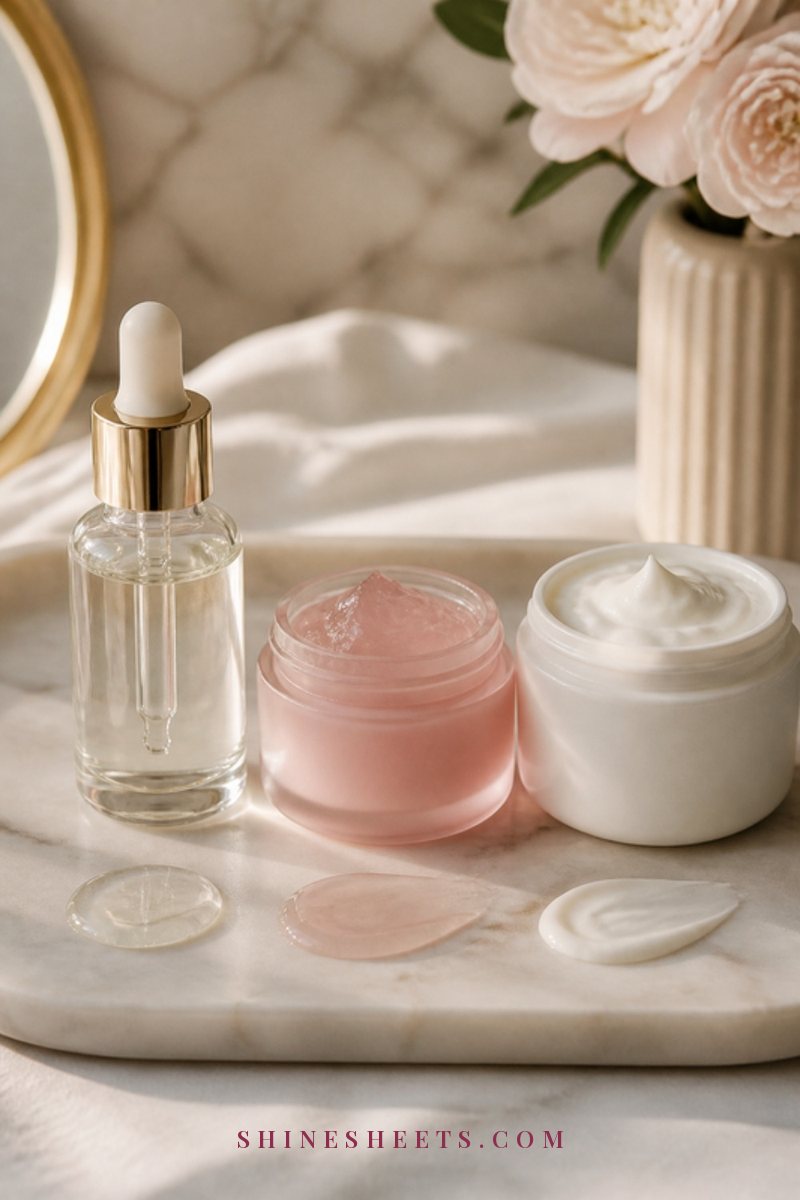
The golden rule of layering is thinnest to thickest, and panthenol follows it happily. Here's a simple order that works for most routines:
- Cleanse with a gentle, non-stripping cleanser and lukewarm water.
- Leave skin slightly damp. Humectants like panthenol work best when there's water for them to hold on to.
- Apply any treatment serum (vitamin C in the morning, for example) if you use one.
- Apply your panthenol serum or gel. Two or three drops, pressed in.
- Follow with moisturizer to seal in hydration. If your moisturizer already contains panthenol, you can skip step 4 on simple days.
- Finish with sunscreen in the morning, or a thin layer of balm on dry spots at night.
Panthenol is compatible with almost every common ingredient, including niacinamide, vitamin C, retinol, exfoliating acids, peptides and azelaic acid. There's no ingredient you need to keep it away from, which is rare and very convenient.
For hair, keep it equally simple: shampoo, squeeze out excess water, apply panthenol conditioner from mid-lengths to ends, wait two to three minutes, rinse. On dry days between washes, a light mist of a panthenol leave-in on your ends is plenty.
Pairing Panthenol With Ceramides and Hyaluronic Acid
If panthenol is the friend with the blanket, ceramides and hyaluronic acid are the friends who bring the tea and close the window. Together they cover all three things skin needs to stay comfortable:
- Hyaluronic acid pulls water into the skin (humectant).
- Panthenol also attracts water and calms irritation (humectant plus soother).
- Ceramides fill in the gaps between skin cells so water can't escape as easily (barrier lipid).
You don't need three separate products to get this combination. Many hydrating serums already pair hyaluronic acid with panthenol, and many barrier creams combine ceramides with panthenol. A simple, very effective routine is a hyaluronic and panthenol serum followed by a ceramide moisturizer. If you want the full picture on the barrier side, my guide to ceramides in skincare explains how to choose a good one.
A small formula to remember: damp skin + humectant + barrier cream = comfortable skin. It's not glamorous, but it works on almost every skin type.
How Long Until You Notice a Difference
One of the nicest things about panthenol is that you don't have to wait months to feel something. Here's a realistic timeline if you use it consistently:
- Right away: skin feels softer and less tight after application, and hair detangles more easily after a panthenol conditioner.
- After 3–7 days: fewer dry, flaky patches, less of that "stretched" feeling after cleansing, and calmer skin after wind or a hot shower.
- After 2–4 weeks: a more resilient barrier, so products that used to sting feel fine again, and hair that looks smoother and shinier from wash to wash.
If nothing has changed after four weeks of daily use, look at the bigger picture. A harsh cleanser, very hot water, too many exfoliating steps or a dry room can undo the good work faster than any single ingredient can fix it. A small humidifier in the bedroom and switching to lukewarm water often make as much difference as the product itself.
Common Panthenol Mistakes
Panthenol is forgiving, but a few habits can stop you from getting the most out of it:
- Applying it to bone-dry skin in a dry room. Humectants need water nearby. Apply to damp skin and always seal with a moisturizer, especially in heated rooms.
- Expecting it to fix everything. Panthenol supports comfort and hydration. It won't fade dark spots, clear acne or reverse fine lines by itself.
- Using a heavy balm all over oily skin. Keep thick formats for small dry areas, and use gels or serums elsewhere.
- Ignoring the rest of the formula. A panthenol product full of fragrance or alcohol can still irritate sensitive skin. Read the whole list.
- Putting rich conditioner on your roots. If your scalp gets oily, keep panthenol hair products on your lengths and ends.
- Giving up after one use. Hydration improves within days, but barrier repair takes a couple of weeks of consistency.
A Gentle Safety Note
Panthenol is considered very safe for everyday cosmetic use, and allergic reactions are uncommon. Still, any ingredient can disagree with someone. Stop using a product if you notice itching, burning that doesn't fade within a minute, swelling or a rash, and rinse with cool water.
If your skin is broken, weeping, infected, or if irritation keeps coming back no matter what you change, please see a dermatologist or doctor. Panthenol creams are comforting, but they're not a substitute for proper care when something more is going on. The same goes for sudden or patchy hair loss: that's a reason to get checked rather than to switch conditioner.
Final Thoughts
Panthenol won't make headlines, and that's part of its charm. It hydrates, it calms, it helps your barrier and your hair feel more resilient, and it gets along with almost every other product you already own. For sensitive, dry or simply tired skin, that kind of steady kindness is worth a lot.
Start with one product, a serum, a cream or a conditioner, and give it two weeks. Your skin doesn't always need something new and exciting. Sometimes it just needs to feel comfortable again, and panthenol is very good at that.