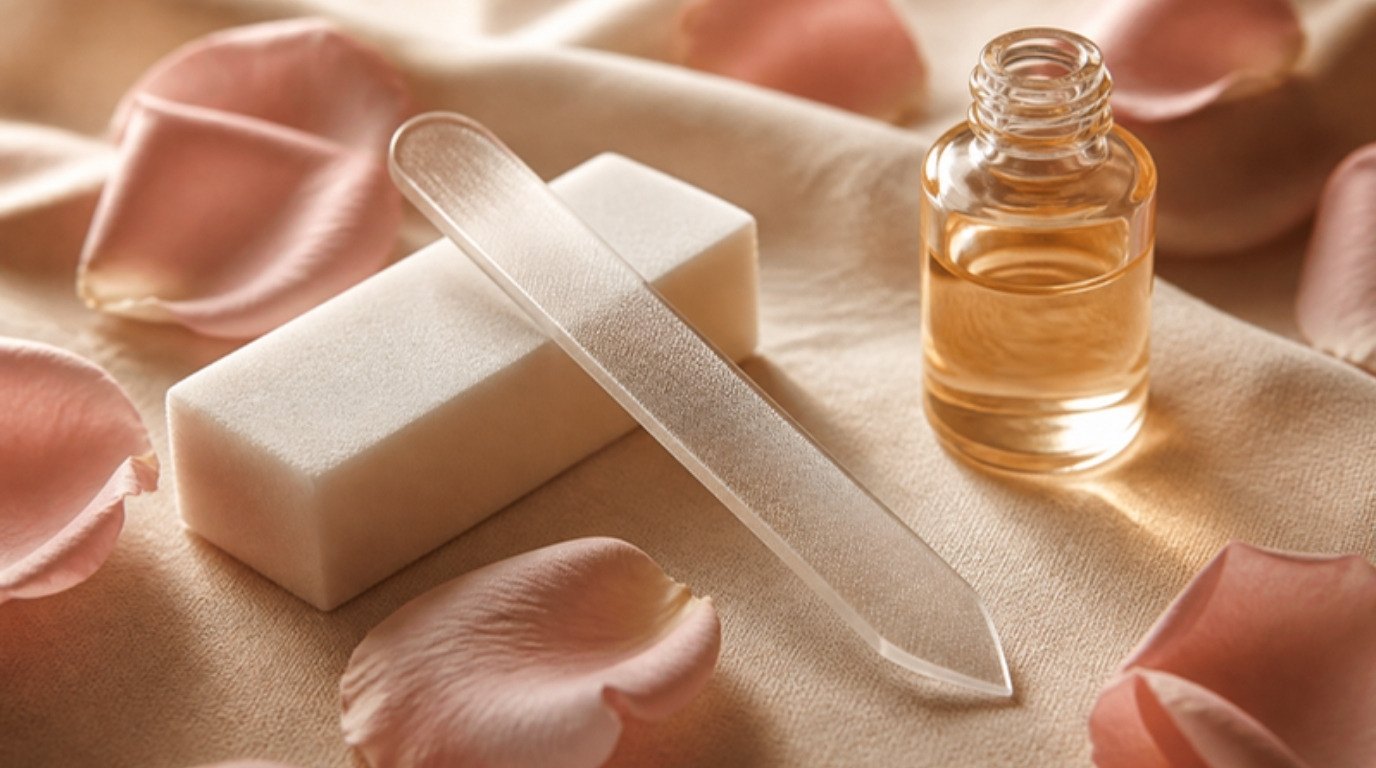
Soft, neat cuticles have very little to do with cutting and almost everything to do with moisture. The tidiest-looking nails usually belong to someone who oils a little every day and pushes back gently once a week, not someone who attacks their cuticles with sharp tools before every manicure.
That's good news, because it means the routine is simple, cheap and very hard to get wrong. Ragged, dry, peeling cuticles are almost always a sign of too much water, too much cold or too much picking, and each of those has an easy fix.
This guide covers everything you need for basic cuticle care: what the cuticle actually is (and what it isn't), why you should leave live skin alone, what makes cuticles dry and ragged, a weekly routine, an overnight rescue, how to stop picking, a do-and-don't cheat sheet and when it's time to see a doctor.
It took me a long time to accept that "less" really is the answer here. Once I stopped fussing and started oiling, my hands looked better within two weeks.
Cuticle vs Eponychium: What You're Actually Caring For

Most of us call the whole strip of skin at the base of the nail "the cuticle," but there are actually two different things there, and knowing the difference changes how you treat them.
- The cuticle is a thin, clear layer of dead tissue that sticks to the nail plate as it grows out from under the skin. It's the slightly see-through film you sometimes notice on the lower part of your nail. This part can be gently loosened and pushed or wiped away.
- The eponychium is the living fold of skin right at the base of your nail. It's what most people picture when they say "cuticle." It's soft, it has a blood supply and it forms a seal that protects the area where your nail grows.
Think of the eponychium as a little gate that keeps water, dirt and bacteria away from the nail matrix (the part that makes your nail). The goal of good cuticle care is to keep that gate soft, smooth and closed, while removing only the dead film on the nail itself.
If you'd like the bigger picture for the whole nail, my guide on how to take care of your nails covers shape, strength and everyday habits.
Why You Shouldn't Cut Live Skin
Cutting the living skin at the base of the nail looks neat for about a day. After that, it often grows back thicker, rougher and more uneven, which makes you want to cut it again. It's a cycle that gets worse each time.
Here's why it's worth breaking that habit:
- It opens the protective seal. Every tiny cut is an entry point for bacteria, and an infection at the nail fold is painful and slow to heal.
- It causes regrowth that looks worse. Skin that's been cut tends to heal with a ragged, hard edge.
- It can affect your nail. Damage near the matrix can sometimes show up later as ridges or white marks on the growing nail.
- It's easy to cut too deep. Even professionals nick the skin sometimes, and at home, with one hand, it's even trickier.
The only thing that should ever be trimmed is a hangnail: a small, loose, already-detached piece of skin sticking up on the side or base of the nail. Everything else gets softened, pushed and oiled.
Why Cuticles Get Dry and Ragged
Ragged cuticles are usually not a mystery. In most cases, it's one or more of these everyday things:
- Lots of water. Frequent hand washing, dishes and long showers swell the skin and then let it dry out, again and again. That swelling-and-shrinking cycle makes the skin crack and peel.
- Cold, dry air. In the colder months, low humidity pulls moisture from the thin skin around your nails very quickly.
- Hand sanitizer. Alcohol-based sanitizer is useful, but it's very drying for the skin around the nails, which is thinner than the rest of your hand.
- Picking and biting. Often done without noticing, especially when you're stressed or bored.
- Harsh removers. Acetone and strong cleaning products strip natural oils from the nail fold.
- Cutting. As above, cut skin grows back rougher.
When cold weather is the main problem, my winter hand care guide has extra tips for keeping the whole hand comfortable through the dry months.
Your Weekly Cuticle Care Routine in 6 Steps
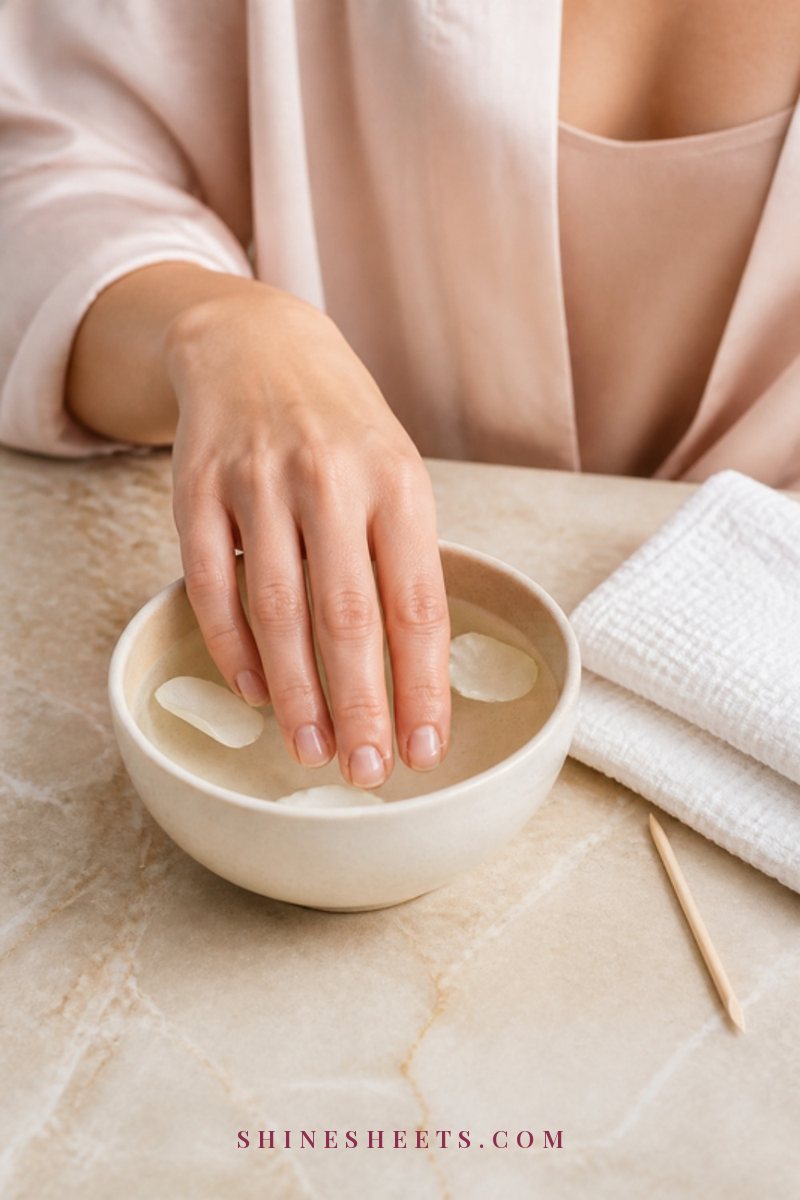
Once a week is plenty for pushing back. Choose a calm evening, put on something you enjoy and give yourself about 15 minutes. I like to do this right after a warm shower, when the skin is already soft.
1. Soften the Skin
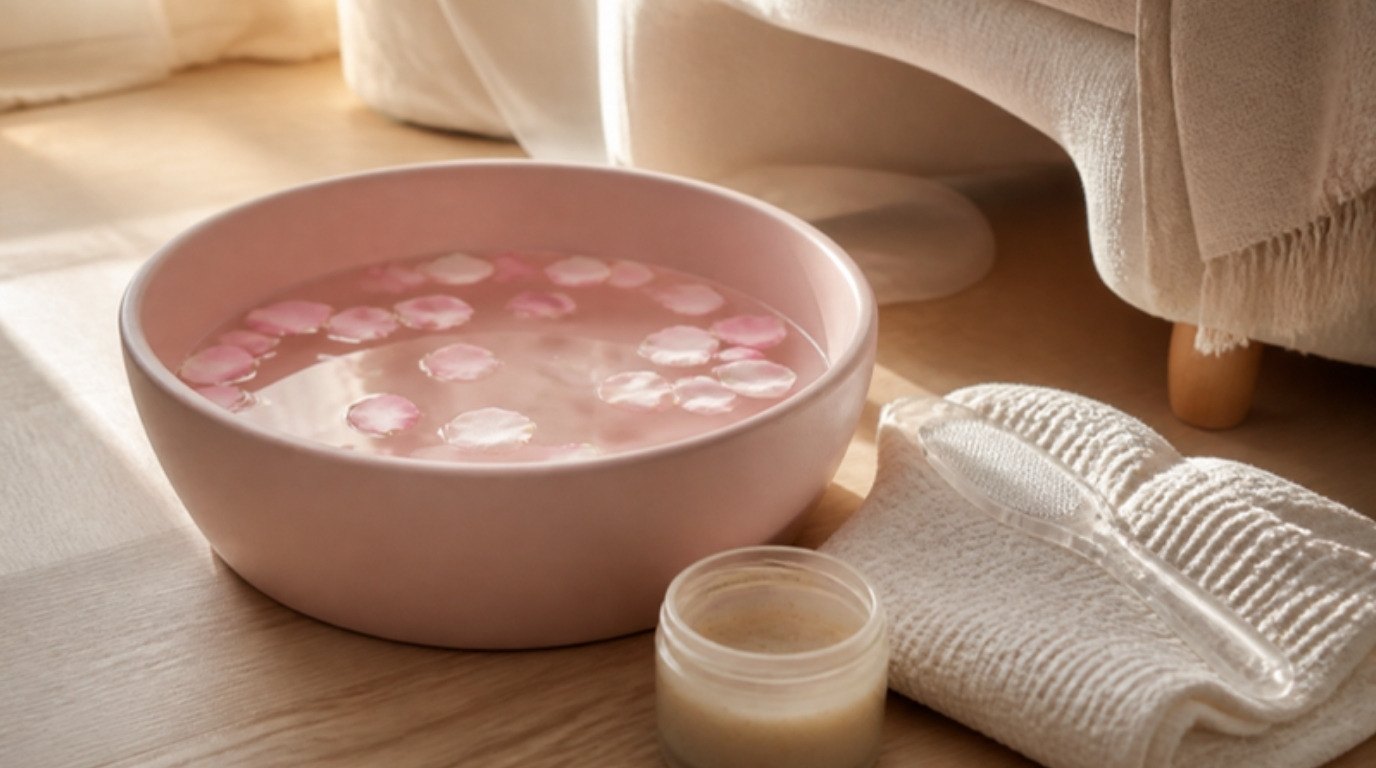
Soak your fingertips in a small bowl of warm (not hot) water for three to five minutes, or do your cuticle care straight after a shower. Soft skin moves easily and doesn't tear. Pat your hands dry gently with a towel afterward.
2. Apply Cuticle Remover Gel (Optional)
If the clear film on your nails is stubborn, a thin layer of cuticle remover gel along the base of each nail helps dissolve it. Leave it on only for the time written on the packaging (usually under a minute), then move to the next step. Rinse it off fully afterward, because it isn't meant to stay on the skin.
If your skin is sensitive, skip this step entirely. Warm water and a gentle push work fine for most people.
3. Gently Push Back
Use a soft tool – a wooden cuticle pusher or a rubber-tipped one – and hold it almost flat against the nail. With light pressure, push the skin back in small circles, moving from the center of the nail toward the sides. You're only easing the eponychium back a little and lifting the dead film from the nail plate.
A good rule: if you feel a sting or see redness, you're pushing too hard. Light pressure, a few passes, done.
4. Trim Only Hangnails
Look for tiny loose bits of skin sticking up. Snip those – and only those – with a small, sharp hangnail nipper, cutting close to the base of the loose piece without pulling. Never tear a hangnail off, because it usually rips into live skin. Wipe the nipper with rubbing alcohol before and after each use.
5. Wash and Dry
Wash your hands with a gentle soap to remove any remover gel and loosened film. Dry thoroughly, especially around the nails.
6. Oil and Moisturize
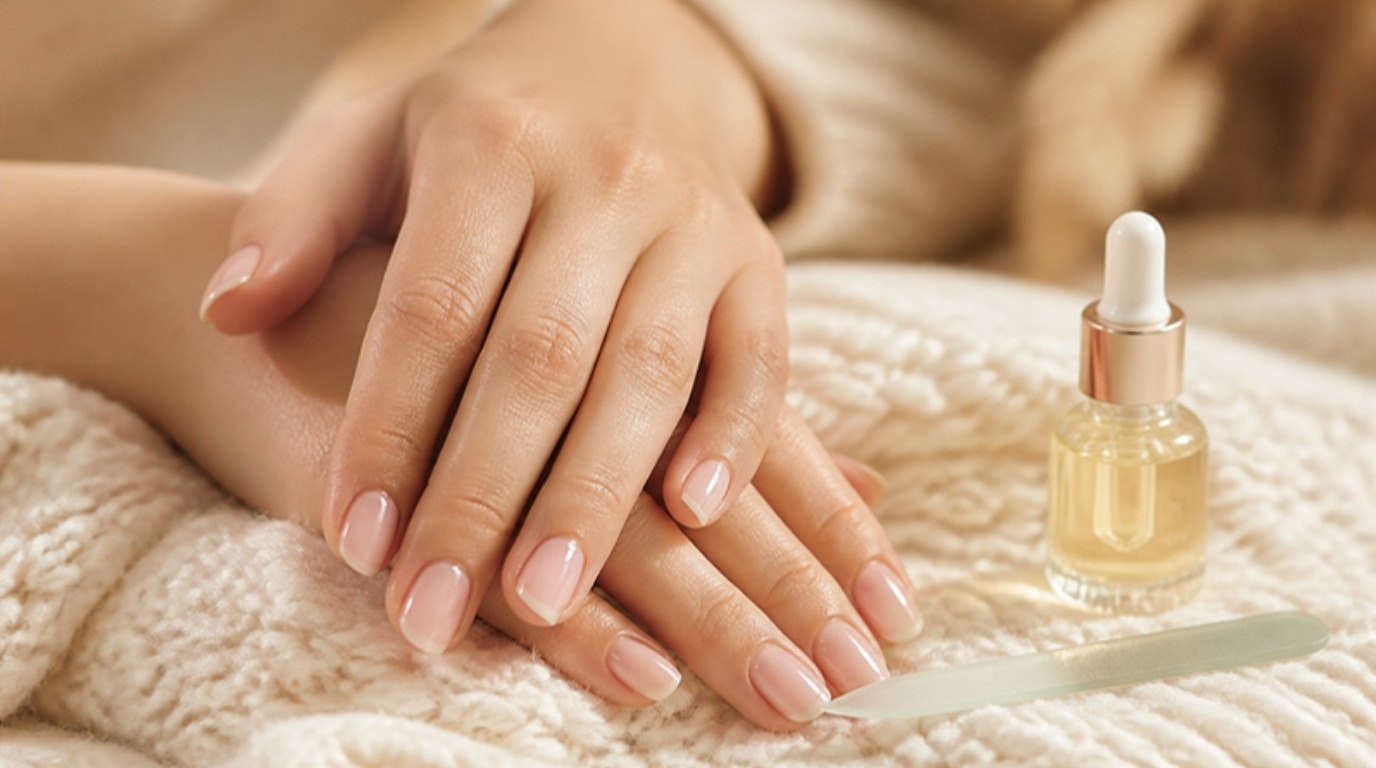
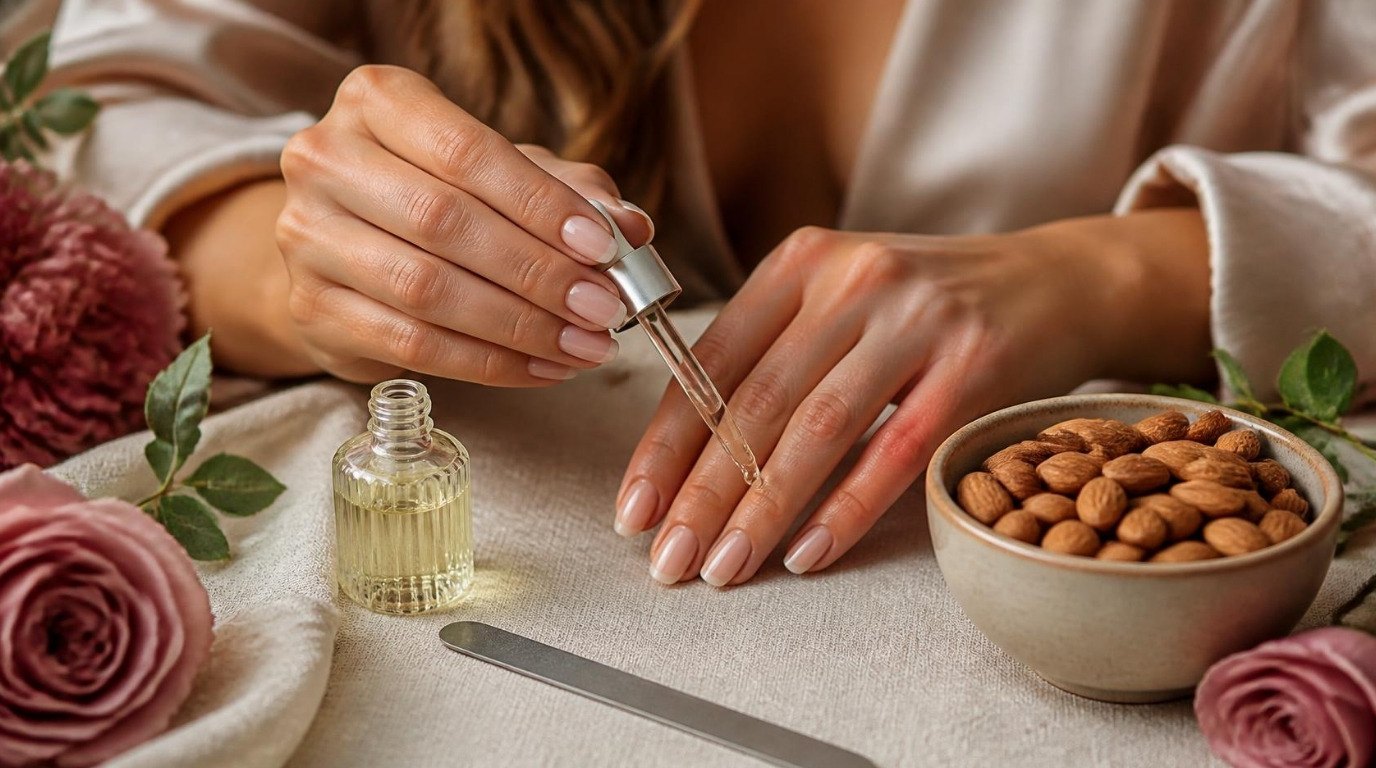
Finish with a drop of cuticle oil on each nail, massaged in for about ten seconds per finger, then a layer of hand cream. This step is where most of the softness comes from, so don't skip it.
The Daily Cuticle Oil Habit
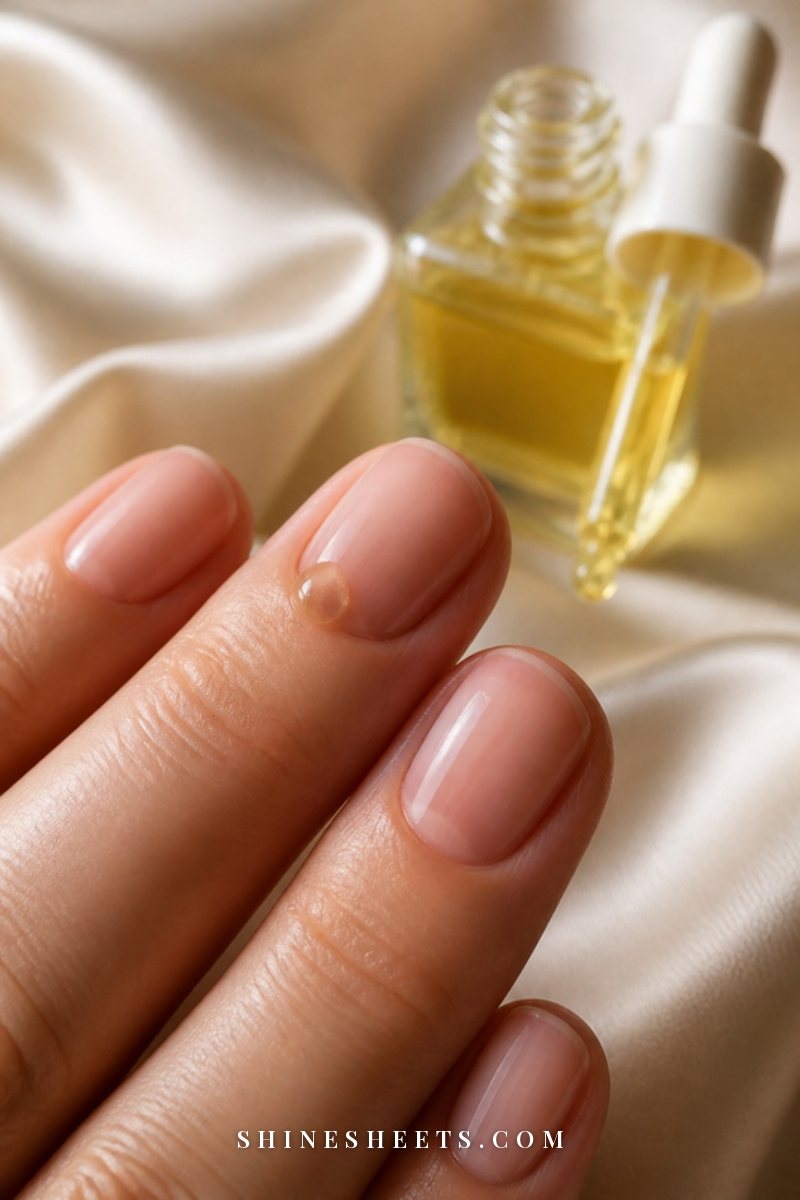
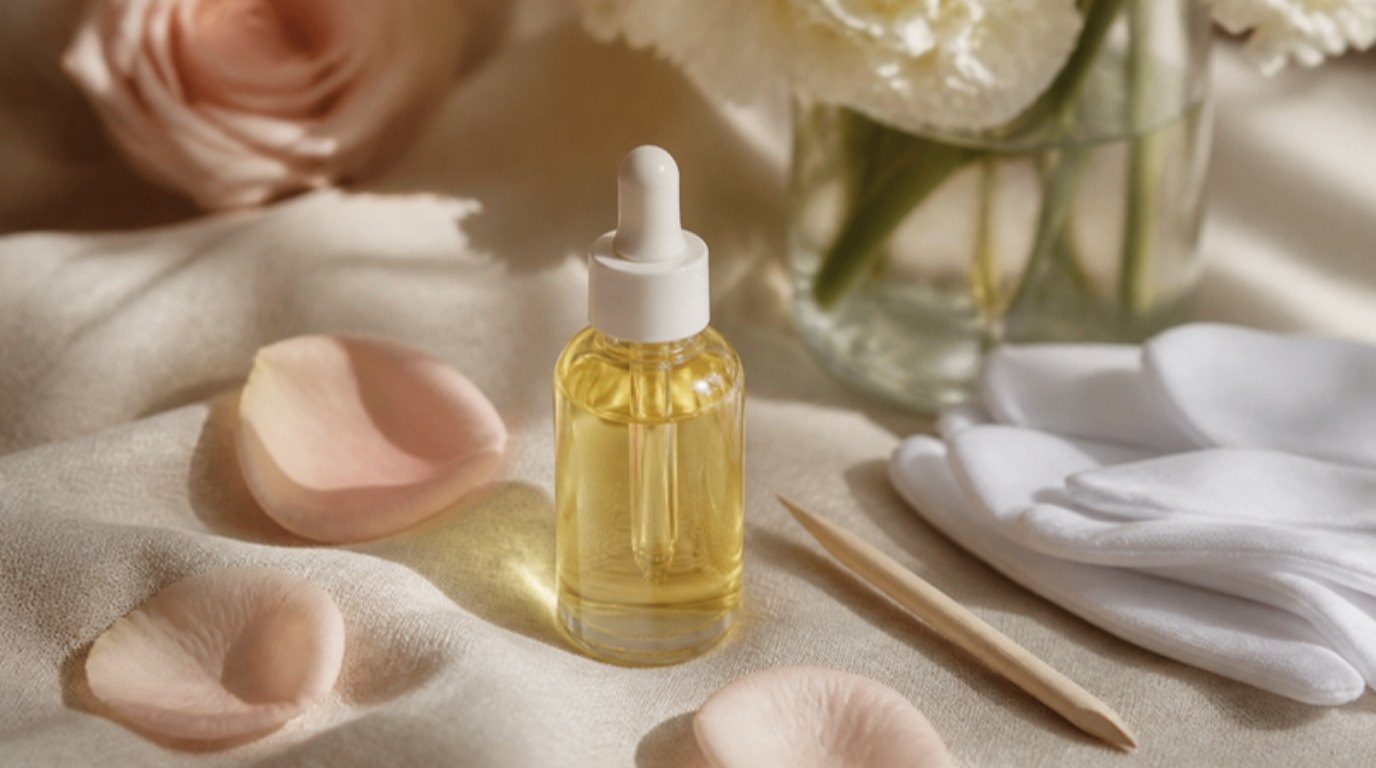
If you do only one thing from this guide, make it this: oil your cuticles every day. The weekly routine tidies them up, but the daily oil is what keeps them soft, flexible and less likely to crack.
How to make it automatic:
- Keep oil where your hands already are. A cuticle oil pen in your bag, one on your desk and a bottle on your nightstand makes it nearly impossible to forget.
- Attach it to an existing habit. After brushing your teeth at night, while your evening tea steeps, or every time you sit down at your desk.
- Use a little, often. One swipe per nail, twice a day, works better than a big dose once a week.
- Massage, don't just dab. Rubbing the oil in for a few seconds warms it and helps it sink into the skin and nail.
Look for oils with jojoba, sweet almond or vitamin E, which are light, absorb well and don't leave your hands too greasy to type. Oiling also helps the nail itself stay flexible, which matters if your nails tend to split – my guide to brittle nails goes into that in more detail.
Everyday Habits That Protect Your Cuticles
The routine above does a lot, but small daily habits decide whether your cuticles stay soft between sessions. None of these take more than a few seconds:
- Wear gloves for wet chores. Dishes, cleaning and hand-washing delicates are the biggest cuticle drainers. A pair of lined rubber gloves by the sink makes it easy.
- Use lukewarm water. Hot water strips oils faster. Lukewarm is just as effective for washing your hands.
- Pat, don't rub, when drying. Rubbing with a rough towel can lift dry skin. Pat gently and make sure the area around your nails is fully dry.
- Follow sanitizer with cream. Whenever you use hand sanitizer, add a tiny bit of hand cream once it has dried.
- Choose a gentle soap. A creamy, fragrance-light hand wash is kinder than strong antibacterial soaps for everyday use.
- Don't use your nails as tools. Opening cans, peeling stickers and scraping labels can tear the skin at the nail fold.
- Run a humidifier in dry months. If your home is very dry, a little extra moisture in the air helps your skin, including your cuticles.
Think of these as protection, and the oil as nourishment. Together they keep the skin flexible, so it doesn't crack in the first place.
The Overnight Cuticle Rescue Routine

When your cuticles are really dry, cracked or peeling, an overnight treatment works wonders. Do it two or three nights in a row, then once or twice a week to maintain.
- Wash and dry your hands about half an hour before bed.
- Apply cuticle oil generously to each nail and massage it in.
- Add a thick layer of hand cream. An overnight hand cream with shea butter or a rich balm works best here. Don't rub it in completely; leave a visible layer.
- Slip on cotton gloves. Breathable white cotton gloves keep the cream on your hands instead of on your pillowcase and help it absorb overnight.
- In the morning, wash your hands gently and apply a little oil again.
This is one of my favorite tiny rituals, because it feels a bit like an Old Hollywood beauty routine – gloves, a glass candle on the nightstand and the feeling that you've done something lovely for yourself before sleep. If you want to build it into a longer evening, my hand care routine has a full nightly version.
How To Stop Picking Your Cuticles
Picking is incredibly common, especially when you're anxious, bored or concentrating. I'm prone to anxiety myself, and I've noticed that my fingers go looking for rough edges exactly when my mind is busy. The goal isn't willpower – it's making picking harder and less tempting.
- Remove the trigger. Most picking starts with a rough edge. Keep a soft nail file nearby and smooth any snag the moment you notice it.
- Keep oil within reach. When you feel the urge, swipe oil instead. It gives your fingers something to do and softens the area.
- Notice your picking moments. Watching TV, on calls, in traffic? Have a small replacement ready: a smooth stone, a hair tie, a stress ball.
- Keep nails short and smooth. Long, uneven nails make it easier to catch and lift skin.
- Use a light polish or clear coat. Many people pick less when their nails look neat, because they don't want to ruin them.
- Be kind about slip-ups. If you pick, wash the area, oil it and move on. Shame tends to make the habit worse, not better.
If picking feels impossible to stop, or it's tied to strong stress, it's completely okay to mention it to a doctor or therapist. It's a known, common habit, and there's real help for it.
Cuticle Care Cheat Sheet
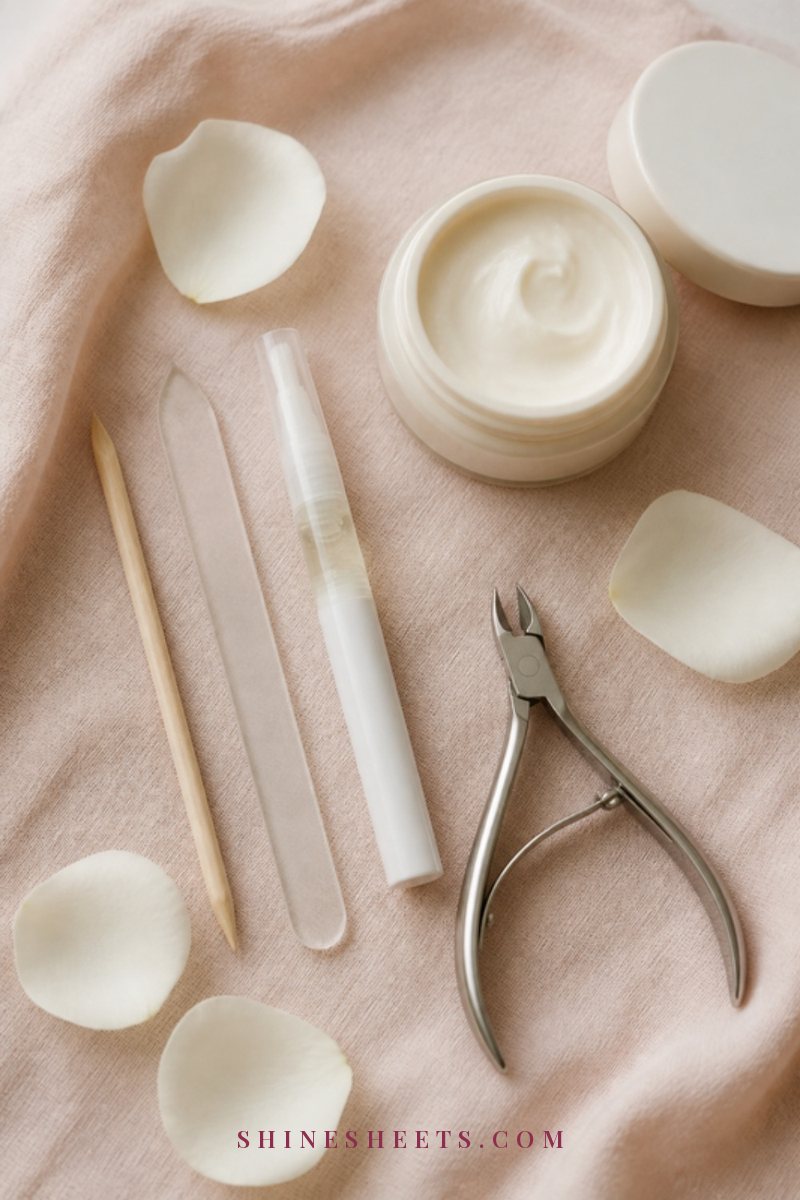
Here's everything in one place. Screenshot it and keep it on your phone for your weekly routine.
| Do | Don't | How often |
|---|---|---|
| Oil your cuticles and massage it in | Wait until they crack to moisturize | Daily, ideally twice |
| Soften with warm water before pushing | Push back dry skin | Weekly |
| Push back gently with a soft tool | Use metal tools with heavy pressure | Weekly |
| Snip only loose hangnails | Cut the living skin at the nail base | As needed |
| Use remover gel briefly, then rinse | Leave remover gel on the skin | Weekly at most (optional) |
| Wear gloves for dishes and cleaning | Soak hands in hot water and detergent | Every time |
| Apply hand cream after washing | Rely on hand sanitizer alone | After each wash |
| Do an overnight oil-and-glove treatment | Pick or bite rough edges | 1–3 nights a week |
| File snags as soon as you notice them | Tear off hangnails | As needed |
If you're also doing your own nails at home, my step-by-step at-home manicure guide shows exactly where cuticle care fits in so your polish looks clean and lasts longer.
Cuticle Care in Special Situations
A few situations need a slightly different approach. Here's what to adjust:
After Removing Polish or Gel
Removers, especially acetone, leave the skin around your nails very dry. Right after removing polish, wash your hands, then apply oil generously and give your nails a day or two "off" before your next manicure. If you remove gel at home, protect the skin around the nail with a little balm before soaking.
In Cold Weather
Switch to a richer hand cream, oil twice a day instead of once and wear gloves outdoors. Cold wind plus indoor heating is one of the toughest combinations for cuticles.
If Your Hands Are in Water a Lot
If you wash your hands often during the day, keep a small tube of hand cream next to every sink you use regularly. Moisturizing within a minute of drying makes a real difference.
When Cuticles Are Very Overgrown
If the dead film has built up for months, don't try to fix it in one session. Soften and push back gently once a week for three or four weeks. The skin will gradually become easier to manage without any cutting at all.
When To See a Doctor
Most cuticle problems are cosmetic and get better with gentle care. But the skin around the nail can become infected, a condition called paronychia, and that needs proper attention. Please see a doctor if you notice:
- Redness, warmth or swelling around the nail that doesn't improve within a couple of days
- Throbbing pain at the nail fold
- Pus or a yellowish pocket near the cuticle
- Red streaks spreading from the finger
- The nail lifting, changing color or changing shape
- Problems that keep coming back, especially if you have diabetes or a weakened immune system
Don't try to drain or cut an infected area at home. A doctor can treat it safely and quickly. This guide is for general skin and nail care and isn't a replacement for medical advice.
Final Thoughts
Beautiful cuticles come from softness, not sharp tools. A drop of oil every day, a gentle push once a week and the patience to leave living skin alone will do more than any salon trim ever could.
Give it two or three weeks of steady, kind care, and your hands will look calmer, smoother and naturally neat – the kind of quiet, polished detail that makes you feel put-together every time you reach for your tea.