Squalane is the skincare oil for people who don't like skincare oils. It sinks in fast, it doesn't sit on your face like a slick layer of salad dressing, and it mimics something your skin already makes on its own. That's why it shows up in so many moisturizers, serums and balms, and why a tiny bottle of it can quietly solve a surprising number of dry-skin problems.
The catch is that squalane gets lumped in with every other face oil, and people either skip it because they're scared of breakouts or drown their skin in it and wonder why nothing feels better. A few drops in the right place, at the right step, is the whole trick.
In this guide to squalane oil for skin, you'll learn what it actually is (and how it differs from squalene with an "e"), where it comes from, what it can and can't do, and exactly how to use it, with a skin-type table you can screenshot. We'll also cover layering it with retinol, using it on your hair ends and cuticles, and who should patch test first.
What Is Squalane?
Squalane is a lightweight, clear, almost odorless oil. It's a stable version of squalene, a lipid your own skin produces as part of its natural sebum. Squalene is one of the things that keeps skin soft and helps it hold on to water, and your body makes plenty of it when you're young. Over time, production slows down, which is one small reason skin can feel drier and tighter as the years go by.
Because squalane is so similar to what's already on your skin, it tends to feel familiar rather than foreign. It spreads easily, absorbs quickly and leaves skin feeling soft and comfortable instead of greasy. Think of it as a "top up" for the oils your skin already knows how to use.
It's also an emollient, which means it fills in the tiny gaps between skin cells on the surface and smooths things over. That's why skin often looks a little more even and less flaky right after you apply it. If you want a broader look at the whole oil family, my guide to choosing the right facial oil for your skin walks through the other options side by side.
Squalane vs Squalene: Why One Letter Matters
These two words look almost identical, and they're related, but they behave very differently in a bottle.
- Squalene (with an "e") is the natural version found in your sebum and in some plants and animals. It's unsaturated, which means it reacts easily with oxygen and goes rancid quickly. Not ideal for something that sits on your bathroom shelf for months.
- Squalane (with an "a") is squalene that has been hydrogenated, a process that makes it saturated and stable. It doesn't oxidize the same way, has a much longer shelf life and is far less likely to irritate.
When you're shopping, you almost always want squalane with an "a". If a label says squalene, that's not automatically bad, but it's a different ingredient with different storage needs.
Where Squalane Comes From
Historically, squalene was harvested from shark liver oil, which is a big reason many people still feel unsure about it. Today, most skincare squalane is plant-derived, usually from olives or sugarcane. Sugarcane-derived squalane is especially common in popular brands because it can be produced consistently and in large amounts.
If this matters to you (and it's completely fair if it does), look for packaging or product descriptions that say "plant-derived," "olive-derived" or "sugarcane-derived" squalane. Most well-known brands state it clearly because they know shoppers ask.
The source doesn't change how your skin feels once it's refined. A good, pure squalane from either olives or sugarcane will feel just as light and silky.
Squalane Benefits for Skin
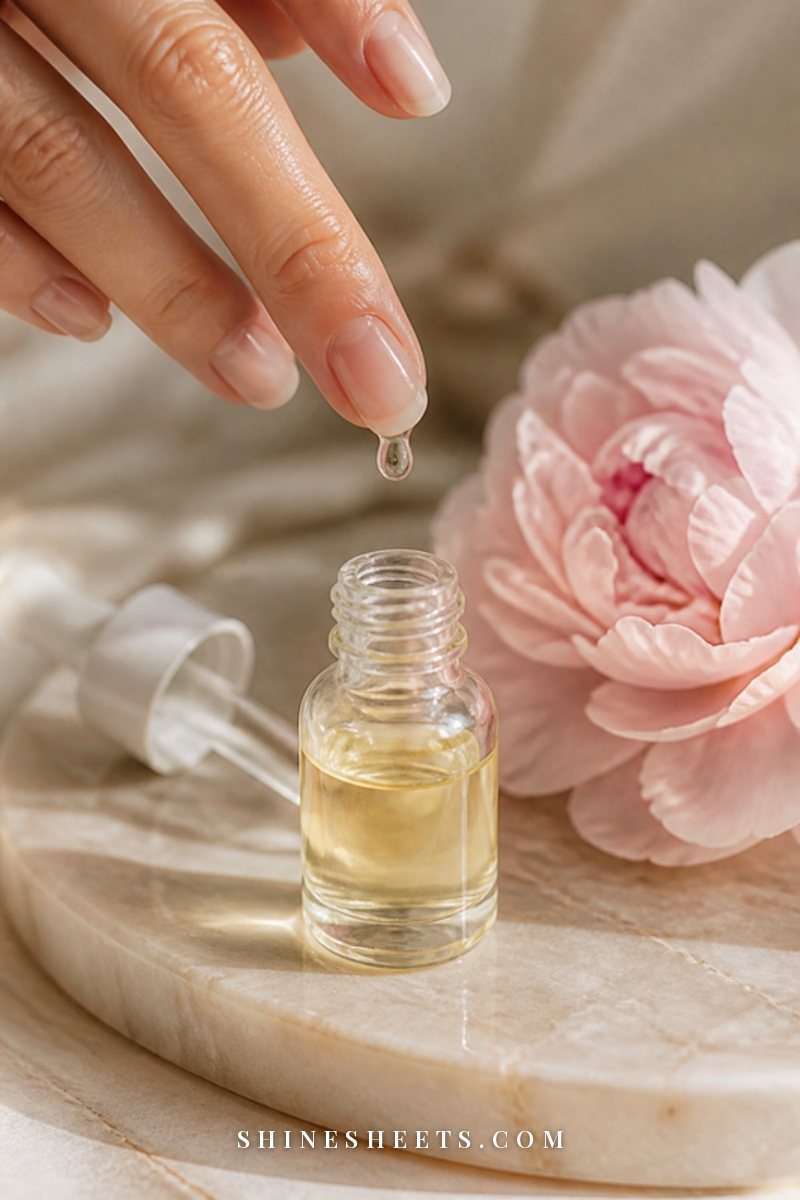
Squalane isn't a miracle worker, and it won't replace sunscreen, retinol or a good moisturizer. What it does is support your skin's own moisture system in a very gentle, reliable way. Here's what you can realistically expect.
Lightweight Moisture That Doesn't Feel Greasy
Squalane softens and smooths without that heavy, coated feeling many oils leave behind. It helps reduce water loss from the surface of your skin, so your moisturizer and serums underneath work better. Skin that feels tight after cleansing often feels comfortable again within a few minutes.
A Softer, Calmer Skin Barrier
Your skin barrier is the outermost layer that keeps water in and irritants out. When it's stressed (cold weather, over-exfoliation, harsh cleansers), skin can sting, flake or look red. Squalane is a gentle emollient that supports that barrier, which is why so many people reach for it in winter or after they've overdone actives.
Friendly to Most Skin Types (Often Even Oily)
Squalane is generally considered low on the scale for clogging pores, and many people with oily or acne-prone skin tolerate it well. That's not a guarantee for everyone (skin is personal), but it's one of the most commonly suggested oils for people who are nervous about oils. My combination skin with its shiny T-zone is a good example: I keep it to the drier parts of my face and skip the center, and that's usually enough.
Plays Well With Other Ingredients
Because it's so stable and simple, squalane rarely clashes with other skincare. It sits comfortably next to retinol, vitamin C, niacinamide, hyaluronic acid and exfoliating acids. It can even help buffer stronger actives so they feel less harsh.
How To Use Squalane in Your Routine
The good news: you don't need a complicated plan. Squalane is flexible, and there are three main ways to use it. Start with the one that sounds easiest and stick with it for two to three weeks before judging.
Whichever method you choose, start with clean skin. A gentle, hydrating cleanser that doesn't leave your face squeaky is the best base, because squalane can't fix the tightness a harsh foaming wash causes twice a day.
As the Last Step at Night
This is the classic method, and my favorite for dry, tight evenings.
- Cleanse and pat skin until just slightly damp.
- Apply any serums or treatments you normally use.
- Apply your moisturizer and wait about a minute.
- Warm 2–4 drops of squalane between your palms and press it gently over your face, focusing on drier areas.
Oils go last because they help seal in everything underneath. If your skin is very dry, this is also a lighter alternative to a full slugging night. You can read more about that heavier occlusive approach in my guide to slugging your skin.
Mixed Into Your Moisturizer
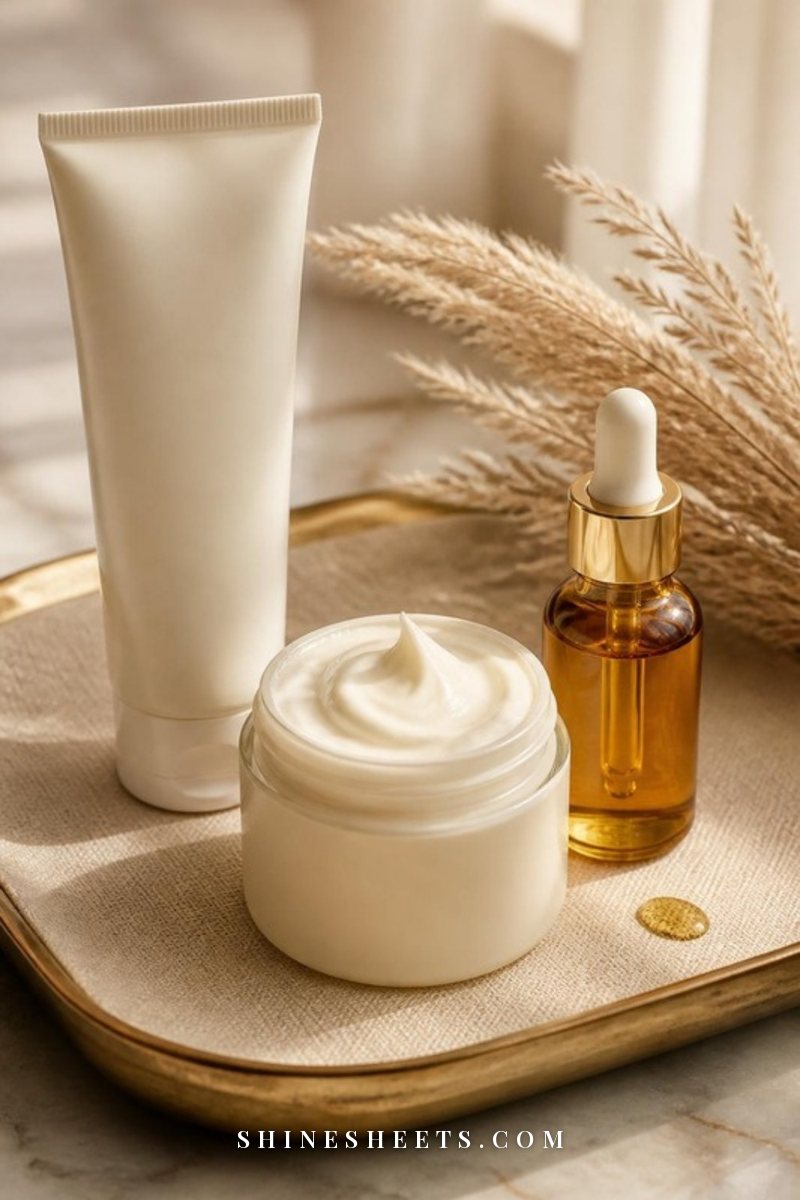
This is my favorite method for beginners and anyone with combination skin. Put your usual pea-sized amount of moisturizer in your palm, add 1–2 drops of squalane, mix with your fingertip and apply as usual. It makes your cream feel richer without adding an extra step.
It works especially well with a ceramide moisturizing cream, because ceramides and squalane support the barrier in two different ways. If you're unsure what kind of moisturizer suits you at all, my moisturizer guide breaks down gels, lotions and creams by skin type.
Under Makeup in the Morning
Squalane can work in the morning too, but use less. One drop pressed over the cheeks after moisturizer and before sunscreen is plenty. Let it absorb for two or three minutes, then apply SPF as your final skincare step. A lightweight SPF 50 face sunscreen that sits nicely over a thin layer of oil makes the whole routine feel smooth instead of pilling.
If your foundation starts sliding by lunchtime, skip squalane in the morning on your T-zone, or save it for the evening altogether.
How To Use Squalane by Skin Type
This is the part most guides skip. The same oil can feel perfect on one face and too much on another, so the amount and placement matter. Screenshot this table and adjust as you go:
| Skin type | How much | When | Best method | Watch for |
|---|---|---|---|---|
| Dry | 3–4 drops | Night, and morning if needed | Last step at night over moisturizer | Flaking that doesn't improve after 3 weeks may need a richer cream too |
| Dehydrated (tight but oily) | 1–2 drops | Night | Over a hydrating serum, then moisturizer | Squalane seals water in, but you still need a water-based hydrator underneath |
| Combination | 1–2 drops | Night | Mixed into moisturizer, cheeks only | Shine on the T-zone by midday |
| Oily | 1 drop | Night, 3–4 times a week | Mixed into a gel moisturizer | Any new clogged pores within 2–3 weeks |
| Acne-prone | 1 drop | Night, after patch testing | Mixed into moisturizer, avoid active breakout areas at first | New bumps in areas you applied it |
| Sensitive | 1–2 drops | Night | Pressed over moisturizer, with no fragrance | Stinging, itching or redness (stop and patch test) |
| Mature | 2–4 drops | Night, and a little in the morning | Over moisturizer, plus neck | Pilling under makeup if you use too much in the morning |
If you're working on a dry, flaky face specifically, my skincare routine for dry skin shows where squalane fits alongside cleansers, serums and creams.
Squalane and Retinol: A Gentle Pairing

Retinol is one of the most studied skincare ingredients for texture and fine lines, but it can leave skin dry, flaky and sensitive, especially in the first weeks. Squalane is one of the easiest ways to make that adjustment period more comfortable.
There are two simple ways to pair them:
- The sandwich: moisturizer, then a thin layer of retinol, then moisturizer mixed with a drop of squalane. This buffers the retinol for very sensitive skin.
- The seal: retinol on clean, dry skin, wait 10 minutes, then moisturizer, then 2–3 drops of squalane. This works well for most people once they're past the first few weeks.
If you're just starting out, look for a beginner-friendly retinol serum with a low percentage, and use it two or three nights a week at first. Squalane doesn't stop retinol from working; it just helps your skin feel less stressed while it adjusts. And yes, daily sunscreen is non-negotiable while you're using retinol.
Beyond Your Face: Hair Ends and Cuticles
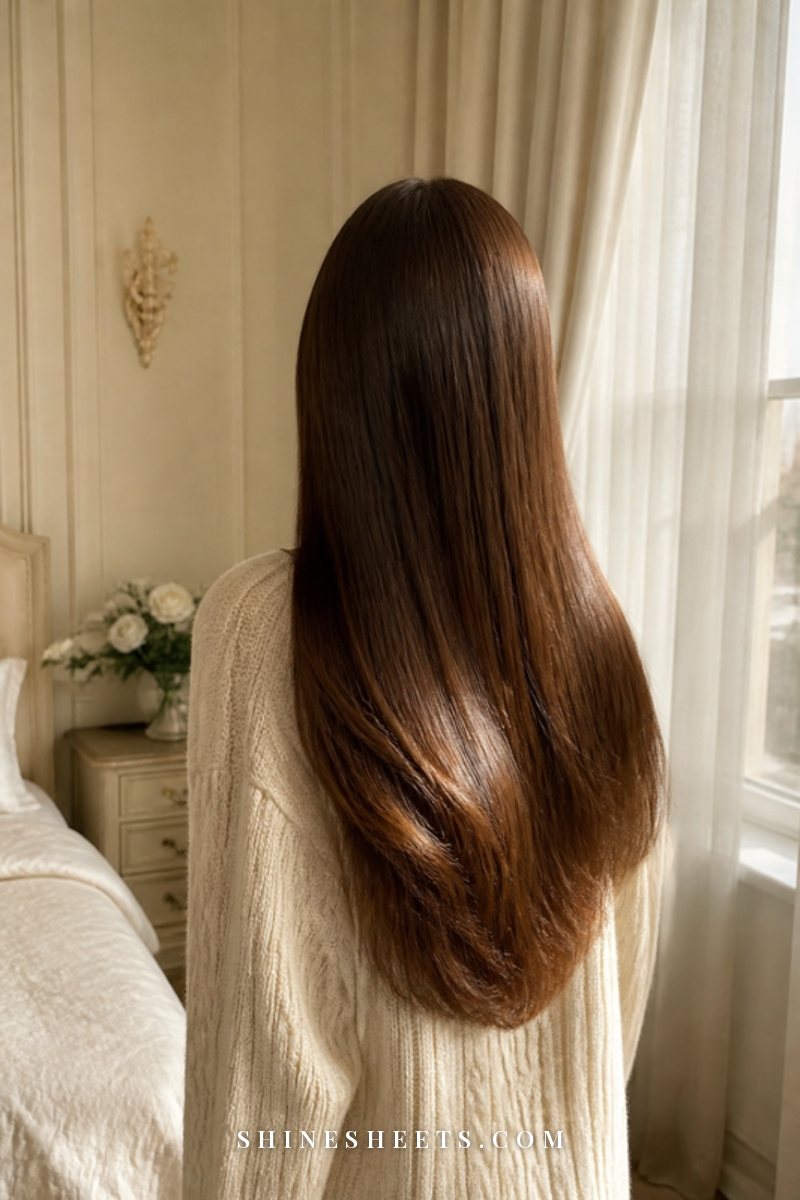
One of the nicest things about a bottle of pure squalane is how many small jobs it can do. A few ideas that don't require buying anything extra:
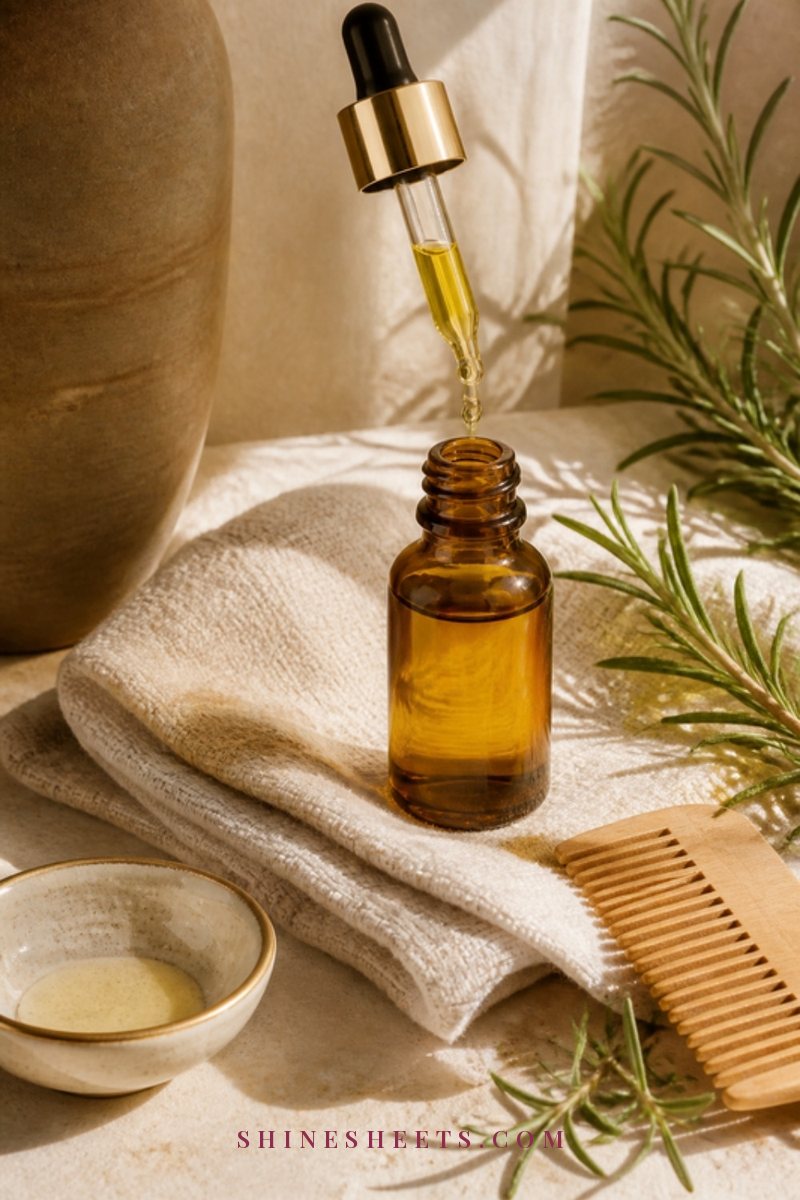
- Hair ends: rub one drop between your palms and smooth it over dry ends to tame frizz and add shine. On fine hair, use half a drop and keep it well away from the roots.
- Cuticles: massage one drop into each hand's cuticles before bed. It's light enough that it doesn't leave your sheets greasy. For more on that habit, see my gentle cuticle care routine.
- Dry patches: elbows, knuckles and the sides of your nose in winter all love a drop.
- Brows: a tiny amount on a clean spoolie can soften coarse brow hairs.
If your hair or face tends to rub on cotton overnight, a smooth ivory silk pillowcase pairs nicely with this routine, since silk tends to absorb less of what you apply than cotton does.
How To Choose a Good Squalane Oil
You don't need to spend much. Pure squalane is one of the more affordable skincare oils, and some of the best-selling options are very budget friendly. Here's what to look for:
- "Squalane" with an "a" as the first, and ideally only, ingredient.
- Plant-derived source clearly stated (olive or sugarcane).
- Fragrance-free, especially if your skin is sensitive.
- Dark or opaque glass, or a pump, which keeps it clean and stable.
- A dropper or pump so you can control how much you use.
For a single, simple pick, I'd choose a pure, plant-derived squalane oil from one of the big, well-known skincare brands. They're widely available, consistent and usually very fairly priced.
A small bottle lasts a long time. If you use a few drops a night, a 30 ml bottle often lasts two to three months.
What To Expect Week by Week
Squalane is a comfort ingredient, not a dramatic one, so it helps to know what "working" actually looks like. Here's a realistic timeline if you use it most nights:
- The first night: skin feels softer and less tight within minutes. Flaky patches often look calmer by morning.
- Week one: makeup usually sits more smoothly on dry areas, and that "stretched" feeling after cleansing fades.
- Weeks two to three: this is when you'll know if the amount is right. If your skin feels comfortable all day and you haven't noticed new clogged pores, keep going. If you're shinier than you'd like, drop to fewer drops or fewer nights.
- Week four and beyond: skin tends to look a little more even and supple, especially through cold, windy weeks or when you're using stronger actives.
If nothing has changed after a month, the problem is rarely the squalane itself. More often the routine underneath needs attention: a cleanser that's too stripping, too much exfoliation, or a moisturizer that's too light for the season. Squalane can only seal in what's already there, so check those steps first before you give up on it.
One small honest admission: I'm prone to adding "just one more thing" to my routine when my skin acts up. Squalane taught me the opposite lesson. Fewer steps, done gently and consistently, almost always does more than a crowded shelf.
Who Should Patch Test First
Squalane is one of the gentlest ingredients out there, but "gentle" isn't the same as "safe for every single person." It's worth patch testing if:
- Your skin is very sensitive or reactive.
- You're acne-prone and new oils have broken you out before.
- You have eczema, rosacea or another skin condition.
- The product you chose is a blend with fragrance or essential oils.
To patch test, apply a small amount to a spot along your jawline or behind your ear once a day for five to seven days. If you see redness, itching, bumps or stinging, stop. If your skin is calm, start using it on your face slowly. If you have a skin condition or you're unsure what's going on with your skin, a dermatologist is always the best person to ask.
Common Squalane Mistakes
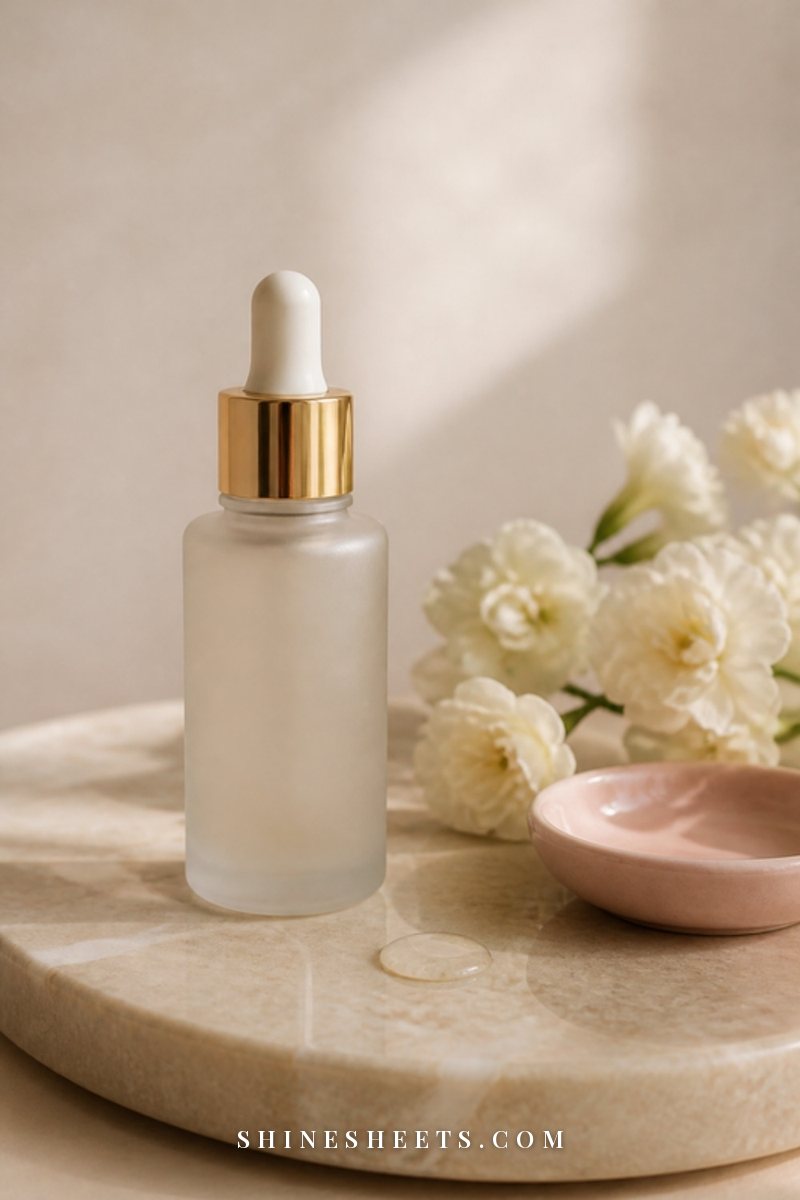
Squalane is easy to use, which is exactly why a few small mistakes are so common:
- Using too much. More oil doesn't mean more moisture. If your face looks shiny 20 minutes later, cut the amount in half.
- Using it instead of a moisturizer. Squalane reduces water loss, but it doesn't add water. Dry skin usually needs both a hydrating product and an oil.
- Putting it under water-based serums. Oils first can make it harder for watery serums to spread. Keep squalane near the end of your routine.
- Skipping sunscreen. Squalane doesn't protect you from the sun. Your SPF step still matters every morning.
- Expecting overnight miracles. Comfort is often immediate, but softer, calmer skin builds over two to four weeks.
- Applying it to your whole face when only part needs it. Combination skin especially does better with targeted use.
Squalane FAQs
Can you use squalane every day?
Yes, most people can use it daily, usually at night. If you're oily or acne-prone, starting with three or four nights a week is a gentle way to see how your skin responds.
Does squalane clog pores?
It's generally considered unlikely to clog pores, and many people with breakout-prone skin tolerate it well. Still, everyone's skin is different, so patch test and watch for new bumps over the first few weeks.
Can squalane replace my moisturizer?
For most people, no. Think of it as a booster or a seal over your moisturizer rather than a replacement. Some very oily skin types do fine with just a hydrating serum and a drop of squalane at night, but that's the exception.
Can you use squalane with vitamin C or acids?
Yes. Apply the active first, let it absorb, then follow with moisturizer and squalane. It can actually make exfoliating nights feel more comfortable.
Does squalane expire?
It's very stable, but it still has a shelf life. Most bottles carry a small open-jar symbol showing how many months it's good for once opened, often around 12. If it ever smells off or changes color, replace it.
Is squalane safe around the eyes?
Many people use a tiny amount around the eye area, but keep it out of the eyes themselves and use a very small amount, since the skin there is thin.
Final Thoughts
Squalane is one of those quiet, unglamorous ingredients that makes everything else in your routine work a little better. A few drops at night, a little mixed into your cream, one drop on dry ends or cuticles: it's simple, it's affordable and it respects your skin instead of fighting it.
Start small, give it a few weeks and adjust using the skin-type table. Your skin already knows what to do with this oil. You're just giving it a little help.