Oil cleansers and cleansing balms do the same job: they dissolve sunscreen, makeup and excess oil so your face wash doesn't have to fight through them. The difference is mostly texture, feel and how they suit your skin and your habits. Neither is "better." One is simply easier to love for your skin type and your routine.
Both work on the principle that oil dissolves oil. Long-wear foundation, waterproof mascara and water-resistant sunscreen are designed to resist water, so a regular cleanser alone often leaves a thin film behind. An oil-based first cleanse melts that film away gently, without scrubbing.
In this guide to oil cleanser vs cleansing balm, you'll learn what each one is, how they remove sunscreen and makeup, a side-by-side comparison table, which suits oily, dry, sensitive and combination skin, the right way to use them, why double cleansing is a nighttime step, eye makeup removal, common mistakes and how to keep a balm hygienic.
The Quick Answer
If you only want the short version:
- Oily or acne-prone skin: a lightweight cleansing oil that rinses off cleanly (look for "emulsifies well" and "non-comedogenic").
- Dry or mature skin: a cleansing balm, which feels richer and more cushioning.
- Sensitive skin: whichever you prefer, as long as it's fragrance-free and has a short ingredient list.
- Combination skin: either one works; many people like oil in summer and balm in winter.
- Travel and gym bags: balm (no leaks).
- Lots of eye makeup: oil (it slips around the lashes more easily).
My own skin is combination and sensitive with a T-zone that gets shiny, so I'd choose a light, fragrance-free cleansing oil most of the year and switch to a balm when the heating comes on and my cheeks feel tight.
What Is an Oil Cleanser?
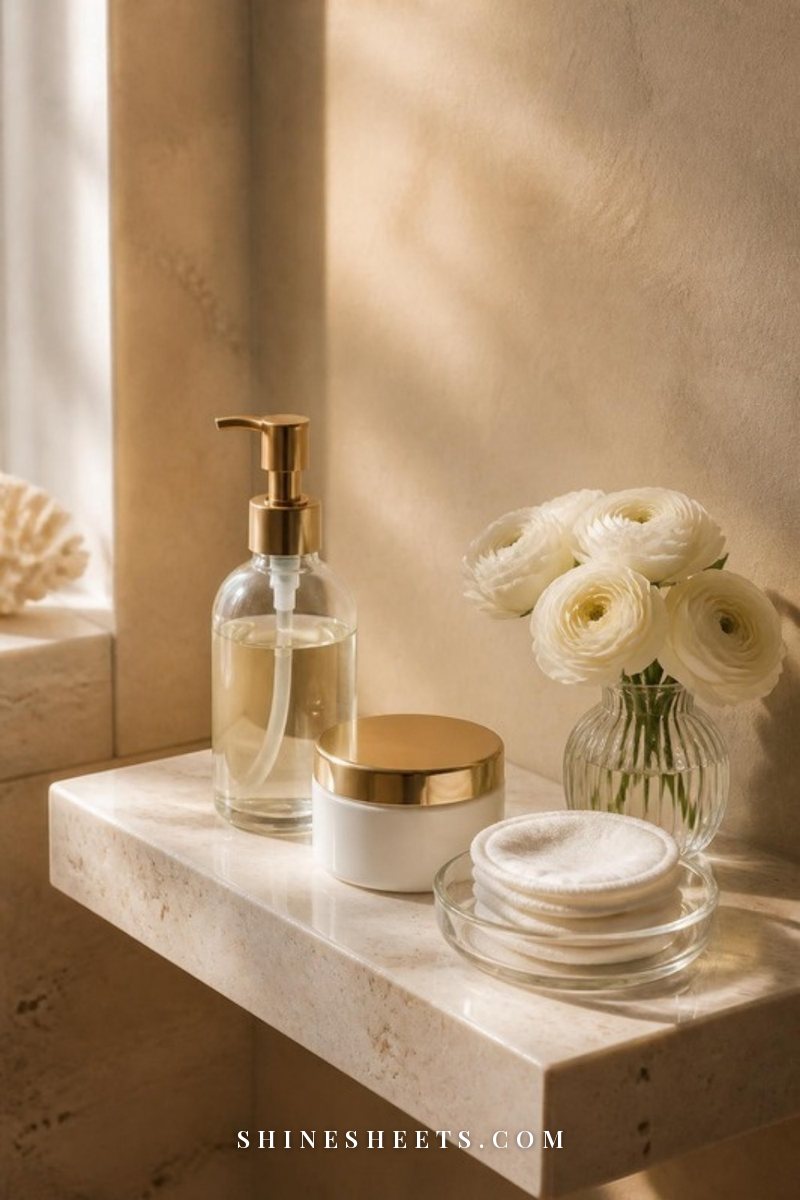
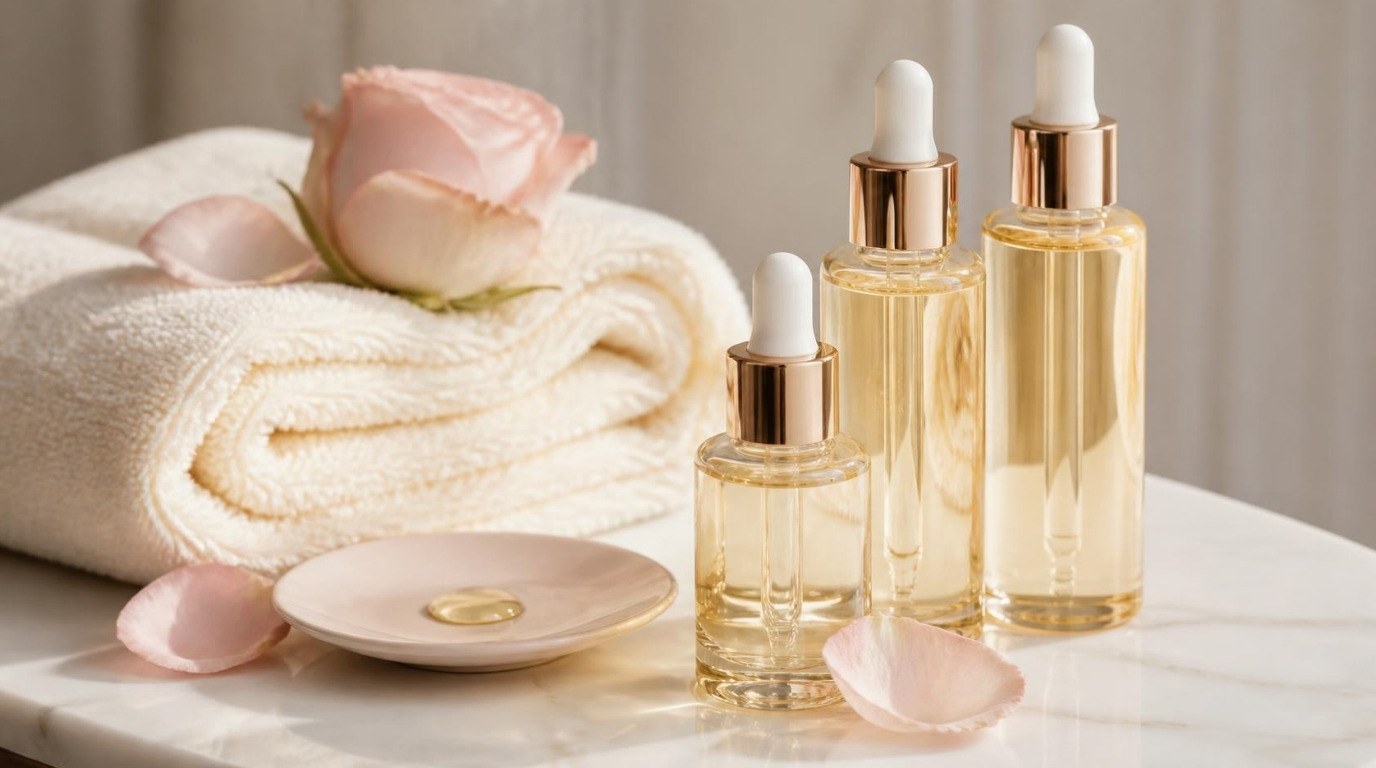
An oil cleanser (also called a cleansing oil) is a liquid blend of oils with added emulsifiers. Those emulsifiers are the key ingredient. On dry skin, the product behaves like an oil, dissolving makeup and sunscreen. When you add water, the emulsifiers turn it into a milky, lightweight liquid that rinses away without leaving a greasy layer.
That's what separates a cleansing oil from plain facial oil or kitchen oil. Plain oils don't rinse off with water, so they can leave a heavy film behind, which isn't ideal for oily or breakout-prone skin.
A well-made Korean-style cleansing oil is a popular pick because many are lightweight, emulsify quickly and come in a hygienic pump bottle.
Good to know: cleansing oils are runny, so they can drip if your hands are wet, and the pump bottle isn't the best travel companion.
What Is a Cleansing Balm?
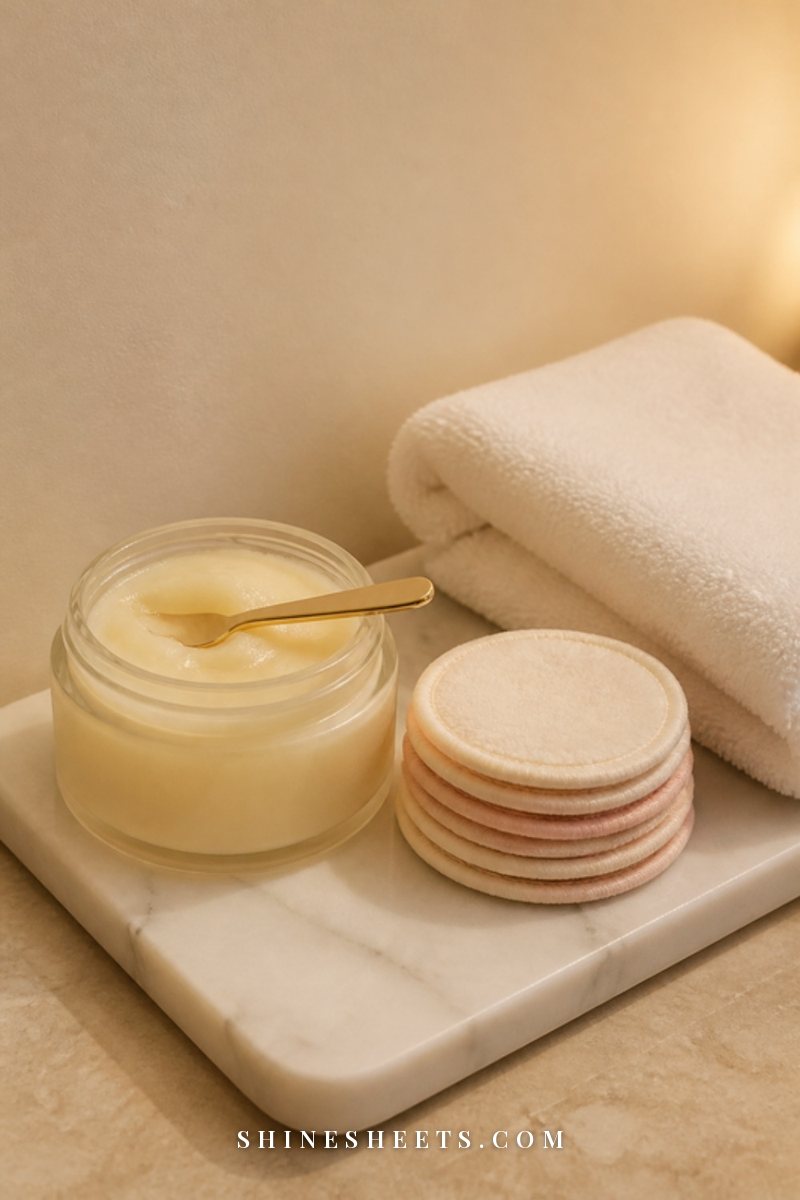
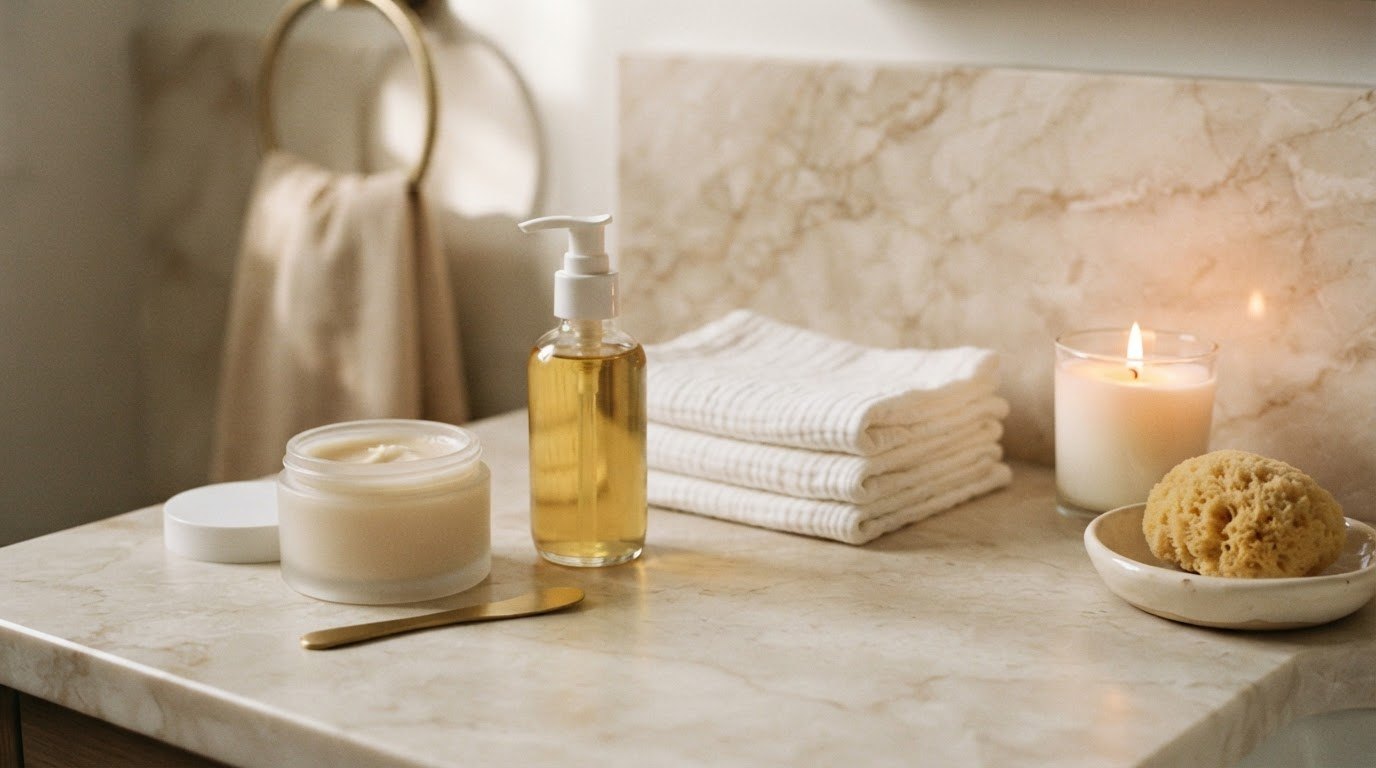
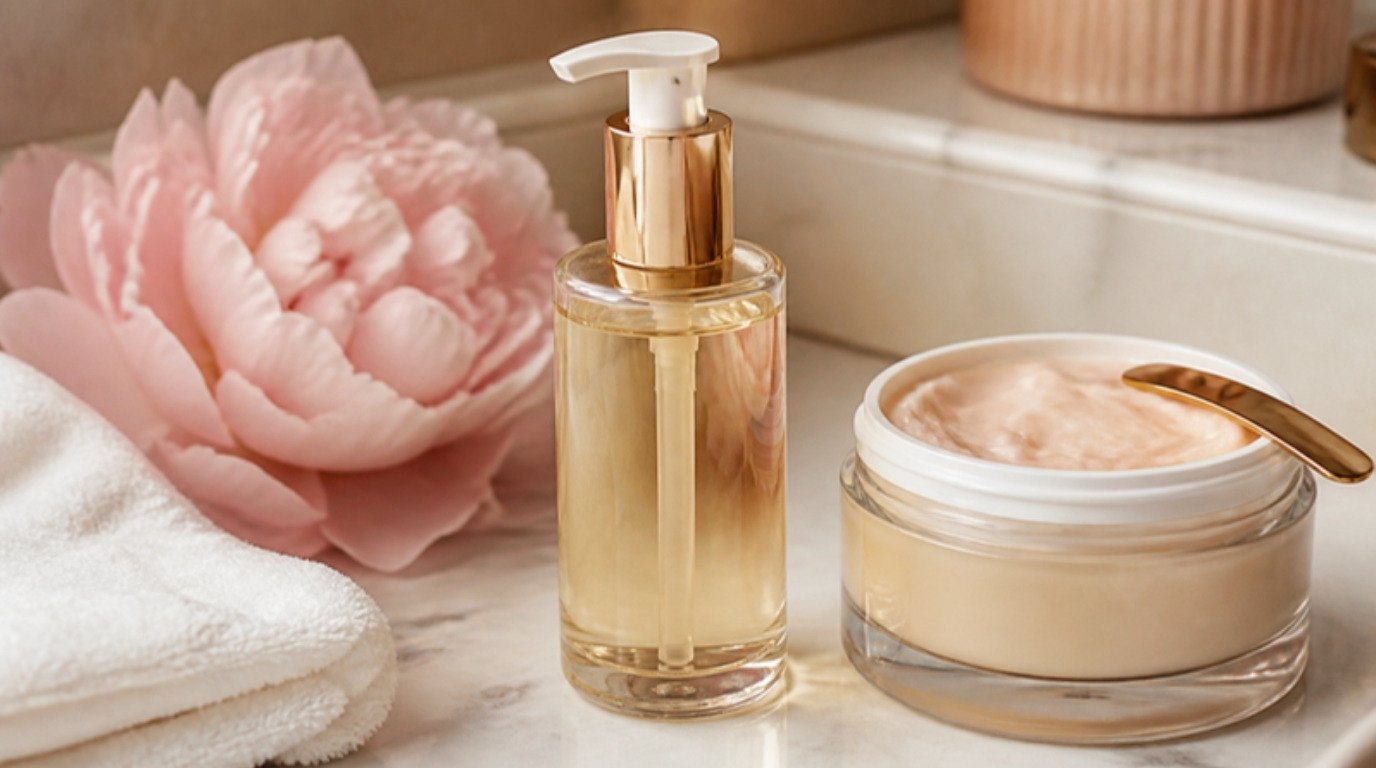
A cleansing balm is a solid or semi-solid blend of oils, butters and waxes, also with emulsifiers. It looks like a firm cream or sorbet in a jar. When you massage it between your fingers or onto your face, the warmth of your skin melts it into an oil. Then, just like a cleansing oil, it turns milky with water and rinses away.
Balms usually feel richer and more cushiony than oils, and many people find the melting texture lovely for an evening wind-down. A makeup-melting cleansing balm is a great pick for dry or normal skin and anyone who wants a slower, more spa-like routine.
Good to know: because you scoop it from a jar, a balm needs a clean spatula to stay hygienic (more on that below), and some richer balms can feel too heavy for very oily skin.
How Both Remove Sunscreen and Makeup
Most makeup and sunscreen filters are oil-soluble, meaning they dissolve in oil but not in water. That's especially true of long-wear, waterproof and water-resistant formulas, which are designed to stay put when you sweat or swim.
When you massage an oil or balm over dry skin, it binds to these oily products and lifts them off the surface. Then the water step turns everything into a light emulsion that rinses away, taking the makeup, sunscreen and excess sebum with it.
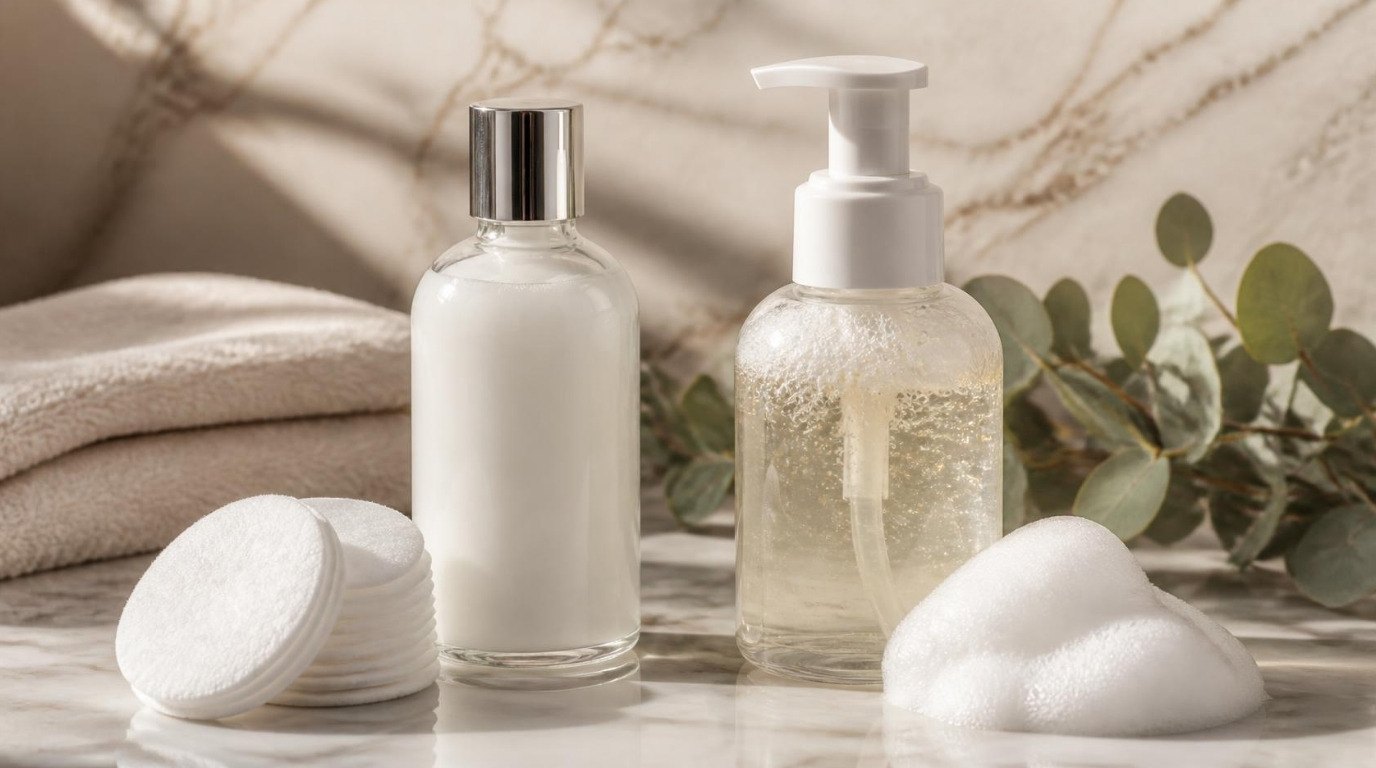
This is why an oil-based first cleanse can feel so gentle. Instead of rubbing with a wipe or scrubbing with a foaming wash, you let the oil do the work. A water-based cleanser afterward then removes any remaining residue, sweat and everyday grime. If you're curious about other first-cleanse options, my guide to micellar water explains how that compares.
Oil Cleanser vs Cleansing Balm Comparison Table
Here's the full side-by-side. Screenshot it for your next bathroom-cabinet refresh.
| Oil Cleanser | Cleansing Balm | |
|---|---|---|
| Texture | Liquid, light, slippery | Solid or soft balm that melts into an oil |
| Feel on skin | Lightweight, rinses fast | Rich, cushiony, slower massage |
| Best for | Oily, acne-prone and combination skin; warm weather | Dry, mature, normal and combination skin; cold weather |
| Eye makeup | Excellent; glides around lashes | Good; can feel heavier around the eyes |
| Travel | Can leak; best decanted into a leak-proof bottle | Easy; no spills, airport-friendly in small jars |
| Hygiene | Pump bottle, very hygienic | Needs a clean spatula and dry fingers |
| Price per use | Usually 2–3 pumps per cleanse; a bottle lasts 2–3 months of nightly use | A small almond-sized scoop per cleanse; a jar lasts about 2–3 months of nightly use |
| Common mistake | Using on a wet face (it won't grip makeup) | Using too much (hard to rinse, can feel greasy) |
Which One Suits Your Skin Type
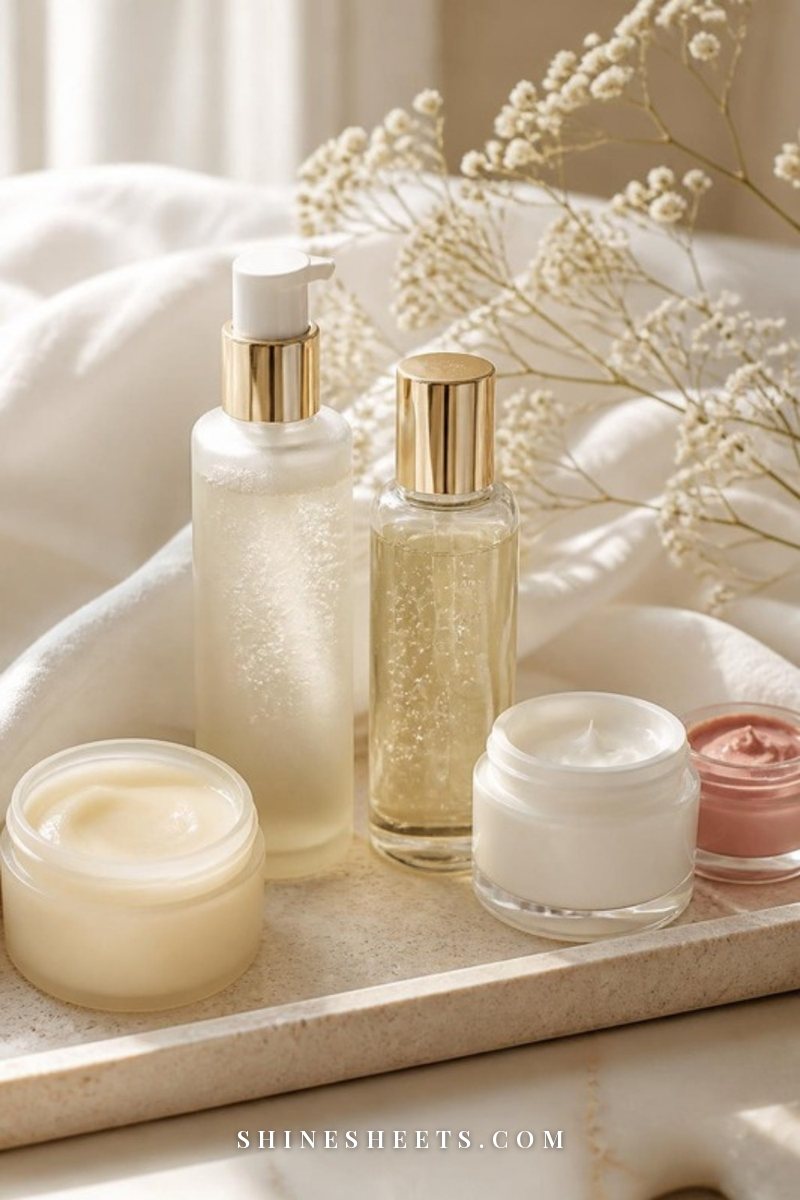
Skin type matters more than the formula itself. Here's how I'd choose for each.
Oily and Acne-Prone Skin
Many people with oily skin are scared of putting oil on their face, but a good cleansing oil often leaves skin feeling cleaner than a foaming wash alone, because it dissolves sebum and sunscreen instead of stripping the surface. Look for a lightweight oil that clearly emulsifies (turns milky) with water, is labeled non-comedogenic and is fragrance-free if you're breakout-prone. Rinse very thoroughly and always follow with a water-based cleanser.
If a new cleanser seems to bring on more breakouts after two or three weeks, stop using it. And for persistent or painful breakouts, see a dermatologist, who can recommend the right treatment for your skin.
Dry and Mature Skin
Balms shine here. They cleanse without that squeaky, tight feeling and leave skin feeling soft and comfortable. Choose a balm with nourishing oils and butters, massage it in slowly, and follow with a creamy or very gentle second cleanser. My skincare routine for dry skin shows how to build the rest of the routine around it.
Sensitive Skin
Choose whichever texture you enjoy, then focus on the ingredient list: fragrance-free, no essential oils, as few ingredients as possible. Massage gently, rinse with lukewarm water (never hot) and pat dry. My sensitive skin routine walks through the gentlest way to build each step.
Whatever you pick, patch test first: apply a little to a small area along your jawline or behind your ear, rinse as usual, and repeat for two or three days to check for redness, itching or bumps before using it on your whole face.
Combination Skin
You can use either one. A light cleansing oil feels great on a shiny T-zone, while a balm can be kinder to dry cheeks. Some people keep both: oil for warm months and heavy makeup days, balm for winter and lazy evenings.
How To Use an Oil Cleanser or Cleansing Balm Correctly
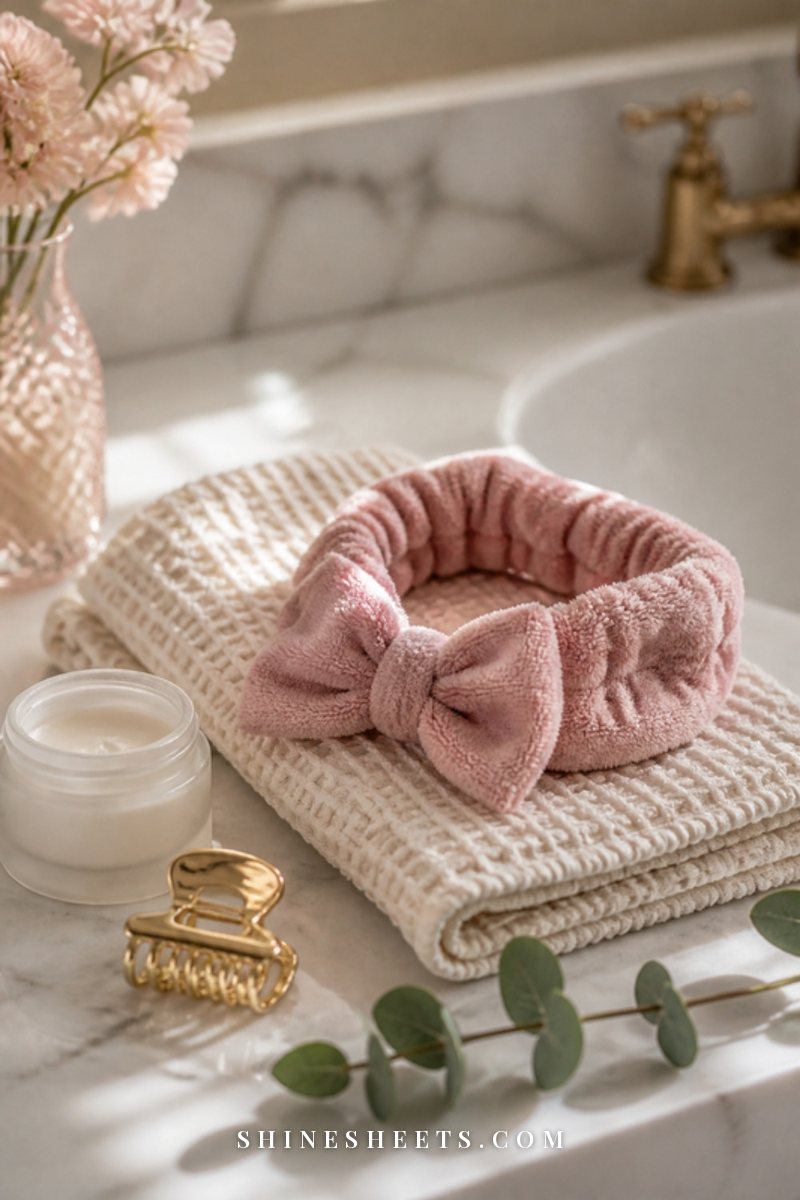
The method matters as much as the product. This is the routine that gets the best results from both:
- Pull your hair back. A soft spa headband keeps hair out of the oil and lets you reach your hairline.
- Start with dry hands and a dry face. This is the most important step. Water on your skin stops the oil from gripping makeup and sunscreen.
- Take the right amount. 2–3 pumps of oil, or an almond-sized scoop of balm (warm the balm between your fingertips first).
- Massage for 30–60 seconds. Use light, circular movements over your whole face, paying extra attention to the sides of the nose, hairline, jaw and anywhere you applied sunscreen. You'll feel makeup start to loosen and slip.
- Add a little water to emulsify. Wet your fingertips and keep massaging for another 10–20 seconds. The oil or balm should turn milky and lighter.
- Rinse well. Splash with lukewarm water several times until your skin no longer feels slippery. You can also wipe gently with a damp soft microfiber cleansing cloth to remove the last traces.
- Follow with a second cleanse. A gentle gel cleanser or another mild water-based cleanser removes any remaining residue.
Pat your face dry with a clean towel and go straight into your serum and moisturizer. For a refresher on the rest of the basics, my guide on how to wash your face covers water temperature, towels and timing.
Double Cleansing: A Nighttime Step
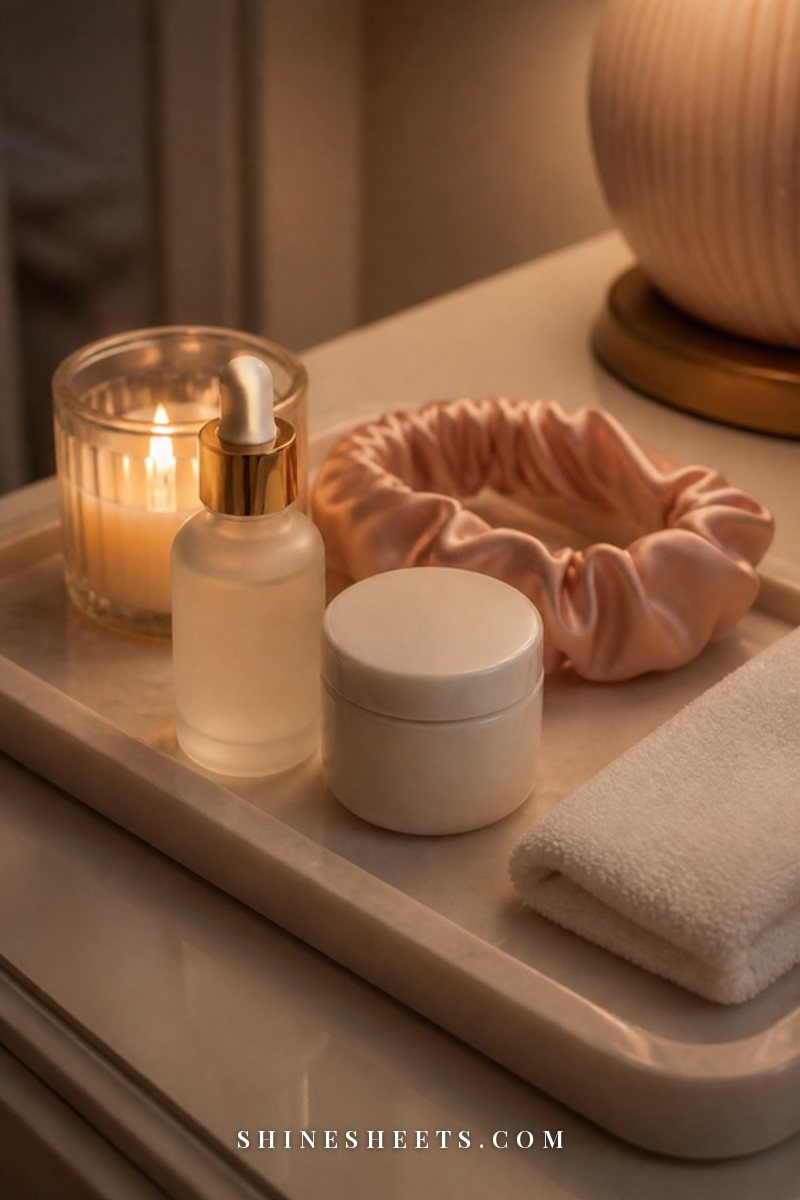
Using an oil or balm followed by a water-based cleanser is called double cleansing. It's most useful at night, when you're removing a full day of sunscreen, makeup, oil and pollution.
In the morning, most people don't need it. Your skin has only had your night products on it, so a splash of water or a single gentle cleanse is plenty. Double cleansing twice a day can leave skin dry or irritated, especially if it's sensitive.
A few exceptions where an evening single cleanse is fine: you wore no makeup and no sunscreen that day, or your skin feels dry and irritated and needs the gentlest possible routine for a while. My full guide to double cleansing explains who needs it and how to keep it under 60 seconds.
I like to think of the evening first cleanse as a small ritual: a candle on the vanity, a minute of slow massage, then journaling after my evening tea. It turns a chore into one of the calmest minutes of the day.
How To Remove Eye Makeup With Oil or Balm
Both formulas can remove eye makeup, including most waterproof mascara, without tugging. Oils tend to glide around lashes more easily; balms can feel a little heavier on the eyes.
- Close your eyes and gently press a little oil or melted balm over your lashes and lids with your fingertips.
- Hold for 10–15 seconds to let it dissolve the mascara.
- Massage very gently downward along the lashes. Never rub hard; the skin around the eyes is thin and delicate.
- Emulsify with a little water and rinse, or wipe gently with a damp soft cloth.
If you wear contact lenses, take them out first. Some oils can blur your vision briefly if they get into the eye, so keep your eyes closed until you've rinsed. If your eyes sting or turn red, choose a formula labeled ophthalmologist-tested or safe for the eye area, or use a dedicated eye makeup remover instead.
Common Mistakes With Oil Cleansers and Balms
These are the habits that make oil cleansing feel greasy, break you out or simply not work:
- Applying to a wet face. Water blocks the oil from grabbing makeup. Always start dry.
- Skipping emulsification. Without water, the oil won't rinse cleanly and can leave a film that clogs pores.
- Rinsing too quickly. Keep splashing until your skin no longer feels slippery.
- Using a harsh second cleanser. A strong foaming or exfoliating wash afterward undoes the gentleness. Keep the second step mild.
- Scrubbing. Let the oil do the work. Light, slow circles are all you need.
- Using too much product. More isn't better; it's just harder to rinse.
- Using a plain oil instead of a cleansing oil. Without emulsifiers, it won't rinse off properly.
- Using very hot water. Lukewarm water rinses just as well and is far kinder to your skin barrier.
Keeping Your Cleansing Balm Hygienic
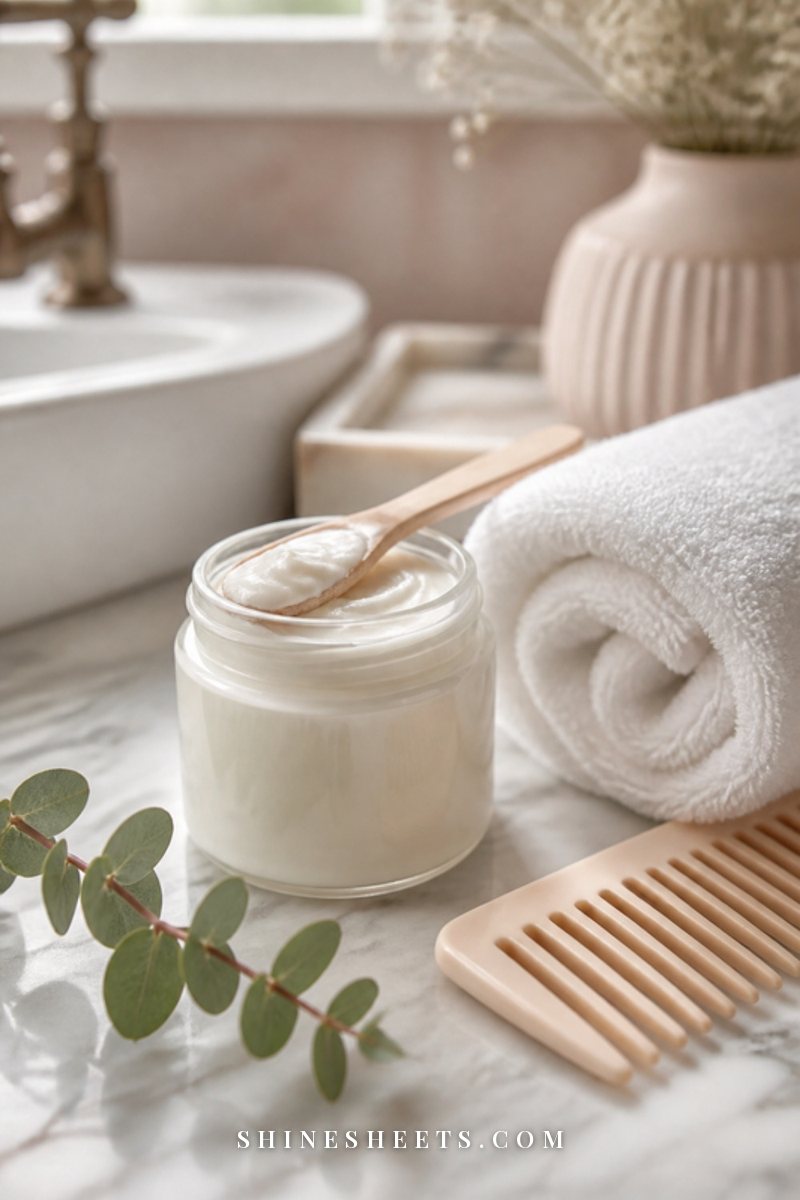
Balms live in open jars, which means wet fingers and bathroom humidity can sneak in. A few habits keep them fresh:
- Use the spatula. Most balms come with one. Scoop with a clean, dry spatula, never with wet fingers.
- Clean the spatula. Wash it with warm soapy water and let it dry fully at least once a week.
- Close the lid tightly after every use.
- Keep it away from the shower spray and direct heat, which can melt and separate the balm.
- Check the open-jar symbol. It shows how many months the balm lasts after opening (often 6–12 months). Toss it if the smell, color or texture changes.
Cleansing oils in pump bottles are naturally more hygienic, but keep the pump clean and the cap closed, and wipe away any drips so they don't collect dust.
Can You Use Both?
Absolutely. Plenty of people keep one of each and choose based on the day:
- Heavy makeup or water-resistant sunscreen: cleansing oil, because it slips through long-wear formulas and lashes quickly.
- A slow, relaxing evening: balm, for that melting, massage-like feel.
- Summer or humid weather: oil feels lighter on a shiny T-zone.
- Winter or after a day in dry air: balm feels more comforting on tight cheeks.
- Travel: a small jar of balm in your toiletry bag, no leak worries.
Just don't layer them in the same cleanse. One first-cleanse product, followed by a gentle water-based cleanser, is all your skin needs.
Signs It's Time To Switch
Your skin changes with seasons, stress and age, so the cleanser that suited you last year might not be right today. A few signs it's time to try the other texture (or a different formula):
- Your skin feels tight or itchy after cleansing. Try a richer balm and a milder second cleanser.
- Your face still feels slick after rinsing. Try a lighter oil that emulsifies more easily, or use less product.
- Makeup or sunscreen residue shows up on your towel. Massage a little longer, or switch to an oil for more slip.
- You notice new clogged pores or small bumps after a few weeks. Stop using the product and try a lighter, non-comedogenic formula.
- Redness or stinging. Stop, simplify your routine and choose a fragrance-free option. If it doesn't settle within a few days, check in with a dermatologist.
Give any new cleanser about two to four weeks before deciding, unless your skin reacts right away.
What To Look for When Buying
Whichever texture you choose, these are the details I'd check on the label:
- "Emulsifies" or "rinses clean" in the description, so it won't leave a film.
- Fragrance-free if your skin is sensitive or reactive.
- Non-comedogenic if you're oily or breakout-prone.
- A pump for oils and an included spatula for balms.
- A texture you enjoy. The best cleanser is the one you'll actually use every night.
Final Thoughts
The oil cleanser vs cleansing balm choice is really about texture and your skin. Lightweight oils that rinse cleanly suit oily, acne-prone and combination skin; rich, melting balms suit dry and mature skin; and sensitive skin does well with either, as long as it's fragrance-free. Start dry, massage for a minute, emulsify, rinse well and follow with a gentle second cleanse at night.
Done this way, your first cleanse becomes one of the gentlest, calmest steps of your routine, and your skin starts each night's skincare on a clean, comfortable base.