A while ago a friend looked at me across the table, tilted her head and asked, very kindly, "Are you okay? You look exhausted." I'd slept eight full hours. I'd had a lovely week. I was, for once, completely fine. It was just my under-eyes doing what they've always done: looking a little bluish, a little shadowed, as if I'd stayed up reading until three in the morning.
If you've ever had that moment, you know how deflating it is. And if you've searched for answers, you've probably found two kinds of advice: miracle creams that promise to "erase" dark circles overnight, and the slightly smug suggestion to just get more sleep. Neither helped me much, because neither explained the most important part. Dark circles aren't one thing. They have different causes, and what helps one type does almost nothing for another.
So this is my honest, gentle guide on how to get rid of dark circles, or at least how to make them look softer and less tired. You'll find a "which type are yours?" table so you can stop guessing, a 3-minute morning eye routine, twelve realistic habits, color-correcting basics for concealer, and a kind note on what can't be changed (and why that's okay).
No miracle promises here. Just what tends to help, what usually doesn't, and how to feel good about your face in the meantime.
Why Dark Circles Happen
The skin under your eyes is some of the thinnest on your whole body. That alone means anything happening beneath it, like blood vessels, muscle, small fat pads or extra pigment, shows through more easily than it would on your cheek. On top of that, a few common factors tend to make circles look darker:
- Genetics. This is the big one, and it's the part most articles skip. Many people simply inherit darker pigment or thinner skin around the eyes. If your mom or grandmother has them, you likely will too.
- Your face's natural structure. A slight hollow under the eye (sometimes called a tear trough) catches shadow, especially under overhead lighting.
- Pigmentation. Sun exposure, rubbing and inflammation can leave extra melanin under the eyes. This is more common in medium and deeper skin tones.
- Puffiness and fluid. Salty dinners, allergies, crying and lying flat all night can make under-eyes puffy, and puffiness casts a shadow right below it.
- Tiredness and stress. Poor sleep doesn't usually cause dark circles from scratch, but it can make the skin look paler and duller, so whatever is already there stands out more.
- Rubbing your eyes. Itchy eyes from allergies or tiredness lead to rubbing, which can irritate and darken the skin over time.
- Natural changes over time. As skin gradually loses some collagen and fat, the under-eye area can look thinner and more hollow.
Here's my honest admission: mine are mostly the genetic, thin-skin kind. No cream on earth is going to give me different skin. But once I understood that, I stopped feeling frustrated and started focusing on what actually helps, which is more than you might think.
Which Type of Dark Circles Are Yours?
This is the most useful part of the guide, so take a minute with it. Stand by a window in natural daylight with a small mirror and look closely at your under-eyes. Then try two quick checks:
- The stretch test. Very gently lift the skin under your eye toward your brow with one fingertip. If the color fades a lot, it's probably shadow or thin skin. If the color stays the same, it's likely pigment.
- The light test. Tilt your face up toward the light. If the darkness mostly disappears, it's a shadow caused by a hollow or puffiness.
Now find yourself in the table. Many people have a mix of two types, and that's completely normal.
| Type | How it looks | What tends to help | What usually won't |
|---|---|---|---|
| Pigment | Brown or grayish-brown, stays the same color when you stretch the skin | Daily sunscreen around the eyes, no rubbing, gentle brightening ingredients (vitamin C, niacinamide), peach or orange corrector | Cold compresses, more sleep alone, caffeine creams |
| Shadow | Darker in overhead light, fades when you tilt your face up | Light-reflecting concealer, good lighting, hydration to plump the surface | Brightening creams, color correctors alone |
| Thin skin | Bluish or purple-ish, you may see tiny veins, fades when stretched | Hydrating eye cream, gentle long-term ingredients (peptides, a mild retinoid used carefully), peach corrector | Harsh scrubbing, strong actives every night |
| Puffiness | A swollen pouch with a shadow right below, worse in the morning | Cold tools, sleeping with your head slightly raised, less salt in the evening, managing allergies, caffeine eye serum | Heavy creams that sit on the skin, covering it with lots of concealer |
If your circles appeared suddenly, look very different on one side, or come with other symptoms, please skip straight to the doctor section near the end before trying anything else.
Your 3-Minute Morning Eye Routine
This little routine works for almost every type and takes about three minutes, which is roughly how long it takes the kettle to boil. I like doing it while my tea steeps.
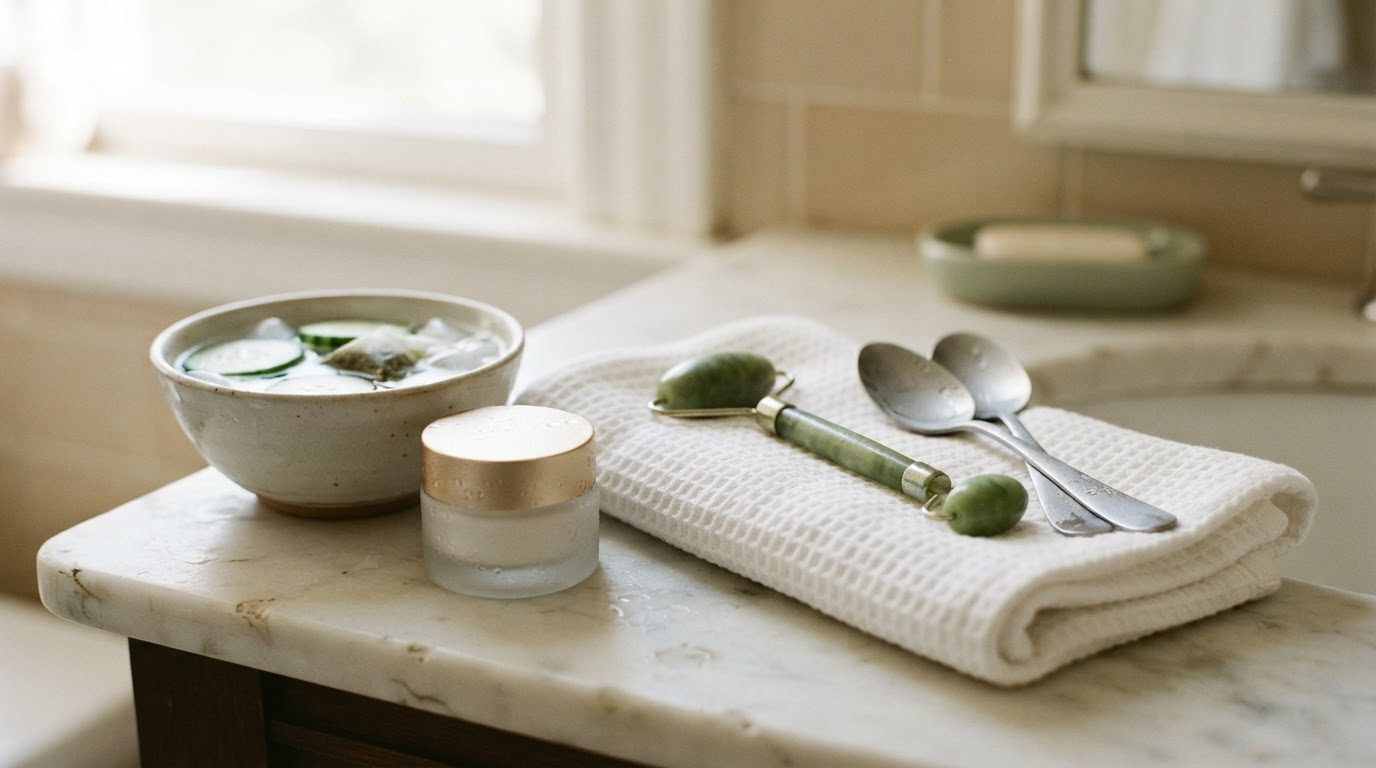
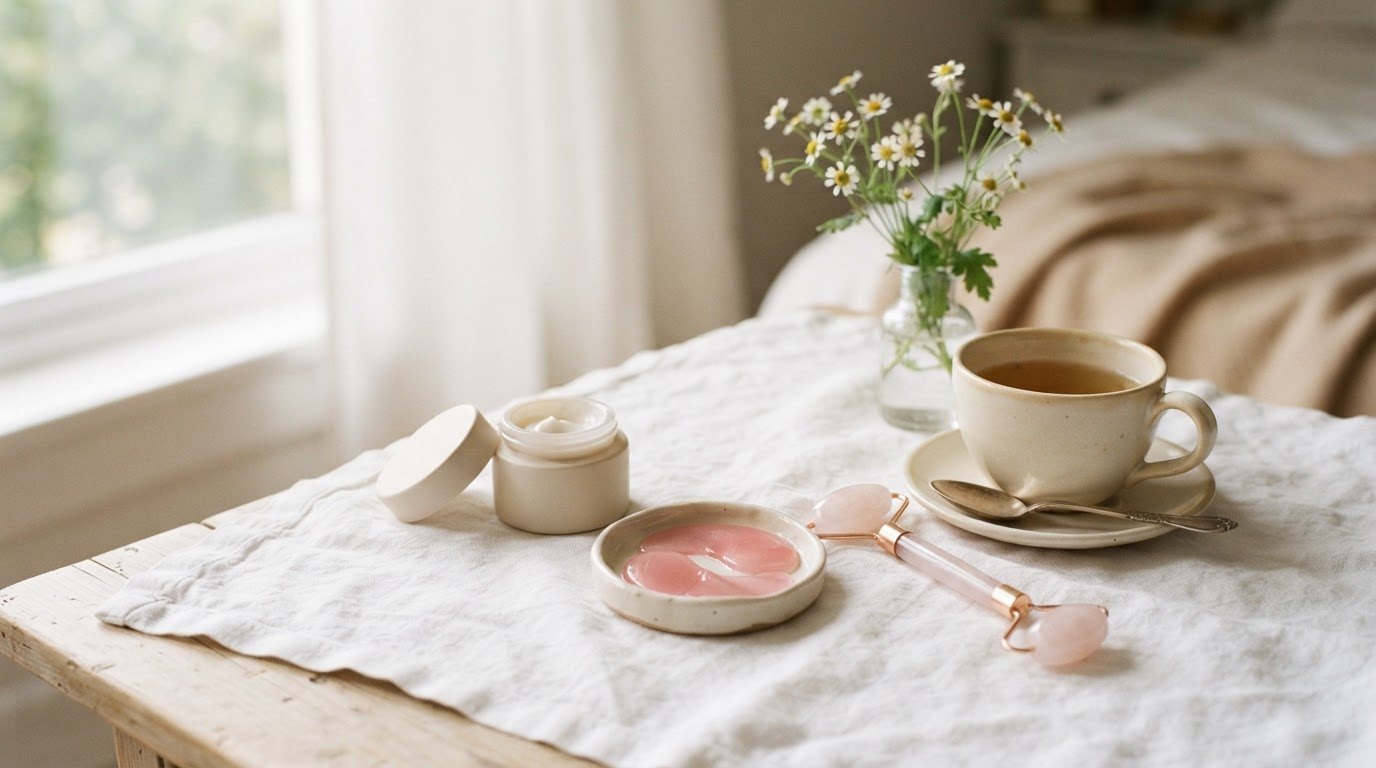
- Cool down (60 seconds). Rinse your face with cool water, or hold a cold spoon, chilled roller or cool damp cloth gently under each eye for about 30 seconds per side. This helps with morning puffiness.
- Hydrate (30 seconds). Tap a pea-sized amount of eye cream or serum (half for each eye) along the orbital bone with your ring finger. Tap, don't rub.
- Drain (30 seconds). With the lightest pressure, sweep from the inner corner of your under-eye outward toward your temple, three times per side. Think of moving a feather, not kneading dough.
- Protect (30 seconds). Apply sunscreen right up to your orbital bone. Many people skip this area, and it's exactly where pigment loves to build.
- Correct and conceal (30 seconds, optional). A tiny dot of corrector only where it's darkest, then a thin layer of concealer, pressed in with your fingertip.
That's it. Nothing here will change your genetics, but done most mornings, it can help your eyes look fresher and less puffy, and it gives you a calm little moment before the day starts.
12 Gentle Ways To Reduce the Look of Dark Circles
Pick the ones that match your type from the table above. You don't need all twelve, and you definitely don't need them all at once.
1. Wear Sunscreen All the Way Up to Your Eyes
For pigment-type circles, this is the single most helpful habit, and it's free if you already own sunscreen. UV light encourages pigment, and the under-eye area gets plenty of it. The problem is that many sunscreens sting when they get close to the eyes.
A mineral sunscreen stick made for the eye area is a great pick if that's you. Look for zinc oxide or titanium dioxide, fragrance-free, labeled for sensitive skin or ophthalmologist-tested. Swipe it along the orbital bone and pat it in.
2. Stop Rubbing Your Eyes
Rubbing irritates thin under-eye skin, and repeated irritation can deepen pigment over time. It's usually a sign of something else: allergies, dry eyes, tiredness, or simply habit.
When you feel the urge, try pressing a cool, clean fingertip gently against the itch instead. If itching is constant, talk to a pharmacist or doctor about allergy options, because treating the itch is far easier than breaking the habit by willpower.
3. Use Cold to Calm Morning Puffiness
If your circles are worse in the morning and better by lunch, puffiness is probably part of the picture. Cold helps temporarily constrict blood vessels and reduce swelling.
Keep a cooling facial roller in the fridge and roll it gently outward from the inner corner for a minute. Two metal spoons chilled in a glass of cold water work just as well, and I find there's something quite charming about doing a beauty trick with cutlery. For more ideas, I have a whole post on how to reduce face puffiness.
4. Try a Caffeine Eye Serum
Caffeine applied to the skin may help temporarily reduce the look of puffiness and redness. It's not a cure, and it won't touch pigment, but for the puffy or bluish type it can make mornings look a little brighter.
A lightweight caffeine eye serum with a cooling metal tip is one of the most popular drugstore options. Look for a simple, fragrance-free formula, and apply a thin layer morning and night. (Funny enough, caffeine on my under-eyes never makes me anxious the way a second coffee sometimes does.)
5. Choose an Eye Cream for Hydration, Not Miracles
Well-hydrated skin reflects light better and looks plumper, which can soften thin-skin and shadow circles. You don't need an expensive eye cream for this. Look for ceramides, glycerin, hyaluronic acid, peptides or niacinamide, in a fragrance-free formula.
If your facial moisturizer is gentle and fragrance-free, you can absolutely use that around your eyes instead. Eye creams are often just smaller, gentler versions of face creams, and that's fine.
6. Add Gentle Brightening Ingredients Slowly
For pigment-type circles, ingredients like vitamin C, niacinamide, licorice root extract or tranexamic acid may help the area look more even over a few months. Choose products specifically made for the eye area, start every other day, and stop if you notice stinging or redness.
If you're curious about using a retinoid around the eyes, please go very slowly, start with a formula made for the eye area, and read my retinol for beginners guide first. The under-eye area is the easiest place to overdo it.
7. Sleep With Your Head Slightly Raised
Fluid can pool under the eyes when you lie flat all night. Adding one extra pillow so your head is slightly higher than your chest can help some people wake up less puffy.
Sleeping on your back also means less pressure and creasing on your face. If you're a side sleeper (I am, stubbornly), a smooth pillowcase can at least reduce friction, which I explain more in my guide to silk pillowcase benefits.
8. Protect Your Sleep, Not Just the Hours
Sleep doesn't fix genetic dark circles, but tired skin looks paler and duller, which makes any shadow more obvious. Regular sleep and wake times, a dark room and a slow wind-down all help.
A soft silk sleep mask is a lovely pick if streetlights or early sunrises wake you up. Look for one that's adjustable and doesn't press on your eyes. I've also gathered my favorite evening habits in my winter sleep routine.
9. Watch Evening Salt and Alcohol
This isn't about strict rules. But many people notice that a very salty dinner or a few glasses of wine the night before shows up as puffy, darker under-eyes in the morning. If you've got something important tomorrow, a glass of water with dinner and a lighter, less salty meal can make a visible difference.
10. Use Under-Eye Patches as a Treat
Hydrogel under-eye patches are a lovely little ritual: ten to twenty minutes of cooling hydration while you do your makeup or drink your coffee. They give a temporary plump, fresh look, which is perfect before an event or a video call.
K-beauty hydrogel under-eye patches are the classic pick here. Look for ones with hyaluronic acid or niacinamide, and store them in the fridge for an extra cooling effect. Just remember they're a nice boost, not a long-term fix.

11. Be Gentle When Removing Makeup
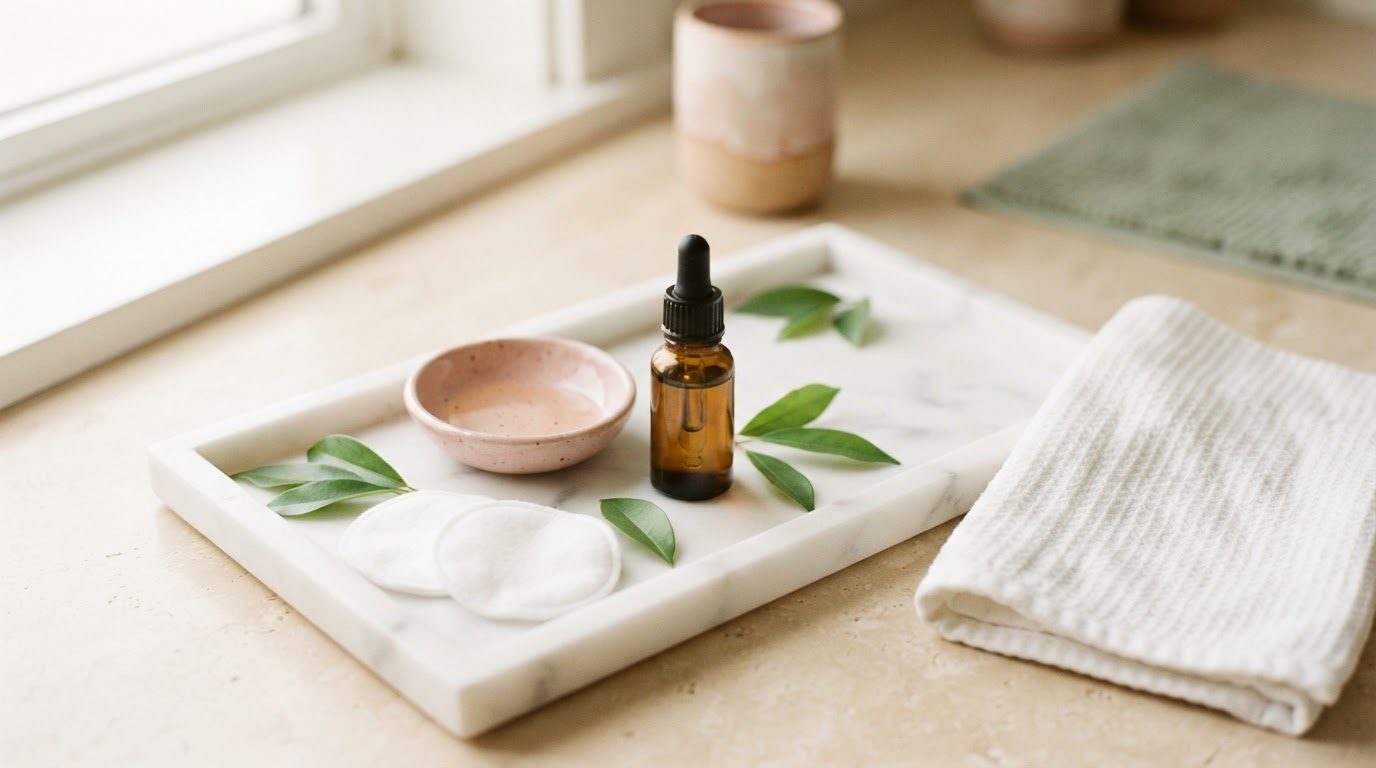
Mascara and eyeliner removal is where a lot of under-eye rubbing happens. Soak a cotton pad with a gentle eye makeup remover or cleansing balm, hold it over closed eyes for ten seconds, then sweep down and out once. No scrubbing back and forth.
12. Look After Your Allergies
Seasonal allergies and a stuffy nose can cause "allergic shiners," the bluish-gray darkness that comes from congestion. If your circles get noticeably worse in certain seasons, or you're always sniffly, it's worth talking to a pharmacist or doctor. Treating the congestion can lighten the circles more than any cream.
Concealer Color-Correcting Basics
Sometimes the kindest thing you can do on a busy morning is simply cover them nicely. Color correcting sounds intimidating, but it's really just one rule: opposite colors cancel each other out.
| If your circles look… | Use a corrector that's… | Best for |
|---|---|---|
| Bluish or purple | Peach or salmon | Fair to light-medium skin |
| Bluish-gray or deeper purple | Orange or deep peach | Medium to deep skin |
| Brown | Peach (lighter skin) or orange-red (deeper skin) | Pigment-type circles |
| Slightly red or pink | Soft yellow | Irritated or reddish under-eyes |
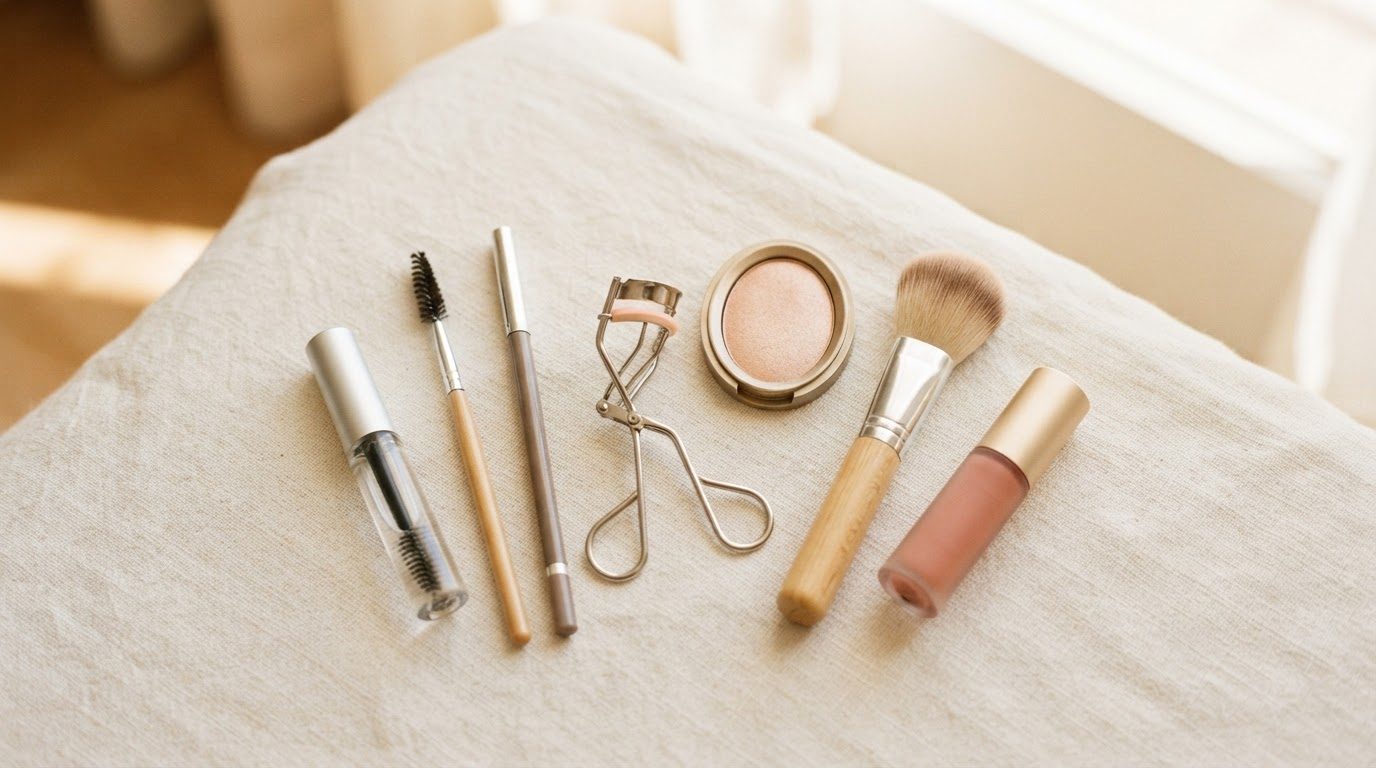
The technique matters more than the shade. Use a tiny amount of corrector only on the darkest part, usually the inner corner, and press it in with your ring finger. Then add a thin layer of concealer close to your skin tone, maybe one shade lighter at most. Too light and you'll get a gray, ghostly cast; too much product and it will crease by noon.
A creamy peach color corrector is the easiest place to start for most people with bluish circles. Choose a hydrating texture, set lightly with a small amount of powder only where it creases, and you're done. If you're unsure about your concealer shade, my guide on how to choose your foundation shade uses the same undertone basics.
What Probably Won't Help (and Why)
It's just as important to know where not to spend your money and hope:
- Creams that promise to "erase" dark circles. If a product sounded too good to be true, it probably was. Most eye creams soften the look gently over time at best.
- Cucumber slices, tea bags and potatoes. They're pleasant and cooling, which can help puffiness for a little while. That's all they do.
- Sleeping twelve hours. If your circles are genetic, extra sleep won't remove them. Rest because you deserve it, not to change your face.
- DIY lemon juice or baking soda. Please don't. These are harsh on delicate skin and can cause irritation that makes pigment worse.
- Thick layers of concealer. More product usually means more creasing and a heavier look. Thin layers, built up only where needed, look far more natural.
When To See a Doctor
Most dark circles are harmless and simply part of your face. But please check in with a doctor or dermatologist if:
- Dark circles appeared suddenly or have changed quickly.
- Only one eye is affected, or there's swelling, pain or redness.
- You feel unusually tired, weak, short of breath or dizzy, which can sometimes point to things like low iron that a simple blood test can check.
- You have constant itching, watering or allergy symptoms around your eyes.
- A product causes burning, rash or swelling.
A dermatologist can also talk you through in-office options, like prescription creams, chemical peels, lasers or fillers, if you'd like to explore them. Those are personal choices, and none of them are required to have a lovely face. This guide is general information, not medical advice.
A Gentle Reminder About Your Face
I want to say this clearly, because the beauty world rarely does. Dark circles are not a flaw. They're not a sign that you're unhealthy, lazy or bad at self-care. For many of us they're simply part of the face we were given, often shared with people we love.
Some of the most beautiful Old Hollywood portraits show women with soft shadows around their eyes. It gives a face depth and character. You're allowed to care for yours, cover them some days and leave them be on others. Both are completely fine.
Final Thoughts
Figuring out your type is the real secret. Once you know whether your circles are mostly pigment, shadow, thin skin or puffiness, you can stop buying random miracle creams and focus on the few habits that actually help: sunscreen around the eyes, no rubbing, cold for puffiness, gentle hydration and a little corrector on the days you want it.
Be patient with the slow stuff, be kind to the parts you can't change, and remember that the face looking back at you in the morning is already doing a wonderful job.