Under-eye bags are rarely a sign that you're doing something wrong. Most of the time they're a mix of fluid that settled overnight, the way you slept, what you ate the evening before and the face you were simply born with. That's actually good news, because the fluid part responds beautifully to cold, gentle pressure and a few small habits, even if the structural part needs a little honesty.
This guide covers under eye bags from both sides: the quick fixes that calm puffiness on a rushed morning, and the long-term habits that make those mornings rarer. You'll find why bags happen (including what skincare genuinely can't change), five quick fixes, a five-minute de-puff routine table you can screenshot, makeup tricks that hide bags instead of highlighting them, seven slow-and-steady habits and the signs that mean it's time to check in with a doctor.
My sensitive skin taught me to be gentle around the eyes long before I understood why the skin there is so thin and reactive, and gentle is the theme of everything below. No harsh scrubbing, no tugging, no miracle claims. Just calm, practical steps that make your face feel awake.
Why Under Eye Bags Happen

The skin under your eyes is some of the thinnest on your body, so anything happening underneath it shows quickly. A few different things can cause that soft, swollen look, and most people have a combination of two or three.
Fluid That Pools Overnight
When you lie flat for hours, fluid can collect in the loose tissue around your eyes. That's why bags often look worst in the first hour after waking and fade by lunchtime as you move around and gravity does its work. A salty dinner or an extra glass of wine the night before can make your body hold on to more water, and the under-eye area is often where it shows first.
Sleep (Too Little, or Face-Down)
Short sleep makes skin look duller and shadows look deeper, which makes any puffiness more obvious. Sleep position matters too. If you sleep on your stomach or on one side with your face pressed into the pillow, fluid tends to gather on that side. If one eye is reliably puffier in the morning, check which side you sleep on (it's usually that one).
Allergies and Rubbing
Seasonal allergies, dust, pet dander and even a new eye cream can trigger inflammation and swelling. Itchy eyes make you rub, and rubbing irritates that thin skin even more, so the cycle feeds itself. If your bags come with itching, watering or redness, allergies are a likely piece of the puzzle.
Genetics and Aging Fat Pads
Here's the honest part. Some under-eye bags are mostly structural. We all have small fat pads that cushion the eye, and over time the thin membrane holding them in place can relax, letting them push forward. Some families simply have more prominent fat pads from a young age. If your bags look about the same morning and evening, regardless of sleep or salt, this is probably what you're seeing.
What Skincare Can and Can't Change
Skincare can help with fluid puffiness, mild swelling, dryness that makes lines more visible and, slowly, the firmness and texture of the skin. What no eye cream can do is move a fat pad back into place. I'd rather you know that now than spend a fortune chasing a result a jar can't deliver. If structural bags genuinely bother you, a dermatologist or oculoplastic surgeon can talk you through professional options. For everything else, the steps below make a real, visible difference.
5 Morning Quick Fixes for Puffy Under Eyes
These are for the mornings when you wake up looking more tired than you feel. They work on fluid puffiness, so the results are temporary (usually a few hours), but they're quick, cheap and gentle.
1. A Cold Compress
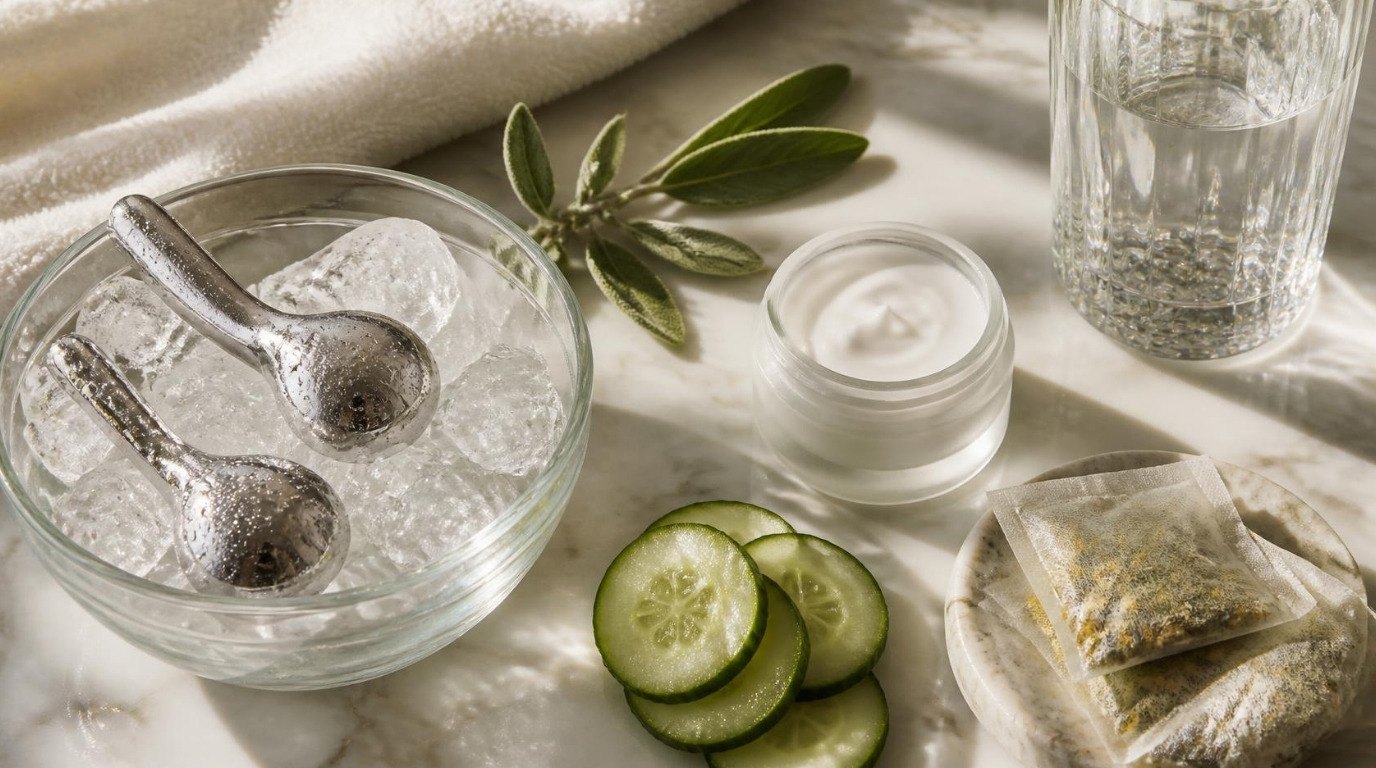
Cold narrows blood vessels and helps move fluid away, which is why it's the fastest fix there is. Soak a clean washcloth in cold water, wring it out, lie back and rest it over closed eyes for 5 to 10 minutes. Never put ice directly on your skin; always wrap it in a cloth. If you want something even easier, keep a gel eye mask in the fridge (not the freezer) so it's ready when you need it.
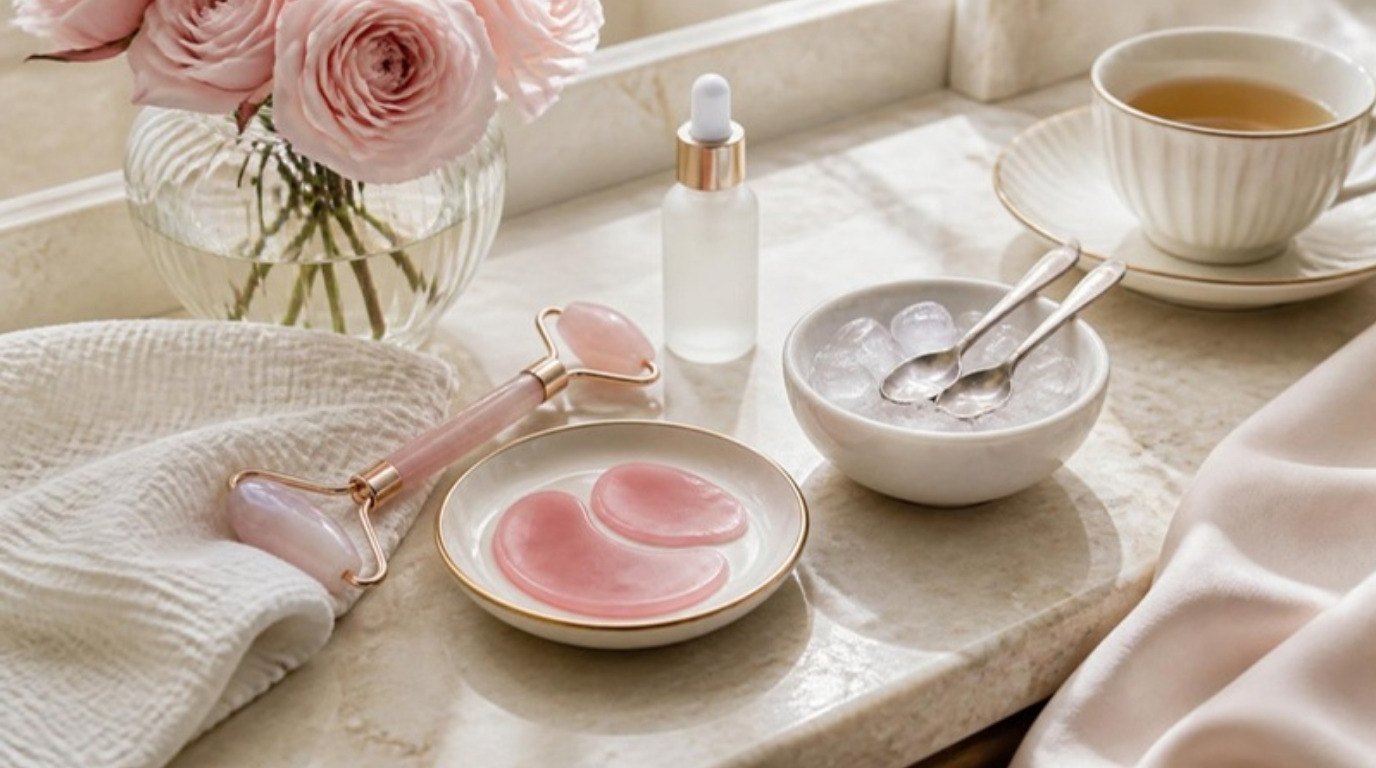
2. Chilled Spoons or Cooling Eye Patches
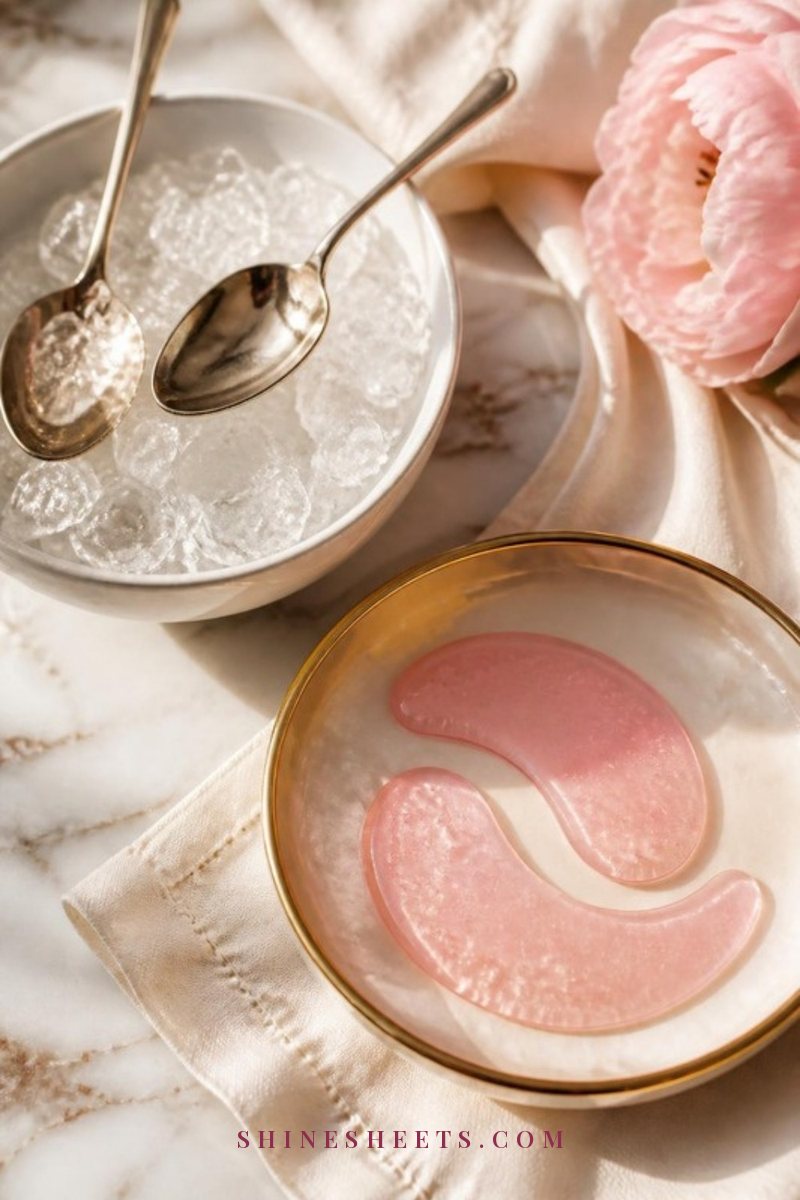
The chilled spoon trick is old-fashioned for a reason. Put two metal teaspoons in the fridge before bed, then hold the curved backs gently against your under-eyes for a minute or two each morning. Swap them when they warm up. For a slightly more pampered version, look for hydrogel under-eye patches with soothing ingredients like caffeine, hyaluronic acid or niacinamide. Store them in the fridge and leave them on for 10 to 15 minutes while you make tea or choose your outfit.
3. A Gentle Lymphatic Tap
Your lymphatic system moves excess fluid out of tissues, and very light pressure can nudge it along. Using your ring fingers (they're naturally the softest), tap lightly along your under-eye from the inner corner out to your temple, about 20 times per side. Then sweep gently from your temples down in front of your ears toward your neck. The pressure should be barely there, like you're patting a sleepy kitten, not kneading dough. If you'd like the full face version, my lymphatic drainage face massage routine takes about five minutes.
4. A Caffeine Eye Serum
Caffeine applied to the skin can temporarily tighten and de-puff, which makes it one of the few eye-area ingredients with a quick, visible effect. Look for a lightweight caffeine eye serum with a short ingredient list and no fragrance, and keep it in the fridge for extra cooling. Pat a rice-grain amount along the orbital bone (the bony ridge under your eye), not right up to the lash line, and let it soak in for a minute before anything else.
5. An Ice Roller
An ice roller for the face combines cold and gentle movement in one step. Keep it in the freezer, then roll outward from the inner corner of each eye toward your temples for about 30 seconds per side, followed by a few strokes down the sides of your neck. Keep it moving and stop if your skin feels painfully cold. Wipe it clean after each use so it stays hygienic.
The Morning 5-Minute De-Puff Routine

This is the routine I'd hand to a friend who has five minutes and a puffy face. It stacks the quick fixes in an order that makes sense: cold first, movement second, product third, makeup last. Screenshot it and keep it near your sink.
| Time | Step | Exactly what to do | Why it helps |
|---|---|---|---|
| 0:00–0:30 | Drink a glass of water | Sip a full glass of room-temperature water while the tap runs cold. | Rehydrates after the night and helps your body let go of retained fluid. |
| 0:30–2:00 | Cold compress or chilled patches | Cold washcloth over closed eyes, or fridge-cold patches on the under-eye area. | Cold narrows vessels and reduces visible swelling fast. |
| 2:00–3:00 | Lymphatic tap | Ring fingers tap inner corner to temple 20 times per side, then sweep down to the neck. | Encourages pooled fluid to drain away from the eye area. |
| 3:00–3:30 | Ice roller | Roll outward under each eye and down the neck, 30 seconds per side. | Adds a second round of cold with gentle movement. |
| 3:30–4:15 | Caffeine serum | Pat a rice-grain amount along the orbital bone with your ring finger. | Temporarily tightens and de-puffs the skin. |
| 4:15–5:00 | Moisturize and SPF | Light eye cream, then sunscreen around the eye area (not on the lid). | Keeps thin skin hydrated and protected all day. |
A small tip: if you only have one minute, do steps one and two. Cold and water alone handle most of the morning puffiness for most people.
If you also notice shadows rather than swelling, the approach is a bit different. My guide on how to get rid of dark circles explains how to tell the two apart and what helps each one, and these tips for reducing face puffiness work well when the swelling isn't just under your eyes.
Makeup Tricks That Make Under Eye Bags Less Noticeable
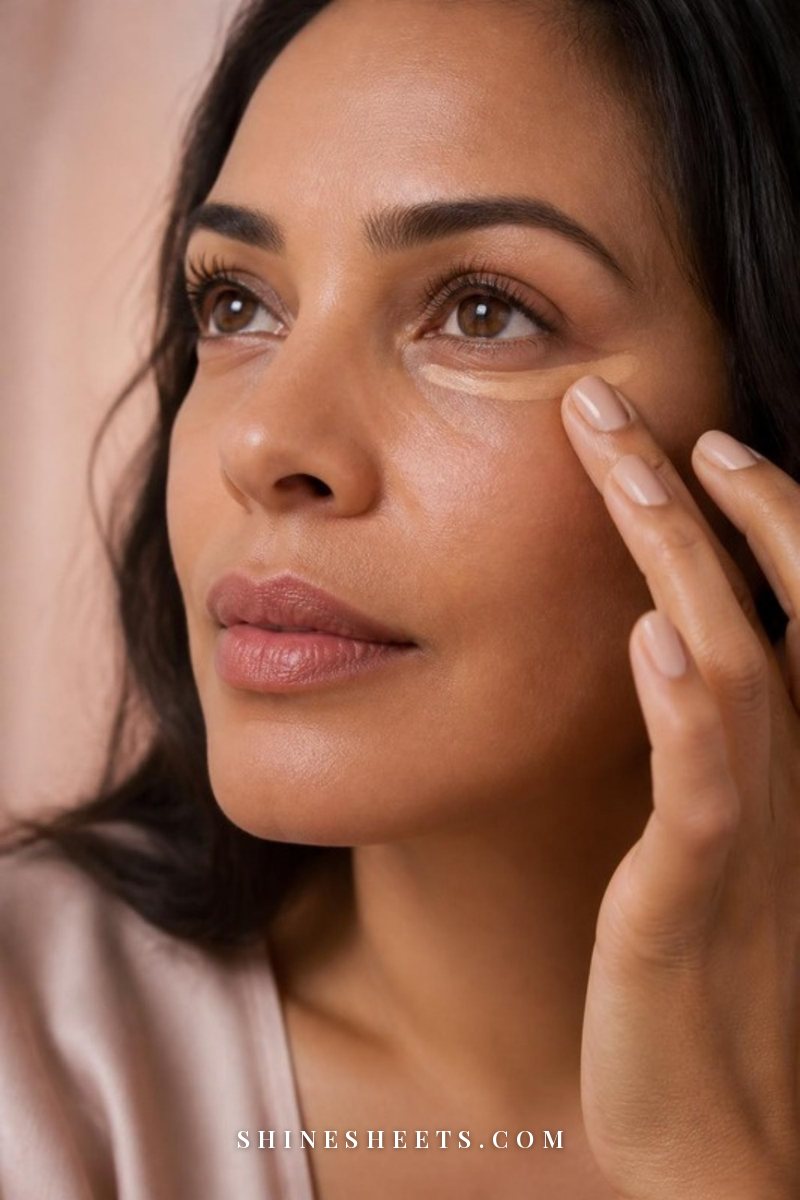
The biggest makeup mistake with under-eye bags is covering the whole puffy area in bright concealer. Light colors bring things forward, so a pale, shiny concealer on top of a bag actually makes it look bigger. The trick is to work with light and shadow instead of against it.
Put Concealer in the Shadow, Not on the Puff
Look straight into a mirror with your chin slightly down. You'll see the raised puffy part and, just below it, a darker groove where the shadow sits. That shadow line is what makes bags noticeable. Dot a small amount of concealer that matches your skin tone (or is half a shade lighter, no more) only into that groove, then tap it in with your ring finger until the edges disappear. Leave the puffy part alone or give it the thinnest layer of your regular base.
Choose a Thin, Flexible Formula
Thick, heavy concealers settle into lines and draw attention to texture. A lightweight, creamy formula that stays flexible looks much more natural on a puffy area. Apply less than you think you need; you can always add a second tiny layer. If creasing is your nemesis, my guide to applying concealer without creasing covers prep, placement and setting in detail.
Skip Shimmer Directly Under the Eye
Shimmer and glitter reflect light and highlight texture, so keep them off the under-eye area. If you want a bright, awake look, place a soft highlight on the top of your cheekbones instead, a little further out and lower than the bag. It lifts the face without spotlighting the puffiness.
Draw Attention Upward
A defined brow, curled lashes and a coat of mascara on the top lashes only pull focus up and away from the under-eye area. Skip heavy liner and dark mascara on the lower lash line, since it frames the bag like a little underline. A soft, warm blush also helps your whole face look rested.
7 Long-Term Habits for Less Puffy Eyes
Quick fixes buy you a few good hours. Habits are what make the puffy mornings less frequent in the first place. None of these work overnight, so give each one a few weeks before you judge it.
1. Protect Your Sleep
Aim for seven to nine hours, as consistently as you can, and keep a similar bedtime most nights. Your body handles fluid balance better with regular rest, and well-rested skin simply looks brighter. If falling asleep is the hard part, a short wind-down (dim lights, phone away, evening tea, a few lines in a journal) is worth more than any eye cream.
2. Sleep With Your Head Slightly Raised
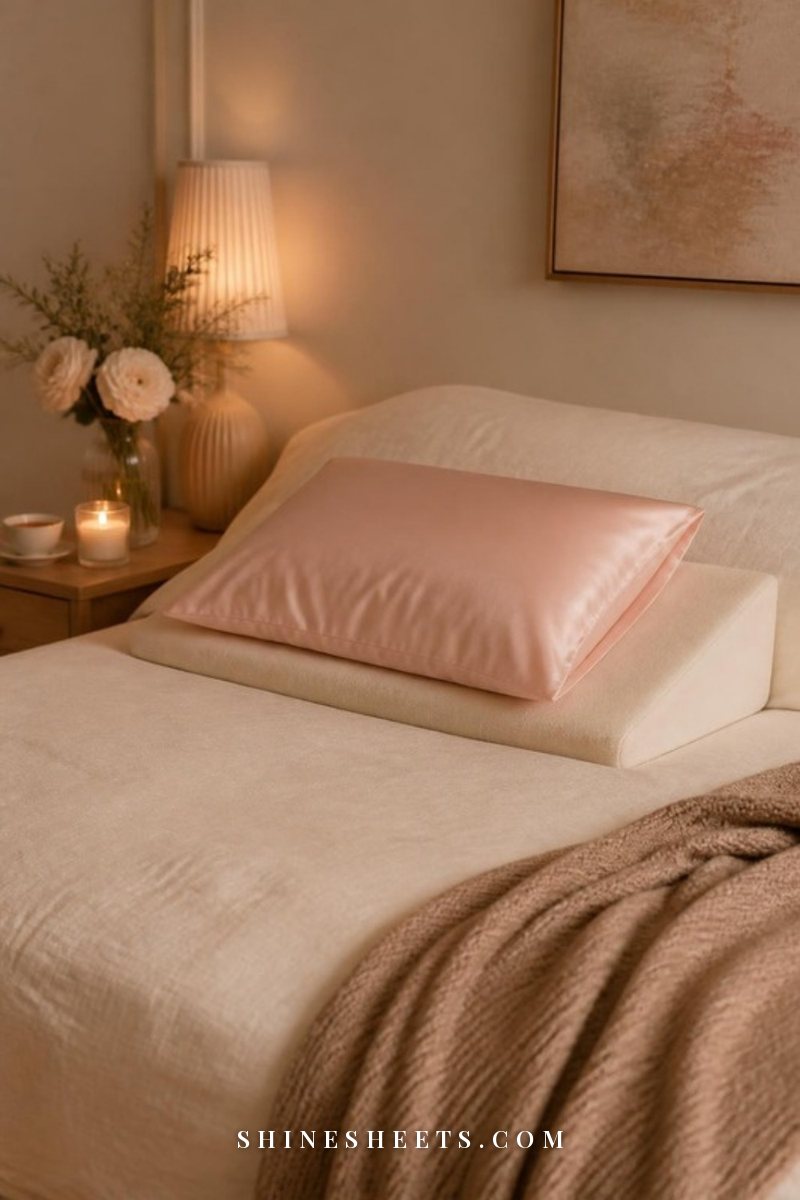
Raising your head a little helps stop fluid from pooling around your eyes overnight. An extra pillow works, but if it gives you a stiff neck, a gentle bed wedge pillow creates a smoother slope that supports your upper back too. Even a few centimeters of lift can make a visible difference by morning. Try to spend more of the night on your back if you can; sleeping face-down presses fluid into the under-eye area.
If you sleep on your side and can't change that, a smooth silk pillowcase reduces friction and tugging on delicate skin. It won't drain fluid, but it's kinder to your face (and your hair). I wrote more about whether it's worth it in my post on silk pillowcase benefits.
3. Stay Hydrated and Watch the Evening Salt
It sounds backwards, but drinking enough water helps your body hold on to less of it. Spread your water through the day, and ease up a little in the hour before bed so you're not waking up for the bathroom. If your bags are noticeably worse after takeout, ramen or chips, try keeping very salty meals earlier in the day and see if mornings improve. Alcohol in the evening has a similar effect for many people.
4. Take Allergies Seriously
If your eyes itch, water or swell at certain times of year, treating the allergy is often the single biggest change you can make. Wash your face and hair before bed in pollen season, change pillowcases often, keep pets out of the bedroom if dander bothers you and ask a pharmacist or doctor about allergy options that suit you. Most of all, try not to rub. Press a cool compress on itchy eyes instead.
5. Wear SPF Around the Eyes Every Day
Sun exposure breaks down collagen over time, and thinner, laxer skin makes fat pads and fluid more visible. Use a gentle sunscreen on the under-eye area every morning (mineral formulas tend to sting less), and add sunglasses on bright days so you squint less. This is the least exciting habit on the list and probably the most important one for the long run.
6. Use Retinol Carefully Around the Eyes
Retinol can support firmer, smoother skin over months, which may make the area look less crepey and slightly less puffy. The eye area is sensitive, though, so start slowly: a pea-sized amount for your whole face, kept a few millimeters below the lash line, two nights a week at first. A buffer of eye cream underneath helps if you're prone to irritation. If retinol is new to you, my retinol for beginners guide walks through the slow start step by step. Skip it if you're pregnant or breastfeeding, and check with your doctor first.
7. Moisturize With a Gentle Eye Cream
Hydrated skin looks smoother and reflects light more evenly, which softens the look of bags. Look for a fragrance-free peptide eye cream with supportive ingredients like peptides, ceramides or hyaluronic acid. Tap a small amount along the orbital bone morning and night. Think of it as long-term care for the skin, not a fix for the bag itself, and keep your expectations kind.
When To See a Doctor
Most under-eye bags are harmless and simply cosmetic. Still, some swelling deserves a professional look. Please see a doctor if you notice any of these:
- Swelling that appears suddenly, especially if it doesn't settle within a day or two.
- Puffiness on only one side that keeps coming back or keeps getting worse.
- Swelling with pain, redness, warmth, itching that won't stop or changes in your vision.
- Puffiness around the eyes along with swelling in your ankles, feet or hands.
- Bags that came with other changes, like unusual tiredness, weight changes or feeling very cold.
- Any swelling after starting a new medication or skincare product that doesn't calm down when you stop using it.
These don't automatically mean something serious, but they're worth checking because swelling can sometimes be linked to allergies, infections, thyroid or kidney issues. If your bags are purely structural and simply bother you, a board-certified dermatologist can explain professional treatments honestly, including what they cost and what recovery looks like, so you can decide without pressure.
Final Thoughts
Under-eye bags are one of those things we notice far more on ourselves than anyone else ever does. A cold compress, a little gentle tapping and a sensible pillow will handle most puffy mornings, and the slow habits do the rest over time.
And on the days when the bags win anyway, that's okay too. A bit of mascara, a soft blush and a cup of tea, and you're ready. Your face is allowed to look like it has lived a real life.