Under-eye patches are one of those little beauty rituals that feel like a treat and actually do something, as long as you know what that something is. They can make the under-eye area look smoother, fresher and less puffy for a few hours. They can't erase dark circles for good, rebuild collagen overnight or replace sleep. Once you expect the first and not the second, they become a lovely tool rather than a disappointment.
The trick is choosing the right type for what you want, using them on clean skin for the right amount of time, and following up properly so the hydration doesn't simply evaporate. A few small details, like chilling them first or timing them before makeup, make a surprisingly big difference.
This guide explains under-eye patches honestly: what they can and can't do, the main types (hydrogel, microneedle and cotton), the ingredients worth looking for, a patch type table with what each is best for and how long to wear it, step-by-step use, who should be careful, and what really helps your under-eyes in the long run.
I have combination, sensitive skin, so I'm careful with anything near my eyes. Everything here leans gentle.
The Honest Answer: Do Under-Eye Patches Work?

Yes, for temporary results. Under-eye patches hold a concentrated serum against thin skin for 10 to 20 minutes, which gives that area a big drink of hydration. Hydrated skin looks plumper and smoother, fine dryness lines soften, and cooling patches can help puffiness look calmer. Your concealer often sits better afterwards too.
What they don't do is permanently change the structure of your skin. Dark circles caused by genetics, thin skin or visible blood vessels, under-eye bags caused by fat pads, and deeper wrinkles will still be there once the effect wears off, usually after a few hours. That doesn't make patches useless. It makes them a "look fresh for today" product rather than a long-term fix.
What Under-Eye Patches Can and Can't Do
Here's a quick, realistic picture.
They can:
- Hydrate the under-eye area and make it look smoother for a few hours
- Help morning puffiness look calmer, especially when chilled
- Soften the look of dryness lines
- Create a smoother base for concealer
- Give you ten quiet minutes that feel like a small spa moment
They can't:
- Permanently remove dark circles or under-eye bags
- Erase deep wrinkles
- Replace sleep, sunscreen or a good eye cream
- Fix puffiness caused by allergies or health issues
If you're dealing with persistent puffiness, my guide to under-eye bags explains the different causes and what helps each one.
Types of Under-Eye Patches
Not all patches work the same way. The material changes how they feel, how long you wear them and who they suit best.
Hydrogel Patches
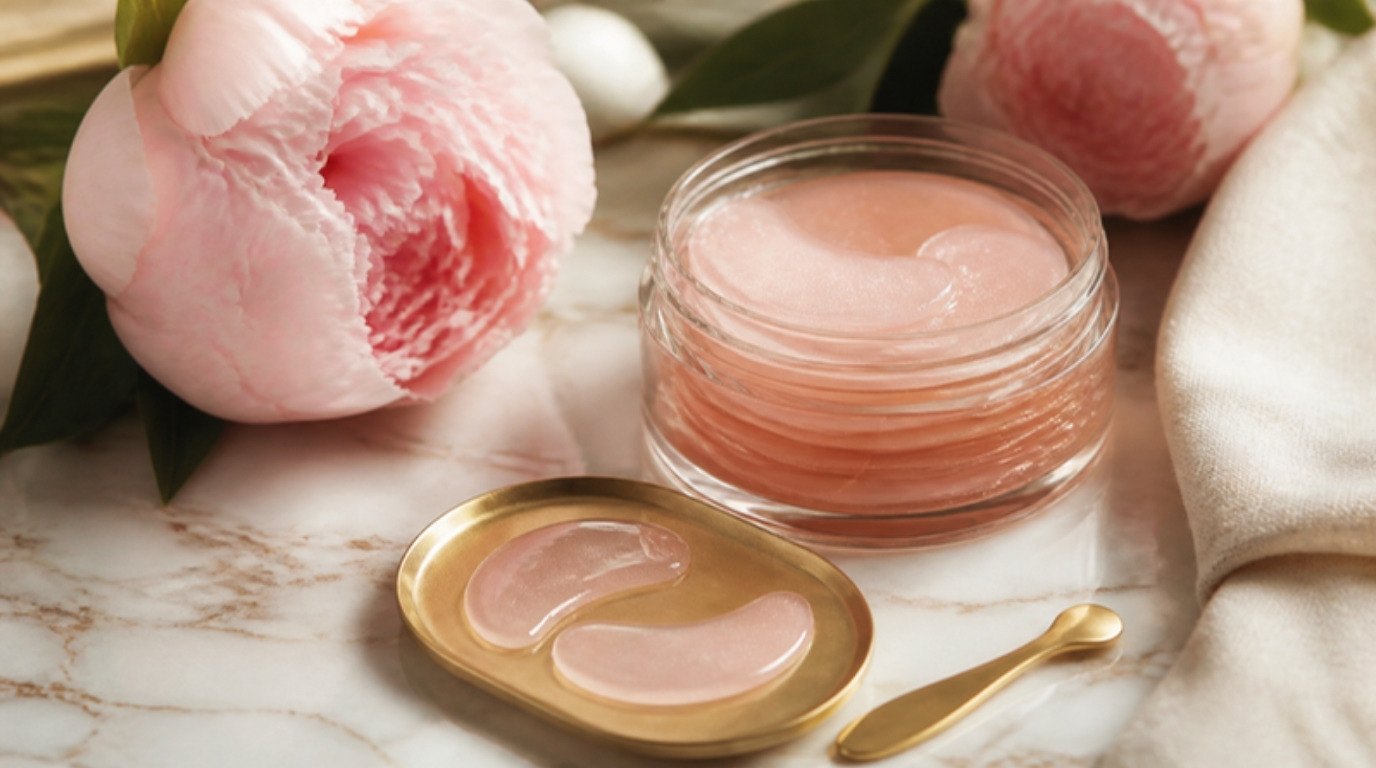
These are the jelly-like, slightly translucent patches that come in jars or single pairs. The gel holds a lot of serum and releases it slowly, and it stays put without sliding, so you can move around while wearing them. They often feel cool and soothing on the skin.
For most people, these are the best place to start. Look for hydrogel under-eye patches from a well-known K-beauty brand, with hydrating ingredients near the top of the list and no strong fragrance. Jars usually come with a little spatula, which keeps the remaining patches cleaner than fingers do.
Microneedle Patches
Microneedle (or "microdart") patches have tiny dissolving points made from ingredients like hyaluronic acid. The points sit in the very top layer of skin and slowly dissolve, usually over a couple of hours or overnight, depending on the instructions.
They're marketed for fine lines, but please go gently here. They can tingle or sting, they're not for sensitive, broken, irritated or acne-prone skin around the eyes, and they shouldn't be combined with retinoids or exfoliating acids the same night. Follow the label exactly, never use them on damaged skin, and if you're unsure, skip them. Hydrogel patches are a calmer choice for most people.
Cotton and Sheet Eye Masks
These are thin, serum-soaked fabric patches, a bit like a mini sheet mask. They're usually cheaper and often come in single-use packs, but they can dry out faster and tend to slip if you move. They're best used lying down for 10 to 15 minutes. If you love sheet masks generally, these are an easy addition to a pampering evening.
Key Ingredients To Look For
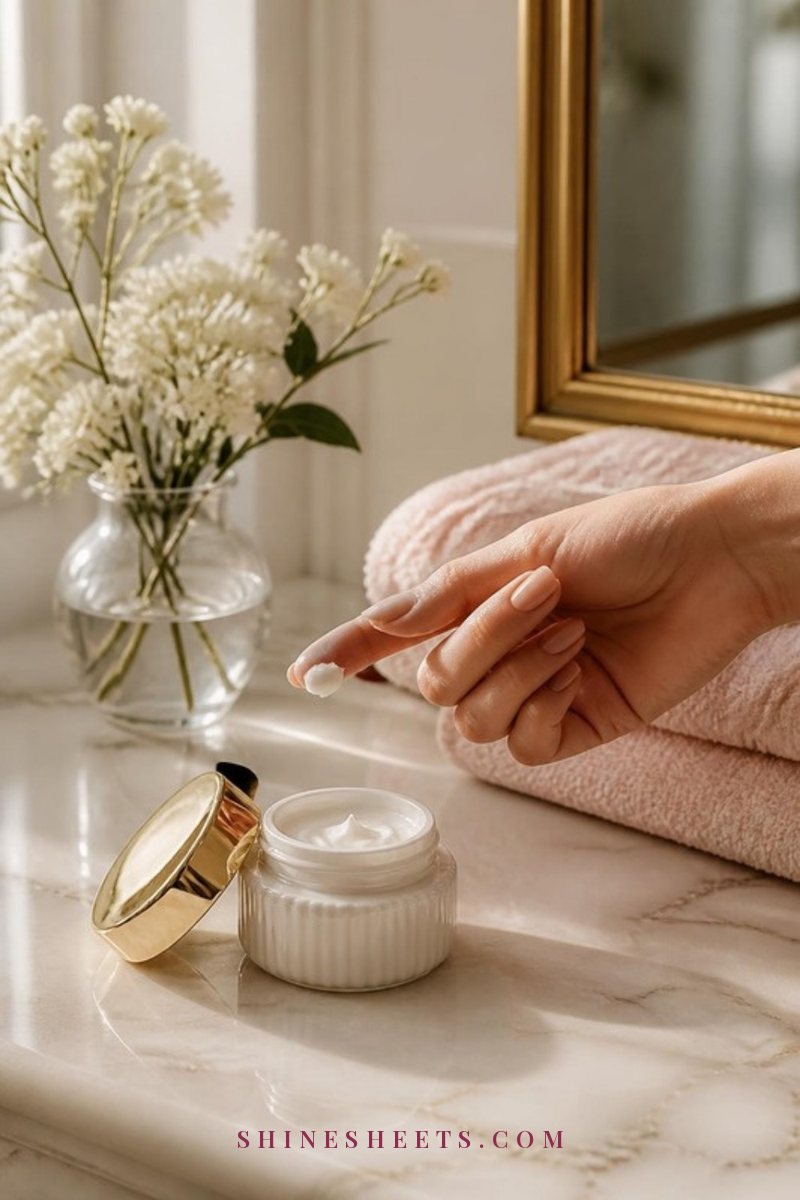
The patch is just the delivery system. The serum inside is what does the work, so it's worth reading the ingredient list:
- Caffeine: A favorite for morning puffiness, since it can help the area look temporarily tighter and less swollen. If you like it in patches, a lightweight caffeine eye serum is a gentle daily option between patch days.
- Hyaluronic acid: Draws water into the skin for that plump, smooth look. Ideal for dryness lines.
- Glycerin: A simple, reliable hydrator that's usually well tolerated.
- Peptides: Popular in eye care for supporting a smoother, firmer look over time with regular use.
- Niacinamide: Can help with an even-looking tone and supports the skin barrier.
- Soothing extras: Centella asiatica, panthenol, allantoin or aloe can make patches feel calmer on reactive skin.
Be a little more careful with strong fragrance, essential oils, high levels of alcohol and exfoliating acids around the eyes. The skin there is thin and reacts easily.
Under-Eye Patch Guide: Best For and Wear Time
This table is the quickest way to pick the right patch for the moment. Screenshot it for your next shopping trip. Always check the instructions on your specific product, since wear times vary.
| Patch type | Best for | Typical wear time | Good to know |
|---|---|---|---|
| Hydrogel with caffeine | Morning puffiness, tired-looking eyes | 10–20 minutes | Chill first for extra depuffing |
| Hydrogel with hyaluronic acid | Dryness lines, smooth base for concealer | 15–20 minutes | Great before makeup |
| Hydrogel with peptides | A smoother, plumper look before an event | 15–20 minutes | Follow with eye cream |
| Cotton or sheet eye mask | An evening pamper moment, quick hydration | 10–15 minutes | Use lying down; can slide |
| Microneedle (dissolving) | Fine dry lines, occasional use | As per label, often a few hours or overnight | Not for sensitive or broken skin; no actives that night |
How To Use Under-Eye Patches Step by Step
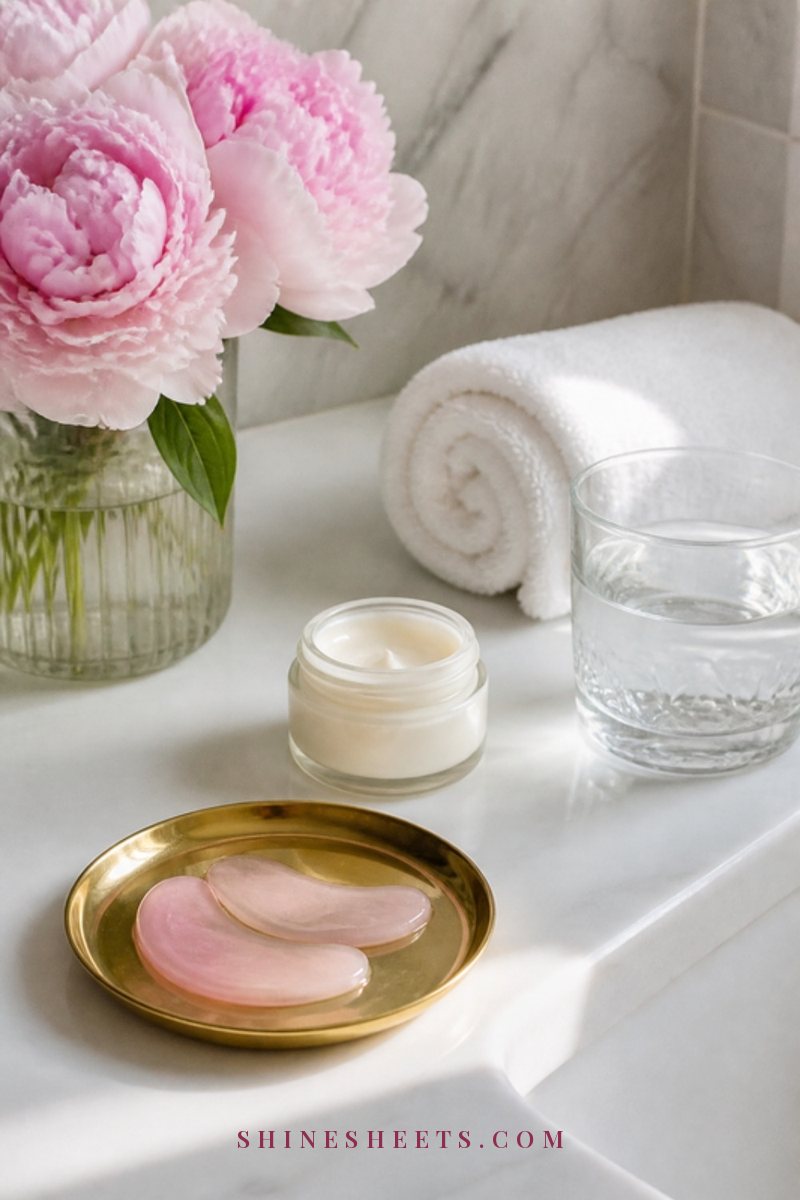
Using patches is easy, but these small steps help them work better and keep your eyes comfortable:
- Start with clean, dry skin. Wash your face gently and pat the under-eye area dry. Patches stick and absorb best without oils or makeup in the way.
- Use the spatula. Lift each patch out with the little spatula rather than your fingers, especially from a jar, so the rest stay clean.
- Find the right side. Most hydrogel patches have a slightly shinier, smoother side that goes against your skin. Check the instructions if you're unsure.
- Place them carefully. Put the thicker end toward the outer corner and the thin end toward your nose, staying just below the lash line, not touching it. Leave a small gap so serum doesn't drip into your eyes.
- Wait 10 to 20 minutes. Relax, read, make tea. Don't leave them on much longer than the label says, because as they dry out they can start pulling moisture back from the skin.
- Peel off gently. Remove from the outer corner inward.
- Pat in the leftover essence. Use your ring finger to tap any remaining serum into the skin until it's absorbed. Don't rinse it off.
- Seal it in. Follow with a small amount of eye cream to lock in the hydration. An eye cream with peptides is a nice match, and in the morning, finish with sunscreen.
If you're not sure which eye cream suits you, my guide to eye cream walks through textures and ingredients for different concerns.
Tips for Better Results
A few small habits make patches feel much more effective.
Chill Them First

Keep your patches in the fridge (not the freezer) for 15 to 30 minutes before using them, or store an opened jar there if the label allows. Cool temperatures can help puffiness look calmer and feel lovely on tired morning eyes. A pink facial ice roller is another gentle way to cool the area afterwards, rolled lightly outward for a minute or two. My guide to ice roller benefits covers how to use one safely.
Time Them Around Makeup
Patches work best 20 to 30 minutes before you put on concealer. Do them while you have coffee or choose your outfit, then follow with eye cream and give it a few minutes to sink in. Concealer glides on more smoothly over hydrated skin and is less likely to settle into lines.
Don't Reuse Them
Once a patch has been on your skin, it's done. The serum is used up, and reusing it can transfer bacteria to the delicate eye area. Also, close jars tightly after each use, since an open jar dries out quickly.
Use Them as a Treat, Not a Rule
Most people don't need patches every day. Two to three times a week, or before special occasions, is plenty for most skin. If you love them daily, that's fine too, as long as your skin stays comfortable.
Morning vs Evening: Where Patches Fit in Your Routine
Patches can work at either end of the day. They just play a slightly different role in each.
In the morning, the goal is depuffing and a smooth base for makeup. A simple order: cleanse, pat dry, chilled caffeine or hyaluronic acid patches for 10 to 15 minutes, pat in the leftover essence, a light eye cream, your moisturizer, then sunscreen. Wait a few minutes before concealer. If your mornings are rushed, put the patches on right after cleansing and do something else (brush your hair, make coffee, pick your outfit) while they work.
In the evening, the goal is hydration and a moment to unwind. Cleanse, use patches for 15 to 20 minutes while you relax, pat in the essence, then continue with your usual serums, a richer eye cream and moisturizer. If you use a retinoid or exfoliating acid at night, keep it away from the under-eye area on patch nights unless your dermatologist has said otherwise, and skip microneedle patches on those nights entirely.
One small tip from my own sensitive-skin habits: introduce one new eye product at a time, and give it about two weeks before adding another. If something does irritate, you'll know exactly what it was.
Are Pricier Patches Worth It?
Not necessarily. Many of the most loved under-eye patches are affordable K-beauty jars with dozens of pairs inside, and the ingredients that matter most (hyaluronic acid, glycerin, caffeine, peptides) appear across all price levels. What you're often paying for in a luxury pair is packaging, fragrance or a gold-colored gel.
Instead of price, look at three things: a short, gentle ingredient list without strong fragrance, a texture that stays put and doesn't dry out within five minutes, and how your skin actually feels the next day. If a mid-priced jar does all three, that's your pick. Save the splurge for an eye cream you'll use every day, since daily care does more over time than an occasional fancy patch.
When To Use Under-Eye Patches

Patches shine in specific moments:
- Before a big day: an interview, a wedding, a photo shoot or a celebration.
- After a short night: when your eyes look as tired as you feel.
- After a flight: cabin air is dry, and hydrating patches help the eye area look fresh again.
- During a self-care evening: as part of a bath or a slow night routine.
- On cold, dry winter days: when the delicate skin around the eyes feels tight.
Who Should Be Careful
Under-eye patches are generally gentle, but the eye area is sensitive, so take extra care if you:
- Have very sensitive or reactive skin, eczema or dermatitis around the eyes
- Have known allergies to fragrance or specific ingredients
- Have irritated, broken or sunburned skin under the eyes
- Have an eye infection or recent eye procedure (wait until a doctor says it's okay)
- Wear contact lenses and notice serum getting into your eyes (take lenses out first)
Before using any new patch, do a patch test: apply a small piece of the serum or patch to the inside of your forearm or behind your ear for 24 hours, and check for redness or itching. If your eyes or skin sting, burn or turn red when you use patches, remove them, rinse with cool water and stop using that product.
What Really Helps Under-Eyes Long Term

Patches are the quick fix. These everyday habits are what make the biggest difference over months:
- Sleep: Consistent, good-quality sleep is still the best "eye treatment" there is. A soft satin sleep mask can help you sleep more deeply in a room that isn't fully dark.
- Daily sunscreen: Sun exposure is one of the biggest causes of fine lines and uneven tone around the eyes. Apply sunscreen gently up to the orbital bone, and wear sunglasses outdoors.
- A good eye cream: Used morning and night, it keeps the area hydrated between patch days.
- Treating allergies: Seasonal allergies and rubbing your eyes can cause both puffiness and darkness. If allergies are part of the story, talk to a doctor or pharmacist about managing them.
- Gentle habits: Remove eye makeup softly, don't rub your eyes, sleep with your head slightly raised if you wake up puffy, and keep an eye on salty late dinners and alcohol, which can make morning puffiness worse.
For darkness specifically, my guide on how to get rid of dark circles looks at the different types and what can help each. And if lines are your main concern, the article on fine lines around the eyes covers gentle long-term care.
Common Under-Eye Patch Mistakes
A few easy-to-make mistakes can make patches feel disappointing:
- Putting them on over moisturizer or makeup. They won't stick or absorb well. Use clean, dry skin.
- Leaving them on too long. Longer isn't better. Once they dry out, they can leave skin feeling tighter.
- Placing them too close to the lash line. Serum can run into your eyes and sting.
- Skipping the follow-up. Without eye cream, much of the hydration evaporates.
- Expecting permanent results. Enjoy them for what they are: a beautiful, temporary refresh.
When To See a Doctor

Under-eye changes are usually about sleep, genetics, dryness or allergies, but some signs are worth checking with a doctor or dermatologist. Please book an appointment if you notice sudden or one-sided swelling, puffiness that doesn't go down during the day, swelling with itching, pain, redness or changes in your vision, or a rash that keeps coming back. A dermatologist can also help if dark circles or lines really bother you, since they can talk you through professional options that patches can't offer.
Final Thoughts
Under-eye patches won't rewrite your skin, but they can give you a fresher, smoother look for the moments that matter and ten quiet minutes that feel like a little luxury. Choose the right type, use them on clean skin, seal them in with eye cream, and pair them with good sleep and daily sunscreen.
Keep a jar in the fridge for busy mornings and big days, and let them be what they're meant to be: a small, lovely way to look after yourself.