Darker skin on the inner thighs is one of the most common things bodies do, and it isn't a sign that you're unclean, unhealthy or doing anything wrong. Skin that rubs, gets shaved and sits under snug fabric all day simply makes a little extra pigment to protect itself. That's a smart response, not a flaw.
You also don't need to change it at all. Plenty of people never think about it, and that's a perfectly good choice. But if the shade difference bothers you, or the area feels irritated and sore, there are gentle, realistic ways to calm the skin and help it look more even over time. No bleaching, no burning, no kitchen "hacks".
This guide to dark inner thighs covers the five most common causes, a table that matches each cause with a gentle fix and an honest timeline, a five-step routine, hair removal tips, what to skip and when a dermatologist is the right next step. If your underarms are the area on your mind, my separate guide to dark underarms covers deodorant and underarm care.
Why Dark Inner Thighs Are So Common

The inner thighs have a few things working against an even tone. The skin there is thin and soft, it sits in a warm fold that holds moisture, and for many of us it rubs together with every step. On top of that, it's a spot we shave, wax, cover with seams and squeeze into tight waistbands.
Each of those little stresses can nudge the skin into making more melanin, the pigment that gives skin its color. Over months and years, that adds up to a darker patch. Medium and deeper skin tones tend to show it more because they produce pigment more readily, which is simply how that skin is built.
And sometimes it isn't a change at all. Many people naturally have slightly deeper color in skin folds, the same way knuckles, elbows and knees can be a shade darker. If yours has always looked this way and feels comfortable, there's nothing to treat.
5 Common Causes of Dark Inner Thighs
Knowing the likely cause helps you pick the right fix, because the routine for friction is different from the routine for razor irritation. Often it's a mix of two or three.
1. Friction
This is the big one. When thighs brush against each other while you walk, climb stairs or exercise, the skin gets a tiny bit of irritation thousands of times a day. Heat and sweat make the rubbing worse, which is why it often shows up or deepens in warm weather.
Friction darkening usually sits right where the skin touches, with soft edges, and it may come with redness or stinging after a long walk. If that sounds familiar, my guide to thigh chafing has more ways to keep skin comfortable on hot days.
2. Shaving and Waxing Irritation

Hair removal near the bikini line and upper thighs can leave razor bumps, ingrown hairs and small areas of inflammation. Each one can heal with a little dark mark. Shaving every day, using a dull blade or dry-shaving makes this much more likely.
It often looks like dotted or freckled darkening around hair follicles rather than one even patch, sometimes with a few small bumps.
3. Tight Clothing
Snug jeans, shapewear, thick seams and synthetic fabrics that trap heat all add pressure and rubbing to the same small area. The darkening tends to follow the line of the garment: along an inner seam, a leg opening or an elastic band.
You don't need to give up the clothes you love. Even switching some days to softer, looser or more breathable fabric gives the skin a break.
4. Post-Inflammatory Marks
Any irritation can leave a mark once it heals: a rash, a heat rash, a bout of chafing, an allergic reaction to a new laundry detergent, eczema flares or a patch of fungal irritation in a warm fold. Dermatologists call this post-inflammatory hyperpigmentation. It's the skin's memory of an injury, and it usually fades slowly once the irritation stops.
For marks elsewhere on the body that come from the same process, my guide to dark spots on the body goes into more detail.
5. Hormonal Changes
Hormones affect pigment. Pregnancy, hormonal birth control and conditions like PCOS can all make skin folds darker for some people, often alongside darker areas elsewhere. In these cases the color may shift again as hormones change.
One related point, said calmly: a sudden darkening that feels thick or velvety can be linked to insulin resistance, and that's worth checking with a doctor. More on that in the dermatologist section below.
Dark Inner Thighs: Cause, Look and Gentle Fix
Here's everything above in one table. Find the row that sounds most like your skin (it may be two), and start with that fix. Screenshot it if it helps.
| Cause | What it looks like | Gentle fix | How long to wait |
|---|---|---|---|
| Friction | Even patch exactly where thighs touch, soft edges, may sting after walking | Slip shorts or anti-chafing balm, breathable fabrics, then niacinamide lotion | Comfort in days; color often softens in 8–12 weeks |
| Shaving and waxing irritation | Dots or freckles around follicles, small bumps, ingrown hairs | Fresh blade, shave with the grain, gentle lactic or mandelic acid once or twice a week | New bumps settle in 1–2 weeks; marks fade over 2–3 months |
| Tight clothing | Darker lines along seams, leg openings or elastic | Softer, looser or cotton options on some days, moisturize daily | About 8–12 weeks once rubbing eases |
| Post-inflammatory marks | Flat brown or gray-brown marks where a rash or chafing healed | Calm the cause first, then niacinamide or azelaic acid, patience | Often 3–6 months, sometimes longer on deeper skin |
| Hormonal changes | Darkening in several folds at once, can come with other changes | Gentle routine plus a doctor's check; seek care fast if thick or velvety | Varies; may shift as hormones change |
These timelines are rough, because skin is individual. The one thing that's true across every row: the darkening only fades once the thing causing it slows down.
A Gentle Routine To Even Out the Skin Tone
This routine is short on purpose. Five steps, mostly done in the shower or right after, and none of them takes more than a minute or two.
Step 1: Reduce Friction First

No serum can keep up with skin that's still being rubbed raw every day, so this step comes before anything else. It's also the step that makes the area feel better fastest.
- Wear a light layer under dresses and skirts. Soft cream cotton slip shorts sit between your thighs and stop skin-on-skin rubbing. Look for a flat, wide waistband and a leg that's long enough not to roll up.
- Use a balm on long or hot days. An anti-chafing balm stick creates a slippery layer before a long walk, a workout or a summer day out. Reapply after a few hours or after sweating.
- Choose breathable fabrics. Cotton, modal and moisture-wicking workout fabric keep the area cooler and drier than thick synthetic layers.
- Change out of damp clothes soon. Sweaty leggings or a wet swimsuit sitting on skin adds both friction and irritation.
Step 2: Exfoliate Gently Once or Twice a Week
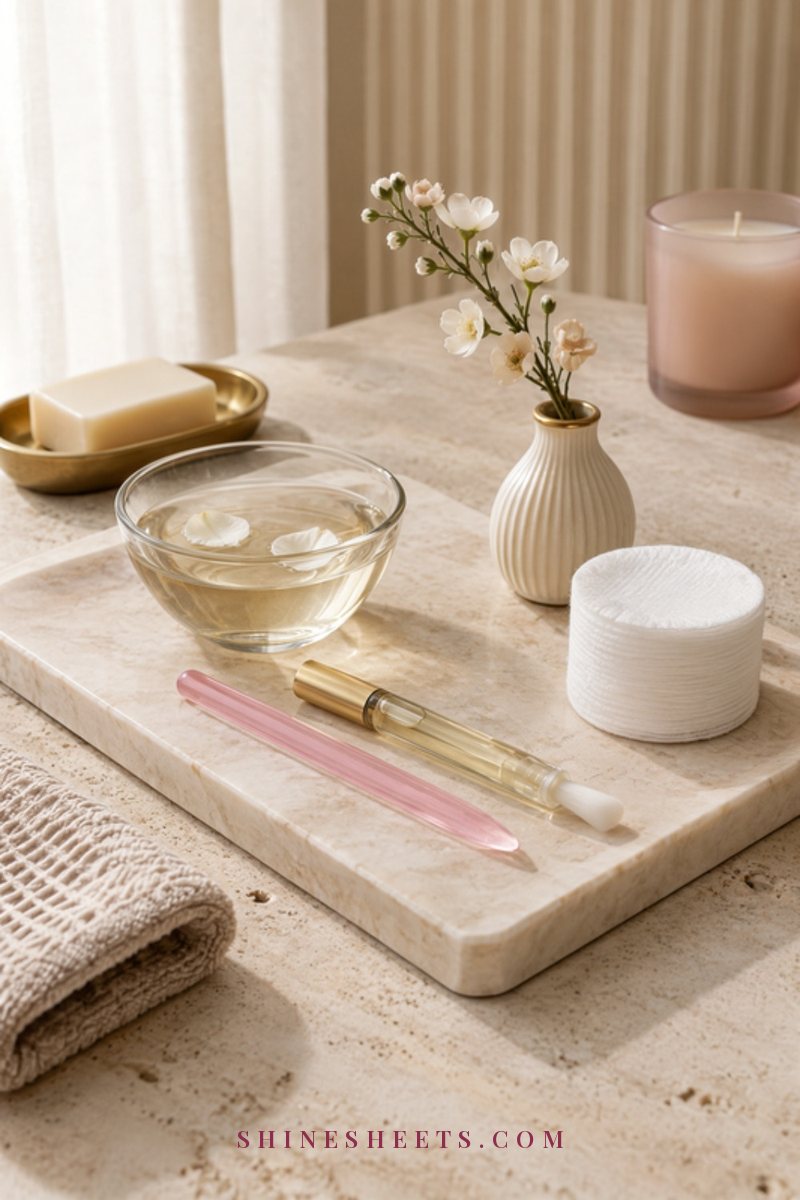
Exfoliation helps loosen the dull top layer of skin so it looks brighter and lets your other products work better. On thin inner-thigh skin, chemical exfoliants are much kinder than gritty scrubs.
A lactic acid body serum or a mandelic acid product, applied to clean, dry skin once or twice a week in the evening, is plenty. Lactic acid also hydrates, which this area loves; my guide to lactic acid for beginners explains how it works. Skip it on any day the skin is chafed, stinging or freshly shaved, and never exfoliate more than twice a week here.
If you're curious about the bigger picture of body exfoliation, my guide on how to exfoliate your body covers every area from shoulders to heels.
Step 3: Add Niacinamide or Azelaic Acid

These are two of the gentlest ingredients for uneven tone, and they're well tolerated by most skin types, including sensitive skin like mine.
- Niacinamide helps calm redness and supports the skin barrier while gradually softening the look of darker patches. A niacinamide body lotion once or twice a day is an easy way to add it. My full guide to niacinamide goes into more detail.
- Azelaic acid is a gentle option for marks left after irritation and ingrown hairs. Over-the-counter body products with a low percentage are a good place to start; a dermatologist can suggest a stronger one if needed.
Apply a thin layer to clean, dry skin and let it sink in for a minute before you get dressed. A pea-sized amount per thigh is usually enough; more product doesn't mean faster results, only more chance of irritation.
Pick one active to start with, not both at once. If your skin is happy after three or four weeks, you can add the second on alternate days.
Step 4: Moisturize Every Day
Well-hydrated skin rubs less, heals faster and looks more even. After your shower, pat skin dry and apply a fragrance-free body moisturizer while it's still slightly damp. Fragrance-free matters here, because perfume in a warm, rubbing area is a common source of the very irritation you're trying to avoid.
On the days you use an exfoliant or active, apply it first, wait a minute or two, then moisturize on top.
Step 5: Give It 8 to 12 Weeks
This is the hardest step, and I won't pretend otherwise. Pigment fades slowly because skin renews itself slowly. Most people notice the first softening after about eight weeks of steady care, with clearer changes around twelve weeks. Deeper or older marks can take several months.
A few things help you stay patient:
- Take a photo in the same light once a month instead of checking daily.
- Focus on comfort first: less stinging and redness is real progress, even before the color changes.
- Keep the routine boring and consistent. Switching products every two weeks resets the clock.
Small Daily Habits That Help
Beyond the routine itself, a handful of everyday habits quietly lower irritation in the area. None of them costs much, and together they make a real difference to how the skin feels.
- Keep showers lukewarm. Very hot water strips natural oils and leaves thin skin tight and more reactive.
- Use a mild, fragrance-free cleanser. The inner thighs rarely need more than a gentle wash with your hands; skip washcloths that scratch.
- Pat, don't rub, when drying. A soft cotton towel pressed against the skin is enough. Make sure the fold is fully dry before dressing.
- Rinse laundry well. Leftover detergent and strong fabric softener in leggings and underwear can irritate skin folds. A fragrance-free detergent and an extra rinse cycle help if you're sensitive.
- Sleep in something loose. Soft cotton shorts or a nightgown give the skin eight hours without seams or pressure.
- Rotate workout leggings. Wash them after every wear, and choose pairs with flat seams on the inner leg.
- Protect from sun when it's exposed. On beach days or in short swim bottoms, sunscreen on the inner thighs keeps marks from darkening further.
You don't need all seven at once. Pick the two that feel easiest and let them become automatic before adding more.
Hair Removal Without Extra Darkening

If you remove hair near your inner thighs or bikini line, a few small changes can stop new marks from forming.
- Shave less often. Every two or three days instead of daily gives skin time to recover.
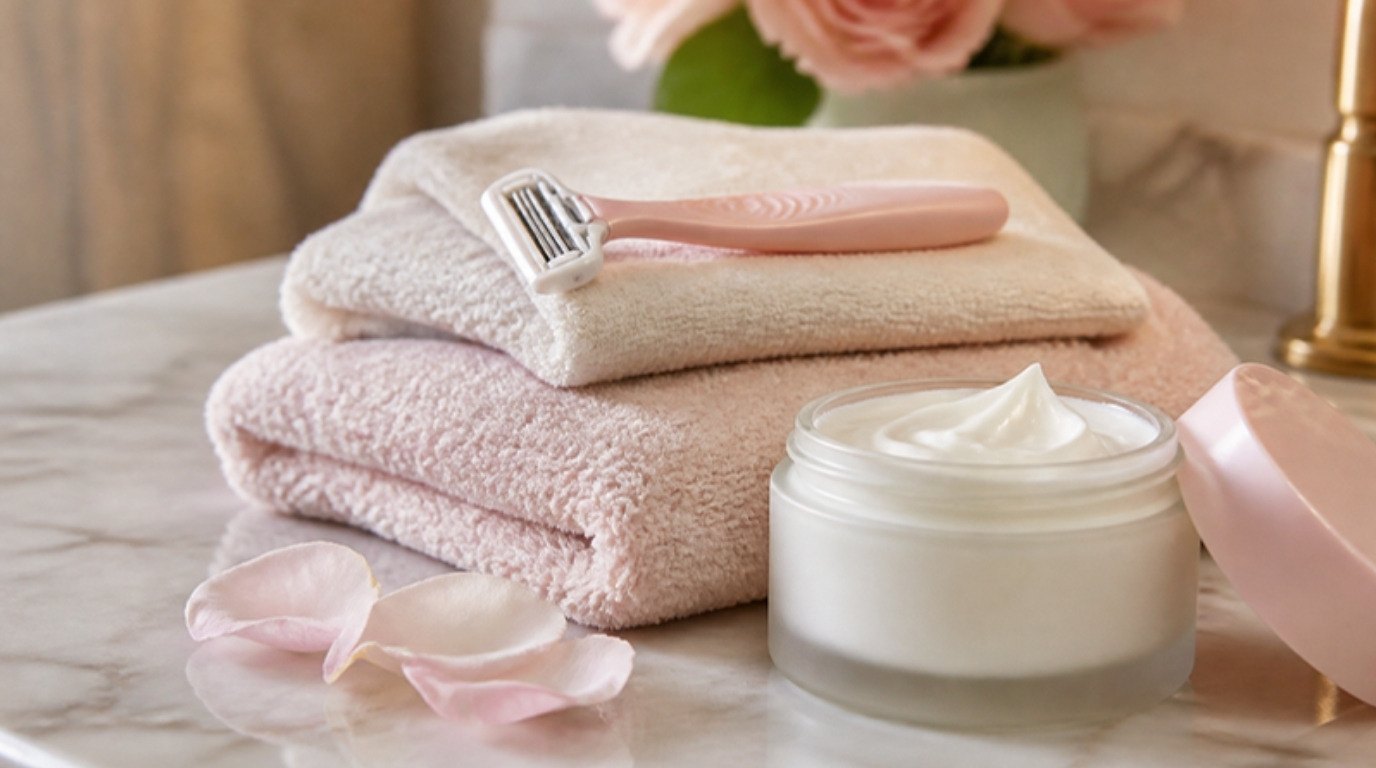
- Use a fresh, sharp blade. A dull razor drags and irritates. Swap the cartridge every five to seven shaves.
- Never dry shave. Soften hair in warm water for a few minutes, then use a cushioning fragrance-free shave gel for sensitive skin.
- Shave with the grain. Going against the direction of hair growth gives a closer shave but far more bumps.
- Calm skin afterward. Rinse with cool water, pat dry and apply a plain moisturizer. Hold off on acids for at least a day.
- Consider trimming instead. Trimming hair short rather than shaving it off avoids most irritation altogether.
If waxing leaves you with lots of ingrown hairs, it may be worth talking to a professional about other options. A gentle exfoliant once or twice a week, as in step two, also helps hairs grow out without getting trapped.
What To Skip: Bleaching, Lemon and Harsh Scrubs
The internet is full of quick fixes for dark inner thighs, and most of them make things worse. Irritated skin makes more pigment, so anything harsh tends to backfire.
- Bleaching or "whitening" creams. Many are unregulated, and some contain ingredients that can damage skin or cause lasting discoloration. Please skip them entirely.
- Lemon juice. It's acidic, unpredictable and can cause burns or a reaction when skin is exposed to sunlight.
- Baking soda pastes. Far too alkaline for skin, and they strip the barrier.
- Gritty scrubs and rough loofahs. Scrubbing hard creates exactly the friction you're trying to reduce.
- Toothpaste, hydrogen peroxide and other DIY mixes. Not made for skin, and very irritating in a skin fold.
Gentle and slow really is the fastest route here. Anything that stings or burns is a sign to stop.
How To Patch Test a New Body Product

The inner thighs are sensitive, so test every new exfoliant or active before you apply it to the whole area.
- Apply a small amount to a coin-sized spot on the side of your thigh or inner arm.
- Leave it on as directed and repeat once a day for three to five days.
- Watch for redness, itching, burning, bumps or flaking.
- If the spot stays calm, start using the product on the inner thighs a few times a week.
- If you notice a reaction, rinse with cool water, apply a plain moisturizer and stop using it.
Introduce only one new product at a time, so you always know what your skin is reacting to.
When To See a Dermatologist
Most inner-thigh darkening is harmless, but some changes deserve a professional look. Please see a dermatologist or doctor if you notice:
- Sudden or fast-spreading darkening without an obvious cause.
- Thick, velvety patches, especially if they also appear on the neck, underarms or groin. This can be a sign of insulin resistance and is worth a simple check-up.
- Itching, a rash, scaling or a ring-shaped edge, which can point to a fungal infection or eczema that needs its own treatment.
- Broken skin, painful bumps or signs of infection such as warmth, swelling or pus.
- No change after three months of a gentle routine, if it still bothers you.
If an appointment feels awkward, that's completely understandable, and it may help to know this is an everyday concern for dermatologists. Before you go, jot down when you first noticed the change, which products you've tried and for how long, and whether anything makes it itch or sting. Those few notes make the visit quicker and calmer.
A dermatologist can confirm what's going on and suggest prescription options or in-office treatments that are safe for your skin tone. This article is general information, not medical advice, and a professional who can see your skin is always the best guide.
Final Thoughts
Dark inner thighs are normal, common and nothing to hide. If you'd like the skin to feel calmer and look more even, the path is wonderfully simple: less friction, gentle care, daily moisture and a little patience.
Your skin has been protecting you all along. Treat it softly, give it time, and let comfort be the first win.