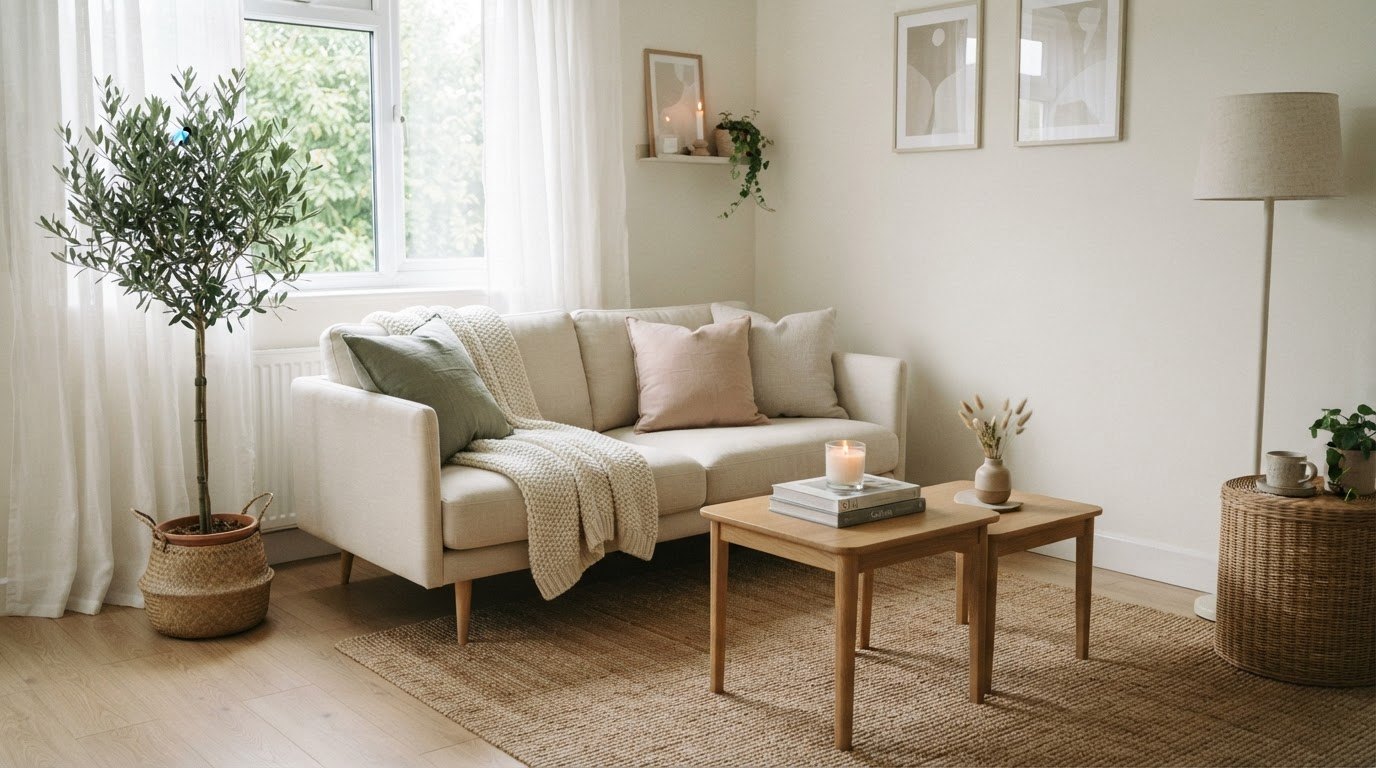
Most rooms that feel "off" aren't badly decorated. They're usually one or two proportion problems away from looking finished: a rug that floats in the middle of the floor, curtains that stop halfway down the wall, a single ceiling light doing all the work. The fixes are rarely expensive, and many of them cost nothing at all.
That's the reassuring part. You don't need a new sofa or a designer to make your home feel calm and pulled together. You need to know where the eye goes, what makes a space look bigger or smaller, and which small habits quietly undo all your good choices.
In this guide I'll walk you through 15 common home decor mistakes and exactly how to fix each one, with measurements where they help, a mistake-to-fix-to-cost table you can screenshot, and a simple weekend order for tackling them so you see the biggest difference first.
I've made most of these myself at some point (the tiny rug era was real), so there's zero judgment here. Every room is a work in progress.
Why Small Decor Mistakes Make a Big Difference
Our eyes read a room as a whole before they notice any single object. When proportions are off, the whole space feels slightly uneasy, even if every piece in it is lovely. A small rug makes furniture look scattered. Low curtains make ceilings look lower. Harsh overhead light flattens texture and color.
That's why the fixes below focus on three things: scale (are things the right size for the room and for each other), light (is the room lit in layers) and breathing room (does the eye have places to rest). Get those right and even simple, affordable pieces start to look intentional.
A 5-Minute Room Audit Before You Change Anything
Before you move a single piece, stand in the doorway of the room you want to improve and answer these questions honestly. They'll point you straight to the mistakes that matter most in your space, so you don't waste money fixing things that were never the problem.
- Where does my eye land first? If the answer is a pile of mail, a tangle of cords or nothing at all, you'll want to look at focal points and clutter.
- Does the furniture look connected or scattered? Scattered usually means the rug is too small or the pieces are pushed against the walls.
- How does the room feel at night? Turn on the lights you normally use after dark. If it feels flat or harsh, lighting is your first fix.
- Do the windows and ceiling look as tall as they really are? If not, check your curtain height and where your art is hanging.
- What would I want to touch? If nothing invites you to sit down and sink in, the room needs more texture.
- What would I keep if I were moving tomorrow? The pieces you'd leave behind are often the ones making the room feel crowded.
Write your answers down, even just in your notes app. Most people find that two or three answers point to the same one or two issues, and that's where you start.
15 Home Decor Mistakes and How To Fix Them
Read through and tick off the ones you recognize. Most rooms have two or three, and fixing just those often changes everything.
1. Choosing a Rug That's Too Small
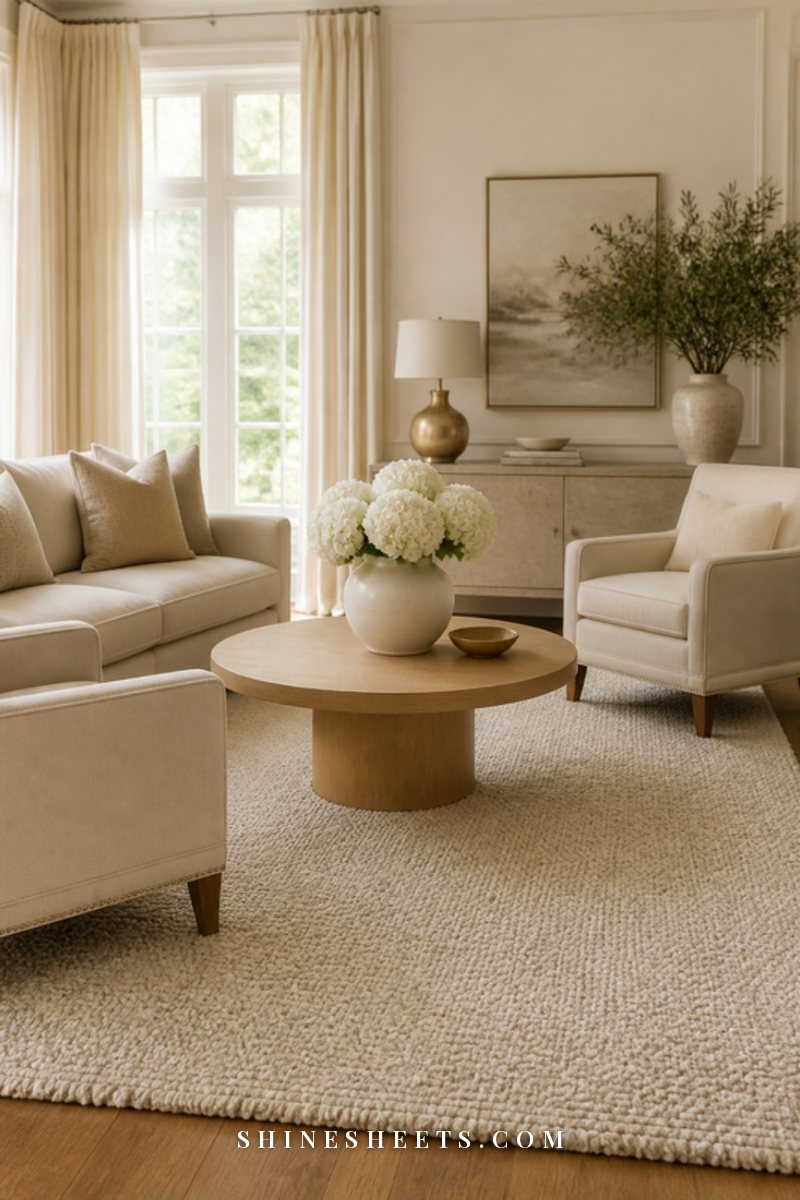
This is the most common mistake I see. A small rug floating in the middle of the room makes the furniture look disconnected and the room look smaller, the opposite of what you want.
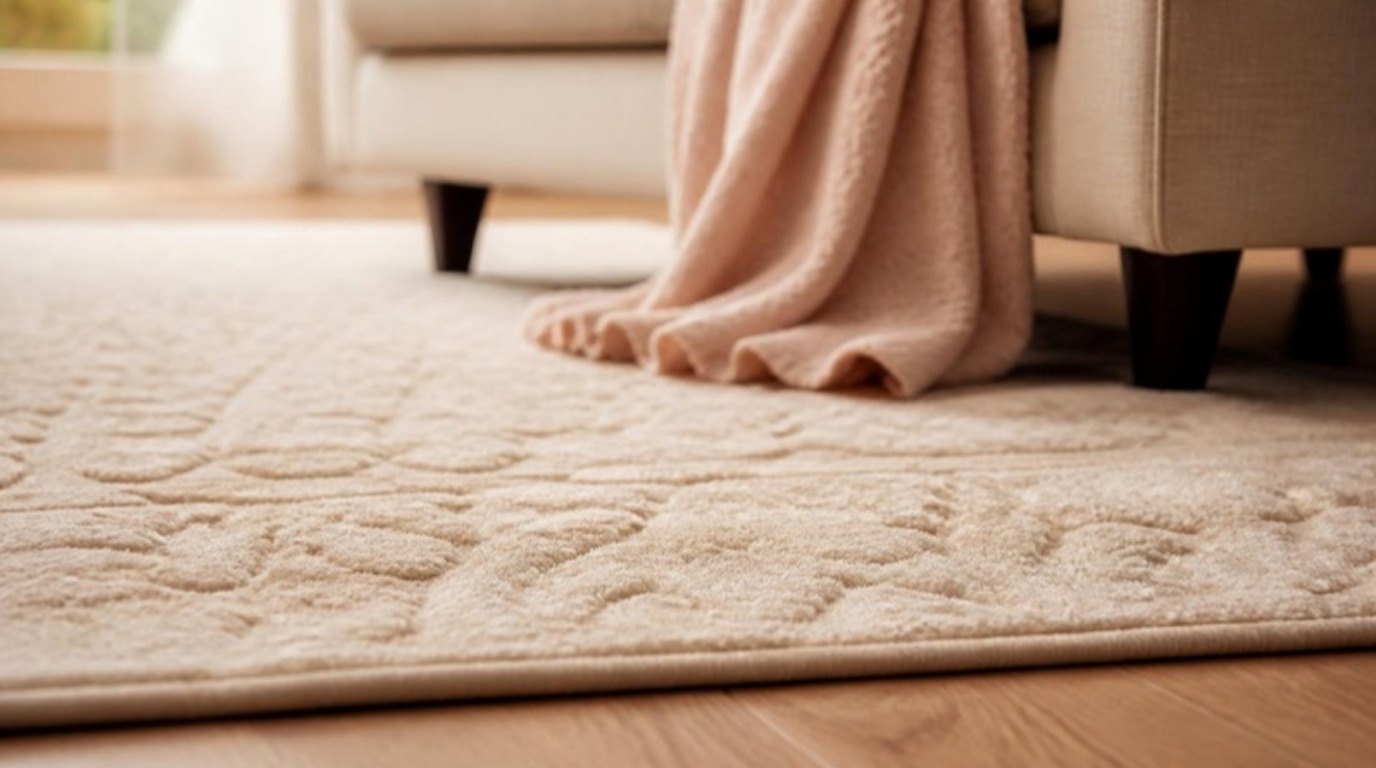
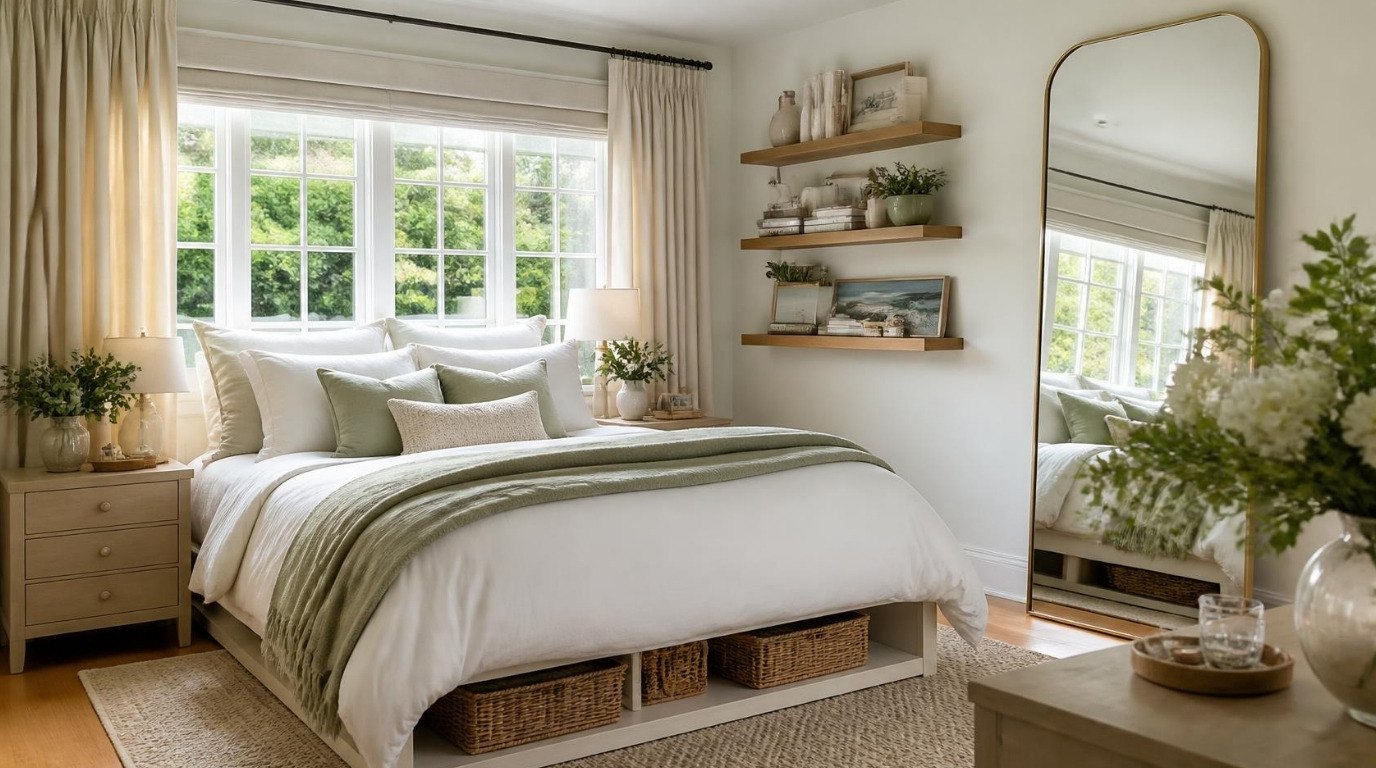
The fix: in a living room, choose a rug large enough that at least the front legs of your sofa and chairs sit on it. For most living rooms that means 8x10 feet rather than 5x7. Leave about 12–18 inches of bare floor between the rug and the walls. Under a bed, the rug should extend at least 18–24 inches on each side so your feet land on something soft in the morning.
A large cream textured area rug in a flat weave or low pile is a safe, budget-friendly choice that works with almost any style. If you're shopping now, my guide on how to choose a rug covers sizes, materials and placement in detail.
2. Hanging Art Too High
Art that floats near the ceiling makes walls look empty and the room feel disjointed. It's an easy mistake, because we instinctively hang things where there's space.
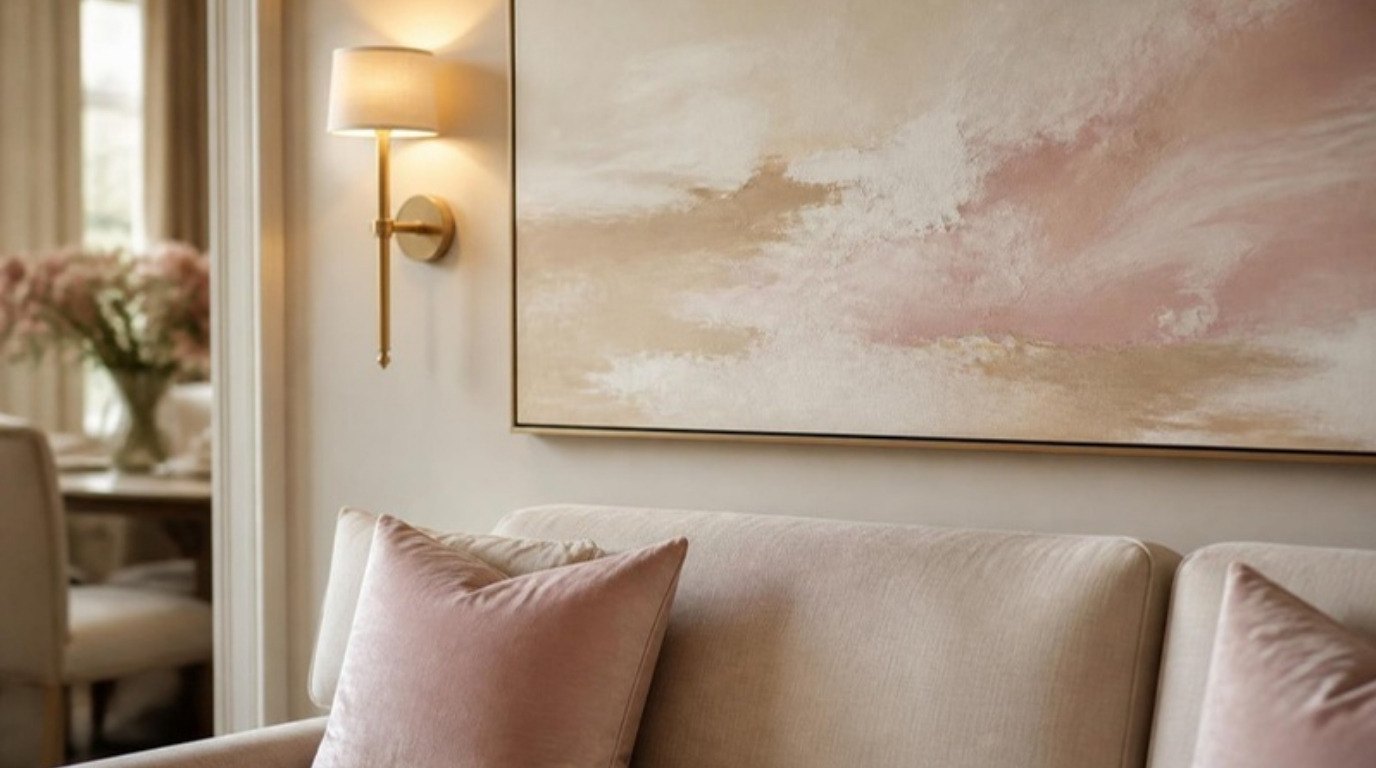
The fix: hang art so its center sits around 57–60 inches from the floor, which is roughly eye level. Above a sofa or console, leave 8–10 inches between the top of the furniture and the bottom of the frame. Art should also be about two-thirds the width of the furniture below it. For step-by-step help with spacing and groupings, see my guide on how to hang art.
3. Hanging Curtains Too Low and Too Short
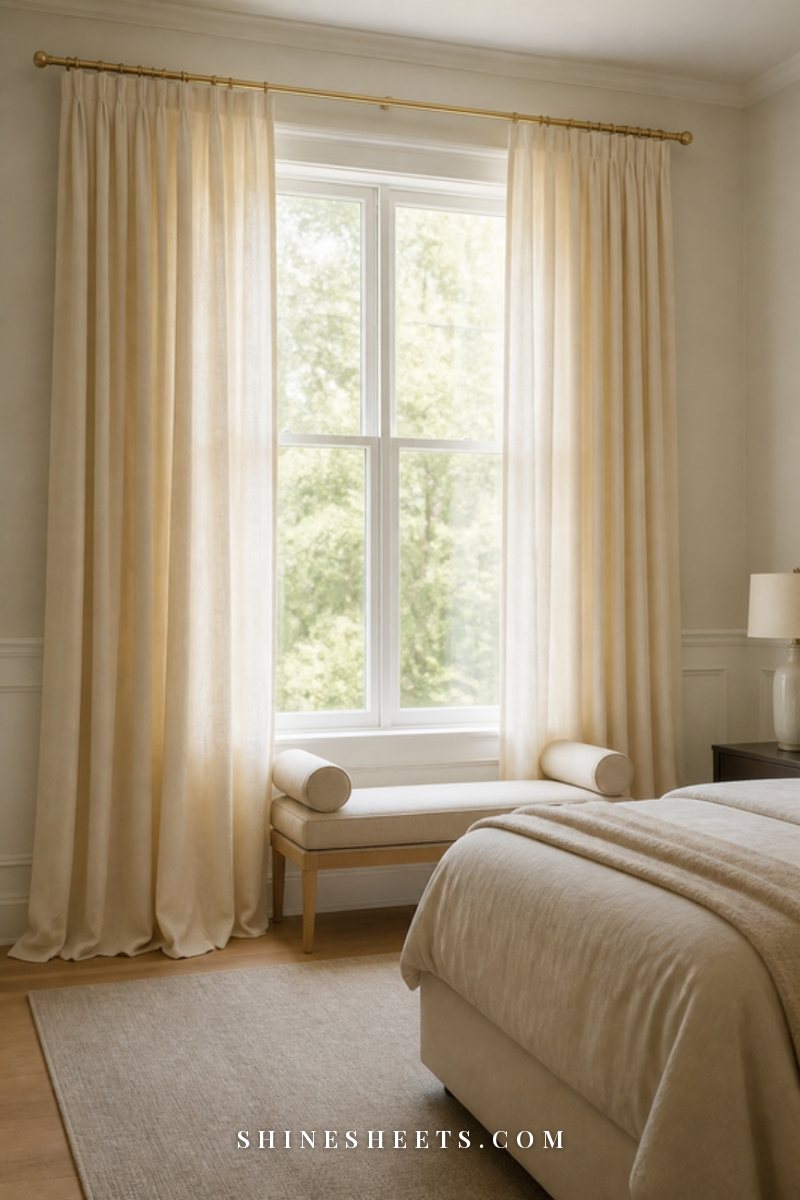
Curtain rods mounted right above the window frame, with curtains that stop at the sill or hover above the floor, make ceilings look lower and windows look smaller.
The fix: mount the rod 4–6 inches below the ceiling (or halfway between the window frame and the ceiling) and extend it 8–12 inches beyond each side of the frame. That way, when the curtains are open, they sit against the wall and the full window shows. Curtains should just kiss the floor or break by half an inch.
A slim gold adjustable curtain rod paired with long cream linen panels instantly makes a room look taller. My guide to curtain ideas has more on fabrics, lengths and styles for every room.
4. Relying Only on Overhead Lighting
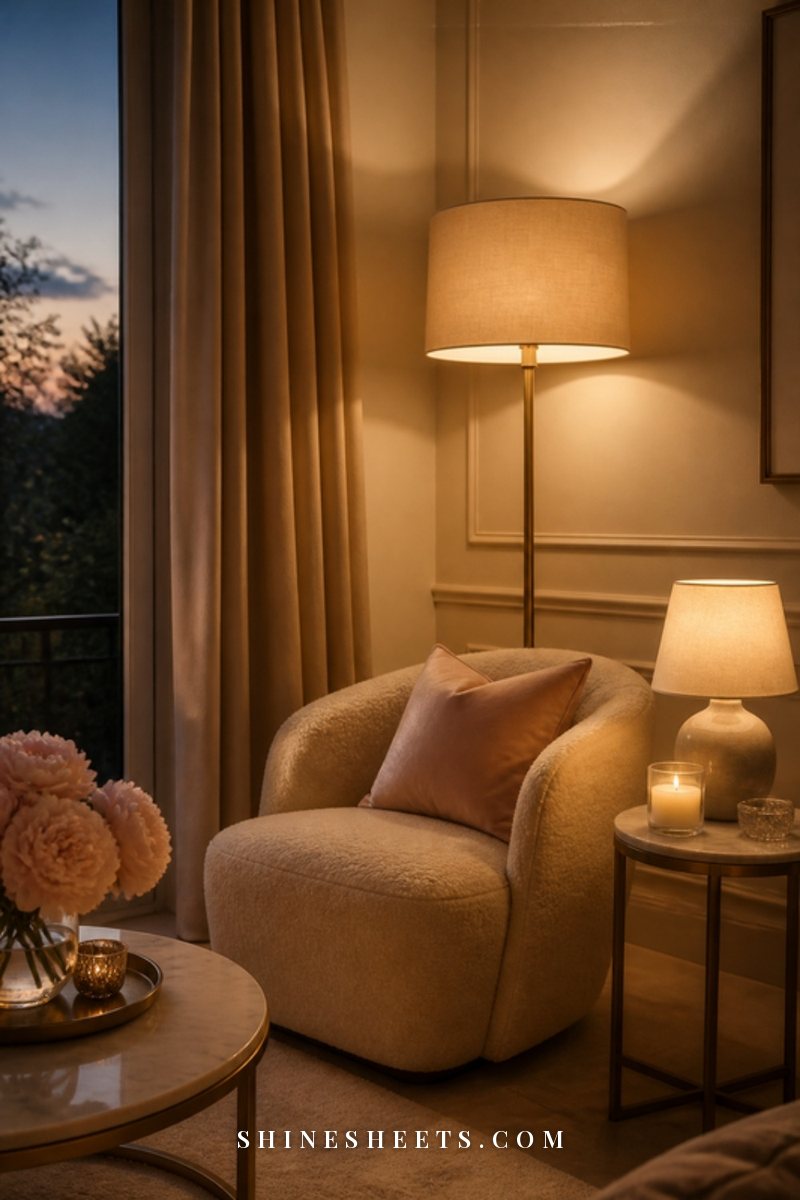
A single ceiling light casts flat, harsh light and creates shadows in all the wrong places. It's the reason so many rooms look fine during the day and cold at night.
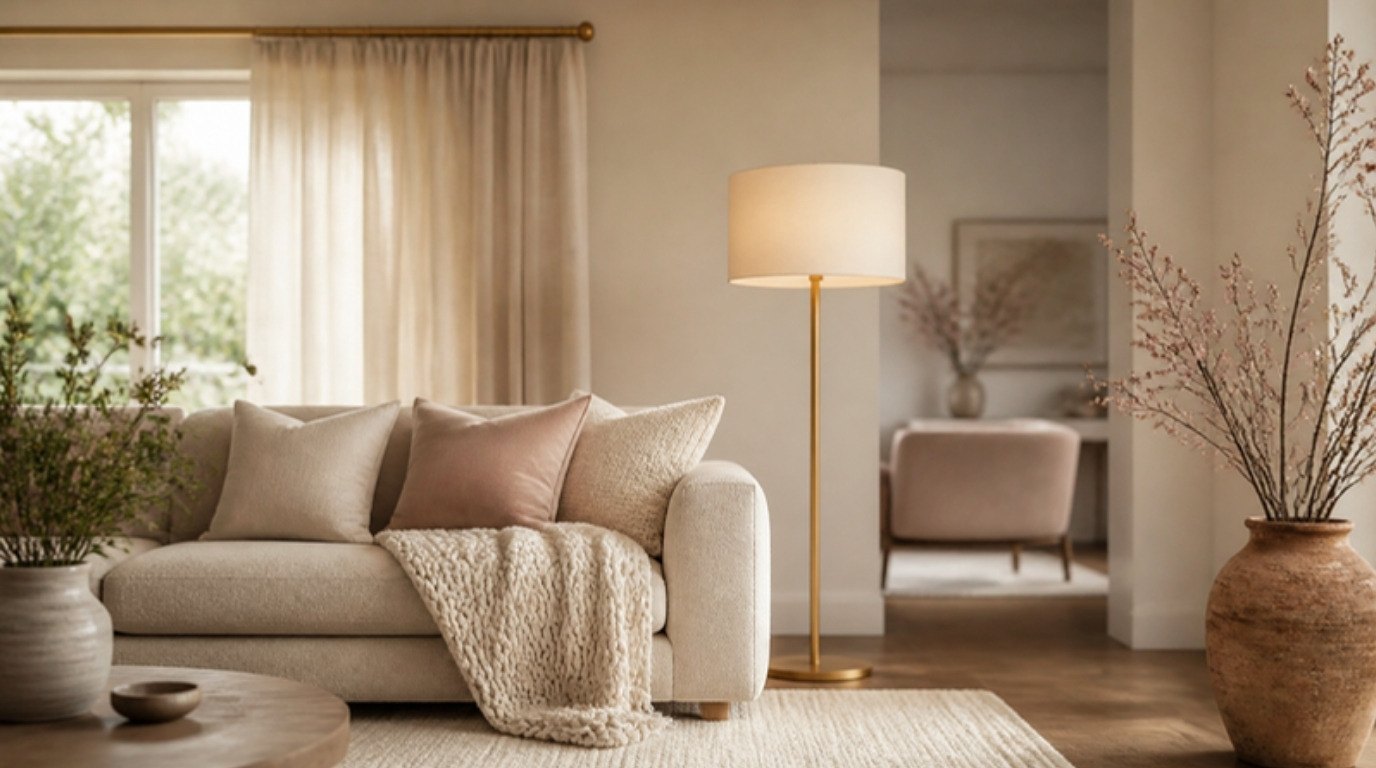
The fix: aim for at least three light sources at different heights in each main room: a floor lamp, a table lamp and something low and soft like a candle or a small accent lamp. Use warm bulbs (2700K is a good number to look for) and keep the overhead light for cleaning and searching for lost earrings.
A floor lamp with a linen shade is the single easiest upgrade here, especially in a dark corner. For more ideas on layering light, see my guide to lighting ideas.
5. Too Many Small Decor Items
Lots of little things (tiny vases, small frames, mini candles, souvenirs) scattered across every surface read as clutter rather than style. The eye has nowhere to rest.
The fix: edit and group. Remove everything from a surface, then put back fewer, larger pieces. Group small items in odd numbers (three is lovely) with varying heights, and corral them on a tray so they look like one intentional moment. A gold decorative tray on a coffee table, dresser or bathroom counter instantly turns clutter into a vignette.
6. Pushing All the Furniture Against the Walls
It feels like it should make a room look bigger, but lining every piece against the walls usually creates a big empty middle and makes conversation awkward.
The fix: pull your sofa a few inches off the wall (even 3–5 inches helps it breathe), and bring chairs closer together so people sitting in them could talk without raising their voices. In larger rooms, float the sofa in the middle with a console table behind it. Aim for about 18 inches between the sofa and the coffee table and 30–36 inches for walkways.
7. Buying Matching Furniture Sets
A sofa, loveseat and armchair in the same fabric, or a bedroom set where everything matches perfectly, can make a room feel like a showroom rather than a home.
The fix: keep one or two "anchor" pieces and mix the rest. Pair a neutral sofa with a contrasting armchair in a different texture, swap one matching nightstand for a small round table, or mix wood tones that share a similar undertone (warm with warm, cool with cool). The goal is pieces that look collected over time, not bought in one afternoon.
8. Ignoring Scale
Scale mistakes come in two flavors: tiny pieces lost in a big room, or oversized pieces crowding a small one. Think of a slim lamp next to a chunky sofa, or a huge sectional swallowing a studio.
The fix: before buying, mark the piece's footprint on the floor with painter's tape and live with it for a day or two. Match visual weight: a heavy sofa wants a substantial coffee table and a lamp with some presence. In small rooms, choose furniture with visible legs, which lets you see more floor and makes the space feel lighter.
9. Forgetting About Texture
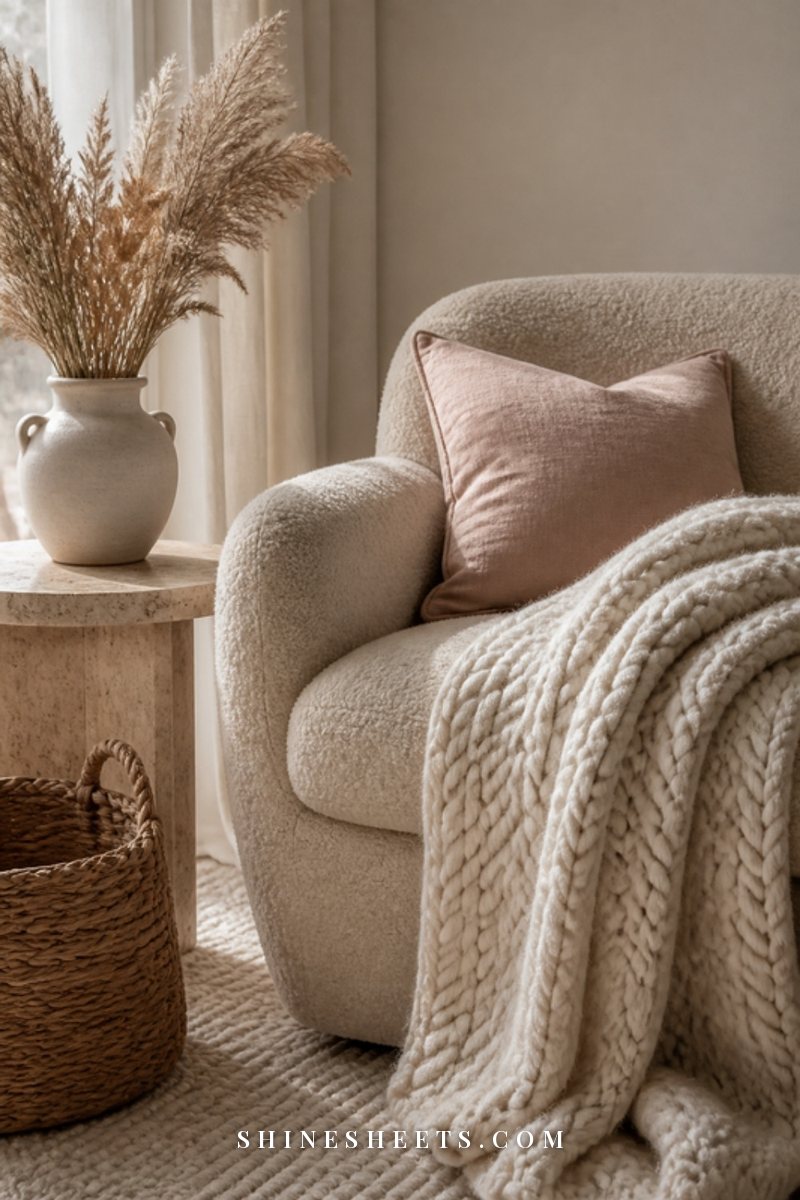
A room can have a beautiful color palette and still feel flat if every surface is smooth. This is especially common in neutral rooms, where texture does the work that color would otherwise do.
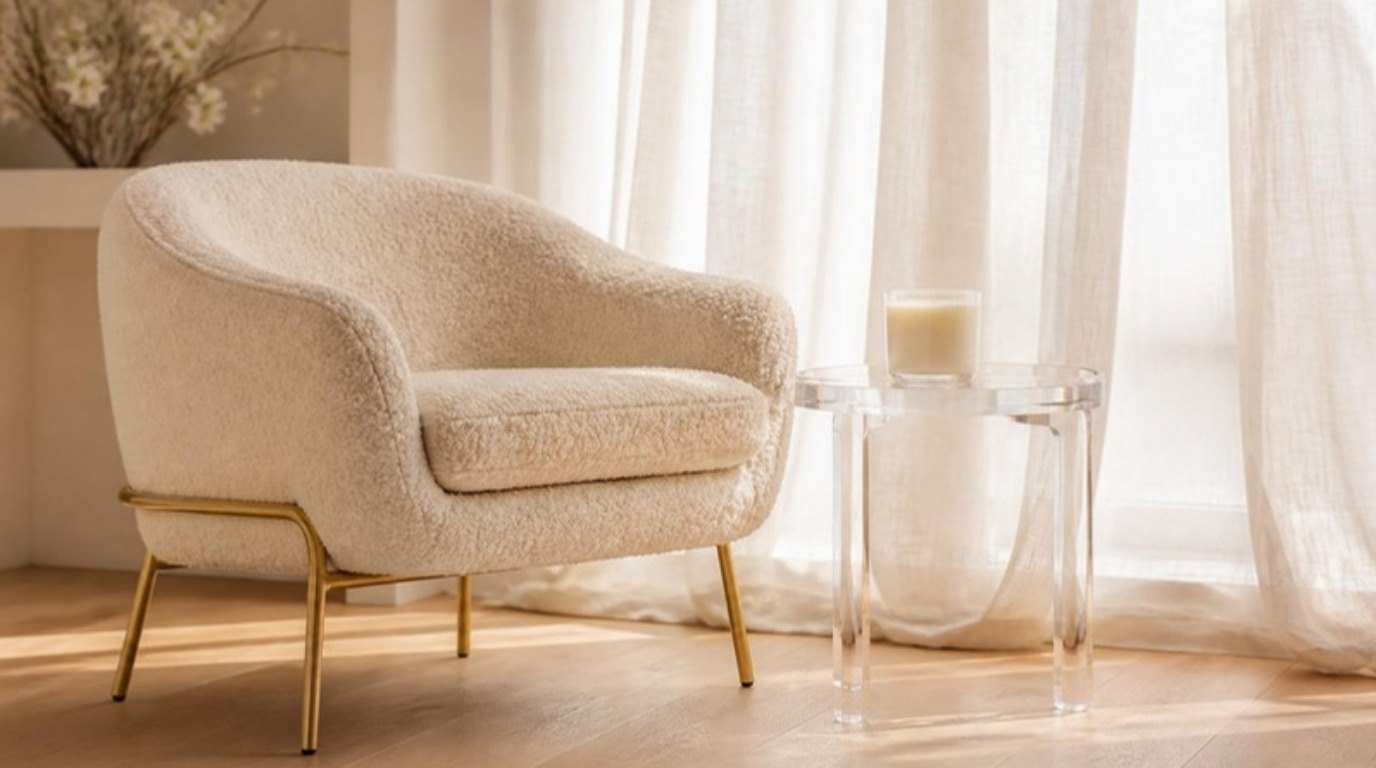
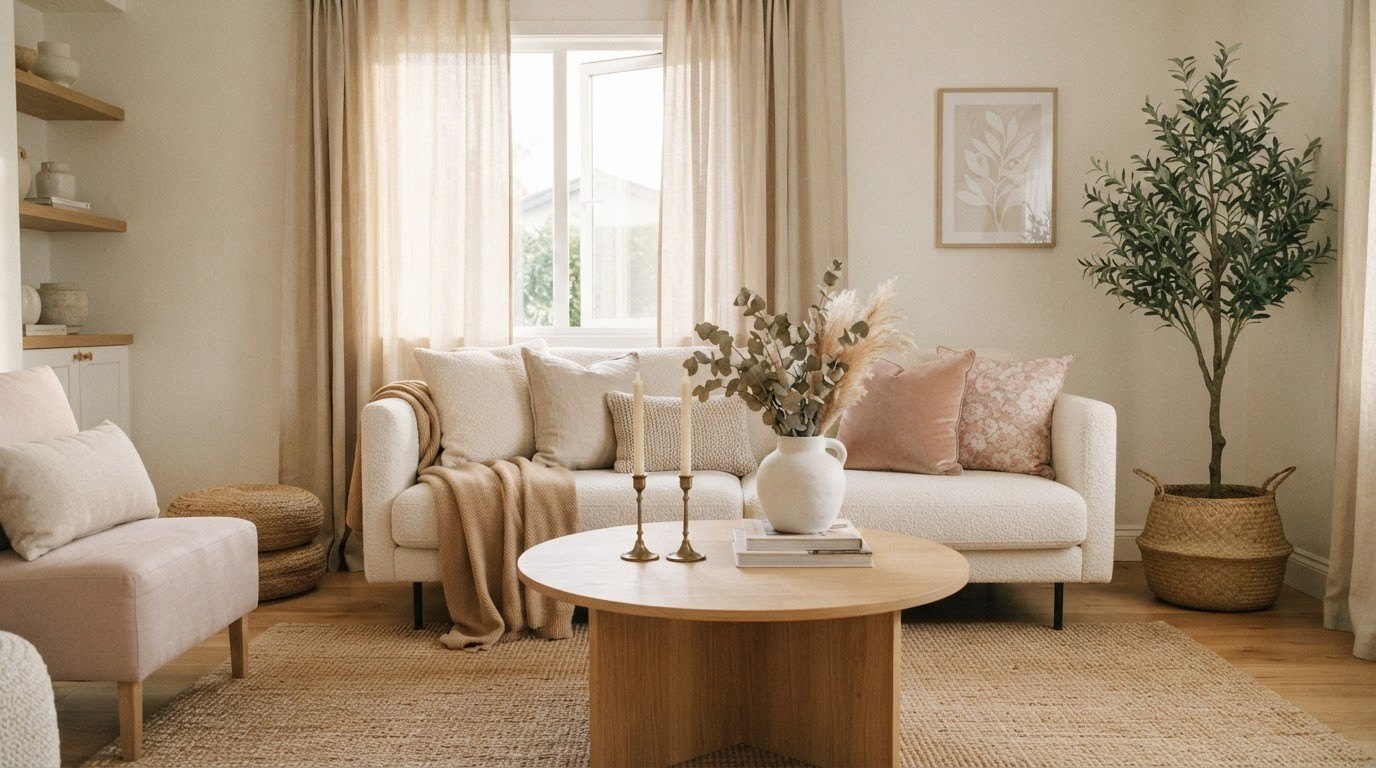
The fix: layer at least four or five textures in each room: something soft (boucle, velvet, knit), something natural (wood, rattan, jute), something smooth (ceramic, glass), something with sheen (brass, gold) and something woven (linen, wool). A chunky knit throw blanket over a sofa arm or the end of a bed is the quickest way to add depth for very little money.
10. Choosing Paint Without Checking the Undertone
That "perfect white" or "warm beige" can look green, pink or gray once it's on your walls, because every paint color has an undertone that shifts with your light.
The fix: never pick from a tiny chip. Paint large samples (at least 12x12 inches, or use peel-and-stick samples) on two different walls and look at them in the morning, afternoon and evening for a few days. Compare them against a sheet of plain white printer paper to see the undertone more clearly. North-facing rooms usually need warmer colors, south-facing rooms can handle cooler ones. My guide on how to choose paint colors walks through the whole process.
11. Leaving Every Surface Cluttered
Kitchen counters covered in appliances, nightstands stacked with books and receipts, an entry table holding everything that came through the door this month. Even a beautifully decorated room looks chaotic when every flat surface is full.
The fix: follow a simple rule: leave about a third of every surface empty. Give daily items a home (a lidded box for chargers, a bowl for keys, a basket for mail) and spend five minutes every evening resetting the main surfaces. Visual calm comes more from empty space than from any single object.
12. Having No Focal Point
When nothing in a room stands out, the eye wanders around without landing anywhere. When everything competes for attention, the effect is the same.
The fix: choose one focal point per room and arrange the furniture around it. It might be a window with a view, a fireplace, a bed with a lovely headboard, a large piece of art or a statement light. Then keep the other walls quieter so the focal point can shine.
13. Following Too Many Trends at Once
A curvy sofa, a checkered rug, squiggle mirrors, a mushroom lamp and a bold accent wall, all in one room, can date a space within a couple of years and make it feel less like you.
The fix: keep the big, expensive pieces (sofa, bed, dining table, rug) classic and timeless, and bring trends in through small, easy-to-swap things like cushions, vases, candles and art. A good rule of thumb is around 80% timeless and 20% trend.
14. Forgetting Plants and Living Things
Rooms without anything alive can feel a little cold, no matter how carefully styled they are.
The fix: add at least one plant or fresh element per room. If you don't have a green thumb, choose forgiving plants like pothos, snake plants or ZZ plants, or simply buy a small bunch of seasonal flowers or branches every week or two. In darker rooms, good-quality faux greenery works too. Natural materials such as wood, stone and linen also help bring that lived-in warmth.
15. Leaving Cords on Display
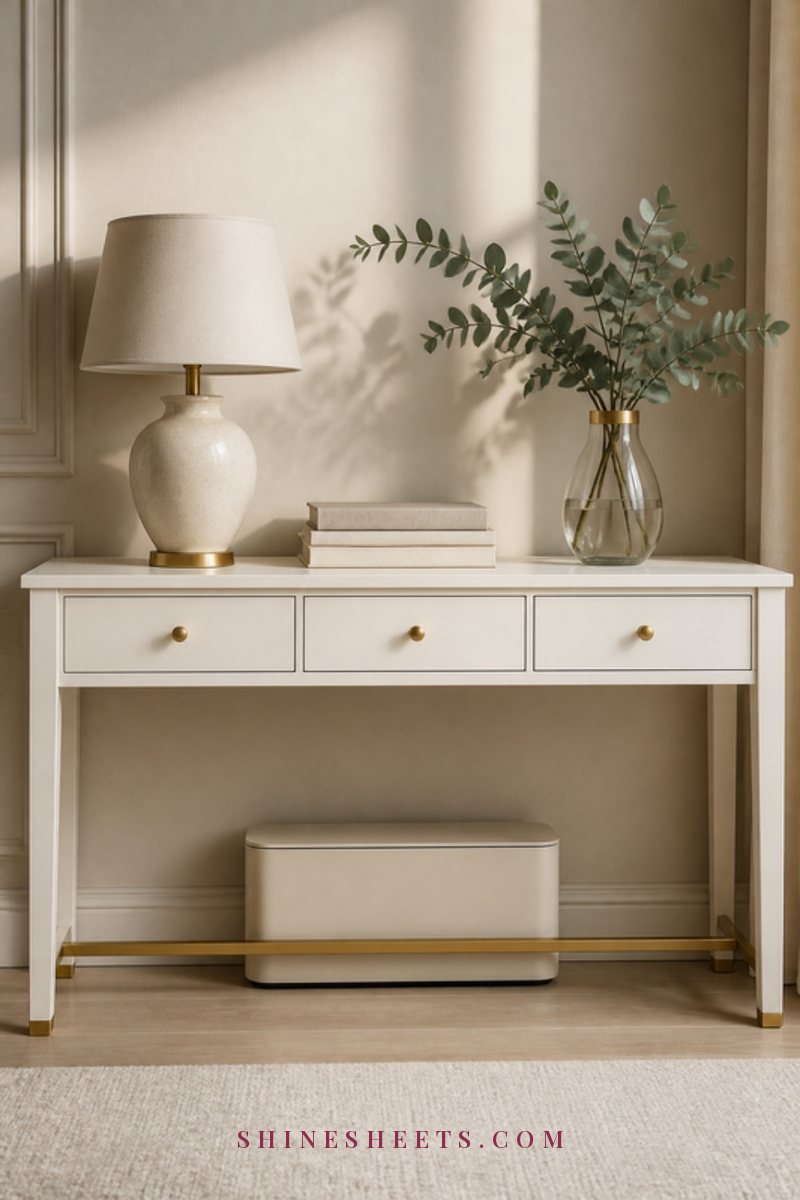
Tangled cords snaking across the floor or dangling behind a console table are small details that make a room look unfinished.
The fix: hide power strips in a white cable management box, run cords along furniture legs with clear clips, and use adhesive cord covers painted the same color as your wall. Route lamp cords behind furniture rather than across walkways (it's safer too). Ten minutes and a few clips can make a room look noticeably more polished.
Mistake, Quick Fix and Cost at a Glance
Here's everything in one table. Screenshot it and start with the free fixes, then work your way down the cost column as your budget allows.
| Mistake | Quick fix | Rough cost | Time |
|---|---|---|---|
| Rug too small | Size up so front furniture legs sit on it | $$–$$$ | 1 hour |
| Art too high | Center at 57–60 inches from the floor | Free | 30 minutes |
| Curtains low and short | Rod near ceiling, wider than the frame, floor-length panels | $–$$ | 1–2 hours |
| Only overhead light | Add a floor lamp and a table lamp, warm bulbs | $–$$ | 30 minutes |
| Too many small items | Edit, group in threes, use a tray | Free–$ | 30 minutes |
| Furniture against walls | Pull pieces in, create a conversation area | Free | 1 hour |
| Matching furniture sets | Swap or move one piece, mix textures | Free–$$ | 1 hour |
| Ignoring scale | Tape footprints before buying, match visual weight | Free | 15 minutes |
| No texture | Layer knit, linen, wood, ceramic and metal | $ | 20 minutes |
| Wrong paint undertone | Test large samples in all lights | $ | A few days |
| Cluttered surfaces | Leave a third empty, give items a home | Free–$ | 5 minutes a day |
| No focal point | Choose one and arrange around it | Free | 1 hour |
| Too many trends | Keep big pieces classic, trends in accessories | Free | Ongoing |
| No living things | Add an easy plant or fresh flowers | $ | 10 minutes |
| Visible cords | Cable box, clips and cord covers | $ | 20 minutes |
Cost key: Free = rearranging only, $ = under $50, $$ = $50–$200, $$$ = more than $200.
How To Fix a Room in One Weekend
If you want the biggest difference for the least effort, tackle the fixes in this order. Each step builds on the one before.
- Clear and edit (Saturday morning). Take everything off the surfaces, remove anything you don't love and give daily clutter a home.
- Rearrange the furniture (Saturday midday). Choose your focal point, pull pieces off the walls and create a comfortable conversation area.
- Fix the light (Saturday afternoon). Move or add lamps so you have three light sources at different heights, then switch to warm bulbs.
- Raise the curtains and rehang art (Sunday morning). These two take a drill and some patience, but they change the proportions of the room more than anything else.
- Layer texture and life (Sunday afternoon). Add a throw, swap a cushion, group a few objects on a tray, and bring in a plant or flowers.
- Hide the cords (Sunday evening). The final polish. Then light a candle and sit in your room for a moment.
Leave bigger purchases like a new rug or paint for later, once you've lived with the free changes for a week or two. Often you'll find you need less than you thought.
Final Thoughts
A beautiful home isn't about getting everything right or buying everything new. It's about a few thoughtful choices with scale, light and space that let the pieces you already have look their best.
Start with one room and two or three fixes from this list. Small, steady changes add up to a home that feels calm, welcoming and completely yours, and that's the kind of place that's lovely to come back to every evening.