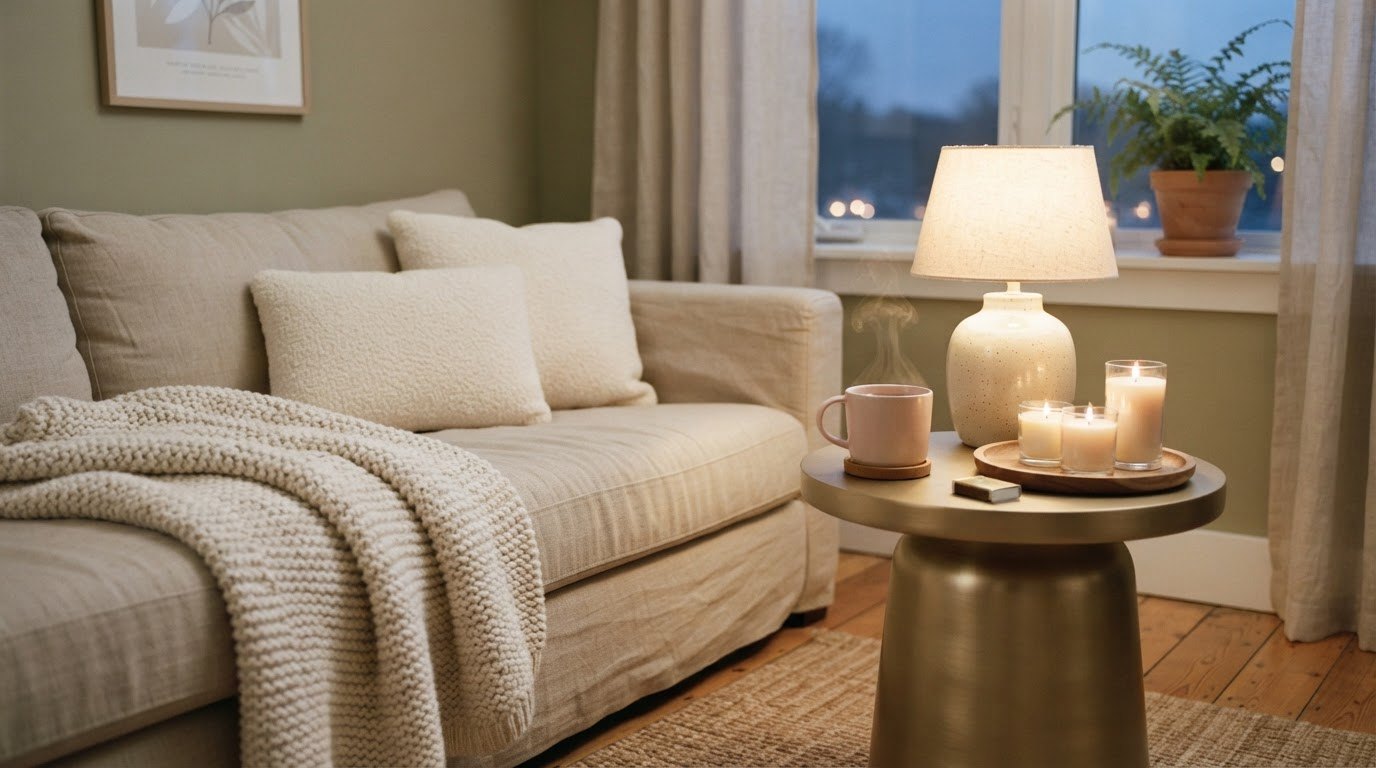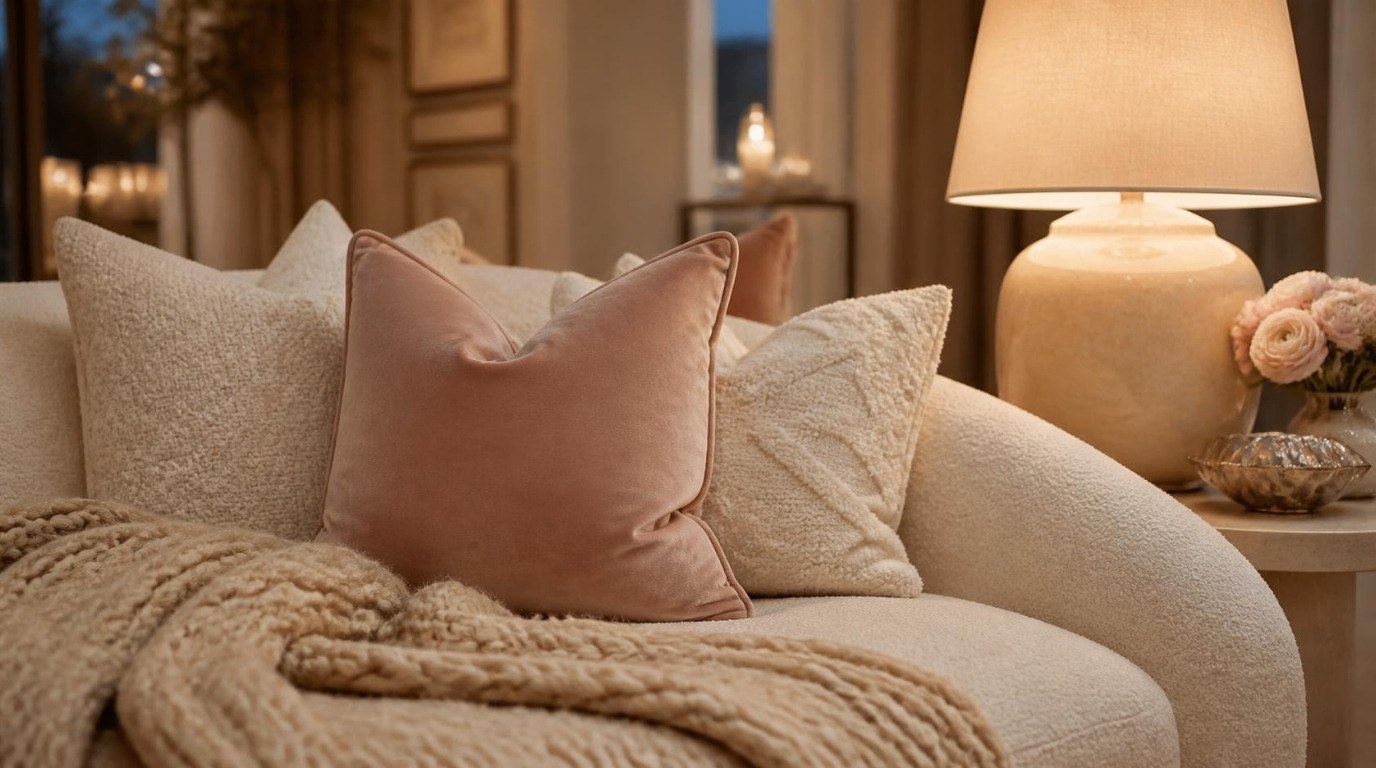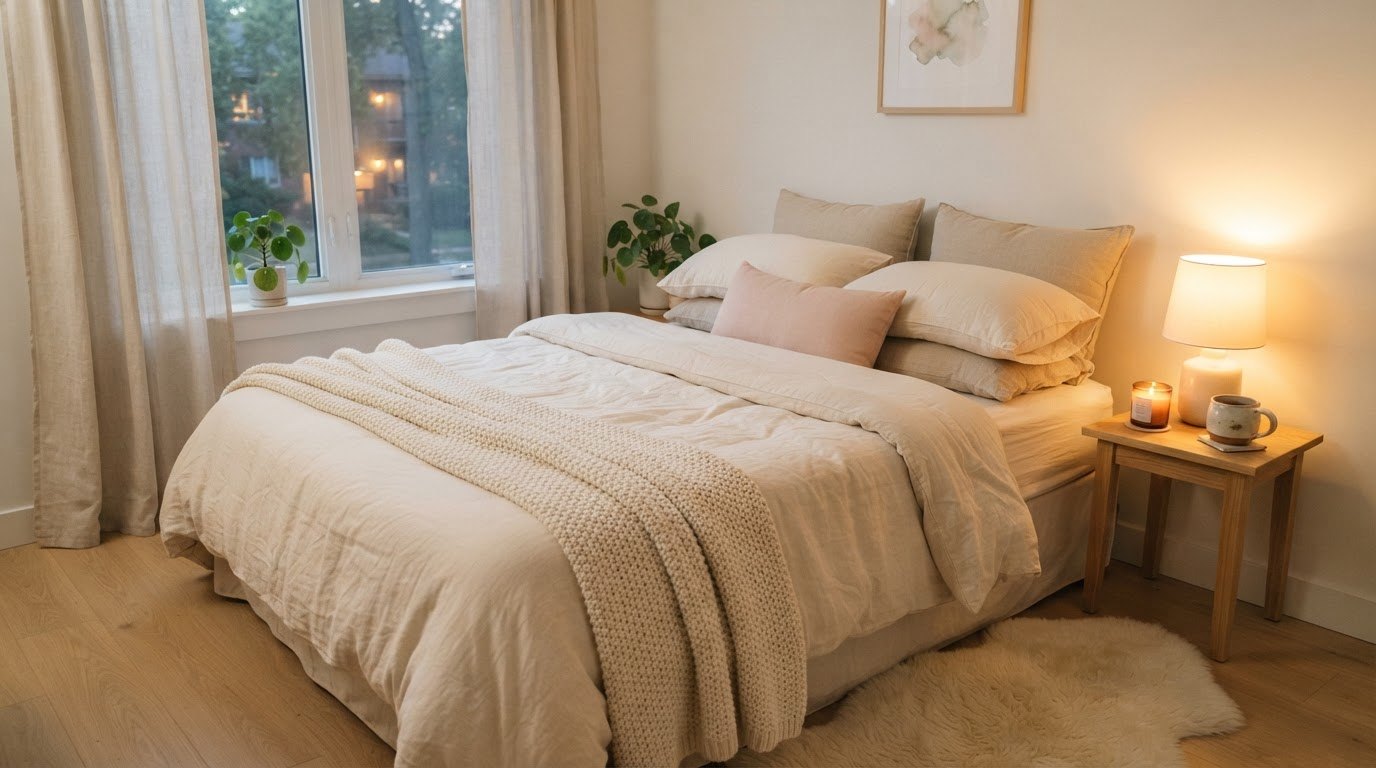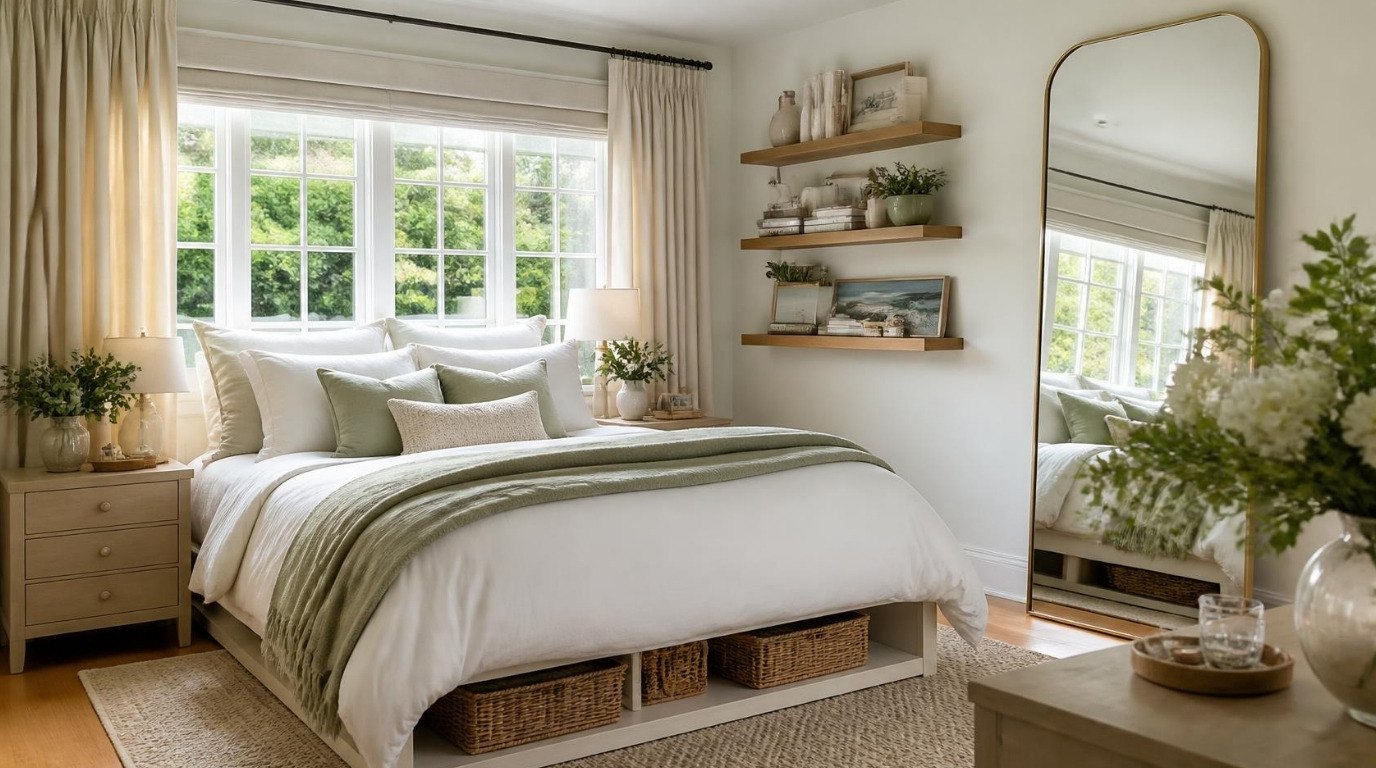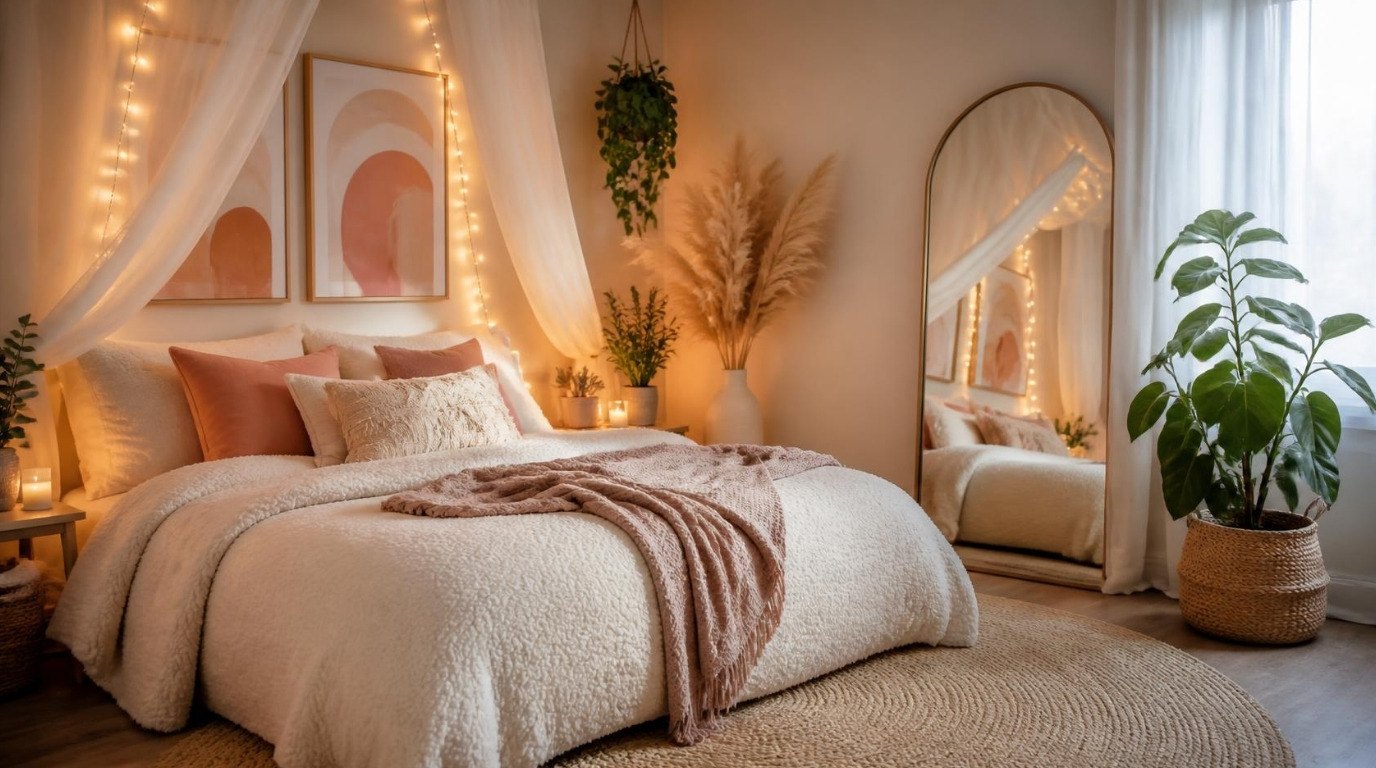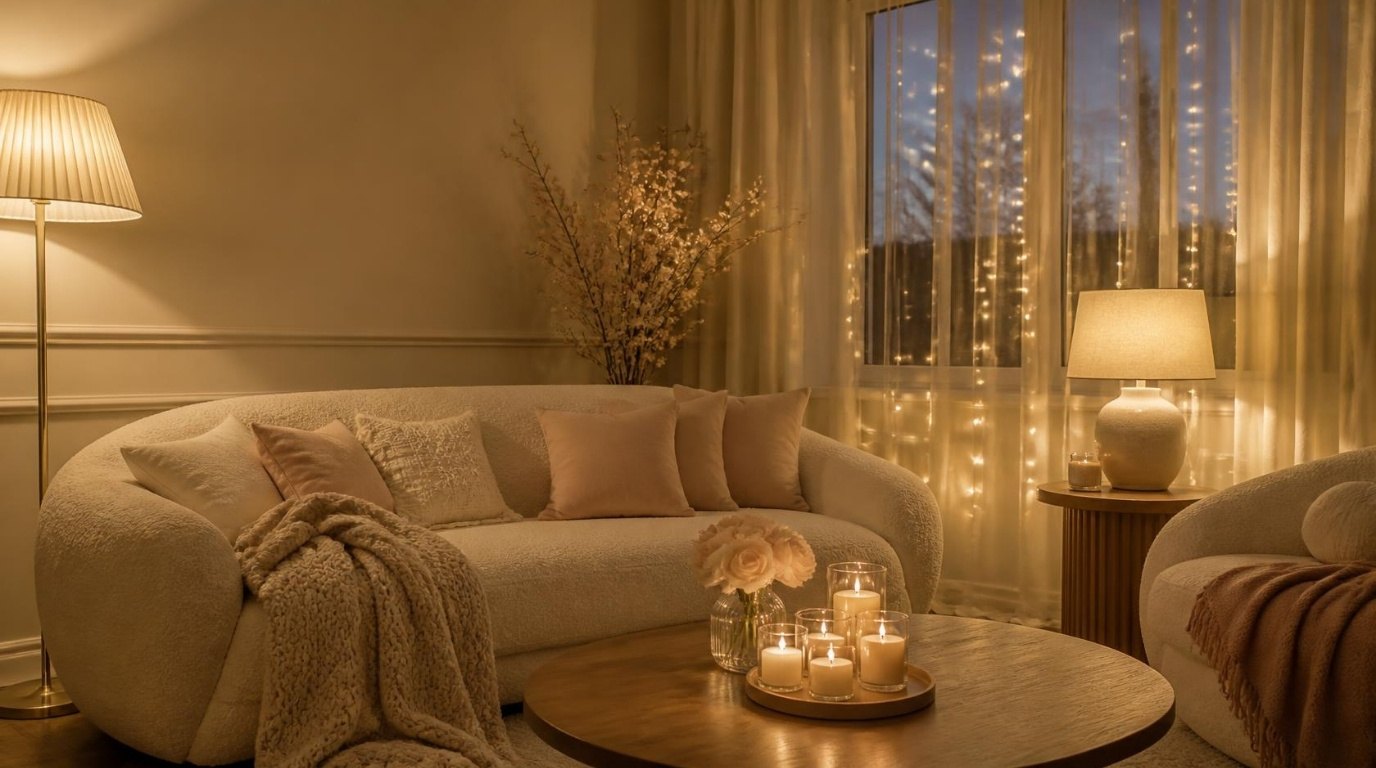
A room rarely feels cold because of the furniture. It feels cold because of the light. One bright ceiling fixture flattens everything, throws harsh shadows and makes even a beautiful sofa look like a waiting room. Swap that single source for a few softer pools of warm light at different heights, and the same room suddenly feels like somewhere you want to curl up.
The good news is that this is one of the cheapest, most renter-friendly changes you can make. You don't need an electrician or a new ceiling. You need the right bulbs, a couple of lamps in the right places and the habit of turning the big light off.
This guide to lighting ideas covers the three layers of lighting, a simple kelvin guide so you buy the right bulbs, 18 practical ideas to make any room feel warm and a room-by-room lighting recipe table you can copy for your living room, bedroom, kitchen, bathroom and entryway.
It's the change I'd make first in any new home. Light is the mood of a room.
Why Most Rooms Feel Cold at Night
Most homes are built with one overhead light per room, often fitted with a cool, bright bulb. It's practical for cleaning and finding your keys, but it lights everything from above at the same intensity. Faces look tired, corners stay dark and there's no sense of depth.
Warm, inviting rooms do the opposite. They have light coming from several places, mostly at or below eye level, in a warm, golden color. Your eye moves from one soft pool of light to another, and the room feels layered and calm. That's the whole secret, and every idea below is a variation on it.
The 3 Layers of Lighting
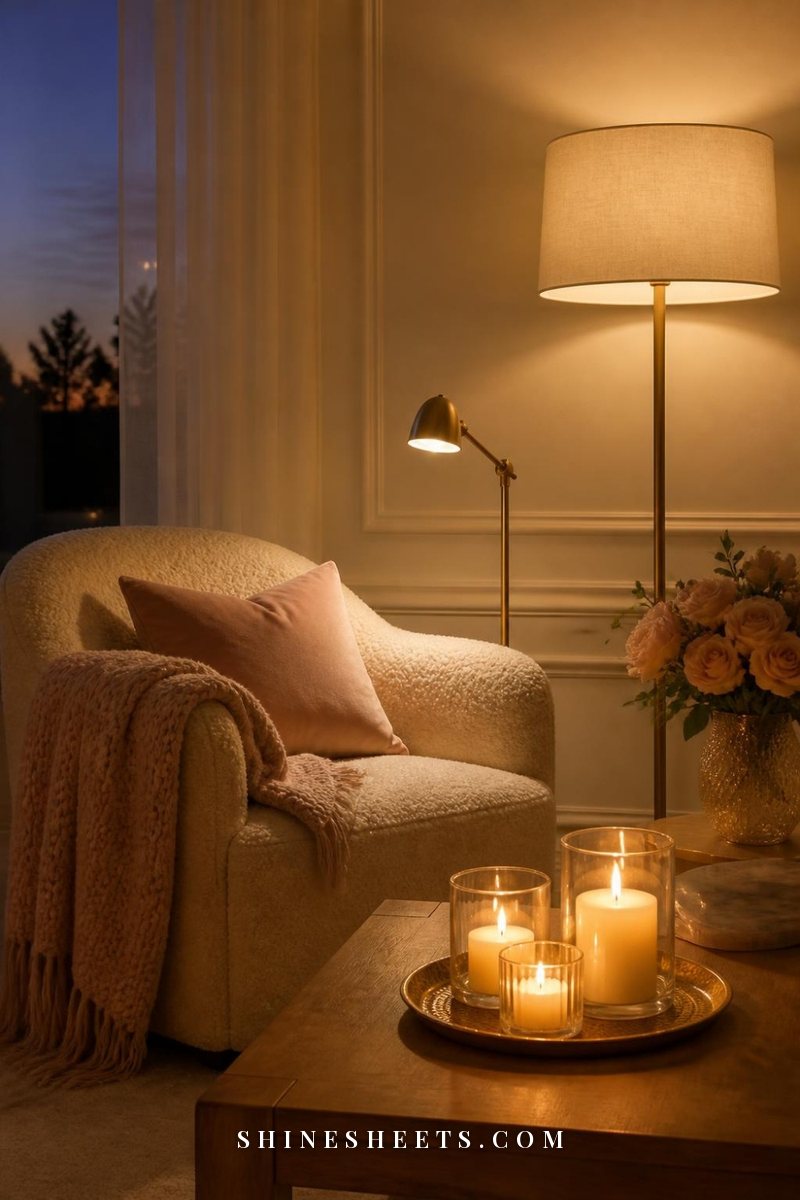
Lighting designers talk about three layers. Once you know them, you'll start noticing which ones are missing in every room.
Ambient Light
This is the general light that lets you move around safely. It can come from a ceiling fixture, but in the evening it's often nicer to create it from floor lamps and uplights instead. Think of it as the base coat.
Task Light
Task light is focused light for doing something: reading, cooking, putting on makeup, working at a desk. A reading lamp beside an armchair, under-cabinet lights in the kitchen and a light beside the bathroom mirror are all task lights. They should be brighter, but placed close to where you need them.
Accent Light
Accent light is the pretty layer. It highlights a shelf, a piece of art or a plant, and adds those small warm moments that make a room feel finished. Candles, string lights, picture lights and little lamps on bookshelves all count.
A warm room usually has at least one light from each layer. A cold room usually has only ambient light, coming from the ceiling.
Kelvin Guide: How To Choose the Right Bulb
The color of a bulb is measured in kelvin (K), and it's printed on the box. Lower numbers are warmer and more golden; higher numbers are cooler and bluer. This is the single most useful number to know when shopping for bulbs.
| Kelvin | How it looks | Best for |
|---|---|---|
| 2200K | Very warm, amber, candle-like | Evening accent lamps, string lights, bedside lamps |
| 2700K | Warm white, like a classic old bulb | Living rooms, bedrooms, dining areas (the safe all-rounder) |
| 3000K | Soft white, slightly crisper | Kitchens, bathrooms, entryways |
| 3500–4000K | Neutral to cool white | Closets, laundry rooms, garages, task areas |
| 5000K and above | Daylight, bluish | Workshops or craft tables only; it feels clinical at home |
Two more details on the box are worth a glance. Lumens tell you brightness: around 450 lumens is a gentle lamp, around 800 lumens is a bright one. CRI tells you how true colors look: choose CRI 90 or higher for bathrooms and anywhere you do makeup.
18 Lighting Ideas To Make a Room Feel Warm
You don't need all eighteen. Start with the first three, which cost the least and make the biggest difference, then add the rest over time.
1. Turn the Big Light Off More Often
This is free and it works instantly. After sunset, try leaving the ceiling light off and using only lamps. It might feel too dim for the first evening, but most people get used to it within a day and then can't go back. If you need the overhead light for cleaning, use it, then switch back to lamps.
2. Switch to 2700K Bulbs
Go through your home and check every bulb. Anything above 3000K in a living area is probably making the room feel colder than it needs to. Replace them with 2700K warm white bulbs, starting with the rooms where you relax in the evening. It's a small job that changes the whole atmosphere.
3. Put Your Lights on Dimmers
Being able to lower the light as the evening goes on is the secret of hotels and restaurants. In a rental, the easiest way is smart dimmable bulbs that you control from a remote or an app. Look for bulbs that dim to warm tones (some go down to about 2200K), so the light gets more golden as it gets lower. Plug-in lamp dimmers are another inexpensive option.
4. Light the Room at Three Heights
Aim for one light low (a small lamp on a side table or the floor), one at eye level (a table lamp or wall sconce) and one higher up (a floor lamp or soft ceiling pendant). Light at different heights creates depth and makes a room feel bigger and more interesting.
5. Use the Lighting Triangle
Place three light sources so they form a loose triangle across the room. For example: a floor lamp beside the sofa, a table lamp on a console across the room and a candle or small lamp on a bookshelf. The triangle spreads warmth evenly so no corner feels forgotten.
6. Choose Fabric or Paper Shades
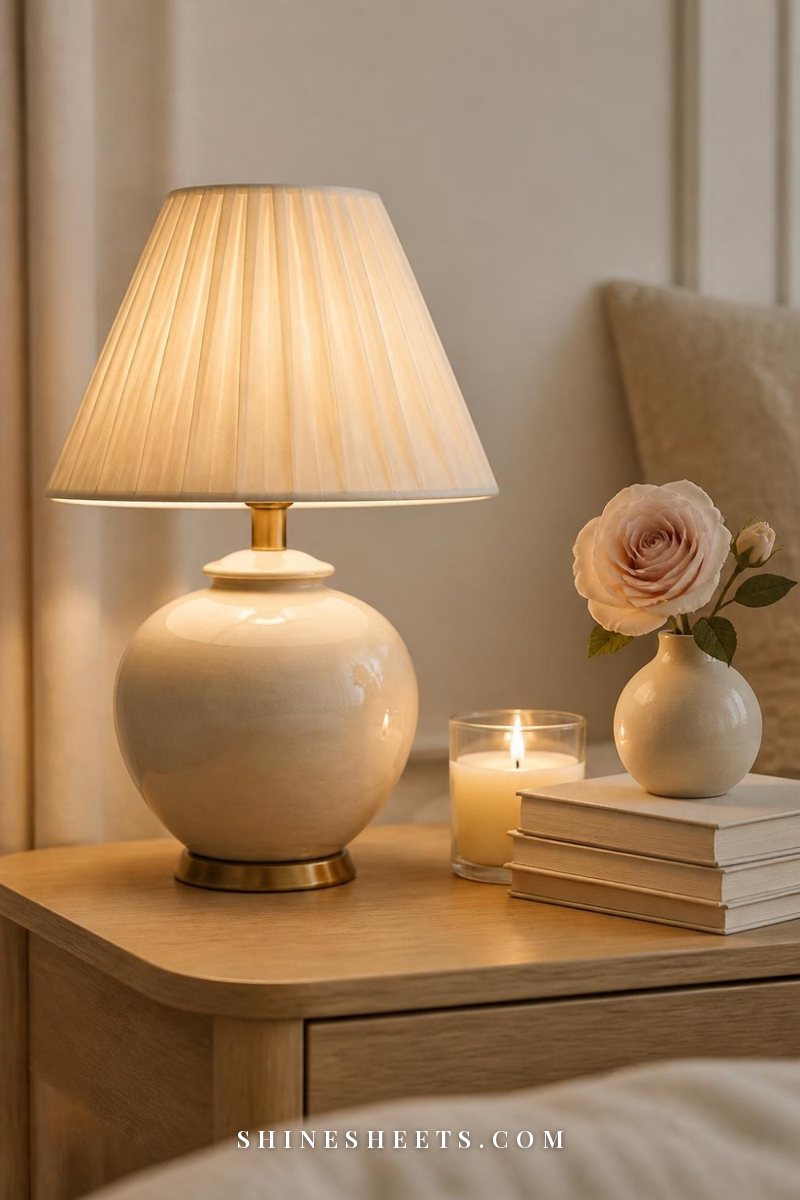
Lamp shades change everything. A fabric shade diffuses the bulb into a soft, even pool of light, while bare bulbs and metal shades create glare. A table lamp with a cream fabric shade is the easiest upgrade: look for linen or pleated cotton in cream, ivory or blush, with a ceramic or glass base. White and cream shades let more light through; deeper colors create a moodier light.
7. Add Plug-In Wall Sconces
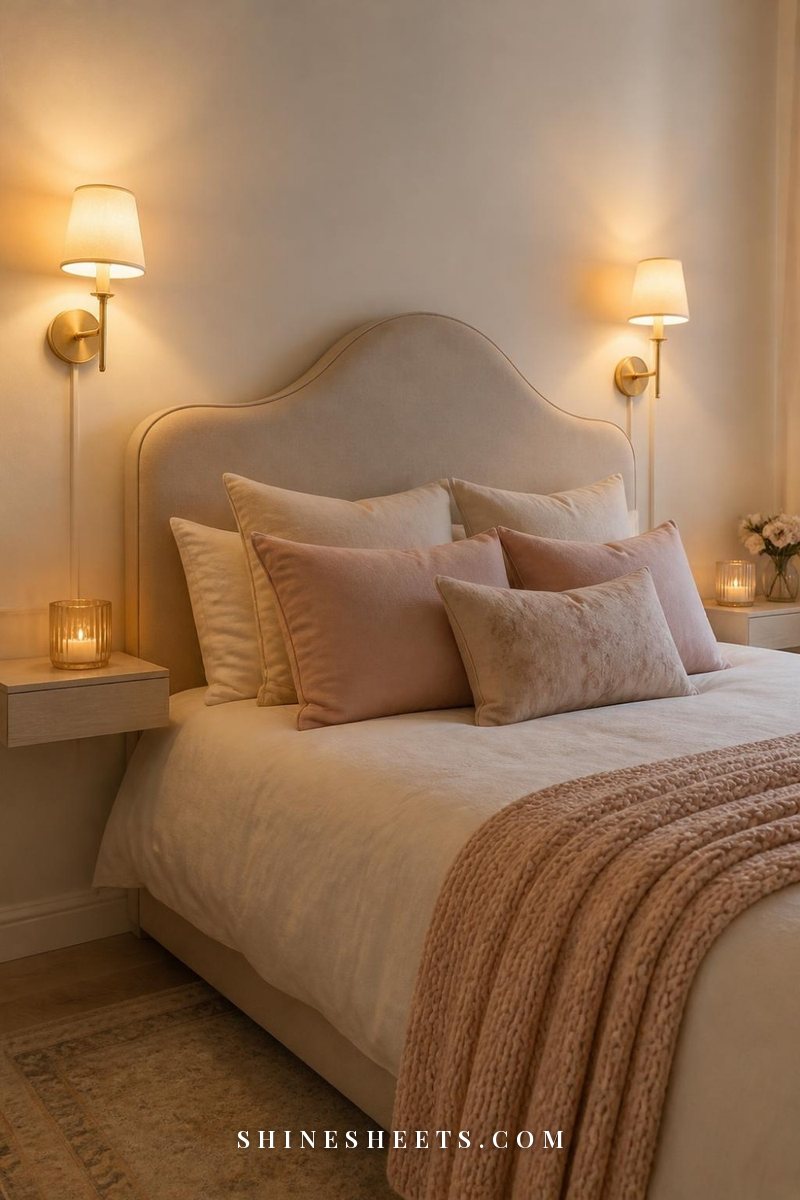
Wall sconces used to need wiring, but plug-in versions mount with a couple of screws and run their cord down the wall. They free up your nightstand and add eye-level light that makes a room look professionally designed. A plug-in wall sconce with a fabric shade or a soft glass globe is lovely on either side of a bed, beside a mirror or above a reading chair. Cord covers painted the color of your wall make the cord nearly disappear.
8. Bounce Light Off the Walls
Light that hits a wall or ceiling first feels softer than light aimed directly at you. A floor lamp that shines upward (an uplight) or a small lamp tucked behind a plant in a corner washes the wall with light and makes the room feel taller and gentler.
9. Light the Dark Corners
Dark corners make a room feel smaller. Look around in the evening and notice where shadows collect. A small lamp, an uplight behind a chair or even a single string of lights in a basket can lift that corner and make the whole room feel brighter without adding glare.
10. Put a Lamp on the Kitchen Counter
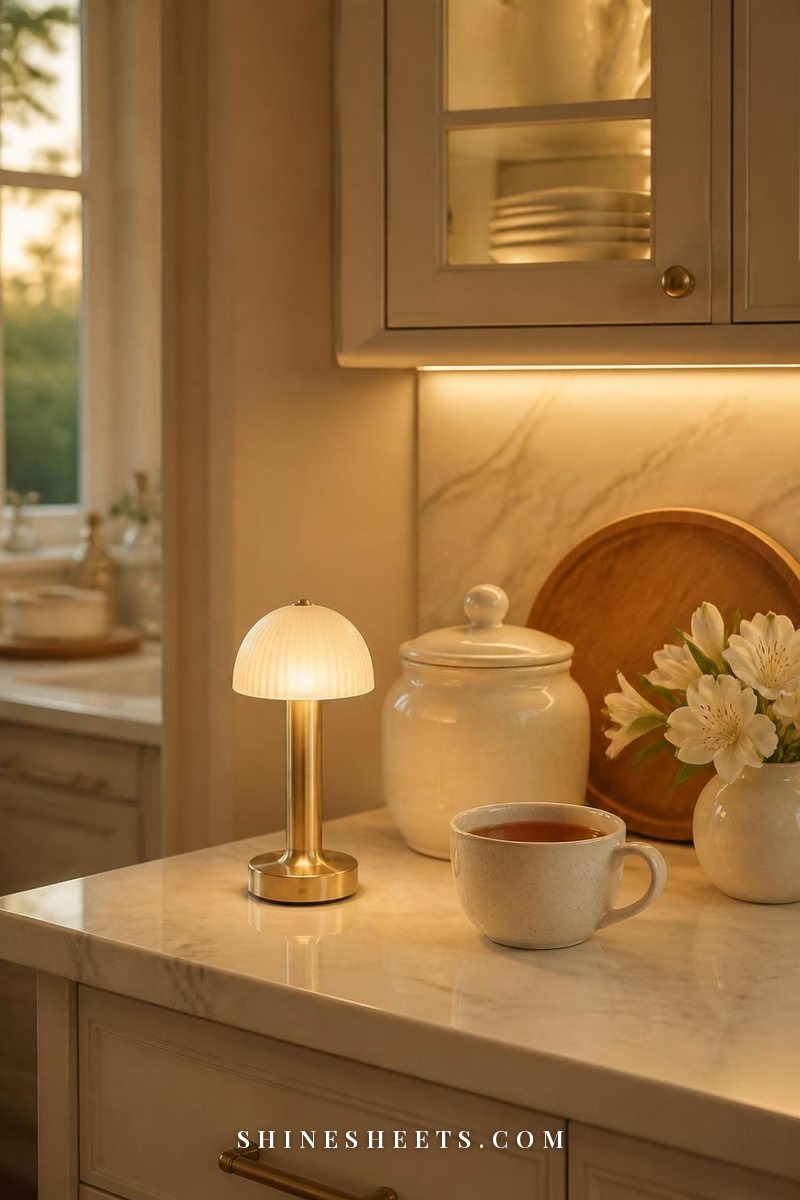
Kitchens are often the coldest-feeling rooms because they're lit for work. A small lamp on the counter changes that in the evening, turning the kitchen into a place you want to linger with a cup of tea. A rechargeable cordless lamp is ideal here, because there's no cord near the sink. Look for one with a few brightness settings, a warm light and a charge that lasts at least eight hours.
11. Add Under-Cabinet Lights
Stick-on LED strips or puck lights under kitchen cabinets give you bright task light right where you chop and pour, without turning on harsh ceiling lights. Choose 3000K for a clean but still warm look, and battery or plug-in versions if you rent. They're also a soft night-light for late glasses of water.
12. Bring Real Candles Back
Nothing replaces the moving, golden light of a real flame. A few candles in clear or amber glass on a coffee table or windowsill add instant warmth. I love glass candles because the flame reflects in the glass and makes the light feel bigger. Group them in threes at different heights, and my guide on how to style candles has plenty of arrangement ideas.
Gentle safety note: keep candles at least a foot away from anything that can burn, never leave them unattended and blow them out before bed. The NFPA candle safety tips are worth a quick read.
13. Use Flickering LED Candles Where Flames Don't Belong
For bookshelves, bedrooms, bathrooms and anywhere you might forget them, flickering LED candles give you the look without the worry. Look for real wax exteriors in ivory or cream, a realistic flicker and a built-in timer so they switch themselves off after a few hours.
14. Hang String Lights the Grown-Up Way
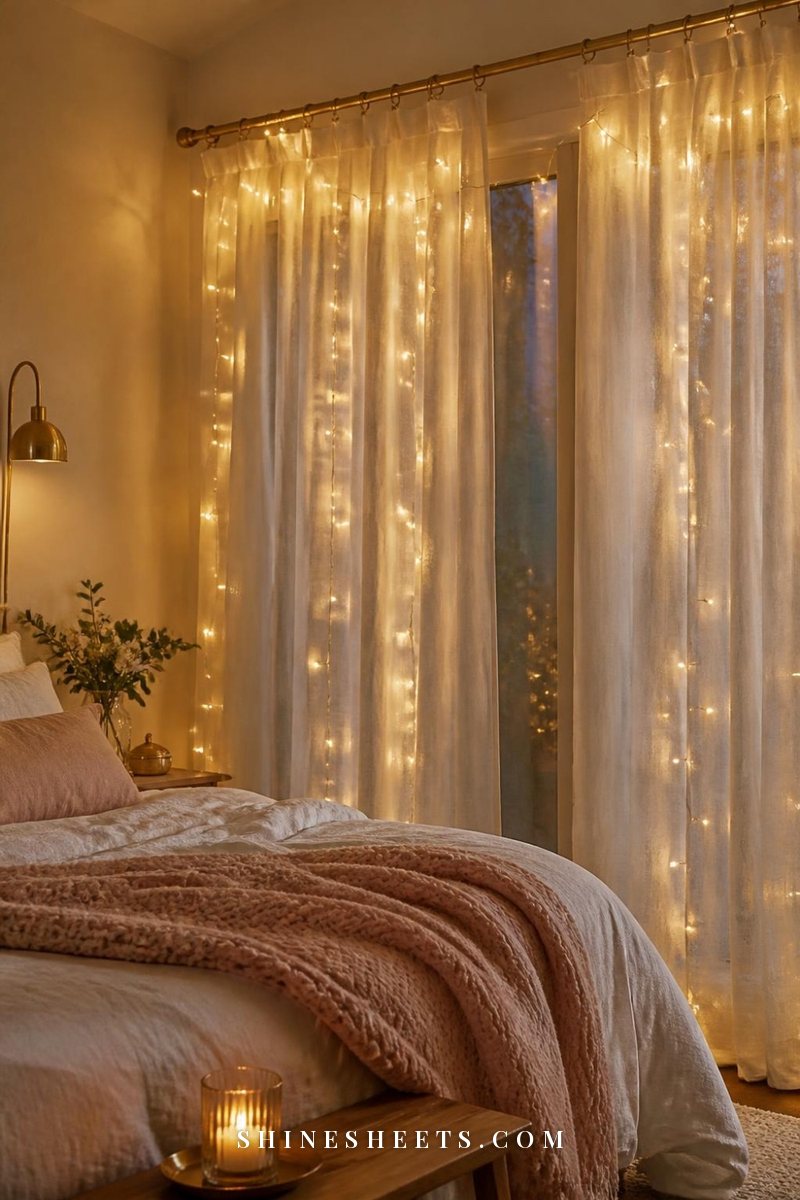
String lights can look like a dorm room or like a little bit of magic. The difference is how you use them. Instead of zigzagging them across a wall, try draping warm white string lights along a curtain rod behind sheer curtains, coiling them inside a large glass vase, winding them through a branch or tucking them along the top of a bookshelf. Choose warm white (not cool white or multicolor), thin copper or silver wire and a remote with a dimmer.
15. Light Your Shelves
A small lamp or a battery-operated puck light on a bookshelf turns it into a feature. Light from within the shelf creates little pockets of warmth and highlights your favorite objects. One light every two shelves is plenty.
16. Soften the Bathroom
Bathrooms need good light for makeup, but they don't need it all the time. Keep bright, high-CRI light at the mirror for mornings, and add a soft option for evenings: an LED candle, a small plug-in lamp on a shelf or a dimmable bulb. A warm bath by candlelight feels completely different. If your bathroom is a rental, my rental bathroom makeover guide has more renter-friendly ideas.
17. Make the Entryway Welcoming
The entryway is the first light you see when you come home. A small table lamp on a console, set on a smart plug or timer so it's already on when you arrive, makes the whole home feel warmer. For more ideas on this small space, see my entryway ideas.
18. Create a Sunset Lighting Routine
Make lighting a ritual. When the sun sets, turn off the ceiling lights, switch on your lamps, light a candle or two and dim everything a little more after dinner. It's a quiet signal to your body that the day is winding down. It fits beautifully into a hygge lifestyle, and it's one of the simplest ways to make evenings feel calmer.
Room-by-Room Lighting Recipe Table
Here's how to put the ideas together in each room. Think of these as recipes you can adapt to your space and budget. Screenshot it before you go bulb shopping.
| Room | Lights to include | Bulb | Placement |
|---|---|---|---|
| Living room | 1 floor lamp, 1–2 table lamps, 1 accent (candles, shelf light or string lights) | 2700K, dimmable | Triangle across the room: floor lamp by the sofa, table lamp on a console or side table, accent on a shelf |
| Bedroom | 2 bedside lamps or plug-in sconces, 1 soft accent (LED candles or string lights) | 2200–2700K, dimmable | Eye level on each side of the bed, accent low on a dresser or behind sheer curtains |
| Kitchen | Under-cabinet lights, 1 cordless counter lamp, ceiling light for cooking | 3000K task, 2700K lamp | Strips under the upper cabinets, lamp on a corner of the counter away from the sink |
| Bathroom | Mirror light for mornings, 1 soft evening light | 3000K, CRI 90+ at mirror; warm LED candle for evenings | Light at face height on both sides of the mirror if possible; candle on a shelf or the tub edge |
| Entryway | 1 table lamp or plug-in sconce on a timer | 2700K | On a console or wall near the door so it's the first thing you see |
| Home office corner | 1 desk lamp, 1 soft lamp nearby | 3000K desk, 2700K ambient | Desk lamp on the side opposite your writing hand to avoid shadows |
| Reading nook | 1 adjustable floor or wall lamp, 1 candle or small accent | 2700K | Behind and slightly to the side of your shoulder, shining onto the page |
For the bedroom specifically, my bedroom ideas post has more on making the space feel restful.
A Simple Starter Lighting Plan
If all of this feels like a lot, here's the order I'd follow in a new home or a room that just feels off. Each step builds on the one before, and you can stop whenever the room feels right.
- Week one: bulbs. Replace every bulb in your living room and bedroom with 2700K warm white. This alone costs very little and changes the mood overnight.
- Week two: one lamp. Add a table or floor lamp with a fabric shade in the room where you spend your evenings, placed in the darkest corner.
- Week three: dimming. Swap your most-used lamp bulb for a smart dimmable one, or add a plug-in dimmer, so you can lower the light after dinner.
- Week four: accent. Add one small accent light: a cluster of candles, LED candles on a shelf or string lights behind a curtain.
- Later: the extras. Plug-in sconces by the bed, a cordless lamp in the kitchen, under-cabinet strips and a timer lamp in the entryway, one at a time as your budget allows.
Spreading it out over a month keeps it affordable and gives you time to notice what each change does. Often the room feels finished by week three, and that's a lovely surprise.
Common Lighting Mistakes To Avoid
- Relying only on the ceiling light. It's the number one reason rooms feel cold.
- Mixing bulb colors in one room. A 2700K lamp next to a 5000K one looks mismatched. Keep each room within one or two close kelvin values.
- Bare bulbs at eye level. They create glare. Use shades or frosted bulbs.
- Lamps that are too small for the space. A tiny lamp on a big console looks lost. When in doubt, go a size up.
- Forgetting the cords. Tangled cords undo the effect. Use cord clips, cord covers or run them behind furniture.
- Everything at the same height. Vary low, middle and high for depth.
For more ways to make your home feel warm beyond lighting, my collection of home ideas covers textiles, scent and little rituals.
Final Thoughts
The best lighting ideas are often the simplest: warm 2700K bulbs, a few lamps at different heights, dimmers, candles and the habit of turning the big light off after sunset. Start with one room, the one where you spend your evenings, and change just the bulbs and one lamp.
You'll feel the difference the very first night. A softly lit room asks you to slow down, and that's exactly what a home should do.