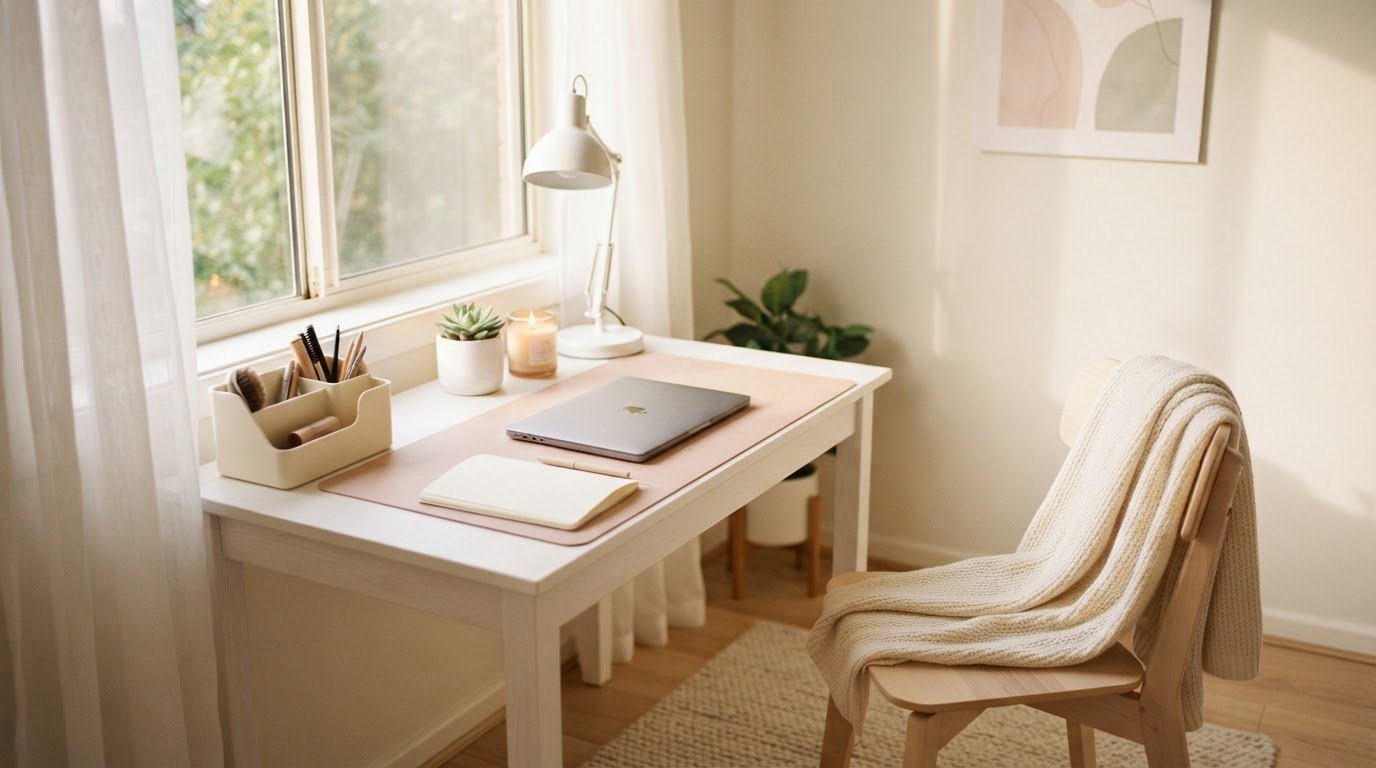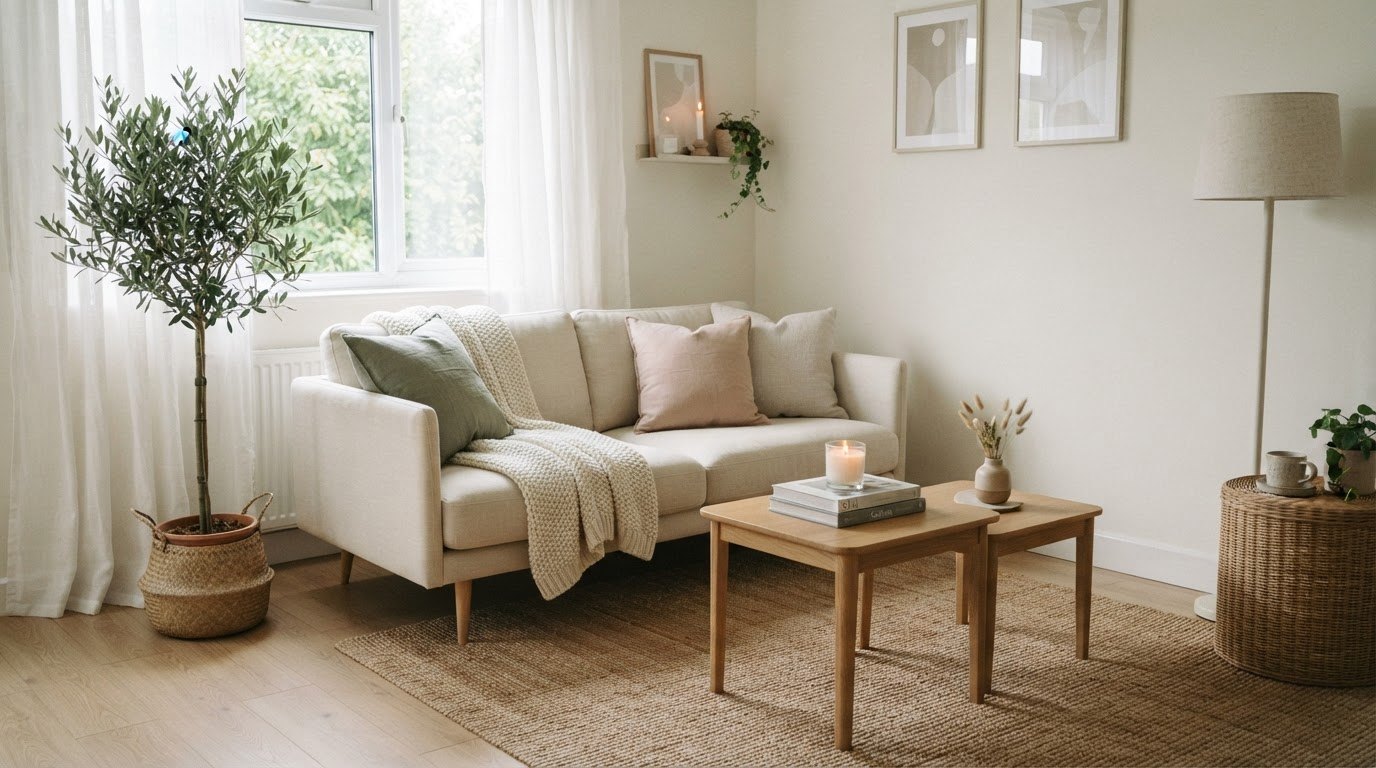
A small living room rarely feels cramped because of its size. It feels cramped because of where things sit: a sofa pushed against the wrong wall, a rug that's too small, a coffee table that blocks every path, three lamps doing nothing in the corners. Move a few pieces and the same square footage can feel calm, open and genuinely welcoming.
This guide gathers 30 small living room ideas grouped into layout, light, storage, textiles and styling, and every one is renter-friendly (no paint, no demolition, no landlord conversations). You'll also find a small room layout table that tells you where the sofa and rug go for your room's shape, plus a quick "make it feel bigger" check you can run in five minutes.
I've come to think small rooms are a gift in disguise. They force you to keep only what you love, and that's half of what makes a home feel good.
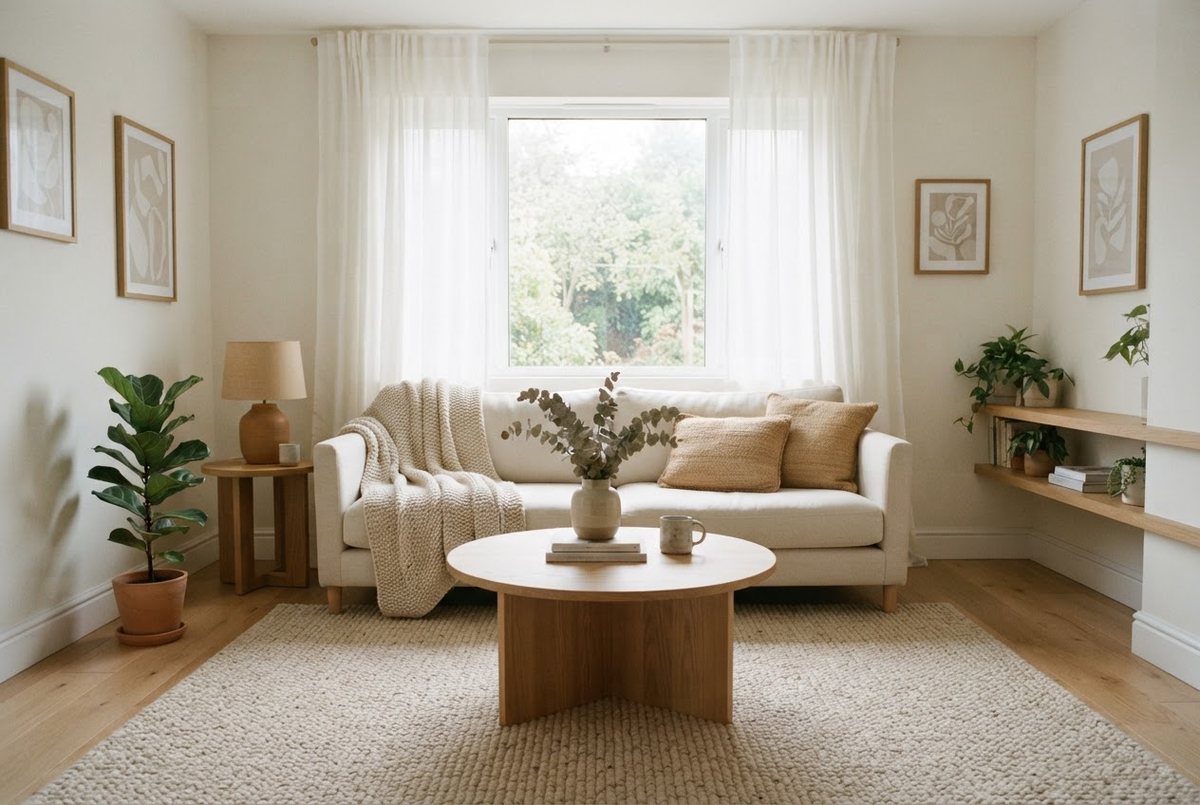
The Small Room Layout Table
Find your room's shape in the first column and start there. These placements work in most apartments and save you from dragging the sofa around five times.
| Room shape | Sofa placement | Where the rug goes | What to skip |
|---|---|---|---|
| Long and narrow | On one long wall, or floating across the room to create two zones | Under the seating area only, front legs on it | A second large sofa on the opposite wall (it creates a bowling alley) |
| Square | Facing the focal point (window or TV), a little off the wall | Centered, big enough for all front legs | Pushing every piece against the walls |
| Open plan or studio | Back of the sofa facing the kitchen or bed, as a soft divider | Defines the living zone; all seating legs on it | Tall bookcases as dividers (they block light) |
| Lots of doors or a walkway through | On the wall with no doors, paths kept 30 inches wide | Out of the walkway, under the seating | Bulky armchairs in the traffic path |
| Awkward corner or L-shape | A small sectional or loveseat in the main section | In the main section; the corner becomes a reading spot | Trying to fill every corner with furniture |
A good rule across all of them: keep at least 30 inches of walking space through the room and 16–18 inches between the sofa and the coffee table. Those two numbers alone make a room feel easier to live in.
Layout Ideas
Layout is free, and it changes more than any purchase will. Start here before you buy anything.
1. Float the Sofa a Few Inches
It feels counterintuitive, but pulling the sofa 4–6 inches off the wall makes a room look bigger. The shadow behind it creates depth, and the space no longer looks like everything is lined up against the edges.
2. Choose a Sofa With Visible Legs
Furniture you can see under looks lighter. Sofas, chairs and side tables on raised legs let the floor run all the way to the wall, which tricks the eye into reading more space.
3. Go Smaller on Arms
Thick rolled arms can eat 10–12 inches of seating width. A sofa with slim or track arms gives you the same seat in a smaller footprint. If you're replacing a sofa, measure the seat, not just the overall width.
4. Swap the Coffee Table for Nesting Tables
One big coffee table blocks paths every day. Nesting coffee tables give you two surfaces when friends come over and tuck together when you need the floor. Round edges are kinder to shins in tight spaces.
5. Create One Clear Focal Point
Every room needs one place for the eye to land: a window, a piece of art, a fireplace or a styled shelf. Arrange seating to face it. When the TV competes, put it on a slim console and let the art hang slightly to one side.
6. Use Two Small Chairs Instead of One Big Armchair
Two light, open-backed chairs are more flexible than one heavy armchair. They can face the sofa for conversation or move to the window for a quiet read.
7. Clear the Path to the Window
The path from the door to the window should be open. When you can walk straight to the light, the room immediately feels bigger and calmer.
Light Ideas
Light is what makes a small room feel airy by day and warm by night. Most small living rooms have too little of it in the right places.
8. Hang Sheer Curtains High and Wide
Mount the rod close to the ceiling and extend it 8–12 inches past the window on each side. When open, the curtains frame the wall instead of covering glass. Sheer white curtains soften daylight without blocking it and make the ceiling look taller. Let them just touch the floor.
9. Add a Floor Lamp in the Darkest Corner
Dark corners shrink a room. A cream floor lamp with a linen shade lights the corner, adds height and spreads soft light up the wall. Arc lamps are lovely too, if you have the floor space.
10. Layer Three Light Sources
Overhead light, a lamp at seated height and something low and warm. Three sources at different heights make a room feel finished after dark, and you can switch off the ceiling light completely in the evening.
11. Choose Warm Bulbs
Bulbs labeled 2700K give a soft, warm white that feels relaxed in the evening. Cooler bulbs make small rooms feel clinical. Swap every bulb in the room to the same warmth so the light looks even.
12. Use Candles for the Low Layer
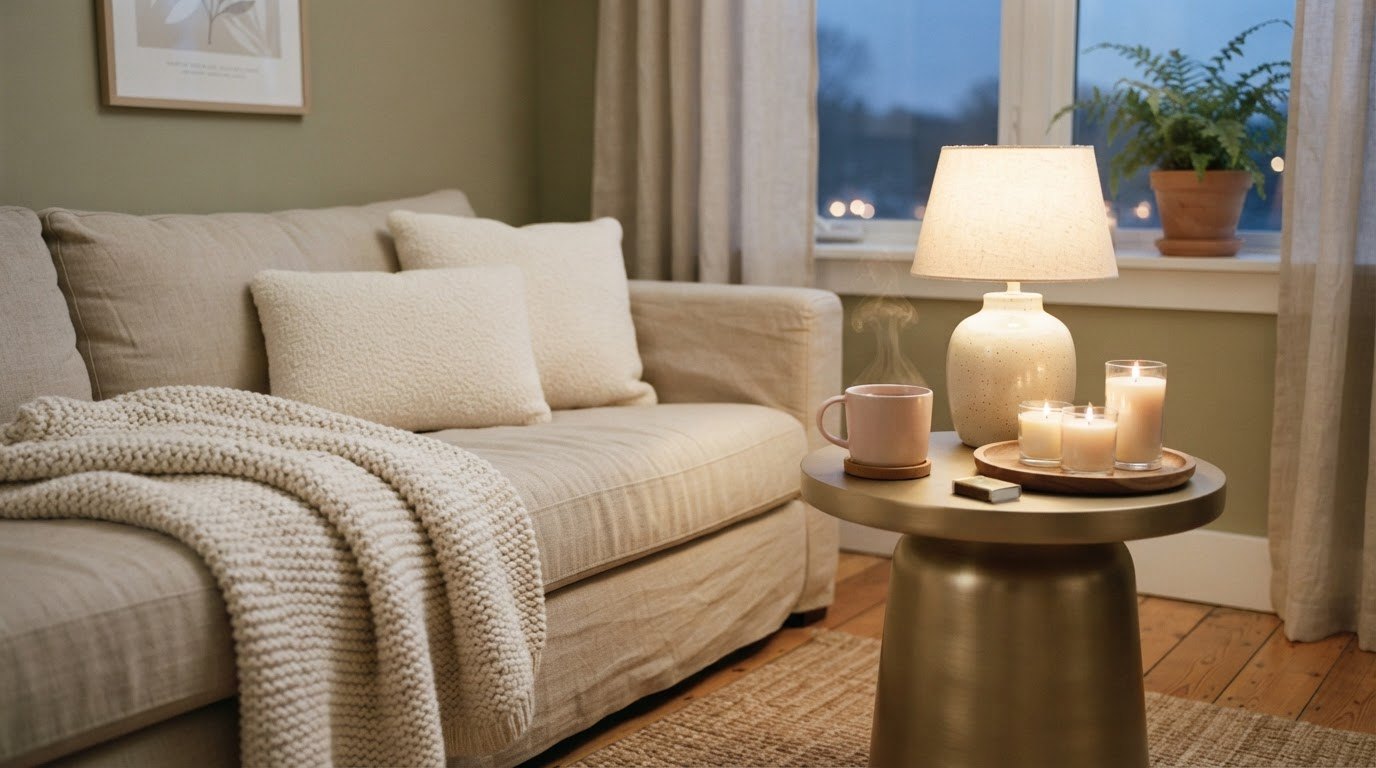
A few candles grouped on a tray add warmth without taking up space. Glass candles are my favorite for this because the light flickers through the jar. My guide on how to style candles has simple arrangements that look polished. Keep flames away from curtains and never leave them burning in an empty room.
13. Place One Reflective Piece Opposite the Window
A mirror, a glass-front cabinet or even a glossy ceramic lamp opposite the window catches daylight and bounces it back into the room. One is enough.
Storage Ideas
Clutter is what really makes a small room feel small. The goal is a place for everything, with most of it hidden.
14. Choose Furniture That Stores Things
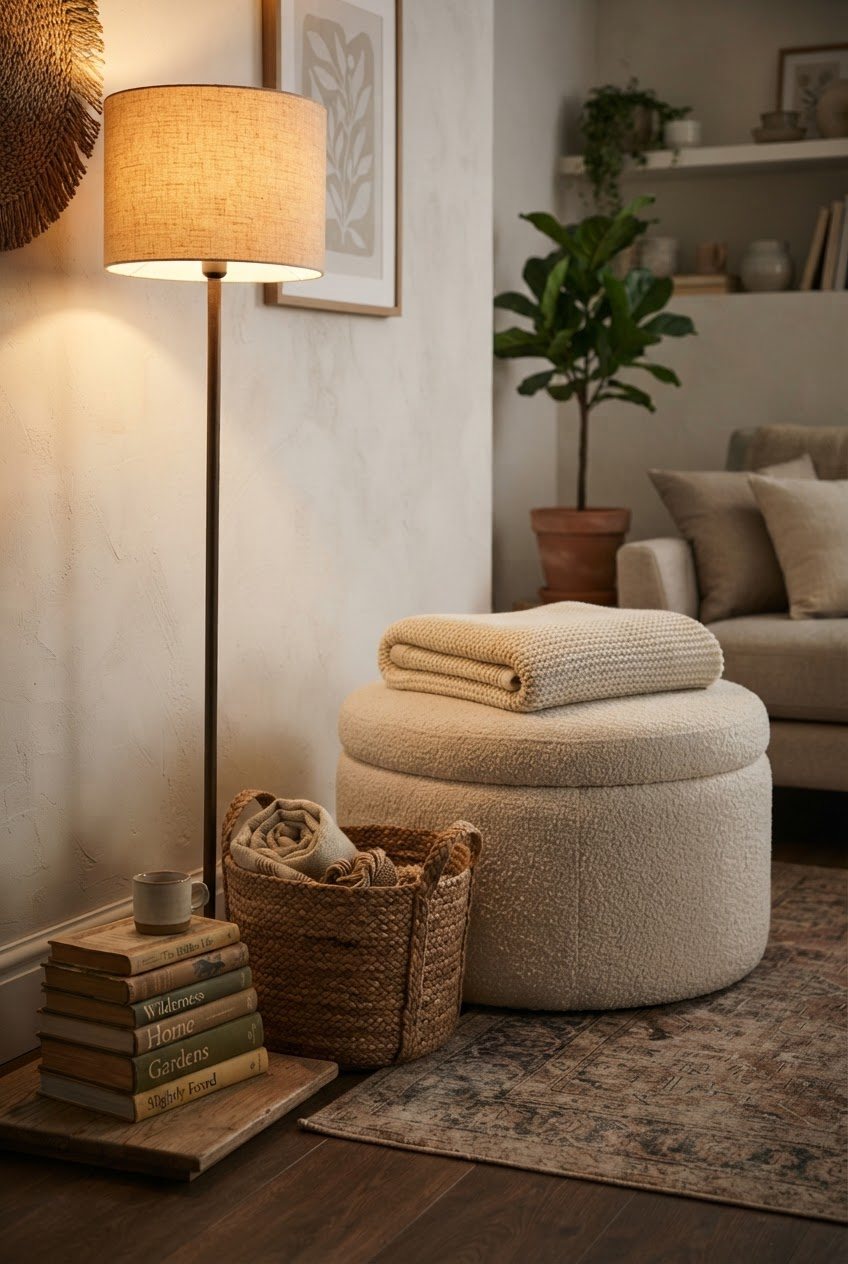
A storage ottoman is a footrest, extra seat and blanket box in one. Look for one with a lift-off or hinged lid and a sturdy frame so it can be sat on.
15. Go Vertical With Wall Shelves
Floor space is precious; wall space usually isn't being used. Floating wall shelves hung above a sofa or desk hold books, plants and a few pretty things without a single extra footprint. Keep the bottom shelf at least 12 inches above the sofa back.
16. Use Baskets as Drop Zones
One woven basket by the sofa for throws, one for chargers and remotes. When everything has a basket, tidying takes two minutes.
17. Pick a Console With Doors
Open media shelves look busy fast. A low console with doors or drawers hides cables, games and paperwork and gives you a clean surface on top.
18. Use the Space Behind and Under
A narrow console behind a floating sofa adds storage and a spot for a lamp. Flat bins under a sofa or chair hold extra blankets. Every inch counts.
19. Do a Five-Minute Evening Reset
Before bed, put back everything that's left the room: mugs, mail, clothes. Five minutes a night keeps a small room calm for the next morning. If you want more habits like this, my guide to apartment decor on a budget covers small changes that make a rental feel finished.
Textile Ideas
Textiles bring softness, warmth and sound absorption, which matters in small apartments with hard floors.
20. Size Up the Rug
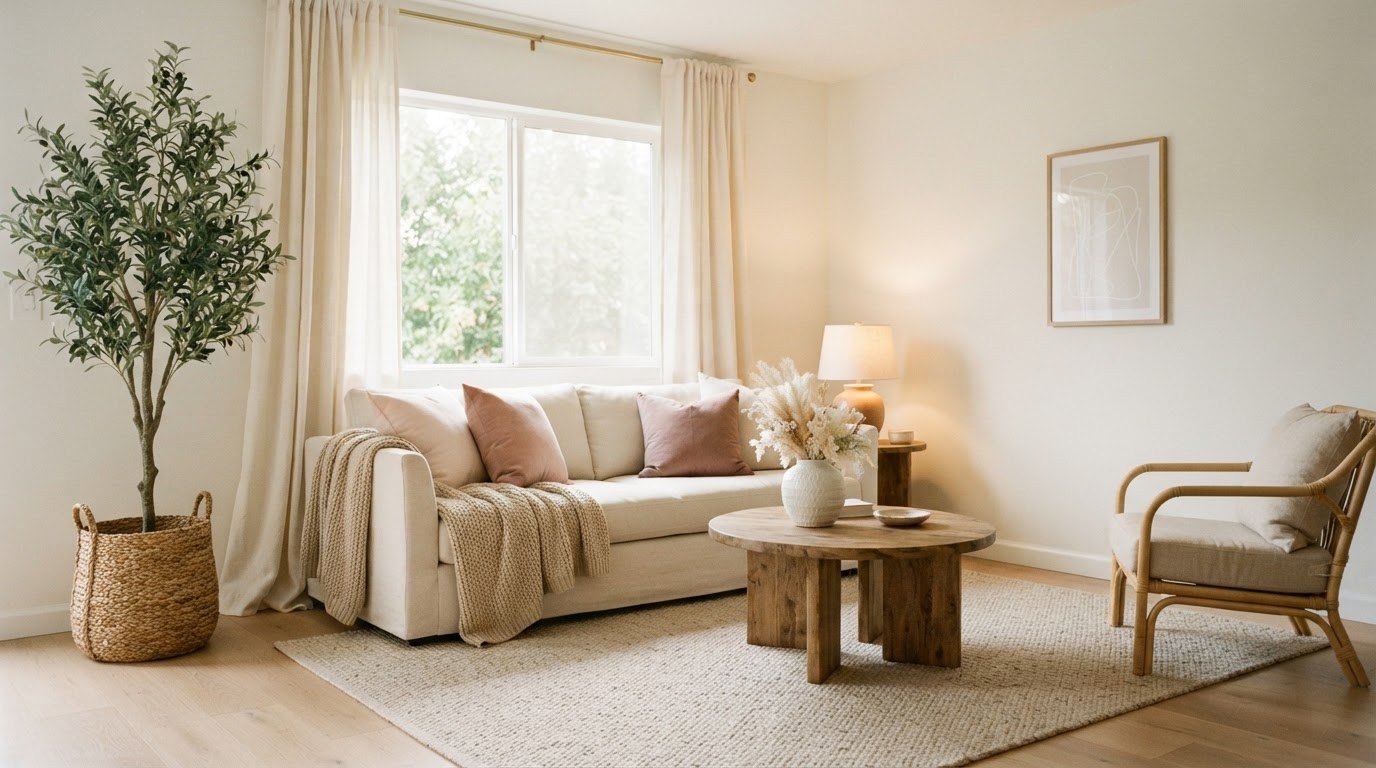
A tiny rug floating in the middle of the floor makes a room look smaller. A large neutral area rug that fits under the front legs of every seat ties the furniture together and makes the whole space feel bigger. For most small living rooms, 5x8 is the minimum and 8x10 is often better.
21. Keep the Palette Light and Tonal
Cream, oat, ivory and soft gray in different shades read as calm and spacious. Add one soft accent (sage, blush or baby blue) in small doses so the room doesn't look flat.
22. Mix Textures, Not Colors
In a small room, too many colors feel busy. Instead, mix textures in the same tones: boucle, linen, chunky knit, a wool rug. It looks rich and stays calm.
23. Use Fewer, Larger Cushions
Seven small cushions crowd a loveseat. Two or three larger ones (20–22 inches) look more relaxed and leave room to actually sit.
24. Add One Soft Throw
One throw folded over the sofa arm or in a basket is enough. It invites you to sit down and stay a while, which is the whole point of a living room. If that feeling is what you're after, the hygge lifestyle is full of small ways to create it all year.
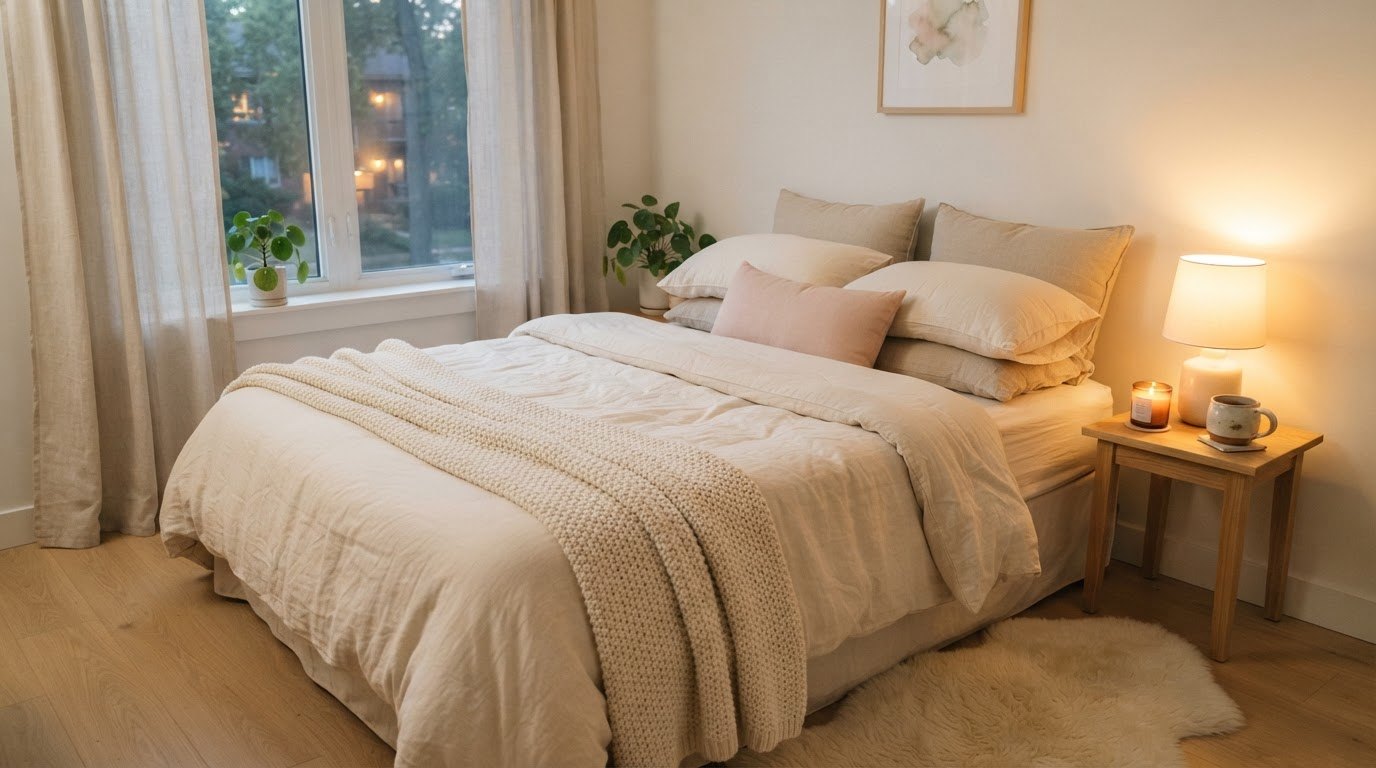
One more textile habit that works well in small rooms: swap with the seasons instead of adding. In colder months, bring out a wool throw and heavier cushion covers; in spring, fold them away and switch to linen and cotton. Covers take up almost no storage space, the room gets a fresh feeling a few times a year, and you never end up with a sofa buried under every blanket you own. Keep the off-season set in a flat bin under the bed or inside the storage ottoman so everything has a home.
Styling Ideas
The final layer. In a small room, every object should either be useful or truly loved.
25. Hang Art Higher Than Furniture, Not Higher Than Eye Level
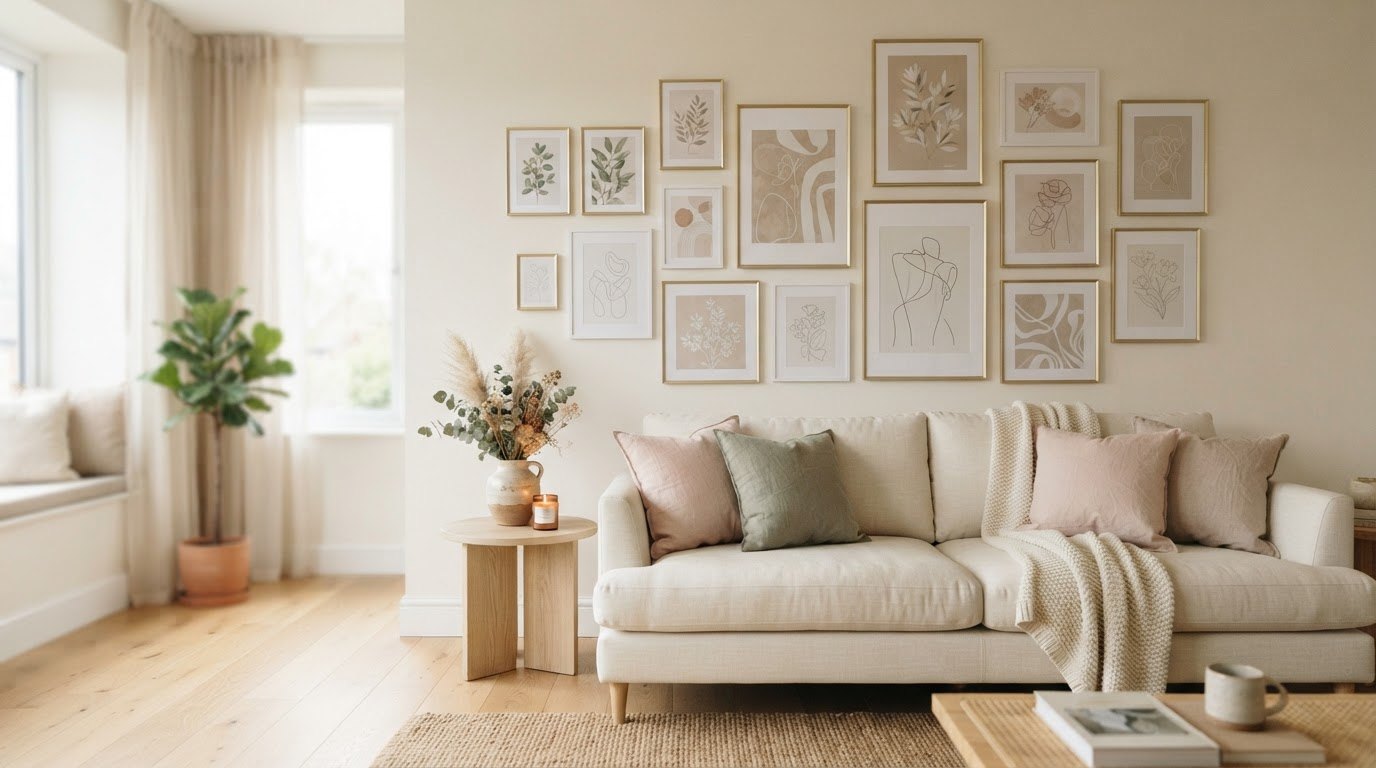
Art centered at about 57–60 inches connects the wall to the furniture and draws the eye up just enough. One large piece often looks calmer than many small ones, but if you love a collection, my gallery wall layouts and spacing rules keep it tidy.
26. Bring In One Large Plant
One tall plant in a corner (an olive tree, a rubber plant or a fiddle leaf fig) adds life and height. Lots of small pots on every surface look cluttered.
27. Style Surfaces in Threes
On a coffee table or shelf: something tall (a vase), something low (a candle) and something flat (a book or tray). Then stop. Empty space is part of the styling.
28. Keep Window Sills Clear
Objects on the sill block light and make the window look smaller. Leave it bare, or keep it to a single small plant.
29. Choose Smaller-Scale Furniture
Apartment-sized sofas, slim side tables and armless chairs are designed for small rooms. Proportion matters more than style: furniture that fits the room makes it look bigger than furniture that dominates it.
30. Make It Smell and Sound Good
A small room is felt with every sense. A diffuser, a candle in the evening, soft music and a rug to quiet footsteps make the space feel welcoming the moment you walk in. My ideas for a warm, welcoming home have many more of these little touches.
The Make It Feel Bigger Quick-Check
Run through this list whenever the room starts to feel crowded. Each yes is one small thing to fix this week.
- Is the walkway at least 30 inches wide? If not, move or remove one piece.
- Is the rug too small? If the furniture legs float around it, size up.
- Are the curtains hung at window height? Move the rod up toward the ceiling.
- Is any corner dark in the evening? Add a lamp there.
- Are more than three objects on any surface? Edit down to three.
- Is there furniture you don't use weekly? Store it, sell it or move it to another room.
- Do the colors stay within one tonal family? Swap one loud piece for a softer one.
- Is the window path clear? Open the route from the door to the light.
Zoning a Small Living Room That Does Everything
In many apartments the living room is also the dining room, the office and sometimes the guest room. Zoning keeps it from feeling like one big multipurpose blur:
- Let rugs draw the borders. One rug under the seating, nothing (or a smaller round rug) under the dining or desk area. The floor tells you where each zone starts.
- Give each zone its own light. A floor lamp by the sofa, a pendant or table lamp over the dining table, a desk lamp for work. Switching off the work lamp at the end of the day signals that work is over.
- Use the back of the sofa as a wall. Facing the sofa away from the desk or kitchen creates a soft divider without blocking a single window.
- Choose pieces that pull double duty. A round dining table can be a desk on weekdays; a storage ottoman becomes a guest seat; a console behind the sofa holds a laptop and a lamp.
- Put work away at night. One lidded basket or a drawer for the laptop, notebooks and chargers. Out of sight is surprisingly restful.
Plan Before You Buy
The most expensive small-room mistake is a piece that doesn't fit. A little planning saves money and returns:
- Measure the room and every doorway. Note window positions, radiators and outlets. A sofa that fits the room still has to make it through the front door and around the corner.
- Tape it out. Use painter's tape to mark the footprint of any new piece on the floor. Walk around it for a day. If you trip over the tape, you'll trip over the furniture.
- Check the height too. Low, long pieces make a room feel more open than tall, deep ones. A sofa back around 30–32 inches tall keeps sight lines open.
- Buy the big pieces first, slowly. Sofa and rug come first because everything else depends on them. Accessories can wait until you've lived with the layout for a few weeks.
- Keep one thing out, one thing in. In a small room, a new piece means something else leaves. It's the simplest way to keep the space from filling up again.
A small honest admission: I get excited about pretty things and want to bring them all home. Taping out the footprint first is what keeps my rooms calm, and it's the one habit I'd pass on to anyone with a small space.
Common Small Living Room Mistakes
- Pushing everything against the walls. It leaves a big empty middle and makes the room feel like a waiting area.
- Buying furniture without measuring. Tape the footprint on the floor with painter's tape first and live with it for a day.
- Too many small pieces. A few larger, well-scaled pieces feel calmer than lots of little ones.
- Only one ceiling light. Flat overhead lighting makes small rooms feel smaller. Layer lamps instead.
- Ignoring the vertical space. Shelves, tall plants and high curtains lift the eye and make the ceiling feel higher.
If you'd like a quiet corner in the room too, my reading nook ideas for small spaces show how to fit one in without crowding the rest.
Final Thoughts
A small living room doesn't need more space to feel good. It needs a layout that works with its shape, light at different heights, hidden storage and a few soft, well-chosen things.
Start with the layout table and the quick-check, change one thing this week and notice how the room feels. Small spaces have a way of becoming the places you love most.