A face mist can be lovely, but it isn't magic water. On its own, a spritz of plain water sits on your skin for a minute, feels refreshing, and then evaporates. What actually decides whether a mist hydrates you or leaves you a little tighter than before is what's in the bottle and what you do in the next sixty seconds.
That's the part most people never hear. A well-made mist with humectants (ingredients like glycerin and hyaluronic acid that hold onto water) followed by a moisturizer can make skin feel softer and more comfortable. Plain water misted again and again on bare skin, with nothing on top, can do the opposite. Same gesture, very different result.
This guide covers face mist from start to finish: what it really does, why water alone can backfire, the four main types and who each one suits, a table you can screenshot with ingredients, timing and skin types, when a mist genuinely helps, exactly how to use one, what sensitive skin should skip, and how to keep the bottle clean.
My own skin is combination and sensitive, with a T-zone that gets shiny by lunch and cheeks that get tight in heated rooms, so I'll keep both sides of that in mind as we go.
What a Face Mist Actually Does
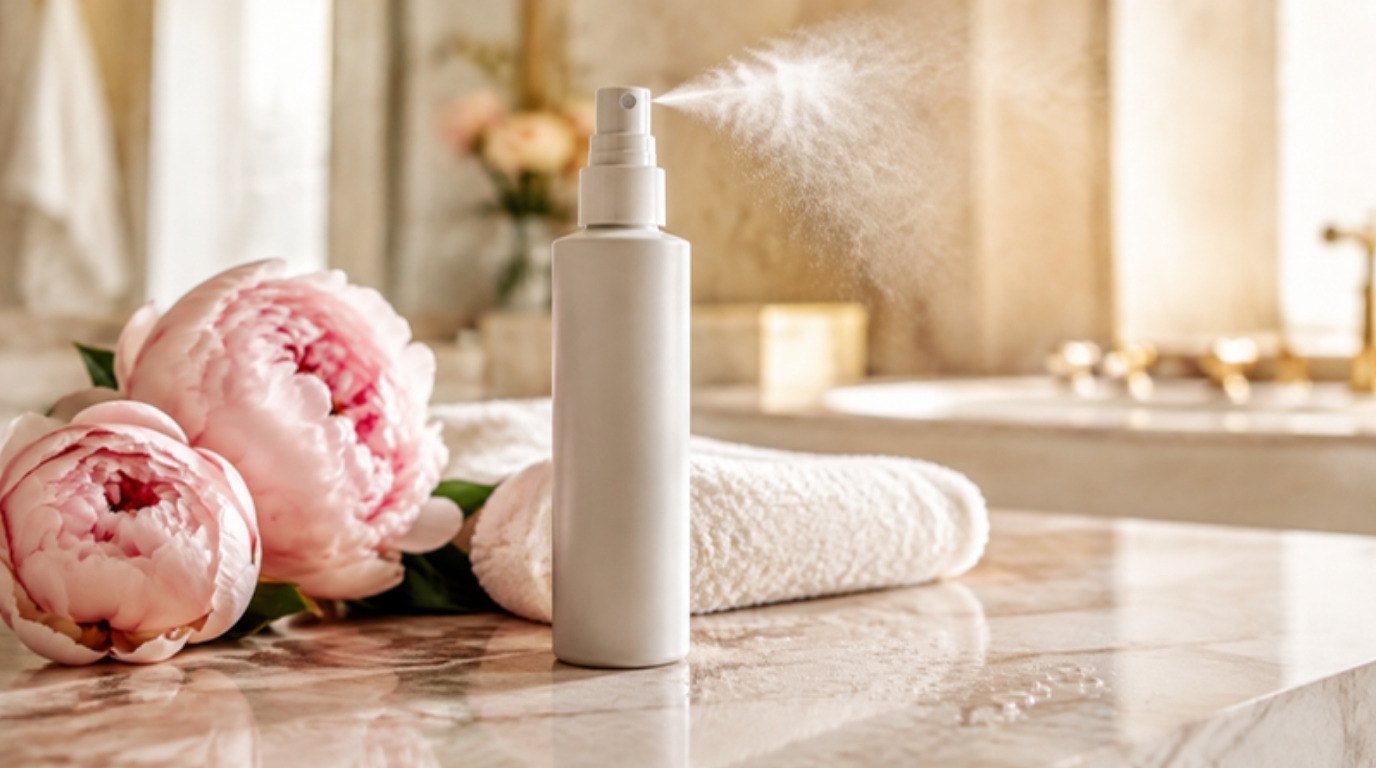
A face mist is simply a watery formula in a fine spray bottle. The base is water (sometimes thermal or mineral water), and the good ones add humectants, soothing ingredients and sometimes a little antioxidant or botanical extract. When you spray it, you're putting a very thin, even layer of that liquid onto your skin.
Here's what that thin layer can do:
- Add a quick layer of water plus humectants. Humectants grab that water and help keep some of it in the top layers of skin, especially when you seal it with a moisturizer.
- Dampen skin before serums and creams. Many hydrating serums spread more easily and feel more comfortable on slightly damp skin.
- Refresh the feel of your skin. A cool spritz on a hot day or in a stuffy office genuinely feels nice, and that counts for something.
- Soften a powdery makeup finish. A light mist can melt powder into skin so it looks less dry and more like skin.
And here's what a face mist can't do: it can't replace a moisturizer, it can't repair a damaged barrier on its own, and it can't fix very dry or flaky skin. Think of it as a helper step, not a main character.
If you're not sure whether your skin is short on water or short on oil, my guide to dehydrated vs dry skin walks you through the difference. It changes how much a mist can realistically do for you.
The Big Truth: Water Alone Can Leave Skin Drier
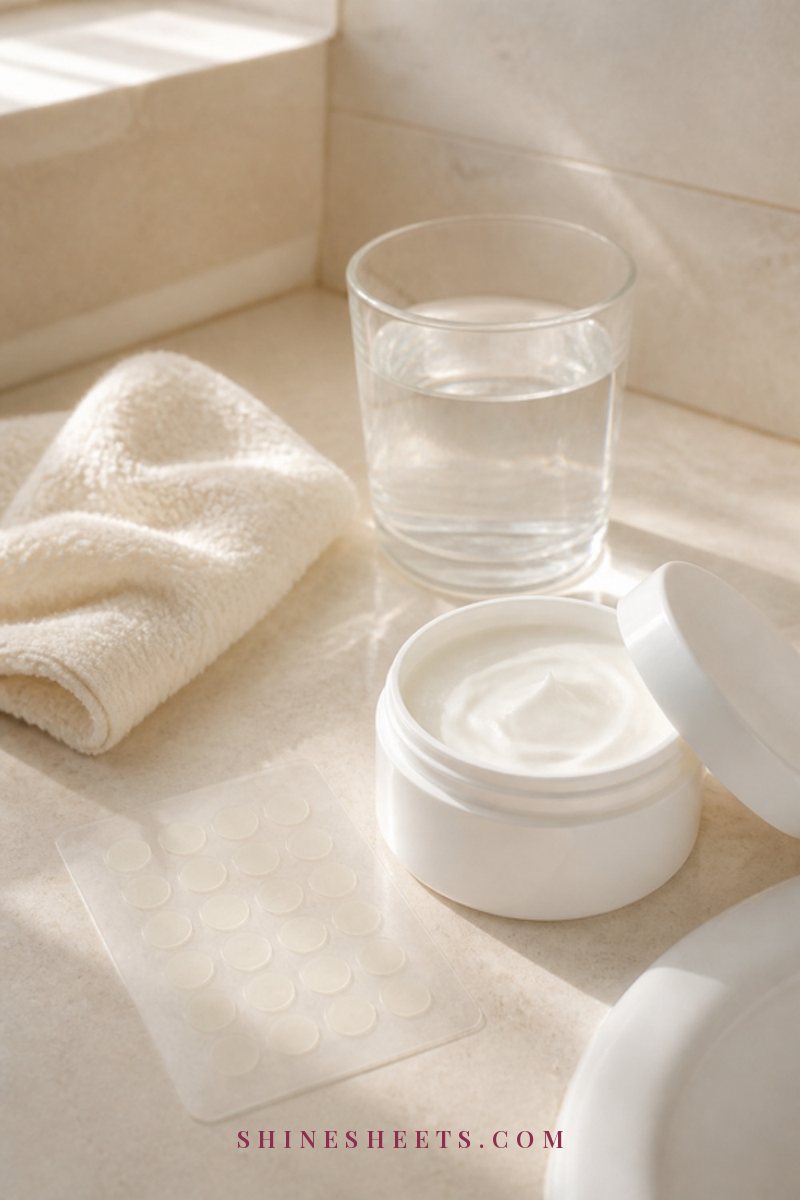
This is the bit I wish someone had told me sooner. When water sits on the surface of your skin and then evaporates, it doesn't politely leave the moisture behind. As it dries off, it can take a little of your skin's own surface water along with it. That's why you sometimes feel tighter ten minutes after a "hydrating" spritz than you did before.
It's the same reason your hands can feel dry after you wash them and let them air-dry without lotion. The water was there for a moment, then it was gone.
This doesn't mean face mists are useless. It means two things matter:
- The formula. A mist with glycerin, hyaluronic acid, panthenol or similar humectants holds onto water much better than plain water does.
- What comes next. If you follow your mist with a serum or moisturizer within about a minute, you trap that water in place instead of letting it evaporate.
The simple rule I go by: mist, then seal. A spritz that's followed by something is a hydration step. A spritz that's left to dry, over and over through the day, is mostly a refreshing moment.
4 Types of Face Mist and Who Each One Suits
Walk down any beauty aisle and you'll see dozens of mists, but almost all of them fall into one of four groups. Knowing which is which saves you from buying a setting spray when you wanted hydration (or the other way around).
1. Hydrating Humectant Mists
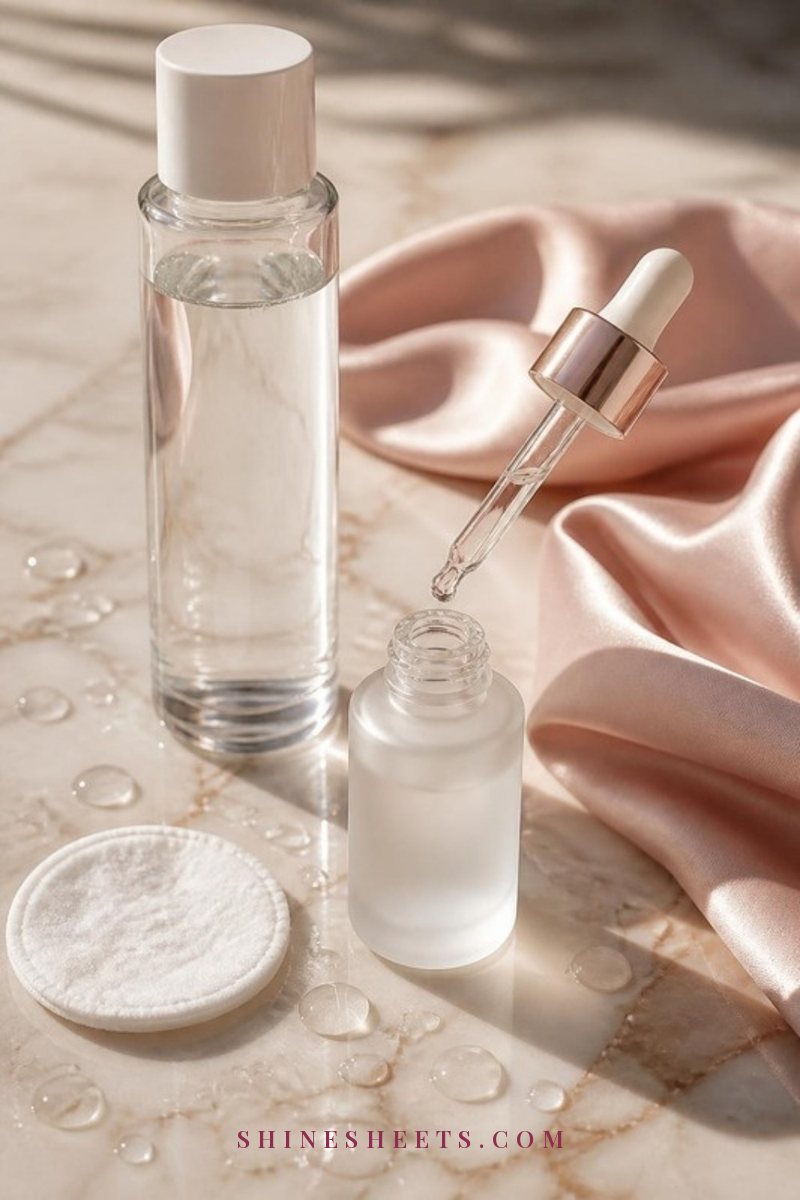
These are the workhorses. The base is water, and the label lists humectants near the top: glycerin, hyaluronic acid (often as sodium hyaluronate), panthenol, betaine or propanediol. Some add soothing ingredients like allantoin, centella or aloe.
Who it suits: almost everyone, but especially dehydrated, combination and normal skin that feels tight after cleansing. It's also the easiest type to fit into a routine, because it works as a first hydrating layer before serum and cream.
If you want one simple pick, I'd choose a hydrating glycerin face mist in a white bottle with glycerin or hyaluronic acid in the first few ingredients and no alcohol near the top. For a deeper look at the two big humectants, my guides to using hyaluronic acid with the damp skin rule and glycerin, the humble hydrator explain exactly why they work.
2. Thermal and Mineral Water Sprays
These are usually just thermal spring water, sometimes with a little nitrogen to push the spray out, and very few other ingredients. They're known for feeling soothing, and many people with reactive skin like them because the ingredient list is so short.
Who it suits: sensitive skin that dislikes long ingredient lists, skin that feels warm or flushed after cleansing, and anyone who wants a refreshing spritz before applying a calming moisturizer.
The catch: a pure water spray has no humectants, so the "mist, then seal" rule matters even more here. Spray, press gently, and apply moisturizer while your skin is still damp. A thermal spring water face spray is a classic pick for this, and the small sizes fit easily into a desk drawer.
3. Essence-Style Mists
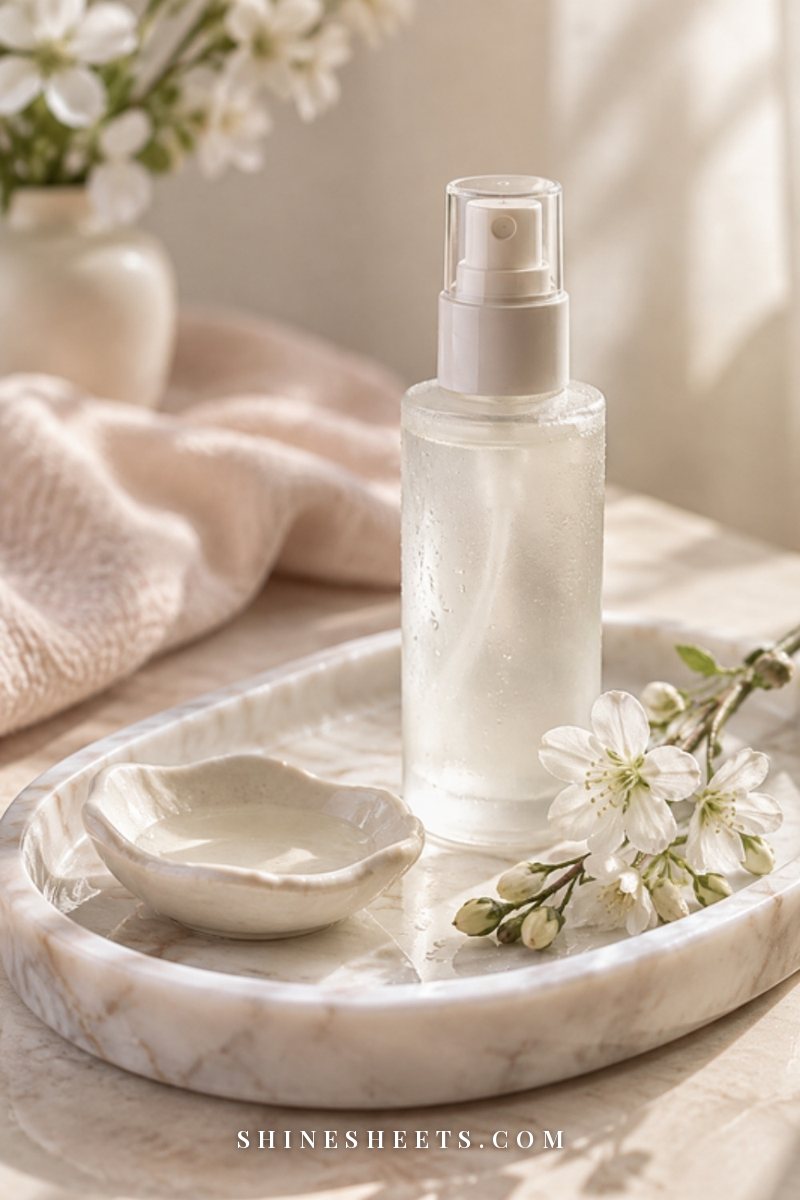
This type comes straight from Korean skincare. An essence-style mist is a sprayable version of a light essence: water plus humectants, often with fermented ingredients, niacinamide, rice or green tea extract, or a touch of oil that gives a dewy finish. Some have a two-phase formula you shake before spraying.
Who it suits: normal, combination and dehydrated skin that likes a dewy finish, and anyone who prefers fewer steps in the morning. It can replace your toner or essence step entirely.
Look for a Korean essence face mist with a short, gentle ingredient list. If yours contains oil, use it after water-based serums rather than under them, and be a little lighter on the T-zone if you get shiny like I do. If it feels sticky, you've simply used a little too much; one or two sprays is usually enough.
4. Setting Mists for Makeup
Setting mists (often called setting sprays) are a different animal. They usually contain film-forming ingredients that help makeup stay in place, and some include a small amount of alcohol so they dry quickly. They're made for makeup, not for hydration.
Who it suits: anyone who wears foundation, concealer or powder and wants it to last longer or look less powdery. Dewy versions add a soft sheen; matte versions help oily skin stay put.
A dewy makeup setting spray is a good pick if your powder tends to look flat. Just don't use a setting mist as your skincare mist – it's not designed to sit under moisturizer. If you're choosing between a spray and a powder for your makeup, my guide to setting powder vs setting spray breaks it down.
Face Mist Table: Which Type, When and for Whom
Here's everything above in one place. Screenshot it for the next time you're standing in front of a shelf of identical-looking spray bottles.
| Mist type | Main ingredients to look for | Best moment to use | Skin type |
|---|---|---|---|
| Hydrating humectant mist | Glycerin, hyaluronic acid (sodium hyaluronate), panthenol, betaine | After cleansing, before serum and moisturizer; under cream at night | Dehydrated, combination, normal, most dry skin (always seal with cream) |
| Thermal or mineral water spray | Thermal spring water, very short ingredient list | Right after cleansing, then moisturizer while damp; a quick refresh before reapplying cream | Sensitive, reactive, easily flushed skin |
| Essence-style mist | Humectants, niacinamide, fermented extracts, rice or green tea; sometimes a little oil | As a toner or essence step in the morning; over moisturizer for a dewy touch | Normal, combination, dehydrated skin that likes a dewy finish |
| Setting mist | Film-formers, humectants, sometimes alcohol | Over finished makeup, or over powder to soften it | All skin types wearing makeup (matte for oily, dewy for dry) |
One quick reading tip: if alcohol (often listed as alcohol denat. or SD alcohol) is one of the first two or three ingredients, that mist will feel cooling but may be drying for sensitive or dry skin. Further down the list, in a setting spray, it's usually less of an issue.
When a Face Mist Genuinely Helps
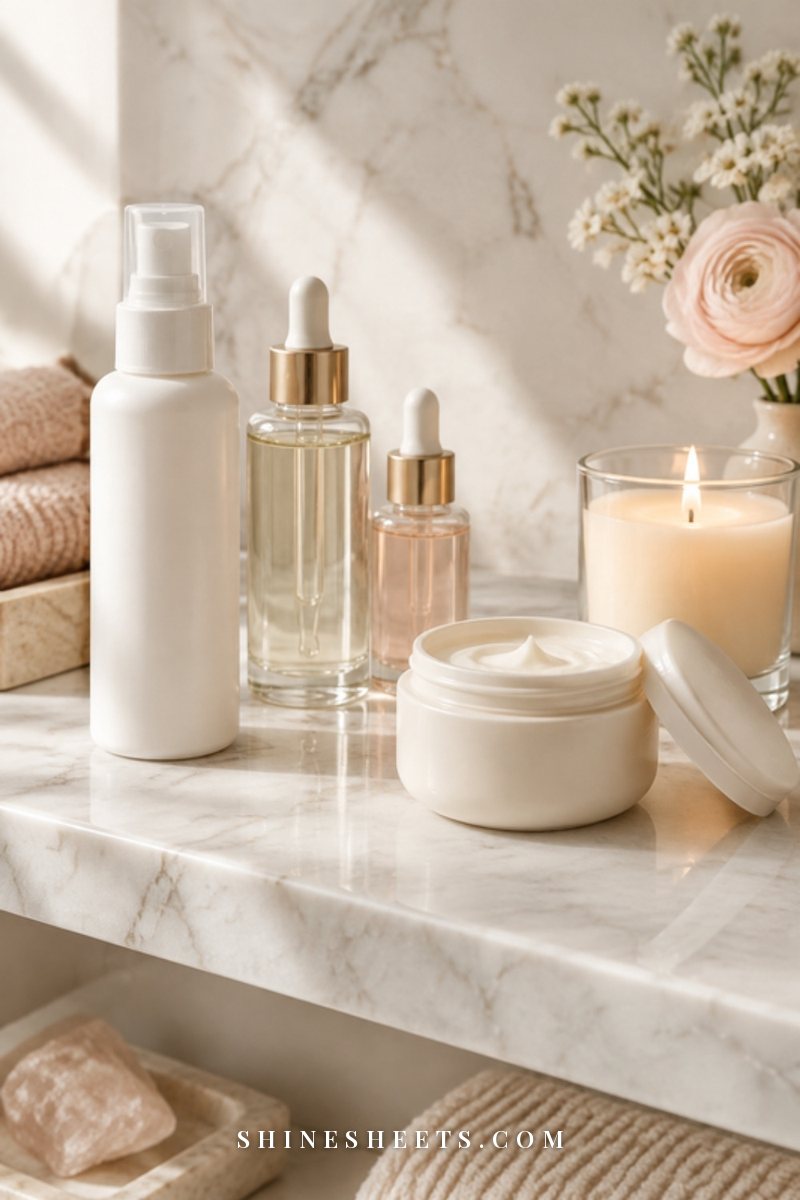
A face mist isn't a must-have. Plenty of people have comfortable skin without one. But there are a few moments where it really earns its place in your bathroom.
After Cleansing, as a Toner Step
Right after you cleanse and gently pat your face, a hydrating mist puts back a little water and humectant before your skin has time to feel tight. It does the same job as a hydrating toner, just without cotton pads or tipping product into your palm.
Try it this way: cleanse, pat most of the water off with a soft towel, spray two or three times, press, then go straight in with your serum. Done in under a minute.
Under Your Moisturizer
This is my favorite way to use a mist, because it's where it does the most. A moisturizer applied over slightly damp, mist-covered skin spreads more easily and helps hold that water in. Even a light gel moisturizer feels a bit more cushiony this way.
If you're still figuring out which moisturizer texture suits you, my moisturizer guide to gels, creams and balms helps you match the texture to your skin. A mist and the right cream are a lovely pair.
Over Moisturizer or Makeup During the Day
Mid-afternoon, when your skin feels a little flat or your powder looks dry, a mist over the top can freshen things up. Hold it at arm's length, spray once or twice, and let it settle. For more comfort, press a tiny amount of moisturizer onto dry patches afterwards (pat, don't rub, so you don't move your makeup).
Remember the big truth from earlier: spraying over makeup is mostly about refreshing the look and feel. If your skin is genuinely dry by 3 p.m., a richer morning moisturizer will help more than ten extra spritzes.
On Flights and in Heated Rooms
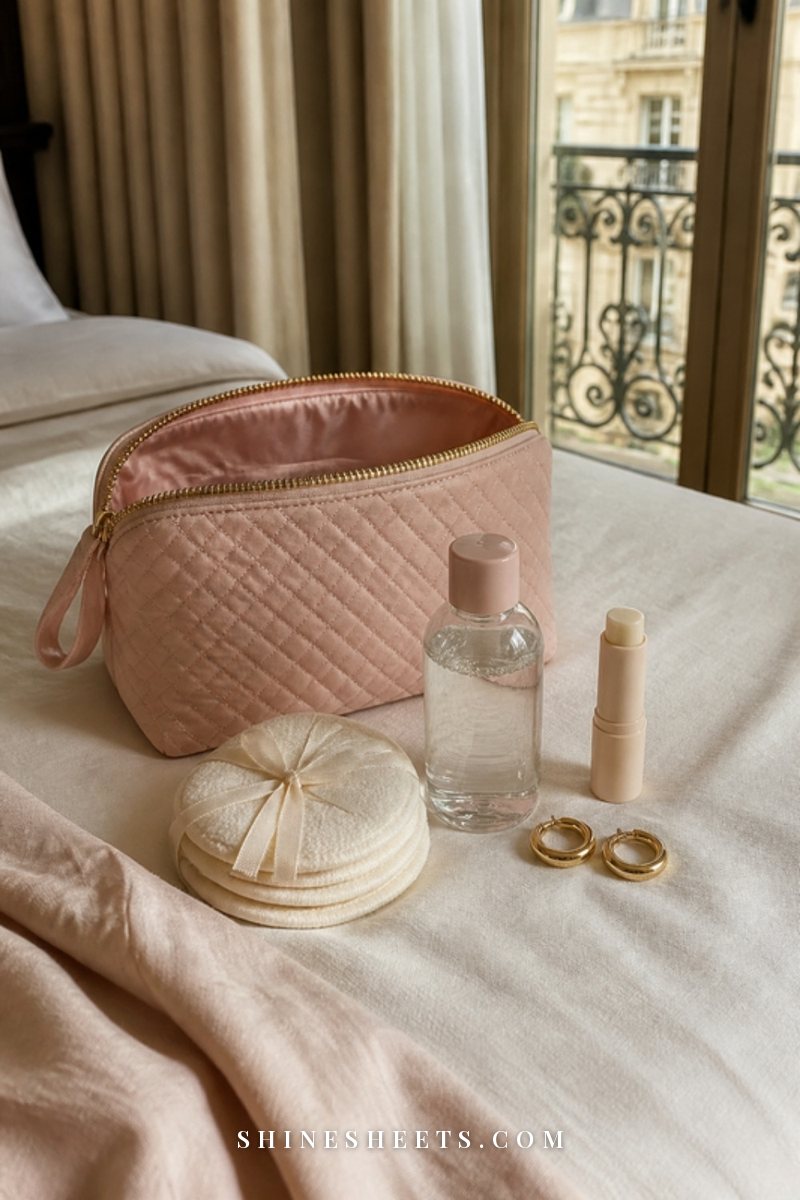
Airplane cabins and heated rooms in winter have very dry air, and that's where many people notice tight, uncomfortable skin. A mist can help here, but only if you follow it with something. Spray, then press on a little moisturizer or a few drops of a hydrating serum from a travel-size bottle.
For travel, a travel-size fine mist spray bottle lets you decant your favorite mist into something small enough for a carry-on. Make sure it gives a fine, even mist rather than a squirt, and wash it out between refills.
How To Use a Face Mist Right: 6 Steps
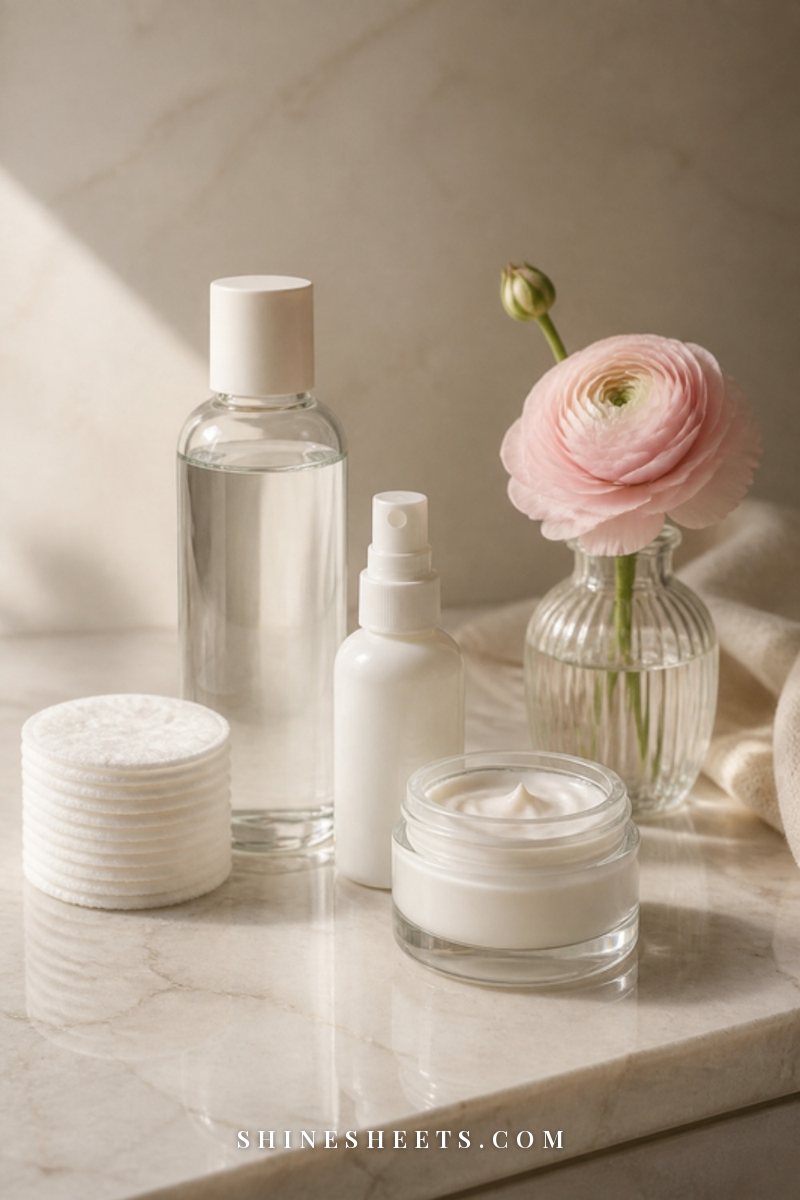
The way you spray matters more than most people think. Here's the simple method I'd follow with any hydrating mist:
- Start with clean skin or finished makeup. For skincare, mist right after cleansing. For makeup, mist only once everything is applied.
- Shake if needed. Two-phase or oil-containing mists need a quick shake for a few seconds so the layers mix.
- Hold it 20–30 cm (about 8–12 inches) away. Any closer and you'll get wet patches or drips. Any farther and most of it ends up in the air.
- Close your eyes and spray 2–4 times. Move in a gentle "X" and then a "T" shape so you cover the whole face evenly. Hold your breath for a second so you don't inhale the spray.
- Press, don't wipe. Lightly press your palms onto your face for a few seconds, or simply let it settle for 10–15 seconds if you're wearing makeup.
- Seal it within a minute. Follow with your serum or moisturizer while your skin is still a little damp. That's the step that turns a mist into real hydration.
Here's a simple formula to remember: arm's length + eyes closed + 3 sprays + press + seal within 60 seconds. If you only remember one thing from this guide, make it that last part.
How often? Once or twice a day as part of your routine is plenty for most people, plus an occasional refresh. If you find yourself misting every hour, it's usually a sign your moisturizer isn't quite rich enough for your skin or your environment.
What To Skip If Your Skin Is Sensitive
Sensitive skin can enjoy a face mist, it just needs a little more care in picking one. A few things to watch for on the label:
- Alcohol high on the list. If alcohol denat. or SD alcohol is one of the first ingredients, it can feel cooling but leave sensitive skin tight or stingy.
- Strong fragrance. "Parfum" or "fragrance" plus a long list of essential oils can be irritating if you're reactive. Many lovely mists are fragrance-free or very lightly scented.
- Lots of essential oils or citrus extracts. They smell beautiful, but they're a common trigger for redness on sensitive skin.
- Strong actives in spray form. Exfoliating acids are better in a toner you control than in a mist that drifts into your eyes.
If your skin is reactive, I'd choose a fragrance-free toner mist in a blush bottle with a short list of soothing humectants like glycerin, panthenol and allantoin. Fewer ingredients mean fewer things that could bother you.
This isn't about fearing ingredients. Plenty of people with sturdy skin enjoy scented mists without any issue. It's simply about knowing your own skin and choosing accordingly.
Keep Your Mist Bottle Clean
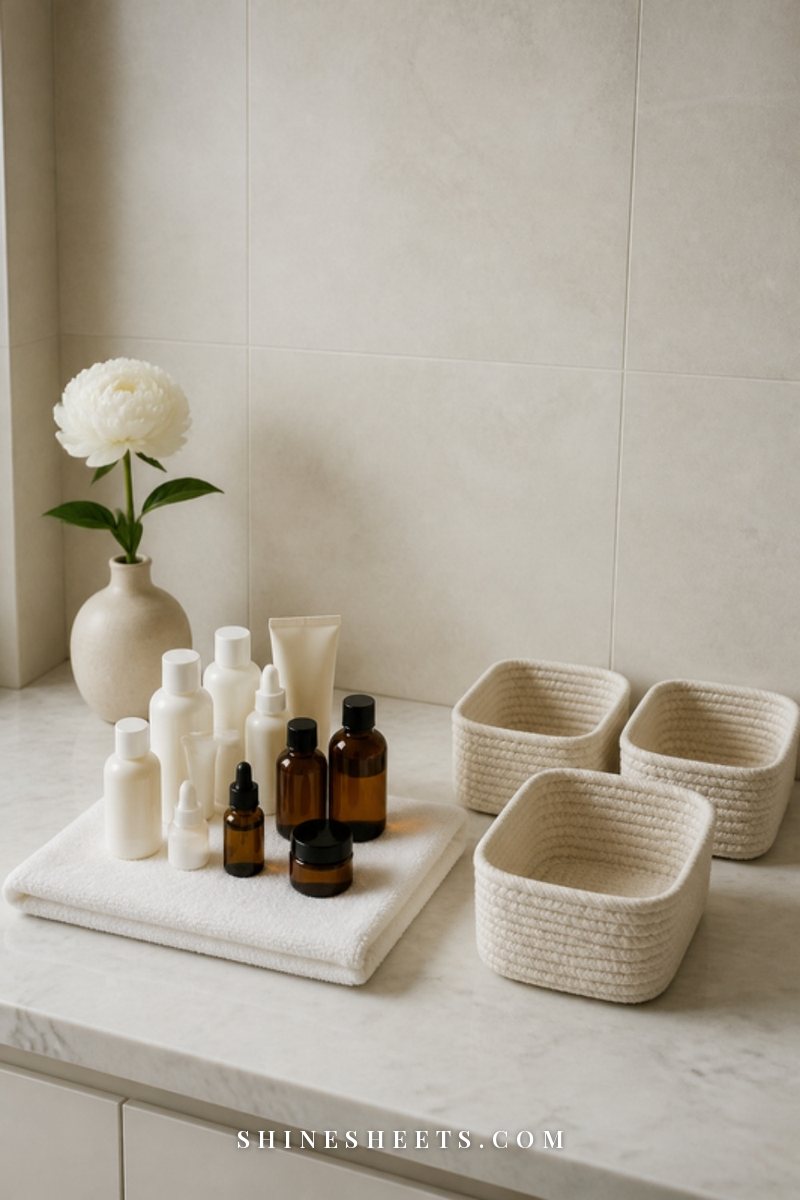
A mist bottle lives in a warm, steamy bathroom, gets touched by damp hands and sprays close to your face. A little upkeep keeps it pleasant to use:
- Wipe the nozzle once a week. Use a clean tissue or a cotton pad with a little warm water, then let it air-dry with the cap off for a few minutes.
- Keep the cap on. It protects the nozzle from dust, powder and splashes.
- Don't spray directly onto makeup sponges or brushes and then back into your face area. It moves product and bacteria around.
- Don't top up an old bottle. Use it up, then rinse and refill a travel bottle fresh. Never add tap water to a mist to make it last longer.
- Check the period-after-opening symbol. The little open-jar icon (for example "6M" or "12M") tells you how long it's best used after opening. If it smells off, looks cloudy or changes color, let it go.
- Store it away from heat. A cool cupboard is better than a sunny windowsill or a hot car.
5 Common Face Mist Mistakes
Most face mist disappointments come down to a few small habits. Here are the ones I see most often:
- Misting and walking away. Without a moisturizer on top, the water evaporates and skin can feel tighter afterwards.
- Using a setting spray as skincare. It's designed to hold makeup, not to hydrate under cream.
- Spraying too close. You get drips, wet patches and streaky makeup. Arm's length is your friend.
- Misting all day instead of fixing the routine. If you need a spray every hour, your skin likely wants a richer moisturizer or a humectant serum, not more water.
- Ignoring what's on the label. A mist that's mostly alcohol and fragrance will feel fresh for a minute, then leave sensitive skin unhappy.
Patch Test and When To See a Dermatologist
Even the gentlest mist is a new product on your face, so it's worth a quick patch test. Apply a little to a small area along your jawline or behind your ear once a day for three to five days. If you notice redness, itching, stinging or bumps, skip it. My guide on how to patch test skincare has the full, simple method.
A kind safety note: a face mist is a cosmetic step, not a treatment. If you have persistent dryness, flaking, stinging, burning or redness that doesn't settle after you simplify your routine, it's worth seeing a dermatologist or doctor. They can check for things like eczema, rosacea or a reaction and help you build a routine that truly suits your skin.
Final Thoughts
A face mist is a small pleasure that can do real work, as long as you give it a partner. Pick a formula with humectants, hold it at arm's length, press it in, and seal it with a moisturizer while your skin is still damp.
Keep it simple, keep the bottle clean, and let it be the gentle, refreshing moment in your routine it was always meant to be. Your skin will feel the difference in the steps that follow the spray.