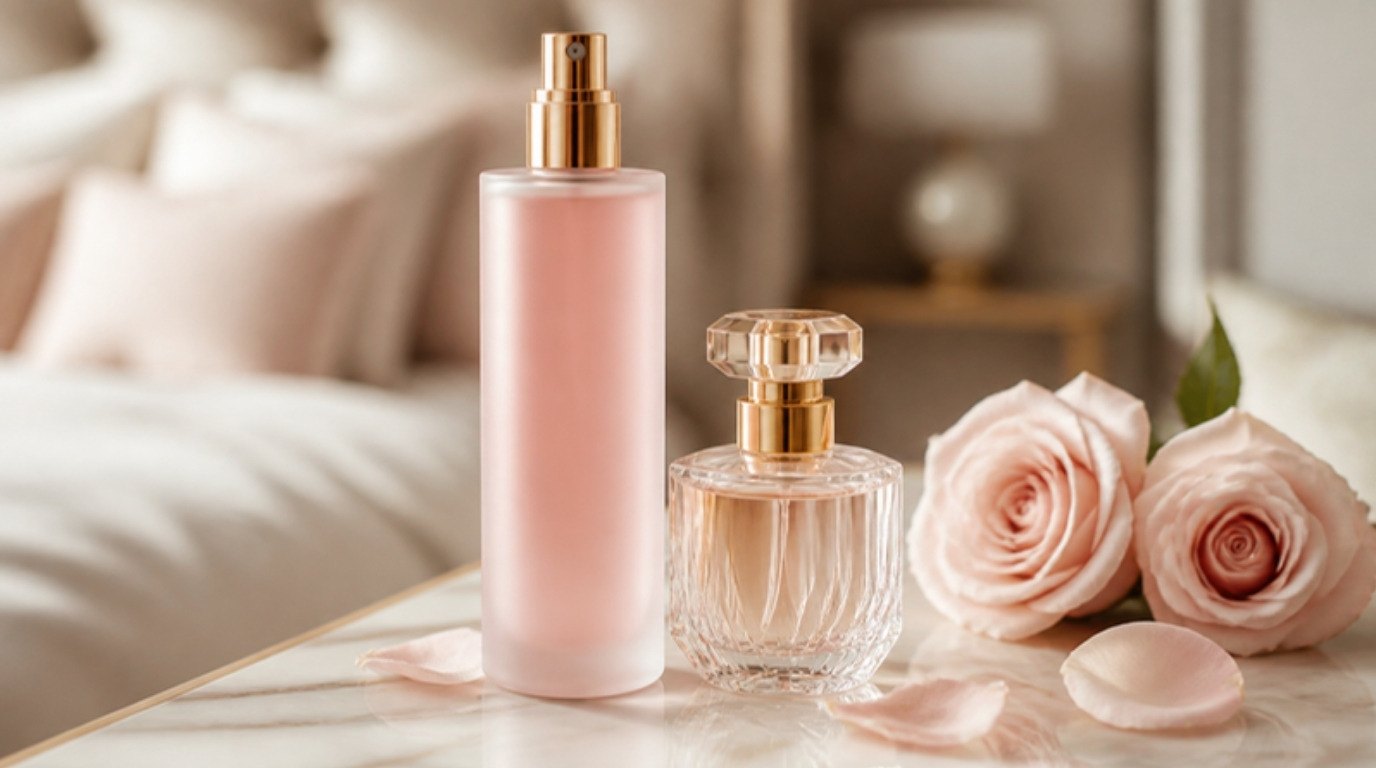
A body mist and a perfume can smell almost identical on the first spray, and that's exactly why they get mixed up. The real difference isn't the scent itself. It's how much fragrance oil is dissolved in the bottle, and that one number decides how long the scent lasts, how far it travels, what it costs and when it makes sense to reach for it.
Once you understand that, the fragrance aisle gets a lot less confusing. You stop wondering why your favorite mist has vanished by lunch, and you stop saving a pricier perfume "for good" while it quietly fades on a sunny shelf. Both have a place in a routine, and they actually work beautifully together.
This guide breaks down body mist vs perfume in plain words: the concentration levels from body mist to parfum, how long each one lasts, how far it projects, the price difference, when each one wins, how to layer them, where to spray, how to make a mist last longer and how to store everything so it stays fresh. There's a comparison table you can screenshot, too.
The Real Difference: Fragrance Concentration
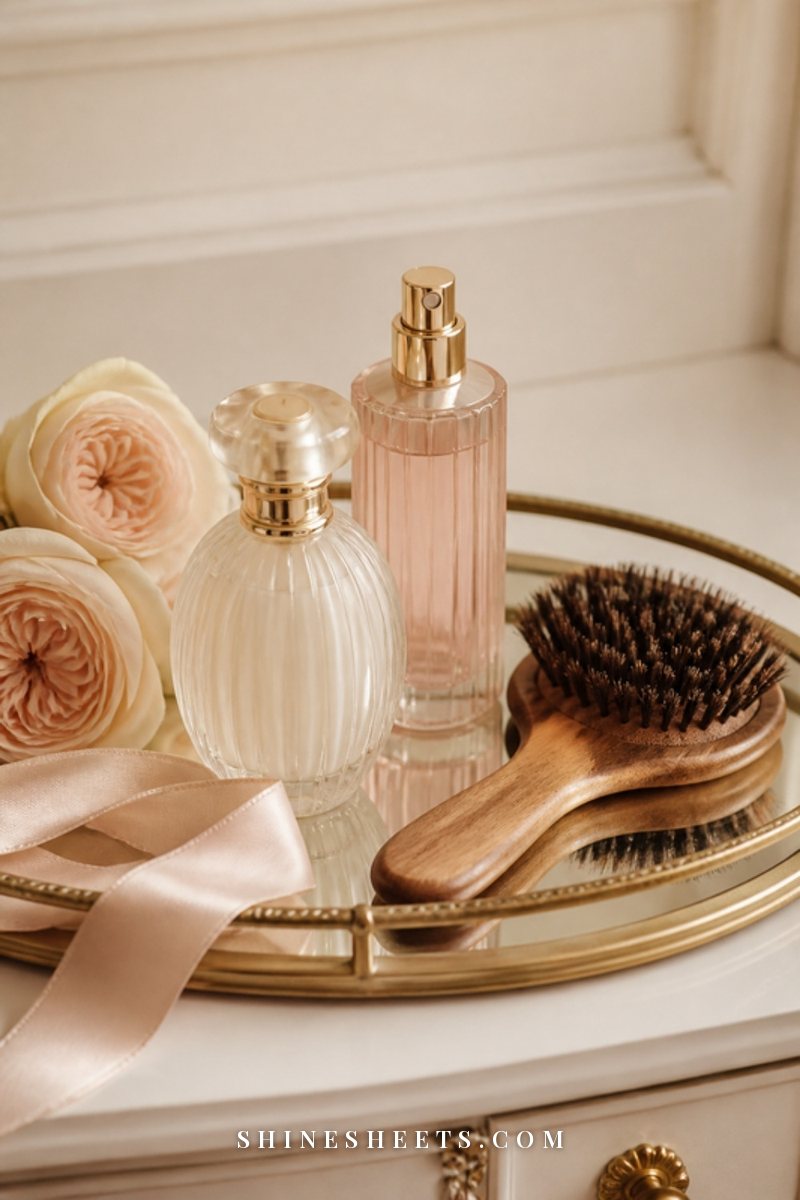
Every fragrance, from a drugstore body spray to a fancy bottle on a department store counter, is made of the same basic ingredients: aromatic oils (the "fragrance concentrate"), alcohol and sometimes a little water. The percentage of fragrance oil is what changes the name on the label.
Here are the usual ranges. Keep in mind they're approximate, because brands don't follow one strict rule, and two eaux de parfum from different houses can be quite different in strength:
- Body mist (body spray): roughly 1–3% fragrance oil. The rest is mostly water and alcohol, sometimes with a little glycerin or aloe for a softer feel on skin.
- Eau fraîche and eau de cologne: roughly 2–5%. Light, fresh and short-lived, often citrus-heavy.
- Eau de toilette (EDT): roughly 5–15%. A noticeable scent that settles down within a few hours.
- Eau de parfum (EDP): roughly 15–20%. The most common "perfume" strength today, with a richer base that lingers.
- Parfum or extrait de parfum: roughly 20–30%, sometimes more. Dense, long-lasting and usually sold in small bottles.
More oil doesn't automatically mean "better." Think of concentration like a volume knob, not a quality score. A sheer vanilla mist can be exactly right for a Tuesday at your desk, while a rich parfum would feel like wearing a ball gown to the grocery store. The trick is matching the volume to the moment.
Body Mist vs Perfume at a Glance
This is the quick version. If you only remember one thing, remember the "best for" column.
| Type | Fragrance oil (approx.) | How long it lasts on skin | Projection | Best for | How to apply |
|---|---|---|---|---|---|
| Body mist | 1–3% | 1–2 hours (longer on fabric and hair) | Close to the skin, an arm's-length bubble | After a shower, gym bag, hot days, office, layering, small budgets | 4–6 sprays in a light cloud over moisturized skin, re-spray freely |
| Eau de toilette | 5–15% | 3–5 hours | Noticeable for the first hour, then softer | Daytime, casual plans, warm weather | 2–4 sprays on pulse points and chest |
| Eau de parfum | 15–20% | 5–8 hours | A clear, gentle trail | Long days, evenings, dates, cold weather | 1–3 sprays on pulse points, no rubbing |
| Parfum / extrait | 20–30%+ | 6–8+ hours | Often sits closer than EDP, but stays for ages | Special events, a signature scent, small doses | 1–2 dabs or sprays on pulse points |
One small honest note about the table: these times are typical, not promises. Your skin, the weather and the notes in the scent all change the numbers, which is what the next section is about.
How Long Each One Really Lasts
A body mist usually lasts about one to two hours on bare skin. An eau de toilette tends to hang around for three to five, an eau de parfum for five to eight and a parfum often longer. That's the rough ladder, but a few things move you up or down it:
- Your skin. Dry skin lets fragrance evaporate faster, while moisturized skin gives the scent something to hold on to. I have combination skin, and I notice a real difference on days I put lotion on first.
- The notes. Citrus, fresh and "clean" notes are naturally fleeting, even in a perfume. Vanilla, musk, amber, sandalwood and other woody or sweet notes cling for hours, even in a mist.
- The weather. Heat makes fragrance bloom faster and fade faster. Cold air keeps it close and slow.
- Your own nose. After about 20–30 minutes your brain stops registering a scent it's surrounded by. You may think it's gone when other people can still smell it, so resist the urge to re-spray a perfume every hour.
If you'd love your favorite scent to stick around longer, my guide on how to make perfume last longer goes deeper into the skin prep and placement tricks that help most.
Projection: How Far Your Scent Travels
Projection (some fragrance lovers call the trail it leaves "sillage") is how far your scent reaches from your body. It's a separate thing from longevity, and it matters a lot for where you wear what.
A body mist mostly stays in your personal bubble. Someone hugging you will notice it, someone across the table probably won't. An eau de toilette projects more in the first hour, then softens. An eau de parfum leaves a clear but gentle trail as you walk past. And here's the part that surprises people: a true parfum often sits closer to the skin than an eau de parfum, because it has more oil and less alcohol to lift the scent into the air. It's intense up close and long-lasting, but not necessarily louder.
A simple rule that keeps everyone comfortable: if someone can smell you clearly from across the room an hour after you sprayed, it's a little too much for an everyday setting. In close quarters like offices, classrooms, waiting rooms and planes, a mist or one spray of perfume is plenty.
The Price Difference (and What You're Paying For)
Body mists are usually much cheaper and come in bigger bottles, often around 8 ounces. Perfumes cost more because you're paying for a higher amount of fragrance concentrate, more complex materials, more development work and, yes, the brand name and the beautiful bottle.
But the sticker price doesn't tell the whole story. A mist needs four to six sprays and a re-spray or two a day, so a big bottle can go faster than you'd expect. A perfume needs only one to three sprays, so even a small bottle can last many months of daily wear. Before you decide one is "cheaper," think in cost per wear: how many days will this bottle actually give you?
My gentle advice is to spend where it shows. If you want a scent people associate with you, put your money into one perfume you truly love, and let inexpensive mists handle the fun, everyday, re-spray moments.
When a Body Mist Is the Better Choice
Body mists get dismissed as "teen stuff," but they're genuinely the smarter pick in a lot of moments. Here's when I'd reach for one first.
Right After a Shower
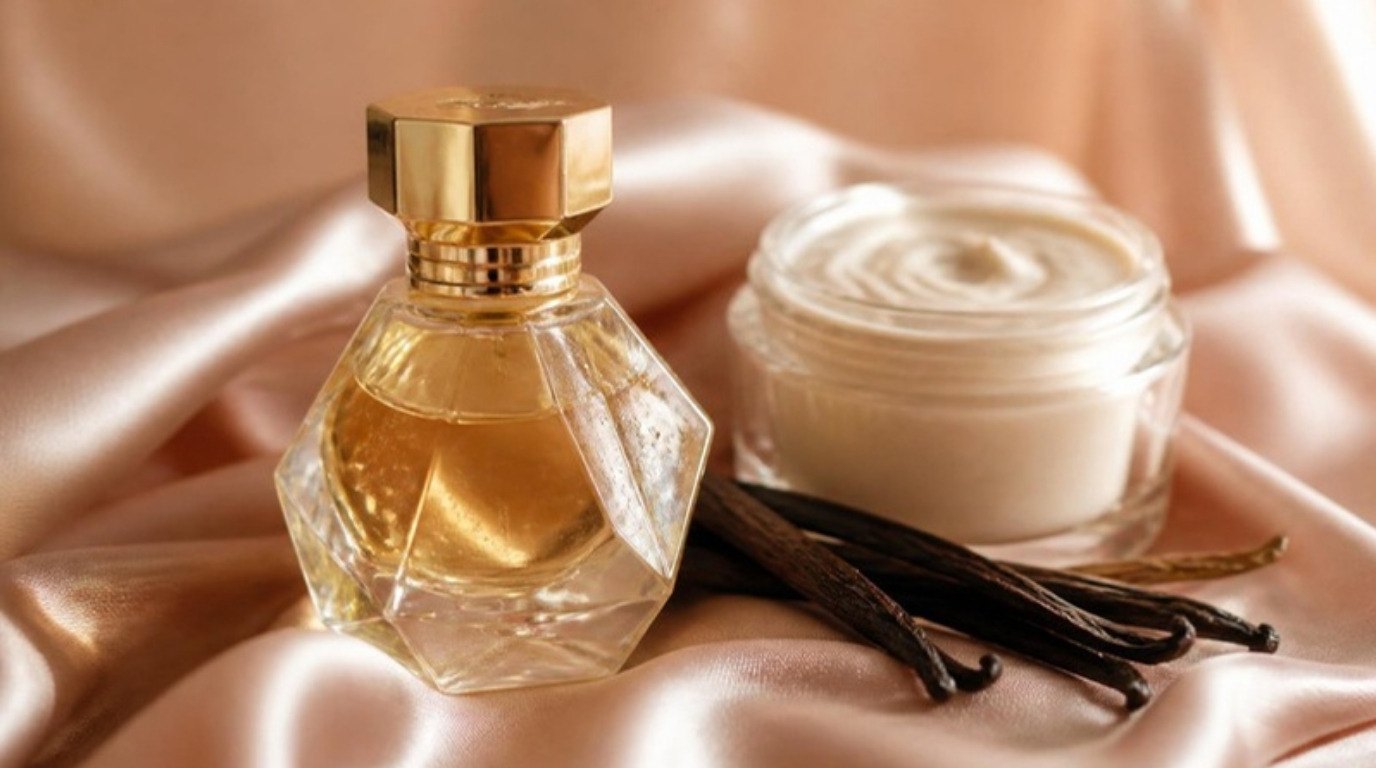
Fresh, slightly damp skin is the perfect canvas for a mist. A few sprays over your arms, chest and the back of your neck feel light and clean, and the scent clings better because there's still a little moisture on your skin. A best-selling body mist in a pink bottle with a soft vanilla, musk or floral note is a lovely everyday pick. Look for a scent you'd be happy smelling all day, not just in the first minute.
In Your Gym Bag
After a workout, a heavy perfume can mix with sweat in a way that's not very pleasant. A light mist after you've cleaned up feels fresh without being overwhelming in a crowded locker room.
On Hot, Humid Days
Heat amplifies fragrance. On a sticky summer day, a rich perfume can feel suffocating, while a fresh or fruity mist feels like a cool breath. You can re-spray a mist without worrying about overdoing it.
At the Office or in Small Spaces
Shared spaces call for a soft touch. Many people are sensitive to strong scents, and some get headaches from them. A mist keeps you smelling nice to yourself and anyone who leans in, without filling the meeting room.
When You're on a Budget or Still Exploring
Mists are a low-pressure way to discover which scent families you love. If you keep reaching for the gourmand mist, that's a clue to look at vanilla or amber perfumes later. Testing your taste with a mist first saves you from an expensive bottle that ends up gathering dust.
When You Want To Layer
A mist is the perfect base layer under a perfume, which we'll get to in a moment. It adds a soft cloud of scent all over your body, while the perfume does the long-lasting work on your pulse points.
When Perfume Wins
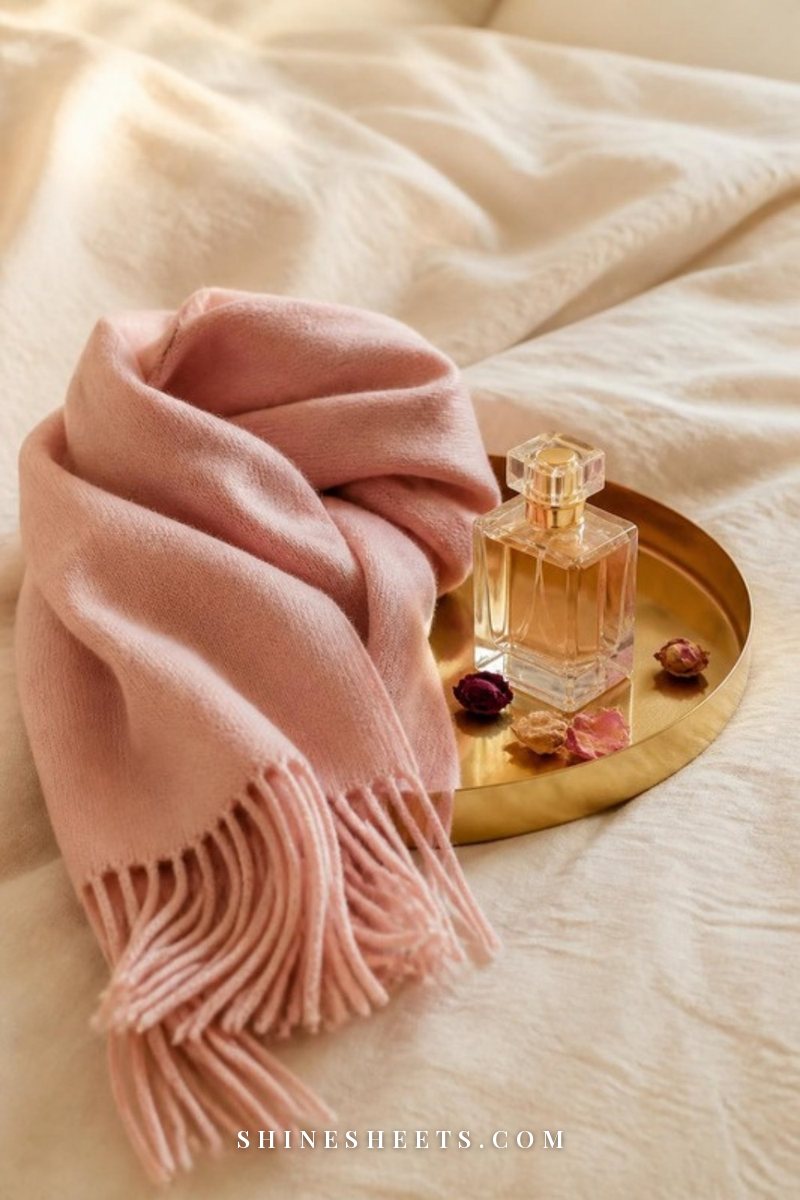
Perfume isn't just a "fancier" mist. It's a different tool, and there are moments when nothing else does the job.
Evenings, Events and Dates
A dinner, a wedding, a night out or any moment you want to feel a little Old Hollywood: this is perfume territory. An eau de parfum lasts through the whole evening and develops on your skin, so it smells slightly different at midnight than it did at seven, in the nicest way.
Long Days Away From Home
If you'll be out from morning until late, a mist simply won't keep up unless you carry the whole bottle. One to three sprays of an eau de parfum in the morning will usually still be there in the afternoon. For a touch-up, a rollerball perfume slips into any bag and gives you precise, mess-free application on your wrists or neck.
Cold Weather
Cold air dulls fragrance and keeps it close to your skin. Richer perfumes with vanilla, amber, woods or spice shine in winter, and you can wear them more generously than you would in July.
When You Want a Signature Scent
A signature scent is the one people link to you. Because perfume lasts and develops, it's the natural choice for that. If you're still searching, my guide on how to choose the perfect perfume walks you through scent families and testing so you can choose without the pressure.
How To Layer Body Mist and Perfume
Layering is where body mist and perfume stop competing and start working together. The mist gives you an all-over soft cloud, and the perfume adds depth and staying power where it counts.
The key is staying in the same or a neighboring scent family, so the layers blend instead of clashing:
- Fresh and citrus: a clean, citrusy mist under a light floral or musky perfume.
- Floral: a rose or peony mist under a floral or soft powdery perfume.
- Gourmand and vanilla: a vanilla or caramel mist under an amber, vanilla or woody perfume.
- Woody and musky: a skin-like musk mist under almost anything warm.
My easy layering formula: unscented lotion + 3–4 sprays of mist all over + 1–2 sprays of perfume on pulse points. Let the mist settle for a minute before you add the perfume, and you're done.
Lotion is the quiet hero here. An unscented body lotion gives both layers something to cling to without adding a third scent to the mix. For more combinations, see my full guide to perfume layering.
Where To Spray Each One
Body mists and perfumes like to be applied differently, because they do different jobs.
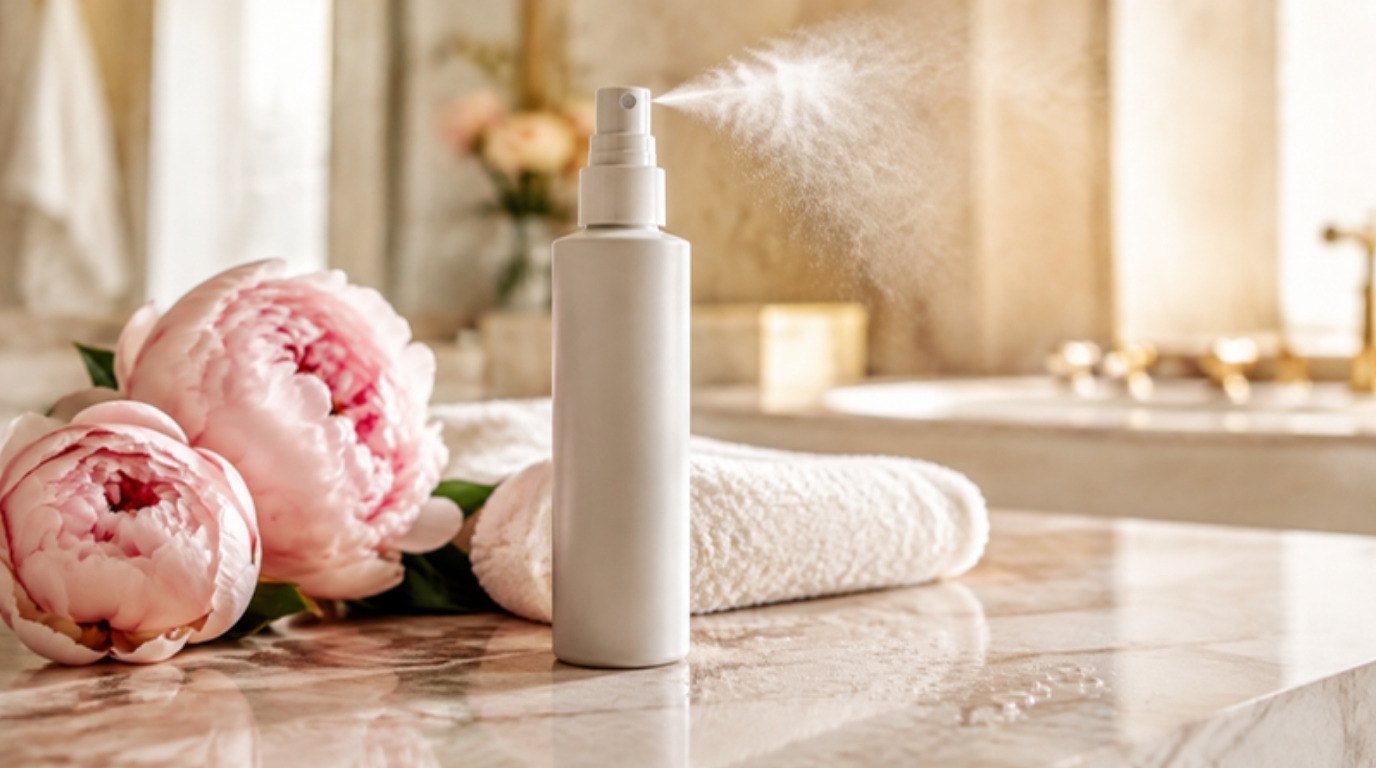
Body mist: hold the bottle about 6–8 inches away and spray in a light cloud over your arms, chest, the back of your neck, your legs and the small of your back. Mists are made to be worn all over, so be generous.
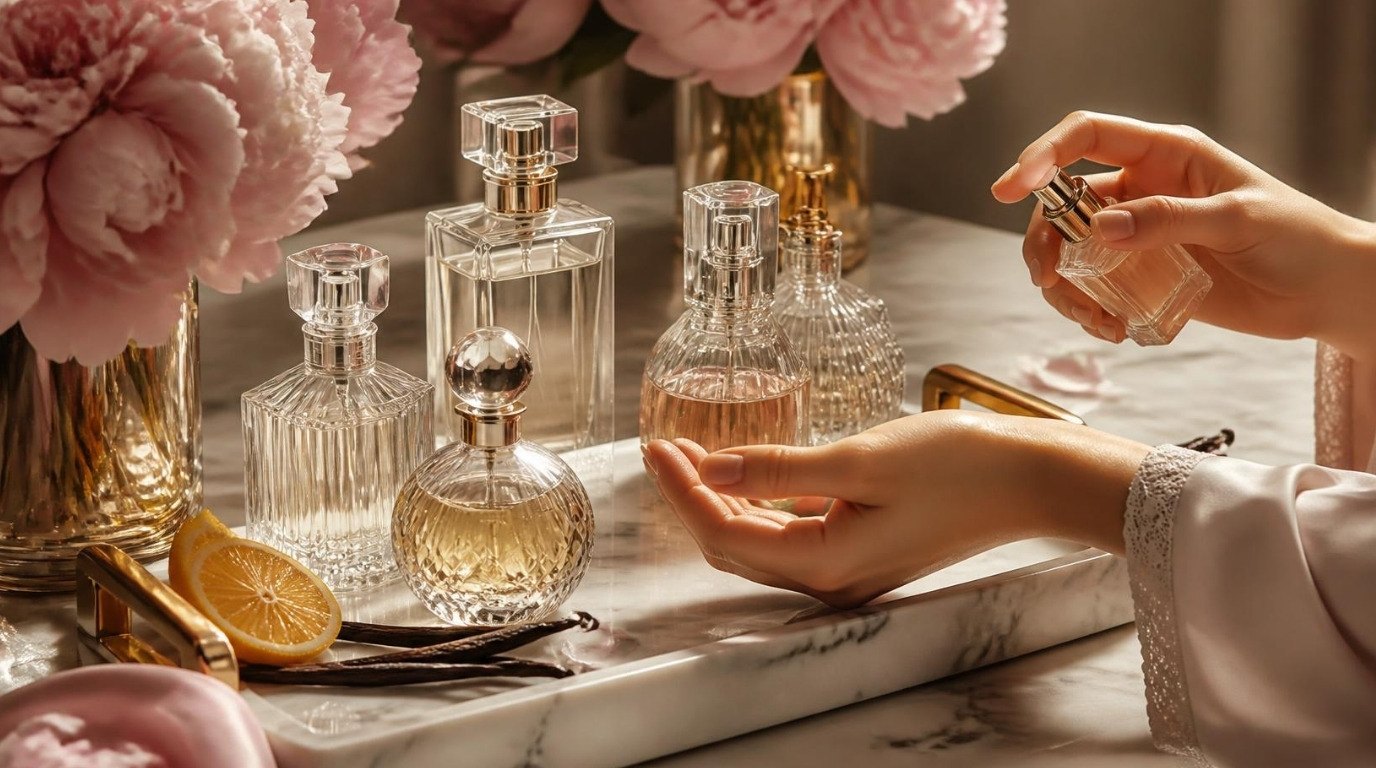
Perfume: aim for warm spots where your pulse is close to the skin, which helps the scent radiate gently: the inside of your wrists, the base of your throat, behind your ears, your inner elbows and the backs of your knees. Spray and let it dry. Rubbing your wrists together doesn't "crush" the scent, but it does warm and speed up the top notes, so the opening fades faster.
Both last longer on moisturized skin, so apply after your lotion has sunk in for a minute or two.
Hair: Use a Hair Mist, Not Perfume
Hair holds scent beautifully, but most perfumes and many body mists contain a lot of alcohol, which can be drying, especially on color-treated or fine hair. A hair mist made for hair is gentler and usually includes conditioning ingredients. Spray it onto the lengths, not the scalp, from about 8 inches away. If you only have perfume, mist it onto your hairbrush and brush through the ends instead of spraying it directly.
Clothes: Test the Fabric First
Scent lasts much longer on fabric than on skin, which is lovely for scarves and sweaters. But oils and dyes in fragrance can mark delicate fabrics like silk, satin and light colors, and alcohol can affect leather. Always test on a hidden spot, such as an inside hem, and let it dry fully before wearing.
How To Make Body Mist Last Longer
A mist will never last like an eau de parfum, and that's fine. But these six habits can easily double how long you smell it:
- Spray on damp, moisturized skin. Within about three minutes of stepping out of the shower, pat dry, apply lotion and spray. The moisture helps the fragrance stick.
- Use a matching or unscented lotion. If your mist comes with a matching lotion, that's the easiest way to build a stronger scent. Otherwise, unscented keeps things clean.
- Add a little to fabric. A spritz on a tested scarf or the inside of a sweater keeps the scent around for hours.
- Choose warmer notes. Vanilla, musk and coconut mists outlast crisp citrus and "ocean" ones.
- Carry a small refill. A refillable travel atomizer holds enough mist or perfume for a midday touch-up without hauling an 8-ounce bottle around.
- Anchor it with perfume. One spray of a perfume from the same family on your pulse points gives the mist a longer-lasting base.
For the bigger picture (showers, laundry, hair and fragrance all working together), my guide on how to smell good all day pulls everything into one routine.
How To Store Body Mist and Perfume
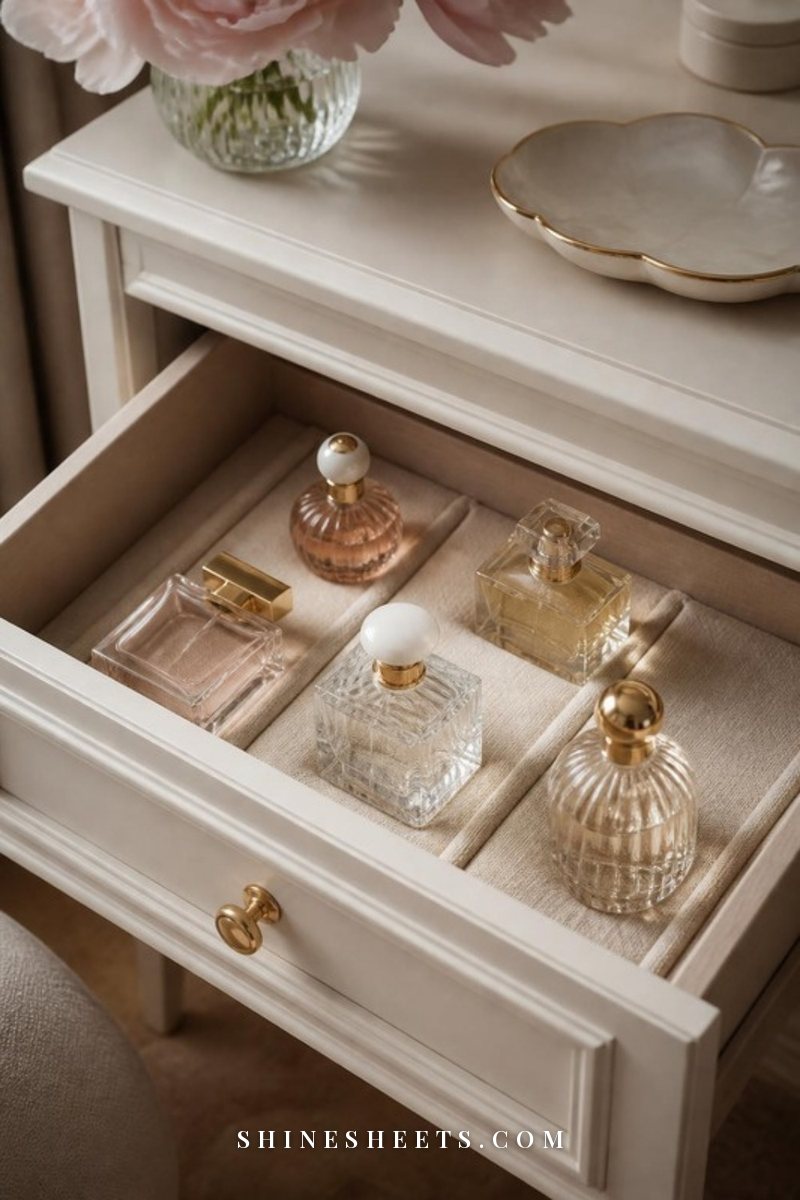
Fragrance has three enemies: heat, light and air. They break down the delicate oils, so a scent can turn sour, flat or sharp over time. Unfortunately, the most popular place to keep perfume, the bathroom, has heat and humidity swings every single day.
Here's how to keep both mists and perfumes fresh:
- Keep them cool and dark. A dresser drawer, a closet shelf or a bedroom vanity away from the window is ideal.
- Skip the windowsill and the bathroom counter. Sunlight and steam are the fastest ways to ruin a bottle.
- Close the caps. Less air exposure means slower oxidation.
- Keep them in their boxes if you can. It's not glamorous, but boxes block light completely.
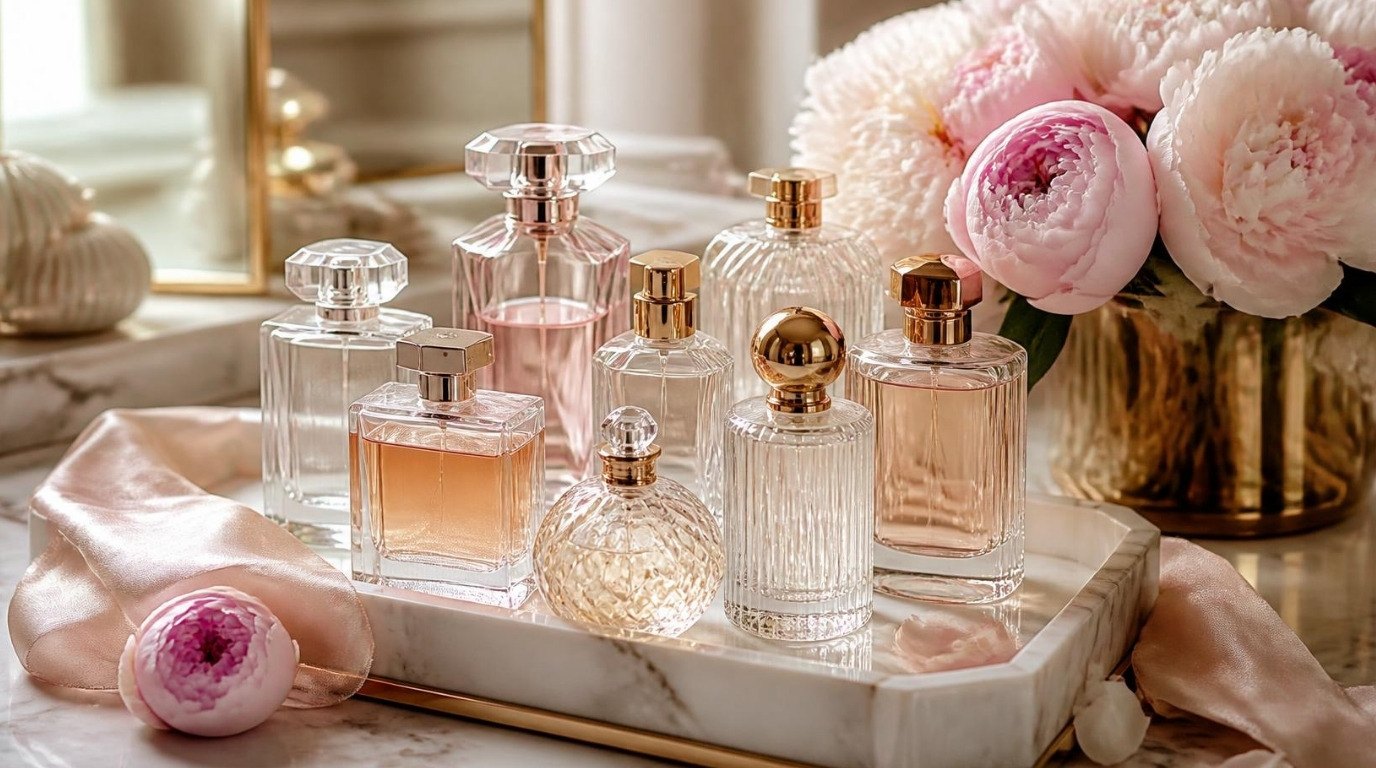
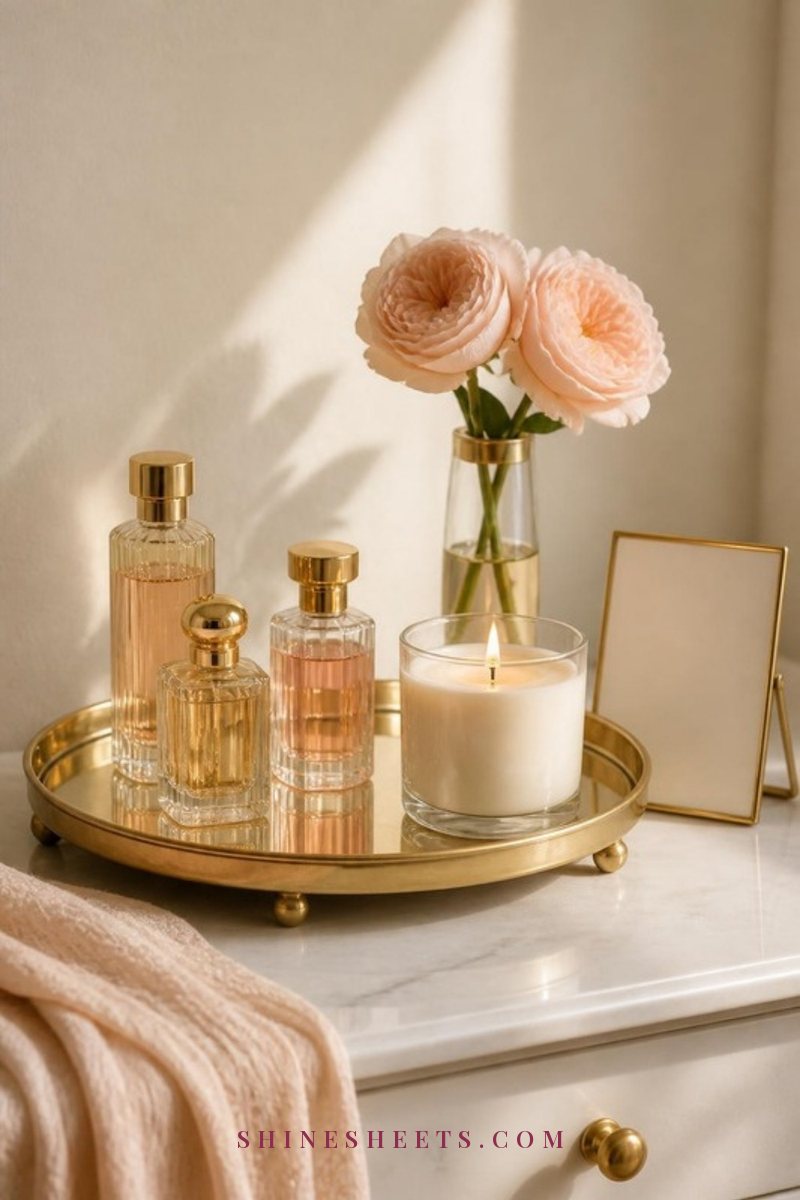
If you love having your bottles on display (I completely understand, they're so pretty), a gold vanity tray on a dresser in a shady corner of your bedroom gives you the look without the sun damage.
As a rough guide, an opened perfume often stays at its best for around three to five years, and a body mist for one to three, though it depends a lot on storage. If the color has darkened noticeably, the top notes smell sour or "off," or the scent seems much weaker than it used to, it's time to let it go.
Patch Testing and Fragrance Sensitivity
Fragrance is one of the more common causes of skin irritation, and both mists and perfumes contain it. My skin is on the sensitive side, so I always take this part seriously.
- Patch test new scents. Spray a little on your inner forearm and leave it for 24–48 hours before wearing it all over. Redness, itching or bumps mean it's not the one for you.
- Avoid freshly shaved, sunburned or broken skin. Alcohol stings, and irritated skin reacts more easily.
- Be careful with sun. Some citrus oils, like bergamot, can make skin more sensitive to sunlight. If your scent is very citrusy, spray it where clothes will cover it on sunny days.
- Try fabric instead of skin. If your skin is reactive, spraying a tested scarf or the outside of your clothes lets you enjoy scent without direct contact.
- Be considerate of others. Strong fragrance can trigger headaches or breathing trouble for some people, which is one more reason a mist is a kind choice in shared spaces.
If you get a rash that doesn't settle within a day or two, or any swelling, stop using the product and see a doctor or dermatologist.
A Quick Way To Decide
Still standing in front of your shelf wondering which to grab? Ask yourself three quick things:
- How long will I be out? Under two hours or close to home: mist. All day or all evening: perfume.
- How close will I be to other people? Small spaces and long meetings: mist or a single spray of perfume. Open air or a special occasion: perfume.
- How hot is it? Hot and humid: mist. Cool or cold: perfume, or both layered.
And if the answer is "I'm not sure," layer a little of both. It's the most forgiving option there is.
Final Thoughts
Body mist and perfume aren't rivals. One is a soft, easy, everyday whisper, and the other is a longer, deeper signature. Once you know what's in the bottle, you can pick the right one for the moment instead of guessing.
Keep your mists for the fresh, re-spray, after-shower moments, save your perfume for the days you want your scent to stay, store them both somewhere cool and dark, and let yourself enjoy the little ritual of choosing. Smelling good is one of the simplest, loveliest ways to feel like yourself.