Tight, dull winter skin rarely needs a heavier cream. Most of the time it needs more water, held in place. That's the whole idea behind skin flooding: instead of one thick product, you give your skin several thin, watery layers on damp skin, then lock them in with a moisturizer so the hydration has nowhere to go.
It sounds like a trend (and it did travel fast online), but the logic is old-school skincare. Humectants like hyaluronic acid and glycerin pull water into the top layers of skin. An occlusive or barrier-friendly moisturizer slows that water from evaporating. Put them in the right order, on the right canvas, and your skin looks softer, smoother and a little bouncier by morning.
This guide covers skin flooding from start to finish: what it is, why damp skin matters, who it suits (and who should keep it light), a simple step-by-step routine, a table you can screenshot with amounts and "skip if" notes, how many layers to use and how long to wait, and the signs you've overdone it.
My own skin is combination and sensitive, with a T-zone that gets shiny by lunch, so I'll also share how to do this without ending up greasy or congested. Let's get your skin drinking.
What Skin Flooding Actually Is
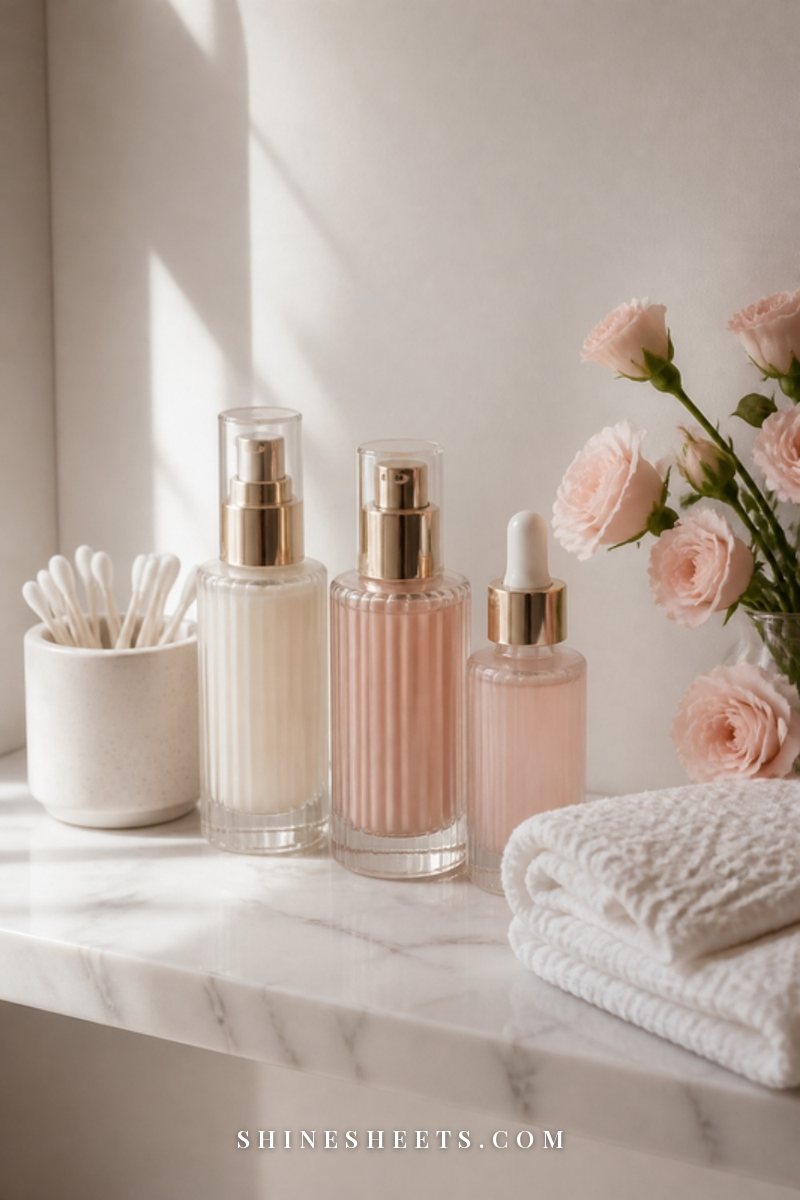
Skin flooding is a layering method, not a product. You apply several water-based hydrating products, one after another, onto skin that's still slightly damp, and then you seal everything with a moisturizer. That's it.
A classic skin flooding routine looks like this:
- A gentle cleanse, leaving the skin damp
- A hydrating toner or essence
- A humectant serum (hyaluronic acid or glycerin)
- An optional soothing serum (panthenol or centella)
- A moisturizer, ideally with ceramides, to seal it all in
What makes it different from a regular routine is the focus. Every step is about water and comfort. There are no strong actives in a flooding routine – no exfoliating acids, no retinoids, no vitamin C on the same night. You're giving your skin a calm, hydrating drink, not a workout.
If you're new to the idea of order in skincare, my guide on how to layer skincare products explains the "thinnest to thickest" rule that skin flooding is built on.
Why Damp Skin Matters So Much
Here's the part most people skip, and it's the part that makes the biggest difference. Humectants attract water. On damp skin, they grab that water and help hold it in the upper layers of your skin. On bone-dry skin in a heated room with dry air, they have less to work with, and some people find hyaluronic acid even feels tight or tacky that way.
So the rule is simple: never let your face fully dry between cleansing and your first hydrating layer. Pat (don't rub) with a soft towel so your skin is damp, not dripping. If you get distracted and your skin dries, a quick spritz of facial mist or a splash of lukewarm water brings it right back.
I go deeper into this in my hyaluronic acid guide and its damp skin rule, but the short version is: damp skin first, humectant second, seal third. That order does most of the work.
A small honest admission: for years I applied serums to a completely dry face because I thought "clean and dry" was the correct starting point. It wasn't wrong, exactly, but my skin felt noticeably more comfortable once I stopped waiting.
Who Skin Flooding Suits (and Who Should Go Lighter)
Skin flooding is lovely, but it isn't one-size-fits-all. A few questions help you decide how far to take it.
Great For: Dehydrated, Dry and Tight Winter Skin
If your skin feels tight after cleansing, looks dull or slightly crepey by the afternoon, shows fine dehydration lines, or makes your makeup sit on top instead of melting in, flooding is likely a good fit. It's especially helpful in winter, when heating, wind and cold air pull water from the skin.
Not sure if your skin is dry or dehydrated (they're not the same thing)? My post on dehydrated vs dry skin walks you through the difference. Dry skin lacks oil; dehydrated skin lacks water. Flooding mainly helps the water side, and the sealing moisturizer helps the oil side.
Go Lighter If: Your Skin Is Very Oily or Acne-Prone
If your skin is very oily or breaks out easily, four layers plus a rich cream can feel like too much. You don't need to skip the idea entirely. Just scale it down:
- Keep the damp skin step.
- Use one hydrating layer (a toner or a serum, not both).
- Finish with a light gel moisturizer instead of a rich cream.
Combination skin like mine can split the difference: full layers on the cheeks, a lighter touch on the forehead, nose and chin. Nobody says every part of your face has to get the same routine.
What You Need: The Skin Flooding Kit
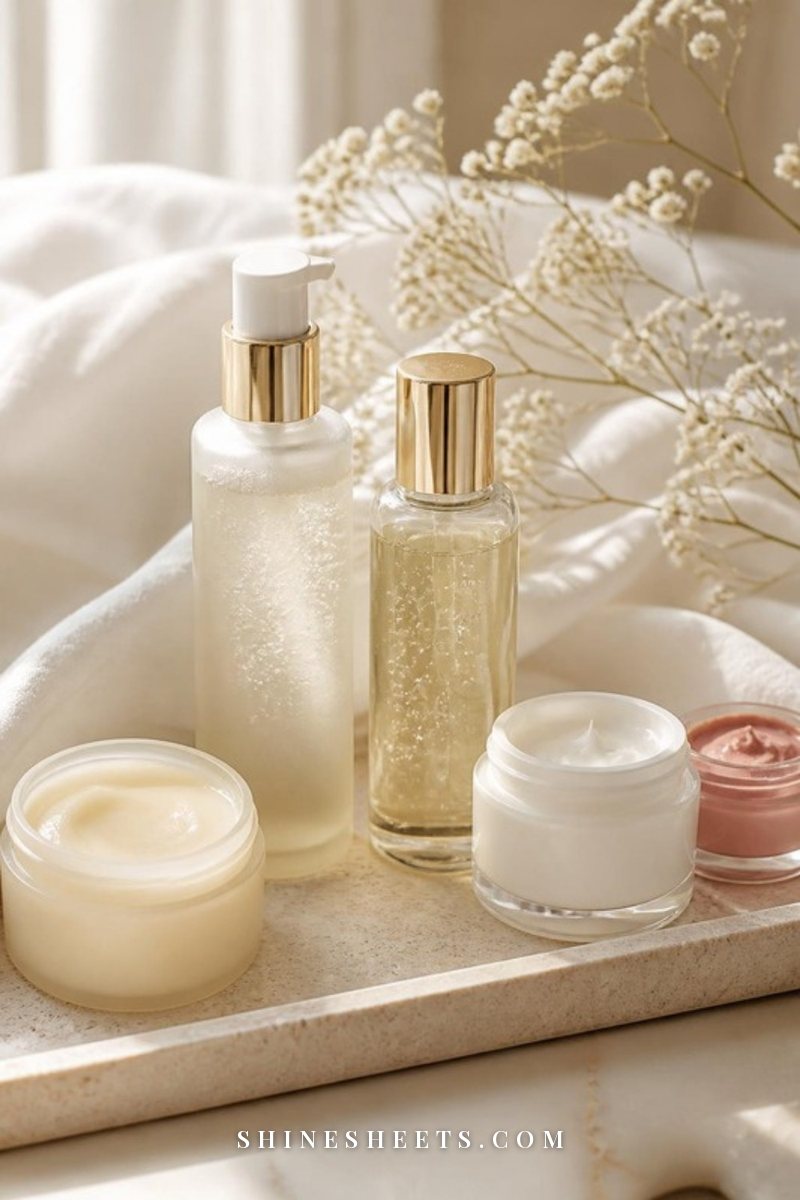
You probably own half of this already. Look for simple, fragrance-light formulas – the fewer extras, the better for a routine you'll repeat several nights a week.
- A gentle cleanser. A cream, gel or milky cleanser that doesn't leave your skin squeaky.
- A facial mist (optional). A hydrating facial mist is handy if your skin dries fast between steps. Look for glycerin or aloe high on the list and no alcohol near the top.
- A hydrating toner. A watery Korean-style hydrating toner with glycerin, hyaluronic acid or panthenol is a classic pick. Skip anything that says "clarifying," "exfoliating" or lists acids.
- A humectant serum. A simple hyaluronic acid serum is the heart of the routine. Glycerin-based serums work too.
- A soothing serum (optional). A centella soothing serum is a pick for redness-prone or easily irritated skin.
- A sealing moisturizer. A ceramide moisturizing cream is the one I'd choose for most skin types, because ceramides support the barrier that keeps water in.
- A soft towel. Soft cotton face towels make the "pat, don't rub" step easy and keep your bath towel off your face.
How To Do Skin Flooding: 7 Steps
Here's the full routine. On a busy evening it takes about five minutes, including the short waits.
Step 1: Cleanse Gently
Wash with lukewarm water (hot water strips skin) and a gentle cleanser for about 30–60 seconds. If you wear sunscreen or makeup, a first cleanse with a cleansing balm or oil helps, followed by your regular cleanser.
Your skin should feel soft and comfortable afterwards. If it feels tight or squeaky, your cleanser may be too strong for a flooding routine.
Step 2: Mist or Leave Your Skin Damp
Pat your face lightly with a towel so it's damp, not dripping. If more than a minute has passed and it feels dry, mist your face or splash it with water. This damp canvas is what the next steps hold on to.
Step 3: Pat On a Hydrating Toner
Pour a few drops (about a nickel-sized amount) into clean palms and press it into your skin. Pressing works better than swiping with a cotton pad here, because you waste less product and avoid friction. Some people like to repeat this step two or three times with very thin layers – that's the popular "7 skin" idea, just shorter. Once or twice is plenty for most.
Step 4: Add a Hyaluronic Acid or Glycerin Serum
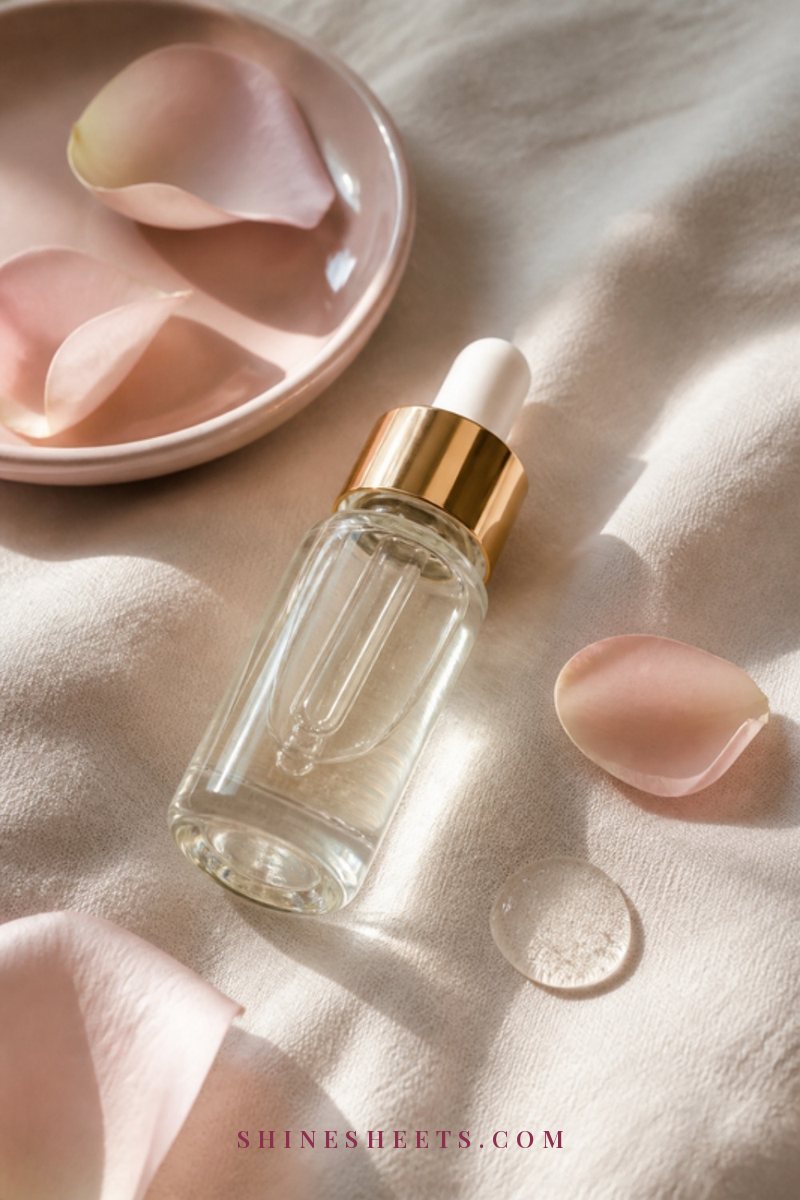
While your skin is still slightly damp from the toner, apply 2–3 drops of hyaluronic acid or glycerin serum. Warm it between your fingertips and press it over your face and neck. More is not better here – a thick layer can feel sticky and pill under your moisturizer.
Step 5: Layer an Optional Soothing Serum
If your skin is red, reactive or stressed by cold weather, add 2 drops of a soothing serum with panthenol (vitamin B5), centella asiatica, allantoin or madecassoside. If your skin is happy, skip this step entirely. Three hydrating layers are plenty.
Step 6: Seal Everything With a Ceramide Moisturizer
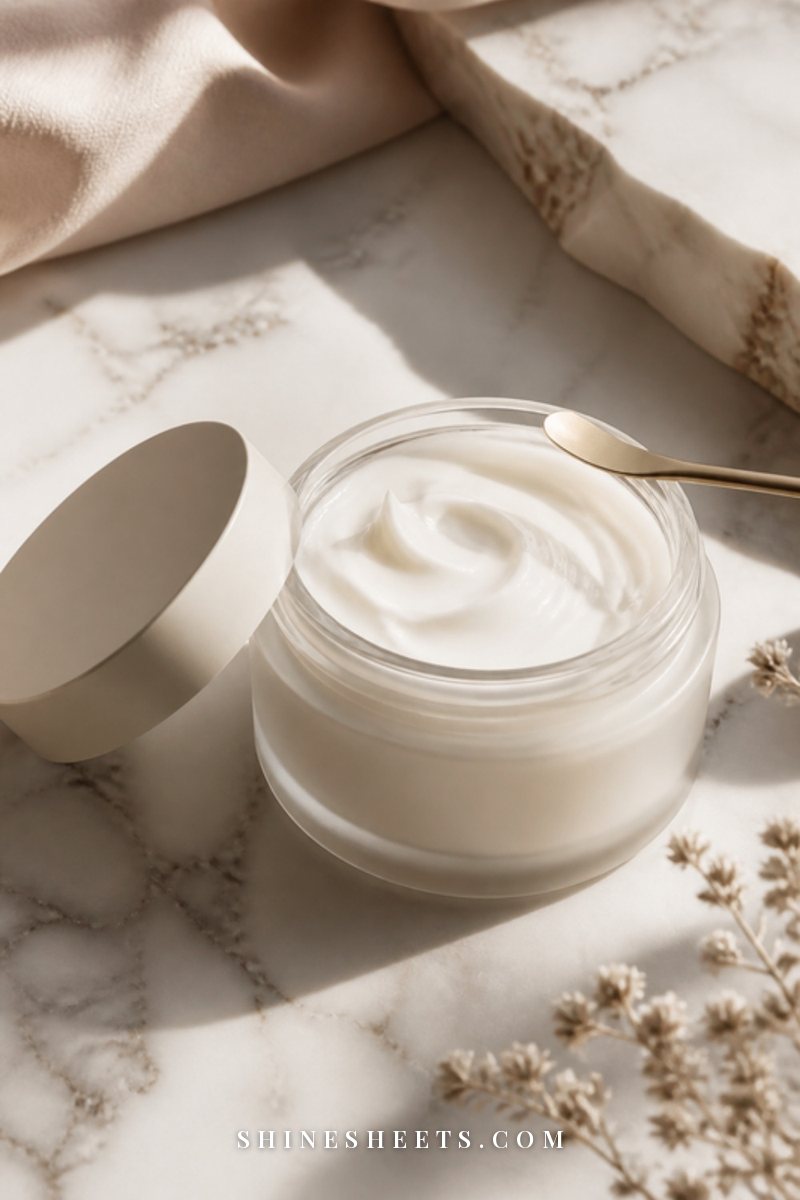
This is the step that makes skin flooding work. Without it, the water you just layered can evaporate and leave your skin drier than before. Use a pea-sized amount (a little more for very dry skin) and press it over everything.
Look for ceramides, cholesterol, fatty acids, squalane or shea butter. If you want to understand why ceramides earn their spot, I wrote a whole post on what ceramides do for your skin. On very dry nights, a thin layer of a balm or petrolatum-based ointment over dry patches (not your whole face if you're breakout-prone) adds an extra seal.
Step 7: Finish With SPF in the Morning
Skin flooding works morning or night, but in the morning, sunscreen always goes last. Let your moisturizer settle for a minute or two, then apply a broad-spectrum SPF 30 or higher – roughly two finger lengths for the face and neck. Reapply every two hours if you're outdoors. Winter sun still counts, especially on bright snowy days.
Skin Flooding at a Glance
Here's the whole routine in one table. Screenshot it and keep it near your sink until the order feels automatic.
| Step | Product type | Key ingredients | Amount | Skip if |
|---|---|---|---|---|
| 1. Cleanse | Gentle cream, milk or gel cleanser | Glycerin, ceramides, mild surfactants | 1 pump, 30–60 seconds | Never – but use water only in the morning if your skin is very dry |
| 2. Dampen | Facial mist or plain water | Water, glycerin, aloe | 2–3 spritzes or a splash | Your skin is still damp from cleansing |
| 3. Hydrating toner | Watery toner or essence | Glycerin, hyaluronic acid, panthenol | Nickel-sized, pressed in 1–2 thin layers | Your skin is very oily and you're using a serum instead |
| 4. Humectant serum | Hyaluronic acid or glycerin serum | Sodium hyaluronate, glycerin, beta-glucan | 2–3 drops | You already used a rich hydrating toner and feel sticky |
| 5. Soothing serum | Calming serum or ampoule | Centella asiatica, panthenol, allantoin, madecassoside | 2 drops | Your skin is calm, or you're acne-prone and want fewer layers |
| 6. Seal | Moisturizing cream or gel cream | Ceramides, cholesterol, fatty acids, squalane | Pea-sized (more for very dry skin) | Never – this step keeps the water in |
| 7. Protect (AM) | Broad-spectrum sunscreen | SPF 30+, mineral or chemical filters | About 1/4 teaspoon for face | Evening routine |
How Many Layers and How Long To Wait
For most people, the sweet spot is three to four thin hydrating layers plus a moisturizer. Beyond that, you start piling product on skin that can't take more, and that's when pilling and stickiness show up.
Use this as a simple formula:
- Dry or dehydrated skin: toner + serum + soothing serum + cream (4 layers).
- Combination skin: toner + serum + light cream; extra layer on the cheeks only (3 layers).
- Oily or acne-prone skin: one hydrating layer + gel moisturizer (2 layers).
Between layers, wait about 30–60 seconds. You want each layer to sink in until your skin feels slightly tacky, but not fully dry. If you wait too long, your skin dries out and you lose the damp advantage. If you rush, products can slide around and pill.
A quick trick: use the waiting time to apply each layer to your neck as well. By the time you've finished, it's time for the next step.
As for frequency, start with two or three evenings a week and see how your skin responds. Some people with very dry skin flood nightly in winter; others prefer it only on "tight skin" days. Both are fine.
Morning vs Night Skin Flooding
Evening is the easiest time to start. Your skin isn't facing sun or makeup, you can use a richer cream, and you have time for the short pauses between layers. Many people notice the softest, plumpest result the next morning.
In the morning, keep it lighter so makeup and sunscreen sit well:
- Damp skin, one hydrating toner, one serum.
- A lighter moisturizer or gel cream.
- Sunscreen last, after a minute or two.
If your makeup has been looking patchy this winter, a lighter morning version of flooding is often the fix. Hydrated skin simply lets foundation and concealer blend more smoothly.
Signs You Overdid It
Skin flooding is gentle, but too much of a good thing is still too much. Watch for these signs:
- Pilling. Little rolls of product when you apply the next layer usually mean too much product, too many layers, or not enough wait time.
- Stickiness that won't settle. Use fewer drops of serum or drop one layer.
- Small bumps or congestion. Your moisturizer may be too rich for your skin type, or you're layering too much on the T-zone. Switch to a lighter cream there.
- Stinging or redness. Something in the routine doesn't agree with your skin. Go back to the basics (cleanser and moisturizer) and reintroduce one product at a time.
- Greasy by morning. Your skin is telling you it needs less. Try every other night or fewer layers.
If your skin barrier is already irritated – flaky, burning, reacting to everything – keep the routine very short for a while. My guide on how to restore your skin barrier has a calm plan for that stage.
Common Skin Flooding Mistakes
A few small habits can quietly undo all your layering:
- Skipping the moisturizer. Without a seal, the water evaporates. This is the most common mistake.
- Starting on dry skin. The damp step isn't optional; it's what the humectants need.
- Adding strong actives on the same night. Keep exfoliating acids, retinoids and strong vitamin C for other evenings.
- Using too many new products at once. If something irritates, you won't know which one.
- Hot showers right before. Lukewarm water is kinder to dry, tight skin.
- Forgetting your room. Dry indoor heating works against you. A humidifier near your bed and a glass of water nearby are simple supports.
What To Expect (and When)
Skin flooding isn't dramatic, and that's a good thing. Here's a realistic timeline for most people:
- The next morning: skin usually feels softer and less tight, and fine dehydration lines can look less obvious.
- After one to two weeks: makeup tends to sit more smoothly, and flaky patches around the nose or chin often calm down.
- Over a whole winter: a steady routine helps your skin stay comfortable through heating, wind and cold, instead of swinging between tight and irritated.
What it won't do: change your skin type, erase wrinkles or replace a dermatologist's care for a skin condition. Think of it as a reliable comfort routine, not a miracle. Consistency beats intensity here – three calm evenings a week will do more than one heavy, ten-layer night.
Patch Test New Products First
Because skin flooding asks you to use several products at once, patch testing matters. Apply a small amount of each new product behind your ear or on the side of your jaw once a day for a few days. If you notice redness, itching, stinging or bumps, skip that product.
A gentle safety note: skin flooding is a cosmetic routine, not a treatment. If you have eczema, rosacea, persistent flaking, cracked skin or a rash that doesn't settle, a dermatologist or doctor is the best person to help you build a routine that's right for your skin.
Final Thoughts
Skin flooding is less about buying more and more about doing a few simple things in the right order: damp skin, thin watery layers, a moisturizer to seal it in, and sunscreen in the morning. That's the whole secret.
Start with two or three evenings a week, keep it fragrance-light, and let your skin show you what it likes. Soft, comfortable, hydrated skin through the coldest months is absolutely within reach.