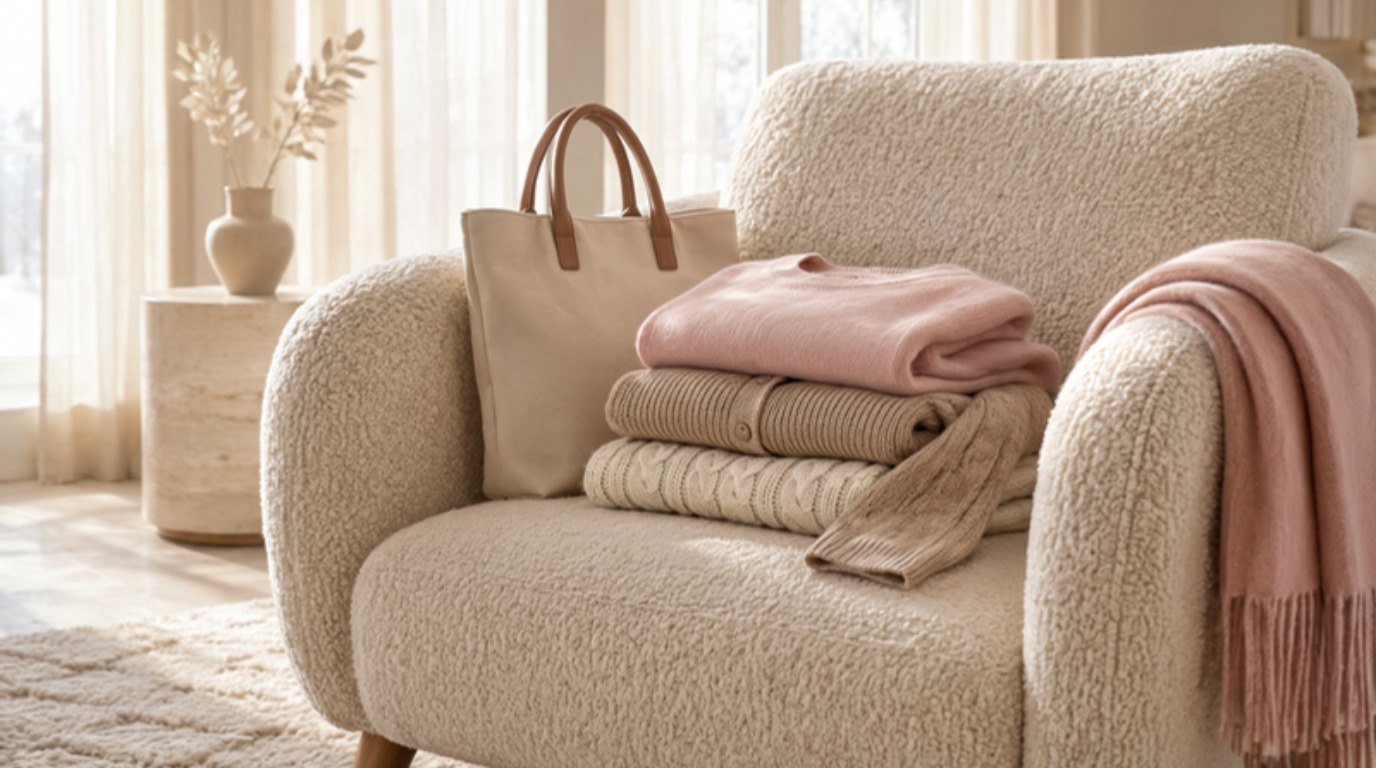
The pile on the chair in your bedroom isn't invisible because you're lazy. It's invisible because your brain is doing its job. Anything that stays in the same spot for long enough slowly stops registering as "new information", and your eyes start skipping right over it. That's clutter blindness, and almost everyone has it somewhere at home.
The kind news is that it's not a character flaw, and it doesn't take a weekend-long purge to fix. It takes fresh eyes first, and small, repeatable habits second. Once you can actually see the stack by the door again, deciding what to do with it gets much easier.
In this guide you'll find what clutter blindness is and why it happens, the gentle signs you might have it, 7 ways to see your space with fresh eyes, a hotspot table you can screenshot, and a few tiny steps that keep things from quietly piling up again. No shame, no minimalism pressure, no rule that you need to own less than you love.
The new year is a lovely time for this, too. The holiday decorations are down, the light is clear and bright, and your home is a little emptier than it was in December, which makes everything that's left easier to notice.
What Is Clutter Blindness?

Clutter blindness is the very normal habit of no longer noticing things that have been out of place for a while. The basket of laundry that lives on the armchair. The shoes that gather by the front door. The bag of things to return that's been in the hallway since before the holidays. You walked past them so many times that your brain quietly filed them under "background".
It's closely related to something called habituation. Our brains are wired to notice change, not sameness, because change is what used to matter for safety. A new sound gets your attention; a fridge humming for hours doesn't. A new pile gets your attention for a day or two, and then it blends into the room just like that hum.
This is why a guest can walk in and spot the stack of mail within seconds, while you genuinely didn't see it this morning. You're not careless. You're just very, very used to your own home.
Why Your Brain Stops Seeing the Pile
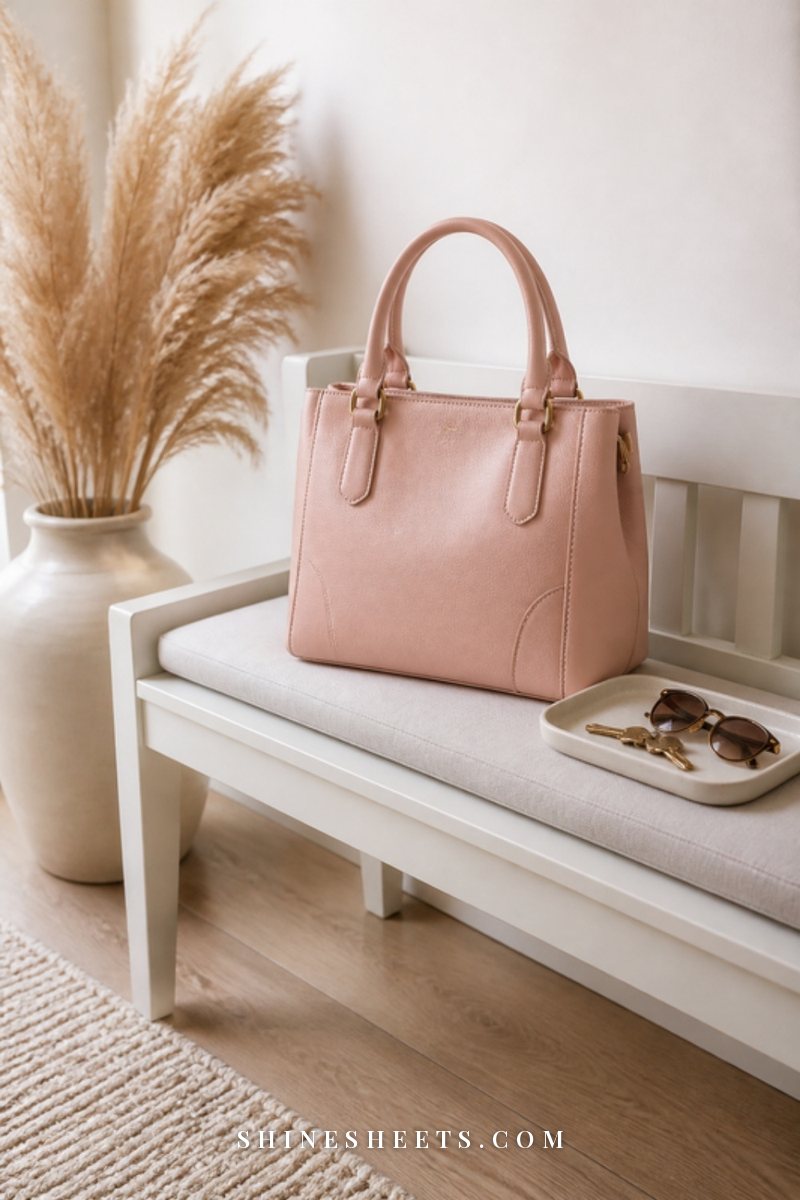
A few things make clutter blindness especially sneaky, and knowing them takes a lot of the guilt away:
- Piles grow slowly. One envelope becomes five, then twelve. There's never a single moment where it suddenly looks "messy", so there's never a moment that triggers action.
- Decisions are tiring. Most clutter is really a postponed decision: keep it, return it, file it, give it away. When you're tired, setting it down "for now" feels easier, and "for now" stretches into months.
- Busy seasons pile up. After the holidays, there's gift packaging, cards, extra shopping bags and things that belong to other rooms. All of it lands somewhere, usually the closest flat surface.
- Your eyes go to the same places. You look at the TV, the stove, your desk. You rarely look at the top of the wardrobe, the floor under the bench or the corner behind the door.
Here's my small honest admission: I'm prone to anxiety, and a cluttered surface I've stopped seeing can still make me feel restless without me knowing why. Once I started noticing my hotspots, that low background buzz got noticeably quieter. You might find the same.
Gentle Signs You Might Have Clutter Blindness
You don't need to relate to all of these. Even two or three are a sign it's worth a fresh look:
- A visitor mentions something ("oh, are you moving that chair?") and you realize it's been covered for weeks.
- You tidy for guests and feel surprised by how much there was to move.
- One chair, one corner of the counter or one step of the stairs is permanently "holding" something.
- You own two or three of the same thing because the first one disappeared into a pile.
- Photos you take at home need careful angles to avoid a certain corner.
- You feel a little tense in a room but can't name exactly why.
- Flat surfaces, like the entry console or the dining table, rarely look the way they did when you first set them up.
If the mess feels heavier than "a few hotspots" and you're not sure where to start at all, my guide on how to feel less overwhelmed by mess is a softer first step. And if letting go of things feels genuinely distressing, not just inconvenient, a therapist can help you understand that feeling with care.
7 Ways To See Your Space With Fresh Eyes
The goal here isn't to clean yet. It's simply to notice. Think of it as switching the lights back on in parts of your home your brain dimmed out. Try one or two this week, not all seven at once.
1. Take a Photo of Each Room and Look at It on Your Phone
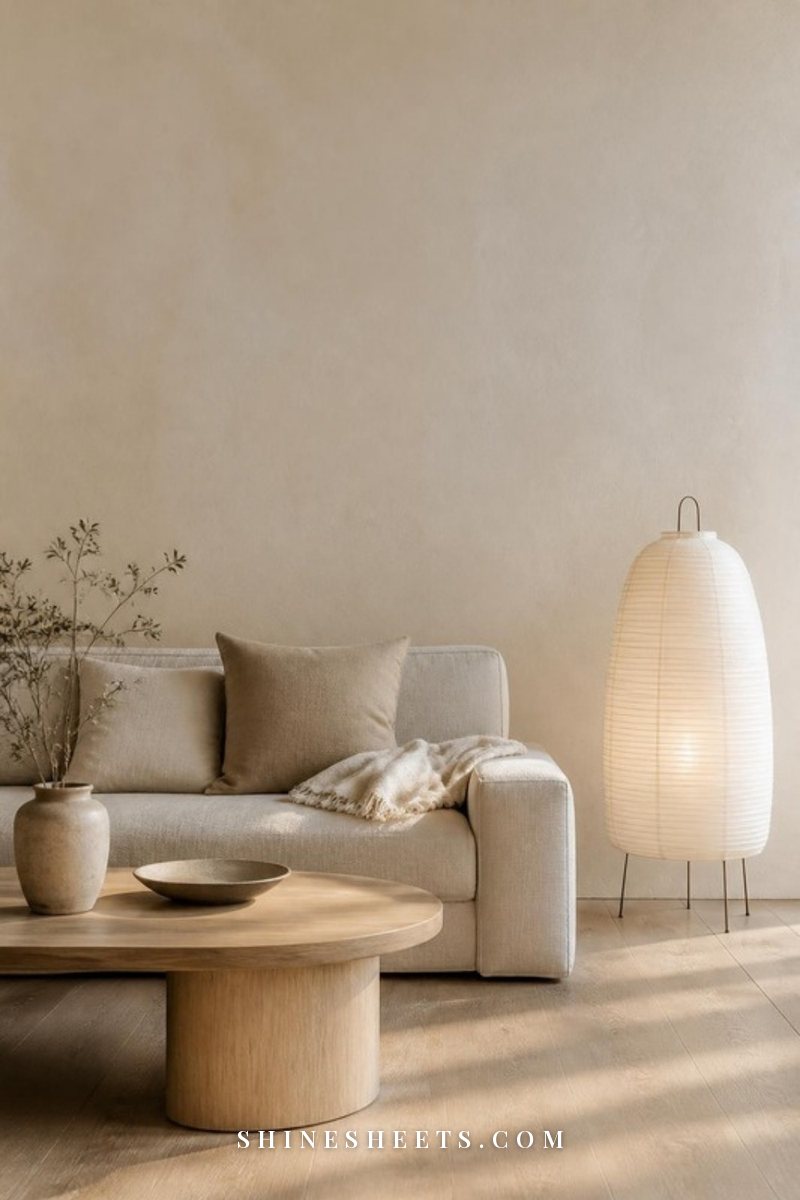
This is the fastest trick I know. Stand in the doorway of a room, take one wide photo, then sit down and look at that photo, not the room. A picture flattens everything into one frame, and your brain can't use its usual shortcuts, so the jacket on the chair and the bags by the bookshelf suddenly jump out.
How to do it: one photo per room, taken from the spot where you usually enter. Zoom in on each corner for ten seconds. Write down the three things that surprised you most. That's your starting list, nothing more.
Keep the photos. In a month, take the same shots from the same spots, and you'll see your progress in a way that's surprisingly motivating.
2. Walk In Through the Front Door Like a Guest

Step outside, close the door, wait a few seconds, then come back in slowly, as if you were visiting someone you like. Look where a guest would look: the floor right inside, the hooks, the first surface they'd set a bag on, the view into the living room.
The entryway is usually the biggest hotspot in any home, because it's where everything arrives. If yours turns out to be the problem area, my guide to creating an entryway drop zone that stays tidy walks through the layout piece by piece.
A small tip: do this in daylight. Winter morning light is honest in the best way, and it shows dust and piles more clearly than a lamp in the evening.
3. Look at Eye Level, Then at Floor Level
Most of us look at our homes from one height: standing, eyes forward. Clutter loves the places outside that band. Spend two minutes in each room doing this: first look straight ahead at eye level and slowly turn in a circle. Then crouch or sit on the floor and do the same circle again.
From the floor, you'll notice the things under the bed, the bags tucked beside the sofa, the cables, the shoes under the desk and the stack of books leaning against the wall. From eye level, you'll catch the tops of dressers and the open shelves. Both views together give you the whole picture.
4. Try the One-Shelf Rule

Pick a single shelf, drawer or surface, and only that. Take everything off it, wipe it down, and put back only what truly belongs there. Leave the rest in a small pile beside it to sort.
Why one shelf? Because a completely clear, calm shelf becomes a reference point. Every time you walk past it, your eyes register the contrast with the surfaces around it, and the neighbors start to look busier. It's a gentle way to retrain your eye without forcing a whole-room project.
Give yourself 10 minutes per shelf. If you enjoy it, do one shelf a day. If you want more structure, my 30-day declutter challenge gives you one small area for each day of the month.
5. Rotate a Fresh-Eyes Room Each Week
Instead of trying to see the whole home at once, choose one "fresh-eyes room" each week. On Monday, look at it carefully (photo, door walk, floor level). For the rest of the week, every time you walk in, glance at one hotspot and ask, "Does this belong here?"
A simple rotation for a typical home: week one entryway, week two living room, week three bedroom, week four kitchen, then start again. Bathrooms and the hallway can slot in wherever you like. Over a few months, every room gets a turn, and nothing gets a chance to fade into the background for too long.
6. Ask a Kind Friend for a Second Look
A friend sees your home the way your brain no longer can. Choose someone gentle and practical, not someone who will lecture you. Ask a specific, easy question so it doesn't feel like an inspection.
A mini script: "I've realized I've stopped seeing the mess in my own place. Could you tell me the first two things you notice when you walk in? Nothing more, I promise I won't be offended."
Two things is the key. It keeps it light for both of you, and two things is a very doable starting list. Make them tea afterward. It turns the whole thing into a visit rather than a verdict.
7. Notice Where Items Land
For one week, pay attention to where things go the moment you walk in or finish using them. Keys, mail, a cardigan, a water bottle, the bag from the pharmacy. Where does each one actually end up, not where should it be?
You'll probably find a pattern: the same three or four "landing spots" catch almost everything. That's useful information, not a failure. These spots are clearly convenient, so instead of fighting them, you can turn them into proper homes with a tray, a hook or a basket. The table below helps you do exactly that.
Clutter Hotspot Table: Where Things Land and Simple Fixes
Here are the most common hotspots, why clutter collects there, a quick fresh-eyes check and one simple fix. Screenshot it and pick just one row to try this week.
| Hotspot | Why clutter lands there | Fresh-eyes check | Simple fix |
|---|---|---|---|
| Entry console or shelf | It's the first flat surface when you walk in | Walk in like a guest and count the items on it | One tray for keys and sunglasses, one slot for mail |
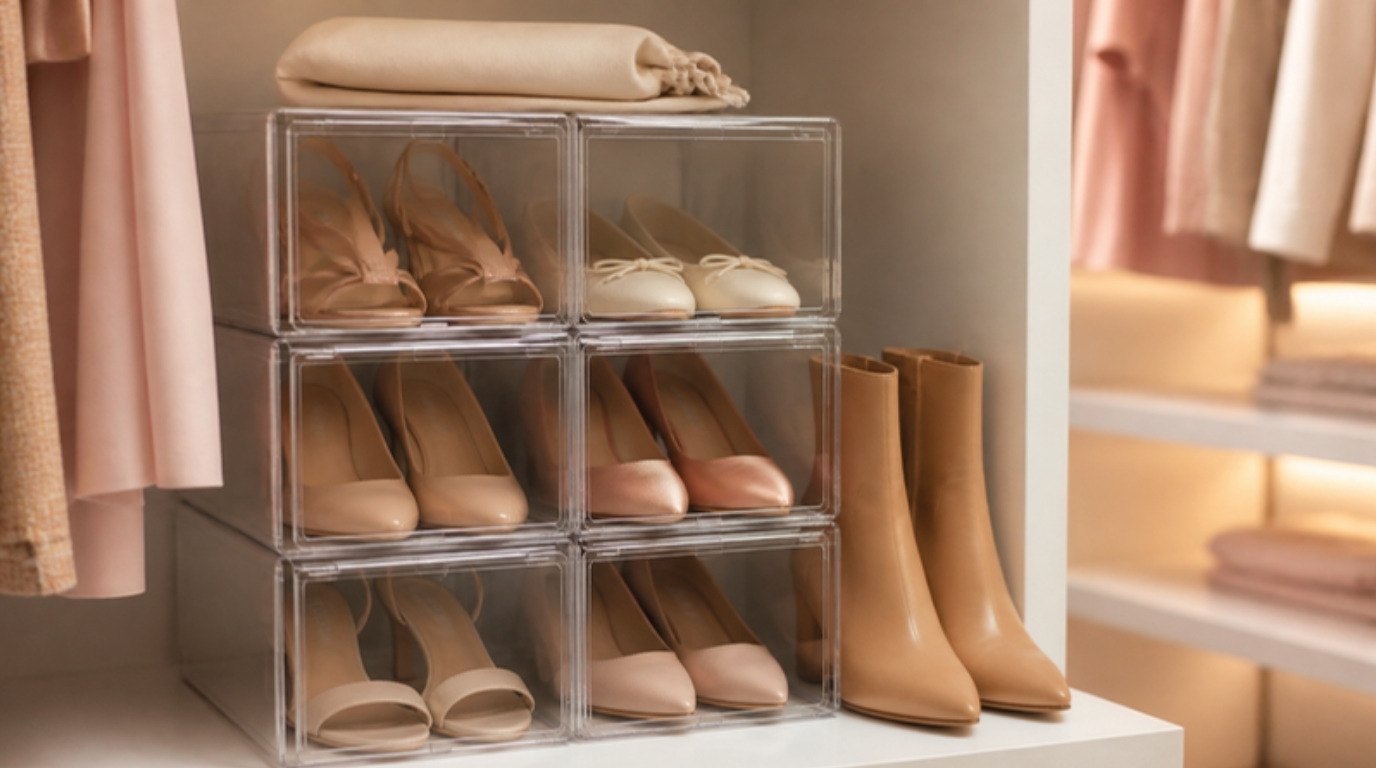
| Floor by the front door | Shoes and bags come off in a hurry | Look from floor level for 30 seconds | A shoe rack or a boot tray with a two-pairs-per-person limit |
| Bedroom chair | Clothes that are "worn once" don't feel clean or dirty | Photo of the room from the doorway | A hook or a small basket just for worn-once clothes |
| Dining table | It's big, flat and in the middle of everything | Can you set two places right now without moving anything? | Clear it completely every evening, even if it fills again by noon |
| Kitchen counter corner | Mail, receipts and chargers drift to the edges | Look at the corners only, not the middle | A small "paper inbox" sorted once a week |
| Bottom of the stairs | Things waiting to go up get left "for later" | Count how many trips' worth is waiting | A lidded basket that goes up once a day, full or not |
| Bathroom counter | Daily products never get put away | Take a photo and zoom in | Keep only today's products out, the rest in a drawer |
| Hallway corner or behind doors | Out of sight, out of mind | Open every door and look behind it | Over-the-door hooks for bags and robes |
| Junk drawer | Small items with no clear home | Open it and name everything in 60 seconds | Small dividers and a quick monthly sort |
That last row deserves its own little project. My guide to junk drawer organization turns it into a 20-minute fix.
Small Steps Once You Can See It Again
Seeing the clutter is honestly the biggest part of the work. Once you've noticed your hotspots, these small habits keep them from fading back into the background.
Give Each Hotspot a Home

Most hotspots exist because an item doesn't have an obvious, easy home near where you use it. The fix is to give it one, right at the landing spot, rather than in some perfect place across the house that you'll never walk to.
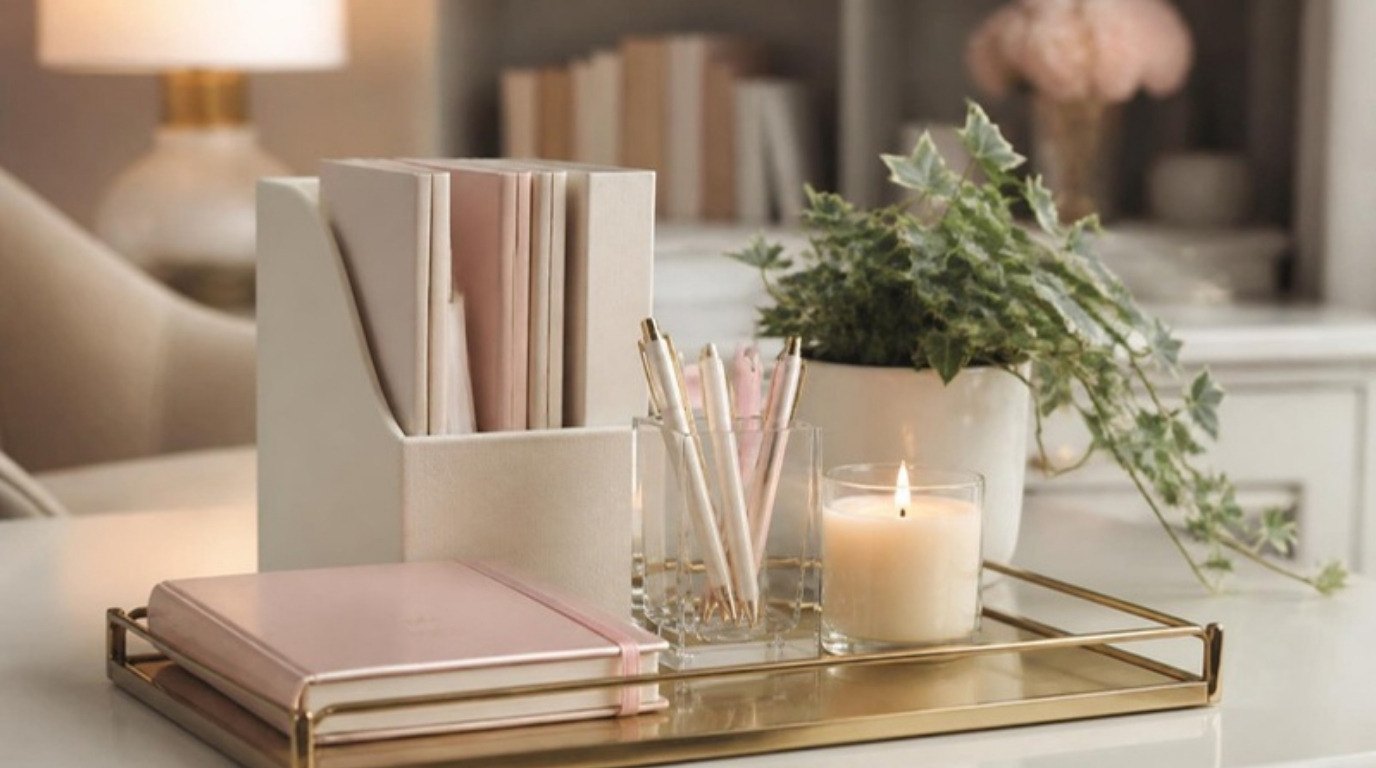
- For keys, sunglasses and earbuds: a pick for the entry console is a cream ceramic catch-all tray. Look for one big enough for keys plus one or two small things, but small enough that it can't hold a week of mail.
- For bags, robes and scarves: white over-the-door hooks use space you already have and need no drilling, which is lovely for renters.
- For items you keep but rarely use: cream storage boxes with lids on a top shelf. Label the front of each box clearly ("cables", "cards and wrapping", "spare bulbs"), because a box you can't identify quickly becomes its own kind of clutter.
The test for a good home: can you put the item away in under five seconds, with one hand? If not, it's not easy enough yet, and the item will keep landing somewhere else.
Use a Basket for In-Between Items
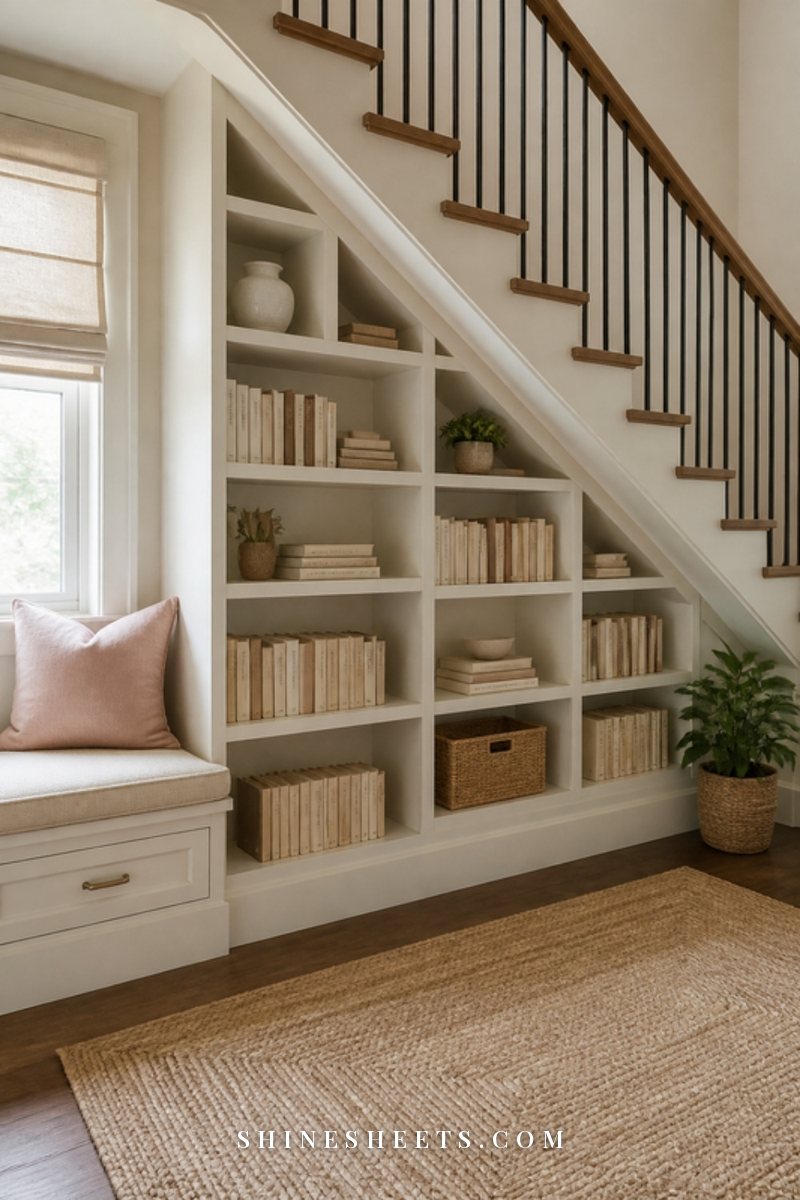
Some things aren't clutter, they're just in transit: the library book to return, a jacket to go upstairs, a dish to give back to a neighbor. These in-between items are the ones that pile up on chairs and steps, because they don't belong anywhere permanently.
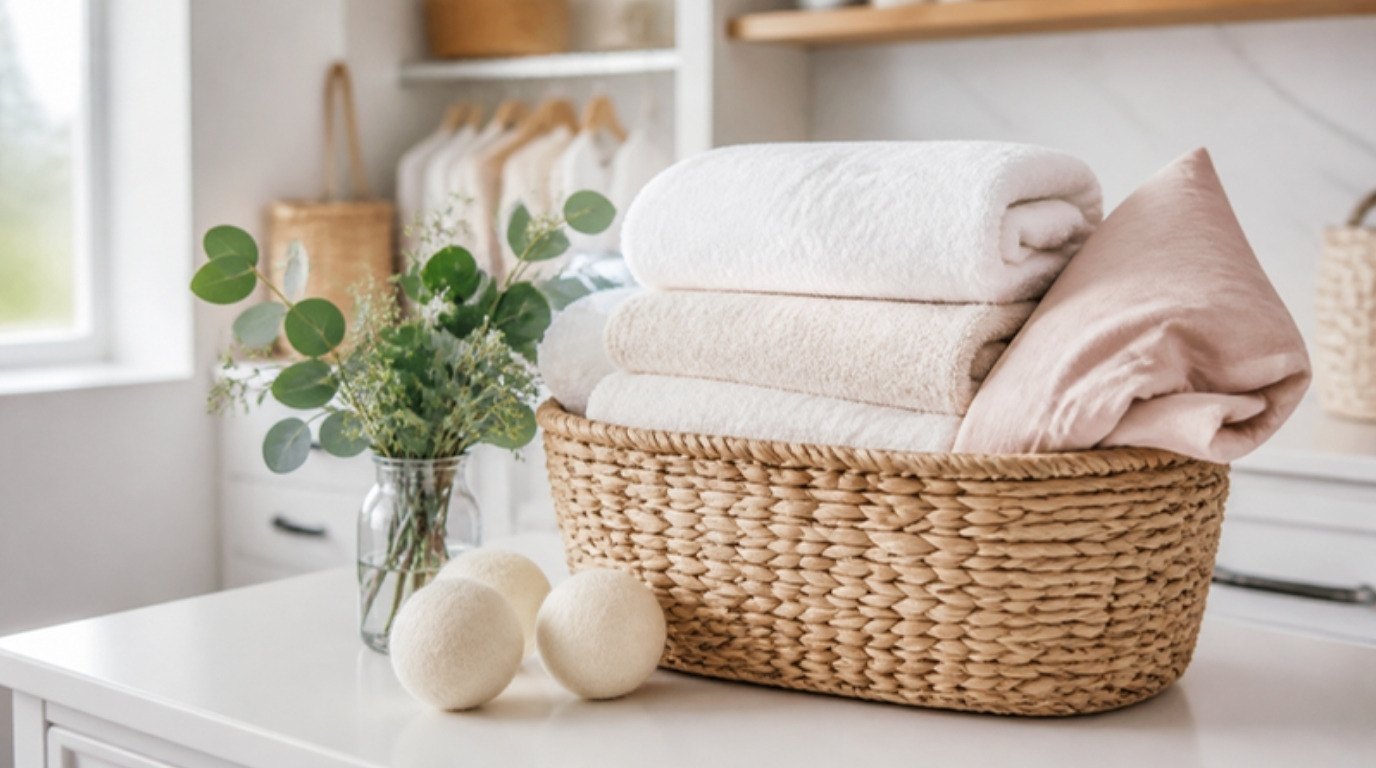
Give them one dedicated spot. A set of cream woven storage baskets works beautifully here: one at the bottom of the stairs for things going up, one by the door for things leaving the house. I'd choose baskets with handles, so carrying them is one easy trip.
The rule that makes this work: the basket empties once a day, full or not. If it overflows, that's a sign it's become storage, and a few things inside need a real decision.
For things that are leaving for good, keep a foldable donation box in a closet. Drop items in whenever you notice them, and when it's full, take it to a charity that accepts that kind of item. Nothing has to be decided all at once.
The 10-Minute Evening Reset

This is the habit that stops clutter blindness from coming back. Every evening, set a timer for 10 minutes and return the main surfaces to "set up" mode: the entry console, the dining table, the coffee table, the kitchen counters and the bedroom chair.
A 10-minute sand timer in soft pink is a sweet, screen-free way to keep it short. When the sand runs out, you stop, even if you're not done. That limit is what makes it a habit you'll actually keep.
A simple order: two minutes per zone. Put things back in their homes, empty the in-between basket, stack the mail in one place, fluff the cushions. Then light a candle or make your evening tea, and enjoy a room your eyes can rest in.
January Is a Natural Fresh Start
There's something about the first weeks of the new year that makes noticing easier. The decorations are packed away, and for a short while, your rooms look different. Use that. Walk through your home while the change is still fresh, and you'll spot the things that were hidden behind garlands and gift bags all December.
If you'd like a structured plan for this season, my January home reset goes room by room. And if you're ready to go further after your fresh-eyes week, the guide to different decluttering methods helps you choose a style that suits you, from tiny daily steps to one room at a time.
What Seeing Your Clutter Is Not About
A few gentle reminders, because clutter can carry a lot of quiet guilt:
- It's not about owning less. You can keep every book and every mug you love. The aim is that things have homes, not that you have fewer of them.
- It's not about a perfect home. A lived-in home will always have a few things out. A throw on the sofa and a book on the nightstand are signs of life, not mess.
- It's not about doing it all at once. One hotspot a week is real, lasting progress.
- It's not about blame. If you share your home, focus on your own hotspots first. People tend to follow a calm example far more than a list of complaints.
Think of it as learning to see your home again, the way you did the day you moved in, when every surface had a purpose and every corner felt like possibility.
Final Thoughts
Clutter blindness happens to everyone, because a busy, tired brain is simply very good at ignoring what doesn't change. You don't need to feel bad about the pile on the chair. You only need to notice it, give it a home and keep a small daily habit that brings your rooms back to calm.
Start with one photo, one doorway or one shelf this week. Your home will start to feel lighter long before it looks finished, and that lighter feeling is exactly what you deserve to come home to.