Decluttering a whole home sounds like a weekend-long project that leaves you exhausted and surrounded by bags. It works much better as a daily habit: one small area, ten to twenty minutes, and then you stop. Small wins add up faster than one heroic Saturday ever could.
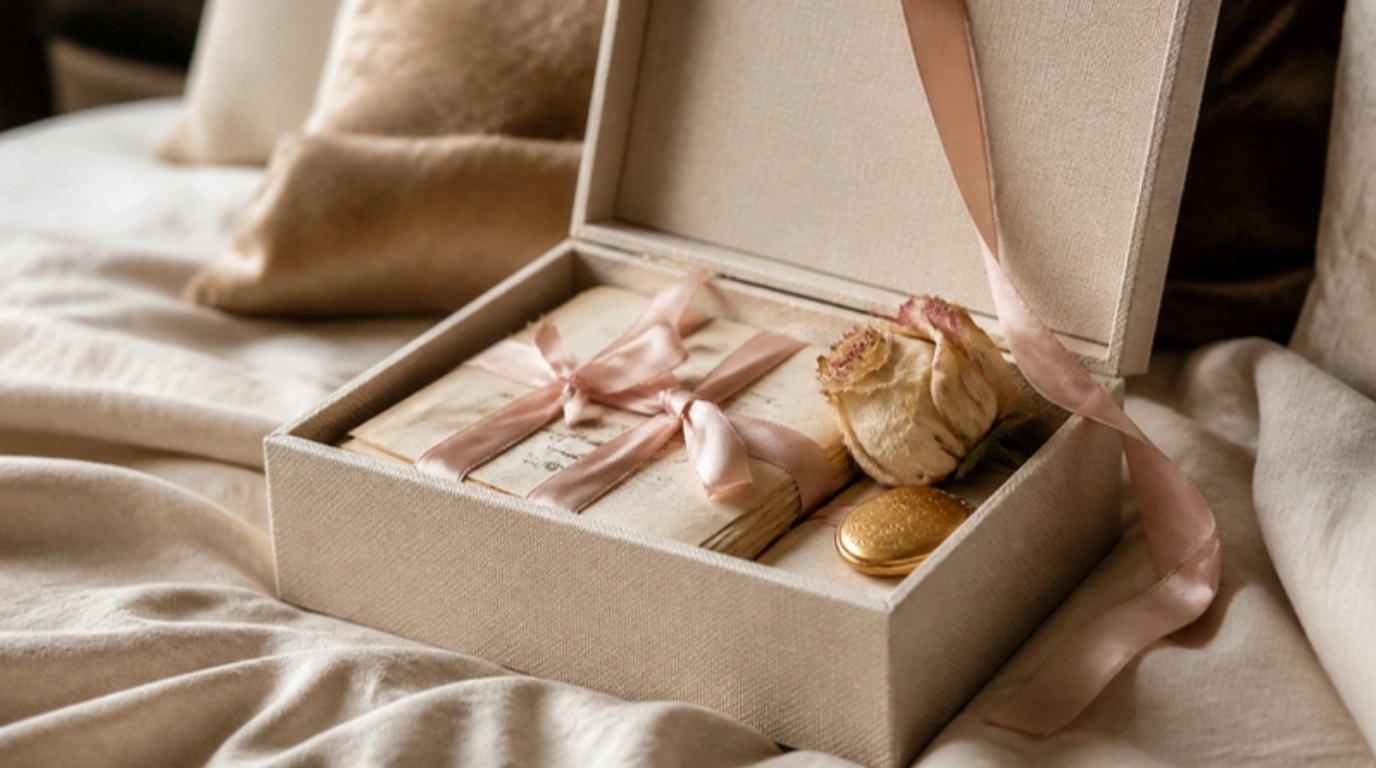
The other quiet secret is starting with spaces that hold no emotion. A junk drawer is easy to judge. A box of old letters is not. When you begin with the easy places, you build the muscle you'll need for the harder ones.
This 30-day declutter challenge gives you one small area a day, a simple table to follow, three ground rules, ideas for staying motivated, what to do when you miss a day and how to keep everything clear once day 30 is behind you. Put the kettle on, find a pretty kitchen timer and let's start small.
How the 30-Day Declutter Challenge Works
The plan is simple on purpose. Every day has one area, a time limit and a tiny tip. You work for the time on the timer, and when it rings you're done – even if the drawer isn't perfect.
- Weeks 1 and 2 are small, low-emotion spaces: drawers, cabinets, the kitchen and the bathroom.
- Week 3 moves to the bedroom and wardrobe, where decisions get a bit more personal.
- Week 4 covers papers, books, your phone and the car.
- Days 29 and 30 are for the maybe box, donation drop-off and a little celebration.
If you'd like to see how this daily approach compares to other ways of clearing a home, my step-by-step guide to decluttering your home covers the bigger picture. This challenge is the gentle, bite-sized version.
The Ground Rules Before Day 1
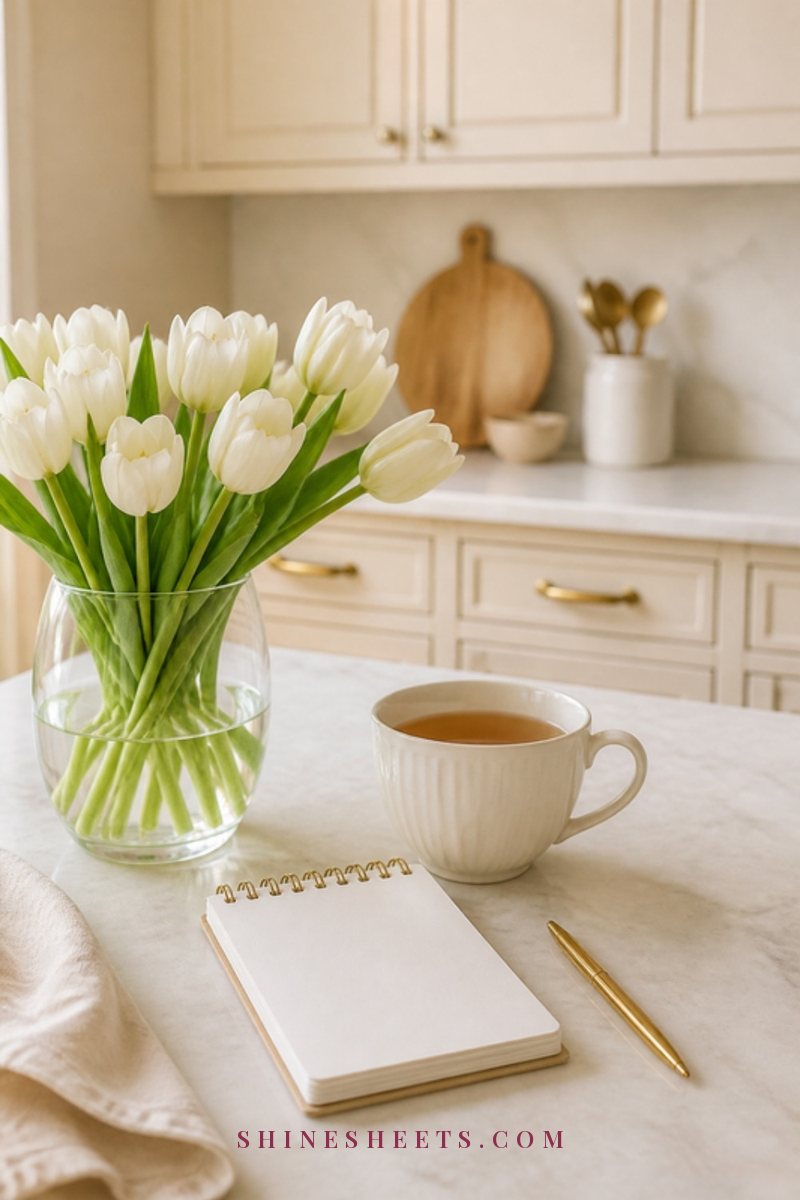
Three small rules keep this challenge light and stop it from turning into a stressful project.
Rule 1: Set a Timer
Ten to twenty minutes, every time. A timer gives your brain permission to start, because the end is already in sight. If you're on a roll you can keep going, but you never have to.
Rule 2: Use Three Bags
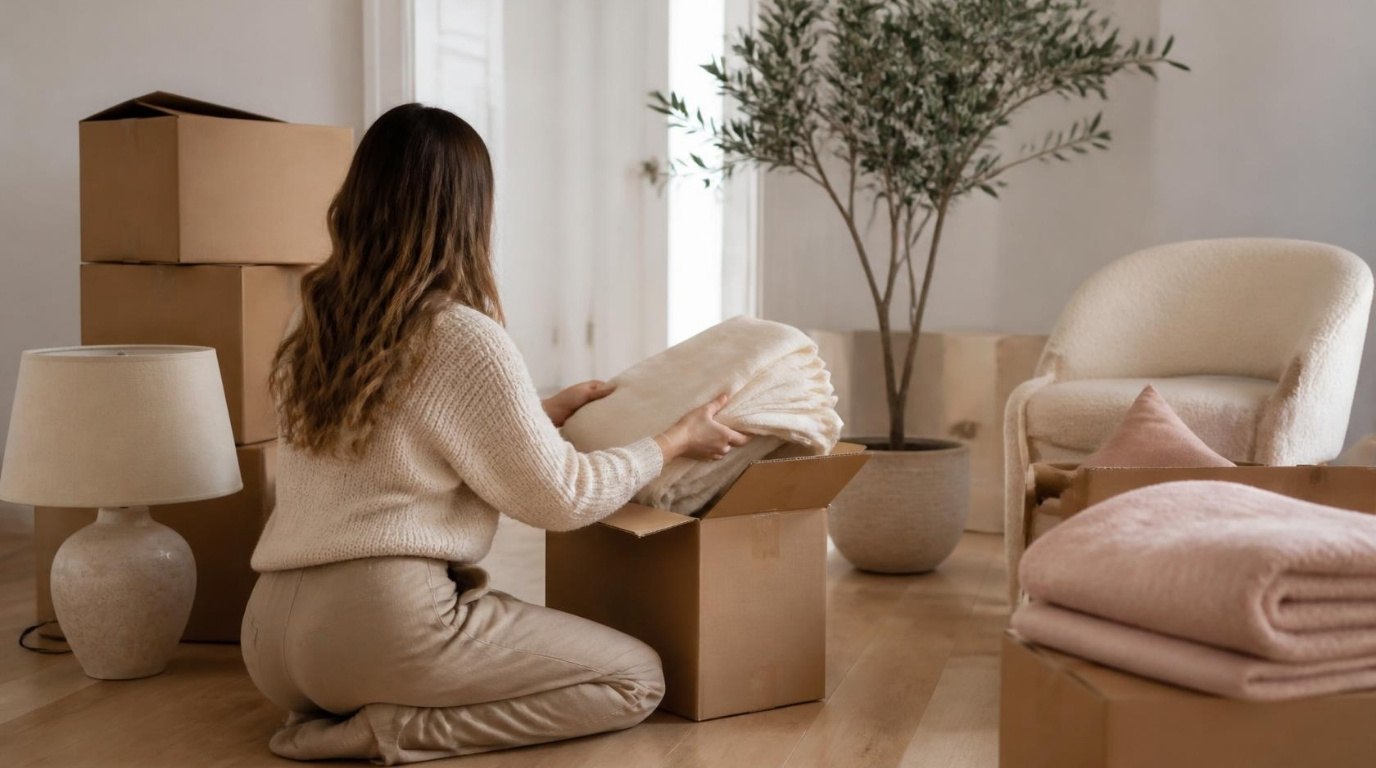
Before you open a single drawer, set out three containers: keep, donate and trash. Sturdy foldable donation boxes make the donate pile feel tidy instead of chaotic. Add a small fourth box for maybes if decisions feel hard – you'll open it again on day 29.
Rule 3: Don't Buy Organizers First
It's tempting to start with a shopping trip. Please wait. Once you've decluttered, you'll have less stuff and a clear idea of what actually needs a home. Many of the bins you'd buy now would only end up storing things you're about to let go of.
Your 30-Day Declutter Plan at a Glance
Here's the whole month in one table. Screenshot it, keep it on your phone and tick off each day in your head (or in your journal after evening tea, which is my favorite way to end a declutter day).
| Day | Area | Time | Quick tip |
|---|---|---|---|
| 1 | Junk drawer | 15 min | Empty it fully first |
| 2 | Entryway | 15 min | Keep only this season's items |
| 3 | Handbags and tote bags | 15 min | Empty every bag |
| 4 | Bathroom cabinet | 15 min | Toss empties and duplicates |
| 5 | Makeup | 20 min | Check smell and texture |
| 6 | Medicine cabinet | 15 min | Check expiry dates |
| 7 | Nightstand | 10 min | Leave three things on top |
| 8 | Kitchen utensils drawer | 15 min | Keep one of each |
| 9 | Mugs and glasses | 10 min | Count what you really use |
| 10 | Food storage containers | 15 min | Match every lid |
| 11 | Spice rack (containers only) | 10 min | Look at jars, not contents |
| 12 | Under the kitchen sink | 15 min | Wear gloves |
| 13 | Cleaning supplies and tools | 15 min | Replace worn tools |
| 14 | Linen closet | 20 min | Two sets per bed |
| 15 | Wardrobe: tops | 20 min | Hangers turned backwards |
| 16 | Wardrobe: bottoms and dresses | 20 min | Try on the maybes |
| 17 | Shoes | 15 min | Walk test |
| 18 | Underwear, socks and pajamas | 10 min | Lonely socks go |
| 19 | Jewelry and accessories | 15 min | Untangle and decide |
| 20 | Coats and scarves | 15 min | One coat per purpose |
| 21 | Under the bed | 15 min | Pull everything out |
| 22 | Books | 20 min | Keep the ones you'd reread |
| 23 | Papers and mail | 20 min | Shred personal info |
| 24 | Desk and stationery | 15 min | Test every pen |
| 25 | Phone photos and apps | 20 min | Delete screenshots first |
| 26 | Email inbox | 15 min | Unsubscribe from five |
| 27 | Car | 15 min | One bag in, one bag out |
| 28 | Living room surfaces | 15 min | Clear, then return |
| 29 | The maybe box and drop-off | 20 min | Decide and deliver |
| 30 | Celebrate and set up maintenance | 15 min | Take after photos |
Feel free to swap days around to suit your home. No car? Use day 27 for the hallway closet. No linen closet? Use day 14 for your bath towels. The only real rule is one small area a day.
Week 1: Quick Wins (Days 1–7)
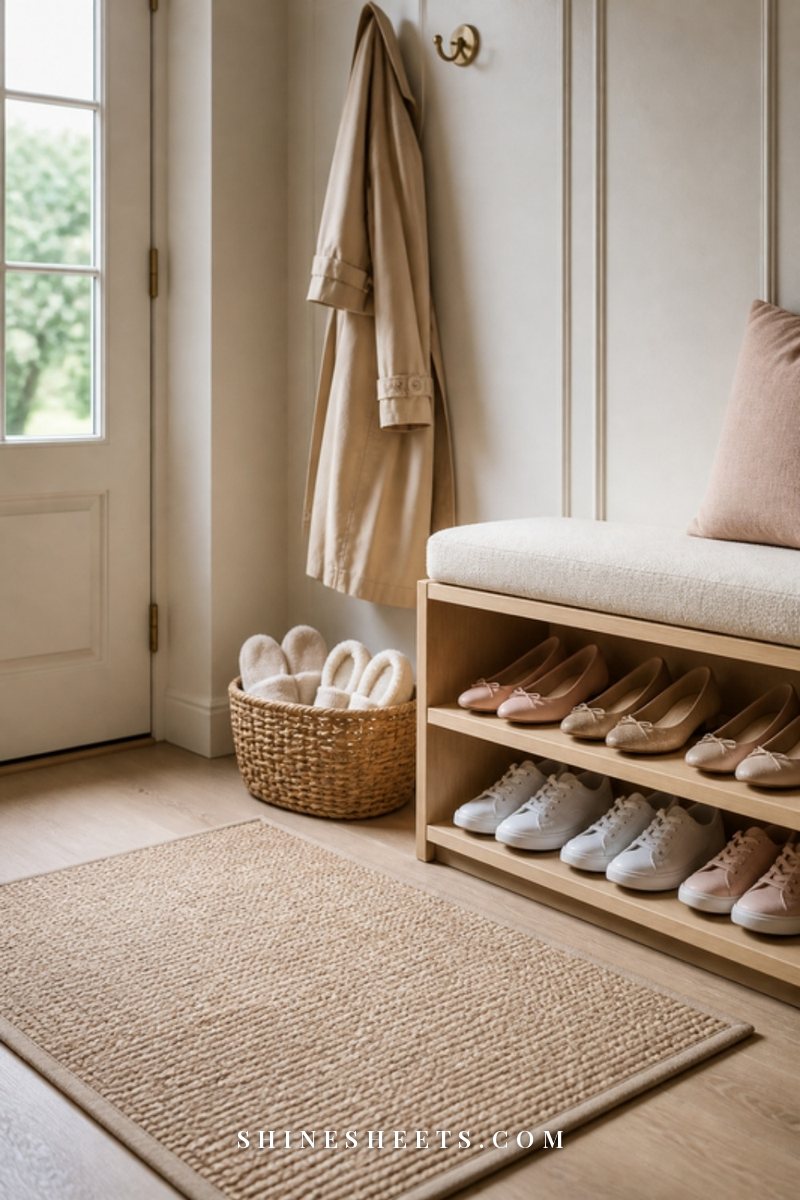
The first week is all about momentum. These spaces are small, mostly unemotional and give you a satisfying "oh, that's so much better" moment in minutes.
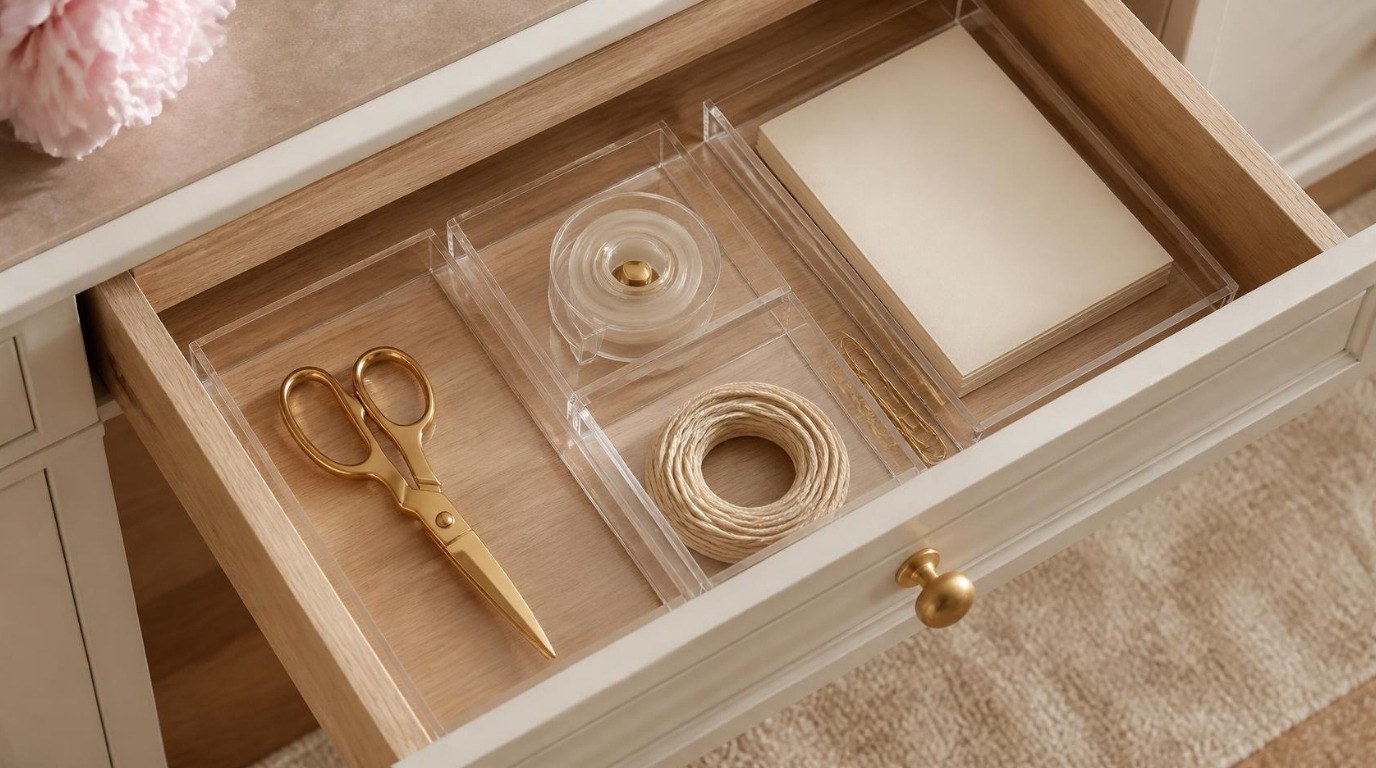
Day 1: Junk drawer (15 minutes). Take everything out, wipe the drawer and put back only what you actually reach for. Dead pens, mystery keys and takeout menus go straight to the trash bag. If you'd like ideas for keeping it sorted afterwards, my junk drawer organization guide picks up right where today ends.
Day 2: Entryway (15 minutes). Shoes you don't wear, bags of bags, old receipts, umbrellas that never open properly. Leave one hook per person and one spot for keys.
Day 3: Handbags and tote bags (15 minutes). Empty each bag onto the bed. Clear out wrappers and loose coins, then keep the bags you actually carry. A bag you've avoided for a year can go in the donate bag.
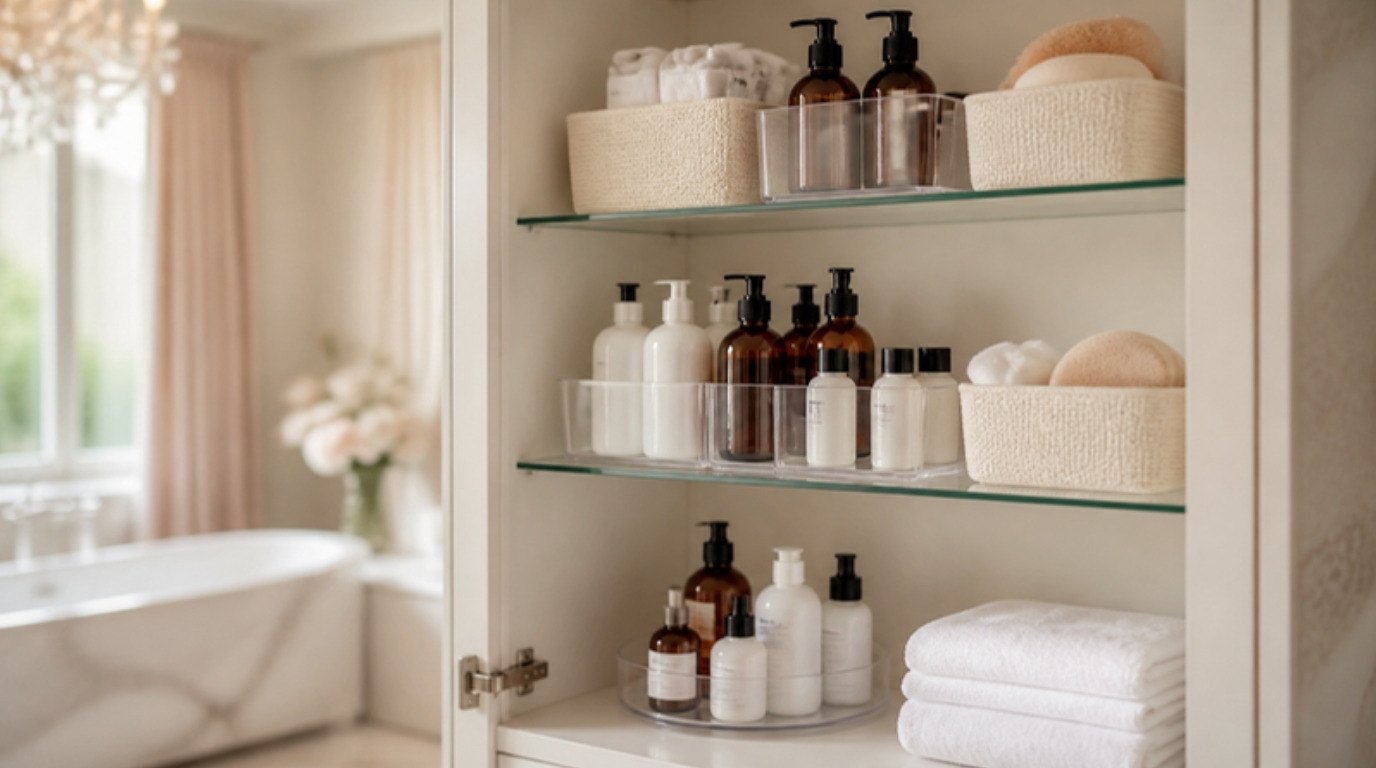
Day 4: Bathroom cabinet (15 minutes). Pull out every bottle. Nearly empty, separated, smelly or long-forgotten products go. Group what's left: hair, body, face, extras.
Day 5: Makeup (20 minutes). Mascara, liquid liners and anything that smells off, changes texture or has been open a very long time should go. Sharpen pencils, wipe palettes and keep only the shades you love.
Day 6: Medicine cabinet (15 minutes). Check expiry dates on everything. Don't flush or bin old medicines; return them through a pharmacy or local take-back program (more on that below). Keep a small first-aid kit and today's essentials.
Day 7: Nightstand (10 minutes). Clear the top down to a lamp, a book and something lovely like a candle. Inside the drawer, keep only bedtime basics.
Week 2: Kitchen and Bathroom (Days 8–14)
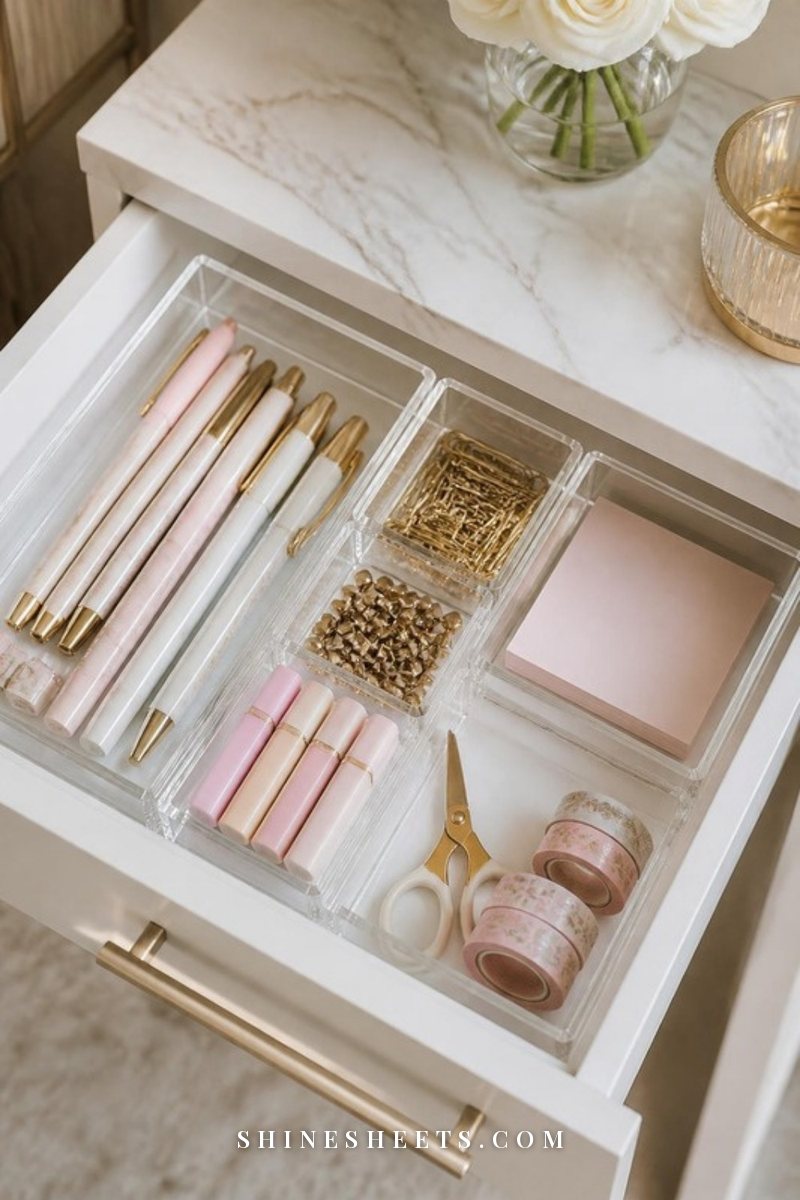
The kitchen and bathroom are full of duplicates and forgotten extras, which makes them perfect for week two. Today's decisions are practical, not emotional.
Day 8: Kitchen utensils drawer (15 minutes). Three spatulas, two can openers and a garlic press you never touch? Keep your favorite of each and donate the doubles.
Day 9: Mugs and glasses (10 minutes). Count how many mugs you actually use in a normal week, add a few for guests and donate the rest, especially chipped ones and freebies you never loved.
Day 10: Food storage containers (15 minutes). Match every container to a lid. Anything without a partner, cracked or stained goes to recycling where accepted.
Day 11: Spice rack (containers only) (10 minutes). Today is only about the containers: consolidate duplicate jars, recycle empty ones and line up what's left so you can see every label at a glance.
Day 12: Under the kitchen sink (15 minutes). Pull everything out, wipe the cabinet base and dry it. Keep one of each cleaner you actually use. Never combine leftover products into one bottle, and never mix bleach with vinegar or ammonia.
Day 13: Cleaning supplies and tools (15 minutes). Old sponges, frayed cloths and dried-out spray bottles can go. Keep a small caddy of the basics you reach for every week.
Day 14: Linen closet (20 minutes). Keep about two sets of sheets per bed and two or three towels per person, plus a few for guests. Thin, scratchy or stained pieces can go to an animal shelter.
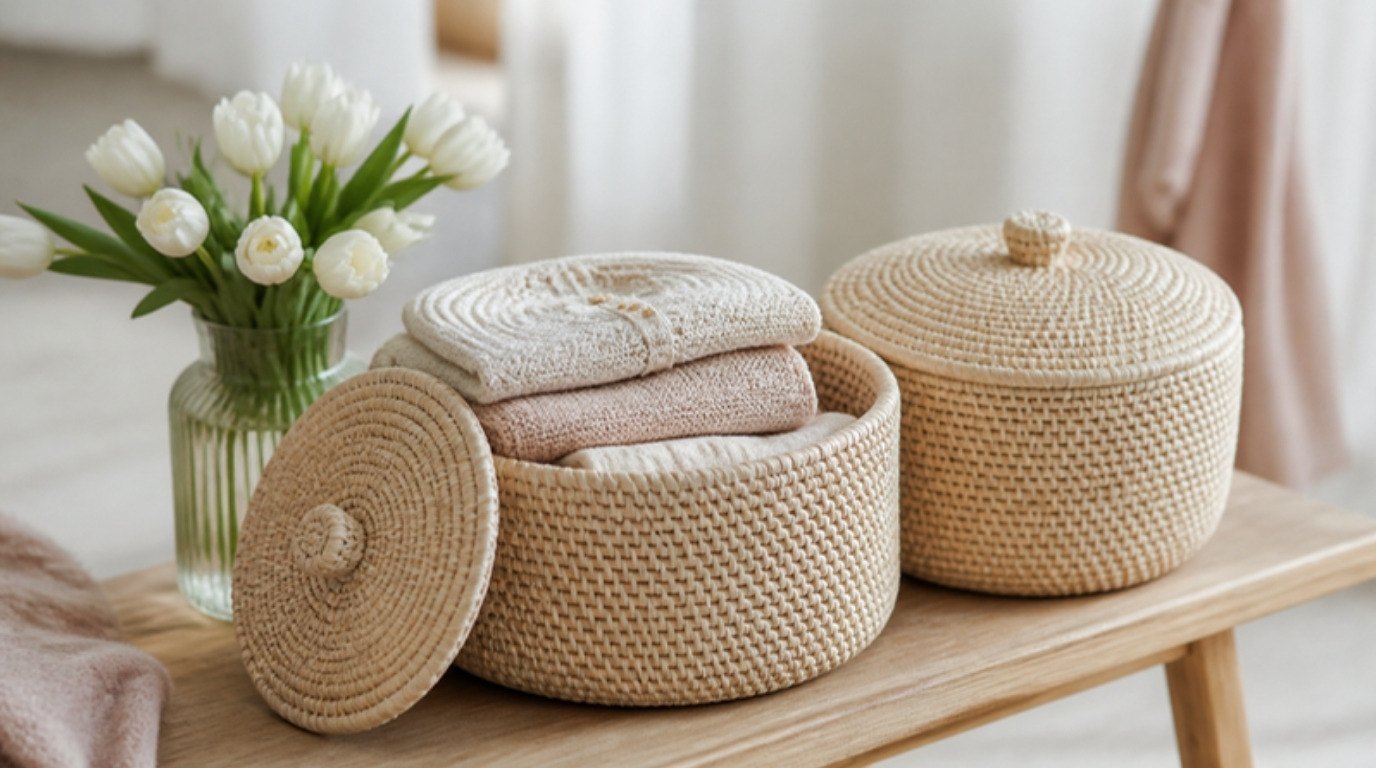
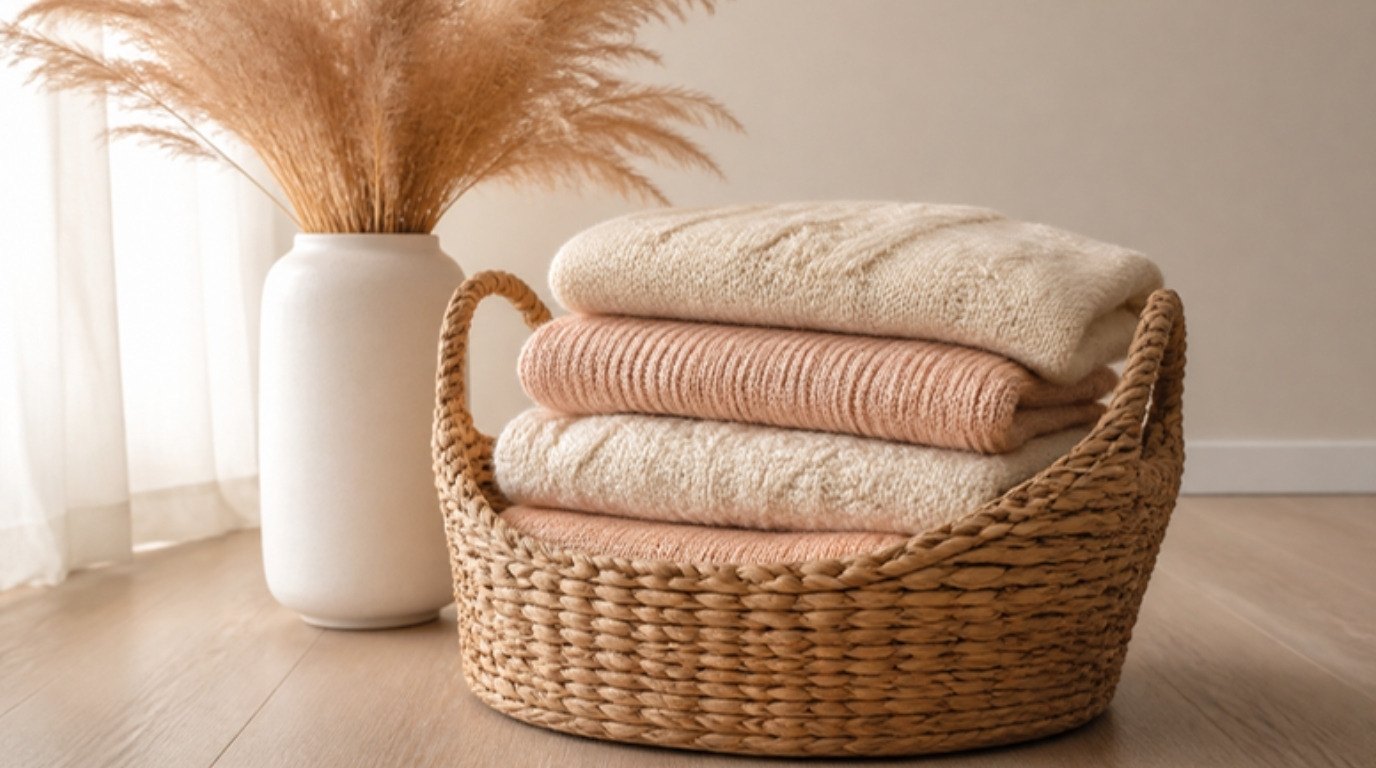
Once the kitchen drawers are clear, this is the moment where simple drawer organizer trays genuinely help – you now know exactly what needs a spot. Linen closets love a few fabric storage baskets in a soft neutral for pillowcases and guest towels.
Week 3: Bedroom and Wardrobe (Days 15–21)
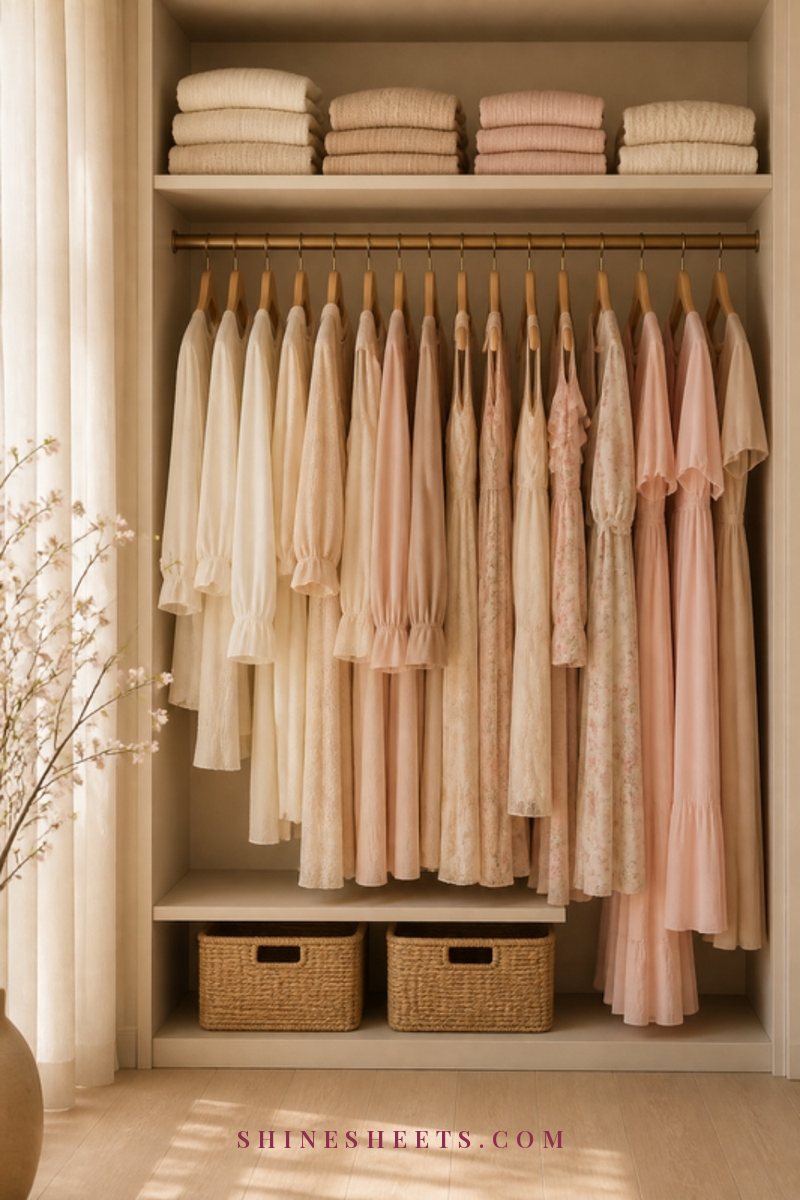
Clothes carry feelings: the dress from a special night, the jeans you hope to fit into again, the expensive mistake. Go gently. Keeping a few sentimental pieces is perfectly fine.
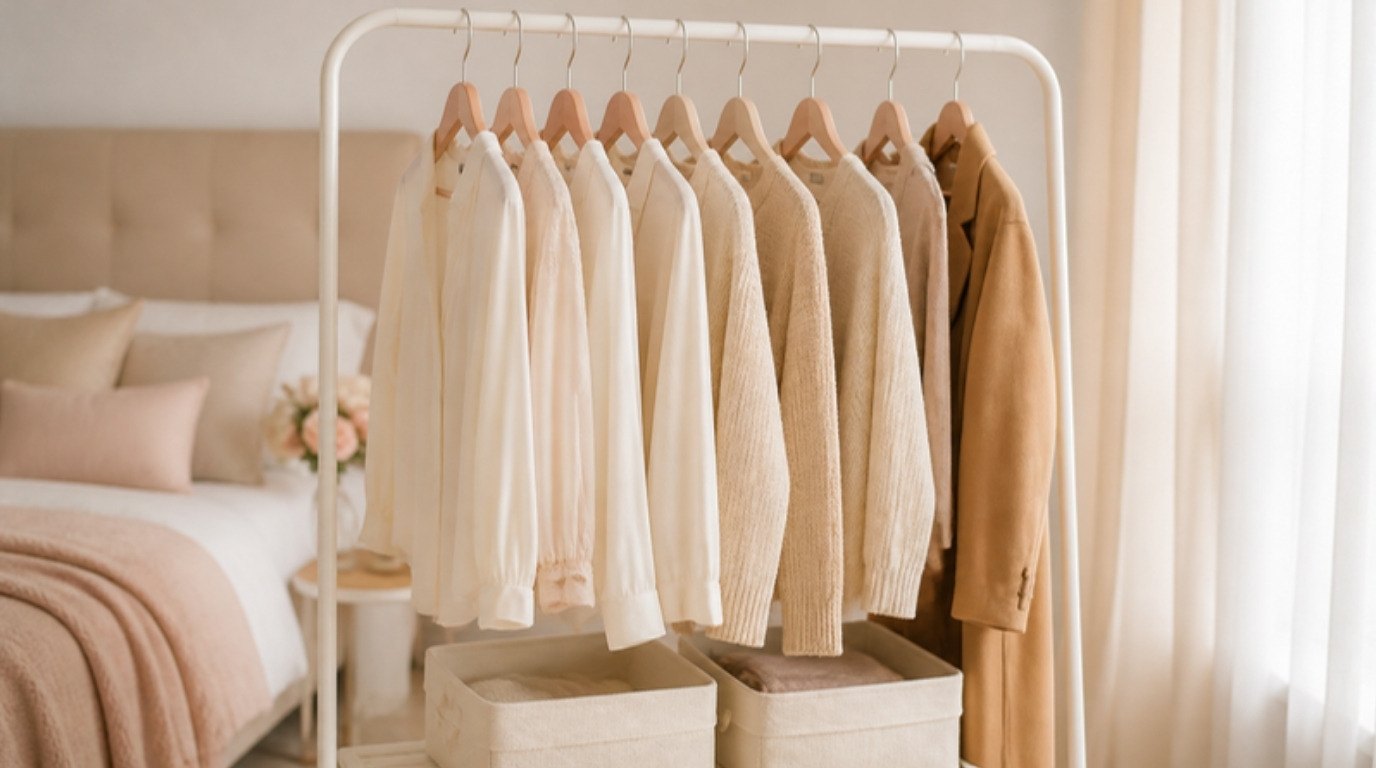
Day 15: Wardrobe: tops (20 minutes). Take out every top. Keep what fits, feels good and you'd wear this week. Turn the hangers of what you keep backwards, so in a few months you'll see what never moved.
Day 16: Wardrobe: bottoms and dresses (20 minutes). Same method. Anything you keep 'for when' gets a quick try-on. If it doesn't fit or feel like you today, let it go.
Day 17: Shoes (15 minutes). Anything that hurts, is worn out or hasn't been worn in a year goes. Keep shoes in pairs and give your favorites easy access.
Day 18: Underwear, socks and pajamas (10 minutes). Stretched, faded or lonely socks and tired pajamas go. It's a tiny drawer that makes mornings so much nicer.
Day 19: Jewelry and accessories (15 minutes). Untangle necklaces, find earring pairs and let go of broken pieces you'll never repair. Keep scarves and belts you actually wear.
Day 20: Coats and scarves (15 minutes). One everyday coat, one smart coat, one rain jacket is often enough. Warm coats you don't wear are a wonderful donation before cold weather.
Day 21: Under the bed (15 minutes). Pull out every box and bag. Decide on each one, vacuum the floor and only put back what has a clear purpose.
If your wardrobe needs more than two days, my guide on how to declutter your wardrobe walks through it category by category.
Week 4: Papers, Books, Digital and Car (Days 22–28)
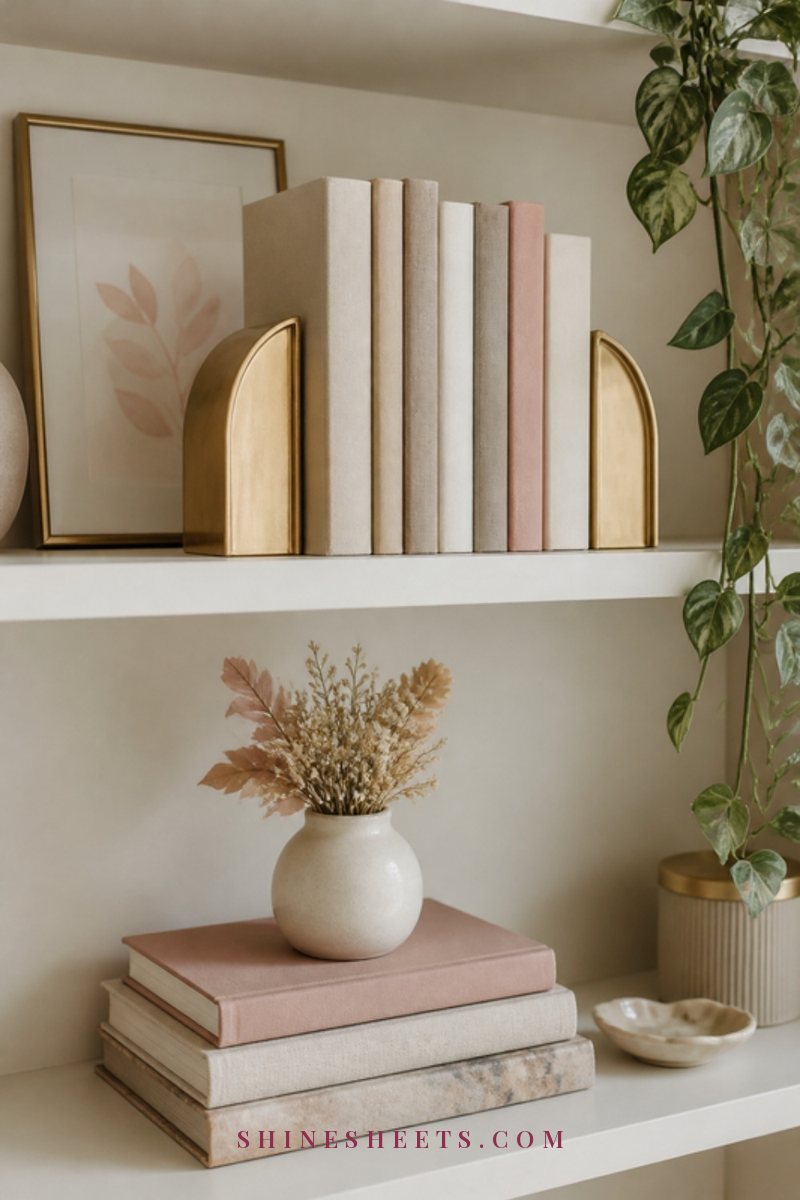
The last full week covers the clutter you don't always see: paper piles, books you feel guilty about, a phone full of screenshots and the car's door pockets.
Day 22: Books (20 minutes). Keep favorites, ones you'd reread and the few you really still plan to read. Donate the rest to a library sale, school or little free library.
Day 23: Papers and mail (20 minutes). Open every envelope, recycle junk mail and shred anything with personal details you don't need. File what must be kept.
Day 24: Desk and stationery (15 minutes). Test every pen, toss dried-out markers and gather sticky notes into one spot. Clear the desktop down to what you use daily.
Day 25: Phone photos and apps (20 minutes). Start with screenshots, duplicates and blurry shots, then delete apps you haven't opened in months. My digital declutter guide goes much deeper if today feels good.
Day 26: Email inbox (15 minutes). Unsubscribe from five newsletters you never read, then archive anything older than a few months. You don't need inbox zero, just a quieter inbox.
Day 27: Car (15 minutes). Take a bag to the car, collect every receipt, bottle and wrapper, then return anything that belongs in the house. Leave a small trash pouch in the door.
Day 28: Living room surfaces (15 minutes). Clear the coffee table, shelves and side tables completely, dust and put back only what you love looking at.
Days 29 and 30: The Maybe Box and Celebration
You made it to the final two days. These are for closing the loop, so all that effort actually leaves your home.
Day 29: The maybe box and drop-off (20 minutes). Open the maybe box you've been filling all month. Anything you didn't miss can go. Then load the car and drop off every donation bag today.
Day 30: Celebrate and set up maintenance (15 minutes). Walk through your home, take after photos next to your before ones and write down the three spaces that changed your days most. Then set up the small habits from the section below.
How To Stay Motivated for 30 Days

Motivation is high on day 1 and suspiciously quiet around day 12. These small tricks help:
- Take before photos. Ten seconds per space. On a slow day, looking back at day 1 is the best encouragement you'll find.
- Make a declutter playlist. Three or four upbeat songs is about fifteen minutes, so when the music stops, you can stop too.
- Pair it with something you already do. Right after morning coffee or right before evening tea. The habit sticks faster when it has a home in your day.
- Make the finish line nice. Light a candle, wipe the surface, put one pretty object back. Ending on beauty makes tomorrow easier.
- Tell a friend. A quick text with your before-and-after photo keeps you accountable in the friendliest way.
If you're struggling to begin at all, my post on how to get motivated to clean and declutter has more gentle ideas for low-energy days.
What If You Miss a Day?
You will miss a day, maybe a few. That's normal, and it's not a reason to quit. Simply pick up with the next day on the list – don't try to do three days at once to catch up. You can save skipped areas for the end of the month or fold them into another day.
If a whole week slips by, start again from where you stopped. The challenge isn't about being perfect for 30 days in a row; it's about 30 small areas feeling lighter, however long that takes.
Where To Donate, Sell or Recycle
Decluttering only feels finished when the bags actually leave. A few good places for what you no longer need:
- Clothes, shoes and bags: local charity shops, shelters, clothing banks or a swap with friends. Wash or wipe items first.
- Towels and bedding: animal shelters often welcome them, even when they're a bit worn.
- Books: libraries, schools, little free libraries or a secondhand bookshop.
- Better pieces: sell through a local resale group or app if you have the energy. If not, donating is perfectly fine.
- Electronics and batteries: take them to an electronics recycling point; never put batteries in household trash.
- Medicines: return them through a pharmacy or community take-back program. The FDA's guide on disposing of unused medicines explains the safe options.
- Makeup and toiletries: check whether a local recycling scheme or store take-back accepts the packaging. Don't donate opened makeup.
Rules vary by town, so check your local recycling guidelines for anything you're unsure about.
Keeping It Decluttered After Day 30
The best part of finishing is that your home stays lighter with very little effort, as long as a few habits come along with you:
- One in, one out. A new sweater comes in, an old one goes. My guide to the one in, one out rule explains how to make it feel easy.
- Keep a donation box by the door. When something no longer fits your life, it goes straight in. When the box is full, it goes in the car.
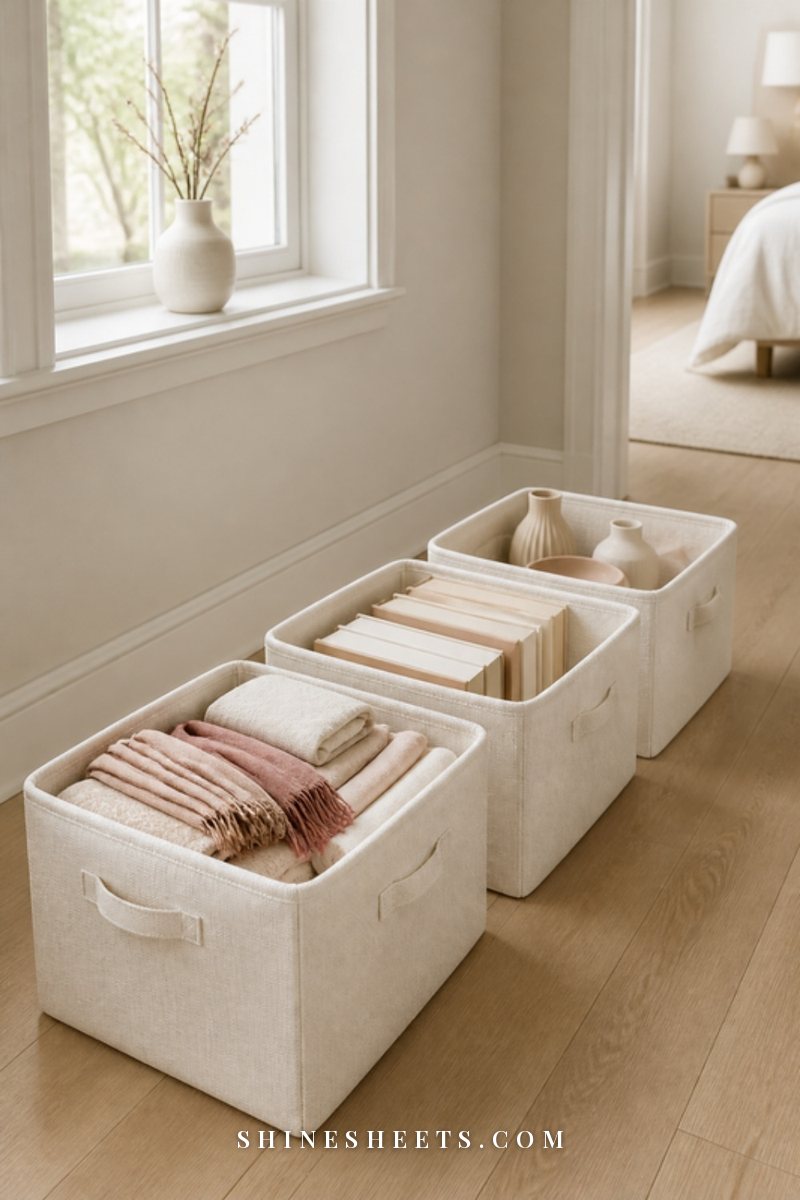
- Give everything a home. Now is the time for a few clear stackable bins and a small label maker so every shelf stays easy to put back.
- Do a mini reset each season. Choose five days from the table and repeat them every few months.
- Pause before buying. Ask yourself where it will live before it comes home.
Final Thoughts
A 30-day declutter challenge isn't about an empty, perfect home. It's about thirty small moments of choosing what deserves your space. Some days you'll clear a drawer in ten minutes, other days you'll stare at a single sweater for a while – both count.
Start with the junk drawer tomorrow. By the end of the month, you'll open cupboards without bracing yourself, find things on the first try and feel a little lighter every time you walk through your door.