A home reset after the holidays works best when it's slow. Not one exhausting Saturday where you pull everything out of every closet, but a few calm weeks of small, finished tasks. The holidays add a whole extra layer to a home – decor, gifts, packaging, guest bedding, leftover wrapping paper – and peeling that layer back gently is what makes January feel light instead of overwhelming.
It also helps to know that the "after" doesn't have to feel bare. When the twinkle lights come down, a lot of rooms suddenly look a little flat. A good reset doesn't just remove things; it gives each room a fresh, calm feeling for the rest of winter.
This guide is a complete January home reset plan: how to put holiday decor away calmly (with a mini storage guide so next December is easy), how to declutter gifts and packaging, a 4-week room-by-room calendar with three tasks per room and realistic time estimates, and small ways to make your home feel fresh once the sparkle is gone.
Take it one week at a time. Your home doesn't need to be perfect by February – just a little lighter.
Why a January Reset Feels So Good
There's a reason so many of us feel the urge to clean and organize right after New Year's. The holidays are wonderful, but they leave behind a lot of visual noise: half-used rolls of tape, shopping bags tucked behind doors, new things without a home, and decor that looked magical in December and slightly tired by January 6.
Clearing that out does a few lovely things at once:
- It gives your eyes a rest. Fewer things on surfaces means a calmer room, especially during short, gray days.
- It makes room for new gifts. Things you were given deserve a real place, not a corner of the floor.
- It makes next December easier. Ten minutes of thoughtful packing now saves an hour of untangling later.
- It gives January a gentle structure. Small, finished tasks feel really good in a month that can drag.
If you already worked through my new year reset checklist in December, think of this as the home chapter that comes right after it.
Before You Start: 4 Ground Rules
- One area at a time. Finish a drawer before you open the next one. Half-done projects in five rooms feel worse than one done room.
- Short sessions win. Most tasks below take 15 to 45 minutes. Set a timer, put on music, stop when it rings.
- Keep three bags by the door. Donate, recycle, trash. Take them out the same week so they don't become new clutter.
- Don't buy organizers first. Declutter, then see what you actually need. Most people need far fewer bins than they think.
Step One: Put the Holiday Decor Away Calmly
There's no "right" day to take decor down. Some people love a clear house on January 1; others keep the lights up until mid-January because the evenings are so dark. Pick a day that suits you, and give it a calm afternoon instead of squeezing it between errands.
Here's a gentle order that keeps things from turning chaotic:
- Clear a staging area. A cleared dining table or a sheet on the living room floor gives you one spot to sort everything.
- Start with the small things. Ornaments, figurines and table decor come down first, while you have the most patience.
- Then textiles. Christmas pillow covers, throws, table runners and stockings go straight into the wash before they're stored.
- Then lights and garlands. Unplug everything first and let bulbs cool before you handle them.
- The tree comes last. Real trees go out to your local tree recycling; artificial trees get fluffed down and packed by section.
- Quickly clean the spaces you uncover. Shelves, mantels and windowsills that held decor for weeks are often dusty – a quick wipe makes the room feel instantly fresh.
A small safety note: a real tree dries out quickly after the holidays, and dry trees catch fire easily. It's worth getting it out of the house soon after the season ends, and to keep it well away from heaters and candles until it goes.
Holiday Decor Storage: A Mini Guide
Packing decor well is a gift to your future self. The goal is simple: when you open the boxes next December, everything should be clean, untangled and easy to find.
Ornaments
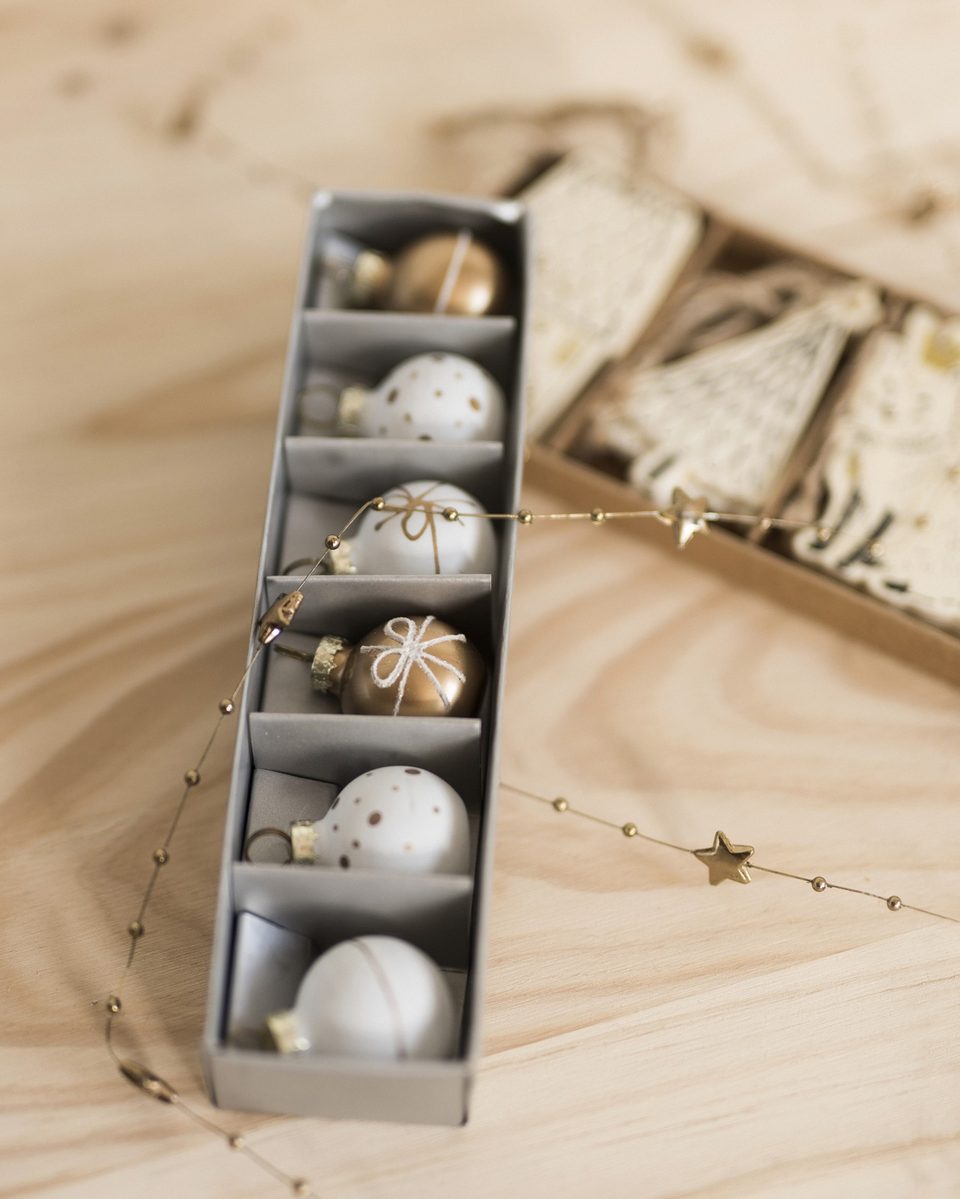
Wrap delicate glass ornaments in tissue paper you saved from gifts, then store them in a dedicated container with dividers. A cream ornament storage box with dividers is a lovely pick for this. Look for adjustable or individual compartments, a sturdy zip or lid and handles on the sides so it's easy to lift down from a high shelf.
String Lights
Wrap each strand around a piece of sturdy cardboard (a cut-up gift box works perfectly) and tuck the plug end into a slit so it can't unravel. Test strands before you pack them and toss any with frayed wires – that's not worth the risk. Write "works" or "spare" on each card.
Wreaths and Garlands
Hang wreaths inside a closet on a hook, or lay them flat in a wide box with tissue on top. Loosely coil garlands rather than folding them, so they keep their shape.
Textiles
Wash, dry completely and fold. Store holiday pillow covers, runners and stockings together in one bag or bin so they don't end up mixed with your everyday linens.
Candles and Scented Things
Leftover seasonal candles can stay out if you love them – there's no rule that cinnamon only works in December. If you do pack them away, store them somewhere cool so they don't soften in an attic or garage.
Your Decor Inventory
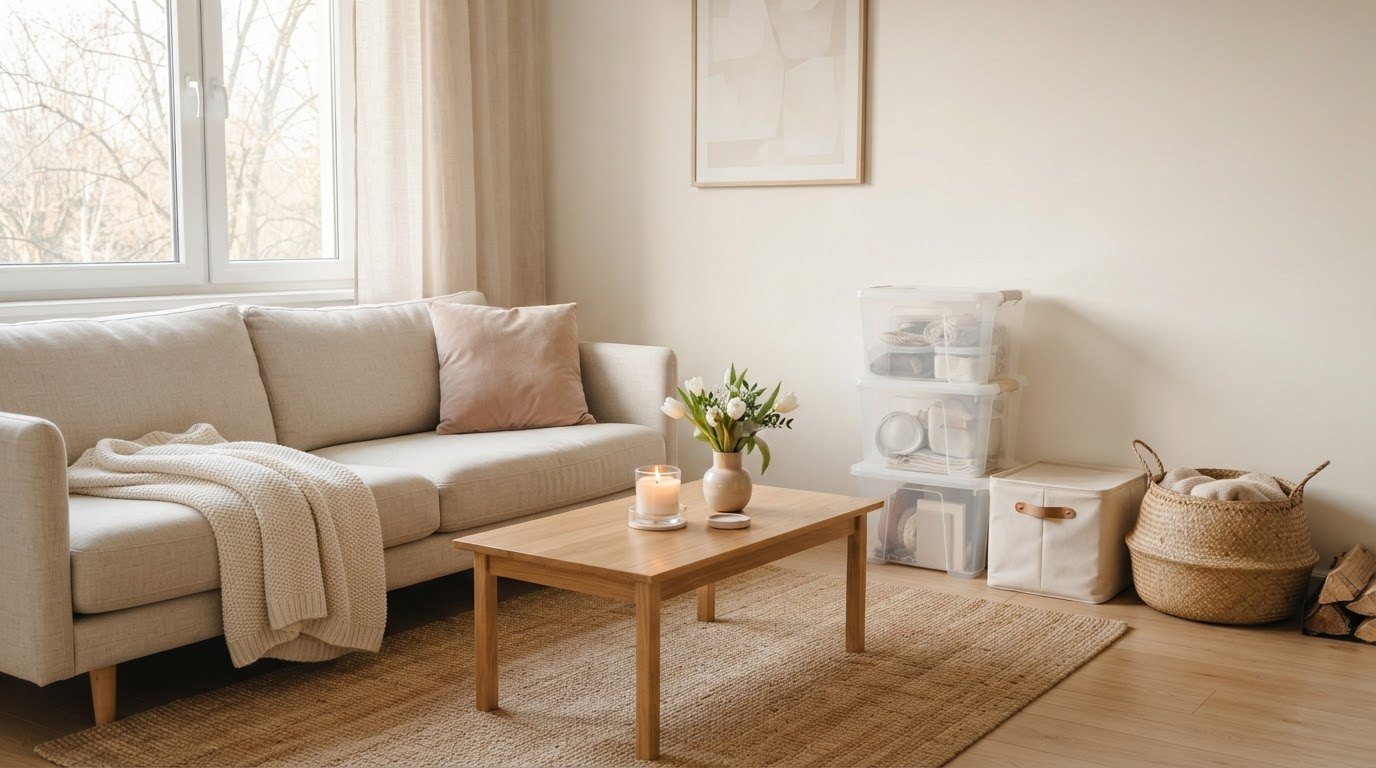
Before closing each box, take a quick photo of what's inside and tape a short list to the lid. Then label the outside clearly. A simple white label maker makes this tidy and readable; I'd choose one with a small built-in keyboard and tape that peels off cleanly. Clear, stackable clear storage bins with lids are the other half of the system – you can see what's inside at a glance, and stacking lids keep dust out. Look for latching lids and a size that fits your actual shelf before you buy.
One more trick: pack a "first night" box with the things you'll want first next December – a favorite garland, the tree topper, a few candles, some hooks and an extension cord. It makes the first decorating evening so much easier.
Step Two: Declutter Gifts and Packaging
Gifts are lovely. Gift aftermath is less lovely. Here's how to sort it without guilt:
- Find a home for every new thing. If something new doesn't have a spot, that's a sign something older might be ready to leave. One in, one out works well here.
- Return or exchange quickly. Most return windows are short after the holidays. Make a small "returns" pile by the door and deal with it in week one.
- Keep only the packaging you need. Hold on to boxes for electronics during the warranty period; flatten and recycle the rest the same week.
- Save a small amount of wrap. Keep one bag of the nicest gift bags, tissue and ribbon. Anything torn or wrinkled goes.
- Let go of gifts that aren't you. A gift's job is done the moment it's given with love. You're allowed to donate something that doesn't fit your life – kindly and without guilt.
- Write thank-you notes before storing anything. It's easier to remember who gave what while everything is still out.
If you're also doing a no-spend January, this step is extra satisfying: you'll often find things you already own and forgot about, which makes "use what you have" feel easy.
The 4-Week Room-by-Room Reset Calendar
This is the heart of the plan. Each week focuses on two or three rooms, with three tasks per room. Times are realistic estimates for an average apartment or small home – adjust them up or down for your space. Screenshot the table and work through it at your own pace.
| Week | Rooms | 3 tasks for each room | Time needed |
|---|---|---|---|
| Week 1 | Entryway | 1) Clear shoes and bags that aren't in daily use. 2) Wipe the floor and door. 3) Set up a hook or tray for keys and mail. | 45 minutes |
| Week 1 | Living room | 1) Remove the last of the decor. 2) Clear and dust every surface. 3) Wash throws and pillow covers. | 1.5 hours |
| Week 2 | Kitchen | 1) Clear out the fridge and pantry leftovers from the holidays. 2) Sort serving dishes and put them away. 3) Wipe cabinet fronts and the backsplash. | 2 hours |
| Week 2 | Dining area | 1) Pack away holiday table linens. 2) Clear the table completely. 3) Add one simple everyday centerpiece. | 30 minutes |
| Week 3 | Bathroom | 1) Toss expired and empty products. 2) Wash the shower curtain and bath mat. 3) Restock and refold towels. | 1 hour |
| Week 3 | Bedroom | 1) Clear the nightstands. 2) Flip or rotate the mattress and wash pillows if they're washable. 3) Switch to fresh winter bedding. | 1.5 hours |
| Week 3 | Closet | 1) Pull out party clothes and decide what stays. 2) Find homes for new clothing gifts. 3) Set aside a donation bag. | 1.5 hours |
| Week 4 | Desk or home office | 1) Sort paper piles and receipts. 2) Clear the desktop. 3) Set up a simple inbox tray for the new year. | 1 hour |
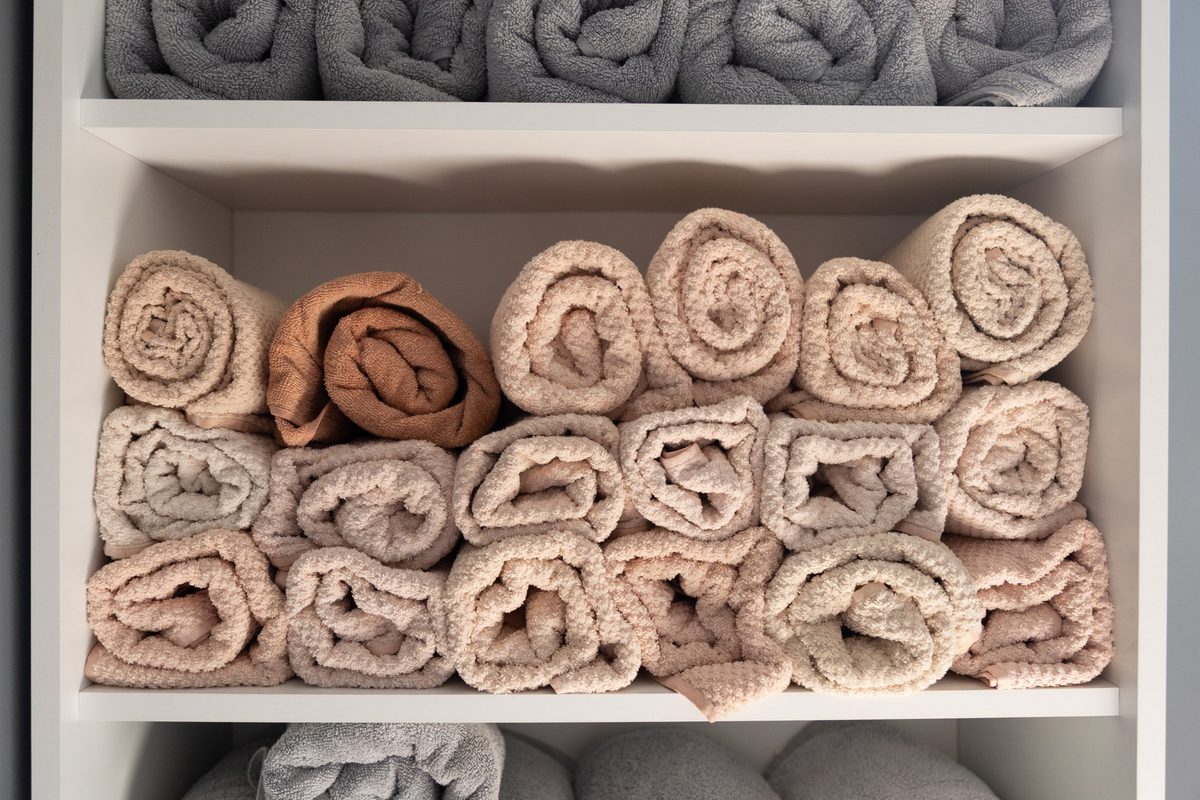
| Week 4 | Laundry and linen storage | 1) Store guest bedding properly. 2) Refold towels and sheets into sets. 3) Wipe shelves and the washer seal. | 1 hour |
| Week 4 | Storage spot (closet, basement, garage) | 1) Put decor boxes in place, labels facing out. 2) Donate anything you didn't use last year. 3) Make a quick list of what's stored where. | 1 hour |
That's roughly 3 to 4 hours a week, which you can split into 20- to 30-minute sessions on weeknights or one longer weekend morning. If a week gets busy, simply move a room to the next week. The calendar is a guide, not a deadline.
Room-by-Room: What To Focus On
The table gives you the tasks. Here's a little more detail on each space, so you know what "done" looks like.
Entryway
The entryway collects holiday chaos faster than any other spot: shopping bags, returns, extra coats from guests. Clear the floor completely, put away everything that isn't used daily, and give keys, mail and sunglasses one landing spot. A small tray or bowl does wonders. Once it's clear, the whole home feels calmer the moment you walk in.
Living Room
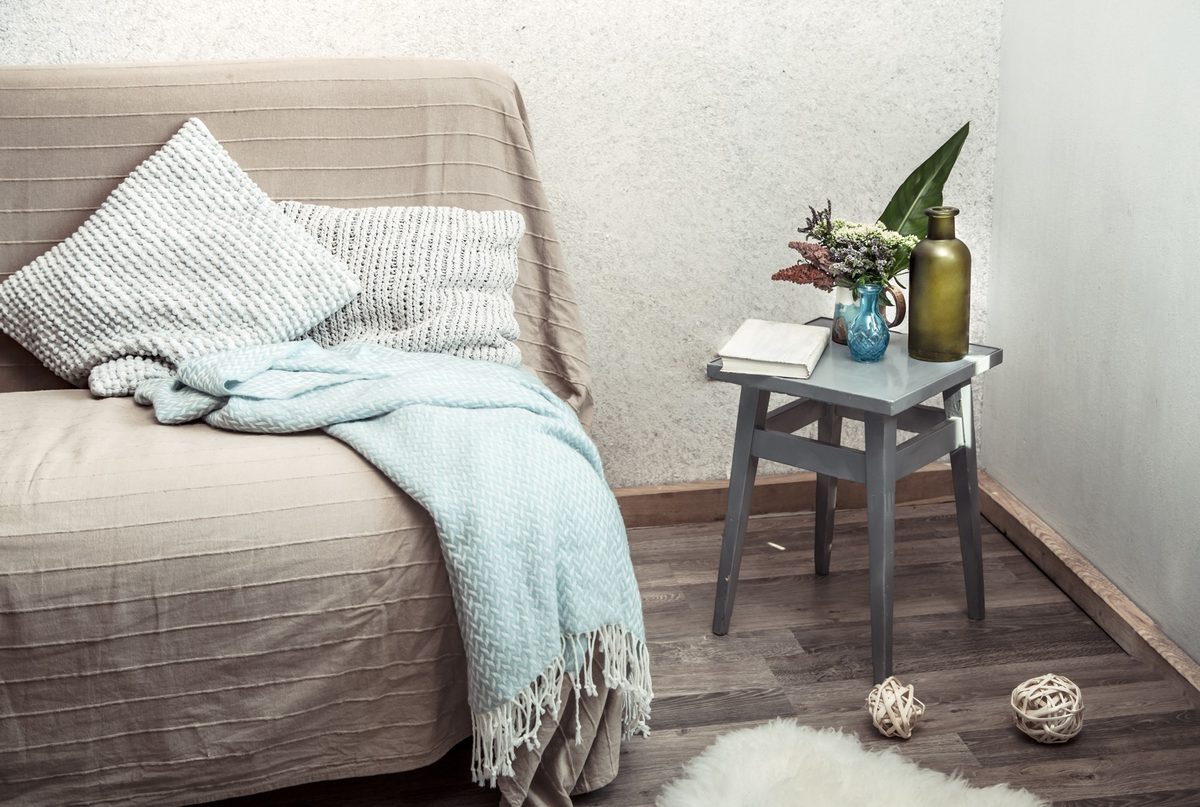
Once the decor is down, dust from top to bottom: shelves, picture frames, lamp shades, then the floor. Wash the throws and pillow covers that worked hard all season. Then pause and look at the room. Does it feel a little empty? That's okay. Let it breathe for a day before you add anything back.
Kitchen
Holiday cooking leaves the kitchen full of extras: half-used baking supplies, leftover sauces, serving platters on the counter. Check dates in the fridge and pantry, group what's left so you'll actually use it, and put special-occasion dishes up high. If your cabinets need a bigger rethink, my kitchen organization ideas are made for small spaces.
Bathroom
Gift sets often end up crowding bathroom shelves. Keep the ones you'll actually use, move the extras into one basket as backups, and toss anything that's empty, expired or smells off. Wash the bath mat and shower curtain, then refold towels so the cabinet looks calm when you open it.
Bedroom
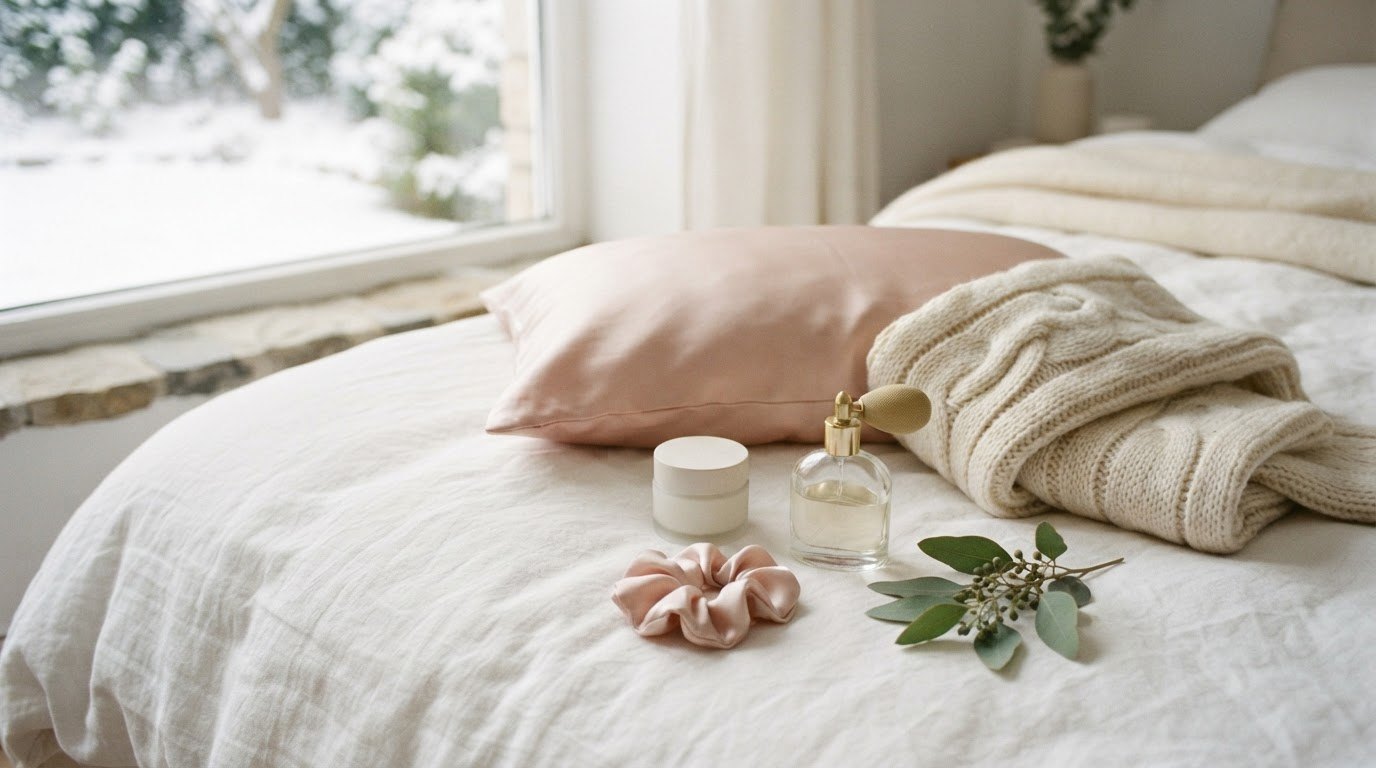
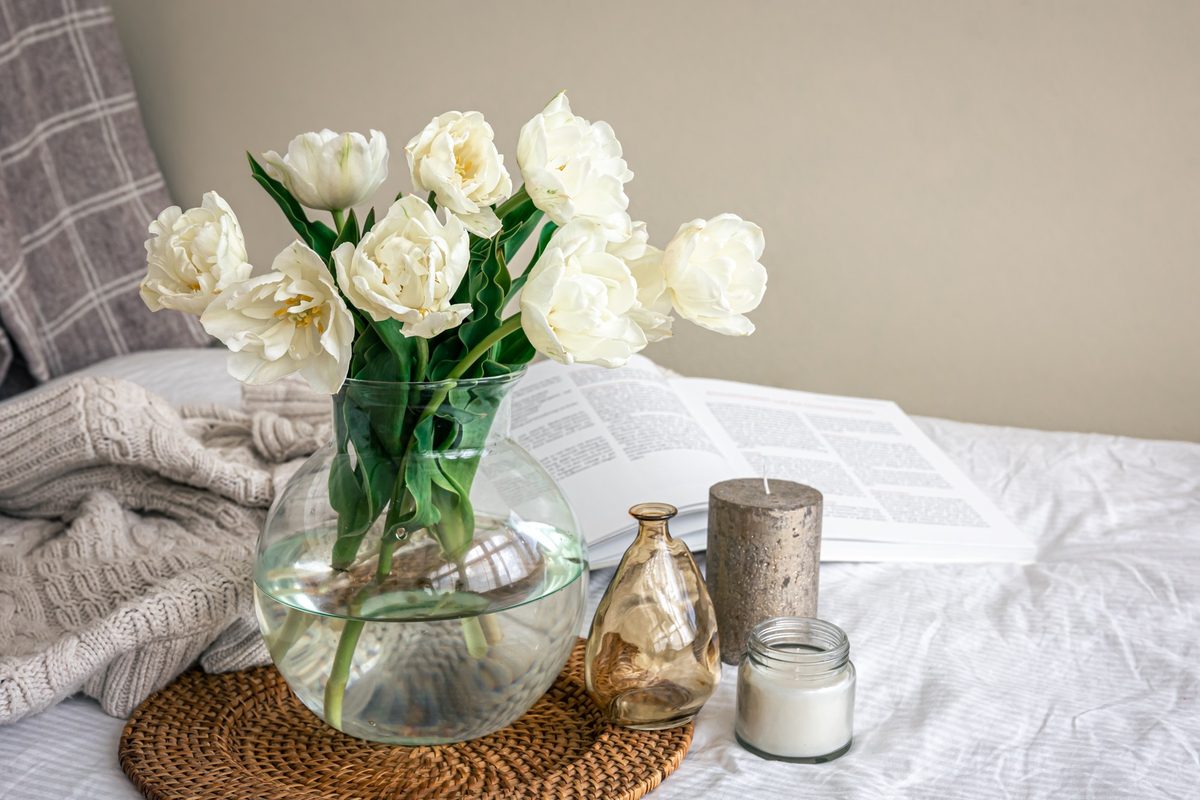
Your bedroom should be the calmest room in the house in January. Clear the nightstands down to a lamp, a book and something lovely – a candle, a small vase. Switch to fresh bedding, and if your pillows are washable, now is a nice time to wash them. A light mist of lavender linen spray on fresh sheets is a small, soft finishing touch. Look for one made for fabrics and spray from about a foot away on a test spot first.
Closet
Party season can leave the closet in a tangle of sequins and borrowed scarves. Pull out anything you wore over the holidays, decide what stays, and find real homes for clothing gifts. Store accessories and off-season pieces in soft white woven closet baskets on the top shelf. I'd choose baskets with handles and a fabric lining so delicate knits don't snag.
Desk or Home Office
Receipts, gift cards, cards from friends and loose notes tend to pile up on desks in December. Sort them into three piles: keep (warranties, important receipts), act on (bills, returns), and let go. Use or note down any gift card balances so they don't get forgotten.
Laundry and Linen Storage
Guest bedding that was used over the holidays needs to be washed and dried completely before it's stored. Fold sheets into sets (tuck the whole set inside one pillowcase) so they're easy to grab next time. Wipe the shelves while they're empty, and give the washer door seal a quick wipe too.
Make Your Home Feel Fresh After the Decor Comes Down
The empty feeling after the holidays is real, and it's one of the main reasons people leave decor up longer than they planned. The trick is to replace sparkle with softness, using things you mostly already have:
- Keep the warm lighting. Plain white string lights can stay up all winter – they're not just for Christmas. Lamps instead of overhead lights help too.
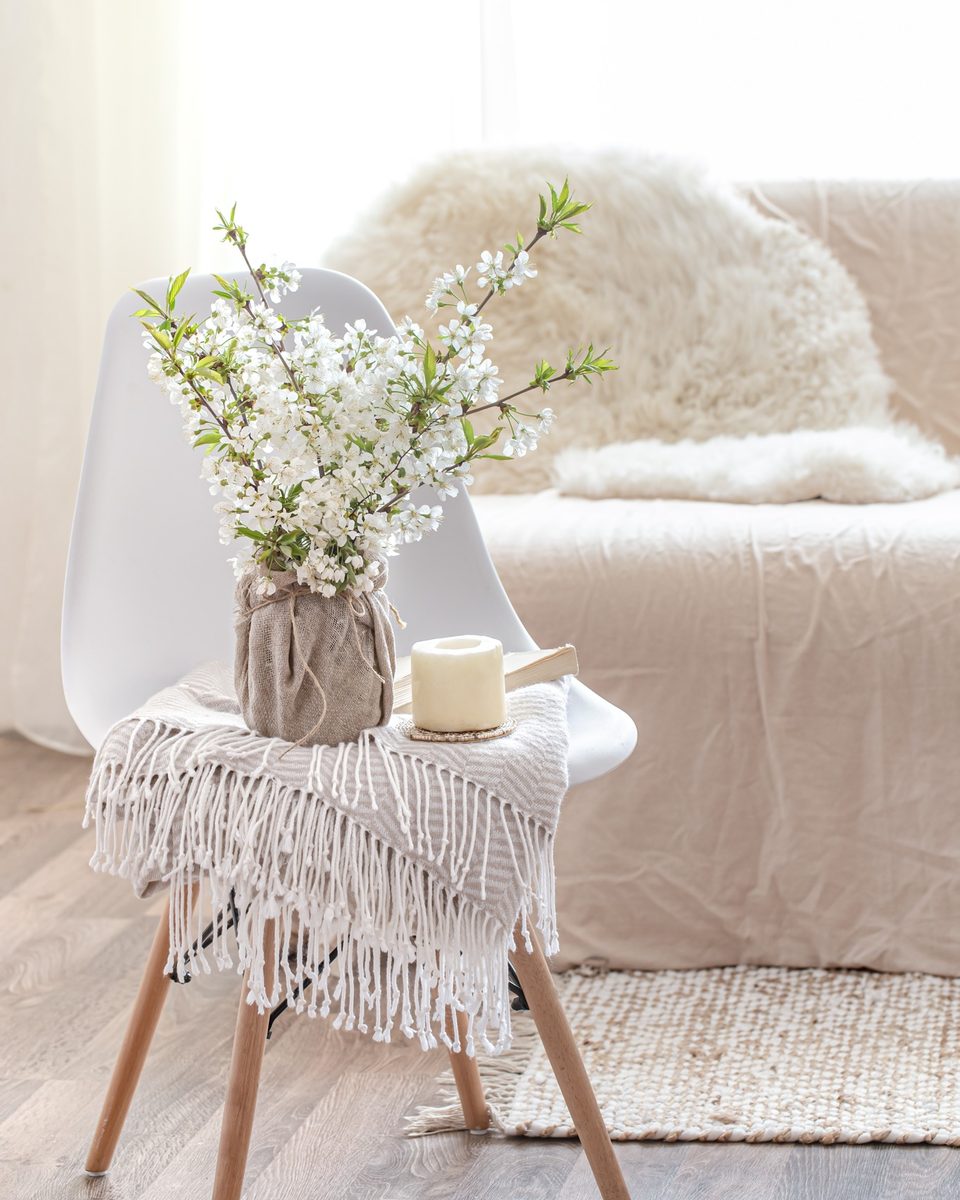
- Bring in something green or white. A few branches in a vase, a potted plant or a bunch of white tulips feels instantly fresh.
- Layer winter textiles. Swap red and green throws for cream, beige and oatmeal knits.
- Light a clean, simple scent. Linen, cotton or soft vanilla feels lighter than the spice-heavy scents of December. My guide on how to style candles has easy ideas for arranging them once the holiday pieces are gone.
- Leave one surface empty. A completely clear coffee table or console gives the whole room a sense of calm.
Keep the Reset Going
A reset is lovely, but the real magic is in keeping it. You don't need a strict routine – just a few small habits:
- A 10-minute evening tidy. Put things back where they live before bed, especially on the surfaces you just cleared.
- A weekly mini-reset. Pick one room per week for a quick 20-minute refresh.
- A monthly drawer. Choose one drawer or shelf a month to sort; it stops clutter from quietly building up again.
- A simple cleaning rhythm. My cleaning schedule breaks down what to clean daily, weekly and monthly, so nothing piles up into another big reset.
If you'd like to clean with gentler products this year, my guide to natural cleaning covers simple swaps – plus the combinations you should never mix, which is worth knowing before you start scrubbing. Please always keep good airflow when you clean, and never combine bleach with ammonia or vinegar.
Final Thoughts
A January home reset isn't about making your home look like a magazine. It's about gently closing the holiday chapter, giving every new thing a place, and making your rooms feel calm and fresh for the rest of winter.
Go one week, one room, one drawer at a time. Pack the decor with care, let go of what doesn't serve you, and enjoy the quiet, lighter home waiting for you at the end of the month. You've earned that fresh start.