The best decluttering method isn't the most popular one. It's the one that matches how your brain works, because a method you actually finish beats a perfect method you abandon on day three with half the closet on the bed.
Some people love a big, dramatic weekend. Others need tiny daily steps that never feel overwhelming. Some people make decisions quickly; others need a gentle rule to lean on. All the famous methods (KonMari, the Minimalism Game, Swedish death cleaning and the rest) are really just different answers to those personality questions.
This guide explains the most popular decluttering methods one by one: how each works, who it's best for and what to watch out for, plus a comparison table, a quick way to pick your method by personality, and how to combine methods so your home actually stays lighter.
You don't need to commit to one forever. Think of this as a menu, and choose what sounds doable this week.
Why the Right Decluttering Method Matters

Decluttering is mostly decision-making. Every item asks a small question: keep, let go, or move somewhere else? A method gives you a framework so you're not inventing the rules from scratch with every single object, which is exactly what makes decluttering feel so tiring.
When a method doesn't fit you, it shows up quickly:
- You start strong and stop halfway, leaving a bigger mess than before.
- You feel guilty or anxious about every decision.
- You declutter, and three months later everything is back.
- You keep putting it off because it feels like too much.
None of those mean you're bad at this. They usually mean the method was too big, too strict or too vague for you. If you'd like a full, house-wide walkthrough to follow alongside any method, my step-by-step guide to decluttering your home covers the order and the logistics.
Decluttering Methods Comparison Table
Here's the at-a-glance version. Screenshot it, then read the details below for the methods that catch your eye.
| Method | Time it takes | Best for | Difficulty |
|---|---|---|---|
| KonMari | Weeks to months, in big sessions | A full reset and people who love a clear system | High |
| Minimalism Game | 30 days, a few minutes to an hour daily | People who like challenges and streaks | Medium, getting harder |
| Swedish death cleaning | Ongoing, gentle and slow | Thoughtful, long-term simplifying | Medium (emotional) |
| Four-box method | One area at a time, 30–90 minutes | Beginners and visual decision-makers | Low |
| 12-12-12 challenge | 15–30 minutes per round | Busy people who need quick wins | Low |
| One in, one out | Ongoing, seconds per purchase | Maintaining an already-decluttered home | Low |
| Room-by-room | A weekend per room, or an hour a day | Visible progress and calm, contained work | Medium |
| 20/20 rule | Seconds per item | "Just in case" keepers | Low |
The 8 Best Decluttering Methods
Here's each method in detail, in the same simple format: how it works, who it's best for and what to watch out for.
1. The KonMari Method
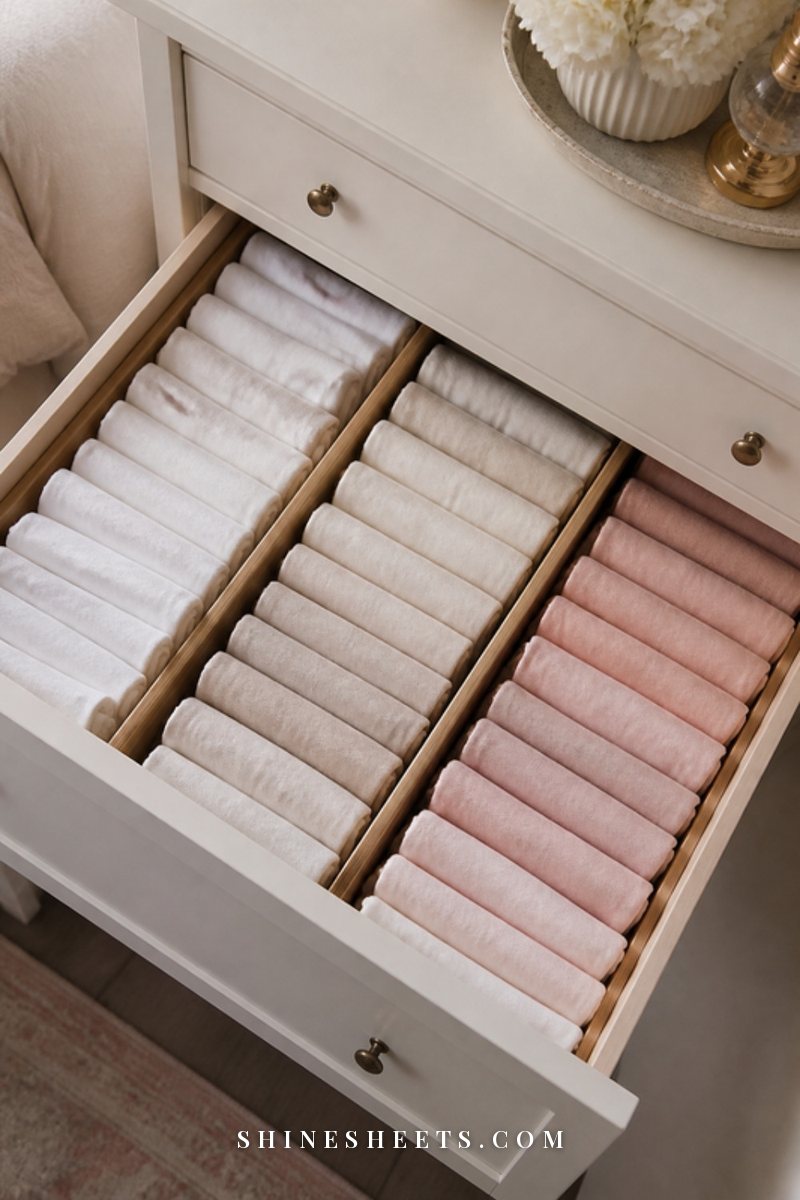
How it works: You declutter by category, not by room, in a set order: clothes, books, papers, miscellaneous items (kitchen, bathroom, decor, everything else), and finally sentimental items. You gather every item in one category from the whole home into one spot, hold each one, and keep only what feels genuinely right to keep, thanking the rest before letting it go. You finish discarding before you organize anything.
Best for: people who want one big, transformative reset and like a clear system with rules. Gathering everything in one pile is eye-opening, since most of us have no idea we own eleven black tops until we see them together.
Watch out for: it's a big commitment. Pulling every piece of clothing onto the bed can be overwhelming if you're short on time or energy, so block out a long session and don't start a category you can't finish that day. The "keep what feels right" question can also be hard for practical items (nobody feels a thrill about a can opener); ask "does this make my life easier?" instead.
Clothing is usually the best place to start. My guide on how to declutter your wardrobe walks you through that first category gently.
2. The Minimalism Game
How it works: for 30 days, you remove a number of items equal to the date: one item on day 1, two on day 2, three on day 3, all the way to thirty on day 30. By the end, you've let go of 465 items. It's often done with a friend or partner, and whoever keeps going longest wins.
Best for: people who are motivated by streaks, challenges and a bit of friendly competition. The first two weeks are so easy they build momentum before it gets harder.
Watch out for: the last ten days ask for 20–30 items a day, which can feel like a lot in a small home. It's fine to adapt it: do the game over two months, or cap the daily count at 15. Also, don't count trash and broken things just to hit the number; the goal is a lighter home, not a score.
3. Swedish Death Cleaning
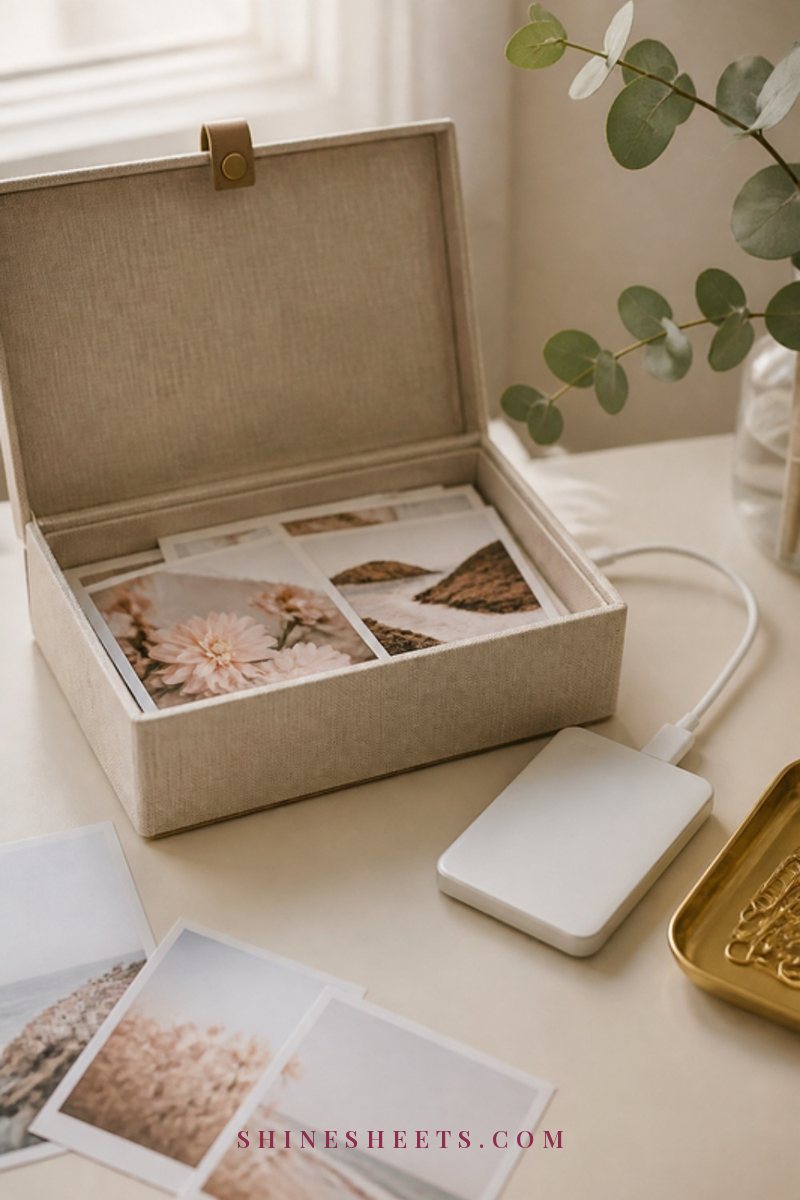
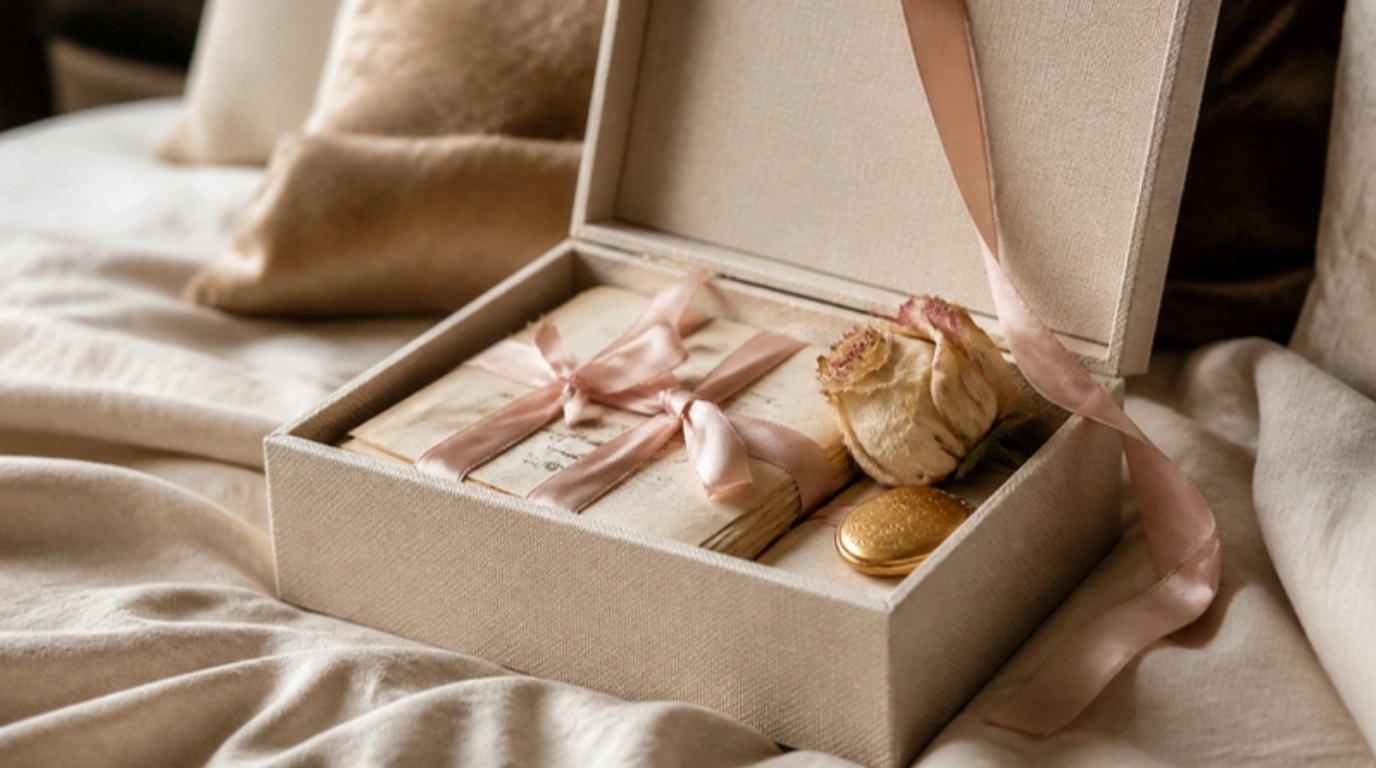
How it works: despite the name, this is a calm, gentle approach. The idea is to slowly simplify your belongings over time so that what you keep is meaningful and manageable, and so loved ones are never left sorting through a lifetime of things. You start with large, less emotional items (furniture, storage areas, clothes you don't wear), work slowly toward smaller and more personal things, and leave photos and letters for last. Some people keep a small box of private keepsakes that are just for them.
Best for: anyone who wants a thoughtful, long-term way of living with less, and people who find big, fast decluttering too stressful. It's not only for later in life; the mindset works at any age.
Watch out for: sentimental items can bring up emotions, so go slowly and take breaks. My guide on how to declutter sentimental items has kind ways to make those decisions without guilt.
4. The Four-Box Method
How it works: you label four boxes or baskets (in your head or with a sticky note) as Keep, Donate or Sell, Trash and Relocate (items that belong in another room). Then you work through one area, a drawer, a shelf, a closet, and every single item goes into one of the four boxes. No "maybe" pile allowed. When you're done, you deal with each box right away: relocate, bag the trash, and put donations in your car.
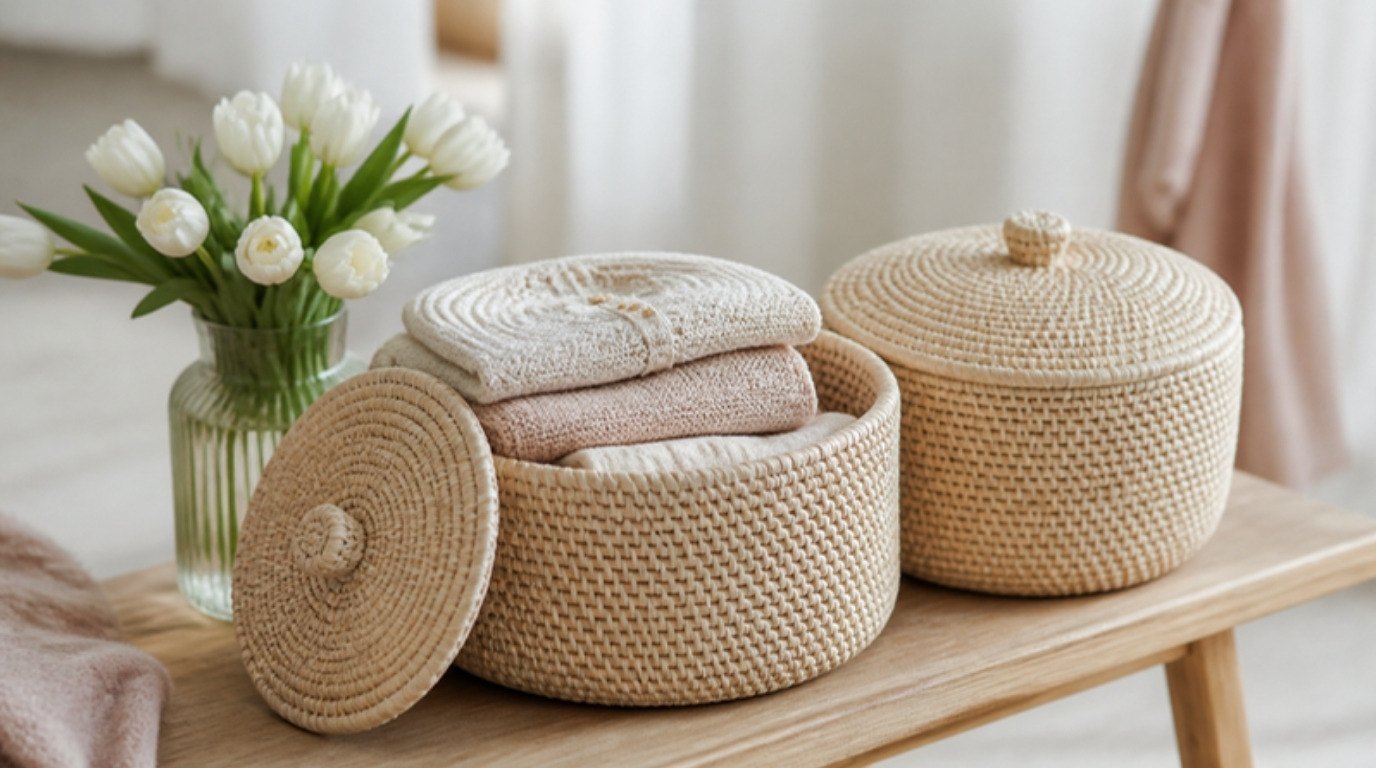
Best for: beginners and visual thinkers. Having a physical place for every decision makes the process feel very clear and fast. A set of woven baskets with lids makes it feel calmer than cardboard boxes, and they're useful for storage afterward.
Watch out for: the Relocate box can turn into a new clutter pile if you don't empty it at the end of every session. Set a timer for ten minutes at the end to walk it around the house.
5. The 12-12-12 Challenge
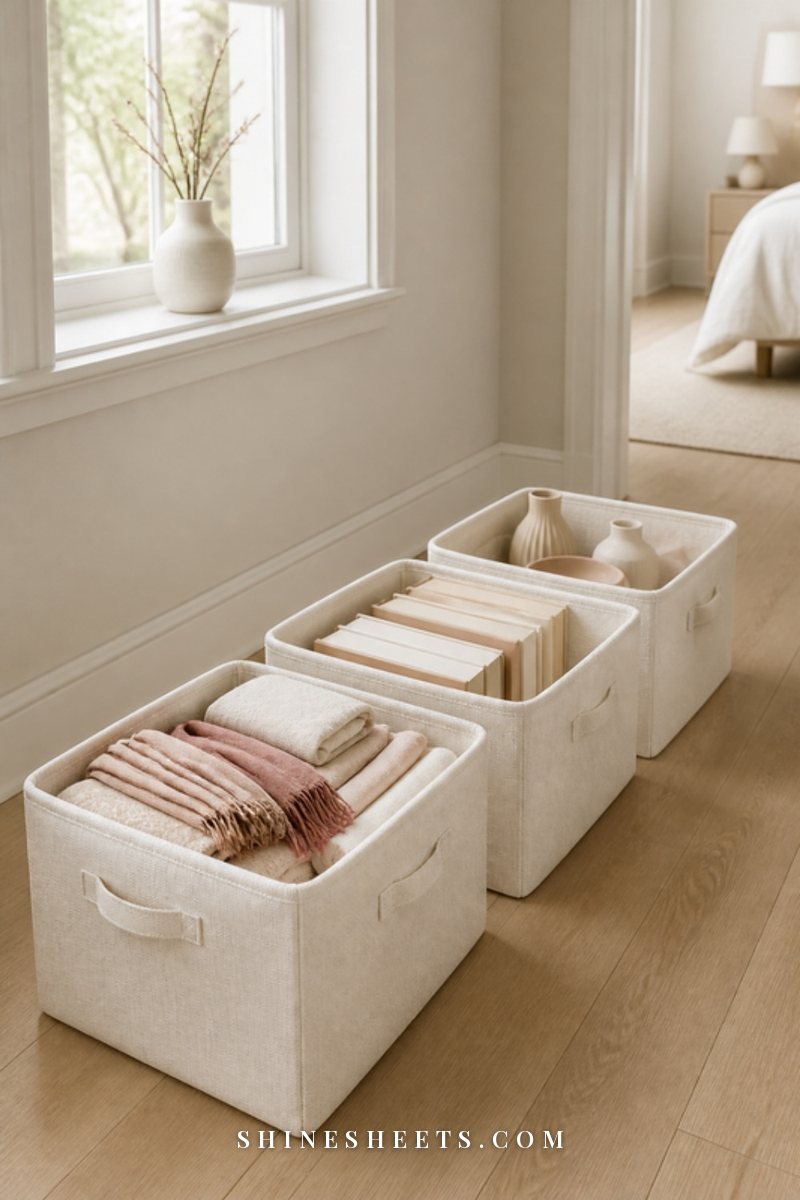
How it works: find 12 items to throw away, 12 items to donate, and 12 items to return to their proper home. That's it, 36 items per round. Most people can do one round in 15–30 minutes.
Best for: busy people who want quick, satisfying wins. It's a lovely Sunday reset or a way to start a weekend morning, and it gets you moving through the whole house rather than getting stuck in one spot.
Watch out for: it's great for maintenance and momentum but won't transform a very cluttered home on its own. Do a round once or twice a week alongside a bigger method if your goal is a full reset.
6. One In, One Out
How it works: every time something new comes into your home, something similar leaves. New sweater in, old sweater out. New mug in, one chipped mug out. Some people use a stricter version, "one in, two out," while they're still reducing.
Best for: keeping an already-decluttered home from filling up again. It also makes you pause before buying, which is a nice side effect for your budget.
Watch out for: it only works if you do the "out" part right away. Keep a small donation bag in a closet so the outgoing item has somewhere to go immediately, instead of sitting on a chair for three weeks.
7. Room-by-Room Decluttering
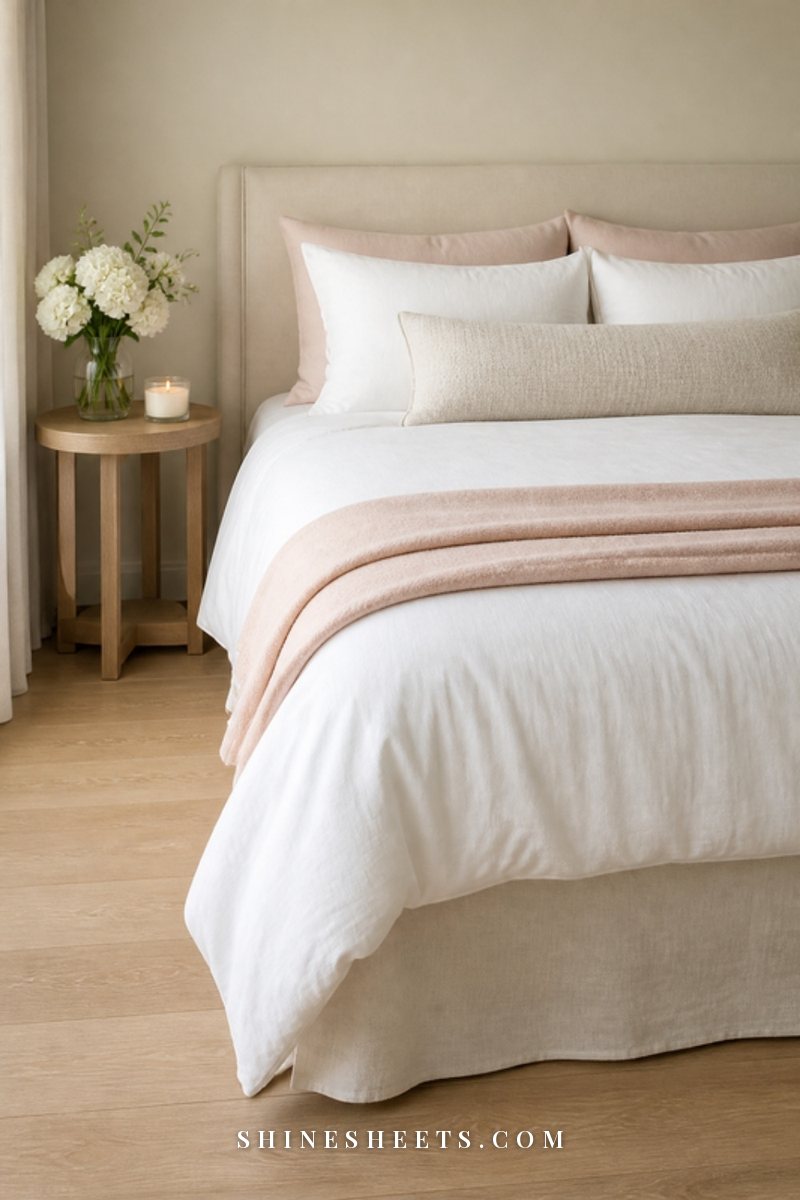
How it works: you pick one room and declutter it completely, from the top shelves to under the bed, before moving to the next. Start with a room you use every day but that isn't too emotional, like the bathroom or entryway, and save the garage, attic and storage spaces for later.
Best for: people who need to see progress. Finishing a whole room gives you a calm, finished space to enjoy right away, which is hugely motivating. It's also easier to fit into a schedule: one weekend, one room.
Watch out for: the same type of item often lives in several rooms (books, cables, candles, cleaning supplies), so you may declutter books in the bedroom and then find more in the living room. That's fine; just notice the pattern and do a quick category sweep at the end.
8. The 20/20 Rule
How it works: for "just in case" items, ask: could I replace this for under $20 in under 20 minutes if I ever truly needed it? If yes, it's usually safe to let it go. Spare cables, extra containers, duplicate kitchen tools, half-used craft supplies and random hardware are prime candidates.
Best for: people who hold on to things "just in case." It's a gentle permission slip that takes the fear out of letting go of inexpensive, easy-to-replace items.
Watch out for: it's a rule of thumb, not a law. Adjust the numbers to your budget and where you live, and don't apply it to things that are truly hard to replace, like documents, medication, or items with sentimental value.
How To Pick a Method for Your Personality

Read through these quickly and notice which one sounds most like you:
- "I want it done, and I want it done properly." Try KonMari or room-by-room on a free weekend.
- "I get overwhelmed easily." Start with the 12-12-12 challenge or the four-box method on a single drawer. Small and finished beats big and abandoned.
- "I love a challenge and a streak." The Minimalism Game, ideally with a friend.
- "I struggle to let go of things that might be useful." The 20/20 rule is your best friend.
- "I'm sentimental and decisions feel emotional." Swedish death cleaning's slow, gentle pace, starting with the least emotional items.
- "My home is fine, it just keeps filling up." One in, one out.
- "I have very little time." One round of 12-12-12 every weekend, plus one in, one out.
If you're anxious about the whole process, give yourself a time limit (30 minutes is plenty) and stop when the timer ends, even if you're on a roll. Ending on a good note makes it much easier to start again.
How To Combine Decluttering Methods
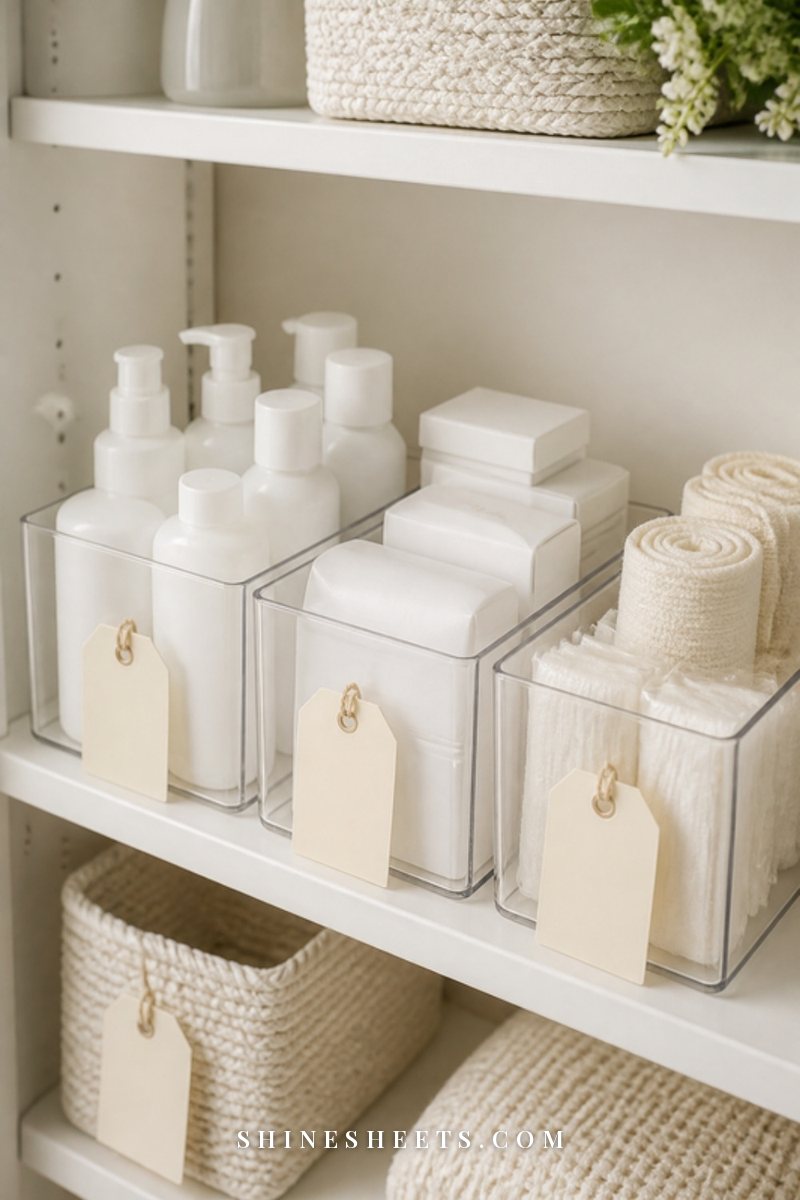
Most people end up using two or three methods together, and that's often the most realistic approach. A few combinations that work beautifully:
- Room-by-room + four-box: work through one room using the four boxes, so every decision has a home.
- KonMari for clothes + 12-12-12 for the rest: one big, transformative category session, then quick weekly rounds to keep momentum.
- Minimalism Game + 20/20 rule: use the rule to fill your daily number with easy "just in case" items.
- Swedish death cleaning + one in, one out: slow, gentle simplifying, with a simple rule to keep new things from piling up.
- Any method + one in, one out: whatever you use to declutter, this keeps it from coming back.
Once you've decided what stays, give it a clear home. Clear storage bins are great for closets and pantries where you want to see what's inside, while cream lidded storage boxes look calm on open shelves. For bulky seasonal items like duvets and winter knits, vacuum storage bags free up a surprising amount of space. And for small things that tend to wander, a cream drawer organizer set keeps everything in its place.
Don't forget the clutter you can't see. Once your physical space feels lighter, a digital declutter of your phone, inbox and photos can bring the same sense of calm to your screens.
What To Do With Everything You Let Go
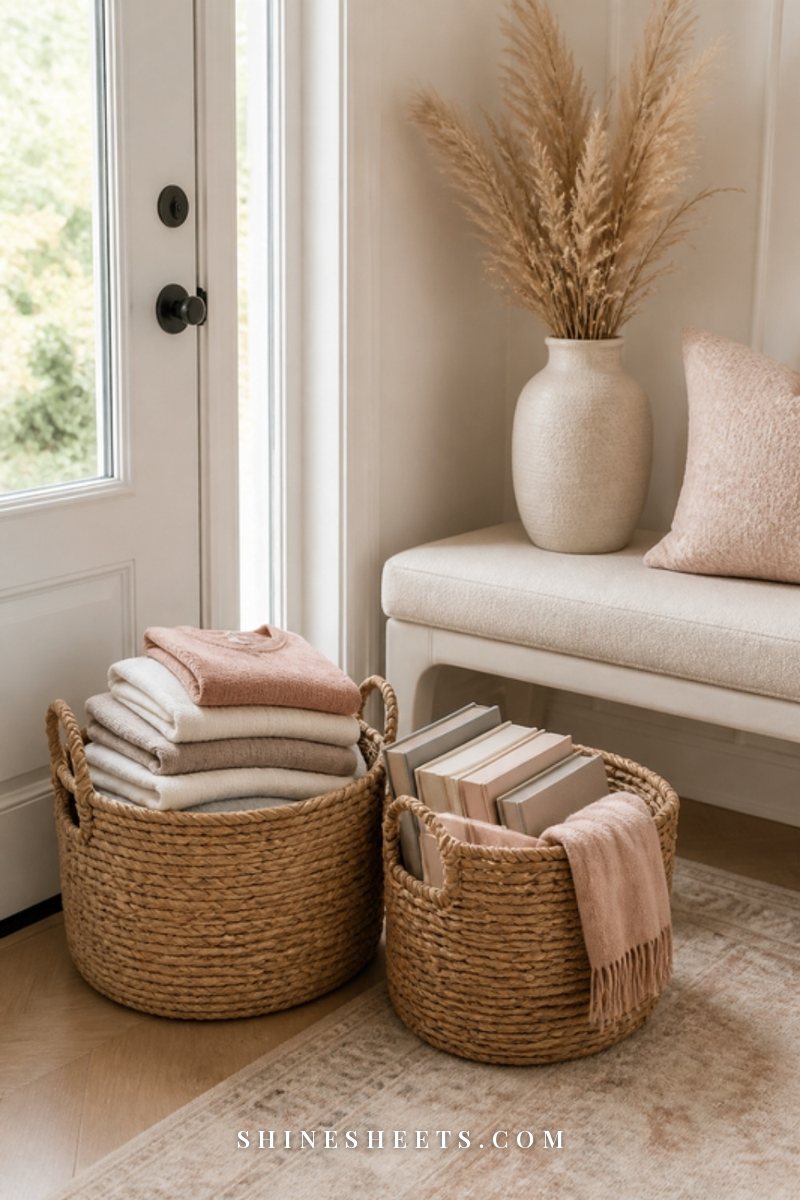
Decluttering isn't finished until the items actually leave your home. A few tips to close the loop:
- Donate clean, usable clothes, books, kitchenware and decor to local charity shops, shelters or community groups. Check what they accept first.
- Sell only higher-value items, and give yourself a deadline (two weeks is plenty). If it hasn't sold by then, donate it.
- Gift things to friends or family who have actually said they'd like them, not as a way to pass your clutter along.
- Recycle paper, electronics and textiles through proper programs where available.
- Dispose of hazardous items safely, like old medication, batteries, paint and cleaning products, through local take-back or collection programs rather than the trash.
- Move the donation bags to your car the same day. A bag by the door has a way of becoming part of the furniture.
Keeping Clutter From Coming Back
A decluttered home stays that way through small, ongoing habits, not another big purge. These are the ones that make the biggest difference:
- Give everything a home. Clutter is often just items without a designated place.
- Do a nightly 10-minute reset to put things back where they belong.
- Keep a donation bag in a closet at all times and drop it off when it's full.
- Pause before buying. Wait 48 hours for non-essentials and ask where the new item will live.
- Do a seasonal mini-declutter of one category every few months: clothes when the seasons change, papers in the new year, the bathroom in spring.
- Be kind to yourself. Life gets busy and things pile up. That's normal, not failure. One 12-12-12 round usually gets you back on track.
Common Decluttering Mistakes
Whichever method you choose, these habits tend to slow people down:
- Buying storage before decluttering. Pretty bins are tempting, but you won't know what you need until you know what's staying.
- Starting with sentimental items. Photos and letters are the hardest decisions. Build your decision muscle on easy categories first.
- Decluttering other people's things. Focus on your own belongings, and invite (not pressure) the people you live with to join in.
- Pulling everything out with no time to finish. Only empty what you can sort and put back in the time you have.
- Creating a giant "maybe" pile. If you truly can't decide, put the items in a box, write the date on a sticky note, and revisit in three months. Whatever you didn't miss can go.
- Expecting perfection. A lighter home is the goal, not an empty one.
Final Thoughts
There's no single right way to declutter, only the way that fits you right now. Whether you choose a weekend KonMari marathon, a gentle Swedish death cleaning pace or twelve items on a Sunday morning, every item you let go of gives you a little more space, time and calm.
Start small, finish what you start, and let your home slowly become a place that holds only what you love and use. That's a beautiful thing to build, one drawer at a time.