A closet is one of the most underrated spaces in a small home. It already has walls on three sides, it already hides behind doors, and it's often deeper than you'd think. With a desk, good light and a little planning, that rail of coats you never wear can become a real workspace you can close at the end of the day.
This guide is all about practical cloffice ideas: how to turn a closet into a tiny home office that is actually comfortable to work in. You'll find which closets work best, a table matching each closet type to a desk and storage idea, an 8-step plan from measuring to styling, plus the ergonomics, power, light and air details that make the difference between a cute photo and a spot you can sit in for hours. Everything is renter-friendly unless I say otherwise.
I'm a big fan of being able to shut work away. A door you can close is a surprisingly powerful boundary.
What Is a Cloffice?
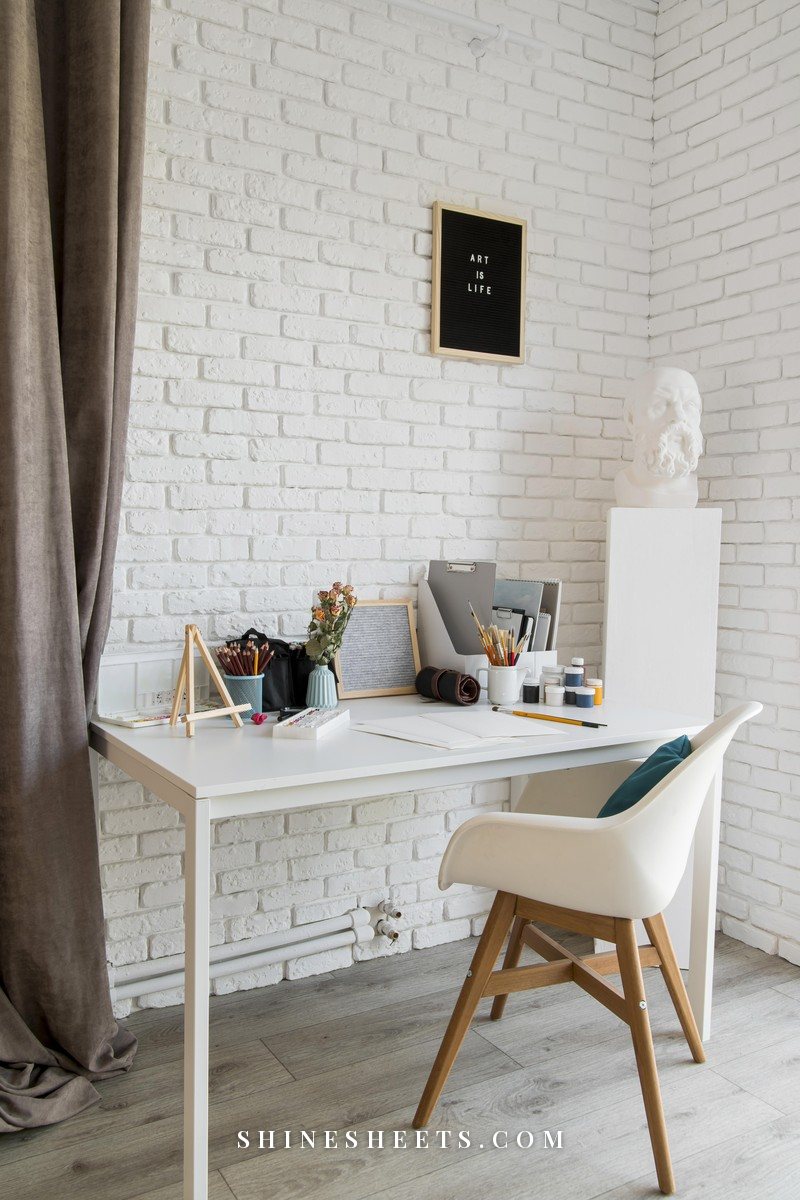
A cloffice is simply a closet turned into an office. Instead of hanging clothes, the space holds a desk, a chair that tucks in, lighting and storage. When you're done, you close the doors and your bedroom or living room goes back to being a place to rest.
It works especially well if you live in a studio, share your home, or don't have a spare room for a full desk setup. If your whole home is one open space, my studio apartment ideas show how to zone a single room so work, sleep and living each get their own corner, and a cloffice can be the work zone.
A cloffice is a bit different from simply styling a desk. Here, you're converting the closet itself: taking measurements, dealing with the rail and shelves, bringing in power and light and making sure the air doesn't get stuffy. Once the bones are right, decorating is the easy part. If you want pretty desk styling inspiration for afterward, my home office ideas for a calm desk setup have plenty.
Which Closets Work Best for a Cloffice
Almost any closet can work, but some need more creativity than others. Here are the three most common types.
Reach-In Closets
The classic bedroom closet with sliding or bi-fold doors is the easiest to convert. Most are about 60 centimeters (24 inches) deep, which is enough for a desk and a laptop, and anything from about 120 centimeters (4 feet) wide gives you room for a desk plus some storage on either side. Bi-fold or swing doors that open fully are the most practical, since you'll sit right in the doorway.
If you have sliding doors, you'll only ever be able to open half at a time. In a rental, you can often lift them off their tracks and store them safely (ask your landlord first), then hang a curtain on a tension rod to close the space off instead.
Wardrobes and Armoires
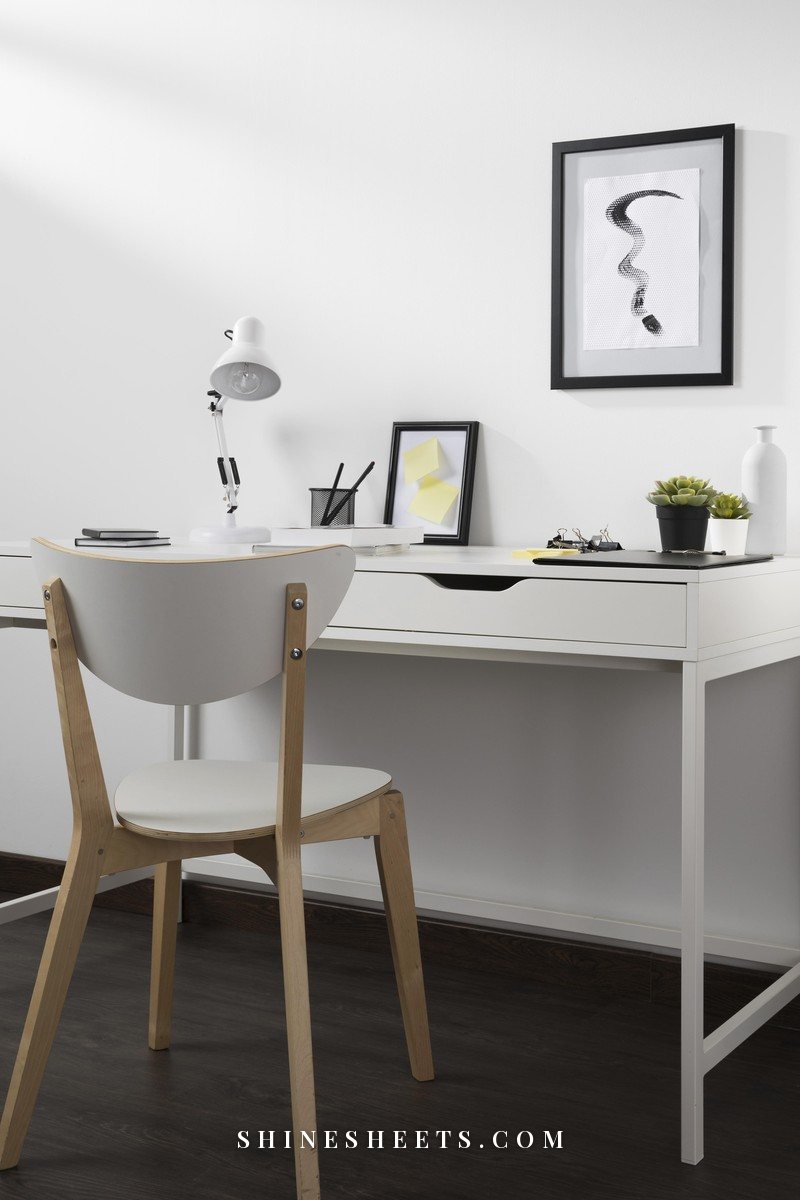
A freestanding wardrobe or armoire can become a "cloffice in a cabinet". It's a brilliant renter option because you're not touching the walls at all. Remove the hanging rail, add a sturdy shelf at desk height (around 72–75 centimeters, or 28–30 inches, from the floor) and use the upper shelves for storage. Check that the wardrobe is stable and anchored to the wall with an anti-tip strap before you lean on it to work.
Under-Stairs Nooks
The space under a staircase is often awkward for storage but lovely for a small desk. Put the desk at the tallest end so you can sit up straight, and use the low, sloped part for baskets and files. Light is usually the biggest challenge here, so plan for a lamp from the start.
Cloffice Ideas by Closet Type
Here's the unique part of this guide: a quick match-up of each closet type with the desk, storage and use it suits best. Screenshot it before you start measuring.
| Closet type | Desk solution | Storage idea | Best for |
|---|---|---|---|
| Narrow reach-in (under 120 cm / 4 ft) | Wall-mounted folding desk or a shelf on brackets | Pegboard on the back wall, door organizer | Laptop work, short daily sessions |
| Wide reach-in (150 cm / 5 ft and up) | Floating desk wall to wall, or a narrow desk with drawers | Shelves above, rolling cart in one corner | Full workdays, a monitor plus a laptop |
| Walk-in closet | Narrow desk on one wall, clothes kept on the other | Open shelving, lidded boxes, wall hooks | Work plus a little dressing space |
| Wardrobe or armoire | Sturdy shelf fitted at desk height inside | Upper shelves, baskets, magnetic strips on the doors | Renters, studios, guest-room offices |
| Under-stairs nook | Custom-cut shelf or a short desk at the tall end | Baskets in the sloped part, a small filing box | Paperwork, life admin, creative hobbies |
| Hallway or linen closet | Pull-out shelf or a floating desk at standing height | Shallow shelves above and below | Quick tasks, emails, a standing station |
How To Turn a Closet Into a Tiny Home Office in 8 Steps
Take these in order. Each step makes the next one easier, and skipping the boring early ones (measuring and power) is where most cloffice plans fall apart.
1. Measure Width and Depth
Measure the inside width, the depth from the back wall to the door frame and the height. Write all three down, plus the width of the door opening, which is often narrower than the closet itself and decides how big a desk you can get inside.
As a rough guide, you need at least 50 centimeters (about 20 inches) of depth for a comfortable laptop desk and about 90 centimeters (3 feet) of width for your elbows and a lamp. Also note where the outlets, light switches and any vents are. Those three spots will shape your layout more than anything else.
Then do a quick sit test. Put a kitchen chair in the doorway, sit down and imagine your desk in front of you. Can you stretch your arms? Does the top shelf hit your head when you stand up? Is the closest outlet within easy reach of an extension cord? Five minutes here saves a lot of returns later.
2. Remove or Reuse the Rails and Shelves
Take out the hanging rail first. In most closets it simply lifts out of two brackets. Keep all the parts in a labeled bag so you can put everything back when you move out.
The top shelf is often worth keeping. It's a ready-made spot for storage boxes, books or a clip lamp. If the shelf is too low and you hit your head when you stand up, move it higher or remove it. In a rental, ask before taking out anything that's screwed or nailed in.
3. Fit the Right Desk
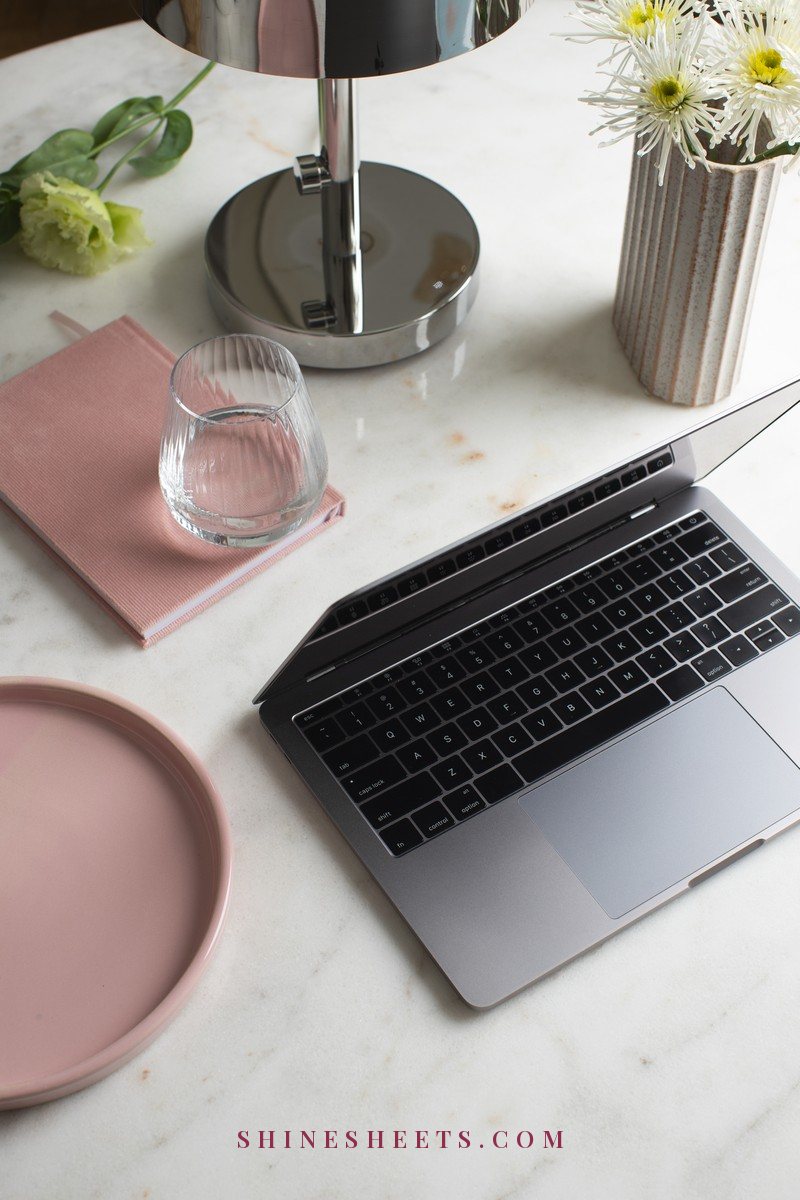
There are three good options, depending on your closet and your lease:
- A floating or wall-mounted desk. It keeps the floor clear and makes the space feel bigger. A cream floating desk that folds up is ideal for narrow closets. It needs screws into the wall, so check with your landlord first and use the right anchors for your wall type.
- A shelf on the existing side walls. In a reach-in closet, a sturdy board resting on brackets or cleats on the side walls turns into a wall-to-wall desk. Measure carefully and use a level.
- A narrow freestanding desk. The most renter-friendly option. Look for one about 40–60 centimeters deep that fits through the door opening, with legs set back far enough for your knees.
Aim for a desk height of about 72–75 centimeters (28–30 inches). That suits most people when paired with an adjustable chair.
4. Add Seating That Tucks In
The chair is what makes a cloffice livable. Choose one that slides fully under the desk when you're done, so the doors can close. Armless chairs, low-back task chairs and padded stools all work well in tight spaces.
If your favorite chair isn't quite supportive enough, a sage ergonomic seat cushion adds comfort and helps you sit a little higher. Look for firm memory foam and a removable, washable cover.
5. Plan Power Safely
Most closets don't have an outlet inside, so you'll probably run power from a nearby wall. Use a single surge-protected extension cord or power strip rated for what you'll plug in, and route it along the floor and up the side wall with adhesive cord clips. My guide on how to hide cords has renter-friendly ways to keep that cable neat and out of the way of feet and doors.
A few safety rules matter here. Don't chain one power strip into another, don't run cords under rugs or pinch them in a closing door, and don't overload a single outlet with heaters, lamps and chargers at the same time. If you want an outlet or a light fitting installed inside the closet, that's a job for a licensed electrician, with your landlord's permission if you rent.
6. Add Good Lighting
Closets are dark by design, so lighting is the step that makes the biggest difference. Plan two layers:
- Task light. A blush clip-on desk lamp attached to the shelf above or the desk edge puts light right where you need it and takes up no desk space. Choose an LED bulb with a warm-to-neutral tone for working.
- Ambient light. A rechargeable stick-on LED light bar under the top shelf lights the whole space evenly and needs no wiring.
If you're on video calls, place the main light in front of you, not behind. And keep candles out of the closet entirely; there's too much paper and fabric in a small space.
7. Use the Walls and the Door for Storage
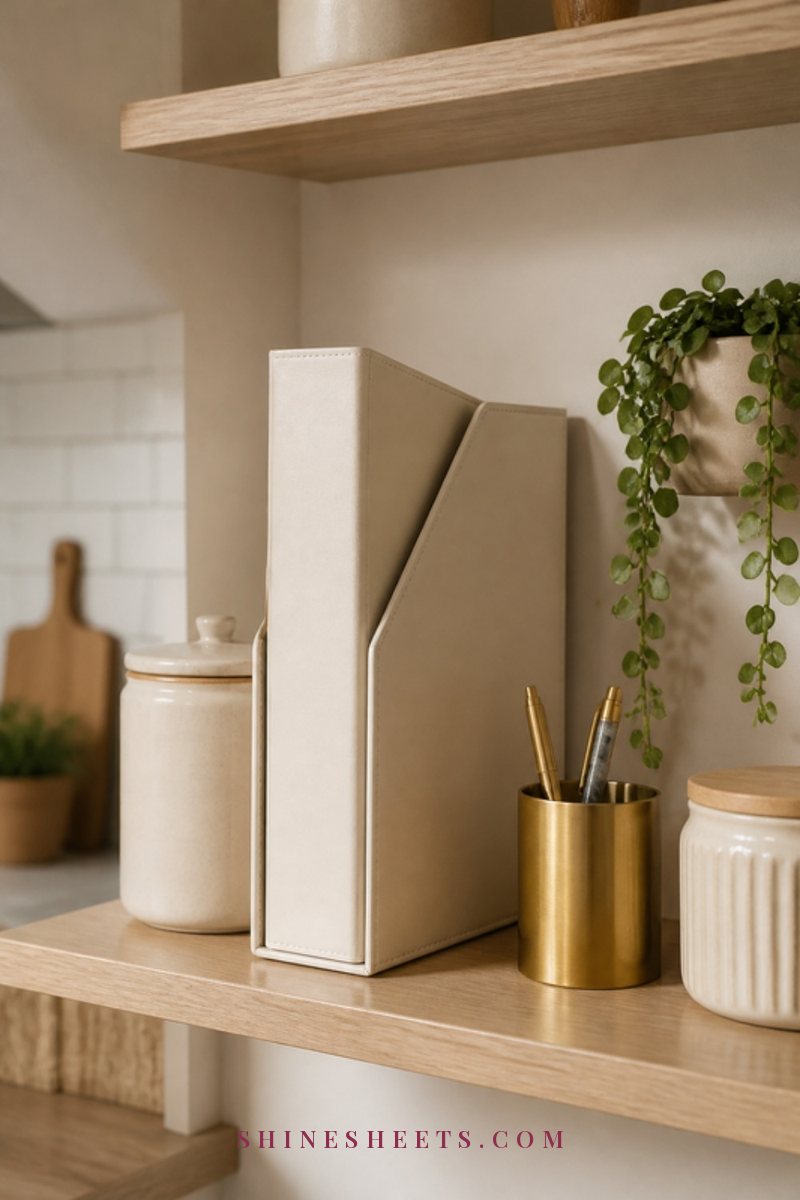
Desk space is precious in a cloffice, so move everything you can onto the walls. A white pegboard organizer on the back wall holds small shelves, cups for pens and hooks for headphones, and you can rearrange it whenever your needs change. Some versions hang from the top shelf or use strong adhesive strips, which is handy if you can't drill.
Above the desk, gold-accent storage boxes on the top shelf hide paperwork, cables and spare supplies while looking tidy. On the inside of the door, an over-the-door organizer with clear pockets holds notebooks, chargers and stationery. For more ideas on keeping the desk surface itself calm, my desk organization ideas go into trays, drawers and daily resets.
8. Style It With Panels or a Soft Color
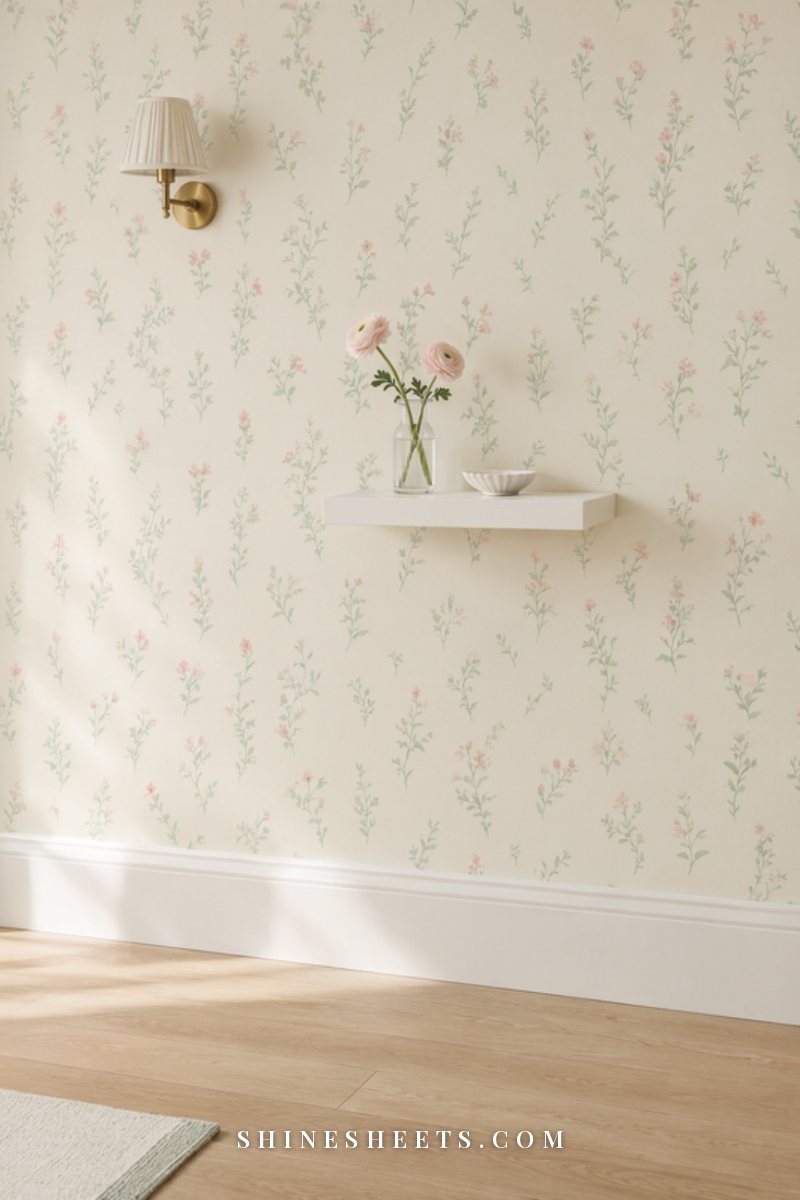
This is the fun part. The back wall of a closet is small, so it's the perfect place to try something you wouldn't do in a whole room. Peel-and-stick wallpaper or textured wall panels in a soft blush, sage or warm beige make the nook feel intentional, and they come off when you move (test a small piece first, since some can lift paint).
If you own your home or your landlord agrees, a can of paint in a soft, warm color is the cheapest transformation of all. Lighter shades bounce light and make the space feel bigger. Finish with one or two small things that make you happy: a small plant, a framed print, a pretty mug for your tea.
Ergonomics in a Tiny Space
A cloffice should be comfortable for more than twenty minutes. A few simple checks make all the difference:
- Screen at eye level. The top of your screen should be at or just below eye level, about an arm's length away. With a laptop, use a stand and a separate keyboard and mouse.
- Chair height. Your feet should rest flat on the floor (or a footrest), knees roughly level with your hips and elbows at about 90 degrees when typing.
- Knee room. Make sure there's nothing under the desk that forces you to sit sideways, like a drawer unit or a bin.
- Move often. In a small space it's easy to sit still for too long. Stand up every 30–45 minutes, stretch and walk to another room for a minute.
If your shoulders and neck already feel tight after long days, try my gentle posture exercises for desk days. They take just a few minutes and fit nicely into those short breaks.
Air, Heat and Safety
Closets have little airflow, and electronics give off heat. Keep the doors open while you work, so fresh air can move and your laptop or monitor doesn't overheat. Make sure vents on your devices aren't pushed against the back wall.
Avoid space heaters inside the closet. If the room gets cold, warm the room itself and keep the heater well away from paper, fabric and cords. Check that a smoke alarm covers the room the closet opens into, and never leave chargers running inside a closed closet overnight.
Finally, a quick lease note: anything involving drilling, painting, removing fixed shelving or electrical changes is worth a short email to your landlord first. A clear photo and a promise to restore everything when you move out usually goes a long way.
A Cloffice on a Small Budget
You don't need custom carpentry to make this work. If money is tight, start with the pieces that matter most and add the pretty extras later:
- Spend on the chair first. A comfortable, adjustable chair matters more than any desk. A plain board on brackets with a good chair beats a beautiful desk with a hard stool.
- Use what you already own. A kitchen chair with a cushion, a bookshelf turned on its side, a lamp from another room and boxes you already have can carry you through the first few weeks.
- Shop secondhand for the desk. Narrow console tables and small writing desks often show up secondhand and fit closets nicely. Measure them against your door opening before you bring one home.
- Add style last. Wall panels, a new lamp shade or a pretty print are the finishing layer. Use the space for a week or two first, so you know what it actually needs.
A Simple Open and Close Routine
Part of what makes a cloffice so lovely is the ritual of opening and closing it. A tiny routine helps the space stay tidy and helps your brain switch modes.
When you open it (2 minutes): open both doors fully, turn on your task light, put your phone in a spot slightly out of reach and set out only what you need for the first task. A cup of tea or water goes on a coaster at the far edge, away from the laptop.
When you close it (5 minutes): put loose papers into one box, wind chargers back onto their hooks, wipe the desk, push the chair all the way in and switch off the power strip. Then close the doors. That last click is your signal that the workday is over, even if your commute was three steps long.
It sounds almost too simple, but this little reset is what keeps a small workspace from slowly turning back into a junk closet.
Cloffice Mistakes To Avoid
- Buying the desk before measuring the door opening. A desk that fits the closet but not the doorway is very frustrating.
- Forgetting about the doors. Check that the doors can close with your chair tucked in, or plan to remove them.
- Relying on the ceiling light. One overhead bulb behind you creates shadows on your desk. Add task lighting.
- Overfilling the shelves. A crowded closet office feels like a cupboard. Leave some empty space so it feels calm.
- Working with the doors closed. Cozy as it might feel, a closed closet gets stuffy and warm fast.
Final Thoughts
A cloffice proves you don't need a spare room to have a real place to work. With careful measuring, safe power, good light and a few pretty touches, a forgotten closet can become one of the nicest spots in your home.
And at the end of the day, you get to close the doors on your work and step back into your evening. That small ritual is worth every minute of planning.