Swedish death cleaning sounds gloomy, but it's one of the kindest decluttering ideas out there. At its heart is a simple question: if someone you love had to sort through your things one day, what would you want them to find? Usually the answer is a home that feels light, a few meaningful treasures and no mountain of boxes nobody knows what to do with.
The lovely surprise is that the person who benefits most is you, right now. Fewer things means less to clean, less to search through and less quiet guilt every time you open a stuffed closet.
This guide walks you through Swedish death cleaning step by step: what it means, the mindset that makes it gentle, exactly where to start, a room-by-room order, what to do with everything you let go, how to handle private items, documents and digital belongings, and how to approach it with aging parents. There's also an order-of-work table to keep you on track.
No rush and no gloom. Just a calmer home, one drawer at a time.
What Is Swedish Death Cleaning?
In Swedish, it's called döstädning: "dö" means death and "städning" means cleaning. The idea was popularized by Swedish author Margareta Magnusson's book, which describes, with a lot of warmth and humor, the habit of gradually lightening your belongings so that others won't have to do it for you later.
It isn't a weekend purge or a strict minimalist rulebook. It's a slow, ongoing way of living with fewer things, where you keep what you use and love, pass on what someone else would enjoy, and quietly let go of the rest.
And it isn't only for older people. Anyone can practice it, whether you're moving, starting fresh after a big change or simply tired of owning more than you can care for. Many people find it easiest to begin long before it feels necessary.
Why It's Kind, Not Morbid
The word "death" makes people flinch, but the feeling behind this method is really care. Sorting a loved one's home is exhausting, both physically and emotionally. Every unlabeled box becomes a small decision made while grieving. Lightening your things now is a quiet gift to the people you love.
It's also a gift to future you. Fewer belongings make every move, every renovation and every deep clean easier. And there's a real sweetness in giving something meaningful to a friend or relative while you can see them enjoy it, instead of leaving it in a will.
If you've ever cleared out a relative's home, you probably already understand this better than any book could explain.
The Mindset That Makes It Gentle
Before you open a single box, settle on a few ground rules. They keep the process kind instead of overwhelming:
- Go slowly. This is a months-long habit, not a sprint. One shelf, one drawer or one box per session is plenty.
- Work in short sessions. Thirty to sixty minutes, then stop. Decision fatigue is real, and tired decisions lead to regret.
- Keep what you love without guilt. The goal isn't an empty home. It's a home where everything has a reason to be there.
- Make it pleasant. Music, a cup of tea, good light. You're curating your life, not punishing yourself.
I find it helps to think of each session as a conversation with your things: thank them, decide, and move on.
Where To Start: Big Things and Storage First
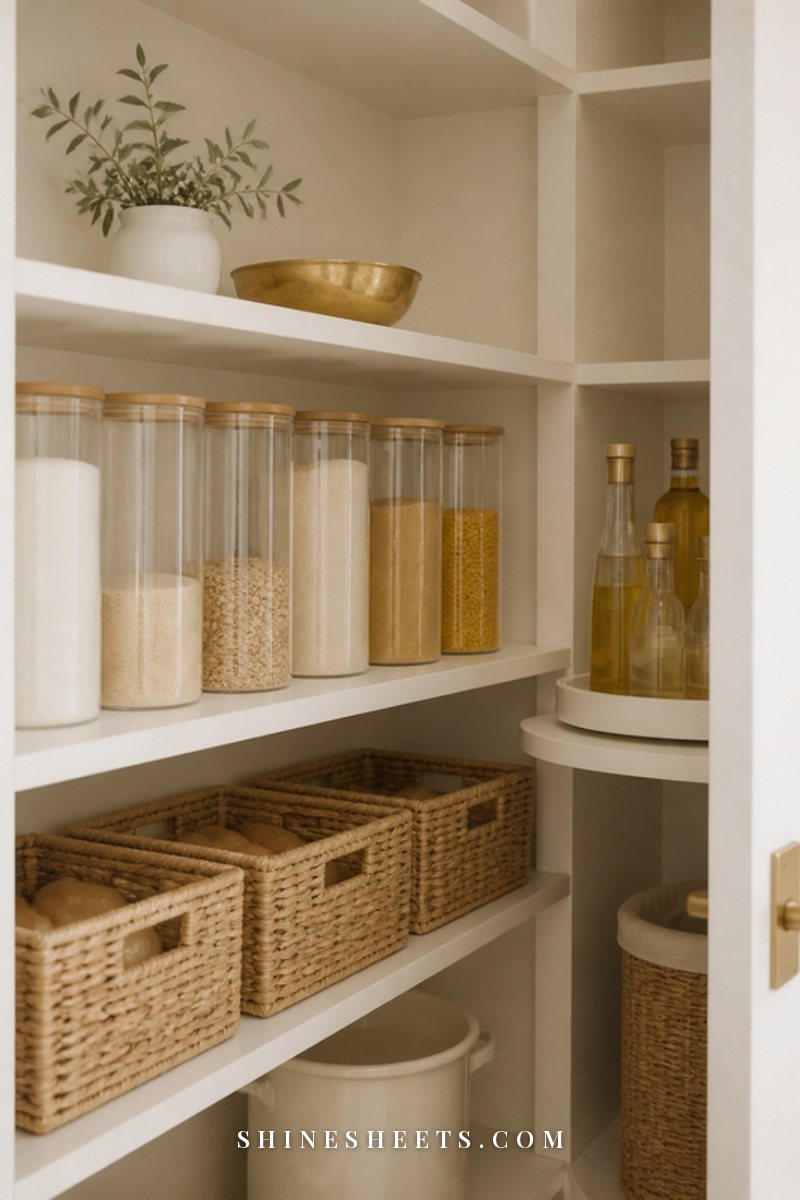
The golden rule of Swedish death cleaning is to begin with the things you have the least emotional attachment to and the most volume of. That usually means storage areas and large items: the attic, the basement, the garage, the closet in the spare room, the furniture nobody sits on.
Why there? Because you get a lot of visible progress with very little heartache. Clearing out an old exercise machine or three boxes of forgotten cables builds momentum and confidence, so by the time you reach harder categories, your "letting go" muscle is already warmed up.
A few practical habits make storage sessions smoother. Bring three bags or boxes with you, marked keep, give and donate, plus a trash bag. Decide on each item within about a minute; if you can't, put it in a single "maybe" box, date it and revisit it in three months. Most of the time, you'll find you haven't missed a thing.
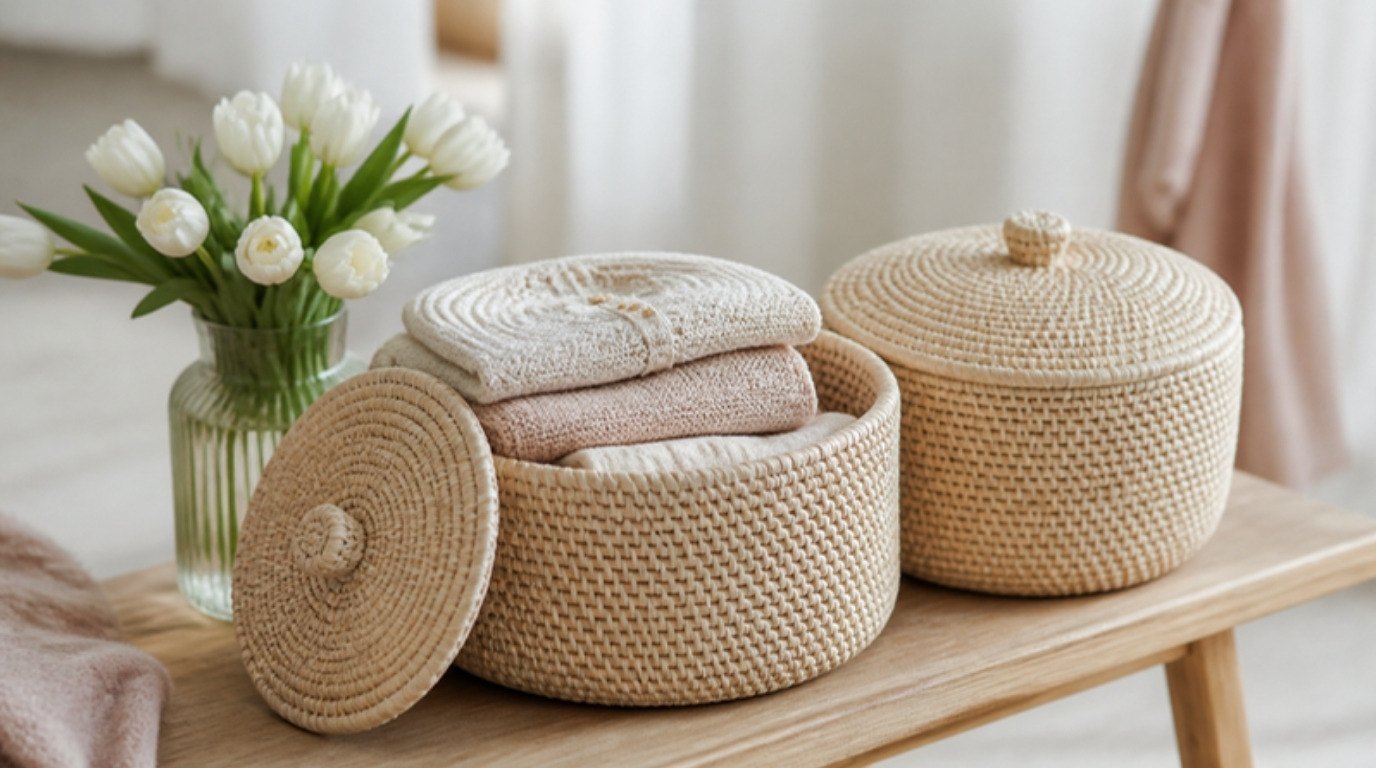
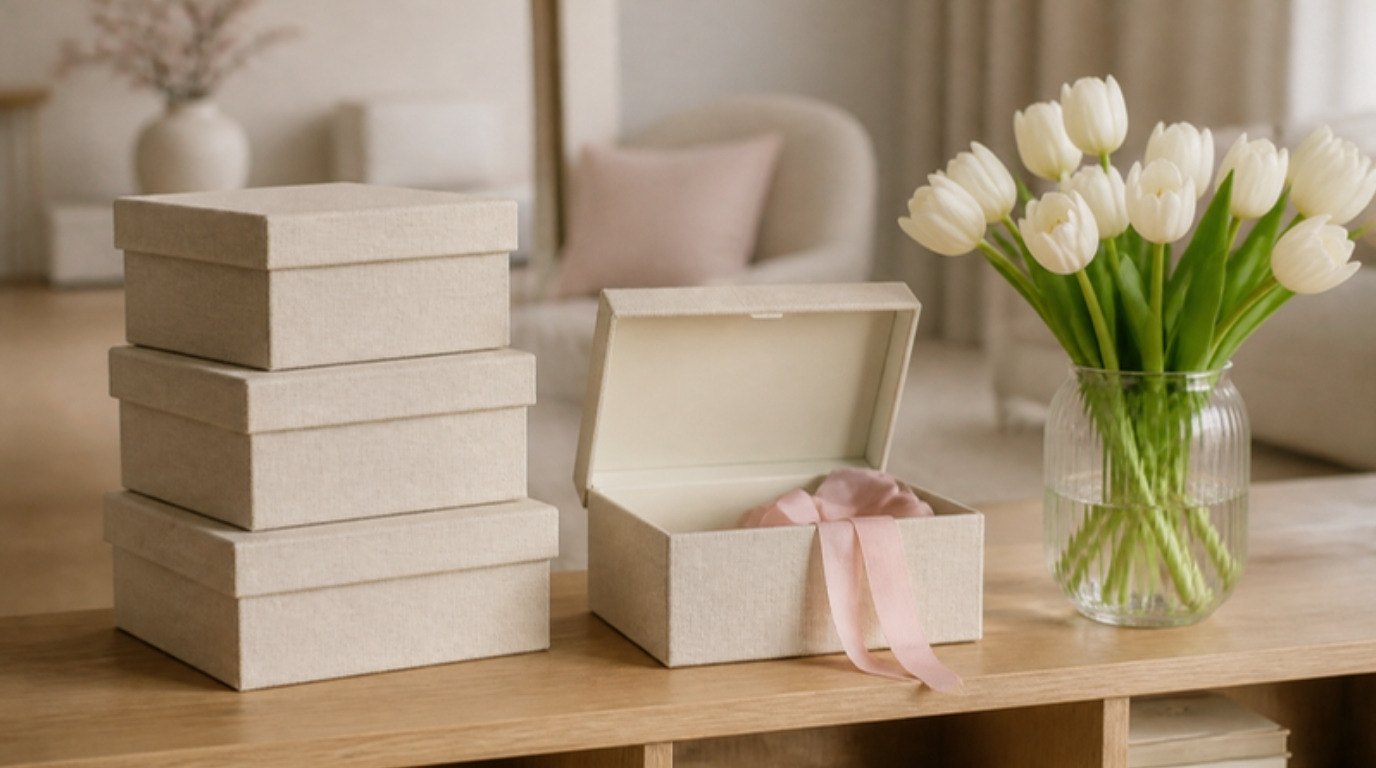
Photos, letters and keepsakes come last, always. Start with them and you'll likely spend an afternoon lost in memories, sort nothing and feel drained. For the things you're keeping in storage, matching cream linen storage boxes with lids make shelves look calm and help you see exactly how much space each category is allowed to take. Add a few simple gold label holders to the fronts so anyone, including family one day, can find what is inside without opening every box.
The Order-of-Work Table
This is the order I'd follow, with the reason each area comes where it does and the one question to ask while you sort it. Screenshot it and tick off each area as you go.
| Area | Why now | Keep, give or donate question |
|---|---|---|
| 1. Attic, basement and garage | Biggest volume, lowest emotion; quick wins | "Did I need or even remember this in the last few years?" |
| 2. Large furniture and spare rooms | Frees up whole rooms and makes everything else easier | "Would someone I know actually want this in their home?" |
| 3. Closets and wardrobe | Clothes are easy to judge: they fit and feel good, or they don't | "Would I wear this this week if it were clean?" |
| 4. Kitchen and dining | Lots of duplicates and gadgets | "Do I cook with this, or just store it?" |
| 5. Living room and books | Moderately sentimental; good practice | "Would I reread this, or would someone else love it more?" |
| 6. Bathroom and linen closet | Expired products and extra linens add up fast | "Is this in date, and do I have a use for it this month?" |
| 7. Documents and passwords | Matters most to the people who'd handle your affairs | "Would someone need this to manage things for me?" |
| 8. Digital belongings | Invisible clutter that's easy to forget | "Would anyone know this account exists, or how to close it?" |
| 9. Photos, letters and keepsakes | Most emotional; save until your decisions feel easy | "Does this tell a story someone would treasure?" |
Room by Room: A Gentle Order
Here's how to approach each area once you're in it. Give each one as many short sessions as it needs, and don't move on until it feels finished enough.
Attic, Basement and Garage
Open one box at a time. Many storage boxes hold things that were "too good to throw away" years ago and have since been forgotten entirely. That's a clear sign you won't miss them. Old paint, chemicals and batteries shouldn't go in household trash, so set them aside in a separate box and check your local hazardous waste drop-off rules. Wear gloves and a dust mask for dusty spaces.
Closets and Wardrobe
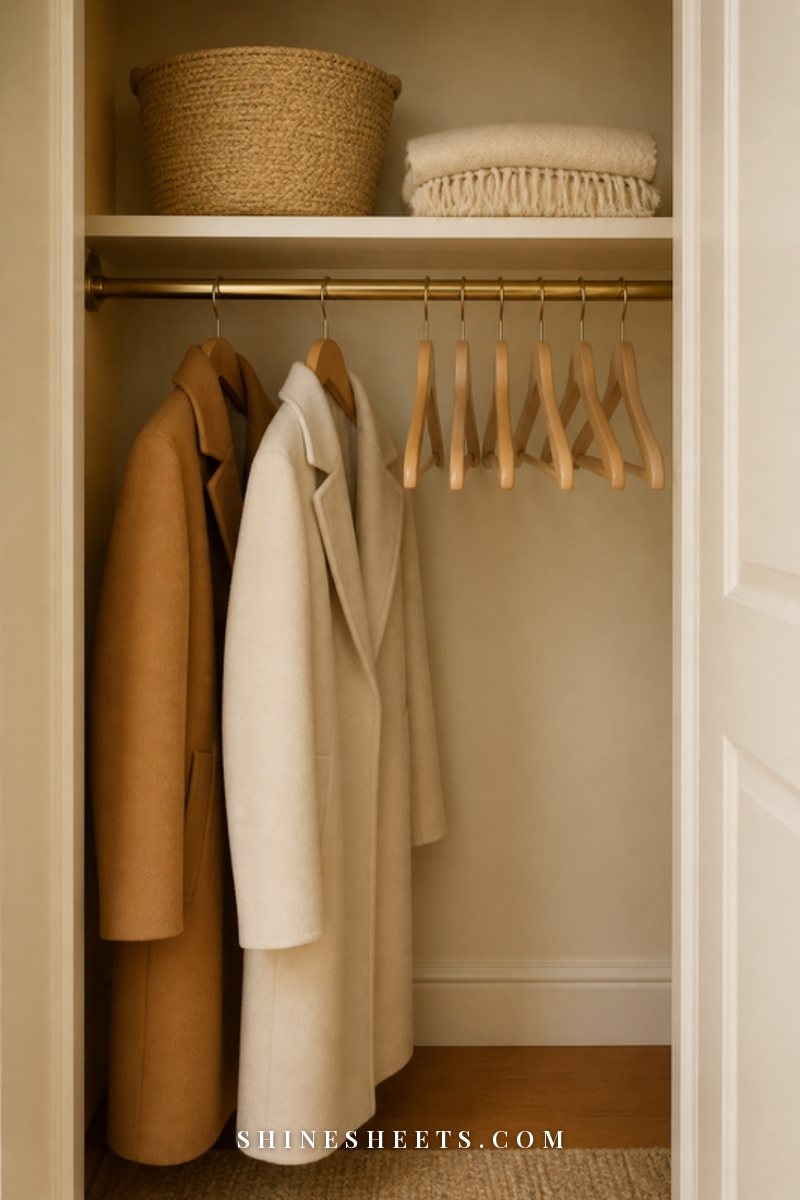
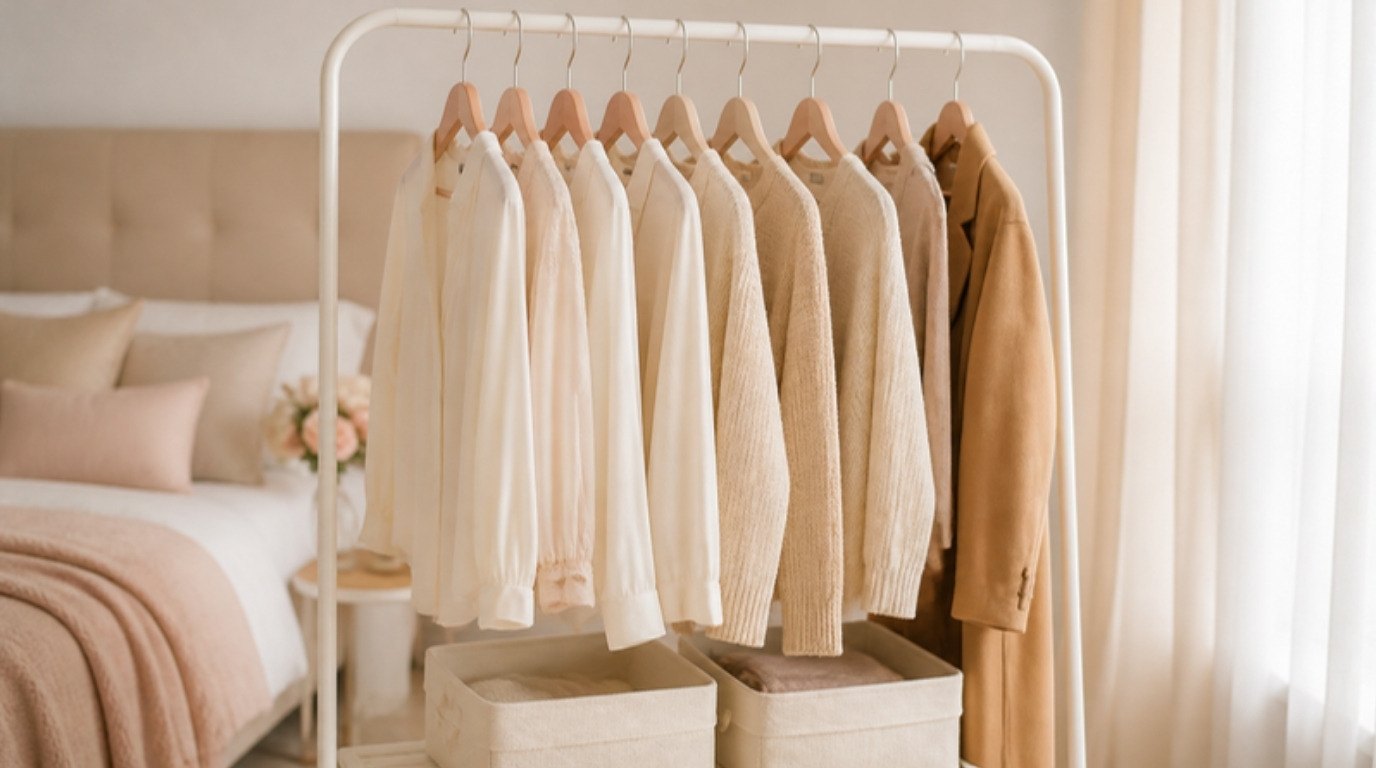
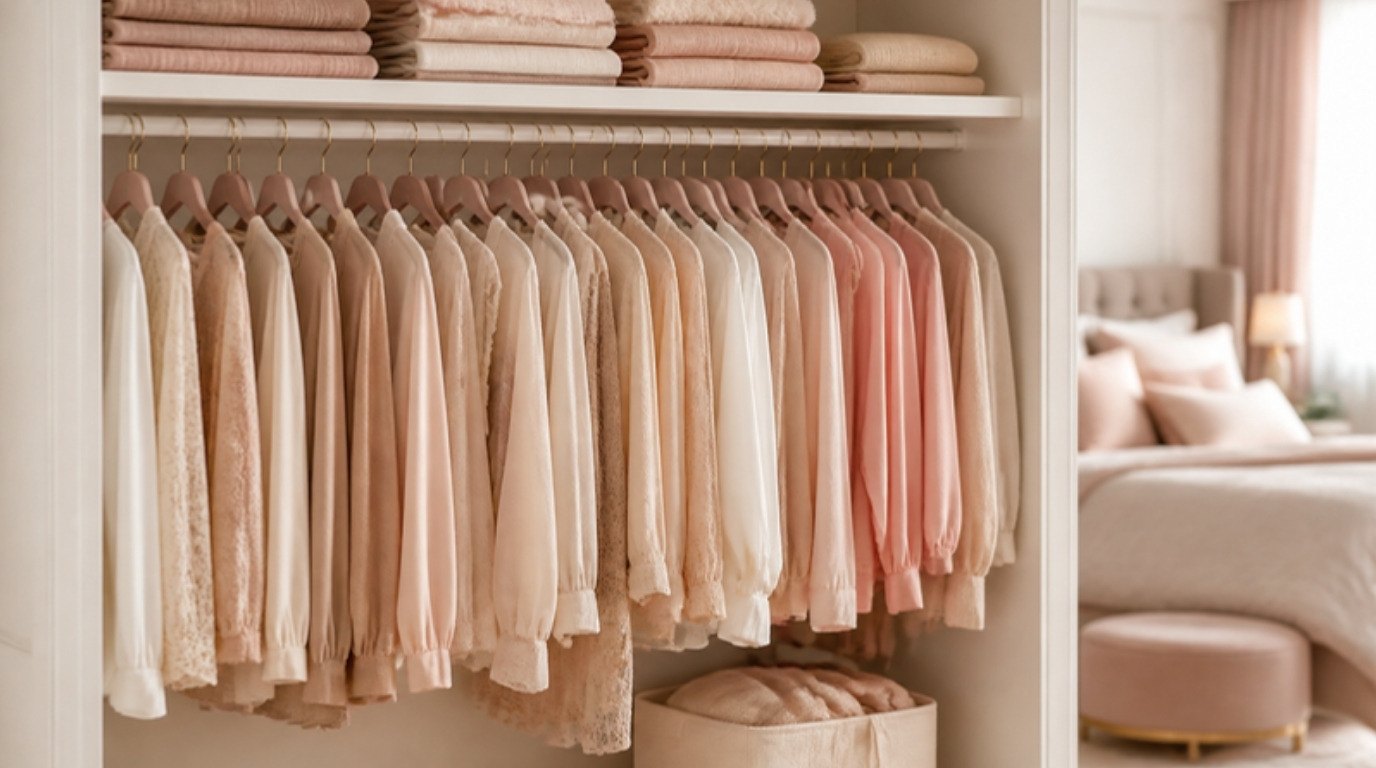
Pull everything out of one section, then return only what fits, feels good and suits your life now. Clothes kept for a "someday" body or a lifestyle you no longer have are lovely to pass on to someone who'll wear them today. If you'd like a step-by-step method for this area, my guide on how to declutter your wardrobe breaks it down beautifully. Keep one or two special pieces with stories attached, like a coat you wore on a memorable trip, and let the rest go.
Kitchen and Dining
Kitchens hide a surprising amount of duplication: three cheese graters, mismatched mugs, gadgets used once. Keep a set that matches how you actually cook and entertain. Fine china and serving pieces that only come out once a decade are worth offering to family members now, while you can ask whether they'd use them.
Living Room and Books
Keep the books you reread, reference or love seeing on the shelf. Pass the rest on to a friend, a local library sale or a little free library. Decorative objects get the same treatment: if it doesn't bring you joy or have a story, it's simply something to dust.
Bathroom and Linen Closet
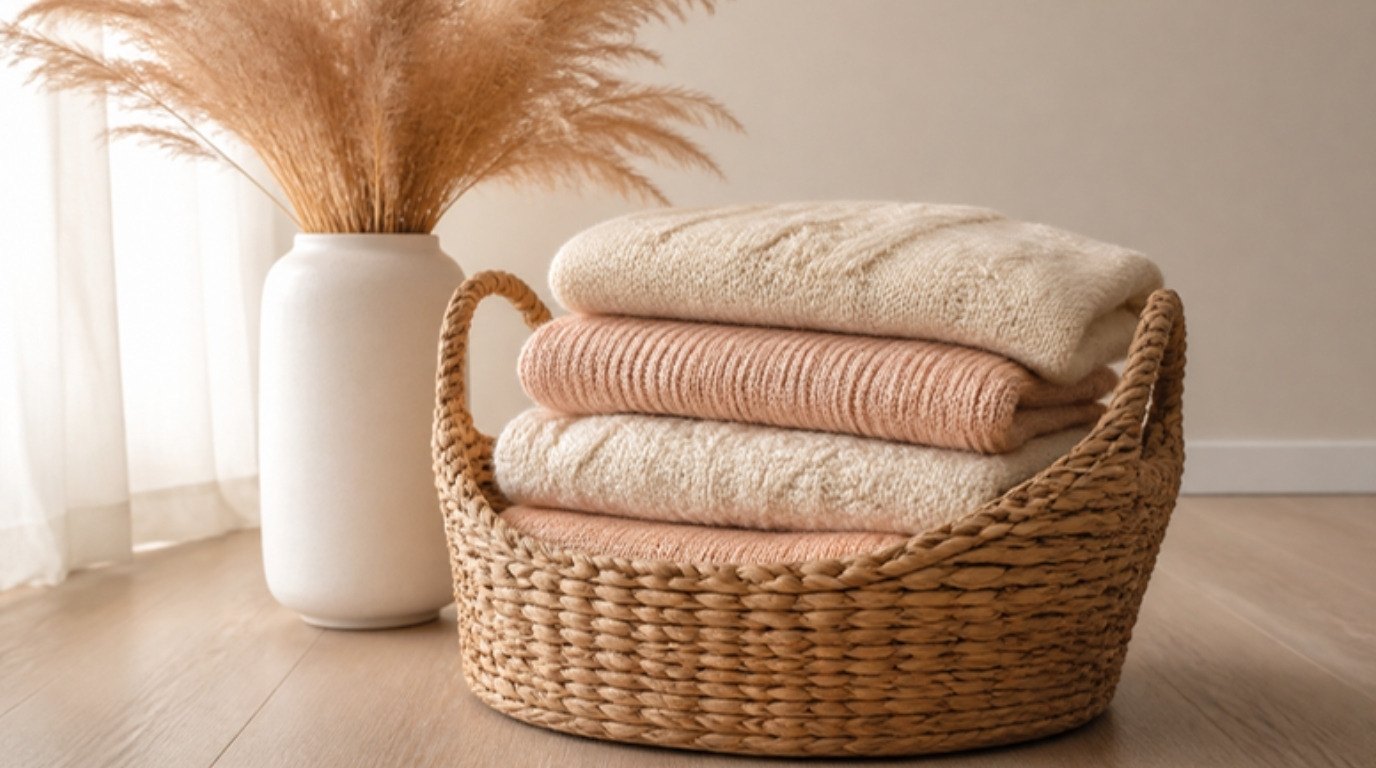
Check dates on skincare, sunscreen and medicines, and follow local guidance for disposing of old medications (many pharmacies offer take-back options). Keep two sets of sheets per bed and a reasonable number of towels. Older linens are often welcome at animal shelters.
Photos and Letters Last
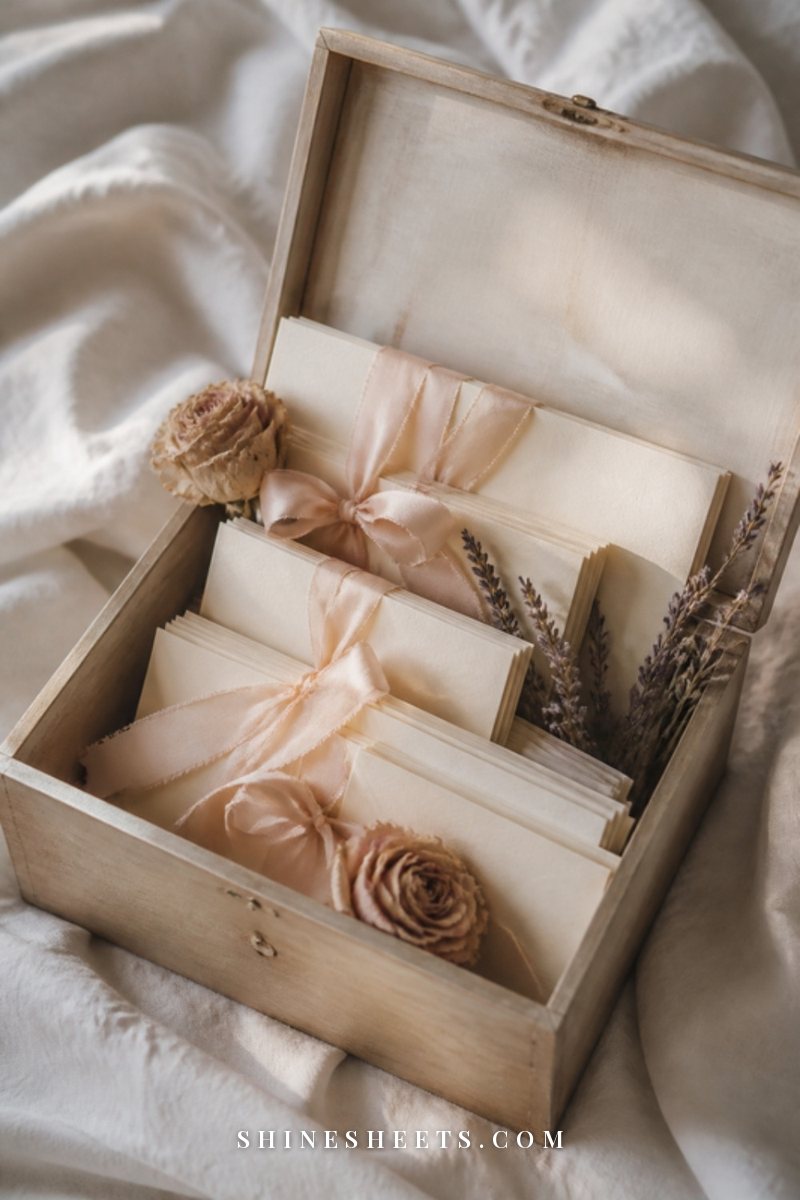
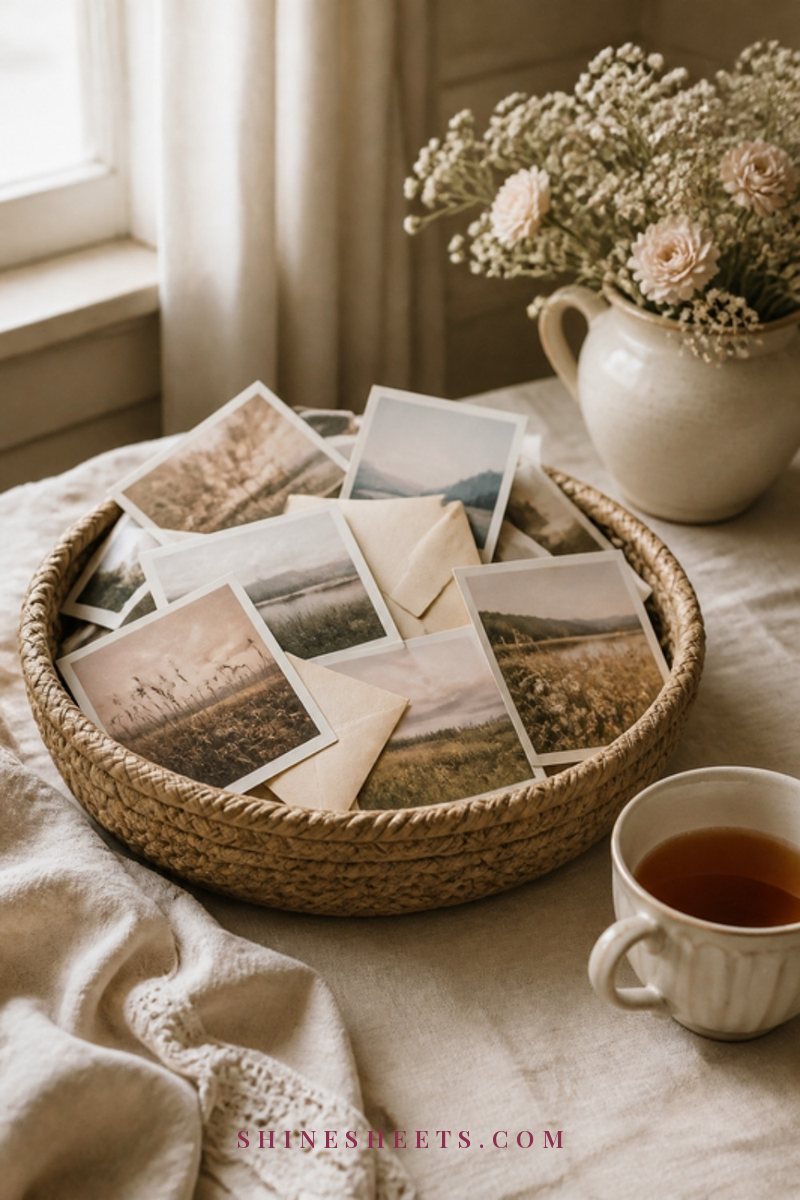
Now you're ready for the tender part. Sit down with a cup of tea and sort photos into three piles: keep, share with someone in the photo, and let go (blurry shots, duplicates, scenery nobody remembers). Write names and approximate dates gently on the back of keepers with a soft pencil, because future family will thank you for that more than anything.
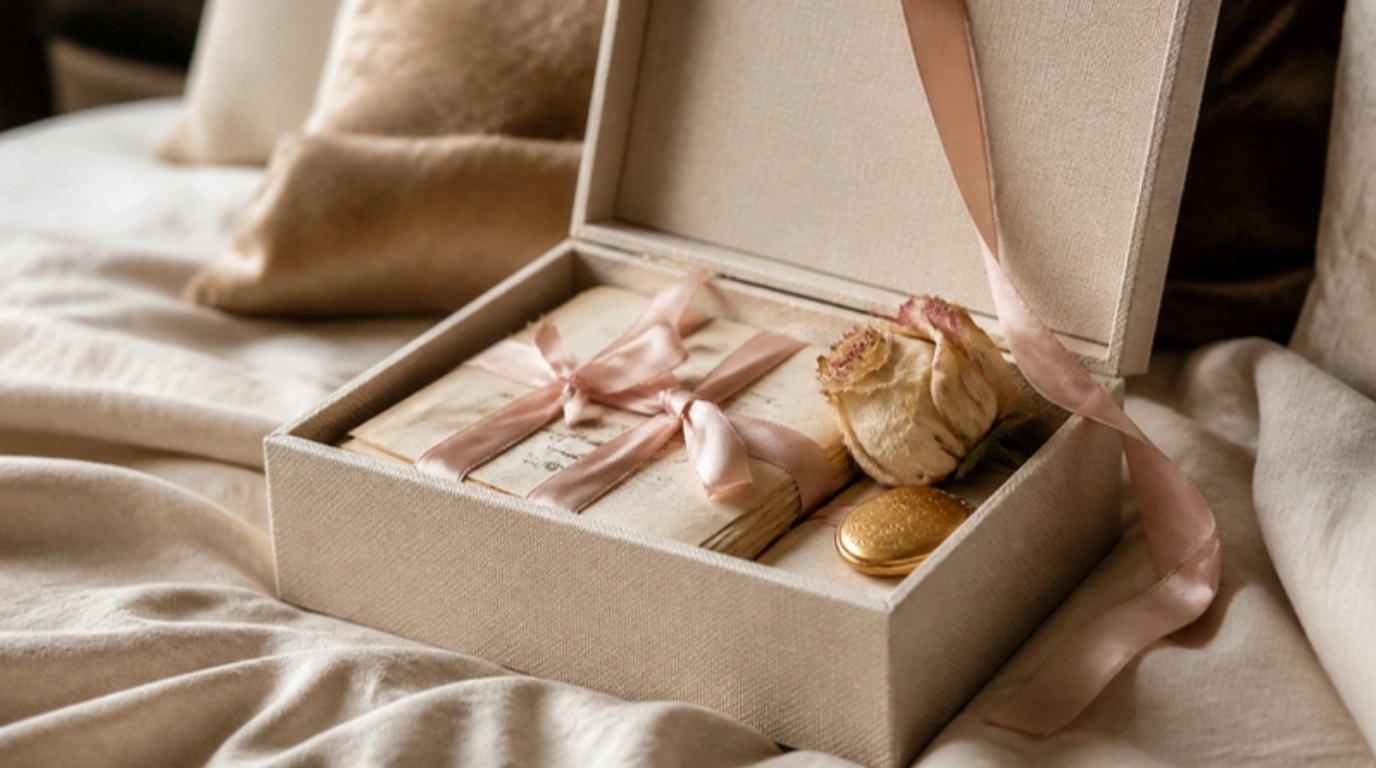
Store the photos you keep in acid-free archival photo boxes, which protect prints from yellowing. For a handful of the most precious letters, cards and small mementos, a pretty keepsake memory box turns them into a treasure rather than clutter. My guides to decluttering sentimental items and organizing photos go deeper if this stage feels heavy.
The One Question: Would Anyone Be Happy To Keep This?
If you remember just one thing from Swedish death cleaning, make it this question: "Would anyone be happy to keep this after I'm gone?"
It's surprisingly clarifying. Your grandmother's ring? Yes, someone will treasure it. The box of instruction manuals for appliances you no longer own? No. Your favorite cookbook with notes in the margins? Probably. Twenty years of bank statements? Definitely not.
When the answer is "no, but I love it," keep it anyway, and enjoy it. The method gives you full permission to keep things that matter to you. It just asks you to be honest about the things that matter to no one.
What To Do With Everything You Let Go
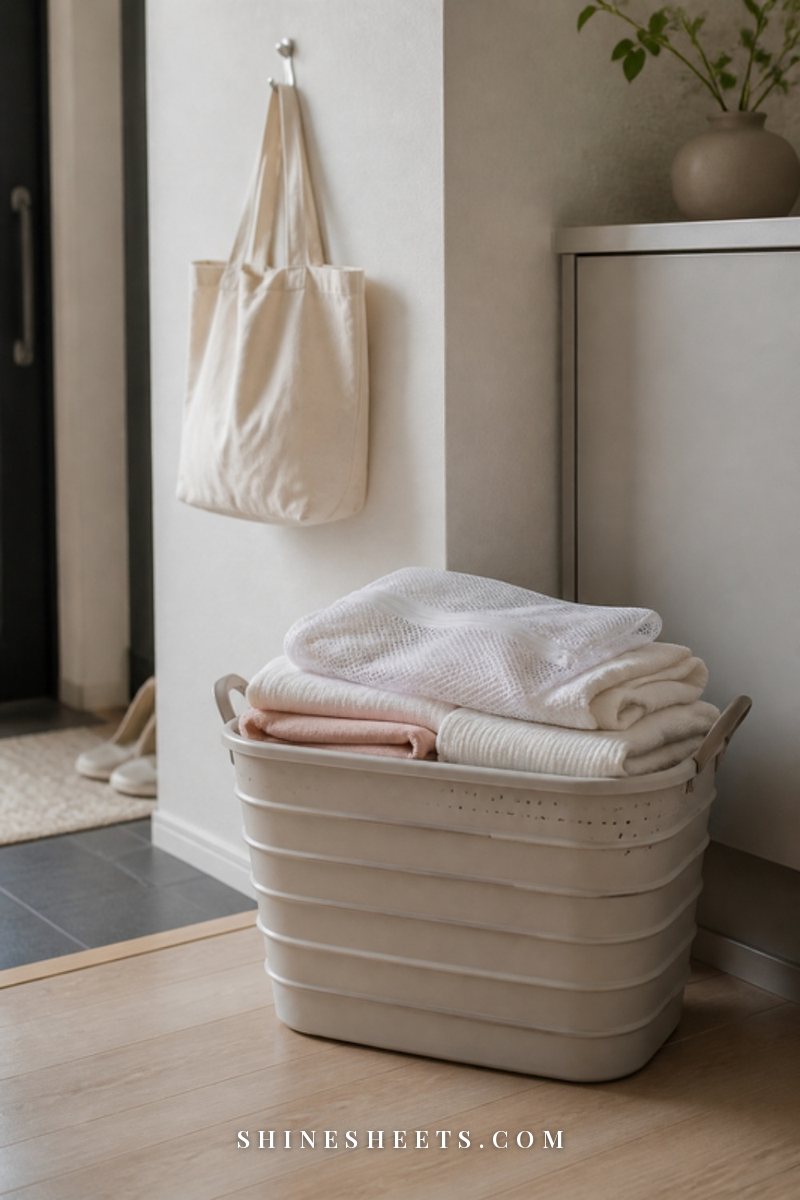
Letting go doesn't have to mean throwing away. You have four kind options, roughly in this order:
- Give to loved ones now. Offer meaningful items to family and friends while you can share the story behind them. Ask first and accept a "no, thank you" gracefully. Nobody should feel obligated to take something.
- Donate. Clothes, books, kitchenware and furniture in good condition can go to charity shops, shelters or community groups. Packing them into sturdy reusable storage bags makes drop-offs neat and easy to carry.
- Sell. Valuable or collectible items can go to local resale groups, consignment shops or an appraiser for anything that might be worth more than you think.
- Recycle or dispose responsibly. Electronics, batteries, paint and textiles usually have dedicated recycling routes. Check your city's guidelines.
One rule that saves a lot of backsliding: get donations out of the house within a week. A bag sitting in the hallway has a way of being unpacked again.
The Small Throw Away Box for Private Things
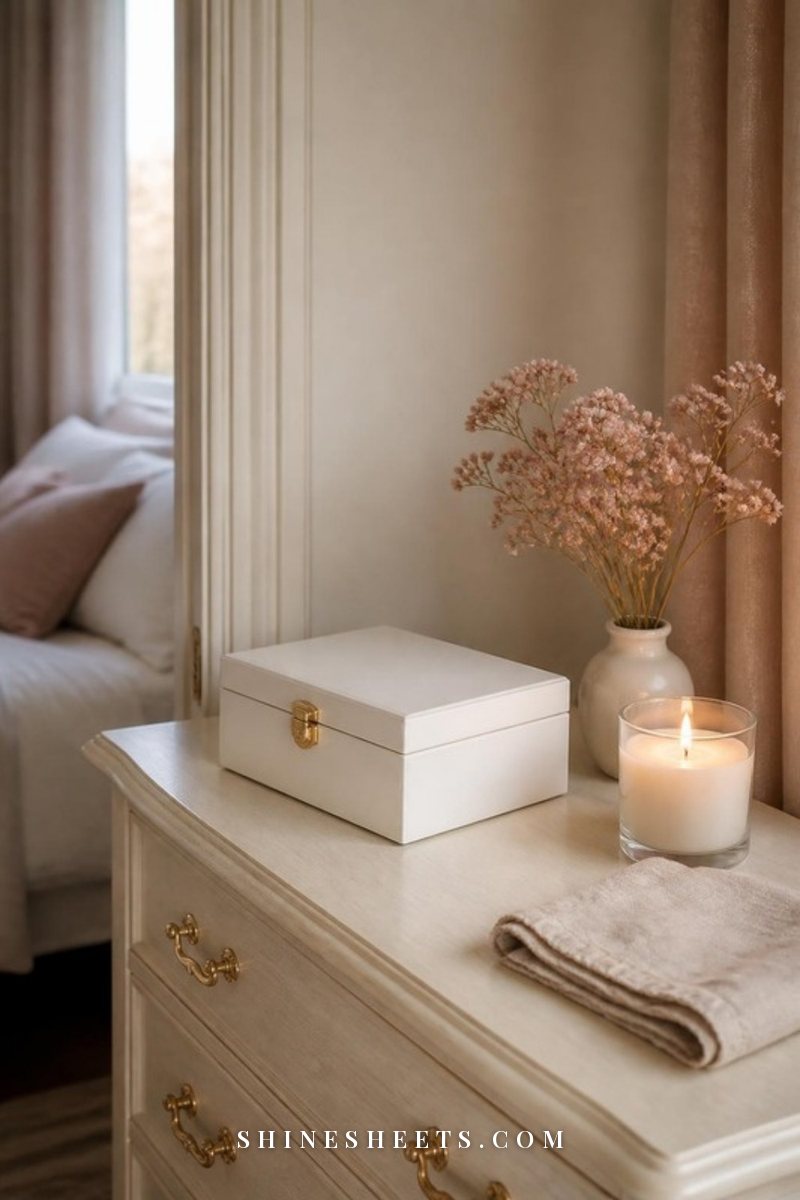
One of the most charming ideas associated with Swedish death cleaning is a small box for private things: old diaries, letters, little secrets that mean something to you but wouldn't mean anything (or might cause confusion) to anyone else.
You keep it, enjoy it, and mark it clearly so that whoever finds it one day knows it can be thrown away without being opened. It's a lovely way to hold on to private memories without burdening anyone with them. Keep it to one small box, and make sure everything in it is truly just for you.
Documents and a Safe Passwords List
This part isn't glamorous, but it may be the kindest of all. Gather the documents someone would need to manage your affairs: identification, insurance policies, property papers, account information, wills and any instructions you want to leave.
Store originals together in one clearly marked place, ideally a fireproof document bag or a safe, and tell one trusted person where it is. Shred old statements and paperwork you no longer need (check how long your tax and financial records should be kept where you live). My guide on how to organize paperwork has a simple filing system to make this easier.
For passwords, a reputable password manager with an emergency access feature is one of the safest options. If you prefer paper, keep a list sealed in an envelope with your important documents, never on a sticky note or in an unprotected file, and update it when things change.
Your Digital Belongings
Modern clutter is often invisible: thousands of photos on your phone, old email accounts, subscriptions, social media profiles and cloud storage full of forgotten files.
Spend a few sessions here too. Delete duplicate and blurry photos, back up the ones you love, cancel subscriptions you don't use and close old accounts. Many platforms also let you choose what happens to your account later through legacy or memorial settings, which is worth a few minutes to set up. My digital declutter guide walks through it step by step.
Doing It With Aging Parents
Many people discover Swedish death cleaning because they're worried about a parent's overflowing home. It's a delicate subject, and the way you raise it matters far more than the method itself.
- Lead with care, not logistics. Try: "I'd love to hear the stories behind some of your things, and make sure the special ones go to the right people."
- Let them decide. It's their home and their memories. Your role is to help, carry and ask questions, not to make the calls.
- Start small and easy. A garage shelf or a linen closet feels far less threatening than the photo albums.
- Listen to the stories. Sorting old belongings brings up memories. Slow down and enjoy them together, and maybe write a few down.
- Keep sessions short. An hour, a cup of tea and a walk is a lovely way to spend an afternoon, and much kinder than a marathon.
If a parent resists, step back. Pushing usually makes people hold on tighter, because for many older adults their belongings represent independence and a whole lifetime of memories. Offer help with one concrete task instead, such as carrying heavy boxes to a donation center or scanning a stack of favorite photos, and let trust build from there.
Doing it together can turn into one of the most meaningful projects you share. Many families say it brought them closer.
Keeping It Up Once a Year
Once the big work is done, Swedish death cleaning becomes a light, yearly habit. Pick a time that feels natural, like the start of the new year or the first warm days of spring, and do a quick round:
- Walk through each room and pull out anything you haven't used or loved this year.
- Update your documents and passwords, and confirm your trusted person still knows where they are.
- Clear your phone's photo library and back up the keepers.
- Offer one meaningful item to someone who'd love it.
A simple "one in, one out" habit between yearly rounds keeps things from creeping back in. If you'd like a broader plan for the whole home, my step-by-step guide to decluttering your home pairs well with this gentler approach.
Final Thoughts
Swedish death cleaning isn't really about death at all. It's about living with what matters, sharing your treasures while you can see them enjoyed and leaving behind a home that tells your story clearly and kindly.
Start with one box in the garage, keep the cup of tea close and let it take as long as it takes. Every small session makes your home lighter, and your heart a little lighter too.