When your skin feels tight, stingy and somehow both dry and irritated at the same time, the answer usually isn't a stronger serum. It's rebuilding the layer that holds everything together. That layer runs on a few quiet lipids, and ceramides are the most important of them.
Ceramides aren't flashy. They won't give you an overnight "wow" the way a fresh exfoliant can. What they do is steadier and, in my opinion, much more useful: they help your skin hold on to water, calm down faster and tolerate the actives you actually want to use. It took me a while (and a few over-exfoliated winters) to understand that my combination, sensitive skin wasn't asking for more products, just for a stronger base.
This guide explains ceramides in plain words: what they are, the signs your barrier needs support, what the names on the label mean, which format to choose, where they go in your routine, how to pair them with retinol, acids, niacinamide and hyaluronic acid, and how long it takes to feel a difference. You'll also find a barrier repair routine table for normal mornings, evenings, retinol nights and flare-up days, so you always know what to reach for.
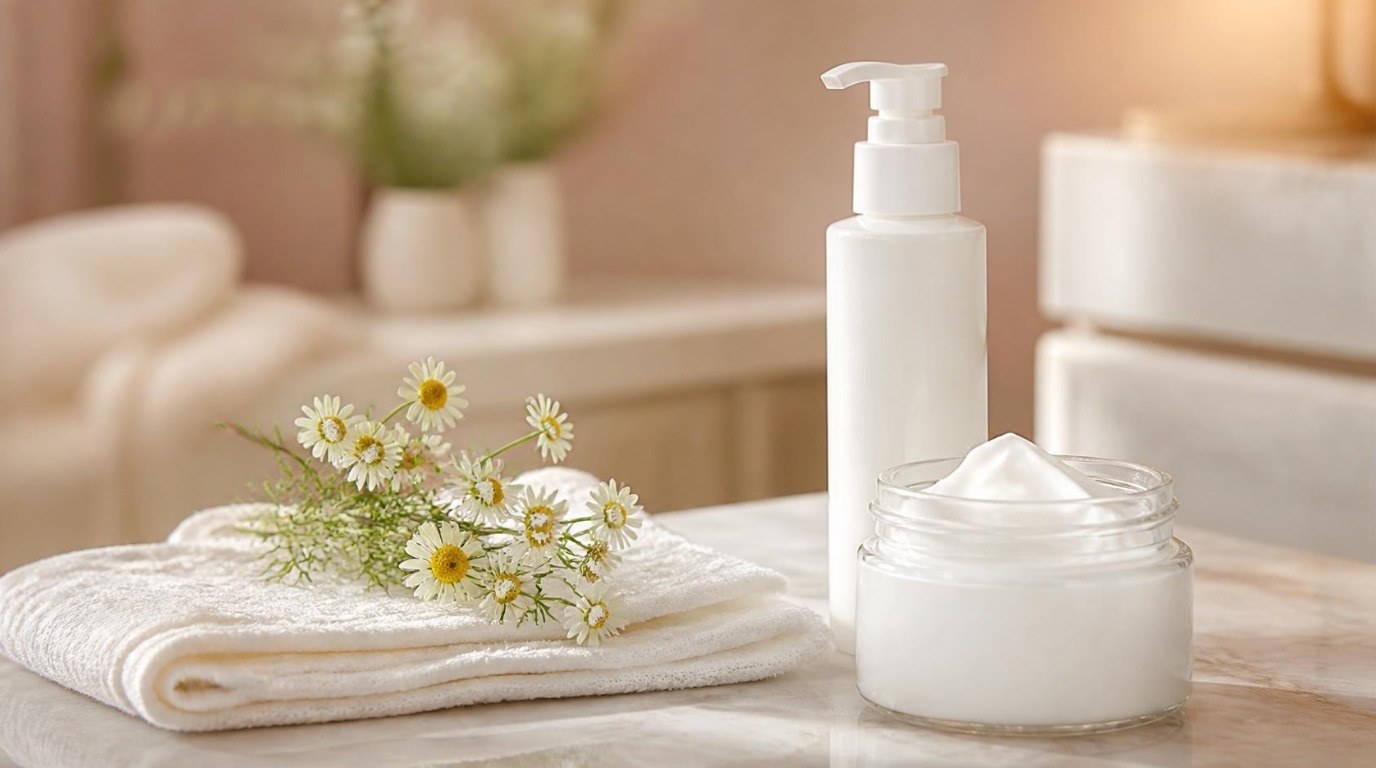
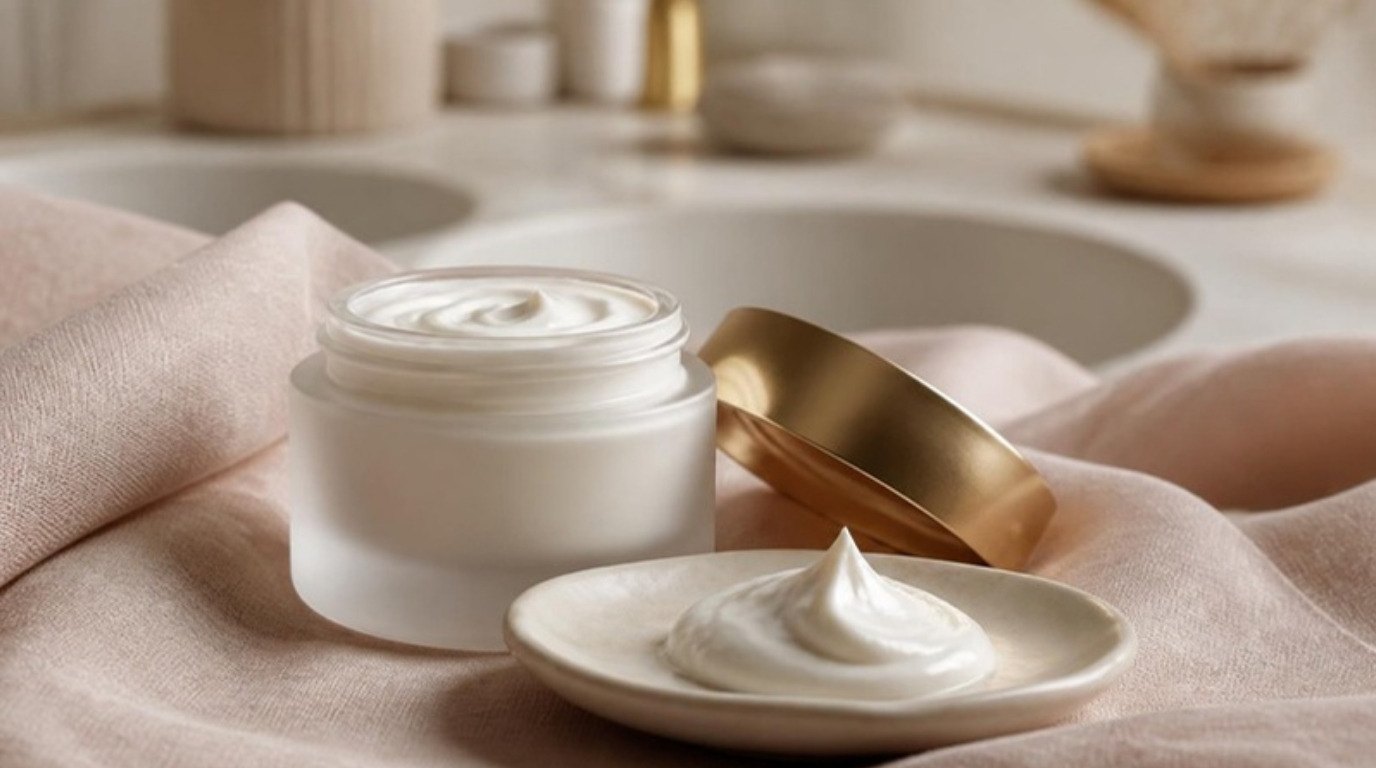
If you only add one ceramide product, make it a rich ceramide moisturizing cream – it does most of the heavy lifting on its own. Now let's start with what these little lipids actually do.
What Are Ceramides, in Simple Words
Picture the top layer of your skin as a brick wall. The bricks are flattened skin cells. The mortar between them is a mix of fats (lipids), and about half of that mortar is made of ceramides. The rest is mostly cholesterol and fatty acids.
When the mortar is full and healthy, the wall is sealed. Water stays in, and irritants, harsh cleansers and cold wind have a harder time getting through. When the mortar thins out, little gaps appear. Water escapes (that's why skin feels tight even after moisturizer), and everything you put on your face reaches deeper than it should, which is why products suddenly sting.
Your skin makes its own ceramides, but production can drop with dry air, hot showers, over-cleansing, strong actives, sun exposure and simply getting older. Skincare ceramides are lab-made versions that look like the ones your skin produces, so they slot into those gaps and help patch the wall while your skin rebuilds its own supply.
The key word is support. Ceramides don't "fix" skin in a dramatic way. They make your skin a better version of itself: less reactive, more comfortable and better at staying hydrated.
6 Signs Your Skin Barrier Could Use Ceramides
A stressed barrier doesn't always look dramatic. Often it just feels "off." If you notice two or three of these at once, it's a good sign your skin needs mortar, not more exfoliation:
- Tightness after cleansing. If your face feels like it shrank one size within five minutes of washing, your cleanser is stripping lipids faster than your skin can replace them.
- Stinging with gentle products. When a basic moisturizer or even plain water burns for a few seconds, the wall has gaps and ingredients are getting in too fast.
- Flaking that keeps coming back. Little dry patches around the nose, eyebrows or chin, especially ones that return two days after you scrub them off.
- Redness that lingers. Pink cheeks after cleansing, after a workout or after stepping in from the cold that take longer than usual to fade.
- Dehydration with oiliness. Shiny T-zone, tight cheeks, fine "crepey" lines that show up in the afternoon. (This was my exact combination for years – my skin was overproducing oil to make up for lost water.)
- Dull, rough texture and makeup that clings. Foundation grabbing onto dry spots or looking patchy by midday often points to a dehydrated surface rather than a bad foundation.
If several of these sound like you right now, my guide to the signs of a damaged skin barrier and how to restore it walks through a full reset step by step. Ceramides are one of the main tools in that reset.
Who Benefits From Ceramides
Short answer: almost everyone. Ceramides are one of the rare ingredients that suit every skin type, because they replace something your skin already has. That said, some people notice the difference much faster:
- Dry skin. Naturally lower in barrier lipids, so ceramide creams often feel like instant relief. Pair them with the steps in my skincare routine for dry skin.
- Sensitive and reactive skin. A sealed barrier means fewer things can irritate you in the first place.
- Acne-treated skin. Benzoyl peroxide, salicylic acid and prescription treatments can be drying. Ceramides help you stay on them without peeling. Look for light, non-comedogenic lotions.
- Retinol and exfoliant users. Actives speed up cell turnover and can leave the wall a bit thin. Ceramides are the cushion that makes the process comfortable.
- Mature skin. Ceramide levels naturally decline over time, which is part of why skin feels drier and more fragile with age.
- Everyone in winter. Heating, cold wind and hot showers drain lipids fast. Ceramides are the easiest single swap for the cold months.
Oily skin benefits too, just in a lighter texture. A gel-cream or fluid lotion with ceramides keeps the barrier strong without feeling heavy on a shiny T-zone.
Ceramides on the Label: What the Names Mean
Ingredient lists can make ceramides look intimidating, with letters and numbers that seem to change from brand to brand. You don't need to memorize chemistry. Here's the simple version.
The Common Ceramide Names
- Ceramide NP (sometimes listed as ceramide 3): the most common one in skincare. A great all-rounder for hydration and comfort.
- Ceramide AP (ceramide 6-II): supports the natural shedding of skin cells, so it helps with rough, flaky texture.
- Ceramide EOP (ceramide 1): a long-chain ceramide that helps "link" the layers of mortar together. Especially good for very dry skin.
- Ceramide NS, EOS, AS: other members of the family. Seeing several different ceramides in one formula is a nice sign.
- Phytosphingosine and sphingosine: building blocks your skin uses to make ceramides. Often listed right next to them.
- Pseudo-ceramides (like cetyl-PG hydroxyethyl palmitamide): lab-made lookalikes that behave similarly and are popular in Korean barrier creams.
Why Cholesterol and Fatty Acids Matter Too
Here's the part most people miss: ceramides work best with their teammates. Your natural mortar is a blend of ceramides, cholesterol and free fatty acids, and research on barrier repair suggests the blend matters more than any single lipid. A formula with ceramides alone can help, but one that also lists cholesterol and a fatty acid (often linoleic acid, stearic acid or palmitic acid) tends to feel more complete.
You'll sometimes see "3:1:1 ratio" in marketing. It comes from studies where a mix leaning toward one lipid, with the other two present, helped skin recover faster. You don't need to calculate anything. Just use this quick label rule:
- Look for at least one ceramide (ideally two or three different ones).
- Look for cholesterol somewhere in the list.
- Look for a fatty acid or a lipid-rich oil.
- Skip formulas with strong fragrance or a lot of alcohol near the top if your skin is sensitive.
One more honest note: ceramides are often listed near the end of the ingredient list. That's normal. They're effective in small amounts, so don't worry if they're not in the top five.
Ceramide Formats: Which One Do You Need?
Ceramides show up in almost every product category now. You don't need all of them. Think of it as choosing where in your routine you want the extra support.
Ceramide Cleanser
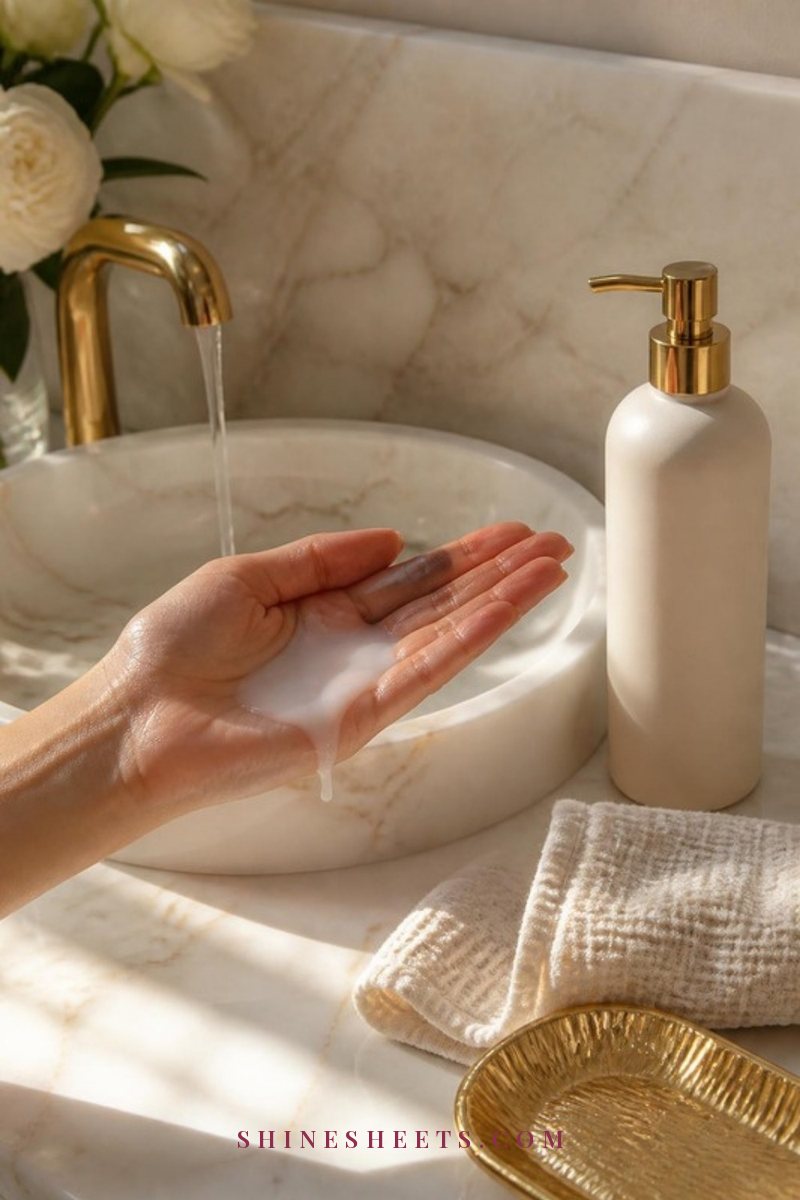
A cleanser rinses off within a minute, so it won't rebuild your barrier on its own. Its real job is to not take anything away. A hydrating ceramide cleanser with a lotion-like texture cleans without that squeaky, tight feeling, which is half the battle for dry and sensitive skin.
How to use it: massage onto damp skin for 30–60 seconds, rinse with lukewarm (never hot) water, and pat dry. If you wear sunscreen and makeup, use it as the second step after an oil or balm cleanser in the evening.
Ceramide Serum
Serums are lighter and often combine ceramides with other helpers like niacinamide, panthenol or hyaluronic acid. A ceramide barrier serum is a smart pick if you love light textures, have oily or combination skin, or want to layer extra barrier support under a moisturizer you already like.
How to use it: two or three drops or one pump on slightly damp skin after cleansing (or after toner), before moisturizer.
Ceramide Moisturizer
This is the most effective format, because a cream stays on your skin for hours and can deliver ceramides together with cholesterol and fatty acids. Choose a rich cream for dry skin and winter evenings, and a lotion or gel-cream for oily skin and summer mornings.
How to use it: a pea-to-almond-sized amount for the face, a little extra for the neck, applied while skin is still slightly damp. On flaky days, press a second thin layer onto the driest spots.
Ceramide Body Lotion
Your body has a barrier too, and it often gets ignored until shins start to look ashy and itchy. A fragrance-free ceramide body lotion is one of the most practical buys for winter: apply it within three minutes of stepping out of the shower, while skin is still damp.
Where Ceramides Go in Your Routine
The simplest rule of layering is thinnest to thickest. Ceramides usually live in the thicker end of the routine, which is exactly where they should be: they seal in everything underneath.
- Cleanser (a gentle or ceramide one).
- Toner or essence (optional, hydrating, alcohol-free).
- Treatment serum (vitamin C in the morning, retinol or acids at night).
- Ceramide serum (optional extra layer).
- Ceramide moisturizer.
- Sunscreen in the morning.
Sunscreen deserves a mention here, because UV exposure is one of the quiet things that weakens the barrier. If your skin is reactive, a gentle mineral sunscreen for sensitive skin is usually the calmest option. Apply about two finger lengths for face and neck, every morning, even when it's gray outside.
If you're just building a routine from scratch, start with three steps (cleanser, ceramide moisturizer, sunscreen) for two weeks before adding anything else. Boring? A little. Effective? Very.
How To Pair Ceramides With Other Ingredients
Ceramides are the friendliest ingredient on your shelf. They don't clash with anything, so the question isn't "can I mix them?" but "how do I get the most out of the combination?"
Ceramides and Retinol

This is the pairing I'd recommend most. Retinol can cause dryness, peeling and stinging in the first weeks, and ceramides cushion all of that. Two easy methods:
- Sandwich method: thin layer of ceramide moisturizer, wait a minute, pea-sized retinol, then another thin layer of moisturizer. Best for beginners and sensitive skin.
- Standard method: retinol on dry skin, wait five to ten minutes, ceramide moisturizer on top. Best once your skin is used to retinol.
My retinol for beginners guide has a full start plan, and ceramides are what keep that plan comfortable.
Ceramides and Exfoliating Acids
AHAs and BHAs smooth texture by loosening dead cells, which can temporarily leave the surface more vulnerable. Follow every acid night with a ceramide moisturizer, and on the next night skip actives completely and do a "recovery" routine: gentle cleanser, ceramide serum, rich ceramide cream. If acids start to sting, that's your cue to drop to once or twice a week.
Ceramides and Niacinamide
These two are a natural match. Niacinamide is known for helping skin produce more of its own ceramides, while topical ceramides fill the gaps right now. Use a niacinamide serum, then a ceramide cream on top, morning or evening. More on that in my niacinamide guide.
Ceramides and Hyaluronic Acid
Hyaluronic acid draws water into the skin, and ceramides help keep it there. Without a sealing layer, hyaluronic acid can feel tight in dry rooms. The formula: hyaluronic acid on damp skin, ceramide moisturizer within a minute, done. My hyaluronic acid guide explains the damp skin rule in more detail.
Ceramides and Vitamin C
Vitamin C in the morning, ceramide moisturizer over it, then sunscreen. If your vitamin C serum tingles, a ceramide layer on top often makes it much more comfortable.
The Barrier Repair Routine With Ceramides
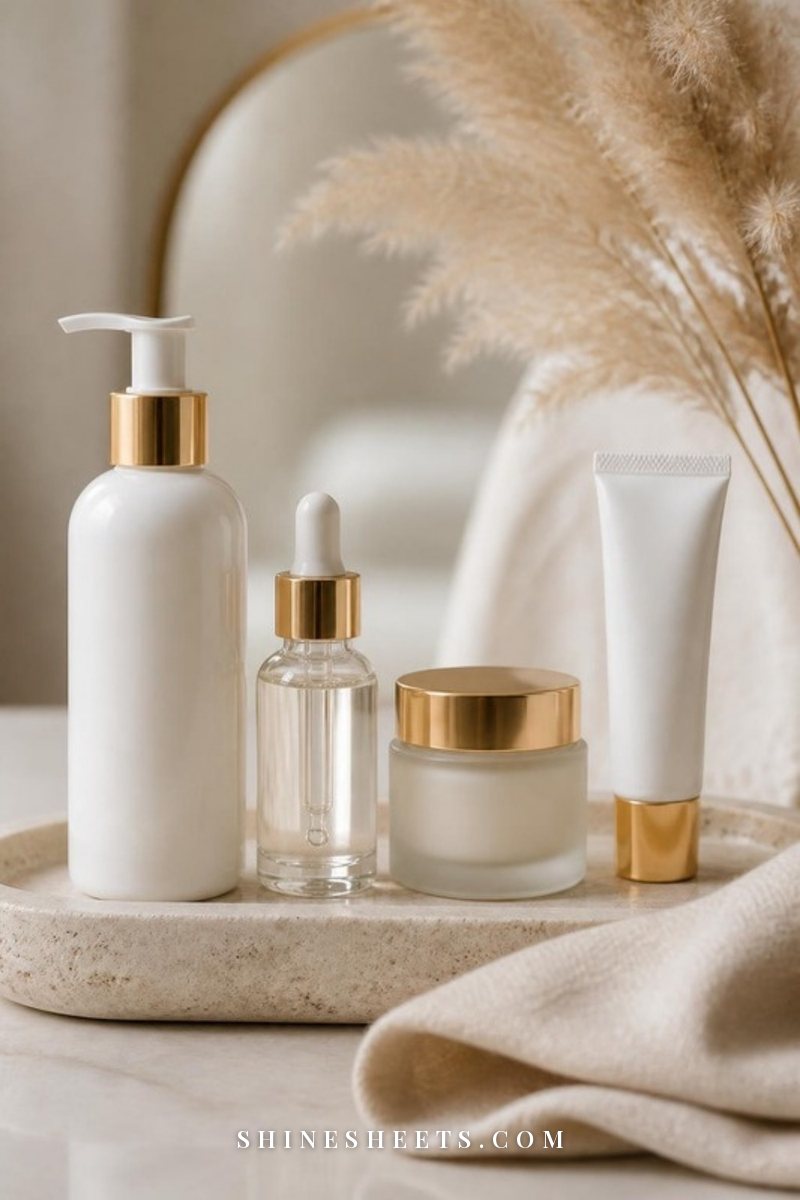
This is the routine I'd give a friend whose skin feels tight, stingy or just tired. It's built around four kinds of days, because your skin doesn't need the same thing every day. Screenshot it and keep it on your phone for the next time your face feels "off."
| Moment | Step 1 | Step 2 | Step 3 | Step 4 | Tip |
|---|---|---|---|---|---|
| Morning | Rinse with lukewarm water or a quick gentle cleanse | Hydrating toner or niacinamide serum | Light ceramide moisturizer | Sunscreen | Keep the morning short – protection matters more than treatment. |
| Evening (normal night) | Ceramide cleanser (double cleanse if wearing SPF/makeup) | Hyaluronic acid or ceramide serum on damp skin | Ceramide cream | Ceramide lip balm | Apply within a minute of cleansing so skin stays damp. |
| Retinol night | Gentle cleanser, pat completely dry | Thin layer of ceramide cream (optional buffer) | Pea-sized retinol | Ceramide cream on top | Keep retinol away from eye corners, nostrils and lips. |
| Flare-up days | Lukewarm water only, or the mildest cleanser | Skip all actives (no acids, retinol, vitamin C) | Rich ceramide cream, a second thin layer on dry spots | Mineral sunscreen in the morning | Stay here 3–7 days, then add actives back one at a time. |
A flare-up day means anything that feels hot, tight, stingy or newly bumpy. The "less is more" phase is hard (it feels like doing nothing), but it's the fastest way back. When your skin feels normal for three days in a row, bring back one active at a time, starting with your favorite, and wait a week before adding the next.
For a fully calm, minimal plan on reactive days, my sensitive skin routine pairs beautifully with this table.
Ceramides for Body, Hands and Lips
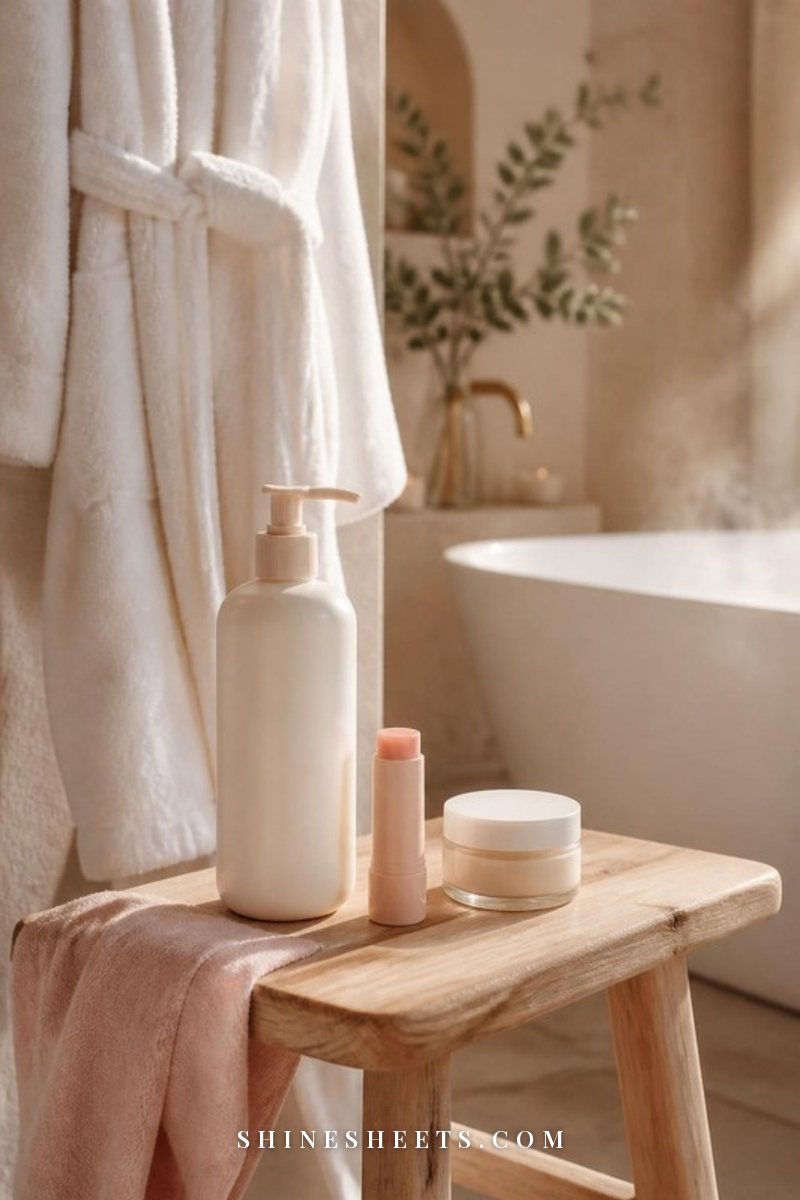
The face gets all the attention, but the places that crack first are usually hands, shins, elbows and lips. They have fewer oil glands, get washed more and face the cold directly.
- Body: ceramide lotion on damp skin after every shower, focusing on shins, elbows, knees and the backs of arms. Thicker cream on very dry patches at night.
- Hands: keep a small tube of ceramide hand cream by the sink and reapply after every wash. At night, apply a thick layer and wear cotton gloves for an hour while you read or journal.
- Lips: lips have almost no barrier of their own. A nourishing ceramide lip balm applied before bed and before going outside helps far more than licking or picking (both make flaking worse).
- Feet: the same body lotion works on heels; for cracked heels, apply at night and wear soft socks.
A little honest admission: hands are where I notice the difference fastest. A week of reapplying after washing changes how they feel more than any fancy mask.
What To Expect and How Long It Takes
Ceramides work gradually, and the improvement often feels like "my skin is just... calmer." Here's a realistic timeline when you use them consistently, twice a day:
- Right away: skin feels more comfortable and less tight after cleansing.
- Within 1 week: less stinging with your usual products, softer dry patches, makeup sits more smoothly.
- 2–4 weeks: fewer flaky patches, redness fades faster after cleansing or cold air, hydration lasts through the afternoon.
- 4–8 weeks: your skin tolerates actives like retinol and acids better, and the barrier feels resilient rather than fragile.
If nothing improves after four to six weeks, look at what you're taking away, not just what you're adding: hot showers, foaming cleansers, scrubs, too many actives or fragranced products can undo the work.
A kind safety note: ceramides are gentle and very well tolerated, but they're a skincare ingredient, not a treatment. If you have redness that burns, rashes, cracked or weeping skin, or eczema that keeps flaring, please see a dermatologist. And as with any new product, patch test first on a small area along your jaw for a couple of days if your skin is very reactive.
5 Ceramide Mistakes To Avoid
- Expecting a cleanser to do everything. It rinses off. The leave-on cream is where the real repair happens.
- Applying to bone-dry skin. Ceramide creams work best over slightly damp skin, so they can lock in water instead of sitting on top.
- Using too little. A tiny smear won't seal the wall. Use enough that your skin feels cushioned, not greasy.
- Keeping harsh habits. Ceramides can't keep up with a scrub every day, scalding water and three acids at once. Pull back the stressors first.
- Giving up after a few days. Barrier repair is quiet. Give it at least four weeks of twice-daily use before you judge.
Final Thoughts
Ceramides are the opposite of a trend. They're the steady, unglamorous base that makes everything else in your routine work better – the mortar that lets your skin feel calm, soft and comfortable in its own wall again.
Start small: one good ceramide moisturizer, applied on damp skin, morning and night. Add sunscreen in the morning, be gentle with the hot water, and give it a few weeks. Your skin has been doing its best for you all along. A little support goes a long way.